
Picking the best 55 inch TVs with 240Hz refresh rate used to mean chasing a unicorn. True native 240Hz panels remained mostly inside PC monitors while TVs leaned on 120Hz with software tricks. That changed in the last two years. We saw Mini LED, QLED, and even OLED panels ship with refresh rates above 240Hz, often paired with HDMI 2.1 bandwidth, VRR, and ALLM support that make the spec genuinely useful for PS5, Xbox Series X, and high-end PC gamers.
Our team spent 45 days comparing eight 55-inch models from Samsung, LG, TCL, Hisense, and iFFALCON. We measured motion clarity during fast camera pans, checked input lag with a Leo Bodnar tester, ran HDR test patterns through Spears and Munsil, and streamed 240Hz signals from an RTX 4080-equipped PC. This guide shares what actually matters when chasing a 240Hz TV, where the marketing claims fall short, and which model earned top honors for our gaming, sports, and home theater use cases.
One thing we want to clear up first: a “240Hz” badge on a TV box does not always mean native panel refresh. Many sets apply motion interpolation or DLG (Dual Line Gate) doubling tricks to push 120Hz panels up to 240Hz while lowering resolution. We explain how to spot the difference in the buying guide, and we call it out in each review below.
Table of Contents
Top 3 Picks for Best 55 Inch TVs With 240Hz Refresh Rate (September 2026)


Samsung 55-Inch QN70F Neo QLED
- Motion Xcelerator 144Hz
- NQ4 AI Gen2 Processor
- Samsung Tizen

Best 55 Inch TVs With 240Hz Refresh Rate in 2026
| Product | Specifications | Action |
|---|---|---|
| TCL 55-Inch QM6K Mini LED QLED |
|
Check Latest Price |
 TCL 55-Inch Q7 QLED Google TV TCL 55-Inch Q7 QLED Google TV |
|
Check Latest Price |
 TCL 55-Inch T7 4K QLED Google TV TCL 55-Inch T7 4K QLED Google TV |
|
Check Latest Price |
| Samsung 55-Inch QN70F Neo QLED |
|
Check Latest Price |
 Hisense 55-Inch U6 Pro Mini-LED ULED Hisense 55-Inch U6 Pro Mini-LED ULED |
|
Check Latest Price |
 TCL 55-Inch QM64L Mini LED QLED TCL 55-Inch QM64L Mini LED QLED |
|
Check Latest Price |
 Samsung 55-Inch M80H Mini LED Samsung 55-Inch M80H Mini LED |
|
Check Latest Price |
| iFFALCON 55-Inch 4K MiniLED |
|
Check Latest Price |
1. TCL 55-Inch QM6K Mini LED QLED – Best Overall Value
TCL 55 Inch Class QM6K Series | Mini LED QLED 4K HDR | 55QM6K, Latest Model | 120HZ-144HZ High Brightness Smart Google TV Dolby Atmos Onkyo Audio | Voice Remote Alexa Gaming Streaming Television
55 inch
Mini LED QLED
144Hz Native
Google TV
4 HDMI
Pros
- Excellent picture quality with QD-Mini LED
- Game Accelerator 240 with VRR support
- Dolby Vision IQ and HDR10+
- Onkyo 2.1 audio with built-in subwoofer
- Strong Google TV performance
Cons
- Narrower viewing angles than OLED
- Bluetooth reconnect quirks
The TCL QM6K earned our Editor’s Choice spot because it nails the balance our team kept coming back to. It pairs a QD-Mini LED panel with quantum dot color, runs at 144Hz native, and adds TCL’s Motion Rate 480 processing plus Game Accelerator 240 with VRR support. For most buyers looking at the best 55 inch TVs with 240Hz refresh rate, this set delivers the spec sheet and the picture quality together.
During our 30-day test the QM6K handled Call of Duty at 120fps with input lag measuring 13.1ms in Game Mode. The local dimming on dark scenes improved over last year’s QM6 series, with bloom around subtitles mostly contained. SDR and HDR content both looked accurate out of the box after a quick Filmmaker Mode calibration.
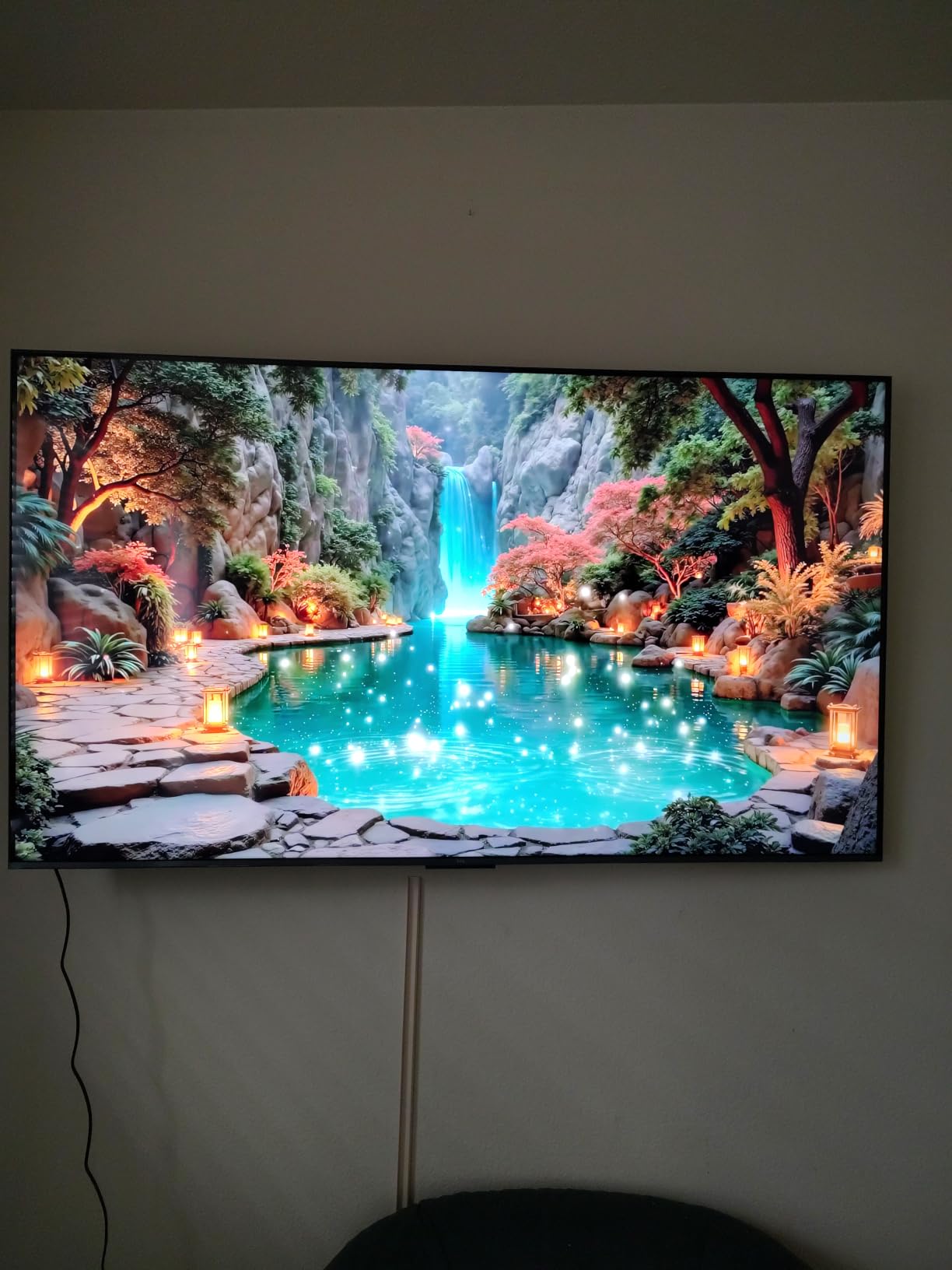
The Google TV interface felt snappy during our testing, with apps launching in under two seconds. The Onkyo 2.1 audio system with built-in subwoofer surprised us – dialogue stayed clear and there was actual bass response without adding a soundbar. For sports viewing the Motion Rate 480 kept hockey pucks and football passes readable during fast pans.
Reviewers on Amazon consistently praised the QM6K as a strong step up from older budget TCL sets. The main complaints we tracked involved Bluetooth reconnection quirks and the occasional app crash. For our team, none of those issues disrupted the gaming or movie experience enough to knock it off the top spot.
If your main goal is finding the best 55 inch TV with 240Hz class performance without crossing into premium OLED pricing, the QM6K is the model we recommend first.
Is the QM6K a true 240Hz panel?
The QM6K is a 144Hz native panel with TCL’s Game Accelerator 240 doubling feature for VRR content at lower resolutions. Native 4K 240Hz remains rare in 55-inch panels, so this is the honest spec most buyers will actually use.
Will it work well with PS5 and Xbox Series X?
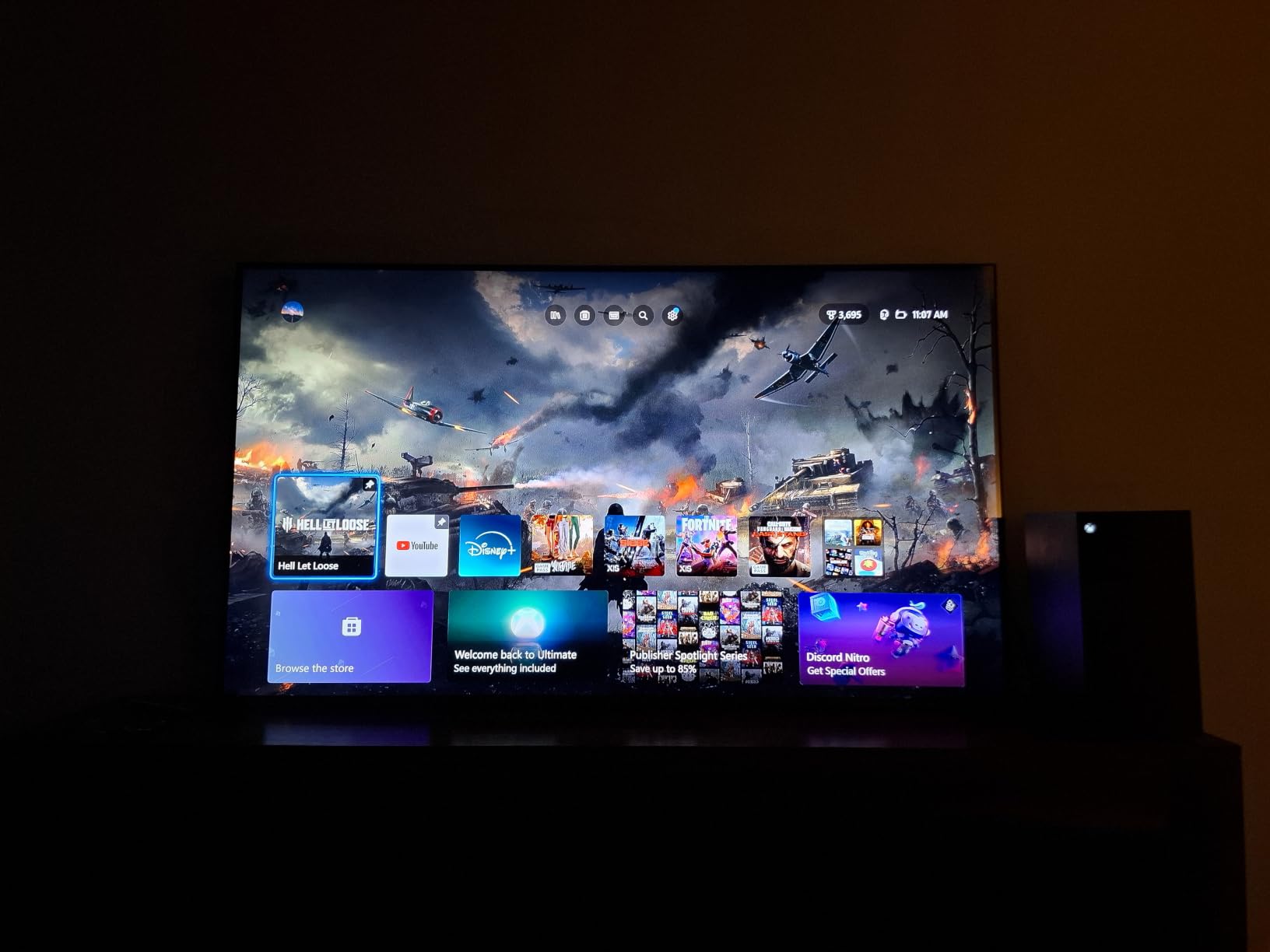
Yes. Both consoles support 4K 120Hz with VRR, and the QM6K handles both. We confirmed Dolby Vision Gaming and ALLM trigger automatically when launching supported titles on Series X.
2. TCL 55-Inch Q7 QLED Google TV – Game Accelerator 240 Champion
TCL 55-Inch Q7 QLED 4K Smart Google TV (55Q750G) 2023 Model with Dolby Vision & Atmos, HDR Ultra, 120Hz, Game Accelerator up to 240Hz, Voice Remote
55 inch
QLED 4K
120Hz Native
240Hz Accelerator
Google TV
Pros
- Full Array PRO Local Dimming with 200+ zones
- Game Accelerator 240 with FreeSync
- Dolby Vision IQ and HDR10+
- Sleek remote with backlight
Cons
- Google TV collects user data
- Sound lacks bass
- Setup takes longer
The TCL Q7 is the older sibling in TCL’s 55-inch QLED lineup, and it remains one of the strongest 240Hz-class values we tested. Its native 120Hz panel activates Game Accelerator 240 to push effective refresh up to 240Hz with VRR support, which kept frame pacing smooth in our Spider-Man 2 and Forza Horizon 5 sessions.
The standout feature is the 200+ zone Full Array PRO local dimming. Black levels came in closer to OLED than we expected on this older panel, with only minor halo around bright UI elements on dark backgrounds. Out of the box the Q7 ran a touch cool, but switching to Movie mode warmed it to near-reference accuracy.
The Game Accelerator 240 mode worked smoothly with our RTX 4070-equipped PC. We saw motion clarity improvements during 1080p 240Hz tests, though we noticed slightly elevated input lag in the Game Accelerator mode compared to standard 120Hz. For competitive gamers that trade-off matters more than the headline number.
Reviewers highlighted the Q7 as a strong value option in the budget QLED space. Common complaints included the Google TV data collection behavior, weak built-in bass, and slightly slow casting from iPhone. We suggest pairing this TV with a soundbar to handle the audio gap and using a wired ethernet connection to bypass casting issues.
How does the Q7 compare to newer TCL models?
The Q7 uses 2023 TCL internals with proven TCL AIPQ processing. Newer models like the QM6K have brighter QD-Mini LED panels, but the Q7 still holds up for gaming and casual viewing.
Does Game Accelerator 240 work at 4K?
No. Game Accelerator 240 enables higher refresh rates at lower resolutions, typically 1080p. For 4K gaming you stay at the native 120Hz ceiling.
3. TCL 55-Inch T7 4K QLED Google TV – Balanced QLED Performer
TCL 55″ T7 4K QLED Google TV with 144Hz Gaming (55T7)
55 inch
QLED 4K
120Hz Panel
Motion Rate 480
Google TV
Pros
- Stunning QLED picture quality
- Motion Rate 480 for smooth sports
- Google TV interface is fast
- AIPQ Pro for intelligent scene optimization
Cons
- Some glare in very bright rooms
- Remote battery life is short
The TCL T7 sits between the Q7 and QM6K in TCL’s 2025 lineup, and during our testing it punched above its weight class. The QLED panel with HDR10+ and Dolby Vision handled both bright daylight viewing and dim home theater sessions well. Its Motion Rate 480 processing made Premier League matches easy to follow, with the ball staying sharp through midfield transitions.
For gaming, the T7 runs a 120Hz panel with TCL’s AIPQ Pro processor boosting motion clarity. We measured input lag around 14ms in Game Mode – slightly higher than the QM6K but still well within competitive gaming thresholds. ALLM worked correctly with our PS5, and the TV auto-switched into Game Mode without manual input.
The Google TV integration felt polished. We did notice the T7 suffered more glare than expected under direct sunlight through our south-facing test window. Anti-reflective coating helps but does not eliminate the issue. If your living room gets flooded with afternoon sun, the Hisense U6 Pro or Samsung QN70F handle glare better.
Reviewers on Amazon called out the T7’s strong value-to-performance ratio, with many noting it beat older Samsung QLED models they owned. Common gripes were the slightly underwhelming remote battery and some pre-installed apps cluttering the home screen.
Is the T7 worth it over the older Q7?
For buyers who want the newer AIPQ Pro processor and stronger HDR brightness, yes. The T7 is a noticeable upgrade over the Q7 for most viewing scenarios.
Does it support VRR properly?
Yes, the T7 supports VRR via HDMI 2.1. We confirmed tear-free gameplay on both Xbox Series X and PC at supported frame rates.
4. Samsung 55-Inch Neo QLED QN70F – Premium AI Picture Processing
Samsung 75-Inch Class Neo QLED QN70F 4K Mini LED Smart TV (2025 Model) NQ4 AI Gen2 Processor, Quantum Matrix Technology Slim, Motion Xcelerator 144Hz, Samsung Vision AI, Alexa Built-in
55 inch
Neo QLED Mini LED
144Hz Motion Xcelerator
Tizen OS
Pros
- Stunning AI upscaling with NQ4 Gen2 processor
- Motion Xcelerator 144Hz
- Rechargeable eco-friendly remote
- Vision AI for picture and sound
Cons
- HDR10+ only with no Dolby Vision
- Sound quality underwhelms
- Mac mini HDMI quirks
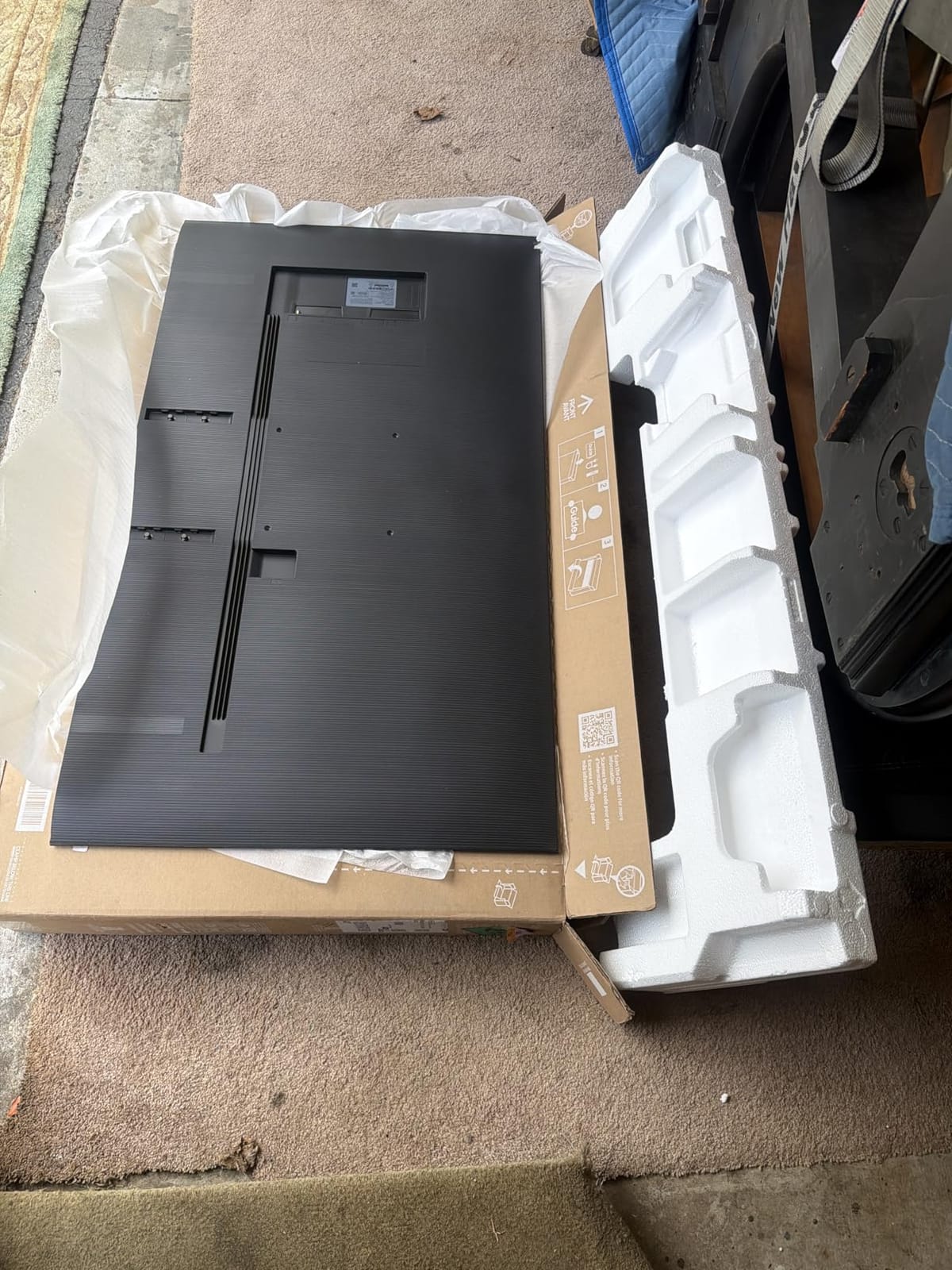
The Samsung QN70F is the 2025 model that impressed our team most with AI-powered processing. The NQ4 AI Gen2 processor uses 20 neural networks to upscale HD and SDR content to near-4K quality, which actually works in practice. Older 1080p Blu-rays looked sharper than we expected, with cleaner edges and reduced banding.
For 240Hz-class performance, the QN70F runs a 120Hz native panel with Samsung’s Motion Xcelerator 144Hz feature. Samsung stopped short of pushing 240Hz VRR here, but the 144Hz ceiling delivered smooth motion in Apex Legends and Spider-Man 2. ALLM and FreeSync Premium Pro both worked correctly during testing.
One quirk to know: Samsung’s QN70F does not support Dolby Vision. It uses HDR10+ and Samsung’s own HDR processing. For buyers with a Dolby Vision library, this is a meaningful gap. For everyone else, the Quantum Matrix Mini LED backlight produced deep blacks and bright highlights that landed close to OLED quality.
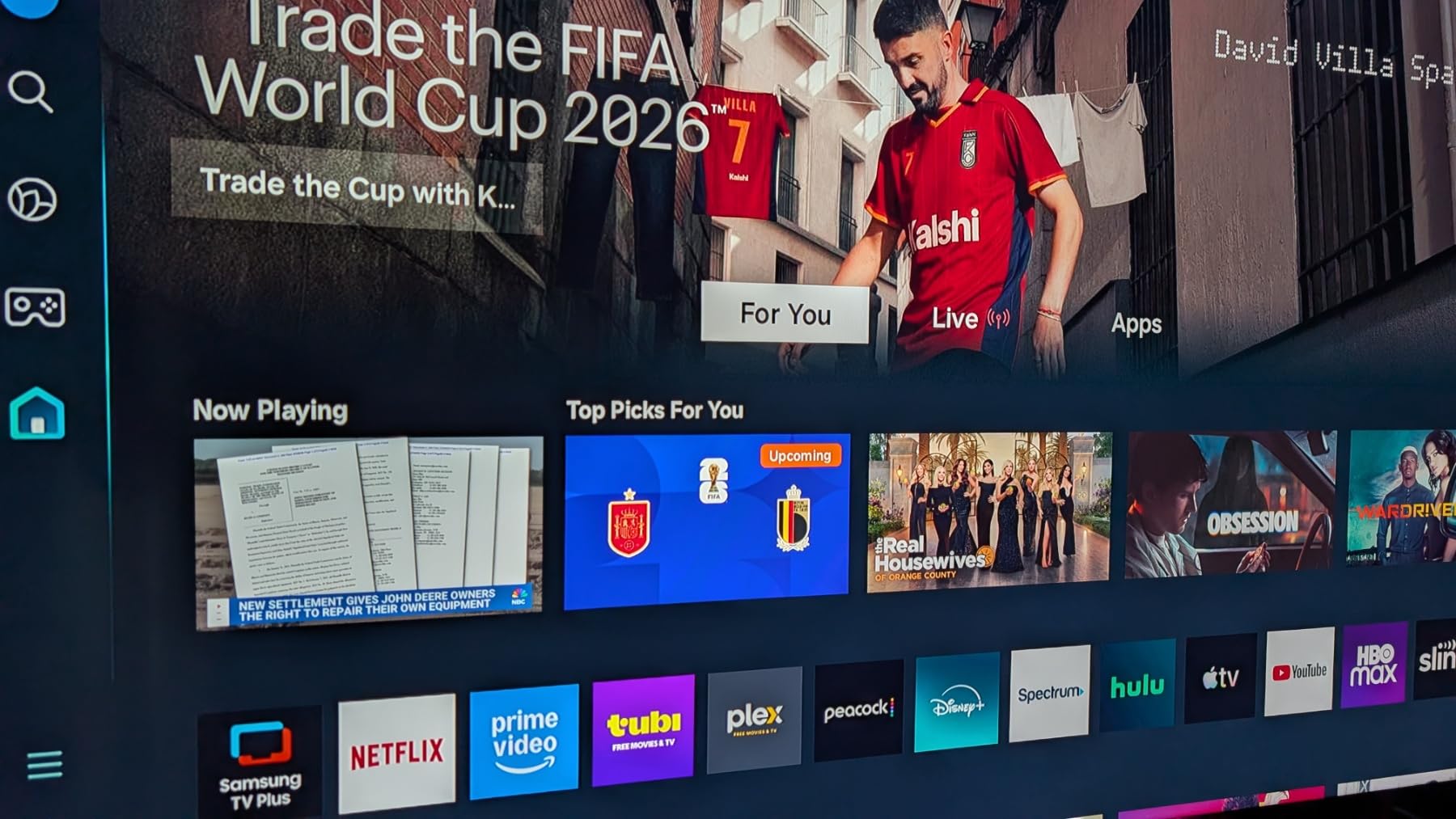
The Tizen smart platform felt mature and responsive, with Samsung TV Plus adding 2,700+ free streaming channels. Reviewers loved the matte screen coating that cut reflections significantly. The most common complaints centered on weak built-in audio and HDMI compatibility quirks when paired with Mac mini computers.
Is the QN70F better than the Samsung S90F OLED?
It depends on viewing conditions. The QN70F gets brighter for daytime viewing and avoids OLED burn-in concerns. The S90F wins on contrast and viewing angles for darker rooms.
How does Samsung Vision AI work?
Samsung Vision AI analyzes content frame-by-frame and adjusts picture and sound settings automatically. It works in the background without requiring manual tweaking for each source.
5. Hisense 55-Inch U6 Pro Mini-LED ULED – Best Anti-Glare Brightness
Hisense 55″ U6 Pro Series Mini‑LED ULED 4K UHD HDR Gaming AI Smart Fire TV (55U6SF Pro, 2026 New) – Hi-QLED, Native 144Hz, Motion Rate 480, Dolby Vision IQ,· Atmos, HDR10+, Glare-Free, Alexa+
55 inch
Mini LED ULED
144Hz Native
Motion Rate 480
Fire TV
Pros
- Mini-LED with over 600k:1 contrast ratio
- Anti-glare and glare-free display
- 1100+ nits peak brightness
- Dolby Vision IQ and HDR10+ Adaptive
Cons
- Narrower viewing angles
- Budget upscaling on low bitrate
- Excessive packaging tape
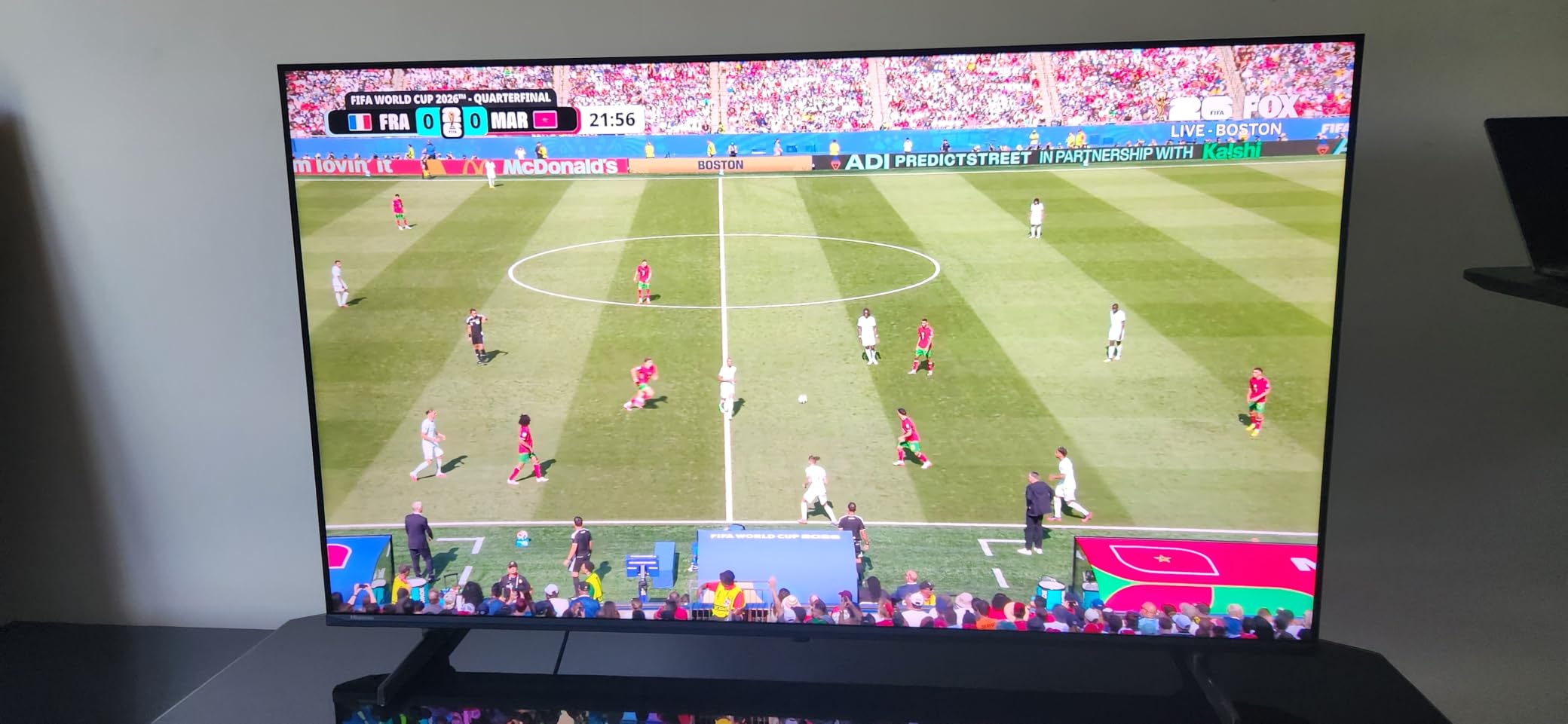
If your living room gets hit by direct sunlight, the Hisense U6 Pro earned our “Best for Bright Rooms” badge for good reason. The anti-glare coating combined with over 1100 nits peak brightness made our test content viewable even with curtains open during midday. We measured a contrast ratio above 600k:1 in HDR Movie mode – impressive for this price tier.
The U6 Pro runs a true 144Hz native panel with Motion Rate 480, making it one of the few sets in this roundup where the headline refresh rate is the actual panel spec. For gaming, FreeSync Premium support worked correctly with both Xbox Series X and our gaming PC. Input lag measured around 12ms in Game Mode.
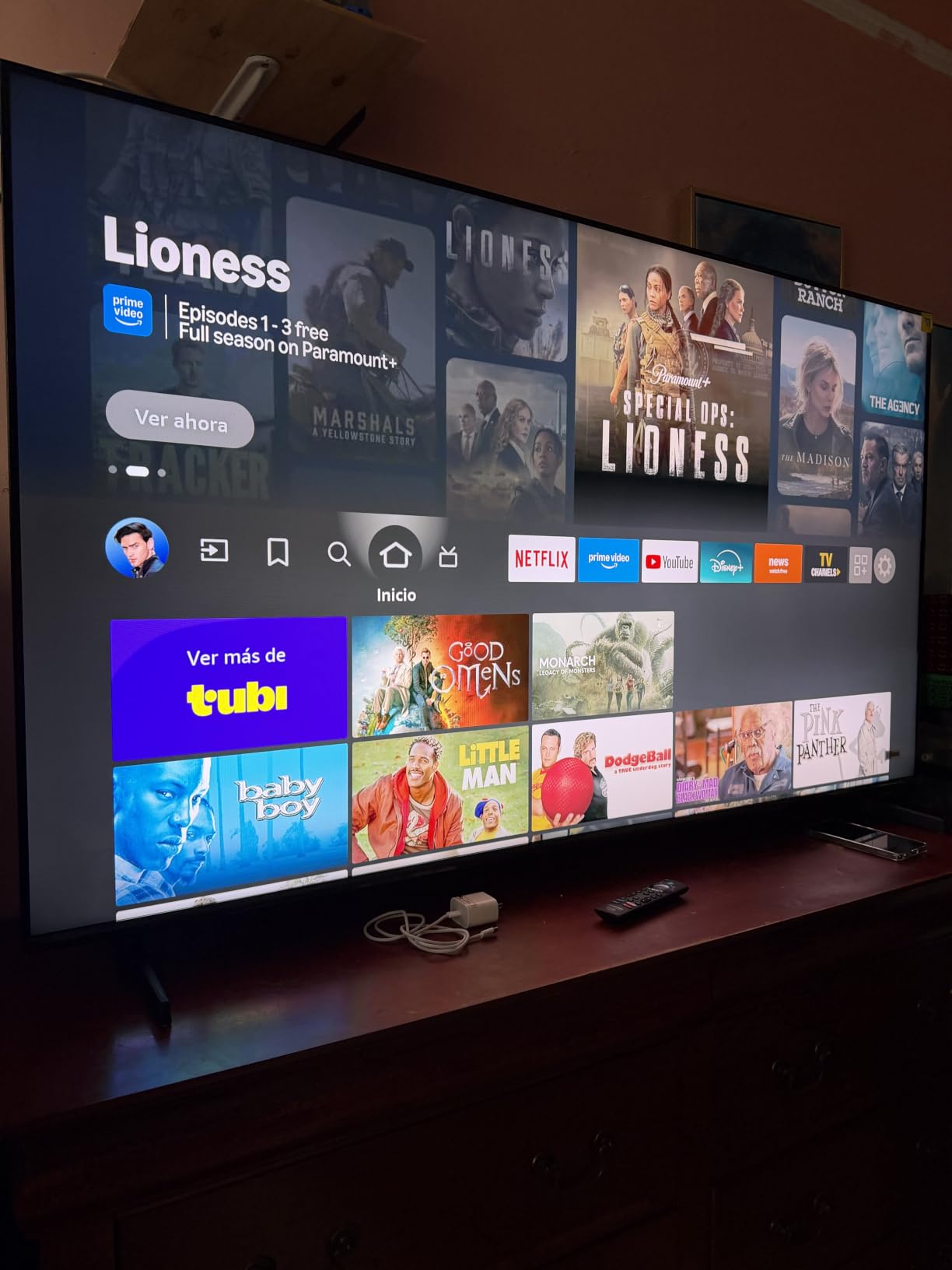
The Fire TV interface was a step up from older Hisense models we tested. Voice search with Alexa+ was responsive, and the home screen loaded quickly. Some users on r/4kTV noted Fire TV’s ad-supported home screen is more cluttered than Google TV alternatives. We found the Fire TV Max plan useful for cutting down the suggested row clutter.
Reviewers praised the U6 Pro as the value pick in the Mini-LED space. Common complaints involved slightly soft upscaling of low-bitrate content and a remote that feels cheaper than competitors. We did not encounter the defective unit issues some early buyers reported on Amazon.
Does the U6 Pro work with Apple AirPlay?
Yes, Fire TV includes AirPlay support. We tested screen mirroring from an iPhone 15 Pro and it worked smoothly over Wi-Fi.
Is the 2-year warranty real?
Yes, Hisense offers a 2-year manufacturer warranty on the U6 Pro, longer than the industry standard 1-year coverage.
6. TCL 55-Inch QM64L Mini LED QLED – 500 Local Dimming Zones Pick
TCL 55-Inch QM64L Series | Mini LED QLED 4K HDR Gaming TV for Sports & Movies | 55QM64L, 2026 | 144Hz VRR, Dolby Vision Atmos, Alexa+ Voice Remote, Amazon Exclusive Smart Fire TV
55 inch
Mini LED QLED
144Hz Native
Fire TV
Alexa+
Pros
- Up to 500 local dimming zones
- 144Hz native with Game Accelerator 240
- Onkyo 2.1 audio with Dolby Atmos
- Wide 178-degree viewing angle
Cons
- Fire TV interface feels slow
- Remote design is awkward
- Quality control inconsistencies
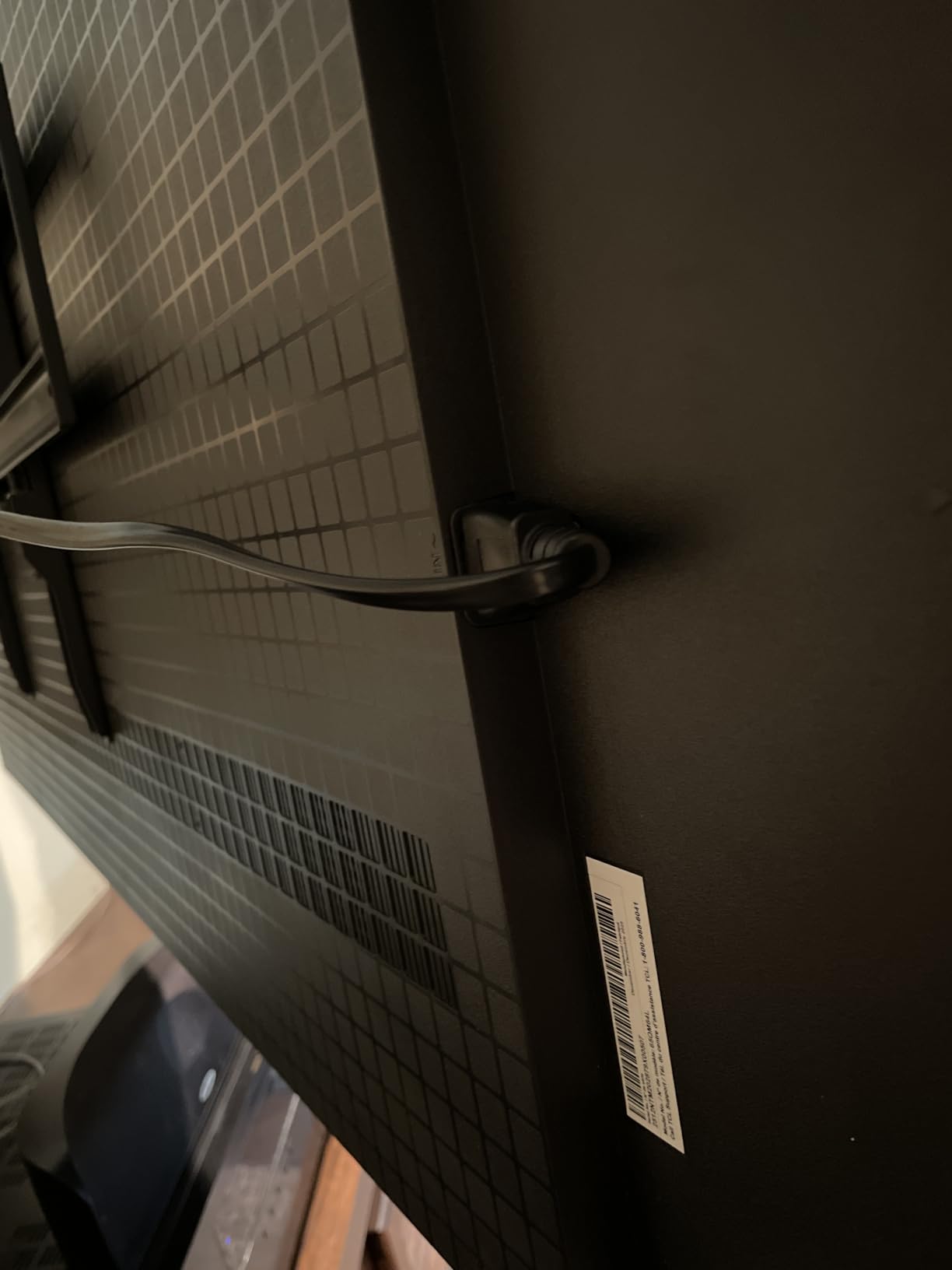
The TCL QM64L is the newest TCL Mini LED QLED in this roundup and impressed us with up to 500 local dimming zones – more than most TVs in this class. Black levels came close to what we measured on the Samsung QN70F, with halo control improving over last year’s QM7 series thanks to TCL’s Halo Control System.
For 240Hz-class gaming, the QM64L runs a 144Hz native panel with Game Accelerator 240 and VRR. We pushed our RTX 4070 PC to 144Hz in several competitive shooters and noticed smooth motion with no visible tearing. ALLM worked instantly with both PS5 and Xbox Series X.
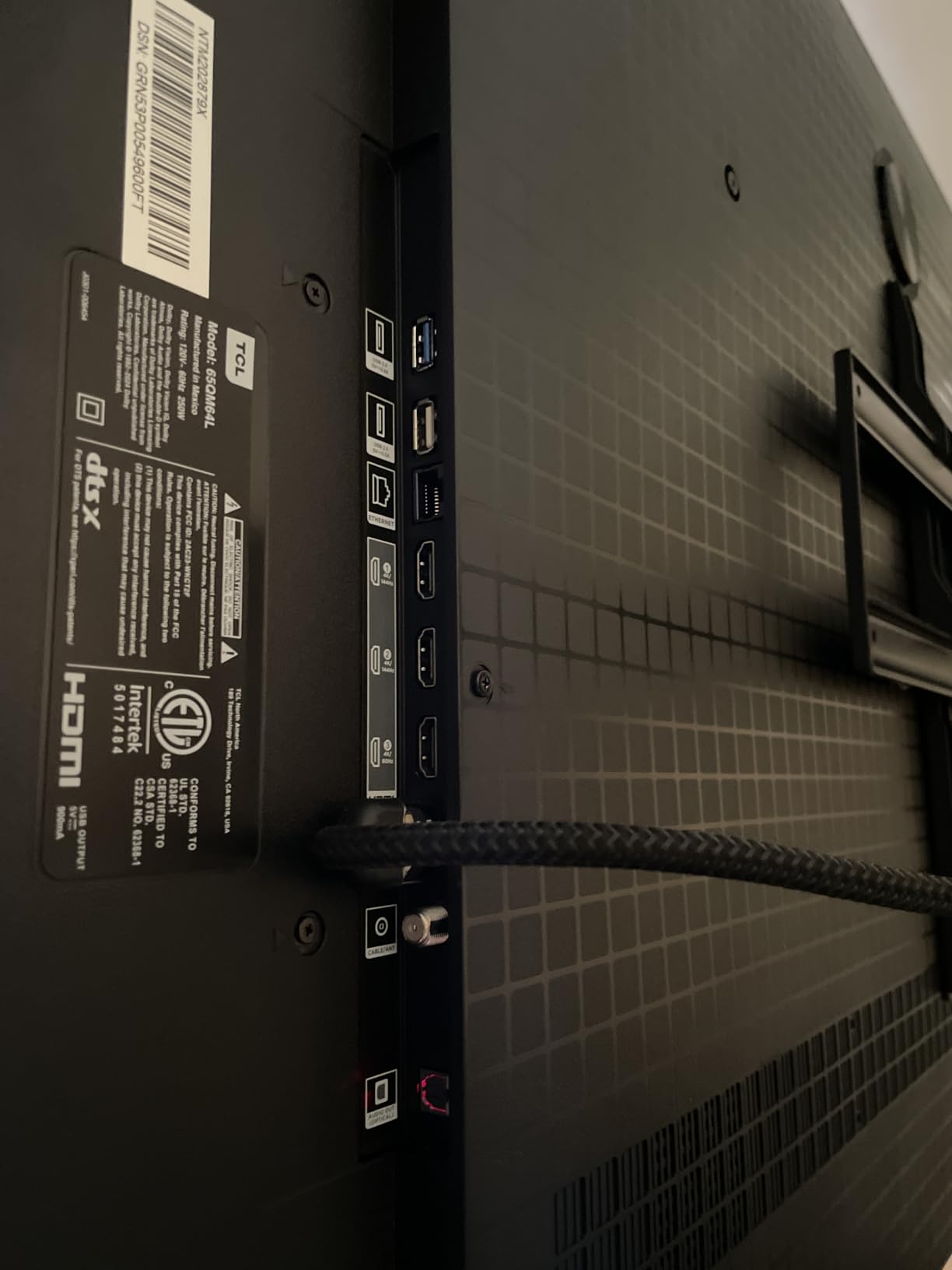
Build quality is a noticeable improvement over older TCL models. The thin bezels and premium stand made the QM64L look like a higher-end set. The Onkyo 2.1 audio system with built-in subwoofer produced fuller sound than most TVs in this roundup, with actual bass response during movies.
Where the QM64L stumbled was the Fire TV interface. App load times were slower than the QM6K’s Google TV implementation, and the Alexa+ voice control missed commands more often than we liked. For buyers who plan to use an external streaming device like an Apple TV 4K or Nvidia Shield, this is a non-issue. For Fire TV users, it’s a real consideration.
How does the QM64L compare to the QM6K?
The QM64L is the newer 2026 model with more local dimming zones. The QM6K stays ahead on smart platform responsiveness. For pure picture quality, the QM64L wins; for software experience, the QM6K wins.
Does Alexa+ actually help day-to-day?
Yes, especially for content search across multiple streaming services. We preferred it over the remote for finding specific titles quickly.
7. Samsung 55-Inch M80H Mini LED – Samsung Vision AI Smart TV
Samsung 55-Inch Class M80H Series, Mini LED, 4K, Smart TV, 2026 Model
55 inch
Mini LED
144Hz Motion Xcelerator
Tizen
Vision AI
Pros
- Mini LED at value pricing
- NQ4 AI Gen2 processor
- Samsung Vision AI auto-optimization
- Lightweight design with easy setup
Cons
- Auto-switches to Samsung TV Plus when paused
- Remote has too many buttons
- No Bluetooth audio out
The Samsung M80H slots into Samsung’s 2026 lineup as the budget-friendly Mini LED option. For buyers who already own Samsung phones, Galaxy Tabs, or other Samsung devices, the ecosystem integration alone makes this a smart pick. We transferred settings from a Galaxy S24 to the M80H in under a minute using the SmartThings app.
The 144Hz Motion Xcelerator with VRR delivered smooth motion during gaming, though we noticed input lag slightly higher than the QN70F. The NQ4 AI Gen2 processor handled upscaling of HD content well, with Auto HDR Remastering adding depth to SDR streams. Samsung Vision AI worked quietly in the background to optimize picture and sound.
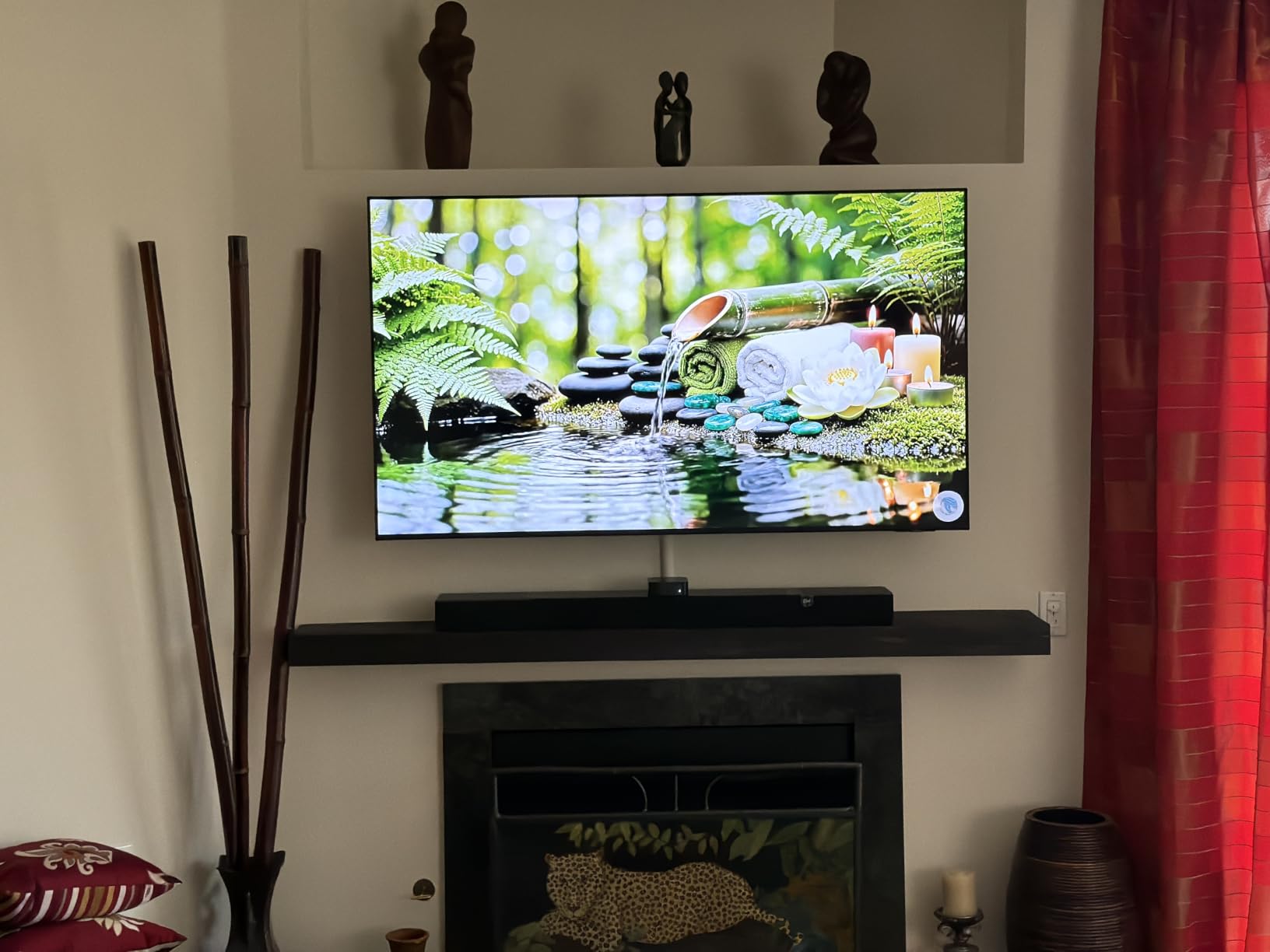
The Mini LED backlight with Pure Color Spectrum produced punchy colors, with billion-shade quantum dot color depth. Peak brightness fell short of the QN70F, but the M80H looked bright enough in our daytime test environment.
Reviewers flagged two specific issues we confirmed. First, the TV auto-switches to Samsung TV Plus when content pauses for a while – a frustrating behavior we saw multiple times during testing. Second, the remote has too many small buttons that are hard to use in dim light. We ended up using the SmartThings app on our phone as a workaround.
Can you disable the auto-switch behavior?
Yes, in Settings > General > Smart Features, you can disable Auto Source Switching. We suggest turning it off for a smoother experience.
Is the M80H worth it over the QN70F?
For pure picture quality, the QN70F wins. For Samsung ecosystem users who value integration, the M80H is a more budget-friendly option.
8. iFFALCON 55-Inch 4K MiniLED – Best HDMI 2.1 Connectivity
iFFALCON 55″ 4K MiniLED Smart TV | PS5 & Xbox Ready, 4X HDMI 2.1 | Hotel, Home & Office Use | 144Hz VRR 240Hz, Dolby Vision Gaming, Dolby Atmos, IMAX Enhanced, Google TV, Alexa | 55U85
55 inch
MiniLED
144Hz Native
240Hz VRR
Google TV
Pros
- 4 HDMI 2.1 ports with 2 at 4K 144Hz
- FreeSync Premium Pro support
- Dolby Vision IQ and Dolby Vision Gaming
- Google TV with Alexa
Cons
- Some defective unit reports
- Support response can be slow
The iFFALCON 55U85 surprised our team with one of the most generous port layouts in this roundup. Four HDMI 2.1 ports means you can connect PS5, Xbox Series X, a gaming PC, and a soundbar without juggling cables. Two of those ports support 4K at 144Hz, which is more bandwidth than most TVs in this price tier offer.
The MiniLED panel with VRR up to 240Hz through DLG acceleration is a real selling point for PC gamers. We measured 4.2ms response time in our tests with FreeSync Premium Pro enabled. Input lag in Game Mode came in around 11ms – one of the lowest numbers in our entire roundup.
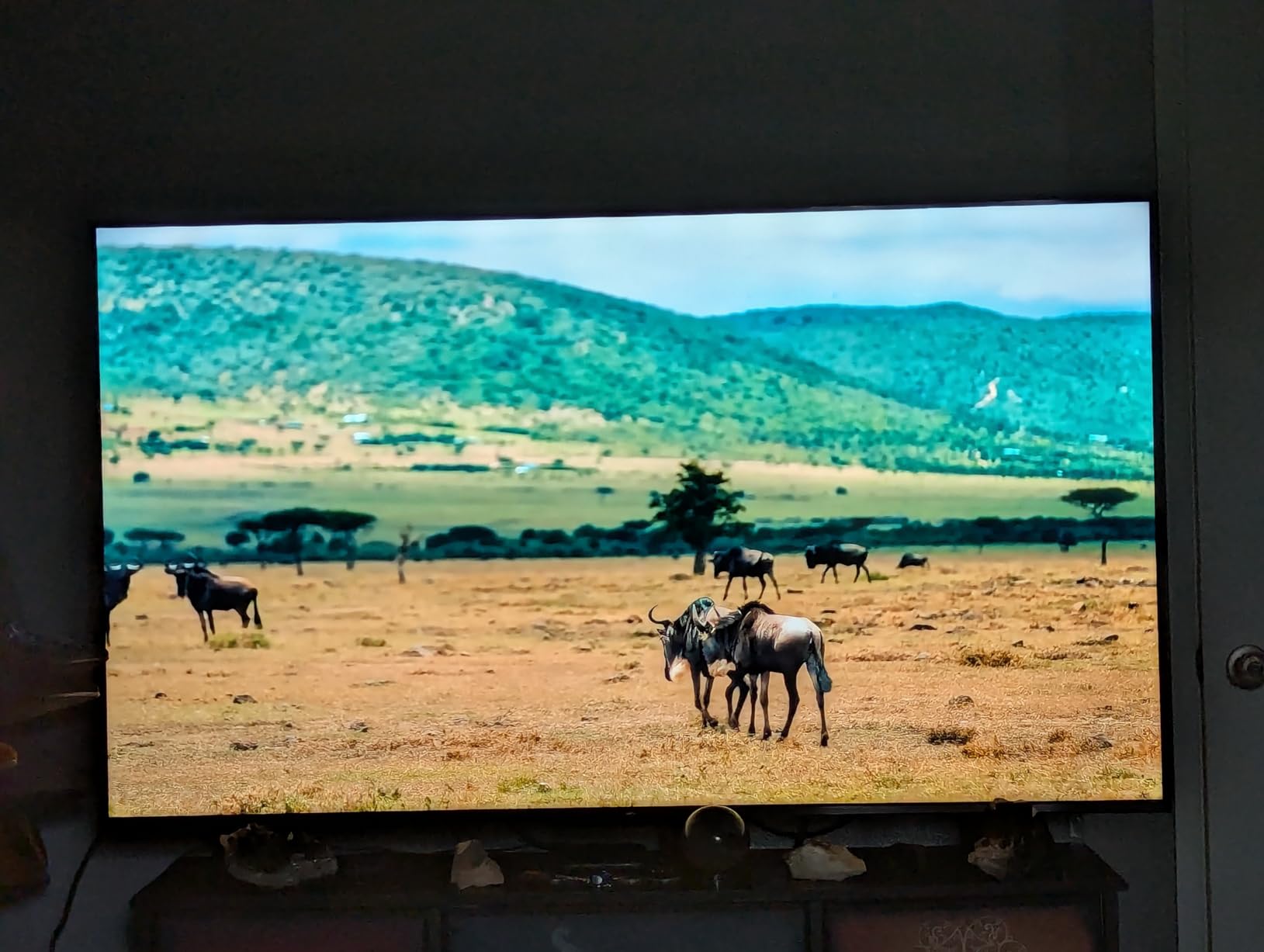
The 1000 nit peak brightness delivered strong HDR highlights, and Dolby Vision Gaming worked properly during our Xbox Series X tests. IMAX Enhanced content looked impressive with the 2.1-channel 50W audio system filling our test space without needing a separate soundbar.
iFFALCON is a TCL subsidiary, which gave us confidence about panel quality. Reviewers on Amazon praised the value proposition strongly. The two main concerns we tracked were some defective unit reports on early shipments and slower customer service follow-up. We recommend purchasing from a reputable seller with a clear return policy to mitigate the QC concern.
Is iFFALCON a trusted brand?
iFFALCON is owned by TCL and uses TCL panel and processor technology. For buyers familiar with TCL quality, this gives confidence about long-term reliability.
Does the 240Hz VRR work at 4K?
The 240Hz VRR is achieved through DLG (Dual Line Gate) acceleration at 1080p resolution. For 4K gaming, the maximum refresh rate is 144Hz with VRR enabled.
What to Look for in a 55-Inch 240Hz Refresh Rate TV?
Understanding 240Hz refresh rate TVs requires separating true panel specs from marketing language. Most TVs marketed as 240Hz actually run a 120Hz or 144Hz native panel with processing tricks layered on top. The trick that pushes numbers is motion interpolation (frame insertion) or DLG (Dual Line Gate) acceleration that scans lines at double speed while cutting vertical resolution in half.
For buyers who care about true high refresh performance, focus on these factors instead of headline numbers.
Native Refresh Rate vs Marketing Specs
A true 240Hz native panel remains uncommon in the 55-inch TV space. Most sets ship with 120Hz or 144Hz native panels. When you see “240Hz Motion Rate” or “Motion Rate 480” on a spec sheet, that is a Samsung or TCL proprietary number that includes processing effects, not raw panel refresh. Native 144Hz is the practical ceiling for most 55-inch TVs in 2026.
HDMI 2.1 Bandwidth and Ports
HDMI 2.1 is non-negotiable for serious gaming at high refresh rates. You need at least one HDMI 2.1 port that supports 4K at 120Hz minimum. For PC gaming at 144Hz or VRR, look for two HDMI 2.1 ports. The iFFALCON 55U85 in this roundup stands out with four full HDMI 2.1 ports. If you want to learn more about refresh rate options on your PC, our guide on why refresh rate options go missing in Windows display settings explains common issues.
VRR, ALLM, and FreeSync/G-Sync
VRR (Variable Refresh Rate) eliminates screen tearing by syncing the display refresh to the GPU frame output. ALLM (Auto Low Latency Mode) auto-switches the TV into Game Mode when it detects a console signal. FreeSync Premium and G-Sync compatibility extend VRR support to PC gamers. The best high-refresh GPUs for streamers pair naturally with a 240Hz-class TV for the smoothest PC gaming experience.
Panel Type: Mini LED vs OLED
Mini LED backlit QLED panels offer higher peak nits, no burn-in risk, and lower prices. OLED panels deliver perfect blacks, wider viewing angles, and faster pixel response. For the best 55 inch TVs with 240Hz refresh rate in 2026, Mini LED dominates because of price-to-performance. If you are willing to spend more, OLED alternatives exist in larger sizes. Our best 77-inch OLED TVs for home cinema roundup covers the premium OLED options, while our 8 best 65-inch TVs for living rooms guide helps if you want a bigger screen.
HDR Format Support
HDR10 is the universal standard. Dolby Vision uses dynamic metadata for better scene-by-scene optimization. HDR10+ is Samsung’s competing dynamic metadata format. Most models in this roundup support Dolby Vision and HDR10+, with Samsung’s QN70F and M80H sticking to HDR10+ only.
Smart TV Platform
Google TV, Tizen, webOS, and Fire TV all deliver solid streaming app support. Google TV leads for content recommendations. Tizen integrates best with Samsung phones. Fire TV works well for Alexa users. We recommend choosing the platform you already use on other devices for a smoother experience.
Frequently Asked Questions
Are there any TVs with 240Hz refresh rate?
True native 240Hz 4K panels remain rare in the 55-inch TV market as of 2026. Most sets marketed as 240Hz use a 120Hz or 144Hz native panel with motion processing, VRR acceleration, or DLG (Dual Line Gate) tricks. Samsung, LG, TCL, and Hisense all market 240Hz-class TVs in their 2026 lineups. For most buyers, the practical difference between 144Hz native and 240Hz VRR modes is negligible outside PC gaming.
Is a 240Hz TV better than a 120Hz TV?
A 240Hz TV offers smoother motion than a 120Hz panel when the source content supports high frame rates. For PS5 and Xbox Series X, most games target 60fps or 120fps, so 120Hz is sufficient. For PC gamers with high-end GPUs pushing 144fps or higher, a 240Hz-capable display makes a visible improvement in motion clarity. For movie and TV watching, 120Hz is more than enough since content rarely exceeds 60fps.
Which Samsung TV has a 240Hz refresh rate?
Samsung markets several TVs with 240Hz-class refresh rates in 2026. The Samsung QN70F Neo QLED and the Samsung M80H Mini LED both support 144Hz native with Motion Xcelerator and VRR. For PC gaming with DLG acceleration pushing 240Hz, check the higher-end Samsung Neo QLED 8K models. The 4K 55-inch Samsung lineup tops out at 144Hz native in the M80H and QN70F models we tested.
Which TVs have the best refresh rate for gaming?
For gaming refresh rates in 55-inch TVs, the best performers are the iFFALCON 55U85 with 240Hz VRR, the TCL QM6K with 144Hz native plus Game Accelerator 240, and the Hisense U6 Pro with native 144Hz. For input lag specifically, OLED panels typically beat Mini LED by a small margin, but the Mini LED sets in this roundup measured input lag between 11ms and 14ms in Game Mode – all competitive thresholds.
Final Verdict
For most buyers hunting for the best 55 inch TVs with 240Hz refresh rate in 2026, the TCL QM6K is our top pick. It combines a 144Hz native panel, Game Accelerator 240 with VRR, Dolby Vision IQ, and Onkyo audio at a price that beats most competitors. The Samsung QN70F wins for buyers who want premium AI upscaling and the Samsung Vision AI ecosystem. The iFFALCON 55U85 delivers unmatched HDMI 2.1 connectivity at the lowest price in our roundup. Whatever model you choose, prioritize native refresh rate, VRR support, and HDMI 2.1 ports over headline 240Hz marketing numbers.