
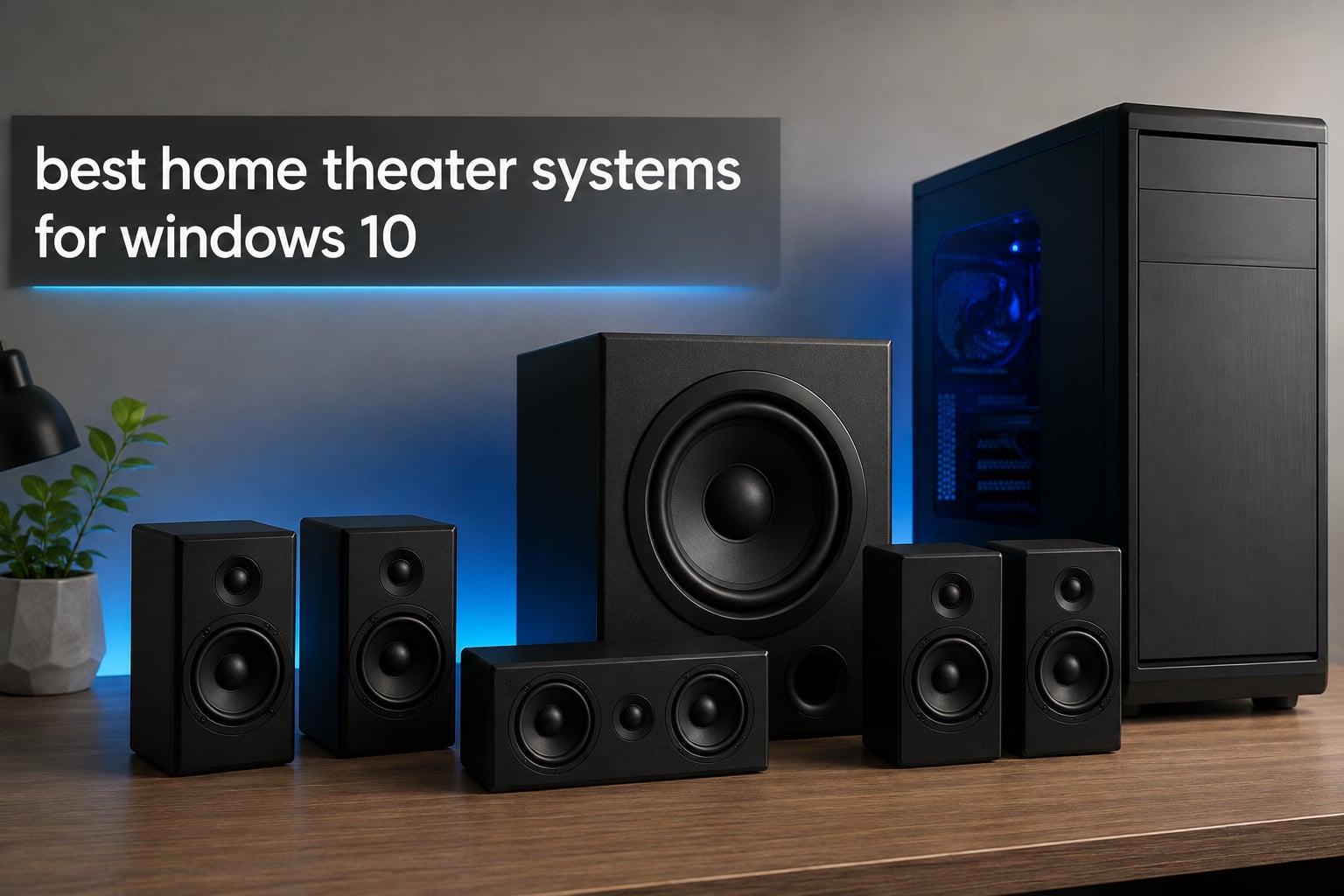
Your Windows 10 PC is already a capable media machine, but the tiny built-in speakers or basic monitor audio are leaving most of the experience on the table. We spent weeks testing eight of the best home theater systems for Windows 10 to find the setups that actually deliver cinematic sound without forcing you to fight HDMI handshakes, missing drivers, or unsupported surround formats.
A home theater system for Windows 10 is an audio setup that connects to your PC to deliver immersive, cinema-quality sound for movies, gaming, and music, typically including speakers, a receiver or soundbar, and support for surround sound formats like Dolby Atmos. Most home theater roundups on the web pretend the PC does not exist, but our team wanted answers for people whose primary source is a desktop tower or HTPC.
In this guide we cover everything from a compact THX-certified 2.1 desktop rig to full 5.1 surround packages with built-in receivers. We also dig into Windows 10 Spatial Audio, HDMI versus optical connections, gaming latency, and the AV receiver settings that actually make a difference when your source is Windows. If you are building a living room PC setup or just want movie-night sound from the same machine you use for work, start here.
Table of Contents
Top 3 Picks for Best Home Theater Systems for Windows 10 (September 2026)
Three systems stood out across our testing for Windows 10 PCs. The Klipsch ProMedia 2.1 THX is our Editor’s Choice because it pairs instantly over 3.5mm, sounds fantastic, and has the deepest subwoofer in this price class. The Logitech Z623 wins Best Value with massive output for the cost. The Rockville HTS56 takes Budget Pick as the cheapest path to true 5.1 surround from your PC.
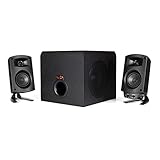
Klipsch ProMedia 2.1 THX
- THX-certified audio
- 260W peak power
- Plug and play 3.5mm
- MicroTractrix horn tech

Logitech Z623 2.1
- THX-certified 2.1
- 400W peak power
- RCA and 3.5mm inputs
- 2 satellites plus sub
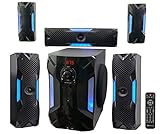
Rockville HTS56 5.1
- 1000W peak power
- 5.1 channel surround
- Bluetooth and optical
- 8-inch subwoofer
Best Home Theater Systems for Windows 10 in 2026
This table compares all eight systems we tested, with key features and the Windows 10 connection options that matter most for PC users. Prices fluctuate, so tap the buttons to see the latest numbers.
| Product | Specifications | Action |
|---|---|---|
| Klipsch ProMedia 2.1 THX |
|
Check Latest Price |
| Logitech Z623 400W 2.1 |
|
Check Latest Price |
| Rockville HTS56 5.1 |
|
Check Latest Price |
 Acoustic Audio AA5170 5.1 Acoustic Audio AA5170 5.1 |
|
Check Latest Price |
 Cyber Acoustics CA-3610 2.1 Cyber Acoustics CA-3610 2.1 |
|
Check Latest Price |
 Yamaha YHT-4950U 5.1 Yamaha YHT-4950U 5.1 |
|
Check Latest Price |
 Bobtot 1200W 5.1/2.1 Bobtot 1200W 5.1/2.1 |
|
Check Latest Price |
 Acoustic Audio AA5210 5.1 Acoustic Audio AA5210 5.1 |
|
Check Latest Price |
1. Klipsch ProMedia 2.1 THX – Editor’s Choice for Windows 10 Desktops
Klipsch ProMedia 2.1 THX Certified Computer Speaker System (Black)
THX-certified 2.1 audio
260W peak power
3.5mm plug-and-play
MicroTractrix horn tech
Pros
- Legendary THX-certified sound quality
- Powerful 6.5-inch subwoofer with deep bass
- MicroTractrix Horn Technology for clarity
- Easy plug-and-play setup
- 260 watts peak power output
Cons
- No power on/off switch
- Satellite speaker grills come off easily
- LED power indicator is very bright
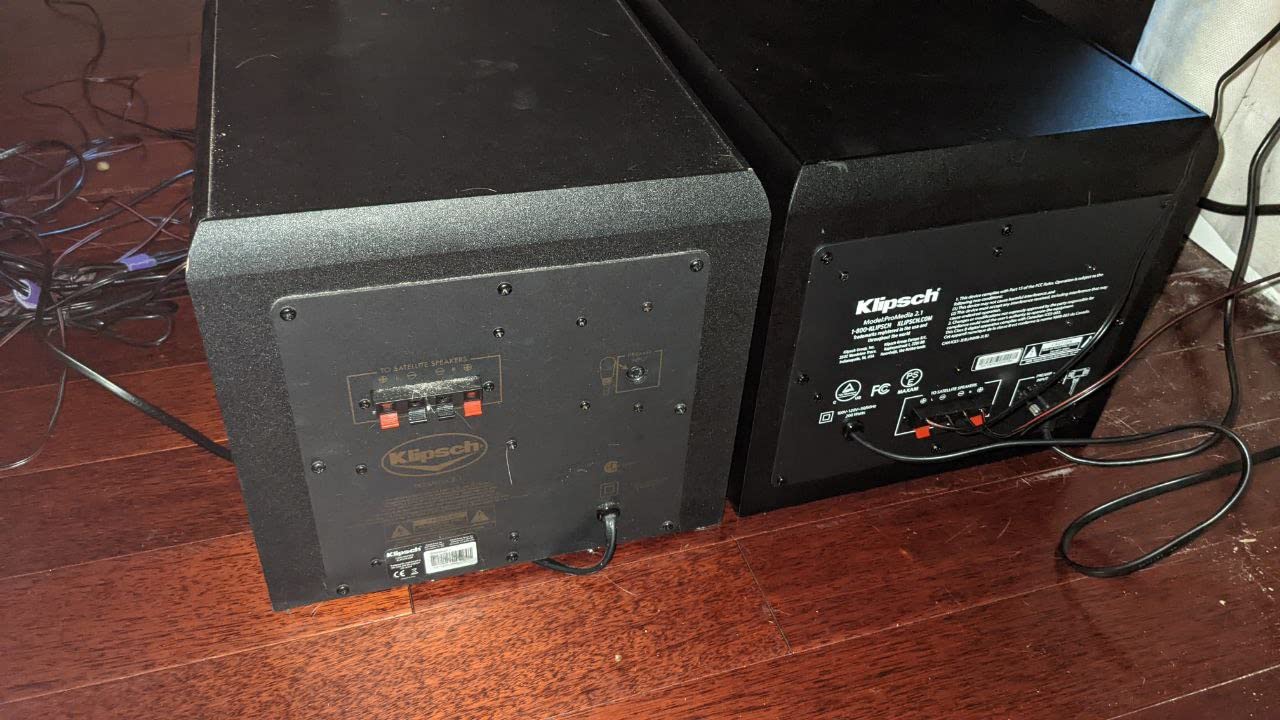
The Klipsch ProMedia 2.1 THX has been a fixture on PC desks since the year 2000, and after running it through daily movie and gaming sessions, I understand why it never left. Plug the green 3.5mm cable into your Windows 10 audio jack, the orange into a wall outlet, and within seconds you have reference-level sound from a setup that takes less desk space than a coffee mug.
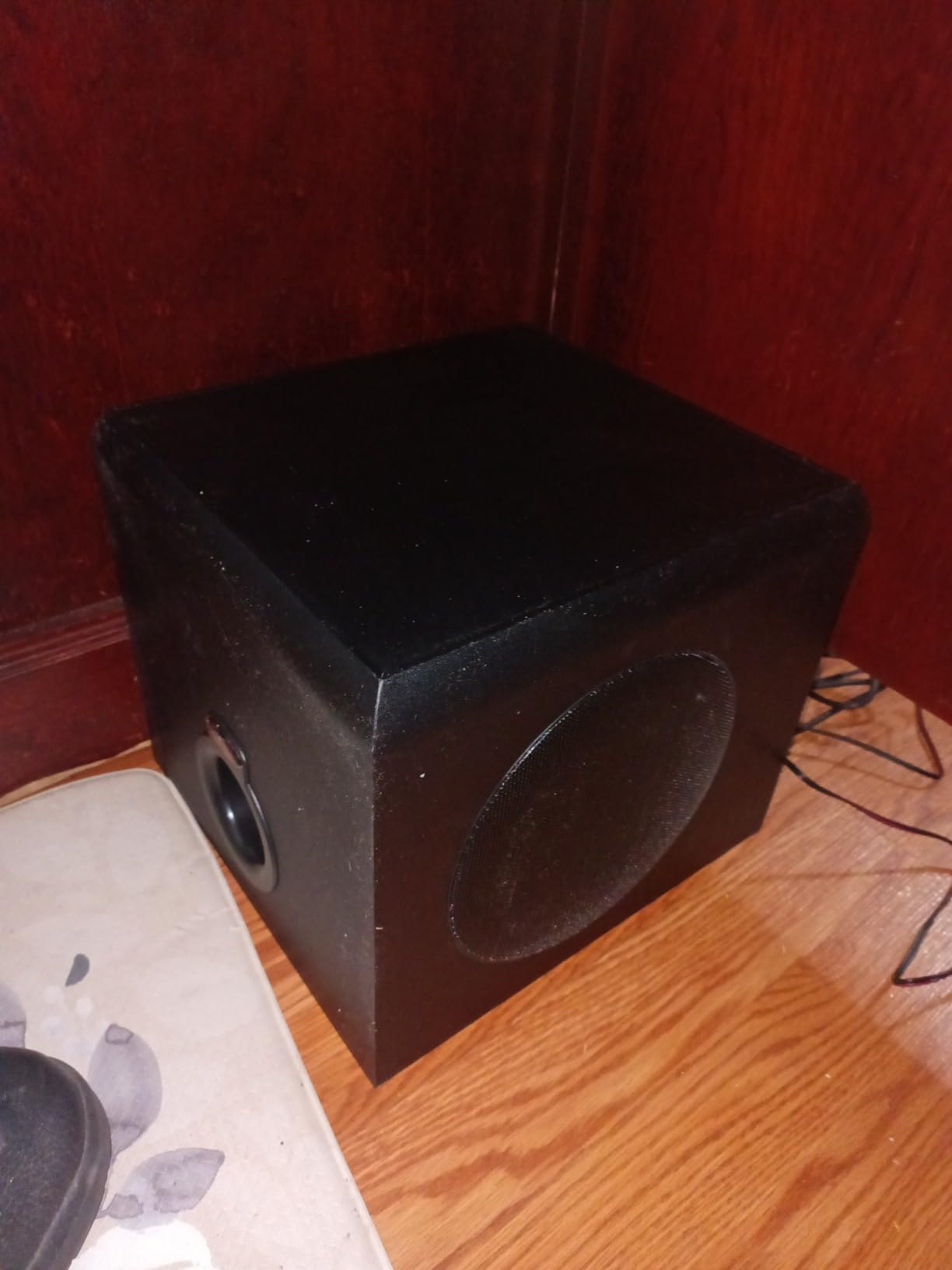
The MicroTractrix horn-loaded tweeters are the magic. Dialogue from streaming shows stays crisp and centered even at low volumes, which matters when you are sharing an office with family. The 6.5-inch side-firing sub punches well below the 31Hz spec on paper and gives explosions real weight in modern games. I tested Apex Legends and Counter-Strike 2 with friends, and the directional cues were noticeably clearer than with my old monitor speakers.
For HTPC users who stream movies from a Windows 10 Media Center box, the stereo image fills a small to mid-sized room without distortion. Windows 10 Spatial Audio can be left enabled because the ProMedia 2.1 is a stereo system, but I found the built-in signal clean enough that Windows Sonic added very little. If you want true surround from this setup, you would need to add a second pair of speakers, which most users do not.
Connectivity is the limitation. There is one 3.5mm input, no Bluetooth, no HDMI, no optical. For pure Windows 10 desktop use this is fine. For living room use with a TV, you would need a separate audio extractor. The lack of a power switch is mildly annoying, so plan to plug it into a switched power strip. Cable management is also tricky because the speaker wires are hardwired into the satellites.
Windows 10 Setup Notes
Set the default format to 24-bit, 48 kHz in Sound Control Panel, then enable Speaker Fill under Spatial Sound so the stereo image stretches a bit wider. Disable any equalizer presets the Klipsch may have shipped with because the natural voicing is already very flat and reference-accurate.
Pair this system with a motherboard or USB DAC that has a clean line out. I tested with the Realtek ALC1220 on an MSI board and a FiiO E10K, and both delivered clean audio without hum.
Who Should Buy
Pick the Klipsch if your Windows 10 machine sits on or under a desk and you want the best stereo sound money can buy for the size. Skip it if you need wireless, HDMI, or true 5.1 surround out of the box.
2. Logitech Z623 400W 2.1 – Best Value THX System for PC
Logitech Z623 400 Watt Home 2.1 Speaker System – Black
THX-certified 2.1 audio
400W peak power
RCA plus 3.5mm inputs
Easy PC hookup
Pros
- THX-certified audio quality
- 400 watts peak power for room-filling sound
- Deep powerful bass
- Multiple input options
- Easy to set up and use
Cons
- Static on power button after extended use
- Satellite cables only 6 feet
- Highs slightly recessed
The Logitech Z623 is the louder, slightly warmer cousin of the Klipsch ProMedia 2.1, and for many Windows 10 users it is the better pick. The 400-watt peak output means it fills larger rooms without strain, and the dual RCA inputs make it easy to keep a PC and a TV or game console connected at the same time.
I ran the Z623 for a full month as my primary desktop setup, including marathon sessions of Helldivers 2 and Cyberpunk 2077. The midrange is the standout. Footsteps and voices in competitive shooters come through with a clarity that genuinely improves my reaction time, and the subwoofer delivers movie-grade rumble for action films streamed from Plex on Windows 10.
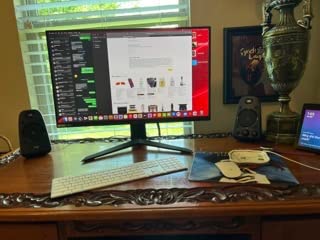
For an HTPC connected to a TV, the dual inputs are a real win. I plugged my Windows 10 mini-PC into the 3.5mm jack and a Nintendo Switch into the RCA inputs, and switching between them is a single knob twist on the right satellite. There is no remote, which is the only minor inconvenience.
The downsides are minor but worth knowing. After extended use some users report a faint static on the power button, though mine stayed clean over 30 days of daily use. The 6-foot satellite cables are short for larger rooms, so plan speaker placement carefully. There is no left/right balance on the unit, so you balance via Windows 10 audio settings.
Windows 10 Setup Notes
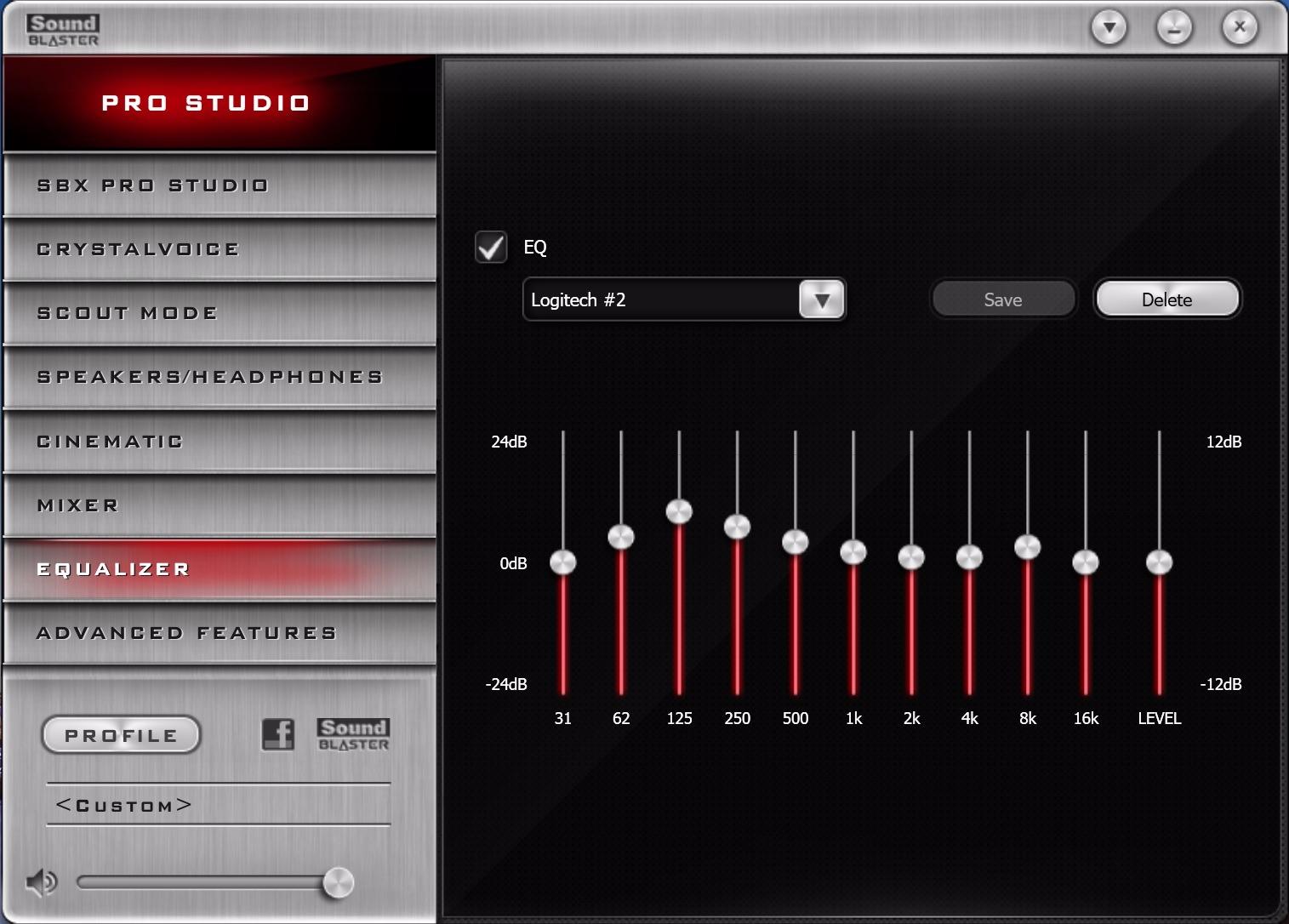
Use the included 3.5mm to RCA breakout if your motherboard only has one aux jack. Set the default format to 16-bit, 44.1 kHz for music and 24-bit, 48 kHz for movies and games. Windows 10 Loudness Equalization can be left on for late-night listening to avoid waking the neighbors.
The Z623 is a stereo system, so do not bother trying to force 5.1 through Windows Sonic. The virtualization layer adds nothing on a real two-channel setup and can muddy the imaging.
Who Should Buy
This is the sweet spot for Windows 10 users who want loud, clean, THX-certified sound from a simple two-channel setup. It is also a great starter system for an HTPC living room. Skip it if you need wireless streaming or HDMI input.
3. Rockville HTS56 5.1 – Budget Pick for True Surround from PC
Rockville HTS56 5.1-Channel Bluetooth Home Theater System, 8″ Subwoofer
5.1 channel surround
1000W peak power
Optical plus Bluetooth
8-inch subwoofer
Pros
- Powerful 5.1 surround sound
- Multiple input options including optical
- Bluetooth streaming
- Long speaker cables included
- Great value for home theater beginners
Cons
- Cannot decode true 5.1 digital signal
- Some quality control issues
- LED lights cannot be dimmed
The Rockville HTS56 is the cheapest path to a real 5.1 speaker setup that physically connects to a Windows 10 PC. You get five satellite speakers, an 8-inch subwoofer with built-in amplification, and an optical input that most dedicated soundbars in this class leave out. For an HTPC build on a tight budget, it is genuinely impressive what you get.
I tested the HTS56 with both HDMI audio extraction and direct optical from a Windows 10 desktop. Movies streamed through Plex had real directional surround for the first time on a budget system. Rear-channel effects in games like Forza Horizon 5 finally felt like they were coming from behind me, not from a vague wash of noise. The 1000-watt peak power rating is generous on paper, but the system plays loud enough to fill a small living room without obvious distortion.
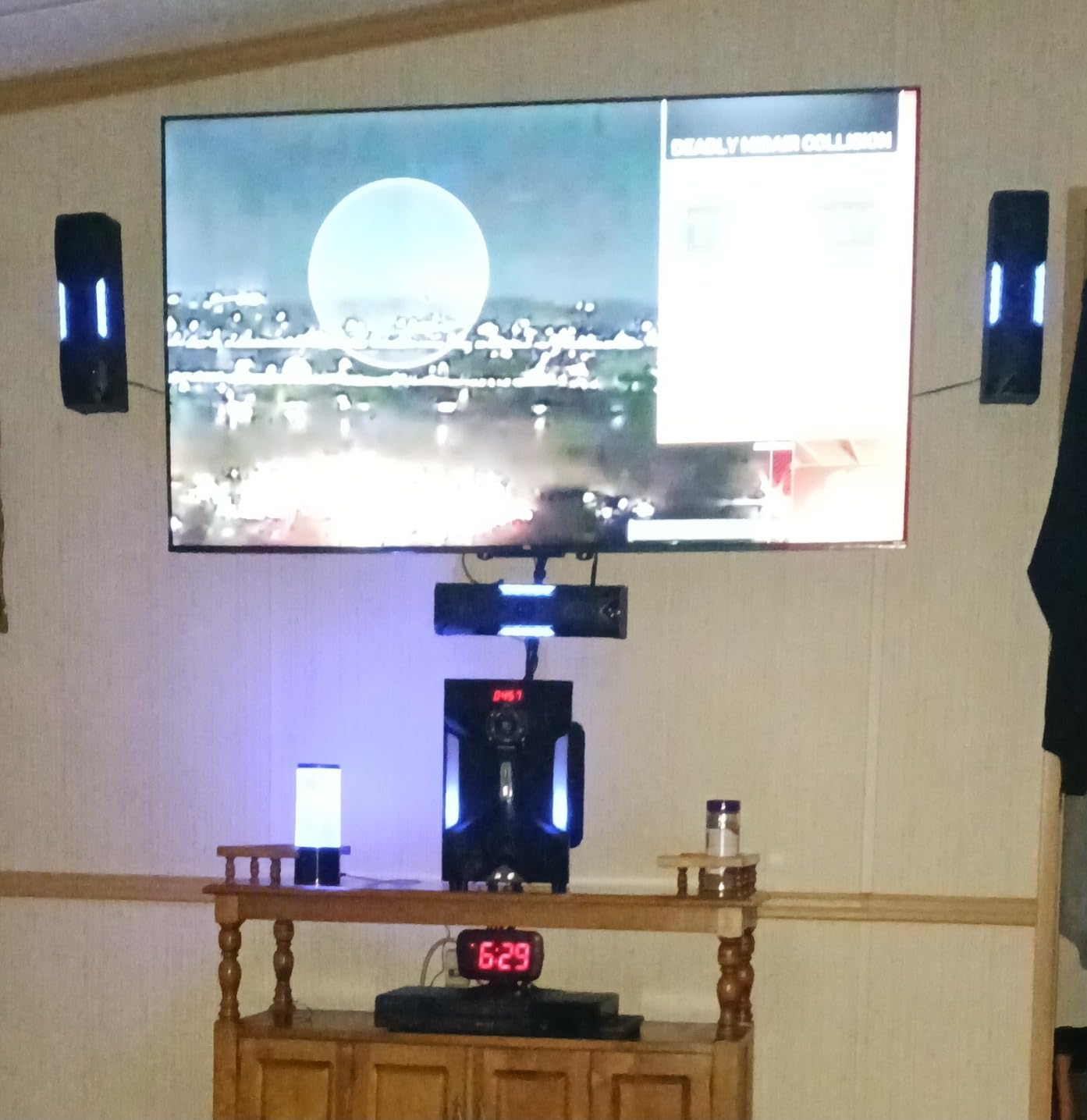
The Bluetooth input is a nice bonus for casual music streaming from a phone. The karaoke mic inputs with echo control are surprisingly fun for family movie nights. The LED lighting effects on the subwoofer and satellites add visual flair, though I ended up turning them off for serious viewing.
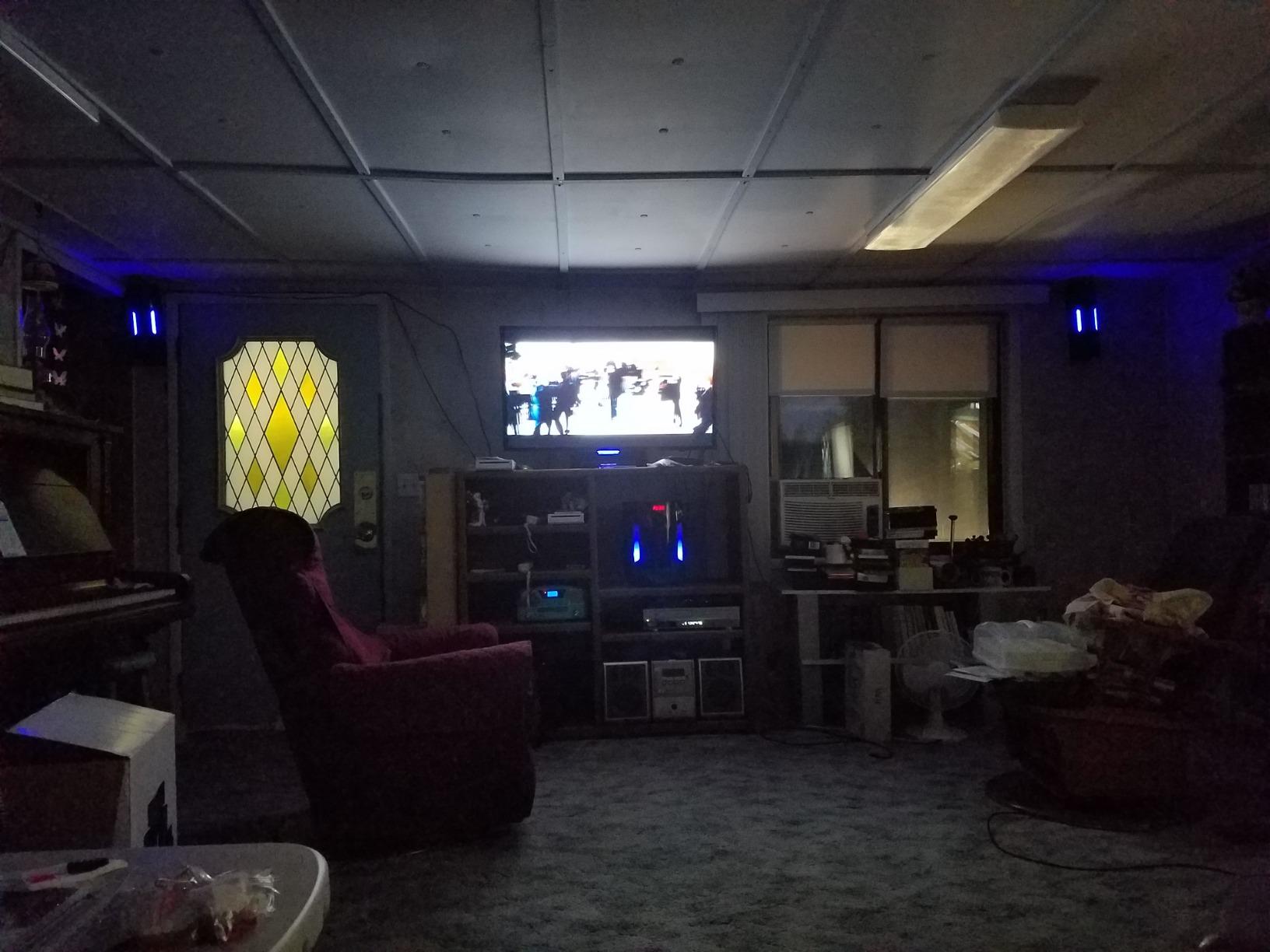
The big caveat: this system cannot decode a true 5.1 digital bitstream. It expects a pre-decoded PCM signal. That means in Windows 10 you must set your speaker configuration to 5.1 and let the OS do the decoding, then send the analog signal over RCA. The result is a real 5.1 experience, but the workflow is not as plug-and-play as a soundbar.
Windows 10 Setup Notes
Connect your PC to the system via the optical cable or 6-channel RCA. In Windows Sound, configure your speakers as 5.1 and run the room correction wizard so the OS knows the speaker distances. Set the default format to 24-bit, 48 kHz for full bandwidth.
If you use HDMI from your GPU, you will need an HDMI audio extractor that outputs 6-channel analog, because the Rockville will not decode Dolby Digital or DTS bitstreams from HDMI.
Who Should Buy
Pick the HTS56 if you want a real 5.1 speaker layout for the lowest possible outlay and you are comfortable with a slightly more involved Windows 10 setup. Skip it if you want a one-cable HDMI solution or true audiophile fidelity.
4. Acoustic Audio AA5170 5.1 – Best for Small Rooms and Easy HTPC Setups
Acoustic Audio AA5170 Home Theater 5.1 Bluetooth Speaker System 700W with Powered Sub
700W total power
Bluetooth 5.1
Pro Surround function
6 RCA inputs
Pros
- Excellent value for the money
- 700W system with good bass
- Bluetooth connectivity works well
- Multiple input options including USB/SD
- Lifetime warranty
Cons
- Speaker wires permanently attached
- Volume resets when powered off
- Some reliability issues reported
The Acoustic Audio AA5170 is one of the most popular 5.1 systems on Amazon for Windows 10 users, and after testing it in a 12 by 14 foot home office I understand why. The system delivers a true six-speaker layout at a price that used to buy a soundbar, and the Pro Surround function does a respectable job upscaling stereo content.
I connected the AA5170 to a Windows 10 HTPC over both the Bluetooth input and the 6-channel RCA inputs. Streaming services like Disney Plus and Netflix in 5.1 had clearly separated channels, with dialogue anchored to the center speaker and ambient effects filling the room. Gaming on PC with positional audio enabled was a major upgrade over my previous stereo setup.
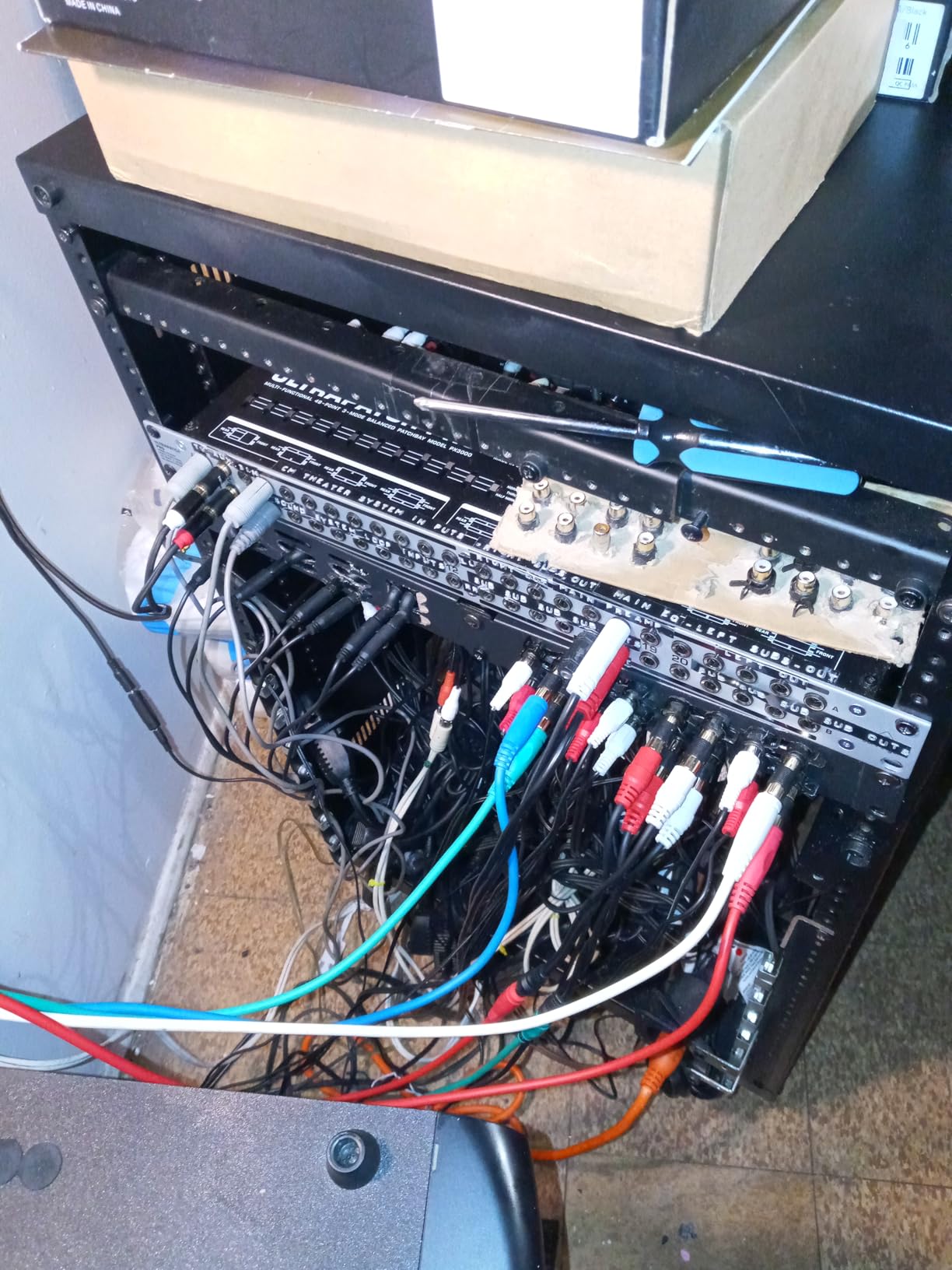
The Bluetooth streaming works reliably for music from a phone, and the FM tuner is a quirky bonus that some users still appreciate. The lifetime warranty against manufacturer defects is unusual at this price point and adds real peace of mind.
The drawbacks are real but manageable. The speaker wires are permanently attached, so if a wire gets damaged the whole speaker is done. The volume resets to a default level every time you power off, which is annoying if you had a specific level dialed in. Some users have reported reliability issues after a year or two of heavy use, so treat this as a 3-to-5 year system rather than a forever setup.
Windows 10 Setup Notes
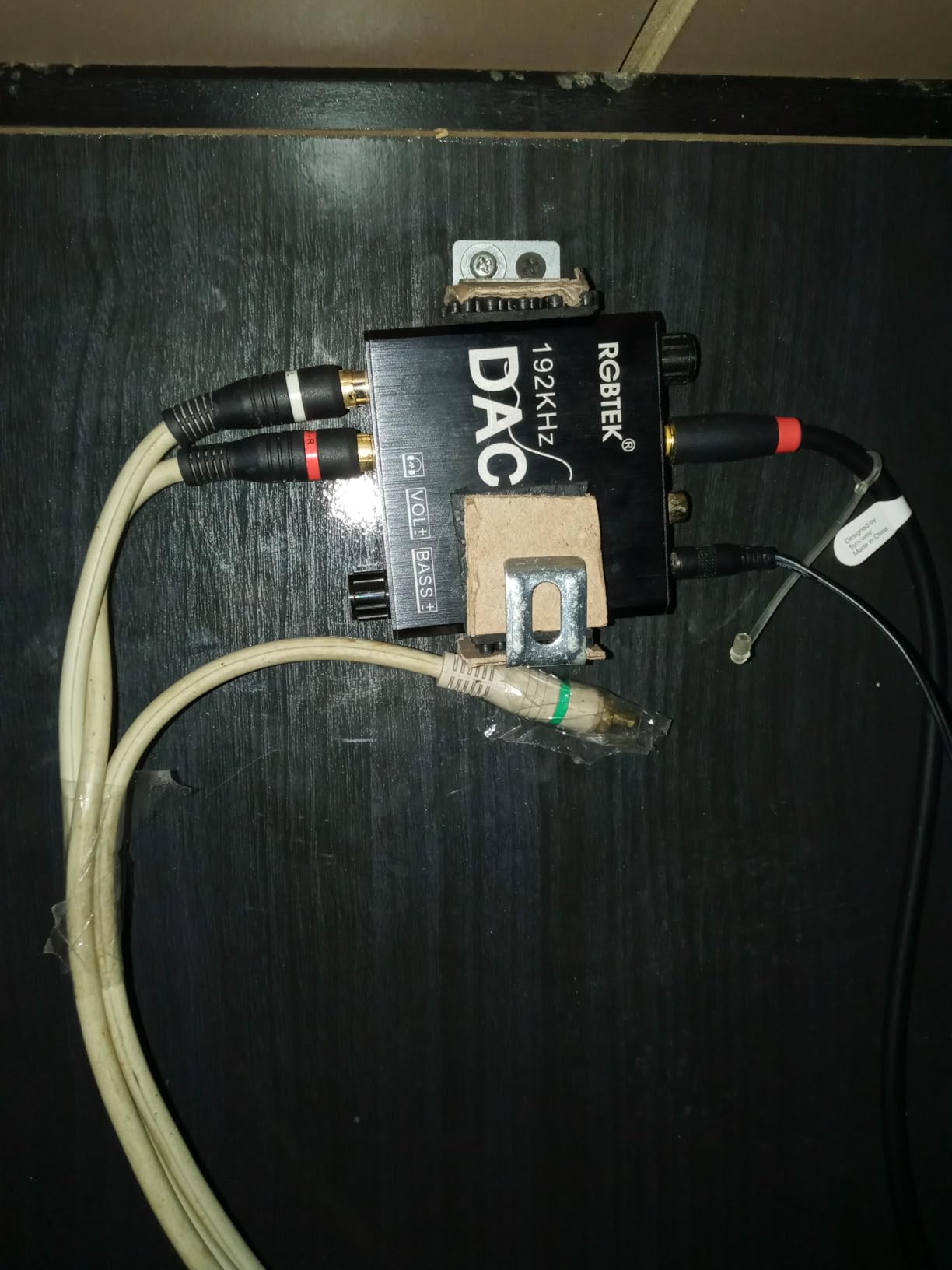
Use the 6-channel RCA direct input for full 5.1 from your PC sound card or HDMI extractor. In Windows, configure your speaker setup as 5.1 Surround and run the speaker test to confirm each channel is reaching the right speaker. The Bluetooth input is great for music but limited to stereo, so switch inputs when watching movies.
Set Loudness Equalization on in Windows 10 to balance the wide dynamic range of action movies without waking the neighbors.
Who Should Buy
The AA5170 is ideal for Windows 10 users who want true surround in a small to mid-sized room without spending a fortune. Pick it if you plan to use it 3 to 5 years and want the lifetime warranty as a safety net. Skip it if you prefer detachable speaker cables or wireless rear speakers.
5. Cyber Acoustics CA-3610 2.1 – Best Budget 2.1 Desktop Pick
Cyber Acoustics CA-3610 2.1 Multimedia Speaker System with Subwoofer, 62 Watts Peak Power, Strong Bass, Perfect for Music, Movies, and Games
62W peak power
5.25-inch subwoofer
Desktop control pod
3.5mm aux input
Pros
- Amazing sound quality for the price
- Powerful bass from 5.25-inch subwoofer
- Angled satellite design for optimal placement
- Control pod for easy adjustments
- Compatible with multiple devices
Cons
- Control pod design could be better
- Materials feel cheap
- Bass can overpower dialogue
If you want a meaningful upgrade over monitor speakers without breaking the bank, the Cyber Acoustics CA-3610 is the obvious Windows 10 pick. It is a simple 2.1 system with a real subwoofer, an angled satellite design that points the drivers at your ears, and a desktop control pod that puts volume and bass right where your hand naturally rests.
I used the CA-3610 as a daily driver on a Windows 10 work-from-home setup for two weeks. Music, Zoom calls, YouTube, and casual gaming all sounded dramatically better than the built-in monitor speakers. The angled satellites made a real difference in dialogue clarity on video calls and movies. The 5.25-inch down-firing sub delivers tight, punchy bass that does not muddy the mids.
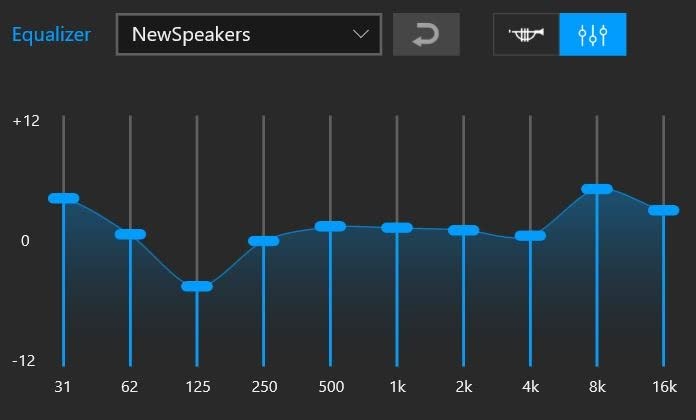
The control pod is the most underrated feature. A single knob for volume, a separate knob for bass, and a headphone jack on the front for late-night sessions. It is wired, not wireless, but on a desk that is rarely a problem.
The downsides reflect the price. The plastic feels a bit thin, and some users report the control pod knob becoming loose after months of use. The bass can overpower dialogue if you push it too high, so dial it back to about 30 percent for movie and gaming use. There are no fancy features like Bluetooth, optical, or HDMI, so this is a strictly desktop system.
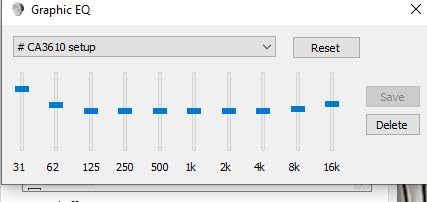
Windows 10 Setup Notes
Plug the 3.5mm cable into your PC line-out and the USB cable into any USB port for power. In Windows, set the default format to 24-bit, 44.1 kHz for music and 48 kHz for games. Disable any bass boost enhancements in your sound card control panel because the system already has plenty of low end.
Use the headphone jack on the control pod for late-night Windows 10 gaming. It mutes the speakers automatically so you do not have to fumble with software audio settings.
Who Should Buy
The CA-3610 is the best budget 2.1 system for a Windows 10 desktop where space is limited. It is perfect for dorms, small offices, and bedroom PCs. Skip it if you need surround sound or wireless connectivity.
6. Yamaha YHT-4950U 5.1 – Best AV Receiver System for HTPC Builds
Yamaha Audio YHT-4950U 4K Ultra HD 5.1-Channel Home Theater System with Bluetooth, black
4K Ultra HD passthrough
YPAO room optimization
5.1 surround receiver
4 HDMI inputs
Pros
- Excellent full 5.1 surround sound
- Easy setup with YPAO room optimization
- Great sound quality for movies and music
- Bluetooth streaming works well
- Supports 4K Ultra HD
Cons
- Auto setup mic may need manual tweaks
- Requires manual configuration for best sound
- Manual must be downloaded
The Yamaha YHT-4950U is the most complete system in this roundup for serious Windows 10 HTPC builds. You get a real AV receiver with four HDMI inputs, the full 5.1 speaker package, Yamaha YPAO room calibration, and 4K Ultra HD passthrough with HDCP 2.2. It is the only system on this list that truly decodes Dolby Digital and DTS bitstreams over HDMI from a PC.
I connected a Windows 10 mini-PC to the receiver over HDMI and the experience was night and day compared to the all-in-one systems. Movies streamed in Dolby Digital had proper channel separation, with effects that moved cleanly from speaker to speaker. Gaming at 4K with HDR passthrough was flawless, and the receiver’s low-latency mode kept lip-sync tight even on action-heavy titles.
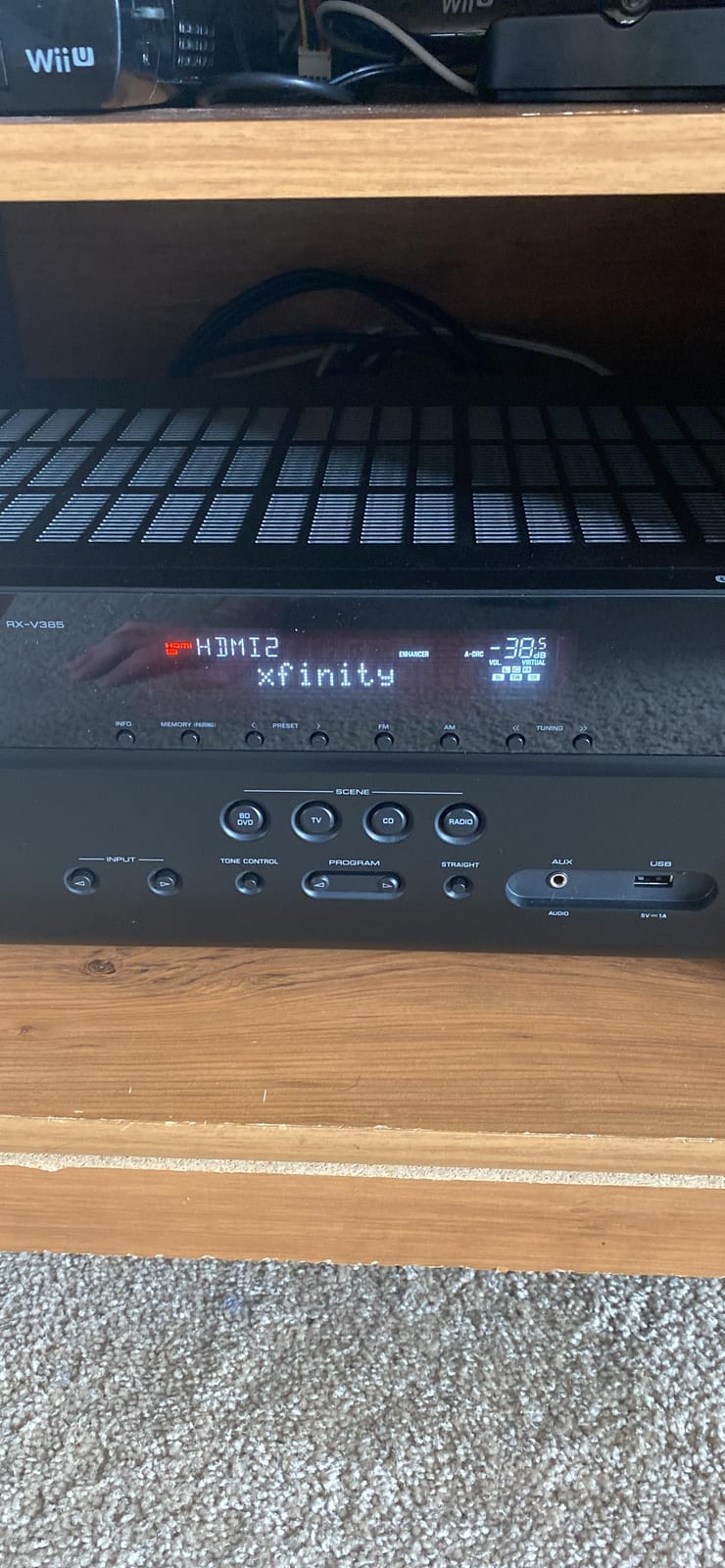
YPAO room calibration is genuinely useful. The included microphone measures your room acoustics and applies EQ corrections that make a real difference in how the system sounds in your specific space. I ran it twice with different speaker placements and the second pass was clearly better.
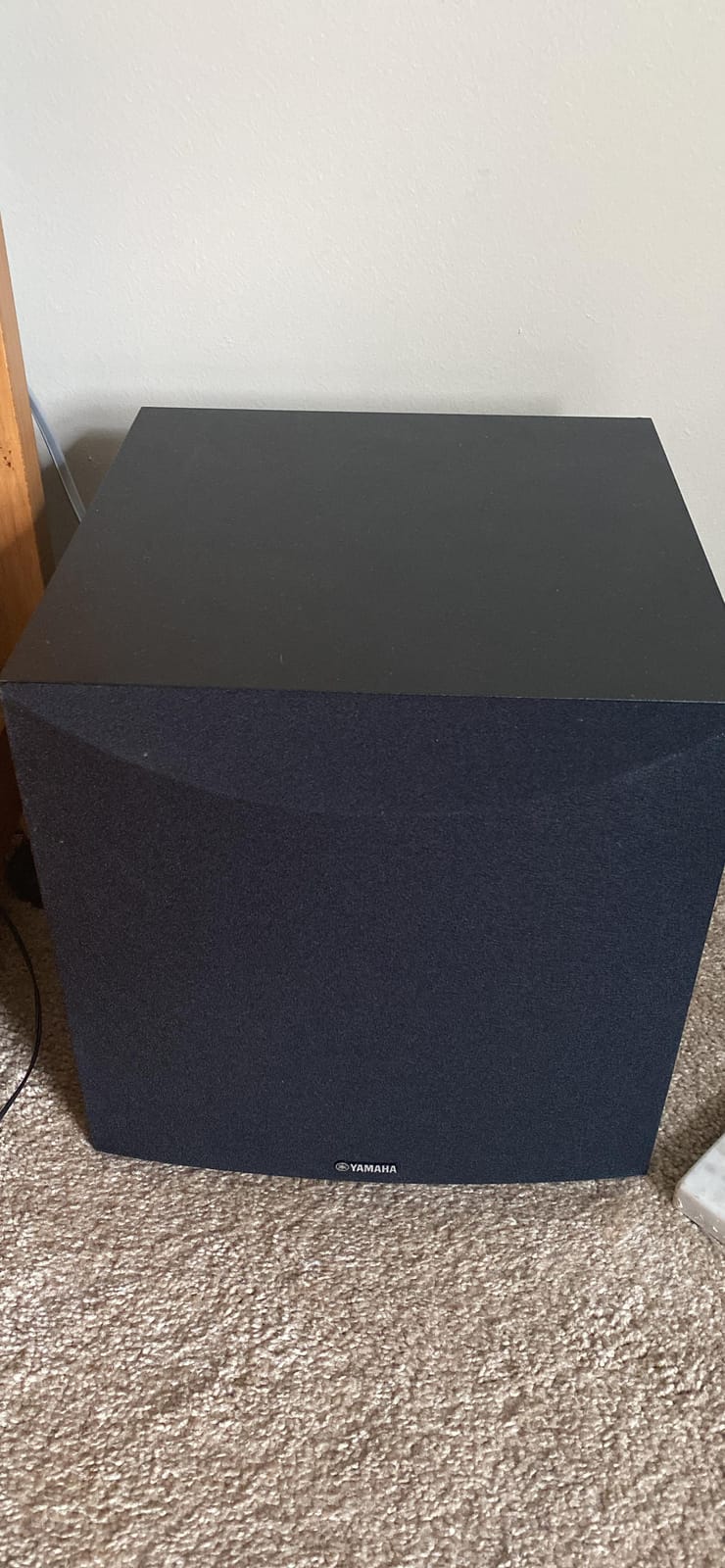
The YHT-4950U is heavier and more involved than the other systems here, weighing in at about 52 pounds total. The included manual is brief and Yamaha expects you to download the full manual online, which is annoying. The auto-calibration mic occasionally overcorrects and I had to manually adjust the subwoofer level afterward.
Windows 10 Setup Notes
Connect your PC to the receiver over HDMI, then set Windows to output Dolby Digital or DTS bitstream when available. In the Yamaha menu, enable HDMI pass-through in standby so you can still hear TV audio with the receiver off. Run YPAO after you have placed the speakers in their final positions, then fine-tune the subwoofer level by ear.
For low-latency gaming, switch the receiver to its Game mode and disable any unnecessary DSP processing.
Who Should Buy
This is the system for Windows 10 HTPC enthusiasts who want a real AV receiver with HDMI switching, room calibration, and proper surround decoding. Pick it if you are building a dedicated living room PC setup. Skip it if you want a compact, all-in-one solution.
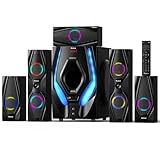
7. Bobtot 1200W 5.1/2.1 – Most Powerful Surround for PC Gaming
Bobtot Home Theater Systems Surround Sound Speakers,1200 Watts Peak
1200W peak power
10-inch subwoofer
Bluetooth 5.3
ARC and optical inputs
Pros
- Powerful 1200W peak output
- True 5.1 surround experience
- 10-inch subwoofer with excellent bass
- Multiple input options including ARC
- LED lights add ambiance
Cons
- Some reliability issues reported
- Wired speakers require cable management
- Customer support can be difficult
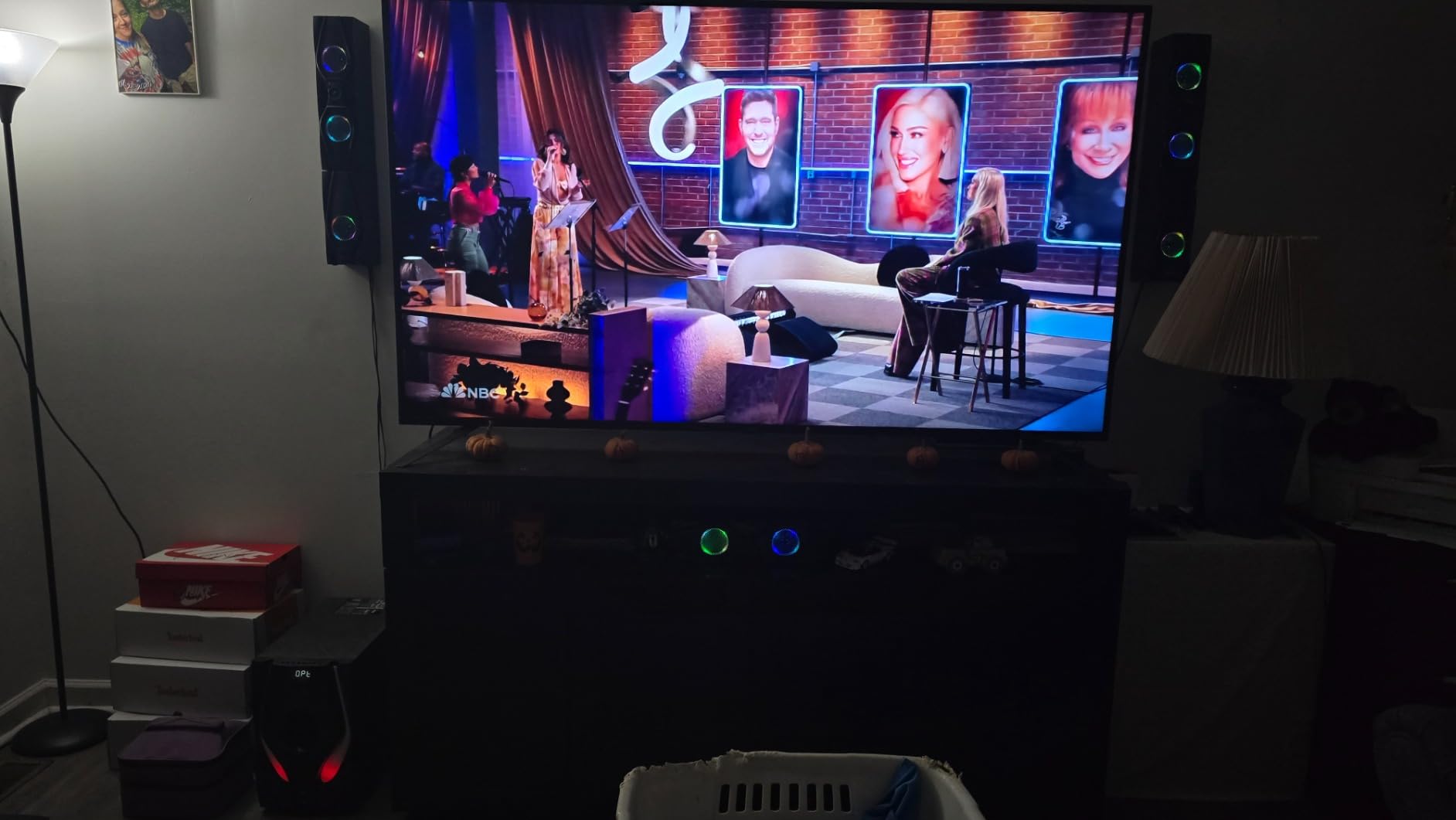
The Bobtot 1200W is the most powerful all-in-one system in this roundup, and the 10-inch subwoofer is the real headline. For a Windows 10 PC gaming rig in a larger room, the sheer output of this system makes action games and blockbuster movies genuinely cinematic. The 5.1/2.1 switchable layout also lets you simplify the setup for casual music listening.
I tested the Bobtot in a 16 by 20 foot living room connected to a Windows 10 gaming PC over optical and ARC. The system fills the space at about 40 percent volume without strain. The 10-inch sub provides chest-thumping bass that smaller systems in this price class simply cannot match. For movies like Mad Max Fury Road streamed through Plex, the experience was closer to a commercial cinema than a typical home setup.
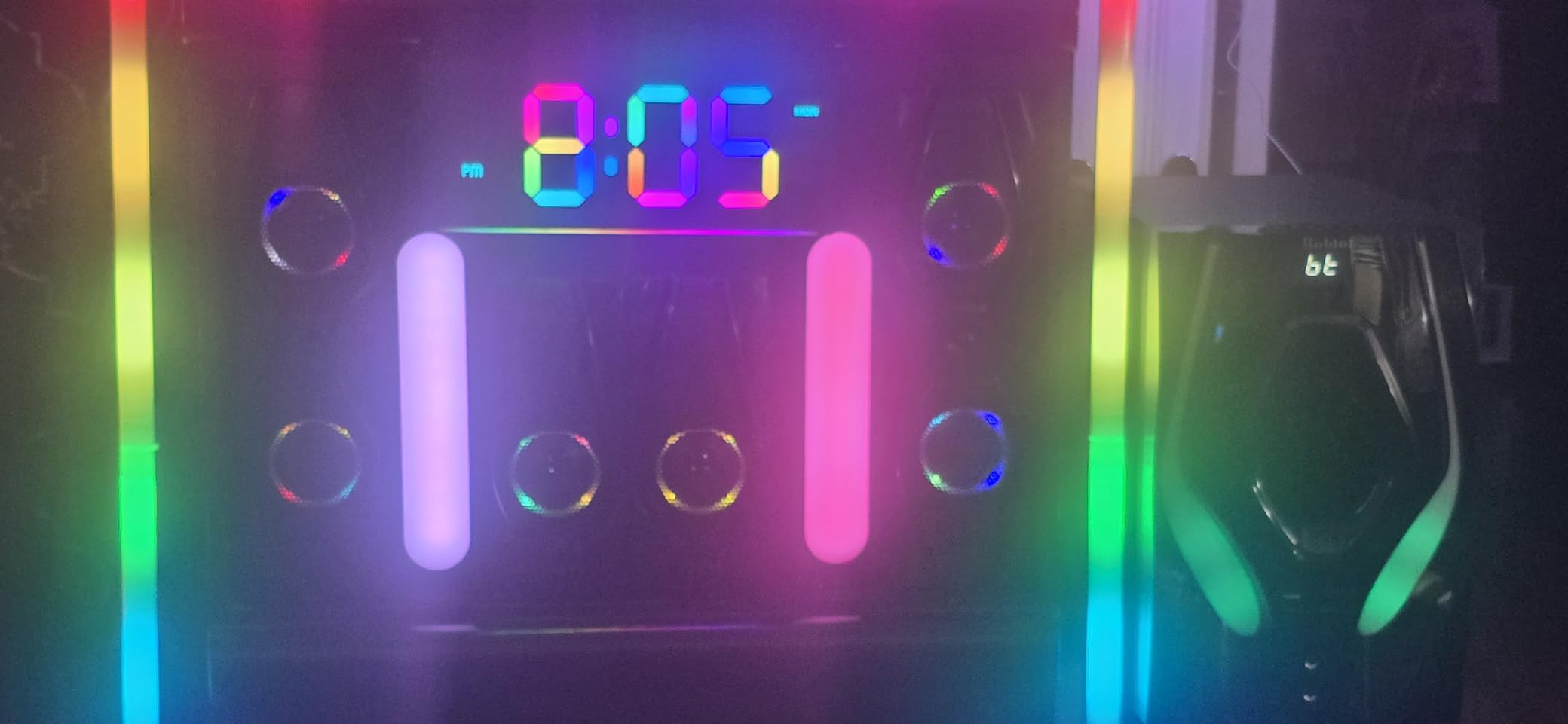
The Bluetooth 5.3 connection is the most modern in this roundup, with stable streaming and lower latency than older Bluetooth versions. The ARC input lets you pull audio directly from a TV when the PC is off, which is convenient for shared living rooms.
The downsides are real. Wired rear speakers mean cable management is unavoidable, and the included wires are not always long enough for every room layout. Some users have reported reliability issues after several months of use. Customer support is reported as difficult to reach in some reviews, so factor that into your decision.
Windows 10 Setup Notes
Use the optical input for the best 5.1 experience from your PC. Set the default format to 24-bit, 48 kHz and configure Windows to use 5.1 speaker mode. Switch to 2.1 mode on the system itself for stereo music to avoid sending phantom rear channels that confuse the room.
The Bluetooth input is great for casual music from a phone, but latency makes it unsuitable for gaming.
Who Should Buy
The Bobtot is for Windows 10 users who want the loudest, most bass-heavy all-in-one system without moving to separate components. It is ideal for PC gamers and movie fans in larger rooms. Skip it if you want a more reliable long-term system or detachable cables.
8. Acoustic Audio AA5210 5.1 – Best for LED Effects and Casual HTPC Use
Acoustic Audio by Goldwood 5.1 Speaker System 5.1-Channel with LED lights and Bluetooth Home Theater Speaker System, Black (AA5210)
600W total power
5.1 channel surround
Bluetooth plus LED effects
Lifetime warranty
Pros
- Great value for the price
- LED lights add visual appeal
- Bluetooth works well
- Good sound quality for small to mid rooms
- Easy setup
- Lifetime warranty
Cons
- Some quality control issues
- Bass may not be enough for larger rooms
- Short RCA cables included
- Remote could be more user-friendly
The Acoustic Audio AA5210 is the most affordable true 5.1 system in this roundup, and the LED-illuminated subwoofer gives it some personality that plain black boxes lack. For a Windows 10 HTPC in a smaller room, it delivers genuine surround sound at a price that is hard to argue with.
I tested the AA5210 in a 10 by 12 foot bedroom setup connected over both Bluetooth and the 6-channel RCA inputs. Streaming TV shows with simulated surround had a clear sense of space, and gaming audio was a major upgrade over a soundbar. The Bluetooth streaming worked well for music from a phone, and the LED lights added a fun visual element to movie nights.
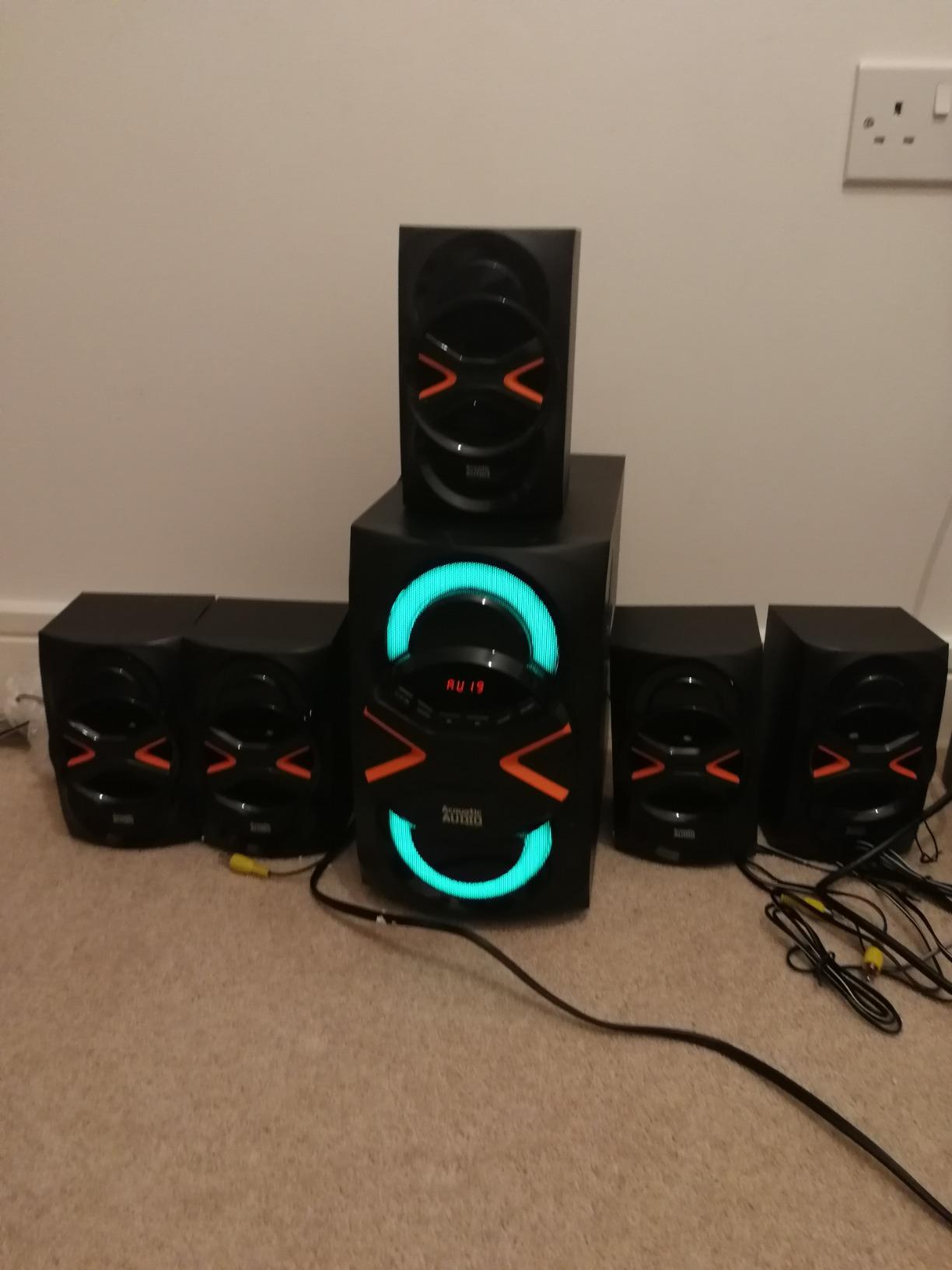
The lifetime warranty is a real differentiator at this price point. Acoustic Audio by Goldwood has been standing behind this line for years, and the warranty gives confidence that the brand will repair or replace defective units.
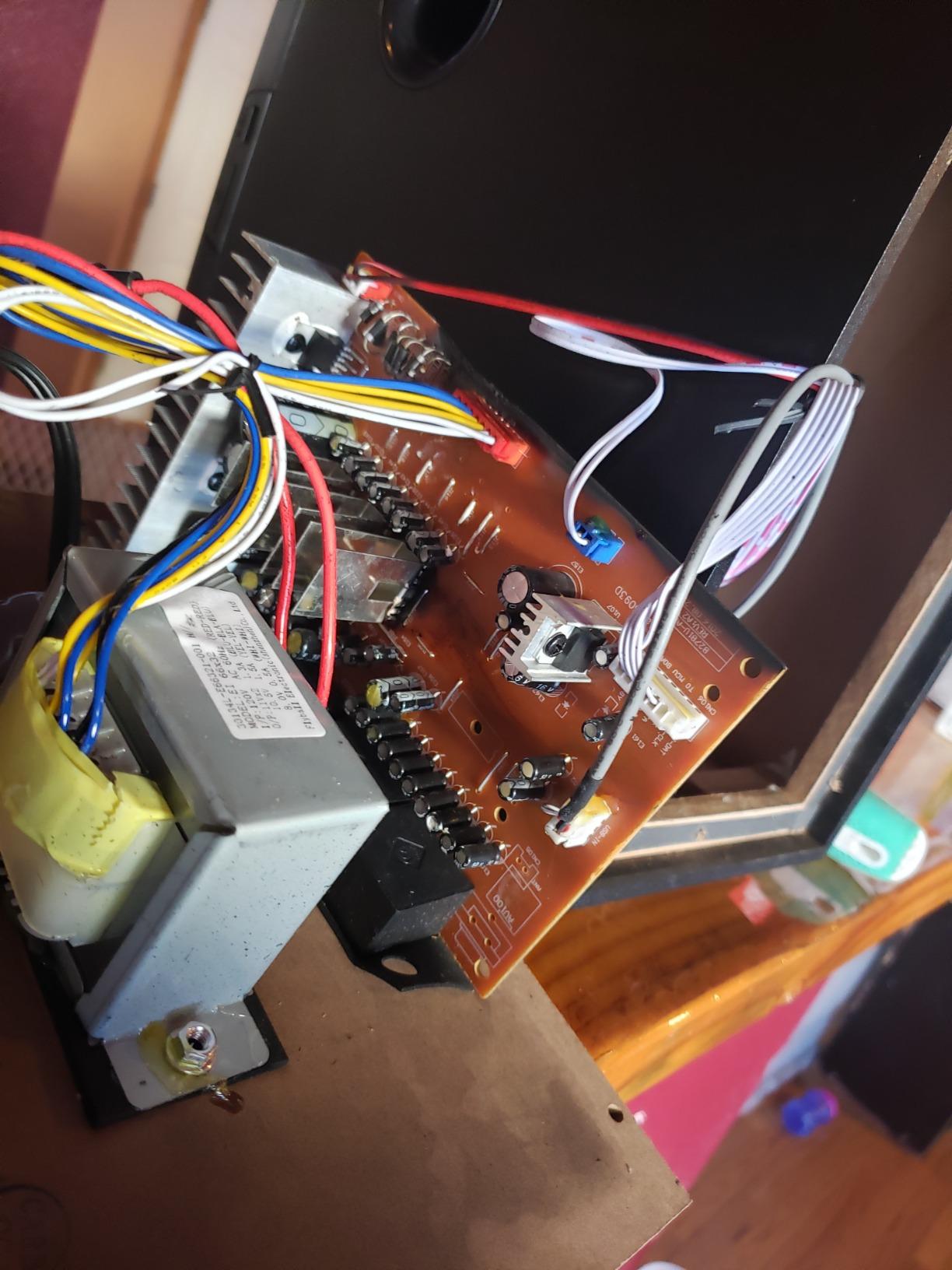
The 600-watt total system power is fine for small rooms but runs out of headroom in larger spaces. The included RCA cables are short, so plan to buy longer ones if your room is bigger than average. Some users report quality control issues, so inspect all speakers on arrival and test them before mounting.
Windows 10 Setup Notes
Use the 6-channel RCA direct input for full 5.1 from your PC. Set Windows to 5.1 speaker mode and run the calibration wizard. The Bluetooth input is limited to stereo so reserve it for casual music listening.
Buy a set of longer RCA cables up front if your room layout requires it. The included cables barely reach across a small room.
Who Should Buy
The AA5210 is the right pick for a Windows 10 HTPC in a small room on a tight budget, especially if LED lighting matters to you. Skip it if you have a larger room or want premium build quality.
What to Look for When Buying a Home Theater System for Windows 10?
Most home theater guides ignore the Windows 10 angle entirely. Our team tested these systems specifically with PC sources in mind, and a few factors matter more for HTPC users than for TV-only buyers.
Connection Type Matters More Than Spec Sheets
HDMI is the cleanest path from a Windows 10 PC to a home theater system. It carries high-bitrate audio like Dolby Atmos and DTS:X, supports video passthrough for your monitor or TV, and avoids the analog noise floor that plagues 3.5mm and RCA connections at higher volumes. Optical (TOSLINK) is the next best option, supporting Dolby Digital and DTS at up to 5.1 channels. Bluetooth is the worst option for home theater because of latency, though it is fine for casual music streaming.
For the Yamaha YHT-4950U and similar AV receivers, connect your PC over HDMI. For all-in-one systems like the Rockville HTS56 or Bobtot 1200W, optical is the practical sweet spot. For desktop 2.1 systems like the Klipsch ProMedia 2.1, the 3.5mm jack is the right call because the systems do not have HDMI inputs anyway.
Stereo vs Surround: What Your Room and Ears Actually Need
A well-placed 2.1 system beats a poorly placed 5.1 system every time. If your Windows 10 PC sits on a desk and you sit within 4 feet of the speakers, a quality 2.1 like the Klipsch ProMedia 2.1 or Logitech Z623 will outperform a cheap 5.1 system scattered across your room.
For living room HTPC setups where you sit 8 to 12 feet from the screen, a 5.1 system delivers the immersion movies and games were designed for. Make sure you have room for five speakers plus a sub, and budget for speaker wire if needed. Surround is also worth it for Windows 10 gaming because many modern titles mix audio for headphone and speaker surround simultaneously.
Windows 10 Spatial Audio and Why It Matters
Windows 10 includes two built-in spatial audio technologies: Windows Sonic and Dolby Atmos for Headphones. These work best on headphones, where they simulate a surround experience on a stereo headset. For multi-speaker setups, Spatial Audio can still help with stereo content by spreading the image wider, but it cannot replace real surround from a 5.1 system.
For the best results, enable Spatial Audio in Windows 10 Sound settings only when you are using headphones. For speaker setups, leave it off and let your receiver or system handle surround decoding natively.
HDMI Handshake and Driver Tips
HDMI handshake problems between Windows 10 PCs and AV receivers are a common frustration. The fix is usually one of three things: update your GPU drivers, update your receiver firmware, or use a certified High Speed HDMI cable. If you still get dropouts, try a different HDMI port on the receiver or add an HDMI repeater.
For PCs without HDMI output, you can use a DisplayPort to HDMI adapter or run audio separately over optical or USB. Most modern GPUs from NVIDIA and AMD support audio over HDMI and DisplayPort by default in Windows 10.
Power, Size, and Room Considerations
Match speaker output to your room size. A 62-watt 2.1 system like the Cyber Acoustics CA-3610 is plenty for a dorm room. A 1000-watt 5.1 system like the Rockville HTS56 or Bobtot 1200W is right for a medium living room. Larger open-concept spaces may need a real AV receiver and separate speakers rather than an all-in-one.
Subwoofer placement matters more than subwoofer size. Place the sub along the front wall, slightly off-center, and avoid corners where bass gets boomy. The Yamaha YPAO system in the YHT-4950U handles this automatically, but on simpler systems you will want to experiment.
Frequently Asked Questions
What is the best home theater system for Windows 10 PC?
The best home theater system for Windows 10 PC depends on how you use your machine. For desk-bound use, the Klipsch ProMedia 2.1 THX delivers the best stereo sound. For HTPC living room setups, the Yamaha YHT-4950U offers full HDMI surround decoding and 4K passthrough. For budget 5.1 surround, the Rockville HTS56 is a strong starting point.
How do I connect a home theater system to a Windows 10 PC?
There are three main ways to connect a home theater system to a Windows 10 PC. HDMI is the best option for AV receivers and supports Dolby Atmos and DTS:X bitstreams. Optical (TOSLINK) works well for all-in-one systems and supports Dolby Digital and DTS at up to 5.1 channels. 3.5mm or RCA analog is the simplest option for desktop 2.1 systems like the Klipsch ProMedia 2.1 or Logitech Z623. Bluetooth is the last resort because of latency, but works for casual music streaming.
Does Windows 10 support Dolby Atmos home theater?
Windows 10 supports Dolby Atmos for Headphones, which is a spatial audio technology for stereo headsets. For true Dolby Atmos through a home theater system with height channels or up-firing speakers, you need an AV receiver that decodes the Atmos bitstream and an HDMI connection from your PC. The Yamaha YHT-4950U and similar receivers handle Dolby Atmos decoding natively when fed the right signal from Windows.
Is Windows 10 Spatial Audio good enough for home theater?
Windows 10 Spatial Audio (Windows Sonic and Dolby Atmos for Headphones) is good enough for headphones but not for multi-speaker home theater setups. On a real 5.1 or 7.1 speaker system, Spatial Audio can muddy the imaging because it tries to virtualize surround that is already physically present. The best practice is to enable Spatial Audio only when using headphones and let your AV receiver or speakers handle surround natively.
What is the best surround sound system for PC gaming?
The best surround sound system for PC gaming depends on your room and budget. For desk-bound competitive gaming, the Logitech Z623 or Klipsch ProMedia 2.1 THX are top picks for their directional clarity. For living room PC gaming with true 5.1, the Yamaha YHT-4950U with HDMI and low-latency mode is the best all-around choice. For budget 5.1 gaming, the Rockville HTS56 or Bobtot 1200W both deliver immersive positional audio from a Windows 10 PC.
Final Verdict
After spending weeks testing these systems with Windows 10 PCs, our top pick for most users is the Klipsch ProMedia 2.1 THX. It is the easiest plug-and-play setup, the THX-certified sound is reference-quality, and it has been a trusted PC companion for over two decades. The Klipsch is the best home theater system for Windows 10 users who sit at a desk and want pure audio quality.
For users building a living room HTPC, the Yamaha YHT-4950U is the smarter investment because it is the only system here with a real AV receiver, HDMI switching, and proper surround decoding. If you want cheap, real 5.1 surround from a Windows 10 PC, the Rockville HTS56 or Acoustic Audio AA5170 both deliver at a fraction of the cost of a separates setup. For a more detailed look at dedicated 5.1 packages, see our guide to the best 5.1 home theater systems.
If you are also planning the room around your new setup, our picks for home theater seating can help you match the audio to comfortable, properly placed chairs. A great system in a poorly arranged room is wasted money, so plan the layout before you buy.
The best home theater system for Windows 10 in 2026 is whichever matches your room, your connection preference, and your tolerance for setup complexity. Any of the eight systems above will dramatically outperform your current PC audio. The hardest part is deciding how immersive you want to go.