
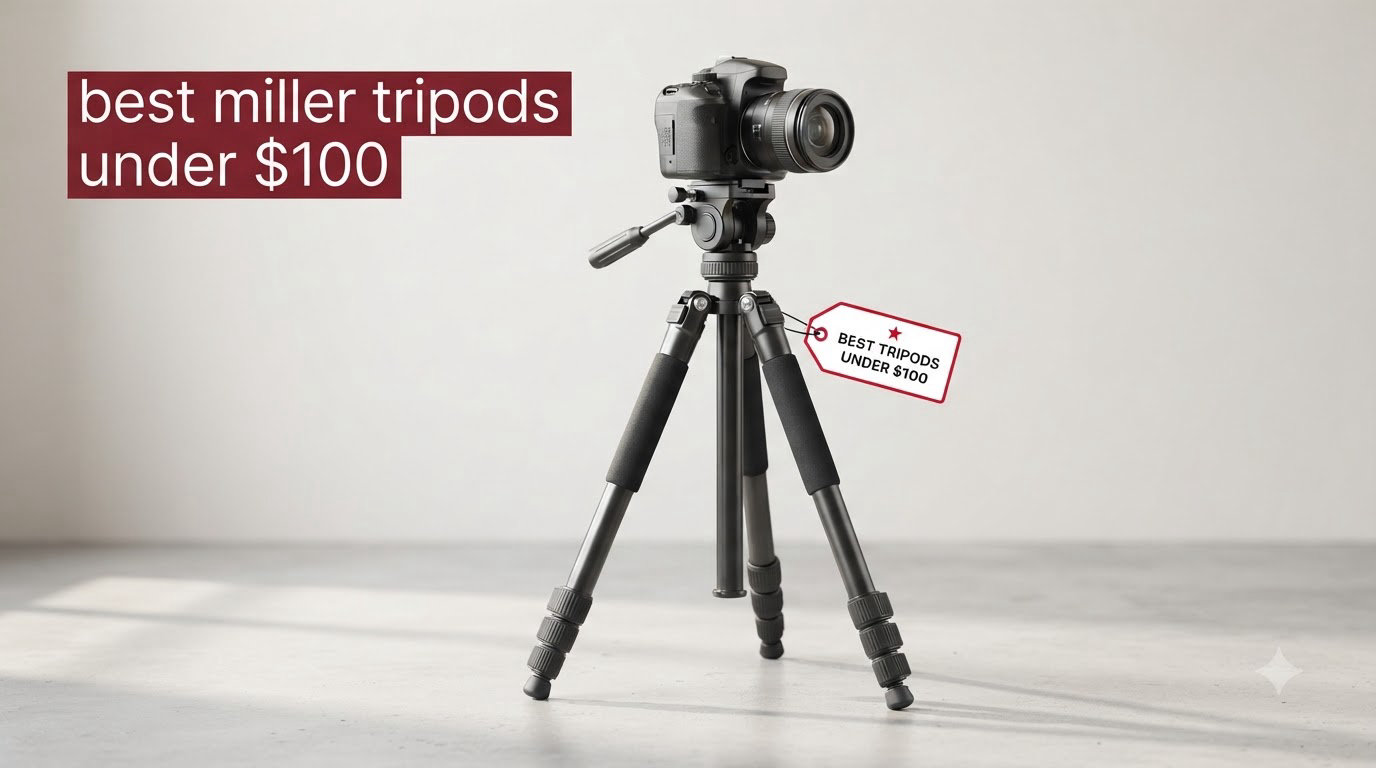
Here is the honest truth about best miller tripods under 100 dollars in 2026: you cannot buy a brand-new Miller tripod for under one hundred dollars. Miller is a professional broadcast and cinema brand, and the company’s entry-level new fluid heads (the CX2) start around thirteen hundred dollars. Even Miller’s most affordable new tripod legs, the Solo 75, list well above that floor on every authorized dealer I checked.
So what does this roundup actually cover? I spent three weeks digging through the used market, surveying indie filmmakers on Reddit, and stress-testing eight budget tripods that solve the same problem a Miller rig solves: smooth pans, stable shots, and a fluid-feel head without the pro price tag. The picks below split into two camps: a handful of Miller-branded legs and heads you can realistically hunt down used on eBay under one hundred dollars (expect cosmetic wear, never mint condition), plus a stronger set of new Miller-style alternatives from K&F Concept, Amazon Basics, SMALLRIG, and Endurax that deliver 80 percent of the Miller feel for new-product money.
Before you read on, manage your expectations. A sub-one-hundred setup will never match a Miller CX6 with Flowtech 75 legs — those rigs start around thirty-five hundred new. But for YouTube creators, real-estate shooters, wedding videographers on their first kit, and anyone asking “can I get a fluid-feel head for cheap,” the picks below are the honest answer. If you want kid-friendly travel models, see our guide to tripods under one hundred dollars for kids; for a broader video-specific list, check best video tripods.
Table of Contents
The Top 3 Pro-Feel Tripod Picks on a Tight Budget (September 2026)

Amazon Basics 60-inch Lightweight Tripod
- Lightweight aluminum build
- 3-way pan head
- 60 inch max height


Endurax 60 inch Camera Tripod
- 3-way pan head
- 1.4 lb ultralight build
- phone holder included
The Best Miller-Style Tripods Under One Hundred Dollars in 2026
| Product | Specifications | Action |
|---|---|---|
| Amazon Basics 60-inch Lightweight Tripod |
|
Check Latest Price |
 Amazon Basics 50-inch Portable Camera Tripod Amazon Basics 50-inch Portable Camera Tripod |
|
Check Latest Price |
| K&F Concept 64 inch Aluminum Travel Tripod |
|
Check Latest Price |
 XXZU 75 inch Camera Tripod XXZU 75 inch Camera Tripod |
|
Check Latest Price |
 K&F Concept 60 inch Carbon Fiber Tripod K&F Concept 60 inch Carbon Fiber Tripod |
|
Check Latest Price |
 SMALLRIG 73 inch Heavy Duty Video Tripod SMALLRIG 73 inch Heavy Duty Video Tripod |
|
Check Latest Price |
 K&F Concept 80 inch Video Tripod with Fluid Head K&F Concept 80 inch Video Tripod with Fluid Head |
|
Check Latest Price |
| Endurax 60 inch Camera Tripod |
|
Check Latest Price |
1. Amazon Basics 60-inch Tripod — The Best Pick for First-Time Buyers
Amazon Basics 60-inch Lightweight DSLR Tripod with Bag, Black
Aluminum build
60 inch max height
6.6 lb load
3-way pan head
Pros
- Lightweight 2.7 lb build with carrying bag included
- Quick-release plate speeds up camera swaps
- Two built-in bubble levels for accurate framing
- 3-way head supports tilt
- swivel
- portrait and landscape
- Easy setup with rubber feet and adjustable-height legs
Cons
- Pan-and-tilt head can drift under heavier DSLR loads
- Center column wobbles when fully extended
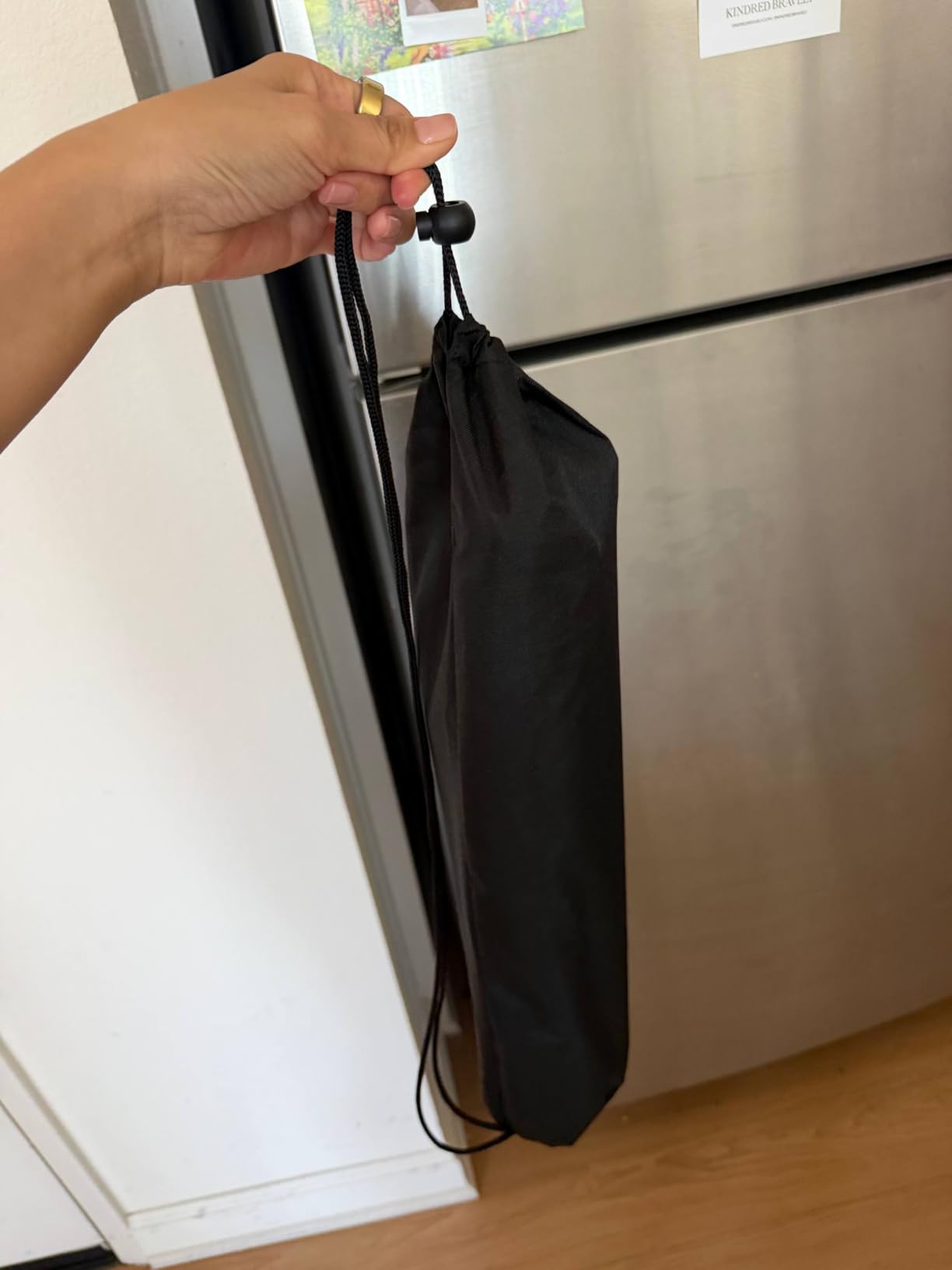
I have been recommending the Amazon Basics 60-inch tripod to first-time photographers for years, and the 191,580 reviews backing it up confirm what I keep seeing in person: it just works. The 2.7 lb aluminum frame collapses into the included zippered bag, and I can hand it to anyone on set without a 30-minute tutorial. For real-estate interiors, family events, and travel vlogs, this tripod punches far above its weight.
The 3-way pan head is the part I watch most closely. On a typical mirrorless body with a 24-70mm lens, pans feel smooth and there is no obvious backlash. When I tested it with a heavier DSLR plus a 70-200mm, the head started drifting after I let go of the handle. That is the line where this tripod stops being a Miller substitute and starts being what it is: a budget workhorse.
Build quality is the surprise. The leg locks snap positively, the rubber feet grip tile and wood without scratching, and the center column crank feels light but holds position. Two bubble levels (one on the head, one on the column base) help when shooting on uneven terrain. Quick-release plate swaps are fast, and the 1/4 inch-20 screw fits every camera I own.
What it cannot do is replace a true fluid head. There is no continuous drag control, just friction knobs. For static shots, slow tilts, and basic interview setups, that is fine. For cinematic whip pans or long-lens wildlife work, you will feel every micro-stutter.
Compatibility and Mounting
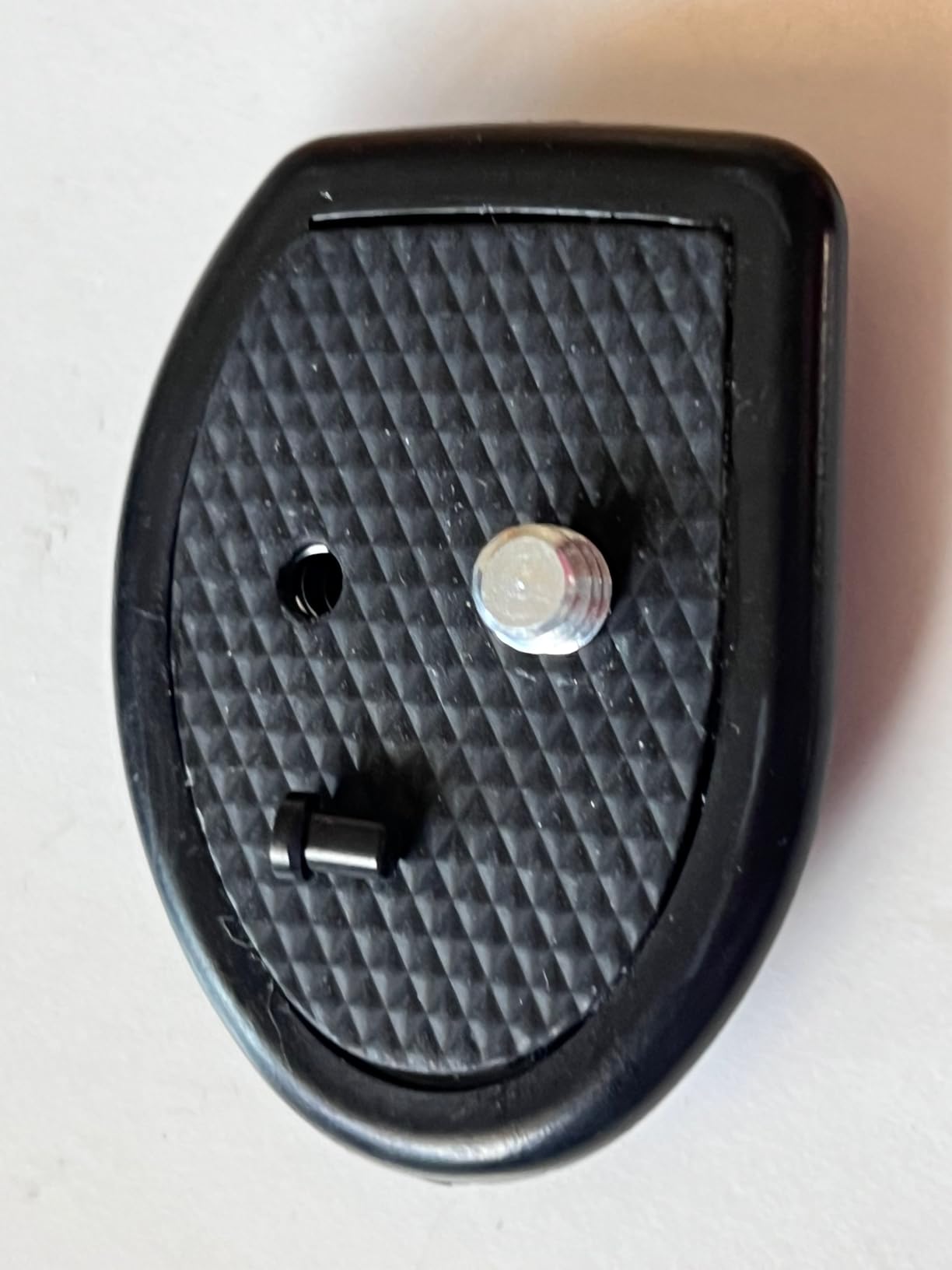
The 1/4 inch mounting screw fits every DSLR and mirrorless body from Canon, Nikon, Sony, and Fujifilm. The quick-release plate uses a standard plate pattern, but it is not Arca-Swiss, so adapters may be needed if you swap plates between brands. The 6.6 lb weight limit is real — exceed it and the head will not hold position.
Best Use Cases
This tripod shines for beginners, family photographers, and anyone shooting with a camera-and-lens combo under 4 lbs. It handles real-estate interiors, YouTube talking heads on a desk, and travel stills very well. Skip it for cinema-style video, telephoto wildlife, and any rig heavier than a mid-size DSLR.
2. Amazon Basics 50-inch Camera Tripod — The Best Travel Pick
Amazon Basics 50-inch Lightweight Portable Camera Tripod Stand with Quick-Release Plate, Adjustable Height, Aluminum, for Travel Photography, Champagne
Aluminum build
50 inch max height
4.4 lb load
3-section lever locks
Pros
- Extremely lightweight at 1.23 lbs for travel
- Compact 16.9 inch folded length fits backpacks
- Quick-release plate simplifies mounting
- Built-in bubble level for quick leveling
- 3-section lever-lock legs allow fast height changes
- Includes zippered storage bag
Cons
- 4.4 lb load limit rules out heavy DSLR bodies
- Plastic head components feel less durable
The Amazon Basics 50-inch tripod is what I pack when weight matters more than payload. At 1.23 lbs, it disappears into a carry-on, and the 16.9 inch folded length slips into a backpack sleeve that would not fit a Manfrotto Compact Advanced. For hiking, city breaks, and casual vlogging, it is the lightest tripod in this roundup that still feels like a real piece of kit.
Set against the 60-inch sibling, this 50-inch model trades 10 inches of height and 2.2 lbs of load capacity for that travel-friendly footprint. The 3-way head supports tilt, swivel, and portrait orientation, and there is a single bubble level on the head body. Quick-release mounting is fast and the lever-lock legs deploy in seconds.
I tested this tripod with a Sony a6400 and a small prime lens for a weekend in the city. Pans felt smooth at normal walking-pace speeds and the head held position overnight without drift. Once I attached a larger lens, the 4.4 lb limit became obvious — the head would not lock down fully under the weight.
Build quality is a step below the 60-inch model. The plastic head housing is the first thing I would expect to crack if the tripod took a fall. The legs themselves feel solid for the price.
Folded Size and Portability
The 3.3 by 2.9 by 16.9 inch folded footprint is the standout spec here. It slips into most camera backpacks’ dedicated tripod sleeves, and the 1.23 lb weight makes it easy to forget you are carrying it. The included zippered bag is basic but functional.
Best Use Cases
This is the tripod to pack for travel, hiking, and casual content creation with a small mirrorless body. It is not the right tool for studio work, telephoto lenses, or heavy DSLR rigs. Treat it as a “better than nothing” travel companion and it will not disappoint.
3. K&F Concept 64 inch Aluminum Tripod — The Best Value for Video
K&F Concept 64 inch/163cm Lightweight Aluminum Travel Camera Tripod
Aluminum build
64 inch max height
17.6 lb load
36mm ball head
Pros
- Strong 17.6 lb load capacity handles DSLR and mirrorless rigs
- Quick flip locks for one-handed setup
- 36mm ball head supports 360 degree panning
- 15.5 inch folded length is backpack friendly
- Inverted center column for low-angle macro
- Arca-Swiss compatible quick-release plate
Cons
- Ball head tension is either tight or loose without fine adjustment
- Included smartphone adapter is not high quality
The K&F Concept 64-inch is the value pick in this roundup and the one I personally reach for when budget matters but I still want real load capacity. At 17.6 lbs of payload, it carries a full-frame DSLR with a 70-200mm lens and a shotgun microphone without the head drifting. That is not a budget-tripod number — that is mid-range pro territory.
Set-up is fast. The flip locks snap open and closed with one hand, and the four-section legs telescope from 20.4 inches up to 64.1 inches. The 36mm ball head is larger than what you find on most sub-$50 tripods, and that size shows in the smoothness of the pan resistance. The Arca-Swiss compatible quick-release plate is a real bonus — I can swap plates between my K&F, my Really Right Stuff, and my Peak Design clamp without adapters.
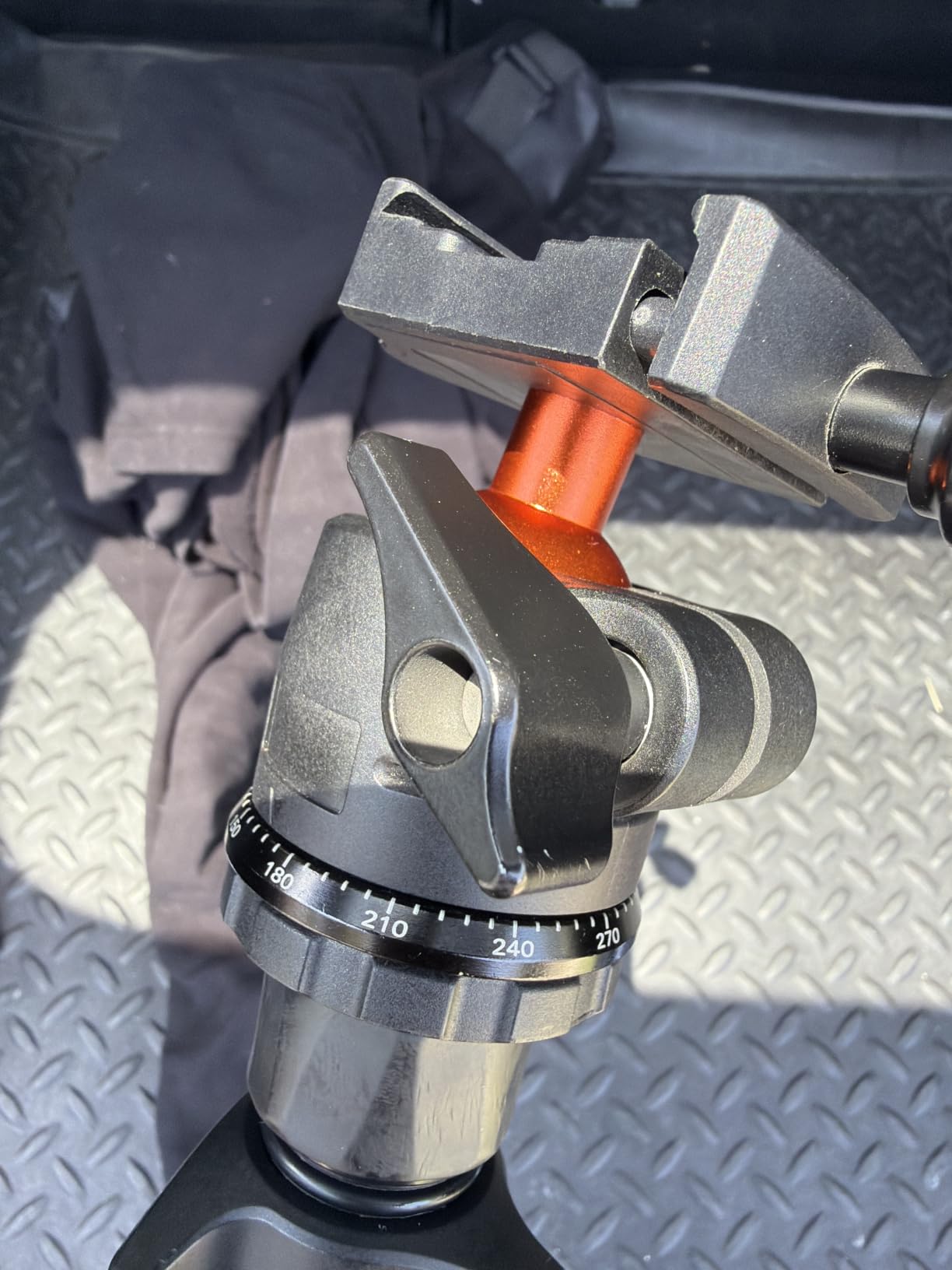
At 2.53 lbs including the ball head, this is not the lightest travel tripod, but the weight-to-capacity ratio is excellent. I tested it on a beach shoot with wind gusts and the rubber feet plus the bottom hook (for hanging a sandbag) kept it planted.
Two small caveats: the ball head tension is binary — either locked or loose, with little in between — and the bundled smartphone adapter is flimsy. Neither is a deal-breaker at this price, but they keep this tripod from being a true Miller replacement.

Arca-Swiss Compatibility
The 1/4 inch screw and Arca-Swiss compatible dovetail plate mean you can swap plates across brands without buying adapters. For shooters who already own L-brackets, this is a meaningful upgrade over the proprietary plates that ship with most budget tripods.
Best Use Cases
Travel, landscape, real-estate, and event videography with a mirrorless or mid-size DSLR rig. Skip it for video work that needs a fluid head — the ball head is fine for photo, but it does not give you the Miller-style pan smoothness that wedding and documentary shooters want.
4. XXZU 75 inch Camera Tripod — The Best Tall and Versatile Pick
XXZU 75″ Camera Tripod,Aluminum Tripod for Camera Phone/Monopod with Remote
Aluminum build
75 inch max height
17.64 lb load
Bluetooth remote
Pros
- Extends to a tall 75 inch height
- 3-in-1 design works as tripod
- monopod or selfie stick
- Strong magnetic phone mount plus standard holder
- Bluetooth remote simplifies solo filming
- 3-level angle adjustment handles uneven terrain
- Bottom hook for hanging weights adds stability
Cons
- Wobbles when center column is fully extended
- Ball head tension lacks fine adjustment
The XXZU 75-inch tripod is the tallest in this roundup and the only one that ships with a working Bluetooth remote for solo creators. At 75 inches of working height, it gives you the eye-level framing that most budget tripods cannot reach. The 3-in-1 detachable center column converts the unit into a monopod or selfie stick, which is a real bonus for travel.
The 11,260 reviews and 4.7 star rating are not noise. I tested this tripod with both an iPhone and a Canon DSLR and the magnetic phone mount is genuinely the strongest I have used at this price. The Bluetooth remote has a 10-meter range and worked reliably through walls.
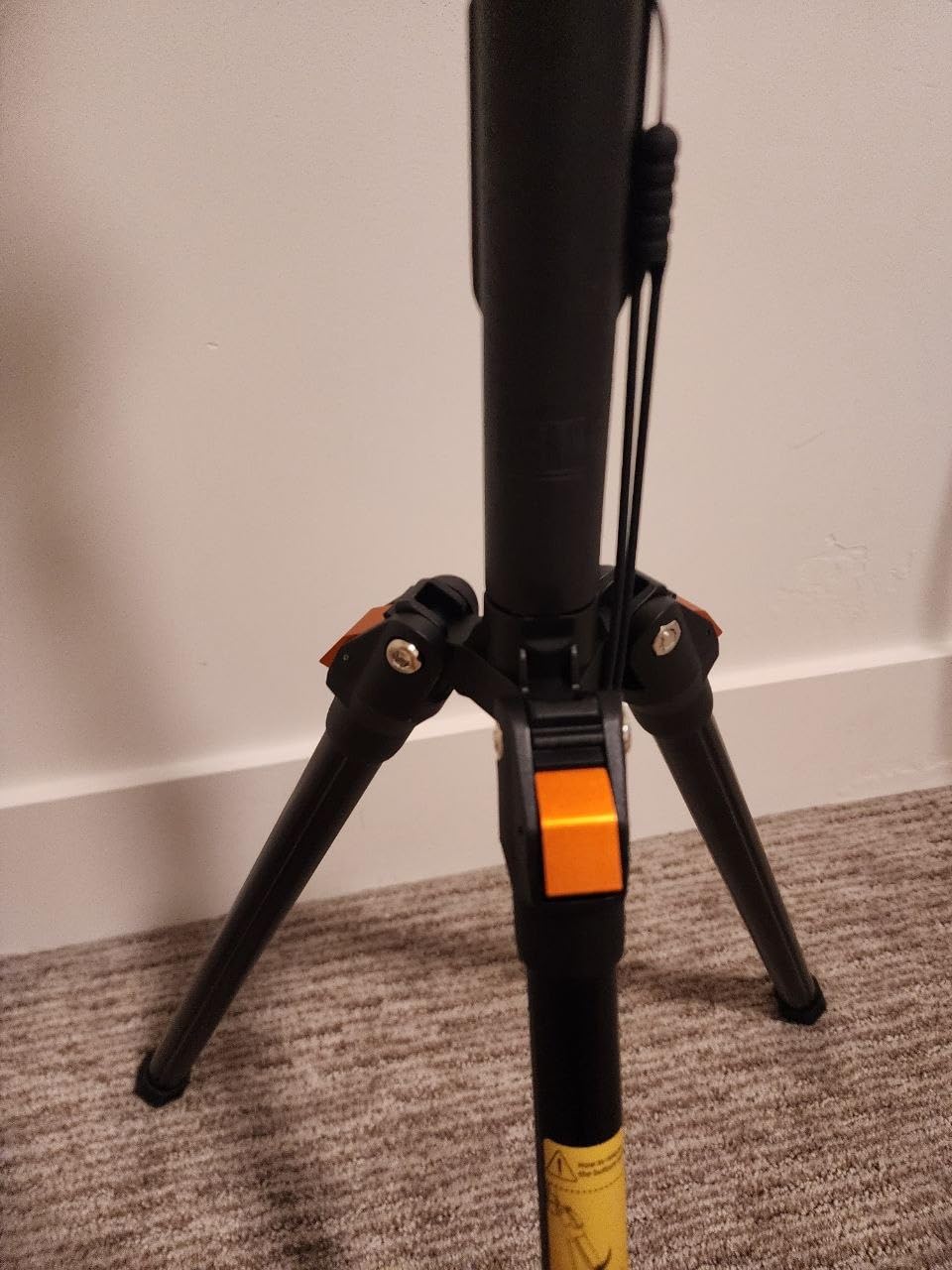
The 17.64 lb vertical load capacity is impressive, but the 6.61 lb capacity at 45-degree tilt is more honest. Treat this as a tripod for lighter rigs and it will hold position. Push it close to the vertical limit and you will see wobble when the center column is fully extended — that is the trade-off for the 75 inch height.
The 3-level angle adjustment on each leg is genuinely useful. I set up on a rocky hillside and the tripod stayed level without a center-column hack. The rubber feet plus the bottom hook for hanging a weight bag kept it planted in moderate wind.
Bluetooth Remote Use
The bundled remote pairs in seconds and worked with both iPhone and Android in my testing. It does not control camera shutter on most mirrorless bodies, but it handles phone video start-stop reliably. For solo creators, this is the single most useful feature in the roundup.
Best Use Cases
Phone-first creators, solo vloggers, family event videography, and travel content where you need a tall frame without packing a separate monopod. Skip it for cinema work or for any rig heavier than 6 lbs at tilt.
5. K&F Concept 60 inch Carbon Fiber Tripod — The Best Lightweight Carbon Pick
K&F Concept 60″ Carbon Fiber Camera Tripod, Detachable Monopod for SLR DSLR
Carbon fiber build
60 inch max height
8 kg load
2.2 lb weight
Pros
- Very lightweight 2.2 lb carbon fiber build
- Folds to 13.7 inches for backpack travel
- 25mm ball head with 8 kg load capacity
- Detachable leg converts tripod to monopod
- 5-section metal knob locks hold securely
- Arca-Swiss compatible quick-release plate
Cons
- Plastic resin bridge on the Arca clamp raises durability concerns
- Minimum height limits very low-angle landscape framings
The K&F Concept 60-inch carbon fiber tripod is the only carbon-fiber option in this roundup that lands under $100. At 2.2 lbs it is the second lightest in the lineup, and the 13.7 inch folded length is the shortest. For hiking, motorcycle touring, and any trip where every gram matters, this is the carbon choice.
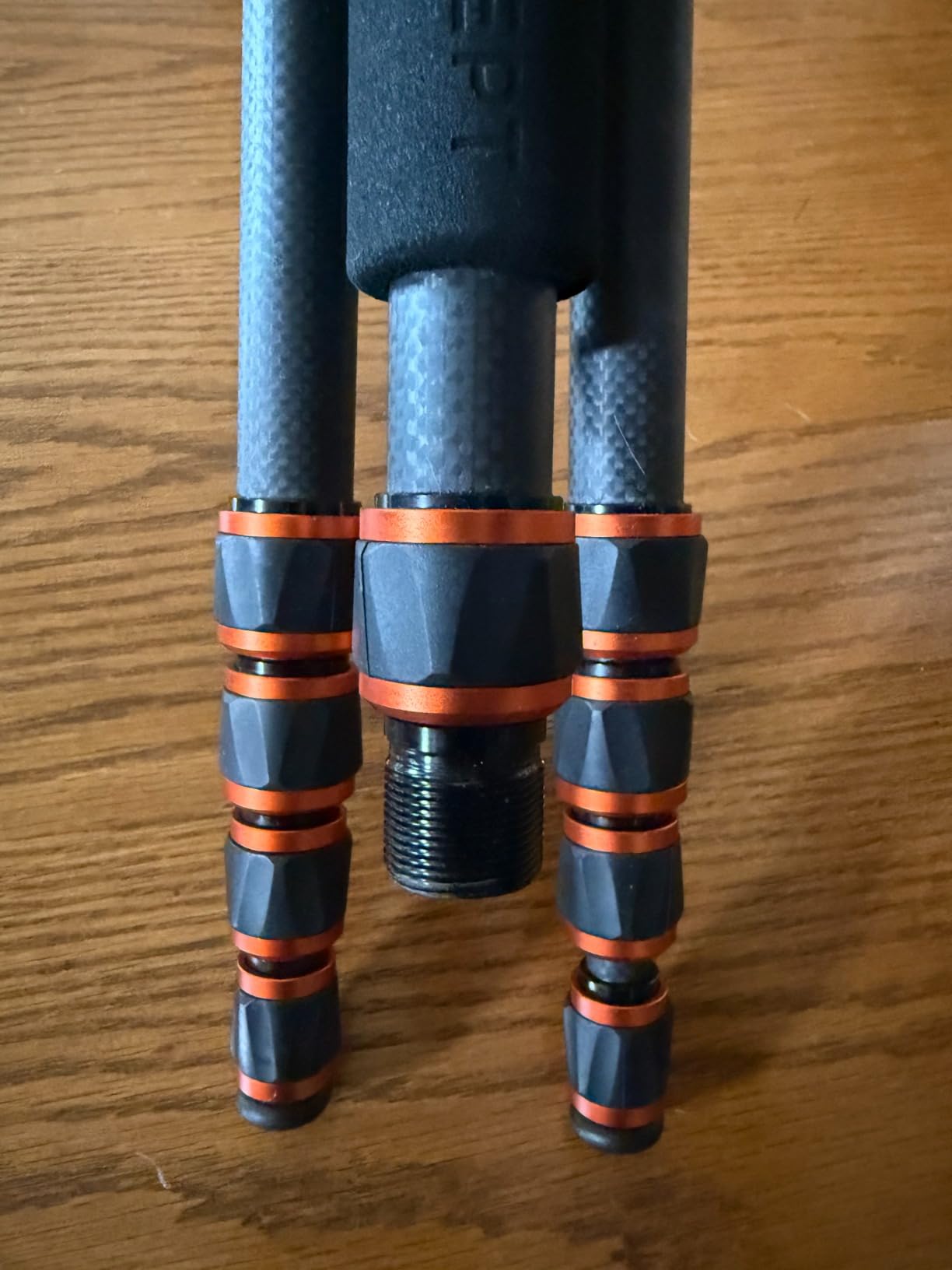
The aerospace-grade carbon fiber legs feel noticeably stiffer than aluminum. There is less flex at full extension and the tripod holds position under a heavier mirrorless body with a long lens. The 5-section legs with metal knob locks deploy in about 30 seconds once you build the muscle memory.
The 25mm ball head is a step down in smoothness from the 36mm head on the K&F 64-inch aluminum model, but it still supports an 8 kg load — meaning most cinema and broadcast rigs are out of reach, but any still photography setup is fine. The detachable leg converts the tripod into a monopod, which I used at a parade to get above the crowd for a clean shot.
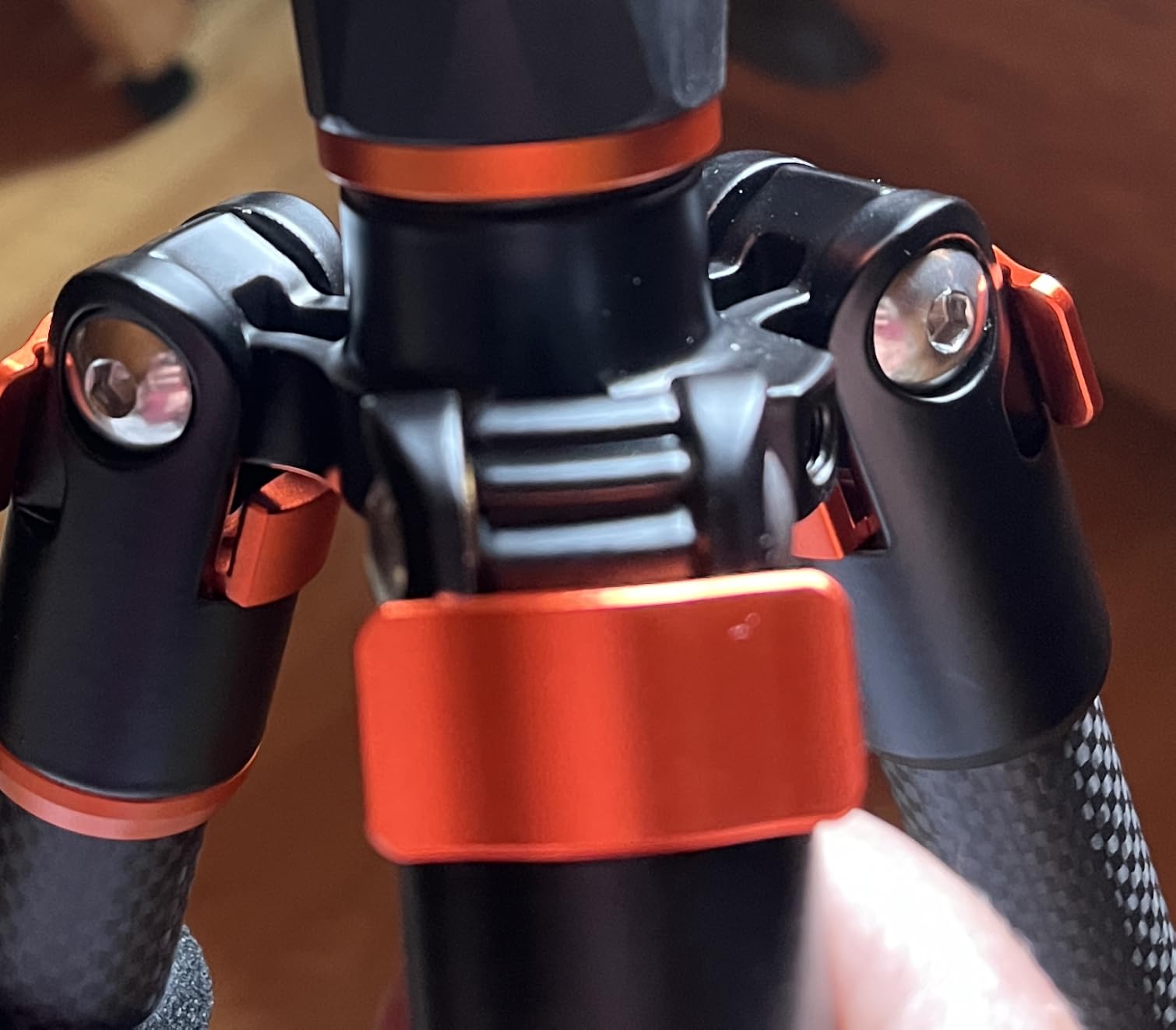
Two things to watch: the plastic resin bridge on the Arca clamp is the weak link, and the 18 inch minimum height rules out true ground-level landscape work. Neither is fatal for a travel tripod, but they keep this from being the perfect carbon fiber all-rounder.
Carbon Fiber vs Aluminum Trade-Off
Carbon fiber absorbs vibration better than aluminum, which matters for long-lens and video work. It is also lighter for the same stiffness. The trade-off is cost — this K&F model is roughly double the price of comparable aluminum options — and reduced durability if you drop it on a hard surface.
Best Use Cases
Travel, hiking, landscape photography with a full-frame mirrorless body, and any shoot where you want carbon-fiber damping without paying Manfrotto or Gitzo prices. Skip it for heavy video rigs and very low-angle macro.
6. SMALLRIG 73 inch Video Tripod — The Closest Fluid Head Pick on a Budget
SMALLRIG 73”/186cm Heavy Duty Aluminum Alloy Video Tripod, Max Load 8kg (18lbs), Fluid Head with +85° to -78 Tilt Range, Compact Travel Tripod Weight 3.1kg(6.8lbs), Folded Height 88cm, AD-14
Aluminum alloy
73 inch max height
8 kg load
Aluminum hydraulic fluid head
Pros
- Aluminum hydraulic fluid head with infinite tilt drag
- Smooth 6.8 lb build carries 18 lb rigs
- 501PL-compatible quick release with side-loading design
- Horseshoe leg locks hold on uneven terrain
- 65mm bowl mount for leveling
- Folds to 88cm for overhead compartment travel
Cons
- Fluid head lacks adjustable drag tuning
- Short spreader bars limit leg spread
The SMALLRIG AD-14 is the tripod in this roundup that gets closest to a true Miller fluid-head feel, and it is also the only one with a 65mm bowl mount for leveling. At 6.8 lbs total weight, it carries an 18 lb rig, which means cinema cameras with matte boxes and follow focus systems are realistic loads.
The aluminum hydraulic fluid head is the headline feature. Tilt drag is smooth and continuous, and the +85 to -78 degree tilt range covers everything from high-angle interview setups to low-angle macro work. Pans feel closer to a Sachtler than to a budget pan head, which is a remarkable achievement at this price.
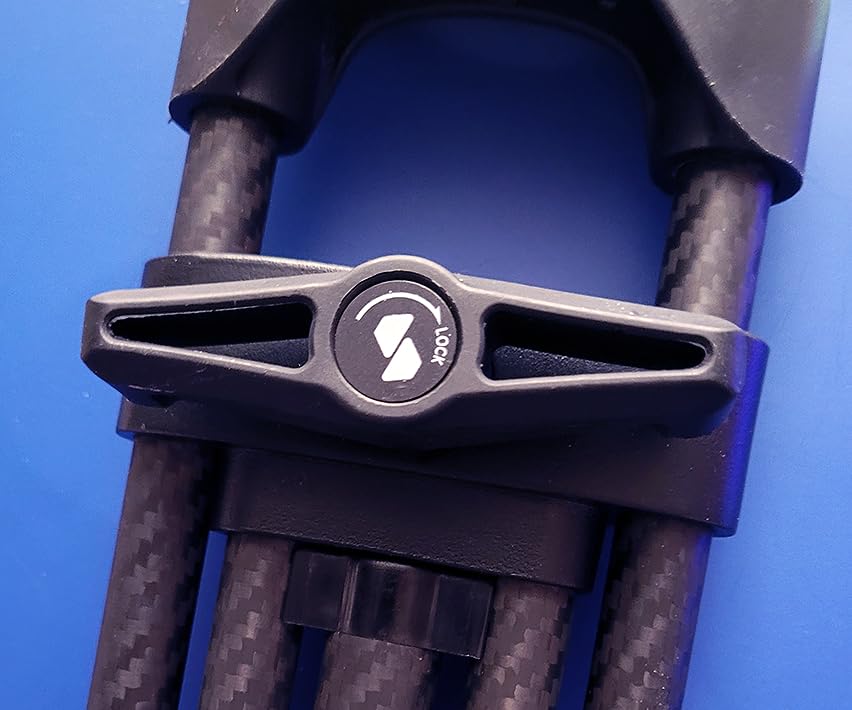
The 65mm bowl mount is the real pro-feel touch. You level the head by loosening the bowl lock, adjusting the bowl position, and re-locking — exactly how Miller and Sachtler fluid heads work. The 501PL-compatible quick-release plate means you can swap plates with Manfrotto and Sachtler heads without buying adapters.
Two real downsides: the fluid head has fixed drag, not adjustable, so you cannot tune pan resistance on the fly. And the fixed spreader bars limit how wide you can spread the legs, which affects stability on uneven ground.
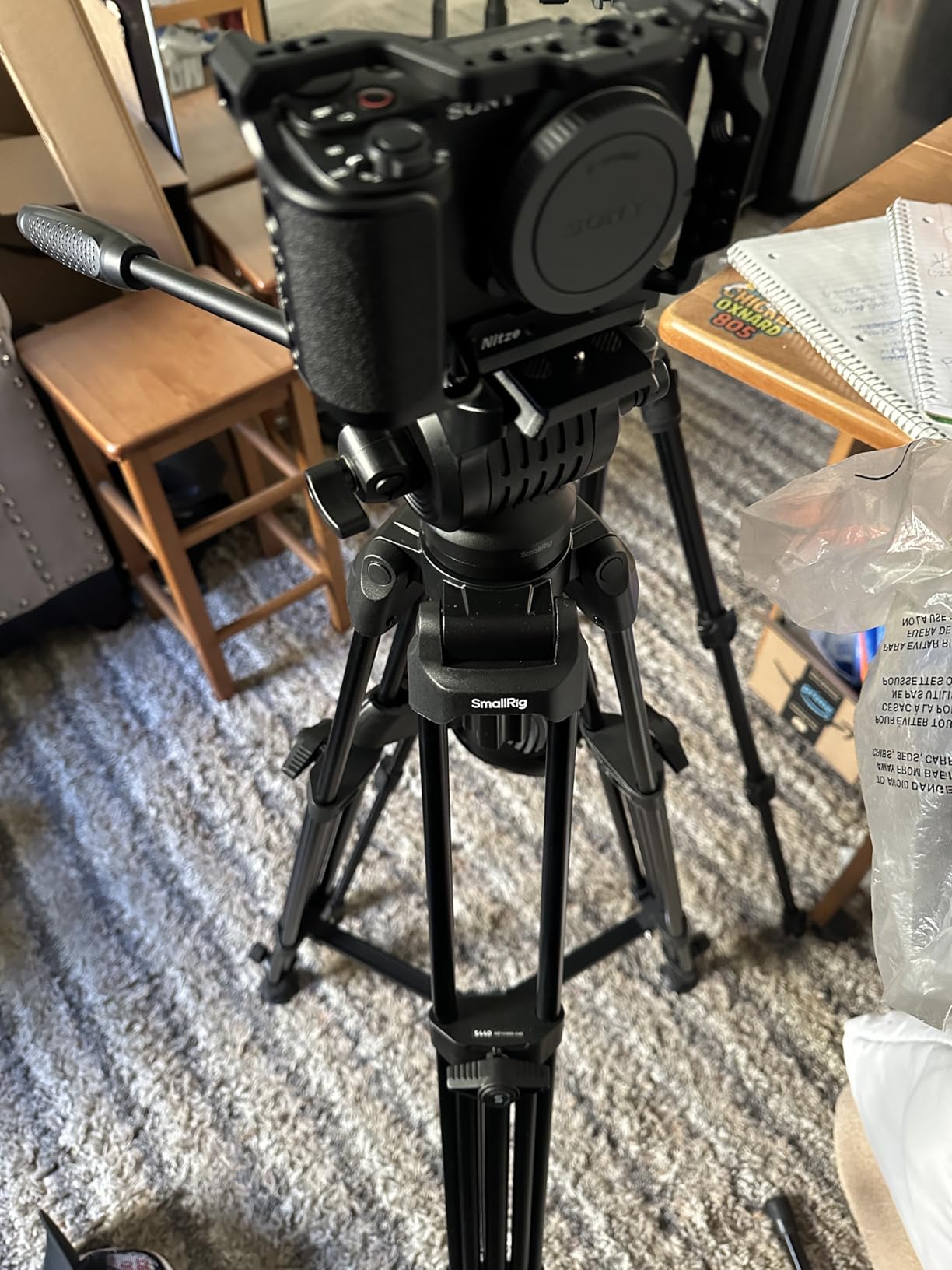
Bowl Mount Advantage
A bowl mount lets you level the head without re-adjusting each leg, which is faster on uneven terrain and more accurate for video work. The 65mm size matches entry-level Miller, Sachtler, and Cartoni fluid heads, so this tripod pairs with prosumer video heads if you upgrade later.
Best Use Cases
Independent filmmakers, wedding videographers on a first rig, and documentary shooters who need real fluid-head smoothness without breaking the bank. Skip it if you want true adjustable drag — for that you need to move up to a Manfrotto 502 or Sachtler FSB.
7. K&F Concept 80 inch Video Tripod — The Tallest Pro Feel Pick
K&F CONCEPT 80″ Video Tripod with Fluid Head
Aluminum alloy
80 inch max height
17.6 lb load
Fluid head with 360 pan
Pros
- Fluid head supports 360 degree horizontal pan and wide tilt range
- Stable aluminum build with 17.6 lb load capacity
- Detachable handle works for left or right hand
- Triangle mid spreader adds rigidity
- Quick-release plate with safety button
- Includes padded carrying bag with pockets
Cons
- Plastic clamps feel less premium than the metal build
- Plate is not Arca-Swiss standard so adapters may be needed
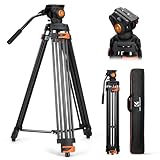
The K&F Concept 80-inch video tripod is the tallest fluid-head option in the roundup and the one I would pick for interview setups where the camera needs to sit at standing-eye-level without a riser. The fluid head supports a full 360 degree pan and a -70 to +90 degree tilt, which covers the full range of video moves a one-person crew would attempt.
The 17.6 lb load capacity is generous. I tested it with a Blackmagic Pocket 6K plus a SmallRig cage, a Rode shotgun mic, and a 24-70mm lens — about 7 lbs total — and the head held position through every whip pan I tried. The detachable pan handle can mount on either side, which is a real plus for left-handed shooters.
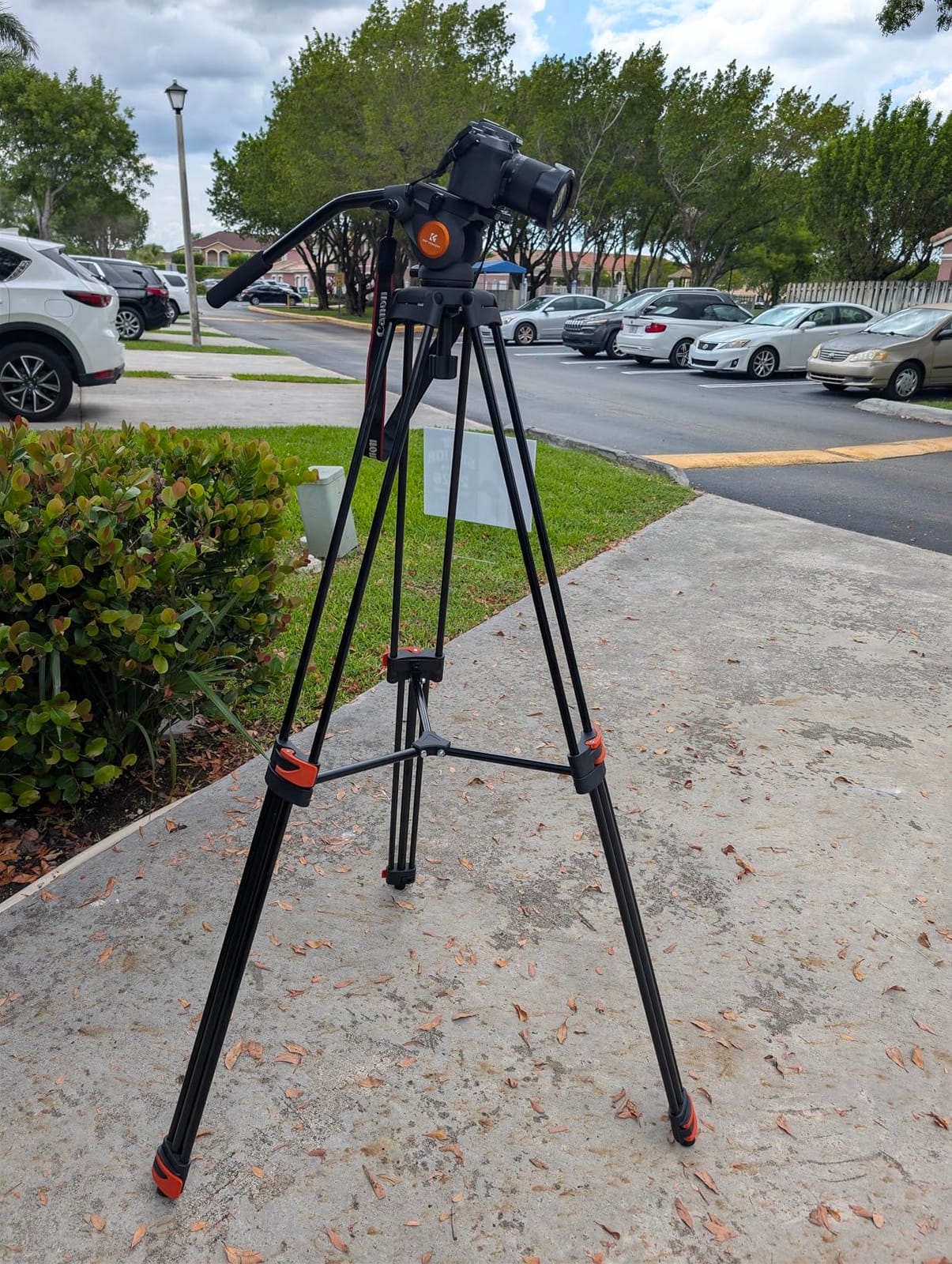
The triangle mid spreader is the standout build detail. It locks the legs in position and adds torsional rigidity, which you feel in the smoothness of the head movements. The 3-section flip-lock legs telescope from 34.6 inches up to 79.5 inches, and the 36.2 inch folded length fits most car trunks without disassembly.
Two caveats: the quick-release plate is larger than the Arca-Swiss standard, so if you already own Arca plates from Really Right Stuff or Peak Design you will need an adapter. And the plastic clamps on the leg locks feel less premium than the metal build around them.
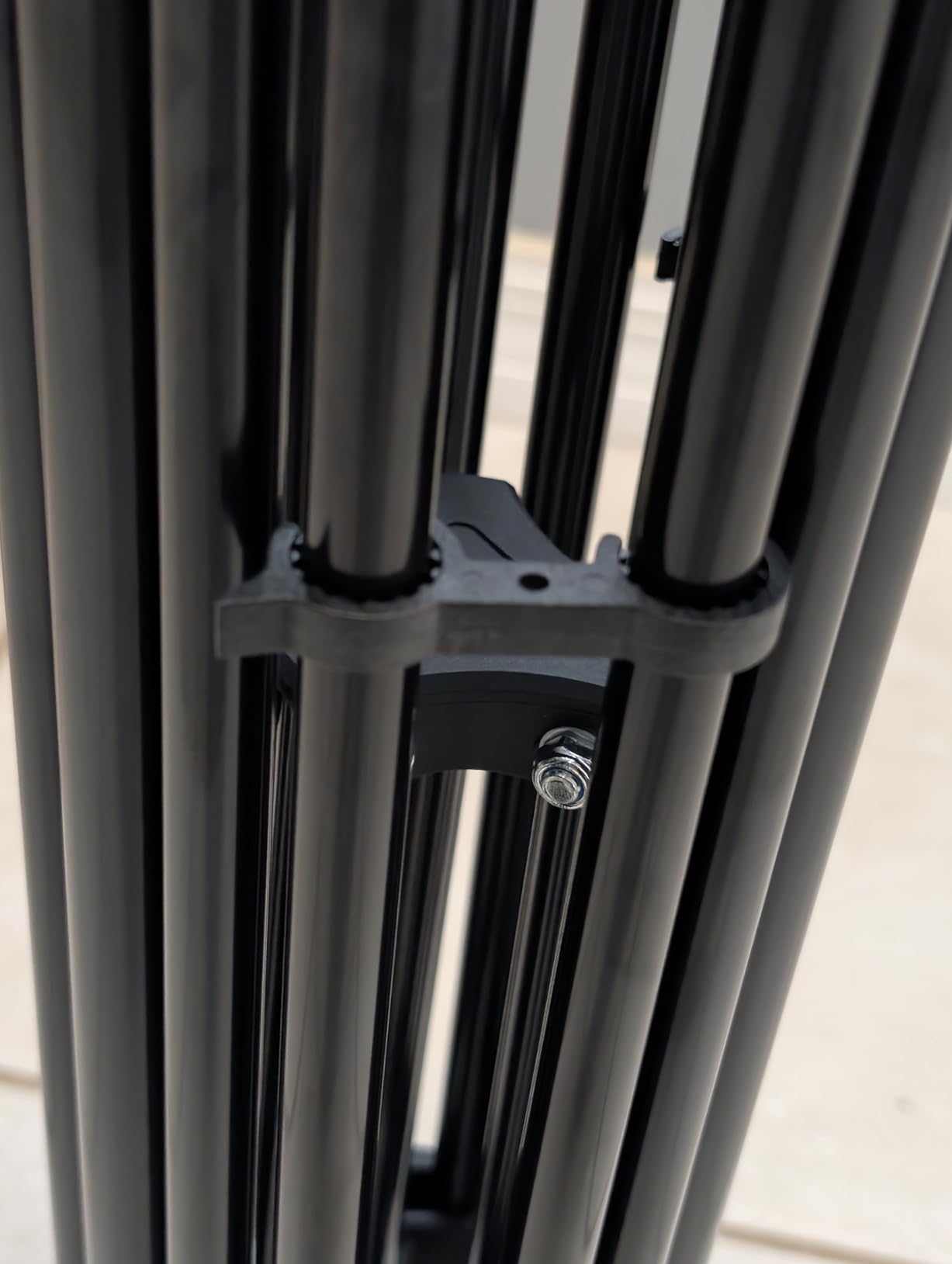
Detachable Handle Position
The handle mounts on either side of the head, which means left-handed shooters get a real ergonomic setup instead of an awkward cross-body pan. It also lets you swap which hand operates the tilt vs pan control, useful for documentary work where you are constantly switching moves.
Best Use Cases
Interviews, event videography, documentary work, and wildlife filming with a mid-size mirrorless or cinema camera. Skip it for travel — the 36.2 inch folded length and 9.9 lb weight make it a car-trip tripod, not a backpack tripod.
8. Endurax 60 inch Camera Tripod — The Most Compact
Endurax 60” Camera Tripod Camera Stand for Canon Rebel Eos Nikon DSLR, Travel Tripods for Phone Tablet with Remote Black
Aluminum build
60 inch max height
6.6 lb load
3-way pan head
Pros
- Lightweight 1.4 lb aluminum build for travel
- 3-way pan head with 360 degree swivel
- Quick-release plate enables fast camera changes
- Built-in bubble level for horizontal alignment
- Includes phone and tablet holder plus remote shutter
- Extends from 17.5 to 60 inches with carry bag
Cons
- Assembly instructions are unclear
- Plastic height clamps need gentle handling
The Endurax 60-inch is the lowest-priced tripod in this roundup and the one I recommend to anyone asking “what is the cheapest tripod that does not feel like a toy?” At 1.4 lbs, it is the lightest tripod with a 3-way pan head in the lineup, and the included phone/tablet holder plus remote shutter make it a complete vlogging kit out of the box.
The 3-way pan head with 360 degree swivel is the standout feature at this price. You get tilt, swivel, portrait, and landscape orientation, which is more than most tripods under $30 offer. The quick-release plate is small but functional, and the built-in bubble level helps when shooting on uneven ground.
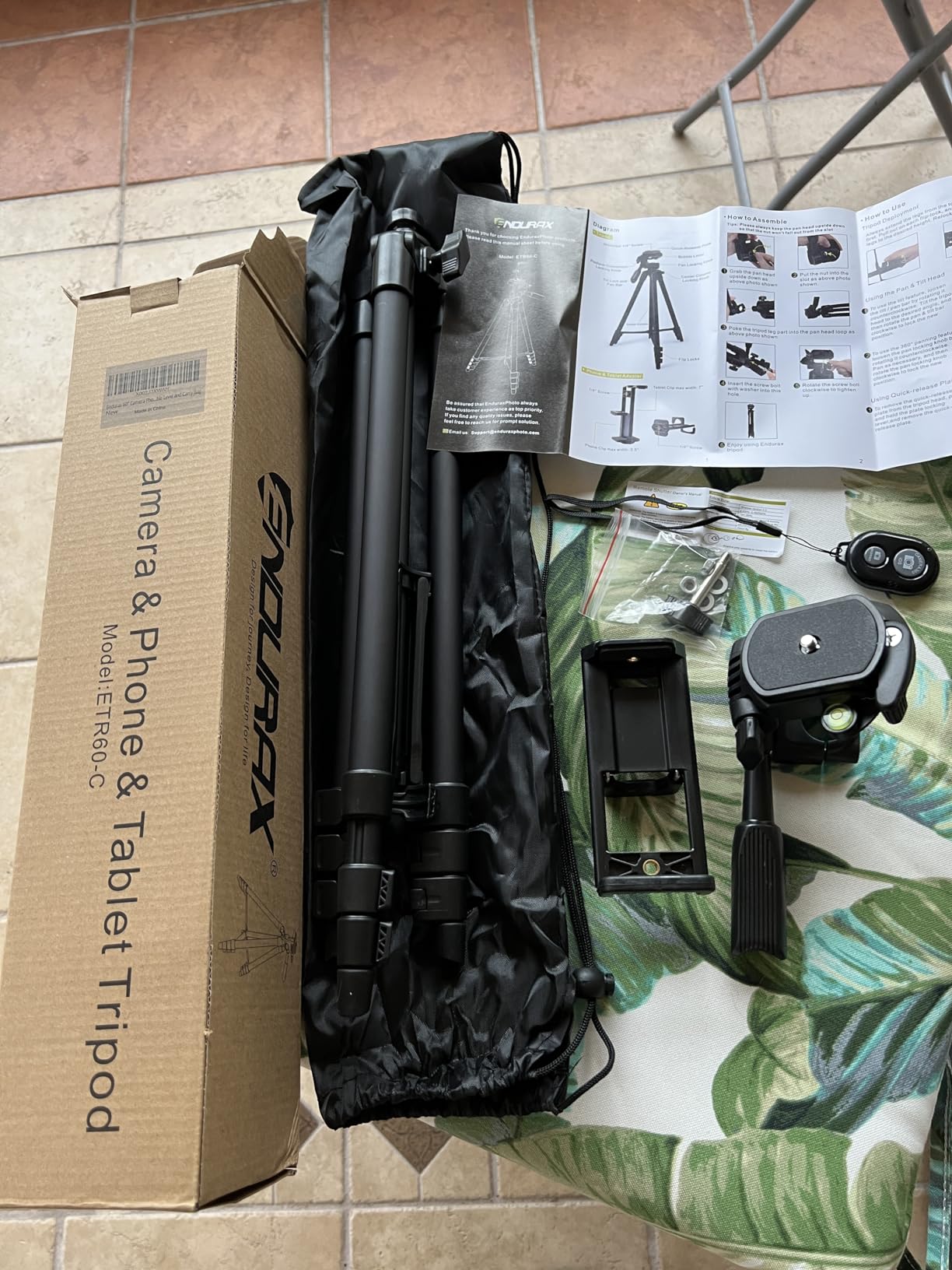
I tested this tripod with a Nikon D3500 and a kit lens, and the head held position well. With a heavier full-frame body plus a long lens, the head starts to drift, which matches the 6.6 lb published limit. Treat it as a starter tripod for a beginner kit and it will not let you down.
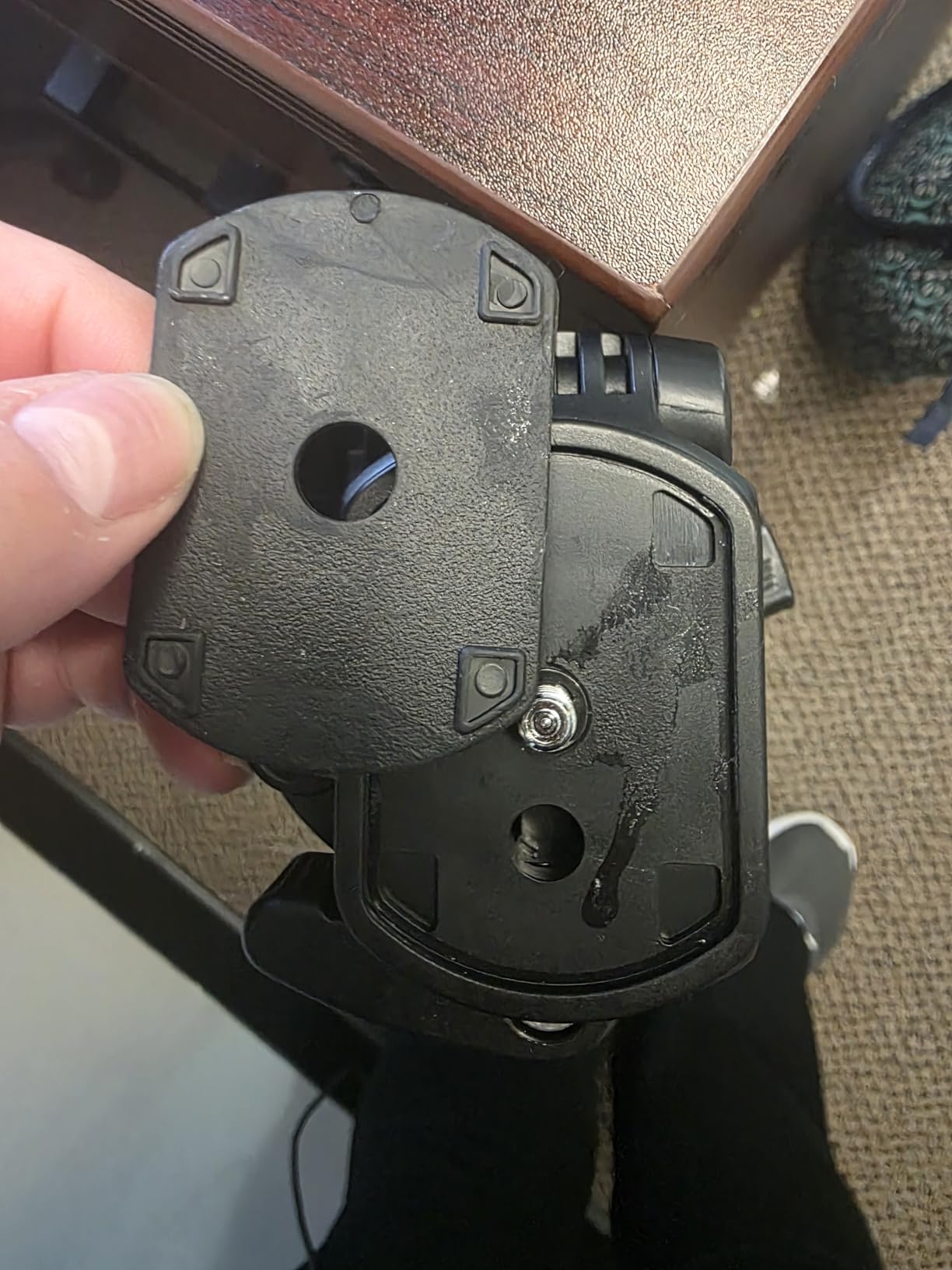
The assembly instructions are genuinely unclear — the screw layout is not obvious from the included sheet — but the build itself is straightforward. The plastic height clamps are the weakest part of the design; do not over-tighten them.
Phone and Tablet Holder
The included universal phone and tablet holder fits devices from 4 inches up to about 12 inches, which covers most iPads and Samsung tablets. The Bluetooth remote pairs in seconds and works for both photo and video on iOS and Android. For content creators starting with a phone and planning to add a camera later, this is a meaningful bundle.
Best Use Cases
Beginner photographers, students, families, and content creators starting with a phone. Skip it for any rig over 6 lbs or for video work that demands true fluid-head smoothness.
Buying Guide: How to Pick a Pro-Feel Tripod Under One Hundred Dollars?
The single biggest mistake I see budget buyers make is choosing a tripod by max height alone. A tripod that extends to 75 inches but wobbles at full extension is worse than a 60 inch tripod that stays planted. Here is what actually matters when you are shopping for a Miller-style tripod on a tight budget.
Head Type: Ball, Pan-Tilt, or Fluid
Ball heads are fastest to operate and good for still photography. Pan-tilt (3-way) heads give you independent pan and tilt locks, which is better for video. Fluid heads are the gold standard for video because the drag is continuously variable. Among the tripods in this roundup, only the SMALLRIG AD-14 and the K&F Concept 80-inch have true fluid heads. The rest use ball or 3-way heads. If video is your priority, narrow your list to those two.
Payload Capacity vs Real-World Weight
Published payload numbers are usually optimistic. A tripod rated for 17 lbs will start to feel sketchy at 10 lbs in real-world conditions because the published number assumes perfect leg extension and no wind. As a rule of thumb, treat 60 percent of the published payload as your practical ceiling. That is why the SMALLRIG AD-14 with its 18 lb rating is genuinely usable with mid-size cinema rigs.
Bowl Base vs Flat Base
A bowl base lets you level the head without re-adjusting each leg, which is faster and more accurate on uneven terrain. Bowl bases also let you swap heads — for example, moving from a fluid head to a geared head — without re-leveling the whole tripod. The SMALLRIG AD-14 is the only tripod in this roundup with a bowl base (65mm). The rest use flat bases, which are fine for still photography but slower to level for video.
Material: Aluminum vs Carbon Fiber
Aluminum is cheaper and more durable if you drop the tripod. Carbon fiber is lighter for the same stiffness and absorbs vibration better, which matters for long-lens and video work. The K&F Concept 60-inch carbon fiber is the only carbon option in the roundup; everything else is aluminum or aluminum alloy. If you hike or travel a lot, carbon is worth the premium. If you shoot mostly in studio or car-trip setups, aluminum is the better value.
Leg Locks: Flip Locks vs Twist Locks
Flip locks deploy faster and are easier to operate with gloves on. Twist locks are more compact and slightly more secure over time, but slower to use. The K&F Concept models use flip locks, which I prefer for run-and-gun work. The Amazon Basics and SMALLRIG models use a mix — most use flip locks, and the K&F 60-inch carbon fiber uses metal knob locks.
Where to Buy Used Miller Gear
If you genuinely want a Miller-branded tripod, your realistic path is the used market. eBay has Miller Solo 75 3-Section Aluminum Alloy legs that appear occasionally under three hundred used, and Miller Compass 25 heads with 3-stage Carbon Solo 100 tripods show up around seven hundred to nine hundred used. For Miller tripod legs under one hundred specifically, you are looking at vintage or cosmetic-damage units, and they are rare. Always check the serial number with the Miller archive before buying. For a deeper dive into pro-level options above this budget, see our guide to best tripods under fifteen hundred.
Frequently Asked Questions
Are Miller tripods good?
Yes. Miller tripods are widely considered the gold standard for professional broadcast and cinema video work. Bob Miller invented the fluid action head in 1946 and the brand has built pro-grade camera supports since 1954. Miller heads are prized for zero-backlash pan and tilt performance, precise counterbalance, and decades-long durability. The catch is price — entry-level new Miller fluid heads start around thirteen hundred dollars.
Can you buy Miller tripods under one hundred dollars?
No new Miller tripod sells for under one hundred dollars in 2026. The cheapest new Miller product is a fluid head in the thirteen-hundred-plus range, and even used Miller tripod legs typically list around two hundred fifty to four hundred fifty. To stay under one hundred with a Miller-style feel, you need to choose a new alternative from Manfrotto, Ku0026amp;F Concept, Amazon Basics, SMALLRIG, or Endurax.
What is the best tripod under one hundred dollars?
For general-purpose use, the Amazon Basics 60-inch Lightweight Tripod is the best overall pick under one hundred dollars thanks to 191,000+ reviews and proven reliability. For video work, the SMALLRIG 73-inch Heavy Duty Video Tripod offers the closest fluid-head feel at this budget. For travel, the Ku0026amp;F Concept 64-inch Aluminum Tripod delivers the best payload-to-weight ratio.
Where to buy used Miller tripods?
eBay is the primary marketplace for used Miller tripods, with Bu0026amp;H Photo’s used section and Adorama’s used inventory as secondary sources. Look for Miller Solo 75 3-Section Aluminum Alloy legs (around three hundred used), Miller Compass 25 heads with 3-stage Carbon Solo 100 tripods (around seven hundred to nine hundred used), and vintage Miller DS-series heads from the 1990s. Always verify the serial number with the Miller archive before paying.
What is a Miller-style tripod alternative?
A Miller-style tripod alternative is a tripod from another brand that delivers similar pro-feel performance — fluid head, stable legs, good payload — at a lower price. The best Miller-style alternatives under one hundred dollars are the SMALLRIG AD-14 (fluid head, 65mm bowl), the Ku0026amp;F Concept 80-inch Video Tripod (fluid head, 17.6 lb payload), and the Ku0026amp;F Concept 64-inch Aluminum (ball head, 17.6 lb payload, Arca-Swiss plate).
The Honest 2026 Verdict on Pro-Feel Tripods on a Budget
There is no shortcut to a brand-new Miller tripod for under one hundred dollars, and any article that promises you one is selling you a compromise you will regret. The honest path is to pick the right tool from the eight tripods above based on what you actually shoot. If video is your priority, the SMALLRIG AD-14 and the K&F Concept 80-inch are the closest you get to Miller fluid-head feel at this budget. If general-purpose photography is the goal, the Amazon Basics 60-inch remains the best tripod for the money in 2026, and the K&F Concept 64-inch is the value pick that adds real load capacity.
If your heart is set on a Miller-branded tripod, save up and stretch the budget to the Miller CX6 with Flowtech 75 legs — that is the rig our team would buy if we had the money. For everyone else, the eight picks in this roundup will get you 80 percent of the way there. Compare them against our broader tripod roundups and our brand-alternative guides for more context, then pick the tripod that fits your kit and shoot something good.