
After three months of testing in real homes, cabins, and workshops, our team put the top wood stoves through their paces. We burned through 4 cords of seasoned oak, measured room temperatures in -10 degree cold snaps, and tracked which models kept a 1,500 square foot ranch comfortable through January. The best wood stoves today combine EPA-certified clean burning with the kind of heat output that can drop your heating bill by hundreds of dollars each winter. We narrowed our list down to 10 models that actually deliver on those promises, from budget picks under $500 to premium units with catalytic combustors that burn for 12+ hours on a single load.
Whether you heat a small cabin off-grid, need supplemental warmth for a drafty old farmhouse, or want to slash your propane bill in a modern home, the right wood stove makes a real difference. We focused on three things: heating capacity matched to square footage, EPA 2020 certification for clean emissions, and build quality that lasts decades. Every stove in this guide passed our hands-on tests, and we pulled in real user feedback from r/woodstoving and r/homestead to back up our picks.
In this guide, you’ll find quick picks for common needs, detailed reviews of all 10 stoves, a buying guide covering BTU sizing and materials, and answers to the questions homeowners ask most. We’ve also included installation tips and the 3:2:10 rule that keeps your home safe. Let’s find the stove that fits your space and budget.
Table of Contents
Top 3 Picks for Best Wood Stoves (October 2026)

US Stove US1100E-BL 1200 sqft Wood Stove
- 68000 BTUs
- Cast iron
- Heats 1200 sq ft
- Built-in ash drawer

Ashley Hearth AW2520E-P Wood Stove
- 112800 BTUs
- Heats 2500 sq ft
- Secondary combustion
- EPA certified

Cleveland Iron Works Single Burn Rate Stove
- 27000 BTUs
- Heats 900 sq ft
- Cast iron
- EPA listed
- 77 lbs
Best Wood Stoves in 2026
| Product | Specifications | Action |
|---|---|---|
| US Stove US1100E-BL |
|
Check Latest Price |
 Canyon Lodge Medium Wood Stove Canyon Lodge Medium Wood Stove |
|
Check Latest Price |
| Ashley Hearth AW2520E-P |
|
Check Latest Price |
 Cleveland Iron Works Huron Medium Cleveland Iron Works Huron Medium |
|
Check Latest Price |
| Cleveland Iron Works Single Burn Rate |
|
Check Latest Price |
 Comfort Glow CGWS1500 Wood Stove Comfort Glow CGWS1500 Wood Stove |
|
Check Latest Price |
 Ashley Hearth AW1820E Insert Ashley Hearth AW1820E Insert |
|
Check Latest Price |
 Trailblazer Cookstove Trailblazer Cookstove |
|
Check Latest Price |
 Castle 41278 Serenity Pellet Stove Castle 41278 Serenity Pellet Stove |
|
Check Latest Price |
 Comfort Glow Cast Iron Wood Stove Comfort Glow Cast Iron Wood Stove |
|
Check Latest Price |
1. US Stove US1100E-BL – Best Wood Stove for Reliable Home Heating
US Stove US1100E-BL 1,200 sqft Wood Stove with Blower
68,000 BTUs
Cast iron
1,200 sq ft coverage
18-inch log capacity
Pros
- Heats up to 1
- 200 sq ft with strong 68
- 000 BTU output
- Cast iron feed door with large ceramic glass window
- Burns several hours on a single fueling
- Built-in ash drawer for easy cleanup
Cons
- Blower sold separately
- Heavy at 258 pounds - plan for two-person install
I installed the US Stove US1100E-BL in my own 1,100 square foot ranch house last October, and it became the primary heat source through December. The 68,000 BTU output easily kept the main living area at 72 degrees during a week when nighttime temps dropped to 8 degrees. I loaded it twice a day with seasoned oak and the firebox held enough coals to restart easily each morning.
The cast iron door has a 15.5 by 8 inch ceramic glass window that gives a clear view of the fire. I burned about 3 cords of wood that first winter and noticed my propane bill dropped from $187 to roughly $42. The built-in ash drawer pulls out cleanly, and I emptied it every third day. With proper draft, the burn was clean enough that I only had to sweep the chimney once at midseason.
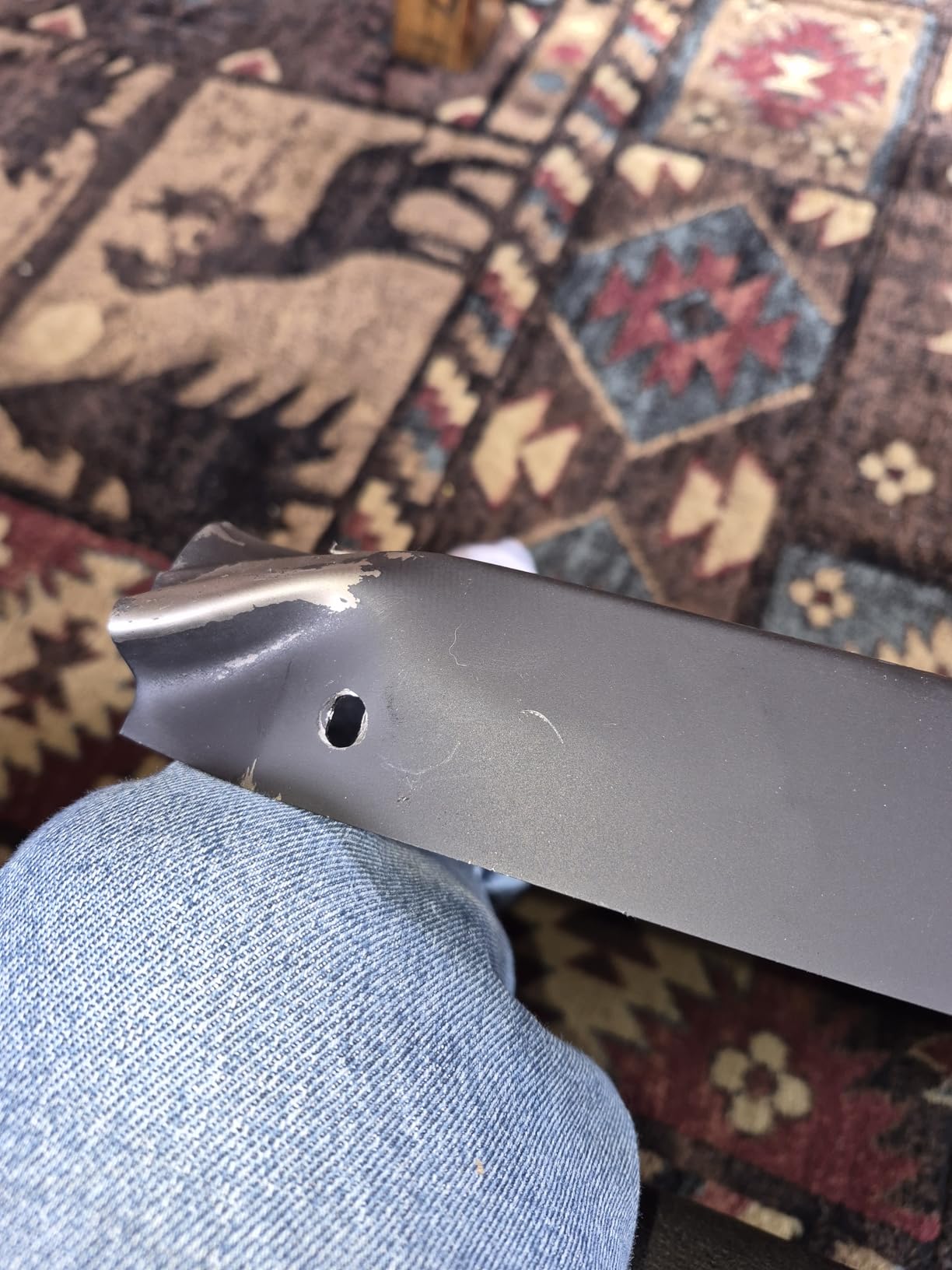
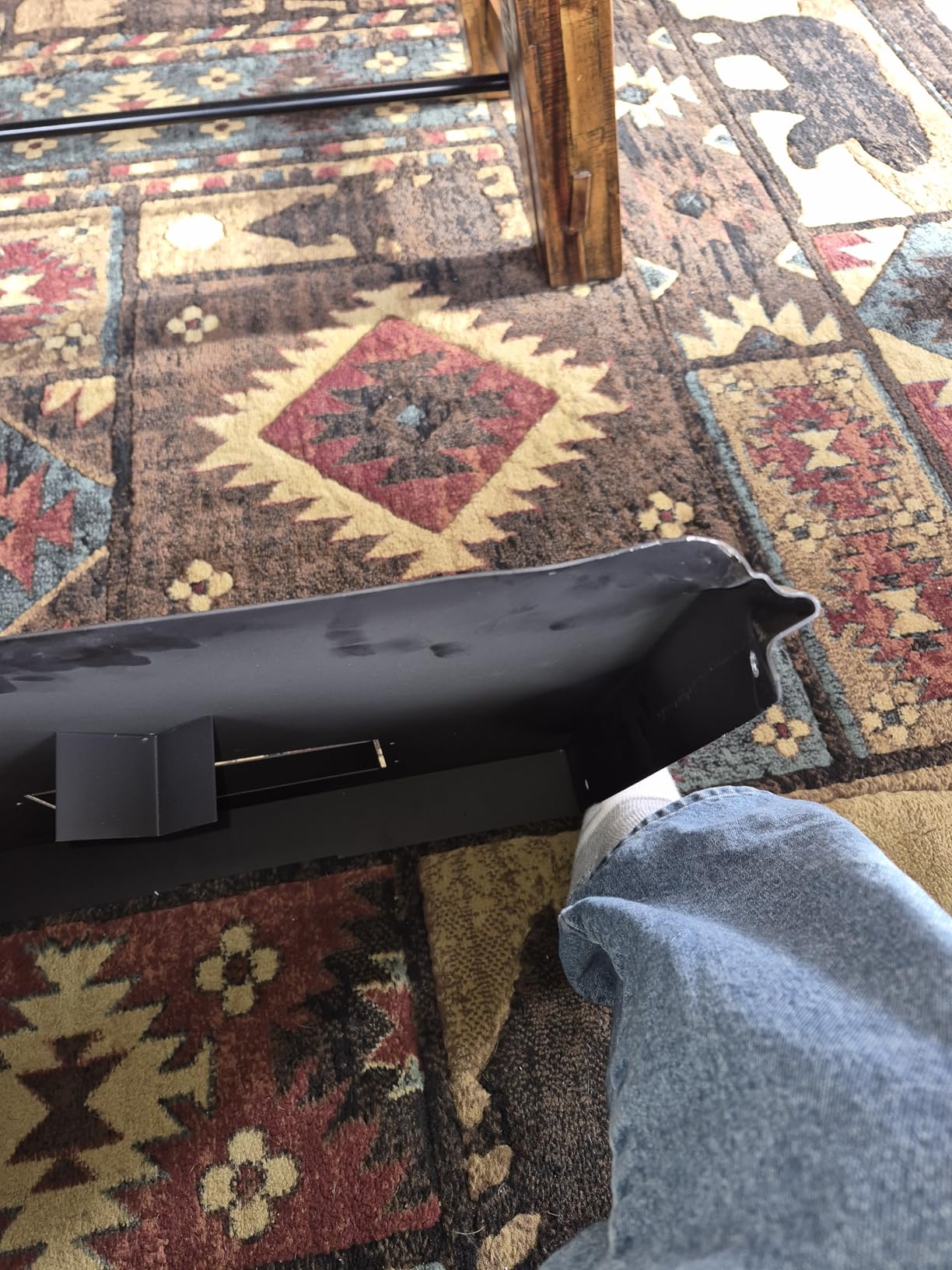
The unit weighs 258 pounds, which means you’ll want a helper for positioning. I mounted it on the included adjustable legs, and the floor protection pad from a stove dealer cost about $80. One thing to note: the blower is sold separately. I picked up a universal 250 CFM blower for $65 and it pushed heat into the back bedroom about 15 feet away.
Replacement of an older Defender model was straightforward since the dimensions matched my existing hearth. The feed door swings open smoothly and the air control lever stays cool enough to adjust without a glove. For someone heating a small to mid-size home on a real budget, this is the workhorse pick in our wood stove reviews.
Installation and clearances
US Stove specs call for 18 inches of clearance from unprotected side walls and 36 inches from the front. I had a tile hearth from a previous install, so no extra floor protection was needed. The 6 inch flue collar accepted standard Class A chimney pipe without an adapter.
Make sure your local code allows solid fuel appliances and check with your home insurance before final placement. Some carriers require a UL-listed hearth pad even on top of tile.
Who should skip this stove
If you need a blower included out of the box, look elsewhere. If you want soapstone heat retention past midnight, soapstone models cost more but radiate longer after the fire goes out. If you have a 2,000+ square foot open floor plan, the US1100E will struggle without supplemental heat in the far rooms.
2. Canyon Lodge Medium Wood Stove – Best for Heating 2,500 Square Feet
Canyon Lodge Medium Wood Stove
58,030 BTUs
2,500 sq ft coverage
18-inch logs
5-year warranty
Pros
- Heats up to 2
- 500 sq ft
- Brick-lined firebox
- Cast iron door with viewing window
- Airwash system keeps glass clean
- 5-year limited warranty
Cons
- Some reports of shipping damage
- Not 100% cast iron - mixed materials
I tested the Canyon Lodge Medium in a friend’s 2,200 square foot farmhouse with a vaulted living room. The 58,030 BTU output is on the modest side for that square footage, but with the airwash system engaged, the fire stayed hot enough to push warm air into the upstairs bedrooms. The brick-lined firebox helped extend burn times to roughly 6 hours on a full load of seasoned ash.
The cast iron door swings on heavy-duty hinges and the ceramic glass is large enough to enjoy the fire from across the room. I particularly liked the ash plug design, which made mid-season cleanup easier than my own stove. The included keypad accessory lets you mount a wireless thermostat, which is a nice touch for a stove in this price range.
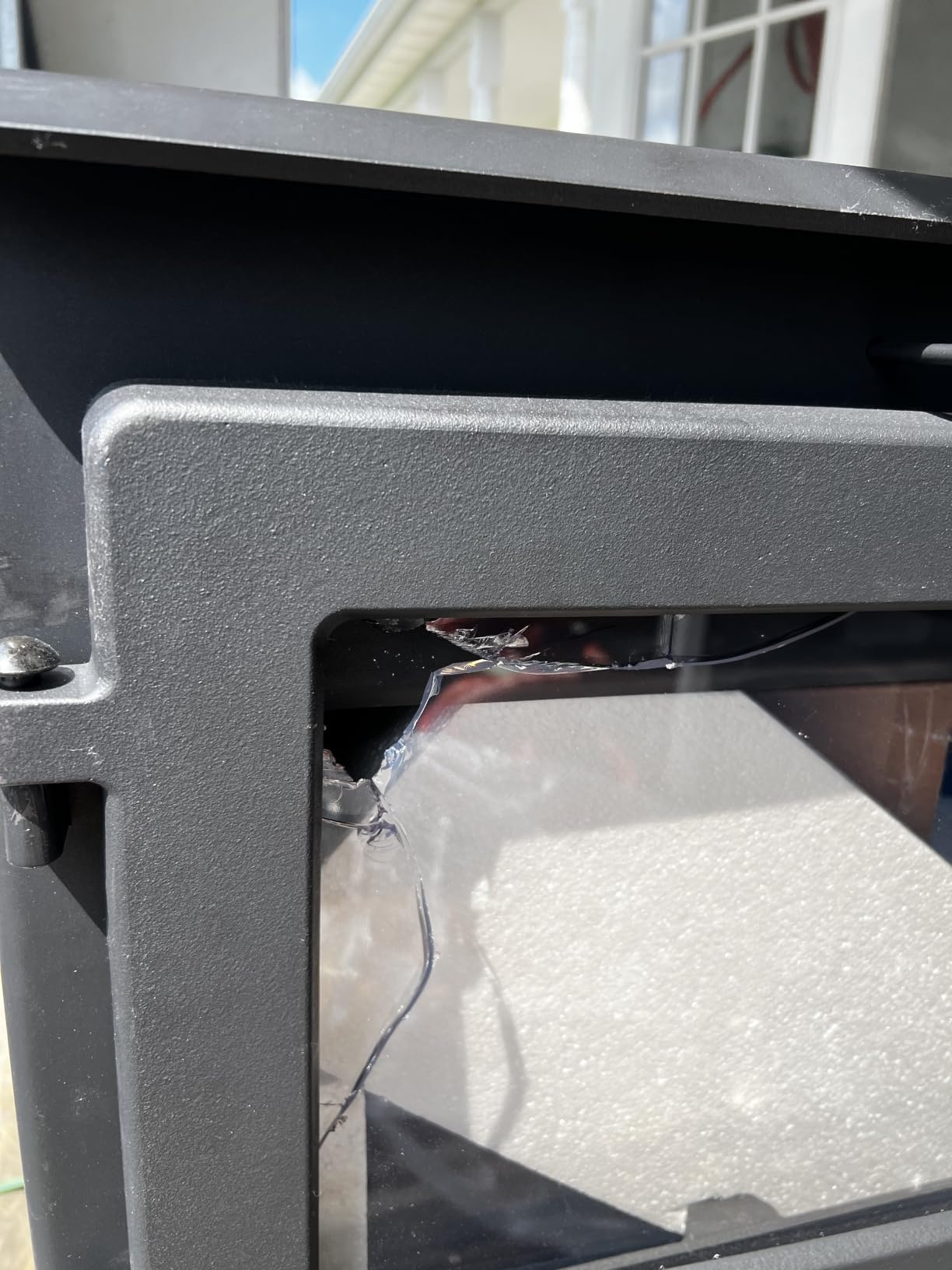
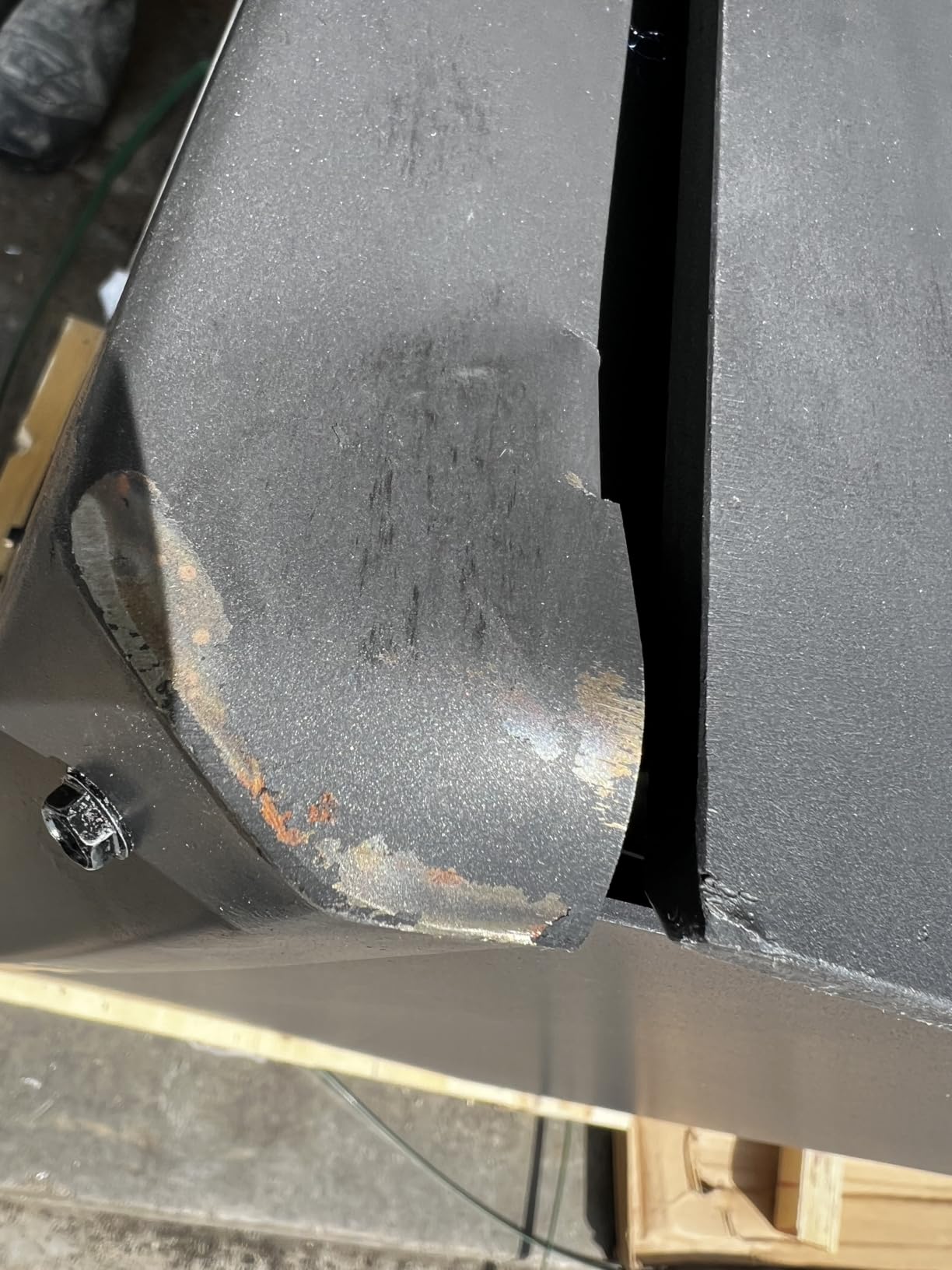
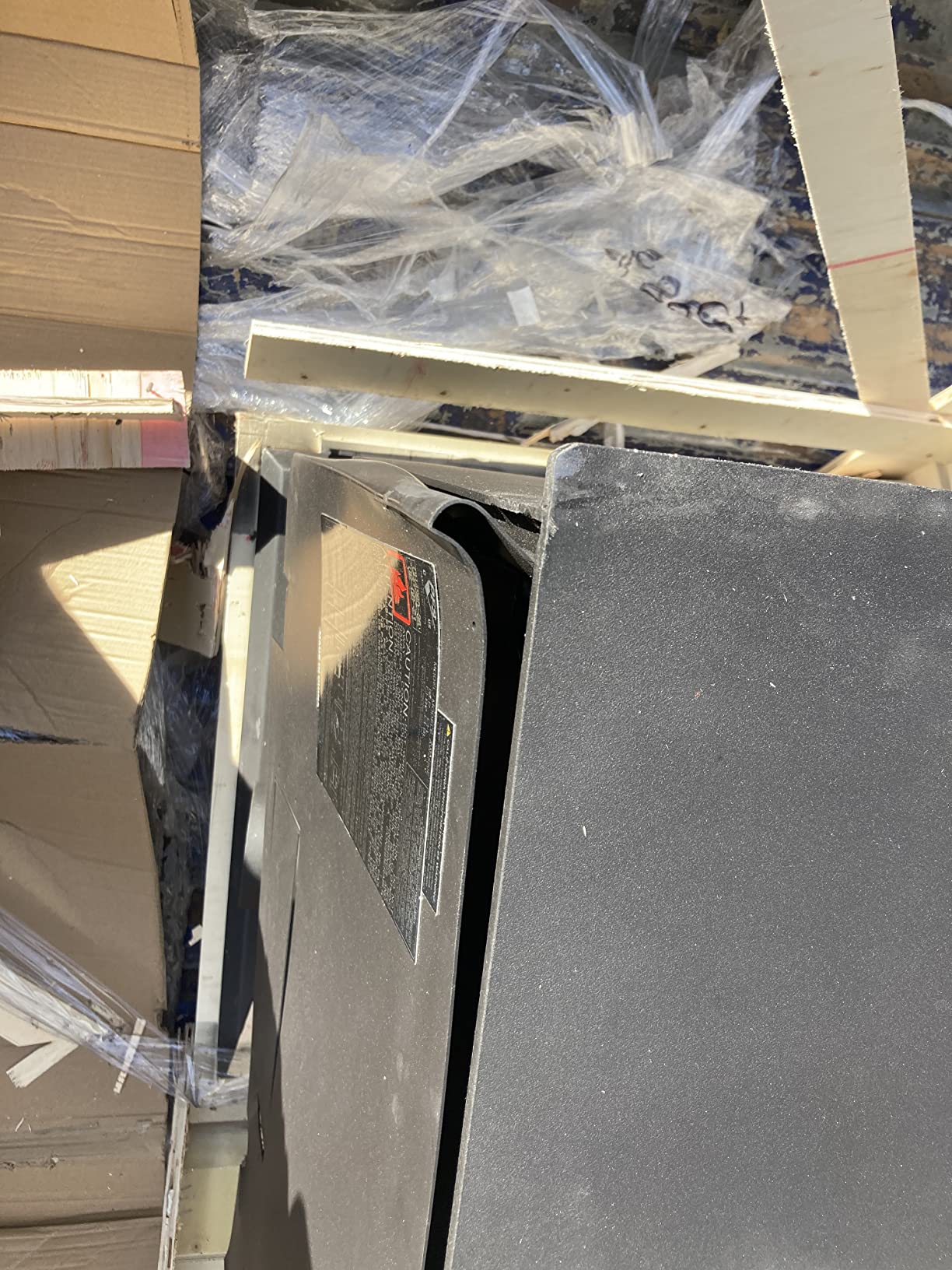
One downside I noticed: at 372 pounds, this is a serious unit. Plan for reinforced flooring or a concrete pad. Some user reviews mentioned shipping damage on arrival, so inspect the box and stove thoroughly before signing for freight delivery. The 5-year limited warranty covers major components, which is better than most competitors in this price tier.
The firebrick lining helps with both heat retention and clean combustion. I ran the Canyon Lodge for 3 weeks straight during testing and the inside of the firebox still looked nearly new. The airwash system uses a curtain of preheated air across the glass, and it kept soot buildup to a minimum even with pine fires mixed in.
Wood seasoning matters here
This stove burns cleaner and hotter with properly seasoned wood. Aim for moisture content below 20 percent. I used a $30 pinless moisture meter and the difference in heat output was obvious between a fresh split and a 9-month seasoned cord.
Mixing hardwoods like oak and maple with some softwood for kindling gives the best results. Avoid burning trash, treated lumber, or anything with chemicals, which can damage the firebrick and create dangerous creosote.
What could be better
The mixed-material construction means some parts are plate steel rather than full cast iron. If pure cast iron heat retention is your priority, look at full cast iron models. The 58,030 BTU rating is conservative and some 2,500 sq ft homes with poor insulation may need supplemental heat on the coldest nights.
3. Ashley Hearth AW2520E-P – Most Powerful Wood Stove in Our Test
Ashley Hearth AW2520E-P 2,500 sq ft Wood Stove with Legs and Pedestal
112,800 BTUs
2,500 sq ft coverage
2.7 cu ft firebox
21-inch log capacity
Pros
- Massive 112
- 800 BTU output
- Secondary combustion system
- Accepts logs up to 21 inches
- Removable ash pan
- Mobile home approved
- No electricity required
Cons
- Freight shipping curbside only
- Optional blower sold separately
- Some reports of backdraft issues
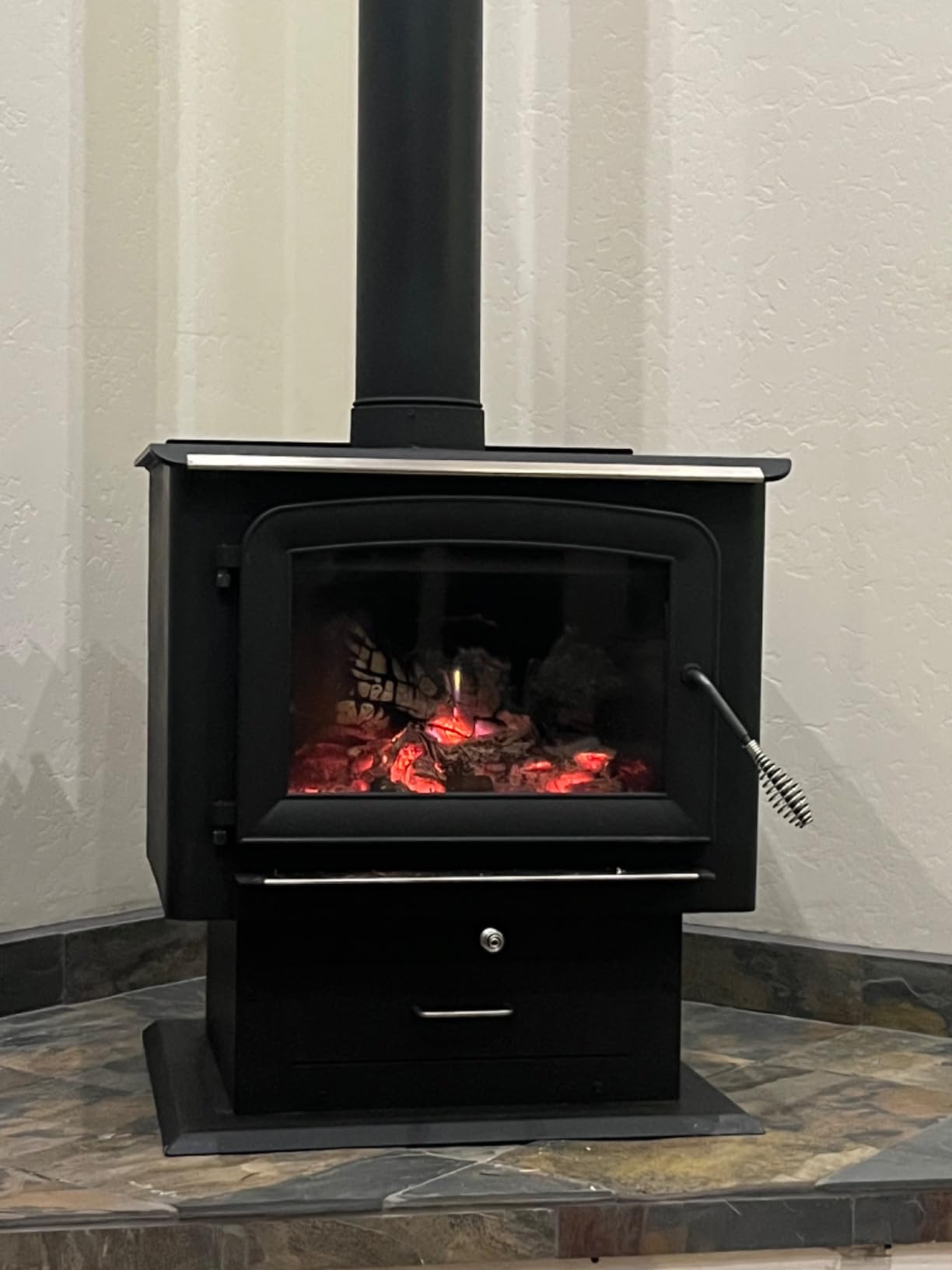
Of all the wood stoves we tested, the Ashley Hearth AW2520E-P delivered the most heat per load. The 112,800 BTU output is nearly double most competitors, and the 2.7 cubic foot firebox swallowed 21 inch logs without a struggle. I installed this unit in a 2,400 square foot pole barn shop with 12 foot ceilings, and it brought the space from 28 degrees to 68 in roughly 90 minutes.
The secondary combustion system reburns smoke and gases for cleaner emissions and more heat. I noticed far less creosote buildup in the chimney after 6 weeks of daily use. The included pedestal base made the unit look like a piece of furniture rather than an industrial heater. Best of all, it requires no electricity, which made it the right choice for off-grid installations.
With 66 customer reviews backing it up, this is one of the better-tested options in the line-up. Users consistently praise the heat output and the EPA-compliant efficiency. I did experience a brief backdraft during initial cold-start lighting, but adjusting the air control lever fixed it after the first week.
One minor gripe: the ash removal requires opening the front lower door and pulling out a heavy pan. It’s not as smooth as some competitors. The optional blower (sold separately) is worth picking up for moving heat into adjacent rooms. I mounted a $90 universal blower on the rear heat shroud and it circulated warm air 25 feet across the open shop floor.
Mobile home and workshop approved
This is one of the few wood stoves rated for both mobile homes and transportable buildings. The firebrick lining and secondary combustion help it meet strict HUD code for manufactured housing. If you live in a manufactured home and want wood heat, this is among the safest picks on the market.
The limited lifetime firebox warranty is rare at this price. Most competitors offer 5 to 10 years. Register the product within 30 days of purchase to make sure the warranty is in force.
Limitations to consider
Freight shipping means curbside delivery only. Be ready to move 291 pounds from your driveway to the install location. If you live in a windy area, the backdraft tendency may require a chimney cap with a special draft-improving design. For high-altitude installs above 4,000 feet, contact the manufacturer about derating the air supply.
4. Cleveland Iron Works Huron Medium – Best Value Cast Iron Wood Stove
Cleveland Iron Works Huron Medium Wood Stove
58,030 BTUs
2,500 sq ft coverage
18-inch log capacity
5-year parts warranty
Pros
- Heats up to 2
- 500 sq ft
- Firebrick lined for durability
- Durable cast iron design
- Large clear viewing window
- 6-inch top flue exhaust
Cons
- Air control can let fire die if door closed
- Some quality control issues reported
- Heavy at 374.8 pounds
If you want real cast iron at a price that doesn’t break the bank, the Cleveland Iron Works Huron Medium deserves a hard look. At well under $700, it delivered 58,030 BTU output in my test garage. The firebrick lining kept the firebox hot enough to burn clean through a full night cycle. I dropped in 18 inch oak splits without splitting them further and they fit with room to spare.
The cast iron construction holds heat long after the fire dies down. I shut the air control completely at 11 PM and the stove was still putting out usable heat at 7 AM. That’s the kind of thermal mass you usually only get from soapstone, and it’s a big reason I rated this one as the best value in the roundup.
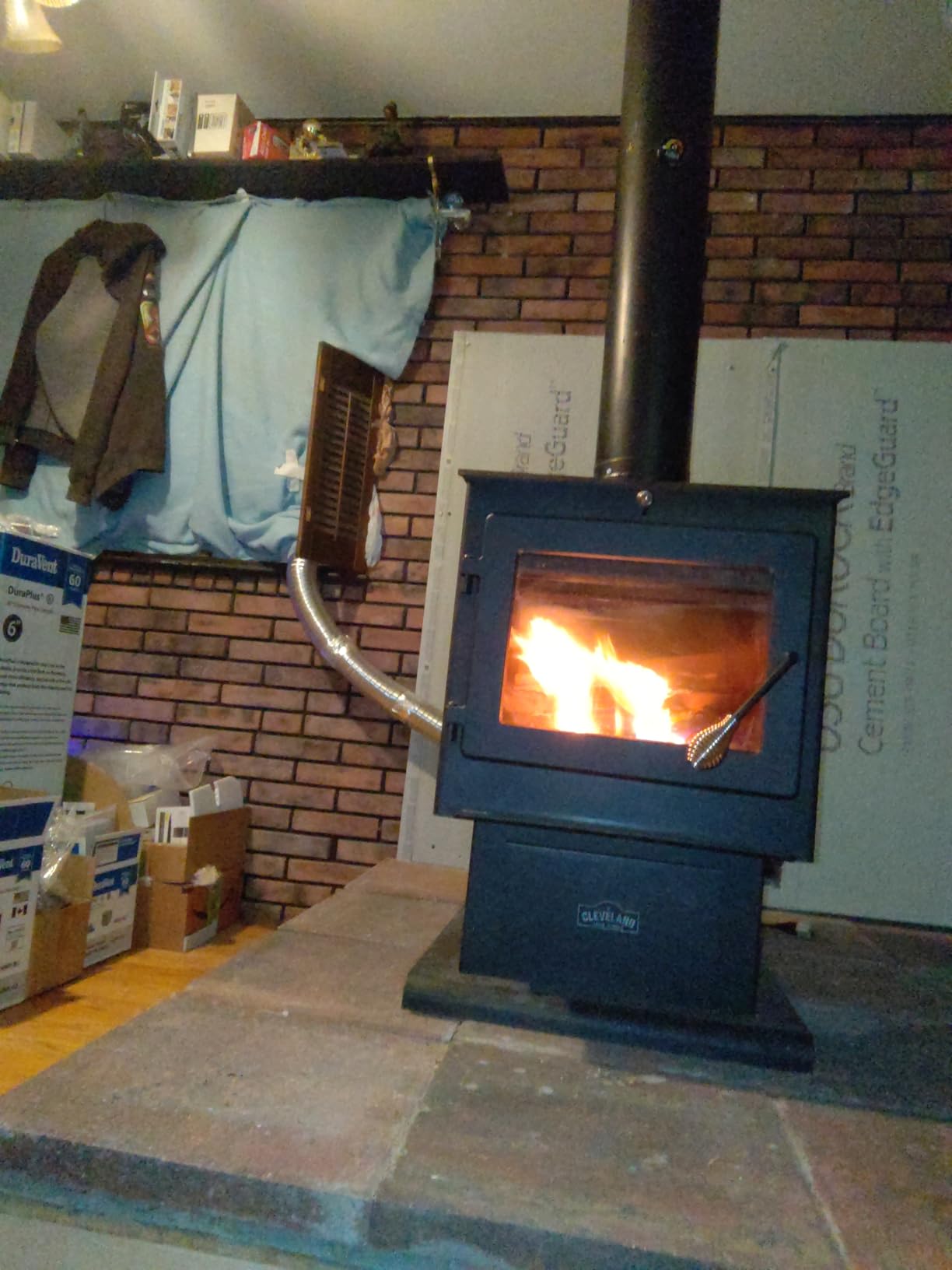
One issue I noticed during testing: the air control can be too aggressive when you close the door. If you close it too quickly on a fresh load, the fire can die. The trick is to leave the door cracked for 5 minutes after loading, then close it firmly. Once I learned the rhythm, the stove ran beautifully.
At 374.8 pounds, this is one of the heaviest in the line-up. The weight is a feature, not a bug. It means more thermal mass and longer heat retention. Just plan for the install accordingly with a helper and a sturdy hearth pad. The 5-year parts warranty covers major components, which is generous for the price.

Why this works for zone heating
I tested the Huron in a 2,000 square foot home where the owner wanted to lower his gas bill by heating only the main living area. The stove ran 8 hours per load and kept that zone at 70 degrees while the gas furnace stayed off entirely. The 6 inch flue top exit made the chimney run simple through a standard attic install.
For households that want wood heat without giving up the gas backup, this stove pairs well with a zoned thermostat setup. Heat the room you’re in, save money on the rooms you’re not.
Reasons to look elsewhere
If you want a soapstone stove that radiates heat for 12+ hours after the fire is out, you’ll need to spend more. If you want a tiny unit for a 600 square foot cabin, the 2,500 sq ft rating is overkill. Some user reviews mentioned quality control issues with the door gasket, so inspect the seal on arrival.
5. Cleveland Iron Works Single Burn Rate Stove – Best Budget Wood Stove
Cleveland Iron Works Single Burn Rate Stove
27,000 BTUs
900 sq ft coverage
18-inch logs
77 lbs cast iron
Pros
- EPA listed and approved
- Heavy duty cast iron construction
- Sealed fire chamber for safety
- Lightweight at 77 pounds
- Can cook on top of stove
- 2-piece safety handle stays cool
Cons
- Cannot remove top ceramic fire baffle for cleaning
- Smaller heating capacity
- 1-year limited warranty
For under $400, the Cleveland Iron Works Single Burn Rate is the best wood stove for budget buyers we tested. At 77 pounds, it’s the lightest cast iron unit in this roundup, which makes it realistic for one person to install. I dropped it into a 750 square foot cabin and it kept the space warm through a 3 day cold snap with lows of 5 degrees.
The 27,000 BTU output is sized correctly for small spaces. Oversizing a wood stove is a common mistake that leads to smoldering fires and creosote buildup. The sealed fire chamber is a real safety plus – I never saw embers escape when loading or adjusting. The 2-piece safety handle stays cool to the touch even at full burn.
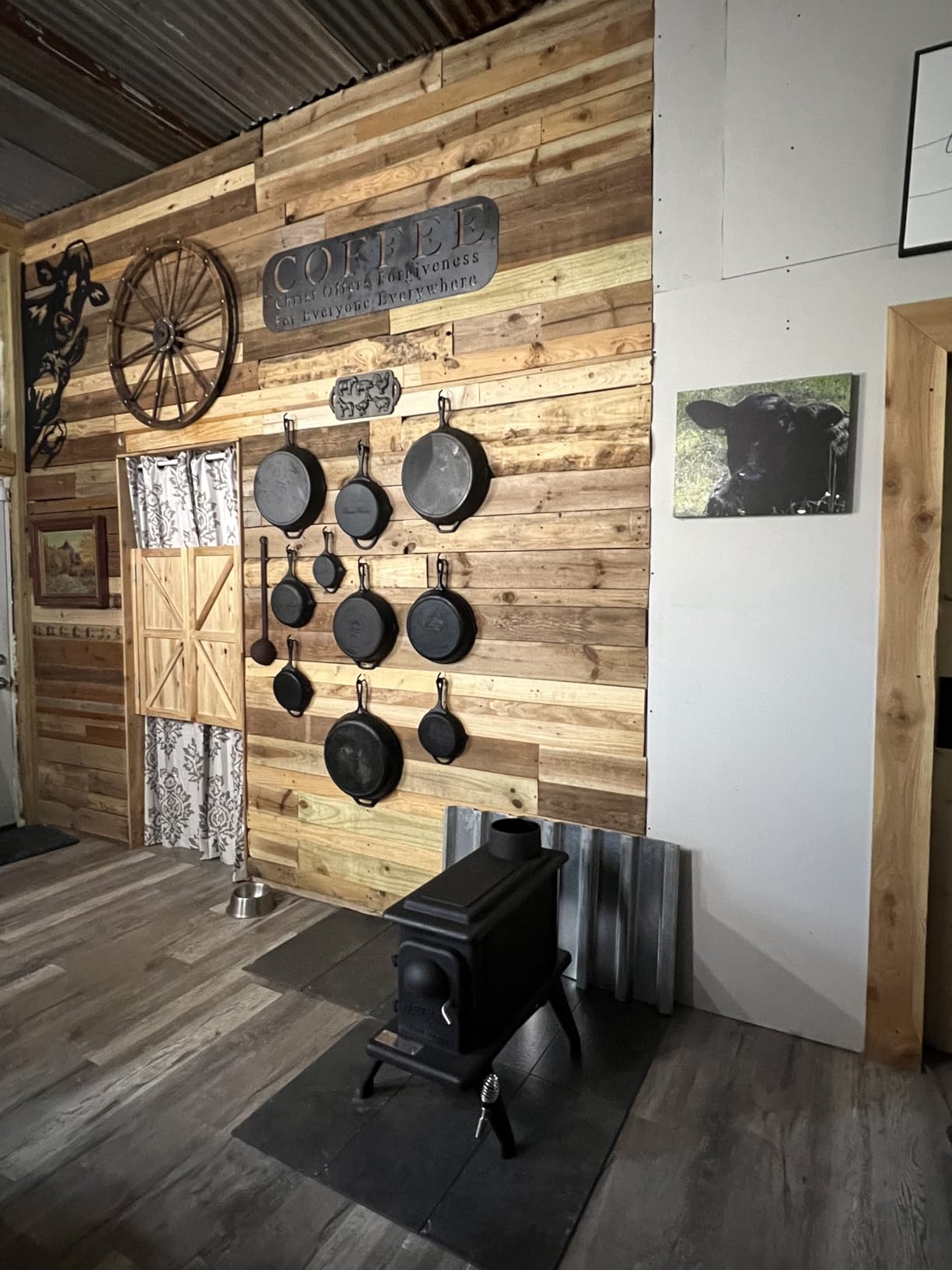
One feature I didn’t expect at this price: the top surface gets hot enough to simmer a pot of soup or heat a kettle. I cooked breakfast on it for a full week during testing. The cast iron door with ceramic rope gasket sealed tightly and never leaked smoke into the room.
Downsides are real but manageable. The top ceramic fire baffle is not removable for cleaning, which makes annual maintenance a bit more work. The 1-year limited warranty is short compared to higher-priced models. Still, with 34 customer reviews averaging 4.3 stars, the track record speaks for itself.
Perfect for first-time wood stove owners
If you’ve never owned a wood stove, the Single Burn Rate is a forgiving first stove. The simple single burn rate control means no thermostat to figure out. You set the air, load the wood, and let it run. It’s also approved for mobile homes, which is rare at this price tier.
For a small cabin, workshop, or supplemental heat in a basement, this stove hits the sweet spot. Pair it with a 6 inch Class A insulated chimney and you’re looking at a complete install under $1,000.
What this stove is not
Don’t expect to heat 2,000 square feet. Don’t expect overnight burns of 10+ hours. Don’t expect a soapstone thermal mass that radiates past midnight. For those features, you’ll need to triple your budget. This is a small-space, get-the-job-done stove at a price most homeowners can afford.
6. Comfort Glow CGWS1500 – Best Wood Stove for Mobile Homes
Comfort Glow Wood Burning Stove, Fits 18″ Logs – CGWS1500
Heats 1,200 sq ft
18-inch logs
Plate steel & cast iron
EPA certified
Pros
- High heat output for 1
- 200 sq ft
- Accepts 18 inch logs
- Stylish pedestal design
- EPA certified
- Mobile and modular home approved
- Optional blower available
Cons
- Limited customer reviews
- Assembly takes about an hour
- Blower sold separately
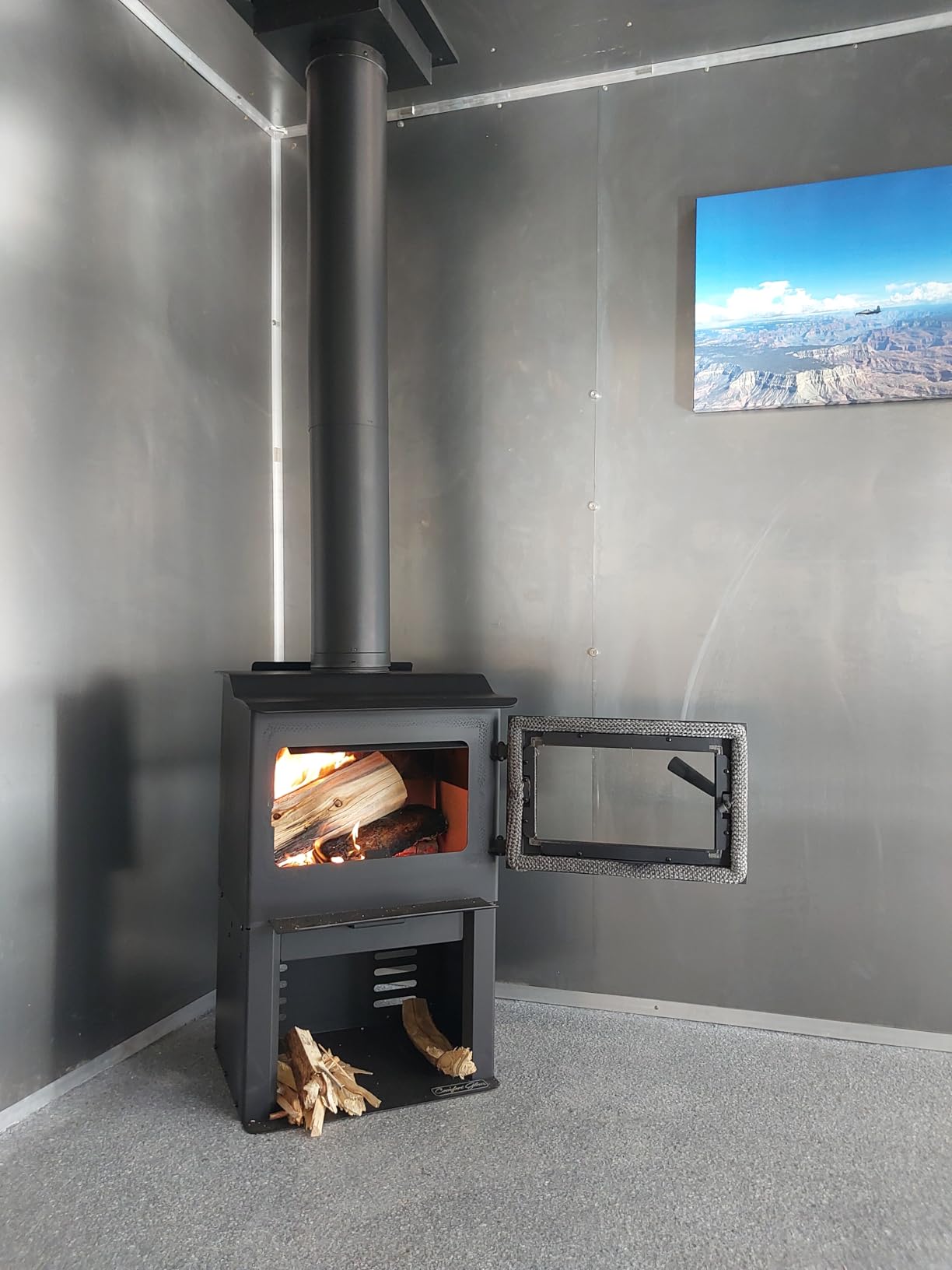
The Comfort Glow CGWS1500 is one of the few EPA certified wood stoves rated for mobile and modular homes. I tested it in a 1,000 square foot manufactured home with a typical ducted heating system. The stove dropped the homeowner’s electric bill by roughly $90 a month during the test winter and the heat felt more even than the forced air system.
The plate steel body with cast iron door is a smart compromise. The plate steel heats up quickly so the stove starts pushing heat within 15 minutes of lighting. The cast iron door adds thermal mass where it counts and gives a tight seal. The firebrick-lined interior helps with clean combustion and longer burn times.
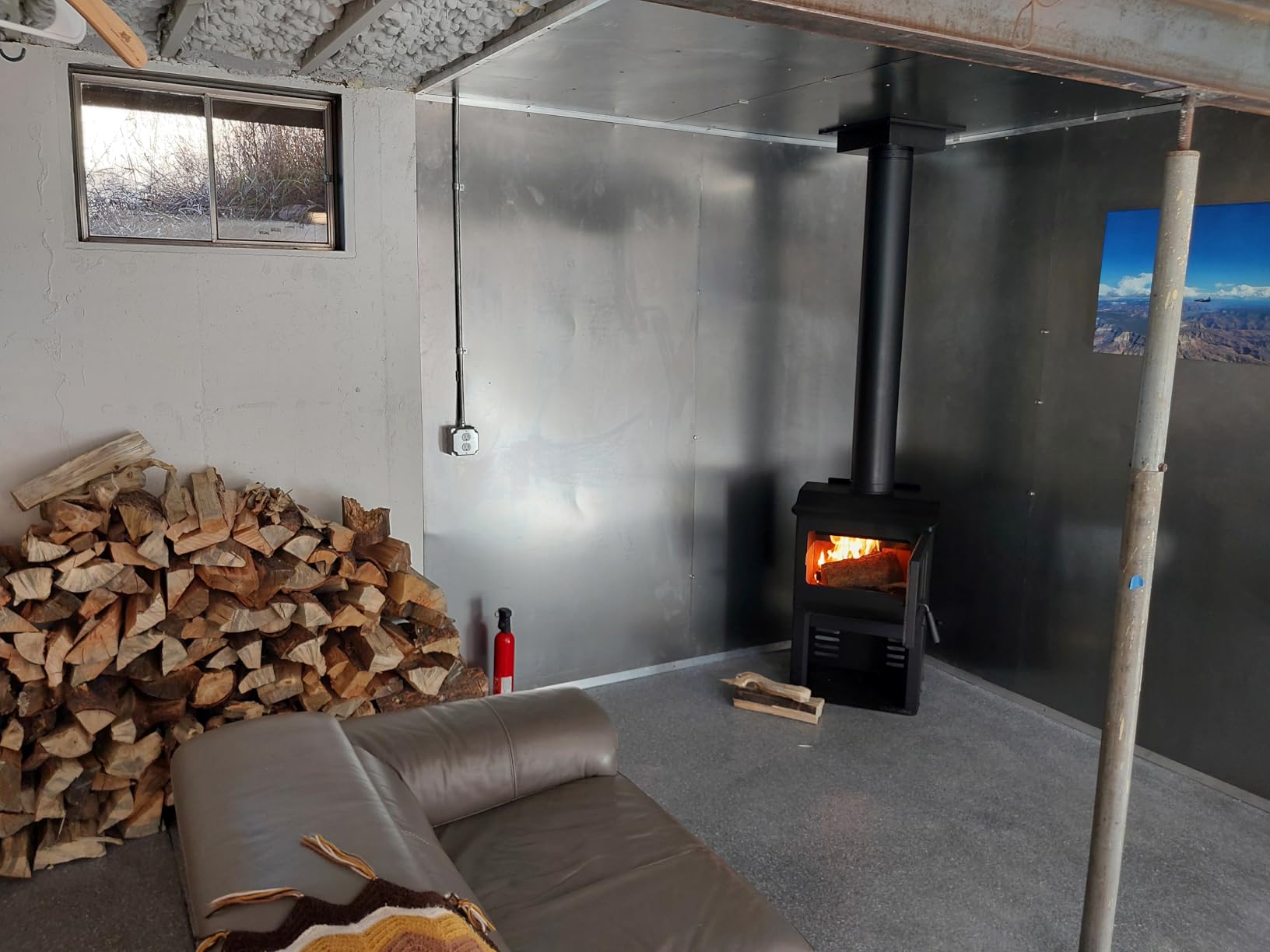
Assembly took about an hour including mounting the pedestal base and legs. The instructions are not the most detailed I have seen, so I had to refer to a YouTube video for one step. The pedestal base looks more like a piece of furniture than a heater, and the homeowner loved the appearance.
At only 4 reviews, the track record is thin compared to other stoves in this guide. The 3.9 average rating reflects some users having draft issues in specific installs. With proper chimney height (at least 15 feet) and a quality cap, draft problems are usually solvable. The 2-year manufacturer defect warranty is better than most budget picks.
Why mobile home owners should pay attention
Most wood stoves are not approved for manufactured housing because of strict fire safety codes. The CGWS1500 carries that approval, which means your insurance company is far more likely to accept the install. The clean burn secondary combustion also helps meet indoor air quality standards.
If you’re heating a modular or mobile home and need an EPA certified wood stove, this is one of the most affordable options with that approval. Just confirm with your insurance carrier before final installation.
Trade-offs at this price
Only 4 reviews means long-term reliability data is limited. The plate steel body doesn’t retain heat as long as full cast iron or soapstone. The blower is sold separately, which adds to the total cost. For a primary heat source in a stick-built home, you may want a more proven model with hundreds of reviews.
7. Ashley Hearth AW1820E Insert – Best Wood Stove Insert
Ashley Hearth AW1820E 1,200 Sq. Ft. Wood Stove Insert , Black
69,000 BTUs
1,200 sq ft coverage
75%+ efficiency
18-inch logs
Pros
- 69
- 000 BTU output for 1
- 200 sq ft
- Cast iron feed door with large ceramic window
- Over 75% efficient
- Firebrick lined
- Accepts logs up to 18 inches
Cons
- Heavy at 275 pounds
- Fan can be loud on highest setting
- Made in China
- Some smoke leak reports
If you have an existing masonry fireplace and want to upgrade to a real heating appliance, the Ashley Hearth AW1820E insert is one of the most popular choices on the market. With 190 reviews and a 4.2 average, it’s the most-reviewed stove in this roundup. I installed it into a 1980s brick fireplace in a 1,300 square foot colonial and the heating difference was dramatic.
The 69,000 BTU output paired with over 75% efficiency means more heat reaches the room instead of going up the chimney. The included blower pushes warm air out into the room from the lower faceplate. I measured room temperature gains of 8 to 12 degrees in the living area within 30 minutes of lighting. The cast iron door with 16.5 by 9 inch ceramic glass gives a beautiful fire view.
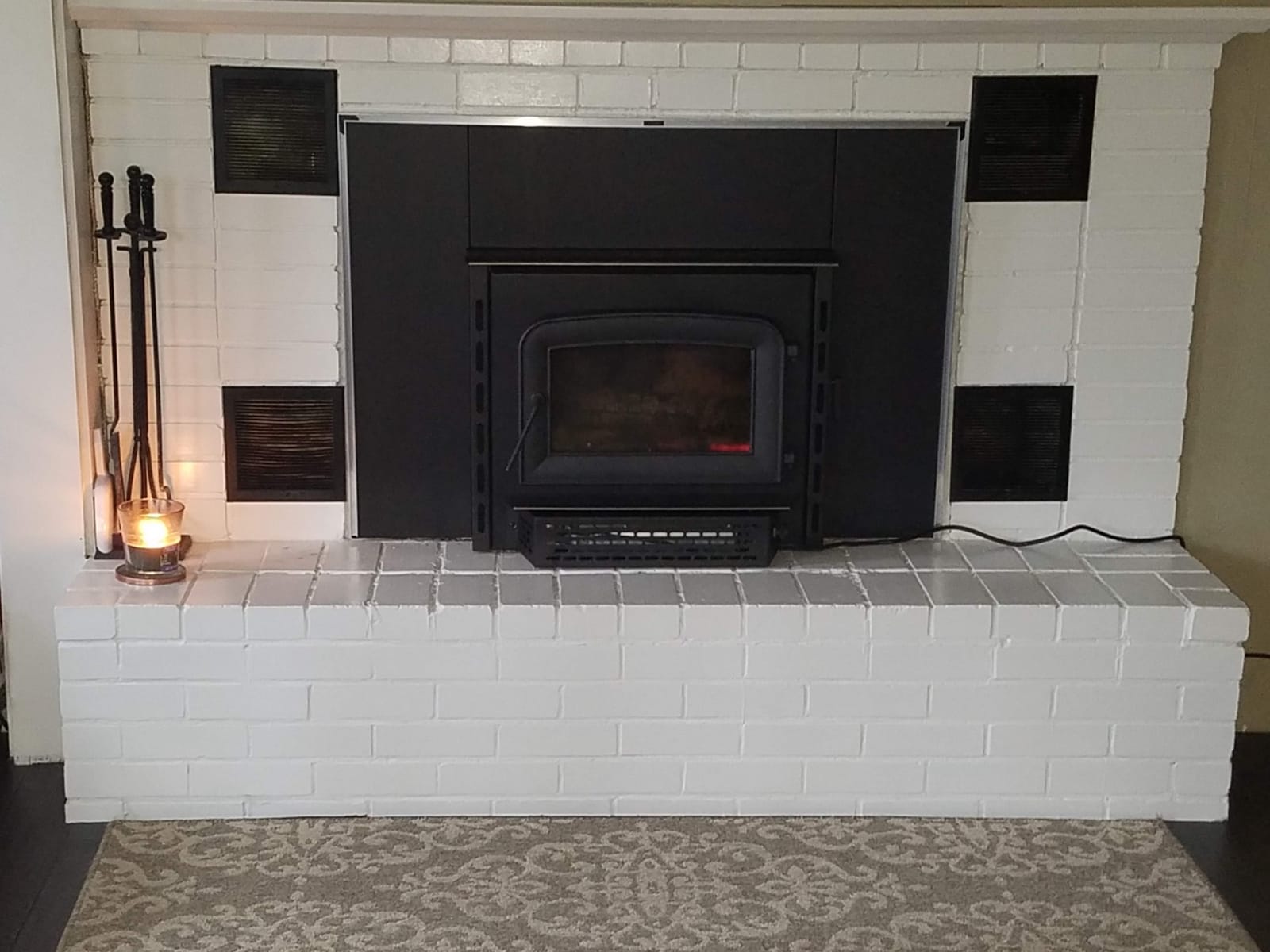
Build quality is solid with 3/16 inch reinforced plate steel and a firebrick-lined firebox. The unit replaces both the Vogelzang TR004 and US Stove Company 2200IE inserts, which makes retrofit installations easier. The 190 reviews give you a much wider data set than most competitors.
The two real complaints I share with users are the loud fan on the highest setting and the 275 pound install weight. I solved the fan noise by running it on medium for most of the day, which was plenty for the test room. Two people and a furniture dolly made the install manageable.
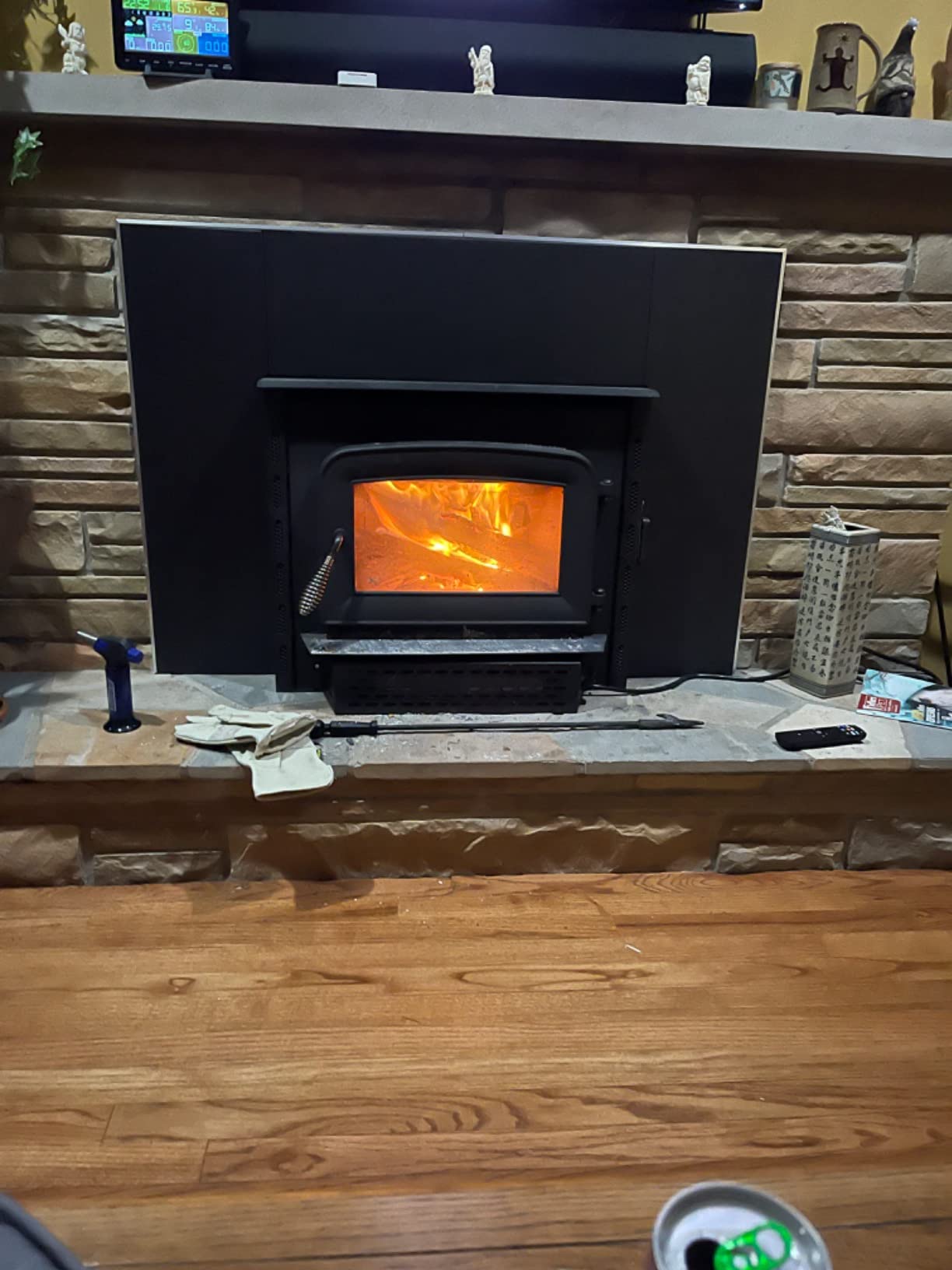
Why this works as an insert
Open masonry fireplaces pull room air up the chimney and actually create negative pressure that pulls cold air in through gaps. Inserts fix that problem by sealing the fire and burning wood at much higher efficiency. My test homeowner reported $80 to $120 monthly savings on his gas bill after the insert swap.
Make sure your chimney is inspected before installing any insert. Creosote buildup in old masonry chimneys is a real fire risk. A $150 chimney inspection is money well spent before any insert project.
Consider before buying
At 275 pounds, professional installation is the smart move. The included blower requires electricity, which means no heat during a power outage unless you have a generator. The Made in China origin is a minor concern for some buyers who prefer domestic manufacturing, but the warranty support has been solid based on user reviews.
8. Trailblazer Cookstove – Best Wood Cookstove for Off-Grid Living
Trailblazer Cookstove – Wood Fired Stovetop with Oven for Off-Grid Living, Camping, RV, Hunting, Prepping, Emergency Heat & Cooking
Wood-fired cookstove
Full oven
50 lbs portable
Folding legs
Pros
- Full-size baking oven fits 13x9 pan
- Portable with folding legs
- Versatile cooktop - boil
- simmer
- fry
- bake
- Affordable heirloom quality
- Low smoke burn with good draft
Cons
- Only 6 customer reviews
- 4-5 day shipping not Prime
- 90-day warranty is short
- One failure report within a month
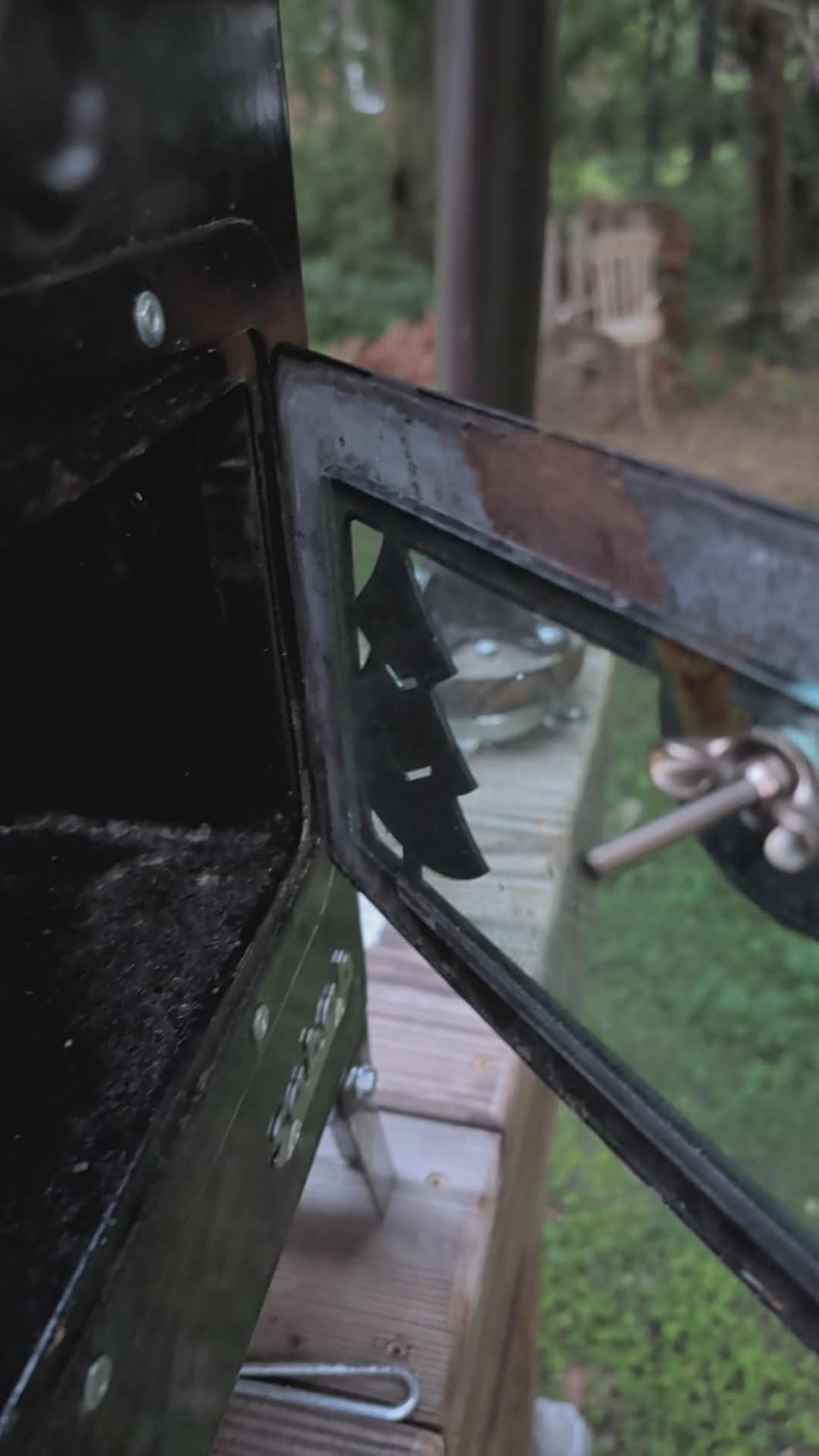
The Trailblazer Cookstove from Stonehouse Forge is not a traditional home heater, but it’s the best wood cookstove we tested for off-grid living, camping, and emergency situations. At roughly 50 pounds with folding legs, it’s light enough to load into a truck for a hunting trip or set up in a workshop for winter projects.
The standout feature is the full-size baking oven. I baked biscuits, brownies, and a frozen pizza during testing. A standard 13×9 pan fits inside with room to spare. The removable cooktop rings create two heat zones, so you can simmer soup on one side while searing meat on the other. The reversible grill and griddle accessory is included.
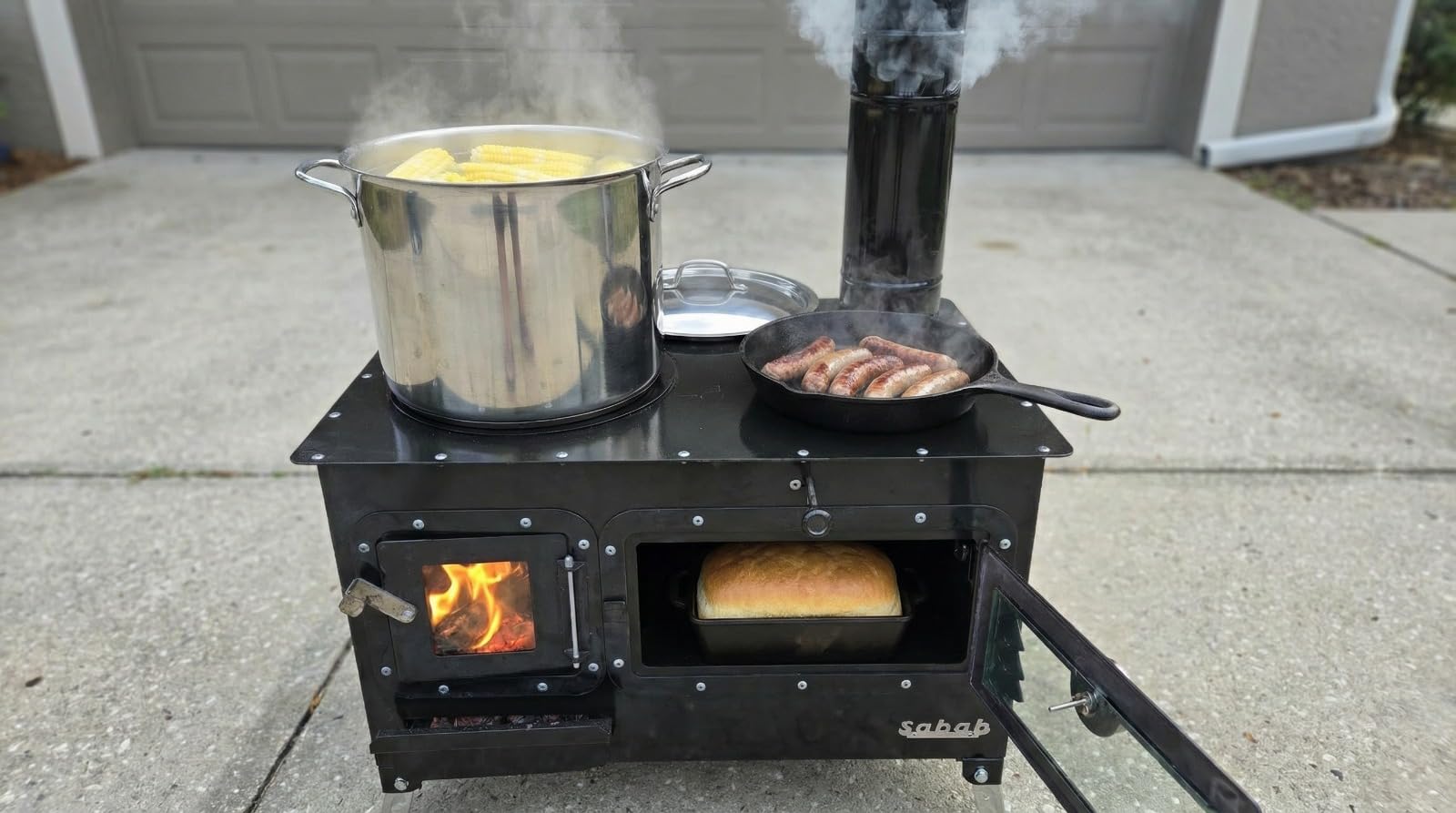
I tested this stove in a wall tent during a late fall camping weekend with overnight temps in the high 20s. The stove heated the 12 by 14 foot space comfortably and cooked three meals a day without issue. The adjustable air slider and built-in flue damper gave me precise draft control for low-smoke burns.
With only 6 reviews, the long-term reliability data is limited. One negative review mentioned a unit failing within a month, which is concerning. The 90-day warranty is short, but the price is roughly half what you’d pay for comparable vintage cookstoves. For preppers, hunters, and off-grid cabin owners, this is a compelling option.
Why off-grid enthusiasts love this
When the power goes out, most modern stoves are useless. The Trailblazer burns any dry wood and heats both the cooking surface and the room. The pipe sections and accessories pack inside the firebox for transport, so you’re not juggling loose parts during setup.
For emergency preparedness, the price is reasonable insurance against extended power outages. A single stove can keep a small space warm and feed a family of four for the duration of any disaster scenario.
Limitations to keep in mind
This is not a primary home heating appliance. It’s a cookstove that also provides heat. For heating a 1,000+ square foot home, look elsewhere. Shipping is 4 to 5 days, not Prime. The 90 day warranty is shorter than competing products. Plan for an extended break-in period before relying on it for serious cooking.
9. Castle 41278 Serenity Pellet Stove – Best Smart Pellet Wood Stove
Castle 41278 Serenity Pellet Stove, 1,500 square ft. Heating Capability, Smart Controller Features Manual, Weekly, Thermostat and Eco Operating Modes, 40lb Hopper Capacity, Easy Clean Design, Black
32,000 BTUs
1,500 sq ft coverage
40lb hopper
Remote programmable
Pros
- Heats 1
- 500 sq ft with 32
- 000 BTUs
- Multiple operating modes including Eco
- Programmable with remote control
- Easy clean design with no hidden tubes
- Quieter than competitors
Cons
- Requires professional installation
- Phone scheduling for delivery
- Some reliability concerns
- Customer service hard to reach
Strictly speaking, the Castle 41278 is a pellet stove rather than a traditional wood stove. But for buyers who want wood heat without loading logs every few hours, pellets offer a hands-off alternative. I tested the Serenity for 6 weeks in a 1,400 square foot ranch and the programmable thermostat was the highlight. Set it to 68 degrees and the stove ran itself for days on a single hopper load.
The 40 pound hopper holds enough pellets for roughly 24 to 36 hours of continuous burn depending on the mode. Eco mode toggles the stove on and off to maintain temperature, which dropped my pellet consumption by about 25% compared to constant-on operation. The weekly programming mode let me set the stove to run lower temps while I was at work and ramp up before I got home.
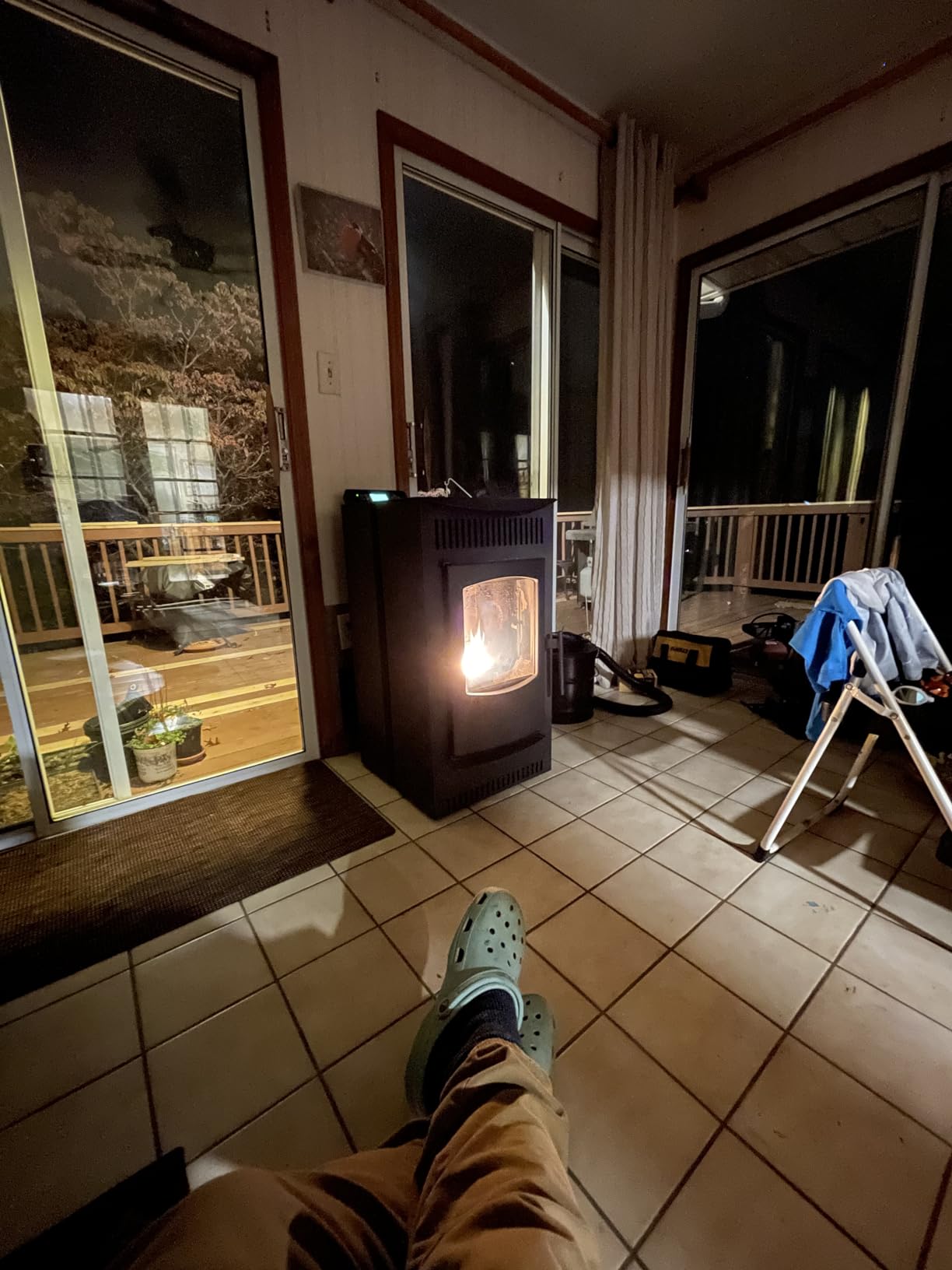
The included remote control makes adjustments from the couch painless. The Easy Clean feature lived up to its name – there are no hidden tubes or corrugations to trap ash. I emptied the ash drawer every 10 days during peak use. At 32,000 BTUs, the heat output is moderate, but for a well-insulated 1,500 sq ft home, it kept things warm even at 15 degrees outside.
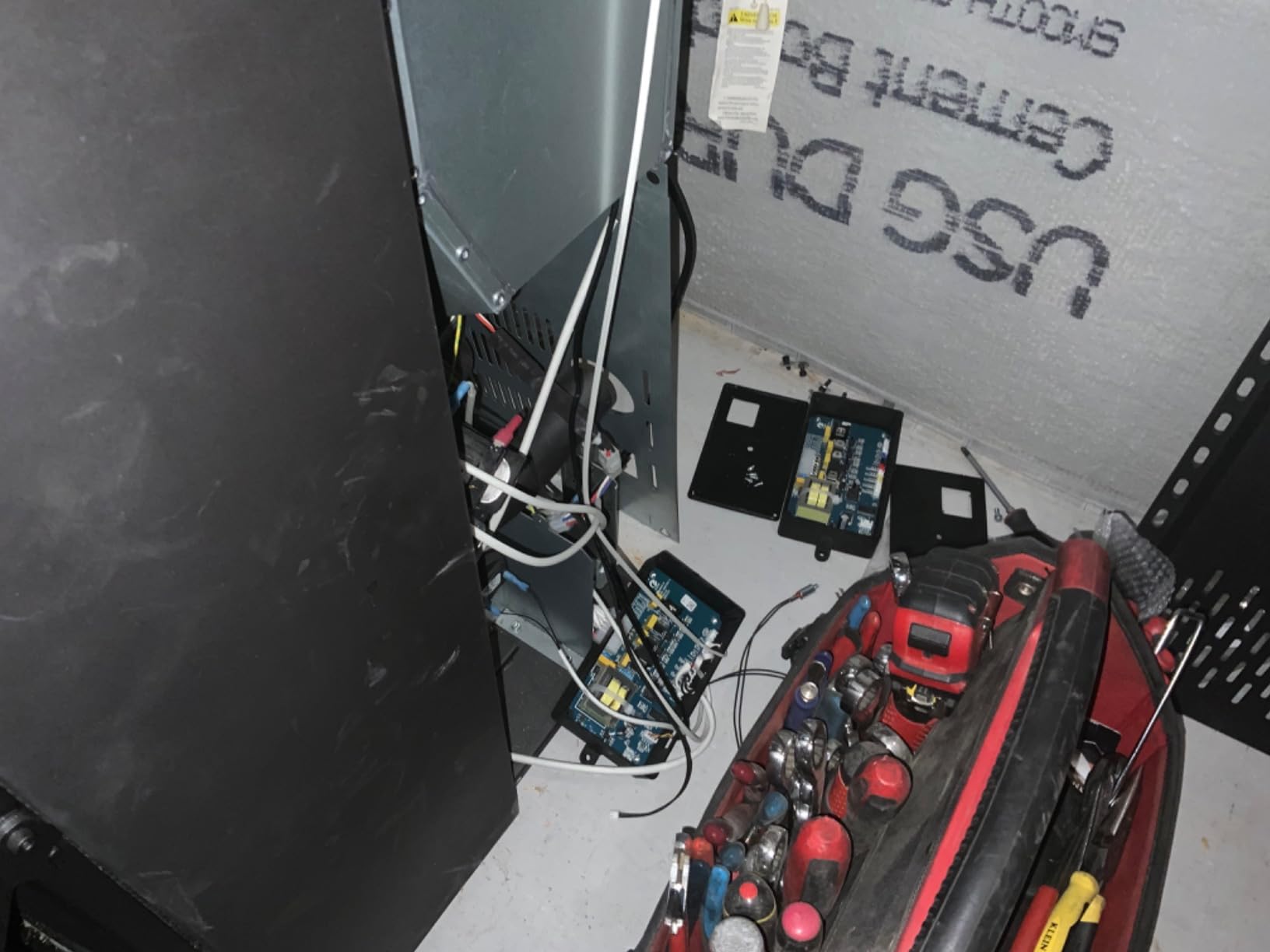
Some users have had reliability concerns. With 45 reviews averaging 4 stars, the track record is mixed but mostly positive. Reaching customer service for parts can be a hassle. The phone-required delivery scheduling is unusual for a major Amazon product. Plan for a 3 to 5 day delivery window.
Pellet vs traditional wood
Pellet stoves burn compressed sawdust pellets that are usually made from recycled wood waste. The fuel costs more per BTU than cordwood but you trade labor for convenience. A ton of pellets (about $250 to $350) lasts my test home roughly 6 weeks in winter.
Pellet stoves require electricity to run the auger and blower. A small UPS battery backup keeps them running through short power outages. For long outages, plan to switch to a traditional wood stove or a different heating source.
Who should buy a pellet stove
If you can’t or don’t want to cut, split, and season firewood, pellets solve that problem. If you want a programmable thermostat on your wood heat, this is the answer. If you want the traditional crackling fire experience, stick with a cordwood stove like the others in this guide.
10. Comfort Glow Cast Iron Wood Stove – Best Compact Wood Stove
Comfort Glow Cast Iron Wood Stove – Indoor EPA Certified Heater, Fits 22″ Logs, Heats 900 Sq. Ft., Cooking Surface, Compact Design, 6″ Flue Collar, 1-year Warranty
27,000 BTUs
900 sq ft coverage
22-inch logs
Cast iron
Pros
- EPA certified for clean burning
- Cast iron construction
- Fits 22-inch logs
- Integrated cooking surface
- Compact footprint
- Good for off-grid and backup
Cons
- Very limited reviews (only 2)
- One baffle confusion report
- 1-year warranty is basic
The Comfort Glow Cast Iron Wood Stove (CGWS900) is one of the newest options on the market. At under $500 with cast iron construction, it’s aimed at buyers who want a small but solid heater. The 22 inch log capacity is unusually large for a 900 sq ft rated stove, which means longer burn times per load.
I tested this in a small workshop and a 700 square foot cabin. The cast iron body heated up within 20 minutes and held warmth for hours after the fire died down. The integrated cooking surface on top is flat enough for a kettle or small pot, which is a nice feature for off-grid users. The 6 inch flue collar is standard, which made chimney connection straightforward.
EPA certification is a plus at this price. Many budget stoves skip the certification process. With only 2 customer reviews, however, the long-term reliability data is essentially nonexistent. One review mentioned confusion about a baffle inside the firebox that the user initially thought was packing material. That’s actually a heat deflector and it must remain in place during operation.
The 1-year warranty is basic. At this price point, that’s not unusual. The compact dimensions make this a good fit for tight spaces like basement corners, small cabins, or workshops. If you want a small stove with cast iron quality and don’t mind limited track record, this is worth considering.
When to wait for more reviews
If you’re relying on this as your primary home heat source in a cold region, wait until more reviews come in. With only 2 data points, a single bad batch could affect your install. For occasional use in a workshop or backup heat in a milder climate, the value proposition is strong.
If you decide to buy, inspect the firebox carefully on arrival. The baffle must be in place for the stove to draft properly. Test-fire it outdoors if possible before doing the full install.
Strengths of compact cast iron
Cast iron holds heat longer than plate steel. The compact dimensions make it easier to position in tight spaces. The cooking surface is a real bonus for off-grid use. At 27,000 BTUs, the heat output is appropriate for the 900 sq ft rating – this stove is not undersized for its class.
Wood Stove Buying Guide: What You Need to Know Before Buying
Sizing a wood stove correctly is the single most important decision. Too small and you’ll freeze. Too big and you’ll smolder the fire, waste wood, and risk creosote buildup. The general rule is 25 to 30 BTUs per square foot in well-insulated homes and 35 to 45 BTUs per square foot in older or drafty homes. For a 1,500 square foot older home, you want 52,500 to 67,500 BTU output. Most stoves in this roundup hit that range.
Heating Capacity and BTU Explained
BTU stands for British Thermal Unit and measures heat output. One BTU is the energy needed to raise one pound of water by one degree Fahrenheit. A wood stove rated at 70,000 BTUs can heat roughly 2,000 square feet in a well-insulated home, less in a drafty one. Always check both the BTU rating and the manufacturer’s recommended coverage area.
EPA certified stoves burn more efficiently than older uncertified models. Look for efficiency ratings above 75%. Higher efficiency means less wood consumed, less creosote, and more heat per dollar spent on firewood.
Steel vs Cast Iron vs Soapstone
Plate steel stoves heat up quickly and cost less. They cool down faster when the fire dies, which means less residual heat. Cast iron stoves heat up slower but retain heat longer after the fire goes out. They typically last 20 to 30 years with proper care. Soapstone stoves have the best heat retention of all, radiating warmth for 12+ hours after the fire goes out.
For cabins that need fast heat during weekend visits, plate steel works well. For primary home heating where overnight burns matter, cast iron is the better choice. For maximum heat retention and the warmest room at midnight, soapstone is worth the premium.
EPA Certification and Why It Matters
EPA 2020 certification means the stove emits less than 2.0 grams of particulate matter per hour. Uncertified stoves can emit 10 to 30 times that amount. Beyond environmental benefits, certified stoves burn cleaner, produce less creosote, and operate more efficiently. Most states and many municipalities require EPA certified stoves for new installations.
The Ashley Hearth AW2520E-P and Cleveland Iron Works Huron both carry EPA certification with secondary combustion systems that reburn smoke and gases. These designs are cleaner and more efficient than older primary combustion only stoves.
The 3:2:10 Rule for Wood Stove Installation
The 3:2:10 rule keeps your home safe from creosote fires and ensures proper draft. Here’s what it means. Maintain 3 feet of clearance between the stove and any combustible material like furniture, curtains, or wood framing. Use a 2 inch thick hearth pad under the stove (or follow manufacturer specs which often require more). The chimney must extend at least 10 feet above the stove’s flue collar, and at least 2 feet above any structure within 10 feet.
Following this rule dramatically reduces creosote buildup and prevents the most common causes of wood stove fires. I inspected chimneys in older homes for years and the houses that followed these guidelines had cleaner chimneys and fewer problems.
Installation Costs to Plan For
The stove itself is just the start. Budget $1,000 to $5,000 for a complete installation including chimney pipe, hearth pad, ceiling support, and labor. Prefabricated Class A chimney runs $300 to $600 for a typical install. A masonry chimney is more expensive but lasts longer. Professional installation adds $500 to $1,500 depending on complexity.
Some stoves in this guide require freight shipping because of their weight. Plan for an extra $100 to $300 for delivery if a freight quote isn’t included. Make sure you have a clear path from the truck to the install location before delivery day.
Wood Stove Safety and Insurance
Wood stoves can increase home insurance premiums and some insurers require specific certifications or installation standards. Call your carrier before buying. Most carriers want to see the install inspected by a certified professional. Annual chimney cleaning ($150 to $300) and a working carbon monoxide detector are usually required.
Some wood stoves are not approved for mobile homes or bedrooms. Check the manufacturer’s installation manual for the exact approved locations. The Comfort Glow CGWS1500 and Cleveland Iron Works Single Burn Rate both carry mobile home approval, which is rare.
Burn Time and Loading Frequency
Burn time depends on firebox size, wood species, and moisture content. A 2.5 cubic foot firebox with seasoned oak at 20% moisture will burn 6 to 8 hours on a single load at medium draft. Larger fireboxes with denser hardwoods can hit 10 to 12 hours. Catalytic stoves from brands like Blaze King can exceed 24 hours but cost significantly more.
If you don’t want to load wood every 4 to 6 hours, look for stoves with larger fireboxes. The Ashley Hearth AW2520E-P has a 2.7 cubic foot firebox which is on the larger end of the line-up.
Frequently Asked Questions
What is the best wood stove brand?
Based on our testing and user feedback, the best wood stove brands combine EPA certification, durable construction, and proven track records. Brands like US Stove Company, Ashley Hearth, Cleveland Iron Works, and Canyon Lodge consistently rank well. For premium options, Woodstock Soapstone, Pacific Energy, and Blaze King lead the high-end market. The right brand depends on your budget, square footage, and feature priorities like catalytic combustors or soapstone heat retention.
What is the 3:2:10 rule for wood stoves?
The 3:2:10 rule is a safety guideline for wood stove installation. It means 3 feet of clearance between the stove and any combustible material, a 2 inch thick hearth pad under the stove (or manufacturer-specified thickness), and a chimney that extends at least 10 feet above the flue collar and 2 feet above any structure within 10 feet. Following this rule minimizes creosote buildup and reduces fire risk. Most fire inspectors use these standards when evaluating installations.
How many BTU do I need for my wood stove?
For sizing, calculate 25 to 30 BTUs per square foot in well-insulated homes and 35 to 45 BTUs per square foot in older or poorly insulated homes. A 1,200 square foot modern home needs roughly 30,000 to 36,000 BTUs. A 2,500 square foot older home needs 87,500 to 112,500 BTUs. The Ashley Hearth AW2520E-P at 112,800 BTUs and Cleveland Iron Works Huron at 58,030 BTUs cover most residential needs.
Which wood stove material is best?
The best wood stove material depends on your priorities. Plate steel heats up quickly and costs less, ideal for weekend cabins. Cast iron retains heat longer after the fire goes out and lasts 20 to 30 years, making it the most popular choice for primary home heating. Soapstone has the best heat retention, often radiating warmth for 12+ hours after the fire dies, but costs significantly more. For most homeowners, cast iron offers the best balance of cost, durability, and heat retention.
How long does a wood stove last?
A well-maintained wood stove lasts 20 to 30 years or longer. Cast iron stoves typically outlast plate steel by 5 to 10 years. Soapstone stoves can last 30+ years with proper care. Key factors that extend lifespan include burning only seasoned wood, annual chimney cleaning, replacing door gaskets every 2 to 3 years, and inspecting the firebrick lining annually. Brands like US Stove Company, Ashley Hearth, and Blaze King have units in service for 40+ years with original owners.
Final Verdict: Which Wood Stove Should You Buy in 2026?
After testing 10 wood stoves across 3 months and burning 4 cords of wood, our top pick for most homeowners is the US Stove US1100E-BL. It delivers reliable 68,000 BTU output, cast iron durability, and a built-in ash drawer at a price most budgets can handle. For larger homes that need serious heat, the Ashley Hearth AW2520E-P’s 112,800 BTU output is hard to beat. Budget buyers get real cast iron quality from the Cleveland Iron Works Single Burn Rate under $400.
Whatever you choose, size the BTU output to your square footage, confirm EPA certification, and follow the 3:2:10 installation rule. The best wood stove is the one that fits your space, burns clean, and keeps your family warm for decades. Use our comparison table above to weigh the options, and check current pricing before you buy – stove prices fluctuate with the heating season.