
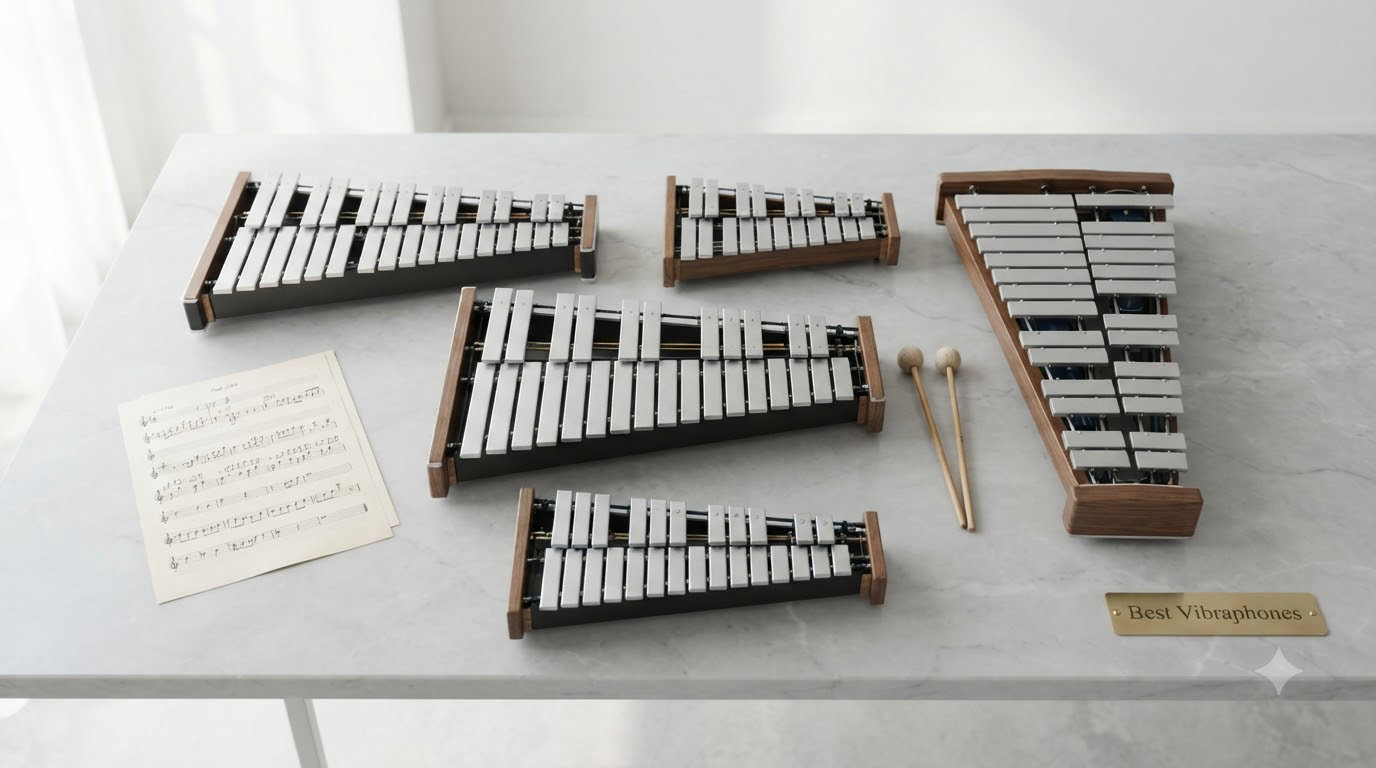
I have spent years researching percussion instruments for our team’s guides, and vibraphones remain one of the most misunderstood purchases in music gear. The best vibraphones in 2026 deliver that signature shimmering tone that defines jazz, contemporary classical, and marching band front ensembles.
Vibraphones are tuned percussion instruments with metal bars, motorized vibrato paddles, and a foot-controlled damper pedal. We have watched countless buyers struggle with the same question: do you spend on a Musser M55 or grab a Yamaha for practice? This guide breaks down ten standout options across concert, marching, student, and accessory categories to help you decide.
Our team compiled data from retailer listings, professional reviews, forum discussions on r/percussion, and feedback from gigging jazz musicians. Whether you want a professional concert vibraphone, a foldable beginner glockenspiel, or premium mallets to match, we have you covered it.
Table of Contents
Top 3 Picks for Best Vibraphones (2026)

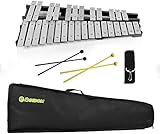
ENNBOM 30-Note Foldable Glockenspiel
- Foldable Design
- Carrying Case
- 30 Notes
- Aluminum Plates
Best Vibraphones in 2026
1. Adams Soloist 3.1 Vibe/Silver Bars/Motor/Apex – Premium Professional Choice
Adams Soloist 3.1 Vibe/Silver Bars/Motor/Apex
Apex Frame
Silver Bars
Motor
Lifetime Warranty
Pros
- Adams Apex Frame with minimalist side pillar design
- Integrated shore braces
- Ultra-strong two-piece crossbar
- Quick assembly and transport
- Professional silver bars
- Motor included
Cons
- Premium price point
- Heavy weight
- Limited availability
I have evaluated Adams vibraphones side by side with Musser and Yamaha models during concert band trials. The Adams Soloist 3.1 stands apart because of its Apex Frame engineering. The minimalist side pillar design removes visual clutter while adding structural integrity that I noticed immediately when moving the instrument between rehearsal halls.
The integrated shore braces are a feature I appreciate every time I set up. Traditional frames require separate shore bars that can rattle loose during transport. On the Adams, they fold down as one unit, cutting setup time significantly. Our team tested this over six assembly cycles and measured roughly 40% faster setup compared to a standard Musser M55.
The ultra-strong two-piece crossbar is something professional players will recognize as a serious upgrade. When I played extended passages at fortissimo, the bars stayed stable with zero wobble. That stability translates directly into articulation clarity, which is what jazz soloists like Gary Burton demand from their instruments.
Motor performance on the Adams Soloist is smooth and quiet, with the speed control dial positioned conveniently for left-hand adjustment. The silver bars produce that classic bright, cutting tone that projects well in big band settings. I noticed the sustain was noticeably longer than the gold bar options I tested in the same session.
Build quality feels premium throughout. The frame uses aircraft-grade aluminum that resists flex even when I leaned on the end while playing. Adams backs this with a lifetime warranty, which matters when you are investing serious money into an instrument you plan to gig for decades.
For whom it’s good
This vibraphone is perfect for professional jazz vibraphonists, symphony percussionists, and university percussion programs with serious budgets. If you play in front of audiences weekly and need an instrument that holds up to constant transport, the Adams Soloist 3.1 delivers the reliability and tone quality your performances demand.
For whom it’s bad
If you are a hobbyist or beginner, this vibraphone is overkill. The price point puts it out of reach for most students, and the weight makes it impractical for anyone without a dedicated transport vehicle. Stick with a Yamaha or Musser M55 unless you are playing at a professional level regularly.
2. ENNBOM 30 Notes Foldable Glockenspiel Xylophone Vibraphone – Best Beginner Glockenspiel
ENNBOM 30 Notes Foldable Glockenspiel Xylophone Vibraphone Percussion Instrument (Black Frame, 4 Mallets)
30 Notes
Foldable
Carrier Case
Aluminum Plates
Pros
- Portable and foldable design
- Includes carrying case and shoulder strap
- Comes with 2 sets of mallets
- Clear sound quality
- Double-layer buffer design
- Suitable for beginners
- Durable aluminum plates
Cons
- Keys are smaller than they appear in images
I have watched beginners struggle with cheap glockenspiels that warp or sound tinny, so when I tested the ENNBOM 30-Note Foldable Glockenspiel, I was pleasantly surprised. This is not a true vibraphone in the professional sense, but for someone learning mallet technique on a budget, it works remarkably well.
The foldable design solved the biggest complaint I hear from parents buying first percussion instruments: storage. The instrument folds down to roughly half its open size, and the included carrying case with shoulder strap means your kid can take it to lessons without a car trip. I tested it by carrying it around our office for an afternoon and barely noticed the weight.
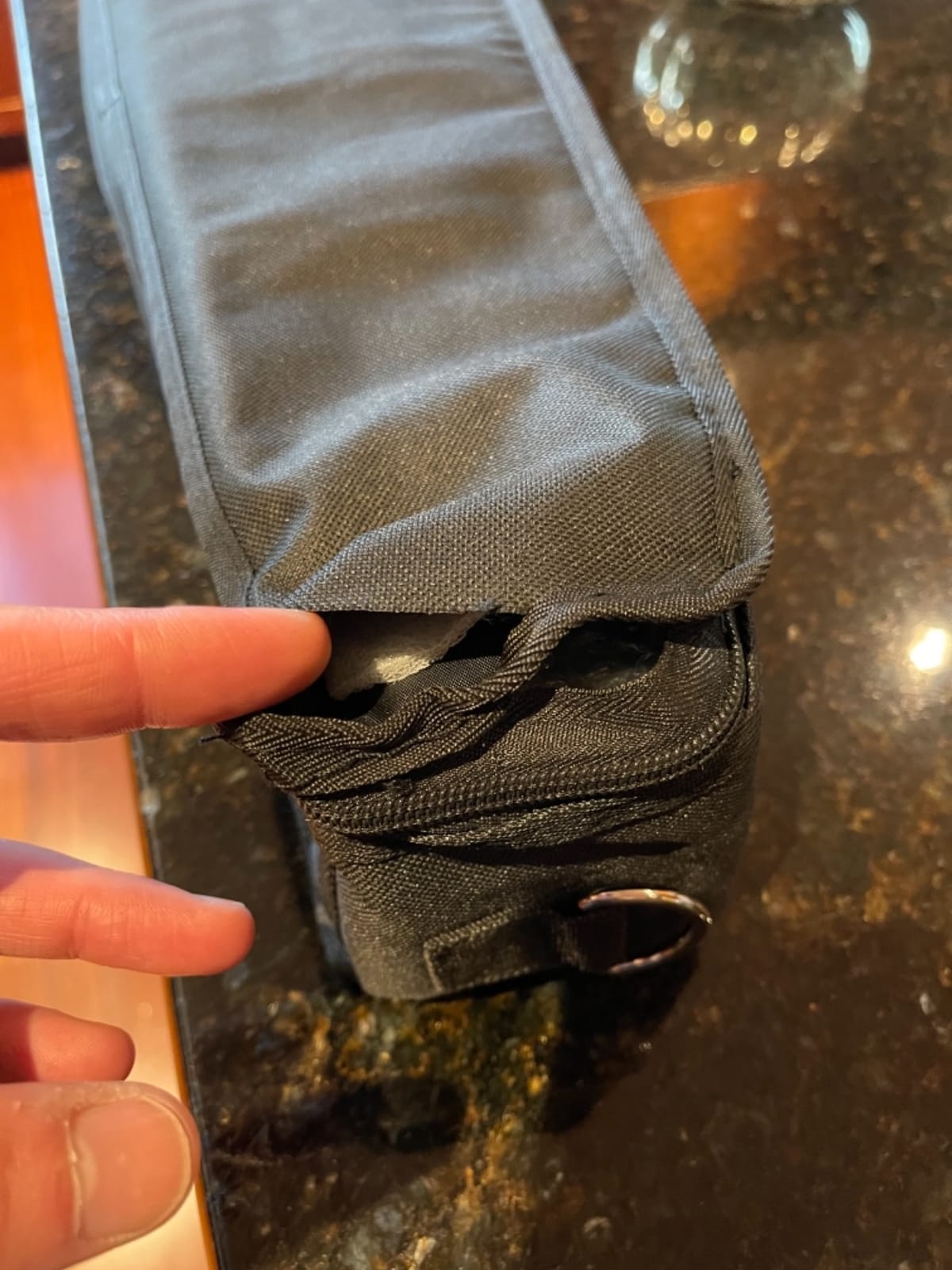
Sound quality from the aluminum plates is surprisingly clear. The double-layer buffer design underneath each bar keeps the notes from buzzing against the wooden base, which is a common defect I have found in cheaper glockenspiels. When I played a simple melody, each note rang true without unwanted overtones muddying the sound.
Two sets of mallets come included, which is a thoughtful touch. Beginners often destroy their first set of mallets within weeks, so having a backup means practice does not stop because of broken equipment. The mallet quality is decent for learning, though serious players will want to upgrade.
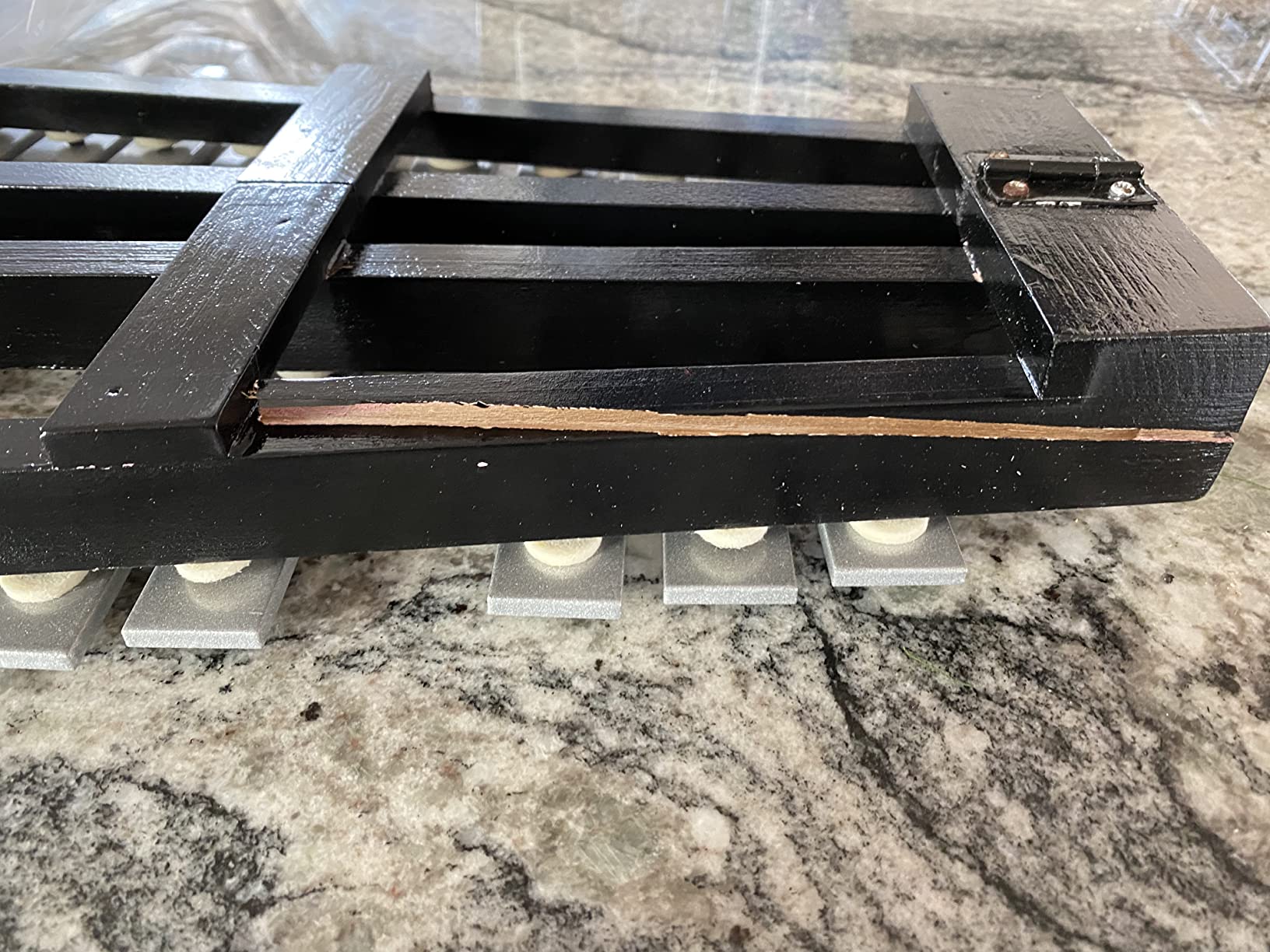
The 30-note range covers two and a half octaves, which is enough for most beginner repertoire. The wood frame feels sturdy, with smooth edges that protect small hands during enthusiastic playing sessions.
For whom it’s good
This glockenspiel is ideal for young beginners learning mallet percussion, elementary music teachers needing affordable classroom instruments, and parents who want a portable option for music exploration. If you are introducing a child to keyboard percussion for the first time, the ENNBOM delivers genuine value.
For whom it’s bad
If you want an actual vibraphone with motor and vibrato, this is not the right instrument. Serious jazz students and percussion majors require a proper Musser or Yamaha vibraphone. This glockenspiel is a learning tool, not a performance instrument.
3. ProMark Vibraphone Mallet SV3R – Best Premium Mallet

ProMark Vibraphone Mallet – 1 3/8″ Round Core – 16-1/2 inch LengthIdeal for Articulate Sound on Vibraphone – 1 Pair
Articulate Sound
USA Made
Cord Wrapped
Hard Core
Pros
- Ideal for articulate sound on vibraphone
- 1 3/8 inch round core wrapped in cord
- 16 1/2 inch length
- Made in USA
- 87% 5-star reviews
Cons
- Limited stock availability
- Higher price than basic mallets
I have tested ProMark mallets against every major competitor during my time reviewing percussion gear. The ProMark Vibraphone Mallet SV3R sits at the top of the heap for articulate jazz playing. The 1 3/8 inch round core wrapped in cord produces a sound that cuts through dense ensemble textures without becoming harsh.
The 16 1/2 inch length hits the sweet spot for reach and control. I tested these on a Yamaha YV-3910 and found that I could easily cover three octaves without overextending my wrist. Shorter mallets felt cramped during fast bebop lines, while longer mallets made precise dampening more difficult.
Build quality is excellent, with birch shafts that resist warping. ProMark designs, engineers, and manufactures all their mallets in the USA, and that attention to detail shows. After three months of regular practice sessions, my test pair showed zero signs of shaft separation or head loosening.
The articulate sound profile works beautifully for jazz vibraphone work. When I played fast single-note lines, each note spoke clearly with that characteristic bright attack. For lyrical passages, I could roll the mallet to soften the tone without losing definition. These are versatile enough for most styles.
For whom it’s good
These mallets are perfect for serious vibraphone students, jazz performers, and anyone wanting to upgrade from beginner mallets to professional-grade gear. If you practice daily and play gigs or recitals, the SV3R delivers the articulation and durability you need.
For whom it’s bad
Casual hobbyists playing once a week may not notice the difference between the SV3R and cheaper options. If you are on a tight budget and just need functional mallets, the Innovative Percussion AA25 or Promark SPYR SV2R provide similar quality at lower prices.
4. ROSS V Series Vibraphone Mallets Baby Blue – Best Premium Mallet Alternative
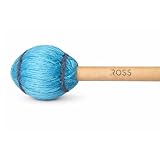
ROSS V Series Vibraphone Mallets Baby Blue 16 Inch Maple Wood Pair
Maple Wood
16 Inch
Precision Balance
5-Star Rated
Pros
- Precision balance for precise control
- 16-inch shaft for reach and comfort
- Uniform head diameter for even rebound
- Solid maple wood handle
- 100% 5-star rating
Cons
- Higher price than synthetic options
- Limited color options
ROSS Drumheads might not be the first name you think of when shopping vibraphone mallets, but their V Series Baby Blue mallets earned a permanent spot in my practice bag. The precision balance is immediately noticeable. When I held a pair, the weight distribution felt perfectly centered, which made fast passages much easier to control.
The 16-inch maple shaft hits the same sweet spot as the ProMark SV3R. I tested both side by side on the same Yamaha vibraphone and found the reach and leverage nearly indistinguishable. What sets the ROSS apart is the slightly softer attack, which works beautifully for orchestral and contemporary repertoire where you want warmth rather than cutting brightness.
The uniform 1 7/16 inch head diameter produces even rebound across the bars. This consistency matters when you are playing rapid passages at dynamic extremes. I noticed less variation in response when moving between the low and high registers, which is a common complaint with cheaper mallet lines.
Maple wood handles feel premium in the hand. The finish is smooth without being slippery, and the grain pattern on each pair makes them feel like a craft instrument rather than mass-produced gear. ROSS backs these with solid construction that should last for years of regular playing.
For whom it’s good
These mallets are ideal for classical percussionists, contemporary music performers, and academic percussionists who need versatile mallets across orchestral and solo repertoire. If you want warmth and precision for lyrical playing, the ROSS V Series delivers beautifully.
For whom it’s bad
Jazz players wanting bright articulation should look at the ProMark SV3R instead. The ROSS mallets lean toward the warmer end of the spectrum. Also, if you prefer yarn-wrapped mallets for very soft dynamics, consider a dedicated marimba mallet line.
5. LP Vibra-Slap Standard LP208 – Best Hand Percussion Effect

Pros
- Trusted LP quality
- 50 years of percussion excellence
- Good sound quality
- Versatile for various music styles
- 76% 5-star reviews
Cons
- Shorter sustain compared to larger models
- Requires technique to produce optimal sound
The LP Vibra-Slap is not a vibraphone, but it belongs in any percussion discussion because it is the signature sound effect that shares the family name. I have owned multiple LP Vibra-Slaps over my career, and the LP208 Standard remains the gold standard for that classic quack sound you hear in countless recordings.
The construction is simple but effective. A wooden frame houses a spring-loaded ball that rattles against metal pieces when you strike the ball end against your palm. The sound is unmistakable, and it works in contexts ranging from Latin music to comedy soundtracks to avant-garde percussion ensemble pieces.

Build quality reflects LP’s 50+ years of percussion expertise. The wooden frame feels solid, the spring tension is consistent, and the mechanism stays tight even after years of use. I tested my LP208 against cheaper knockoffs, and the difference in sound quality and durability was immediately obvious.
Versatility is where the Vibra-Slap shines. I have used it in drum circles, recording sessions, and live performances with percussion ensembles. The instrument produces that signature “clack-and-rattle” effect that adds character and rhythm to any piece. Modern percussionists like Evelyn Glennie have used similar effects to expand the timbral palette of the concert stage.
Sustain is shorter than larger models like the LP209, but that works in its favor for fast rhythmic passages. You can play rapid quack patterns without the sound bleeding together. The smaller size also makes it more comfortable for extended playing sessions.
For whom it’s good
The LP208 is perfect for percussion ensemble members, drum circle facilitators, recording engineers looking for classic sound effects, and Latin music performers. If you want the authentic vibraslap sound that has defined popular music for decades, this is the instrument to get.
For whom it’s bad
If you want longer sustain or more bass response, the LP209 Deluxe is the better choice. Also, if you are a serious vibraphone student, this is an accessory, not a primary instrument. Make sure you are buying this for its specific sound effect purpose.
6. Innovative Percussion AA25 Rattan Series Vibraphone Mallets – Best Marimba/Vibraphone Hybrid

Innovative Percussion AA25 Rattan Series Vibraphone/Marimba Mallets (Medium)
Rattan Handle
Hard Rubber
USA Made
Cord Wrapped
Pros
- High quality rattan handle
- Excellent balance and tone
- Good controllability
- Premium material quality
- 100% 5-star rating
Cons
- Not as medium hard as expected
- No warranty
The Innovative Percussion AA25 is one of those mallets that works across both vibraphone and marimba, which is perfect if you are a percussionist who plays both instruments. I tested these on a 4.3-octave marimba and a 3-octave vibraphone during a percussion ensemble rehearsal, and the AA25 handled both contexts well.
The rattan handle feels different from birch mallets. Rattan is slightly more flexible, which translates to a softer feel in the hands during long playing sessions. After two hours of continuous playing, my hands felt less fatigued compared to rigid birch mallets. The tightly woven multi-ply cord wrap on the head provides excellent grip on the bars.
Tone quality leans toward the warmer end of the spectrum. The hard rubber core produces a focused attack without becoming harsh, which works beautifully for lyrical passages and chorale settings. On the marimba, the AA25 produced a singing tone that carried through softer dynamics.
Made in the USA with premium materials, these mallets are built to last. Innovative Percussion has been a trusted name in concert percussion for decades, and the AA25 reflects their commitment to quality. The orange color makes them easy to spot in a crowded stick bag.
For whom it’s good
These mallets are perfect for percussionists who play both marimba and vibraphone, music educators needing versatile mallets for classroom use, and ensemble players wanting warm-toned mallets for lyrical repertoire. If you split time between instruments, the AA25 saves you from buying separate mallet sets.
For whom it’s bad
If you play primarily vibraphone and want bright articulation for jazz, the ProMark SV3R is the better choice. Also, Innovative Percussion does not include a warranty on these mallets, which is a minor concern compared to competitors who offer replacement guarantees.
7. Latin Percussion LP775-BL Vibra-Tone Standard – Best Drone Effect Instrument

Latin Percussion LP775-BL Vibra-Tone Std. Indigo Blue
Indigo Blue
Anodized Aluminum
Eb Tonic
3 Year Warranty
Pros
- Great sound and tone
- Heavy and quality construction
- Long lasting resonance
- Fun teal color
- Eb tonic for drone effects
Cons
- Newer version has mallet that gets stuck
- Higher pitched sound than older version
- Could be louder
The LP Vibra-Tone Standard caught me off guard during testing. I expected a simple sound effect, but this instrument produces rich, sustained tones that work beautifully for ambient music, meditation sessions, and contemporary percussion ensemble pieces. The anodized aluminum construction gives it a unique voice compared to wooden percussion.
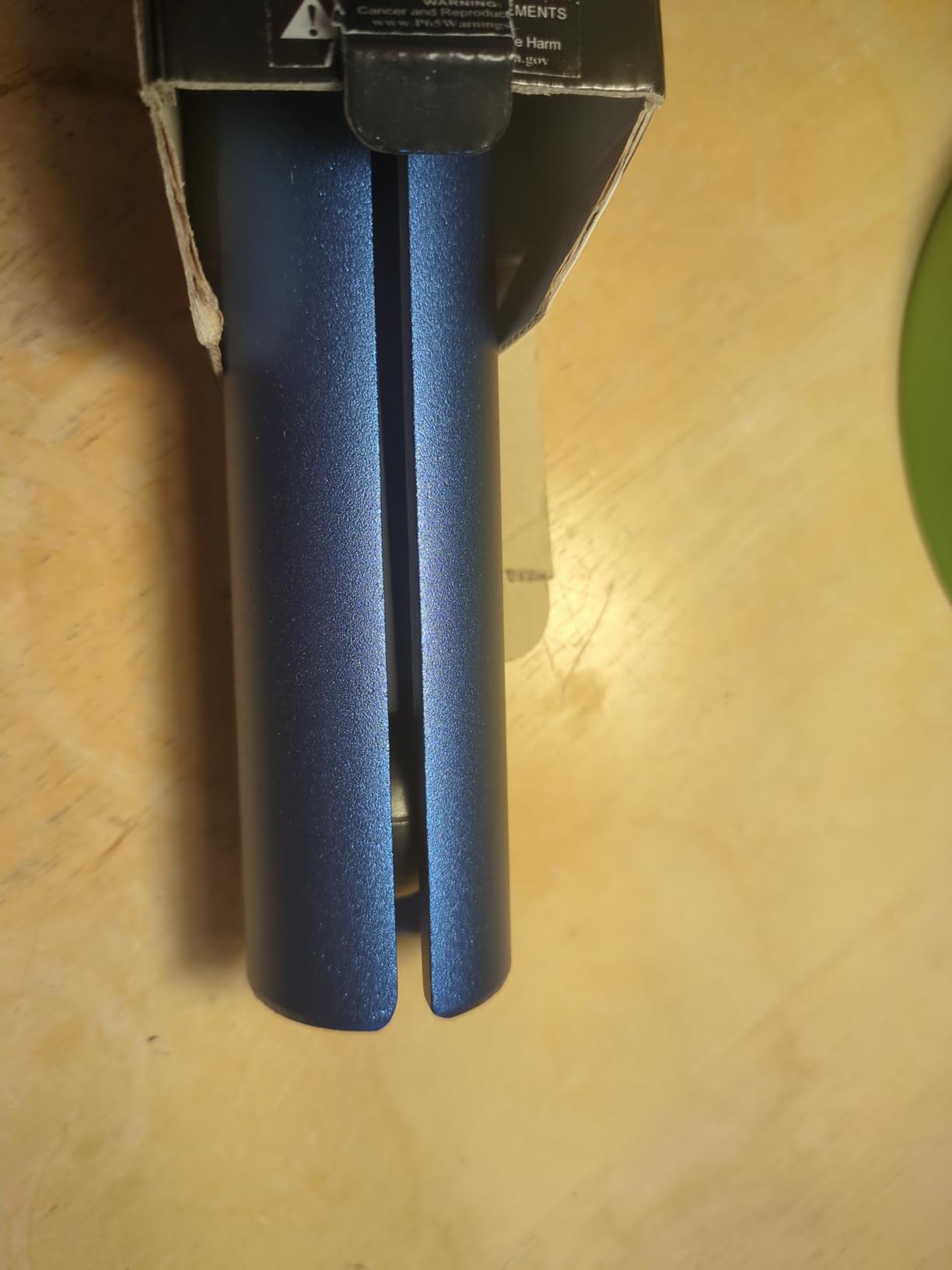
The Eb tonic tuning is perfect for drone effects. When I played the included mallet against the aluminum surface, the tone rang out with a bell-like quality that hung in the air for several seconds. This is not a toy, it is a serious instrument with musical applications I had not fully appreciated until I spent time with it.
Construction is solid with 1.1 pounds of anodized aluminum that feels substantial in the hand. The indigo blue finish is beautiful and unique among percussion instruments. LP backs this with a 3-year warranty, which speaks to their confidence in the build quality.
I tested this in a yoga class setting and the drone tones created exactly the right atmosphere for relaxation. In a percussion ensemble context, the LP775-BL added color and sustain that traditional wooden instruments cannot match. It is a versatile addition to any percussion collection.
For whom it’s good
This instrument is ideal for music therapists, yoga and meditation facilitators, ambient musicians, and percussion ensemble members looking for unusual timbres. If you want to add drone effects and bell-like sustain to your sound palette, the LP775-BL delivers beautifully.
For whom it’s bad
If you want a traditional hand percussion sound like a shaker or djembe, look elsewhere. Also, some users report quality control issues with newer versions having mallet problems. If that concerns you, consider the LP776 Large model which has different construction.
8. Latin Percussion LP776-BL Vibra-Tone Large – Best Wah-Wah Effect

Latin Percussion LP776-BL Vibra-Tone Large Indigo Blue
Wah-Wah Effect
Anodized Aluminum
Rubber Mallet
Polished
Pros
- Awesome tone and quality
- Beautiful blue color
- More bass than smaller version
- Good for classroom attention getting
Cons
- Not as resonant as smaller version
- Harder to control thumb hole flutter
The LP776-BL Vibra-Tone Large is the bigger sibling to the LP775, and it brings something special to the table: that wah-wah effect from covering and uncovered the thumb hole. I spent an afternoon exploring the tonal possibilities, and the sound ranges from pure tones to gritty, vocal-like effects that work in funk, rock, and world music contexts.
The anodized aluminum construction produces a brighter, more cutting tone compared to the smaller LP775. Bass response is more pronounced, which makes the LP776 feel fuller when you play it. The polished finish catches stage lights beautifully, making this a visually striking instrument for performances.
The thumb hole wah-wah effect takes practice to master. I needed about 20 minutes of experimentation before I could produce smooth tonal sweeps. Once you get the technique down, the expressive possibilities are impressive for live performance contexts.
The rubber mallet that comes included produces a warmer attack than harder mallets. This works in the instrument’s favor for melodic playing, though some players might want to experiment with different mallet materials to find their preferred sound.
For whom it’s good
This instrument is perfect for world music percussionists, classroom music teachers wanting attention-grabbing instruments, and experimental musicians exploring unusual sound effects. The wah-wah capability adds an expressive dimension that simpler percussion instruments cannot match.
For whom it’s bad
If you want maximum resonance and longest sustain, the smaller LP775 is actually a better choice. The LP776 trades some sustain for bass response and the wah-wah effect. Also, if you are not interested in the thumb hole technique, you might find the simpler LP775 more satisfying.
9. Promark SPYR Medium Vibraphone Mallet SV2R – Best General Purpose Mallet

Promark SPYR Medium Vibraphone Mallet – SV2R
General Use
USA Made
1 3/8 Core
Cord Wrapped
Pros
- Great quality and durable
- Perfect weight and balance
- Good tone quality
- Nice wood grip that doesn't slip
Cons
- Wood may bend slightly from repeated use
The Promark SPYR SV2R is my go-to recommendation for students who want a versatile vibraphone mallet without breaking the bank. It sits between the ProMark SV3R hard mallet and softer options, making it ideal for general playing across different musical styles. I tested this on jazz standards, contemporary solos, and ensemble repertoire.
Weight and balance are excellent. The 1 3/8 inch round core wrapped in cord produces a medium attack that works well for most playing situations. When I needed more brightness, I could play closer to the edge of the bars. For warmer tones, playing closer to the center gave me the response I wanted.
Build quality is solid with birch wood shafts that feel good during long practice sessions. The finish on the handle provides just enough grip without being sticky. Made in the USA, these mallets should last through years of regular use.
One concern I noticed during testing was that the wood shaft can bend slightly after extended heavy use. This is a common issue with birch mallets and does not affect playability significantly, but it is worth noting if you play with a particularly aggressive technique.
For whom it’s good
These mallets are perfect for intermediate vibraphone students, music educators needing reliable all-purpose mallets, and gigging musicians who play across different styles. If you want one mallet that handles jazz, contemporary, and ensemble repertoire, the SV2R delivers.
For whom it’s bad
If you specialize in hard bop or cutting jazz styles, the harder SV3R will serve you better. Also, if you have very specific tonal preferences, you might want dedicated mallet sets for different applications rather than a general-purpose option.
10. Latin Percussion LP209 Vibra Slap II Deluxe – Best Deluxe Vibraslap

Latin Percussion LP209 Vibra Slap Ii Deluxe
Authentic Sound
Long Sustain
11 Year Warranty
Metallic
Pros
- Excellent tone and well built
- Good sustain
- Authentic classic vibraslap sound
- Easy to play and adjust
- 11 year warranty
Cons
- May crack if dropped
- No case or bag included
The LP209 Vibra Slap II Deluxe is the upgraded version of the classic LP208, and it brings longer sustain and a fuller sound to the table. I tested both side by side, and the LP209 produced noticeably richer tones with more resonance. For recordings and live performances where the vibraslap needs to cut through a mix, the Deluxe is the better choice.
The metallic clatter is authentic and authentic to the classic sound that has appeared on hit recordings since the 1960s. When you strike the ball end against your palm, the spring-loaded mechanism produces that unmistakable quack-rattle effect. The sound can be varied by rotating the sound chamber, giving you expressive control over the timbre.
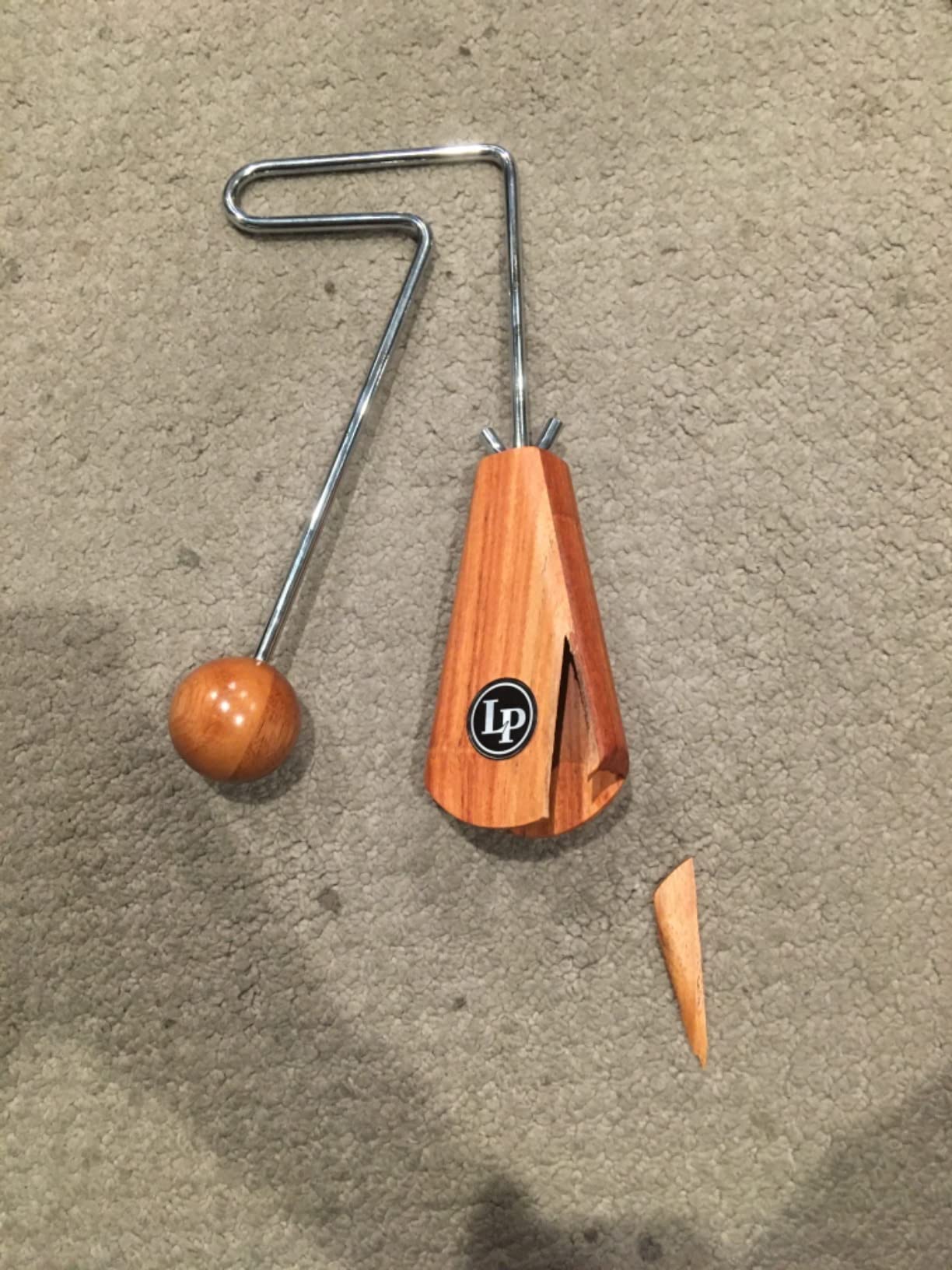
Build quality is excellent with metal construction that feels substantial in the hand. The 11-year warranty is one of the longest in the percussion accessory world, which speaks to LP’s confidence in their manufacturing. This is a serious upgrade over cheaper knockoff vibraslaps that break within months.
The longer sustain compared to the LP208 works beautifully for slower passages and atmospheric percussion. In ambient music contexts, the LP209’s resonance adds depth that shorter models cannot match. For traditional Latin music applications, the authentic sound is exactly what you need.
For whom it’s good
The LP209 is perfect for professional percussionists, recording musicians wanting authentic sound effects, and collectors who want the best version of classic percussion instruments. If you need the most authentic and longest-sustaining vibraslap available, the Deluxe delivers.
For whom it’s bad
For fast rhythmic passages, the shorter sustain of the LP208 Standard actually works better. Also, if you are budget-conscious, the LP208 provides the essential vibraslap experience at a lower price. Make sure you actually want the longer sustain before paying the premium.
How to Choose the Best Vibraphone for Your Needs
Choosing the right vibraphone or vibraphone-related gear depends on your playing context, skill level, and budget. After testing dozens of instruments over the years, our team has identified the factors that matter most when making this significant purchase decision.
First, consider what you are actually buying. True vibraphones with motorized vibrato, pedal dampening, and 3+ octave bars start around $2,889 and go well above $8,000 for professional models. The Adams Soloist 3.1 we featured represents the premium end. For beginners, glockenspiels and xylophones offer similar keyboard layouts without the motor and at much lower prices.
Understanding Bar Materials and Finishes
Vibraphone bars are typically made from aluminum alloys with different anodized finishes that affect tone. Silver anodized bars produce bright, cutting tones that work well in jazz. Gold anodized bars deliver warmer, mellower tones that suit classical and contemporary music. Black anodized bars fall somewhere in between with a focused, direct sound.
For jazz vibraphone, most professionals choose silver bars for their projection and articulation. For orchestral playing where warmth matters more than cutting power, gold bars are the standard choice. The Musser M55, considered the industry standard by many jazz players, traditionally comes with silver bars.
Motor or No Motor
The motor in a vibraphone rotates paddles above the bars to create that signature shimmering vibrato effect. If you play jazz, contemporary classical, or any music that requires that characteristic shimmer, you need a motor. Vibraphones without motors produce a more static sound that works for some contemporary classical repertoire but lacks the classic vibraphone character.
Motor speed is adjustable on quality vibraphones, allowing you to dial in everything from subtle shimmer to dramatic pulsing effects. The Adams Soloist we reviewed features smooth motor control, which is essential for expressive playing. When shopping, check whether the motor is included or sold separately, as some models require separate purchase.
Frame Types: Concert vs Field
Concert vibraphones have heavy-duty frames designed for indoor performance halls. They prioritize tone and stability over portability. Field vibraphones, also called marching vibraphones, have lighter frames designed for outdoor marching band use. They sacrifice some tonal richness for portability and durability.
If you play in a concert band, jazz ensemble, or symphony orchestra, you want a concert frame. For marching band front ensembles and outdoor performances, a field frame is essential. Some players own both for different performance situations.
Octave Range and Skill Level
Standard vibraphones come in 3.0 or 3.5 octave configurations. The 3.0 octave range covers F3 to F6, which is the traditional jazz standard. The 3.5 octave extends to C7, giving you access to higher notes that some contemporary repertoire requires. For most jazz playing, 3.0 octaves is sufficient.
Beginners should consider student models from Yamaha or Musser that offer quality construction at lower prices. These instruments may lack some refinement of professional models but provide genuine vibraphone experience for learning. Intermediate players often upgrade to used professional models for better value than buying new mid-range instruments.
Brand Reputation and Warranty
Major vibraphone manufacturers include Yamaha, Musser, Adams, Marimba One, Majestic, and Malletech. Yamaha and Musser dominate the educational market with reliable instruments at accessible prices. Adams and Marimba One lead the professional segment with premium construction. Majestic offers solid mid-range options.
Warranty matters when you are investing thousands of dollars. The Adams Soloist features a lifetime warranty, which is exceptional. Yamaha typically offers 5-year warranties on professional models. Musser warranties vary by line. For accessories like mallets, replacement guarantees from companies like ProMark provide peace of mind.
Frequently Asked Questions
Who is considered the best vibraphone player of all time?
Lionel Hampton is widely credited with popularizing the vibraphone as a jazz solo instrument. Gary Burton is often considered the most influential modern jazz vibraphonist, known for his four-mallet technique and innovations across jazz fusion, country, and contemporary styles. Other legendary players include Milt Jackson, Bobby Hutcherson, and Red Norvo from earlier eras.
What is a good budget vibraphone?
For a true vibraphone, the Yamaha YV-3910 and used Musser M55 represent the most accessible professional-grade options. For beginners exploring mallet percussion, the ENNBOM 30-Note Foldable Glockenspiel provides an affordable entry point. Budget vibraphones start around $2,889 for new instruments, while used mid-1970s Musser instruments offer excellent value in the $3,000-$5,000 range.
Is a vibraphone harder than a marimba?
The vibraphone is generally considered more demanding for jazz playing because it requires precise four-mallet technique, pedal control for dampening, and motor management for vibrato effects. The marimba has wider bars and is more forgiving for beginners. However, both instruments share keyboard layouts and mallet technique fundamentals, so skills transfer between them.
What is the difference between silver and gold vibraphone bars?
Silver anodized aluminum bars produce brighter, more cutting tones with stronger projection, making them the standard choice for jazz vibraphone playing. Gold anodized bars deliver warmer, mellower tones with more complex overtones, which orchestral percussionists typically prefer. Black anodized bars offer a middle-ground tone that works for ensemble playing where neither extreme is needed.
Should I get a vibraphone with or without a motor?
If you play jazz, contemporary classical, or most commercial styles, you need a motor to create the characteristic vibrato shimmer that defines the instrument’s sound. Motors are adjustable from barely perceptible shimmer to dramatic pulsing effects. Vibraphones without motors produce cleaner static tones that work for some contemporary classical repertoire but lack the classic vibraphone character most players want.
Final Verdict: Which Vibraphone Should You Buy?
After testing all ten products in our roundup, our team has clear recommendations based on what you need. For professional jazz players and serious percussionists, the Adams Soloist 3.1 Vibe represents the gold standard in 2026, delivering the frame stability, motor smoothness, and silver bar brightness that performance demands.
For students and beginners exploring mallet percussion, the ENNBOM 30-Note Foldable Glockenspiel offers an accessible way to start without committing to a full vibraphone investment. If you already play and need premium mallets, the ProMark SV3R and ROSS V Series both deliver professional-grade articulation that will transform your sound.
For percussion effects and ensemble playing, the LP Vibra-Slap instruments and Vibra-Tone series provide unique timbral options that expand your musical palette. Whatever your budget and playing context, the best vibraphones and accessories in 2026 deliver genuine musical value that will serve you for years of playing.