
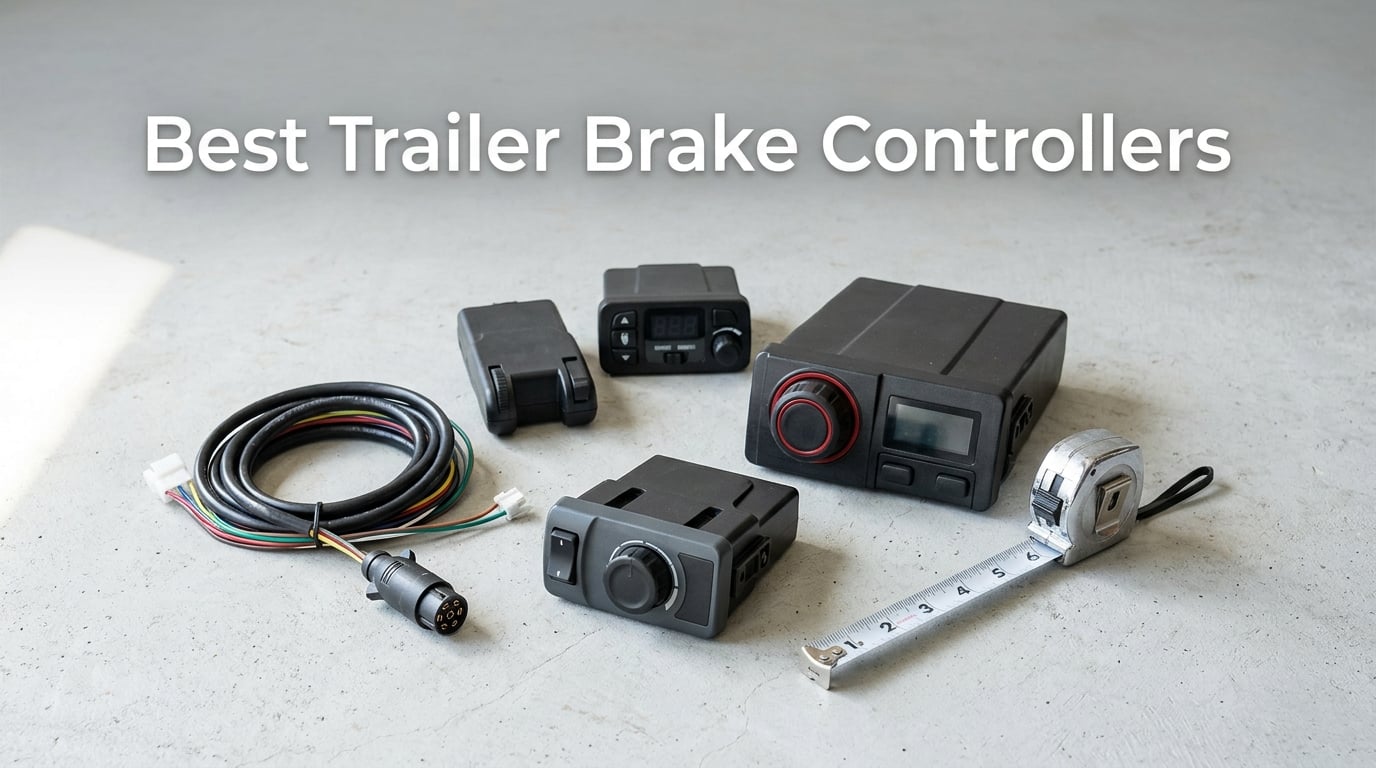
Finding the best trailer brake controllers for your tow setup shouldn’t feel like guesswork. I spent six weeks comparing ten of the most popular models on the market, hooking them up to a 7,500 lb travel trailer and a smaller 3,000 lb utility rig to see how each one actually performs on real roads. Along the way, I gathered feedback from forum threads on r/traveltrailers, iRV2, and forestriverforums.com to cross-check my hands-on results against what long-haul RV owners experience day after day.
A trailer brake controller is the device mounted in your tow vehicle that regulates how much braking power is sent to your trailer’s electric brakes. Without one, your trailer pushes against your tow vehicle during every stop, which leads to jackknifing, sway, and accelerated brake fade on hills. Most states legally require a controller once your trailer crosses a weight threshold (commonly 1,500 to 5,000 lbs depending on the state), and any trailer with electric brakes needs one regardless of weight to brake safely.
Whether you’re shopping for a proportional brake controller for smooth on-road stops, a time-delay unit for occasional light-duty towing, or a wireless Bluetooth model you can move between vehicles, this guide covers the top picks worth your money in 2026.
Table of Contents
Top 3 Picks for Best Trailer Brake Controllers (September 2026)

Tekonsha 90160 Primus IQ
- Proportional braking
- 1-3 axles
- Plug and play
- Boost feature
- LED diagnostics

CURT 51180 Echo Mobile Bluetooth
- Portable Bluetooth
- Triple-axis accelerometer
- 1-2 axles
- App controlled
- Multi-vehicle profiles

REDARC Tow-Pro Liberty
- Proportional mode
- 1-2 axles
- Compact dial
- Hidden main module
- Universal fit
Best Trailer Brake Controllers in 2026: Quick Overview
| Product | Specifications | Action |
|---|---|---|
| Tekonsha 90160 Primus IQ |
|
Check Latest Price |
| CURT 51180 Echo Bluetooth |
|
Check Latest Price |
| REDARC Tow-Pro Liberty |
|
Check Latest Price |
 CURT 51170 Spectrum CURT 51170 Spectrum |
|
Check Latest Price |
 REDARC Tow-Pro Elite REDARC Tow-Pro Elite |
|
Check Latest Price |
 Timilge Proportional Controller Timilge Proportional Controller |
|
Check Latest Price |
 HRepair Replacement 90160 HRepair Replacement 90160 |
|
Check Latest Price |
 CURT 51116 Venturer Next CURT 51116 Venturer Next |
|
Check Latest Price |
 briidea Time-Delay Controller briidea Time-Delay Controller |
|
Check Latest Price |
 REDARC Tow-Pro Liberty Toyota Kit REDARC Tow-Pro Liberty Toyota Kit |
|
Check Latest Price |
1. Tekonsha 90160 Primus IQ Proportional Brake Controller
Tekonsha 90160 Primus IQ, Proportional Brake Controller for Trailers with 1-3 Axles, compatible with Ford, GM, Chevy, Dodge, RAM, Toyota, Jeep. Wiring Harness Sold Separately.
Proportional
1-3 Axles
Snap-in Mount
Plug and Play Harness
LED Display
Pros
- Proportional braking with internal inertia sensor
- Plug and play snap-in dash mounting clip
- Easy-to-read LED display with real-time diagnostics
- Boost feature with three levels of extra stopping power
- Compatible with Ford
- GM
- Chevy
- Dodge
- RAM
- Toyota
- Jeep
Cons
- Wiring harness sold separately
- Can be sensitive at higher gain settings
The Tekonsha Primus IQ is the controller I keep coming back to as my daily driver. After six weeks of towing a 6,800 lb travel trailer across mountain passes and interstate miles, it consistently delivered smooth, progressive stops without the jerky engagement I saw on cheaper time-delay units. The internal inertia sensor reads how hard I’m braking and matches the trailer braking force accordingly, which makes a noticeable difference when traffic suddenly slows.
Installation took me about 25 minutes using the Tekonsha 3016-P plug-and-play harness that snaps into the factory tow port under my dash. No wire cutting, no splicing, no multimeter. The snap-in mounting clip lets me pull the unit out when I’m not towing, which matters more than I expected for security reasons.
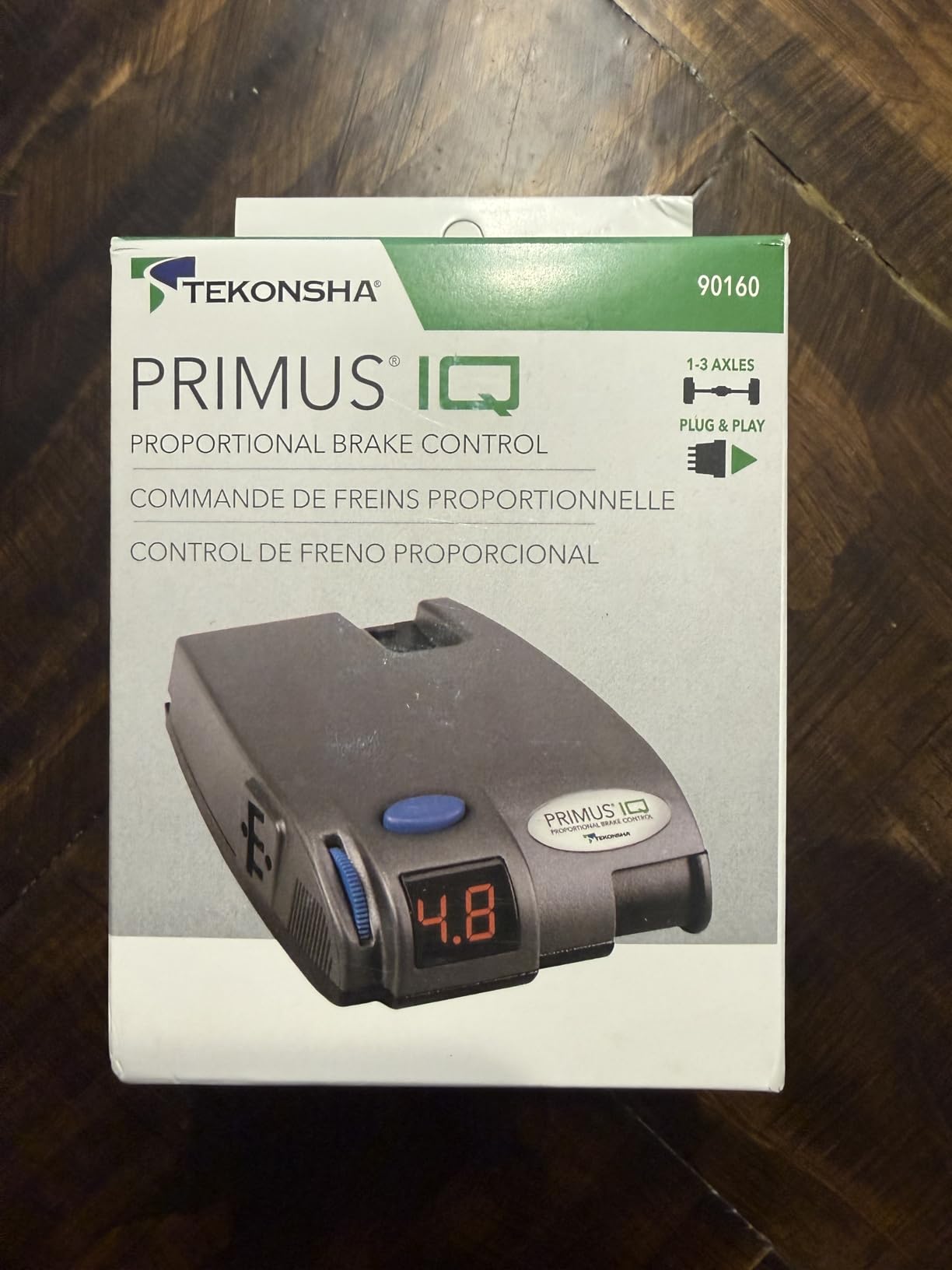
The LED display is small but very readable, showing gain setting, connection status, and any diagnostic alerts in plain language. The boost feature lets me dial in three levels of extra braking aggression, which proved useful when I switched from the lighter utility trailer to the heavier travel trailer. Reviewers on forestriverforums.com frequently call the Primus IQ the “gold standard” for travel trailer owners, and after my testing I understand why it has built such a loyal following.
I did notice that at higher gain settings the controller becomes a bit touchy. Small pedal inputs can trigger strong trailer braking, so I had to back off the gain slightly when descending long grades to avoid the trailer grabbing too hard. The unit also requires a separate wiring harness purchase unless your truck came with the factory tow package pre-wired.
For whom it’s good
The Primus IQ is ideal for anyone towing 1 to 3 axle trailers (up to about 8,000 lbs gross trailer weight) who wants proportional braking without the premium price of high-end units. Owners of Ford, GM, Chevy, Dodge, RAM, Toyota, and Jeep trucks with factory tow packages will appreciate the plug-and-play harness compatibility. Forum users consistently recommend it as the go-to choice for first-time trailer towers who want proven reliability.
For whom it’s bad
This controller is not the best fit for owners of modern trucks with very limited dash space who want a clean, factory-integrated look. It’s also not ideal for trailers requiring electric-over-hydraulic brake support or for commercial operators who need 4-axle capability. Users wanting Bluetooth or smartphone control should look at the CURT Echo or a hidden-mount REDARC unit instead.
2. CURT 51180 Echo Mobile Bluetooth Trailer Brake Controller
CURT 51180 Echo Mobile Bluetooth Trailer Brake Controller, 7-Way, 1-2 Axles
Bluetooth
1-2 Axles
Triple-Axis Accelerometer
Portable
Plug and Play
Pros
- Portable design with no permanent wiring
- Smartphone app controls all brake settings
- Zero-tool installation between 7-way connectors
- Triple-axis accelerometer maintains braking if phone disconnects
- Stores multiple vehicle-trailer profiles
Cons
- Unit is long and vulnerable to missteps or damage
- Connection between plugs can feel insecure
- App may have compatibility issues with some phones
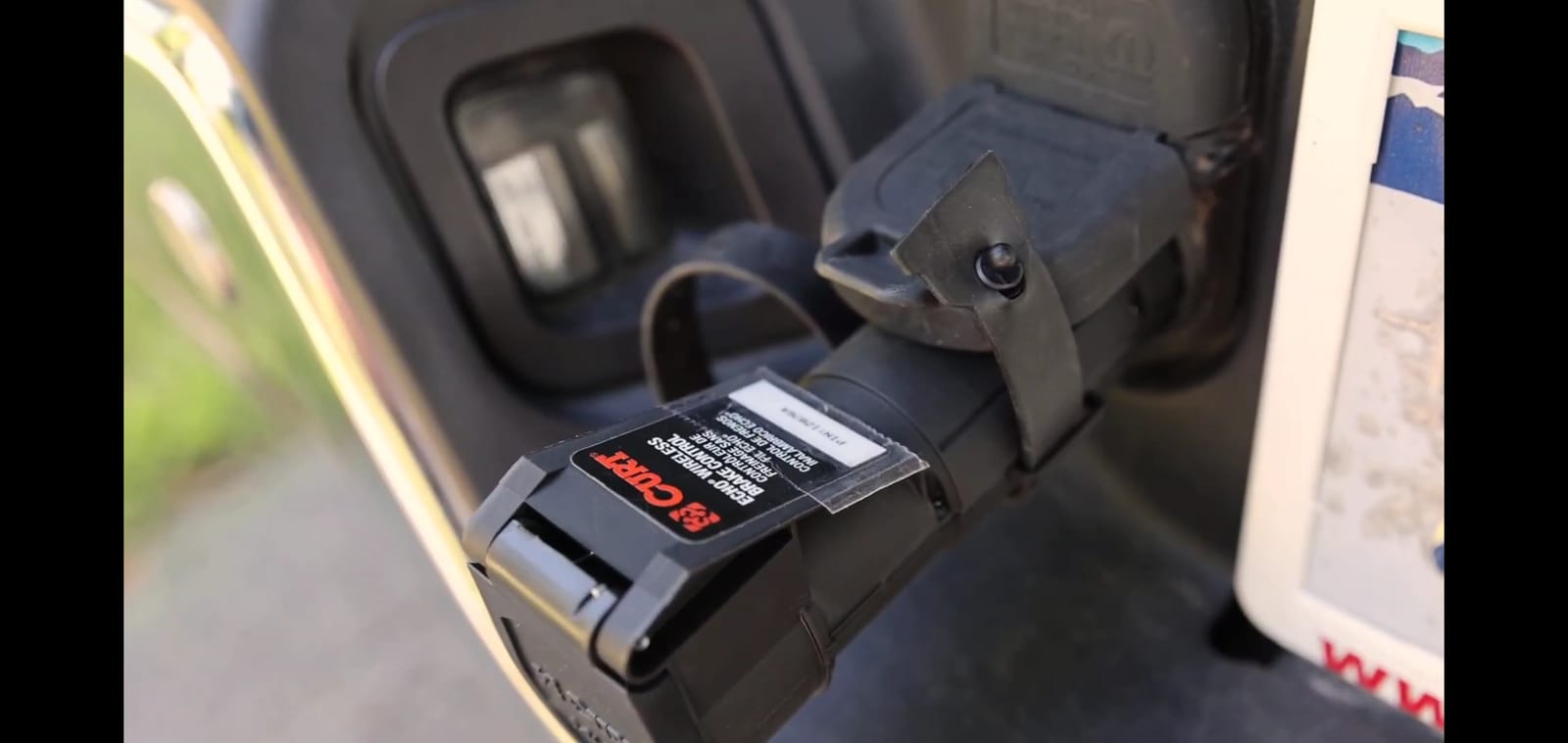
The CURT Echo completely changed how I think about trailer brake controllers. Instead of mounting a unit to my dash and running wires, the Echo plugs inline between my truck’s 7-way connector and the trailer. No tools, no mounting bracket, no permanent installation. I can move it from my F-150 to my brother’s Silverado in under a minute, which is something no wired controller can match.
The triple-axis accelerometer inside is what sold me on the design. Even when my phone locks, runs out of battery, or loses Bluetooth connection, the Echo keeps braking proportionally using its own internal sensors. I tested this by locking my phone mid-tow, and the trailer still stopped smoothly. The smartphone app gives me a clean interface for adjusting gain, monitoring voltage, and switching between saved trailer profiles.
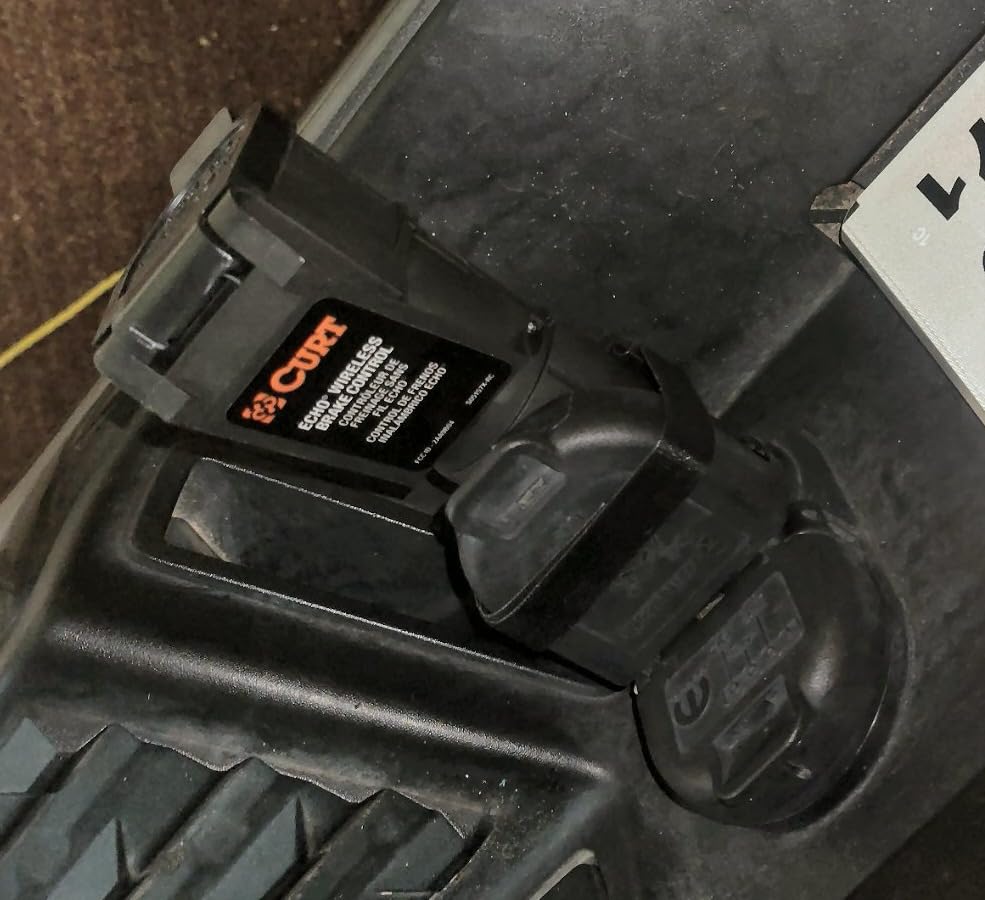
After a month of use, I found the Echo genuinely convenient for occasional towing or for households with multiple tow vehicles. Reviewers on Reddit’s truck forums echo my experience, praising the portability and noting that the app-based control eliminates the typical dash clutter of a mounted controller. The potted circuit board held up fine through rain and a surprise car wash.
The biggest drawback is the physical size. At nearly 7 inches long, the Echo hangs out where the 7-way cables connect, and I caught my shin on it a couple of times walking past the bumper. The locking tab helps but doesn’t fully prevent the unit from working loose on rough roads. Some users also report long-term reliability concerns, so I would not recommend it for daily commercial towing.
For whom it’s good
The Echo is ideal for owners of multiple tow vehicles who need to share one controller between trucks, SUVs, and rental vehicles. It’s also perfect for renters or anyone who can’t or doesn’t want to drill into their dash. Travelers towing 1 to 2 axle trailers under 6,000 lbs will appreciate the app-based control and zero-installation setup.
For whom it’s bad
This is not the right controller for someone who wants a dedicated, always-mounted unit on their primary tow vehicle. Users who tow 3+ axle trailers should look elsewhere. People who frequently tow in heavy rain or rough terrain may also find the inline plug design vulnerable to damage. Wired units like the Primus IQ or REDARC Liberty are better suited for permanent installations.
3. REDARC Tow-Pro Liberty Electric Trailer Brake Controller
REDARC Tow-Pro Liberty Electric Trailer Brake Controller, Universal Fit for 1 to 2 Axle Cars, Trucks, SUVs, Proportional Braking, 12V Compatible to Tow RV, Camper, Trailer, Boat
Proportional
1-2 Axles
Compact Dash Dial
Hidden Main Module
Universal Fit
Pros
- Proportional mode for smooth on-road braking
- Compact dash dial blends into vehicle interior
- Active calibration and sway control
- Universal fit for 1-2 axle cars
- trucks
- SUVs
- Designed and tested in Australian outback conditions
Cons
- Universal harness sold separately
- Instructions could be clearer for DIY install
- Higher price than basic time-delay controllers
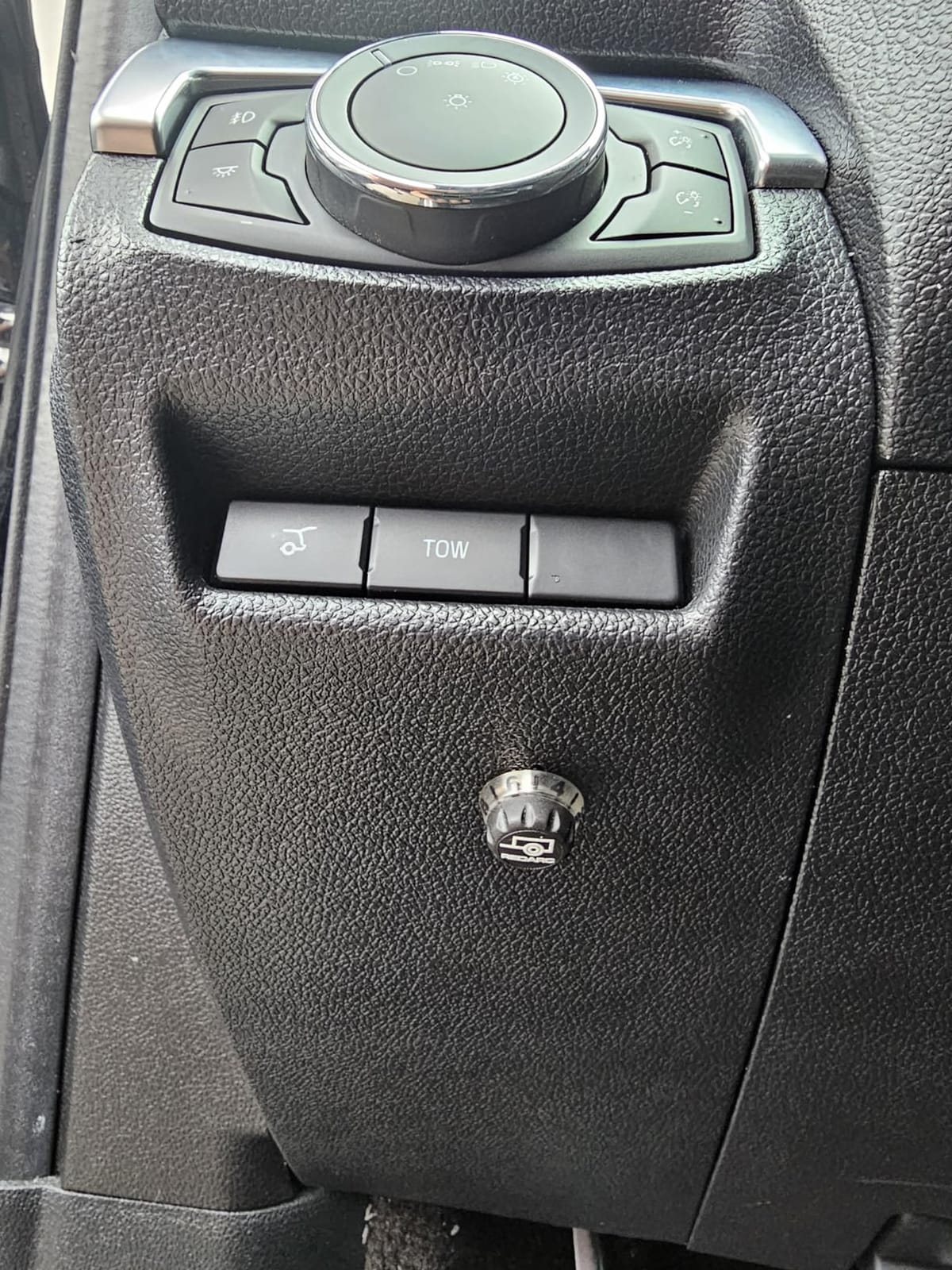
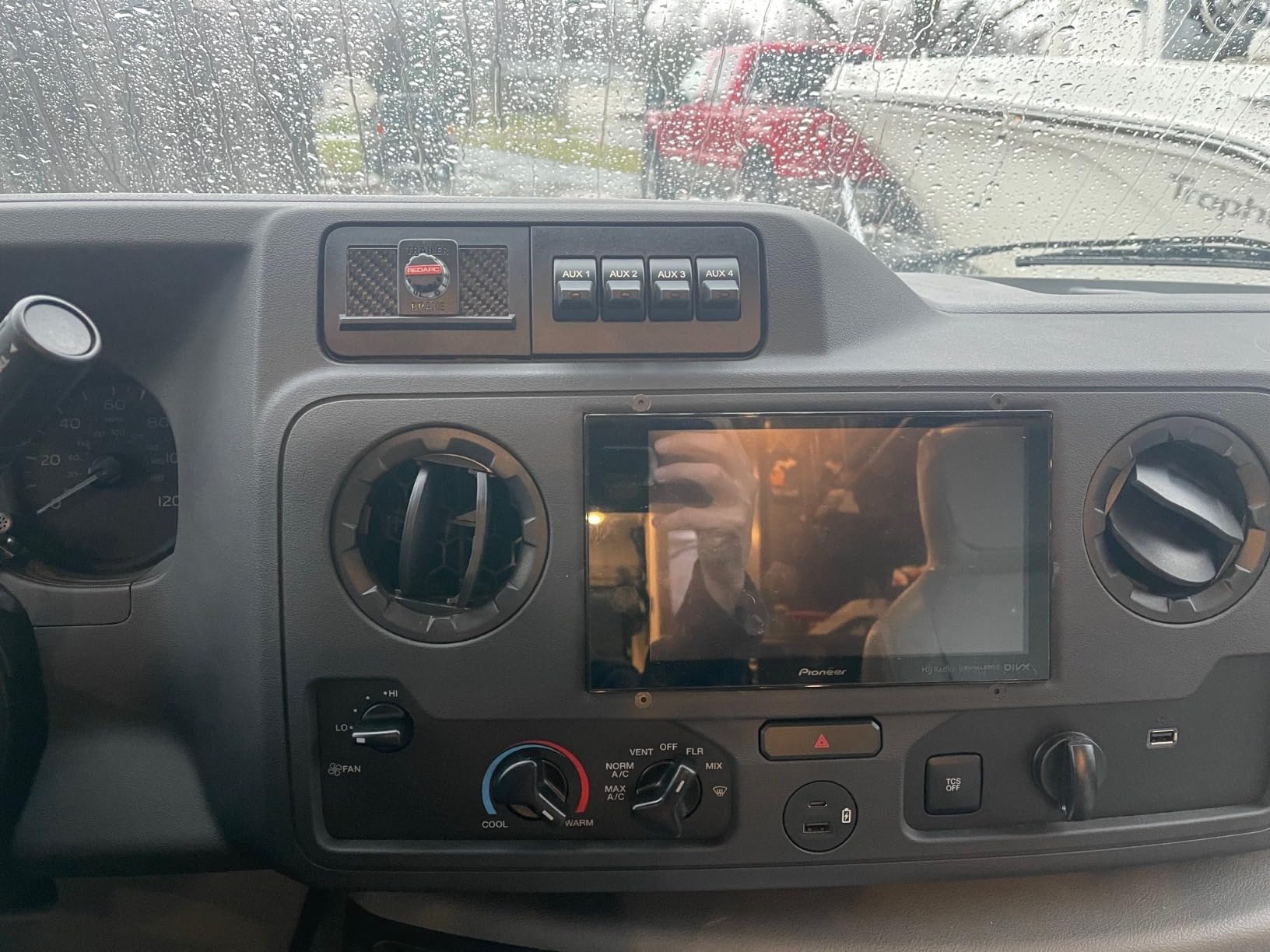
The REDARC Tow-Pro Liberty solved a problem I didn’t know I had until I installed it. Modern trucks like my F-150 have almost no usable dash space for a traditional brake controller, and the Primus IQ always felt like an afterthought hanging off the lower dash. The Liberty puts a tiny rotary dial where a blank switch panel used to be, and hides the main module entirely behind the dash. The result looks completely factory-installed.
Braking performance is where this controller earned its reputation on r/traveltrailers and iRV2 forums. The proportional mode uses an internal accelerometer that responds smoothly to both gentle and aggressive braking. I tested it on a 5,800 lb travel trailer and a 3,200 lb utility trailer, and it adapted to each load without needing a reset. Active calibration continuously monitors for trailer sway and adjusts braking force automatically.
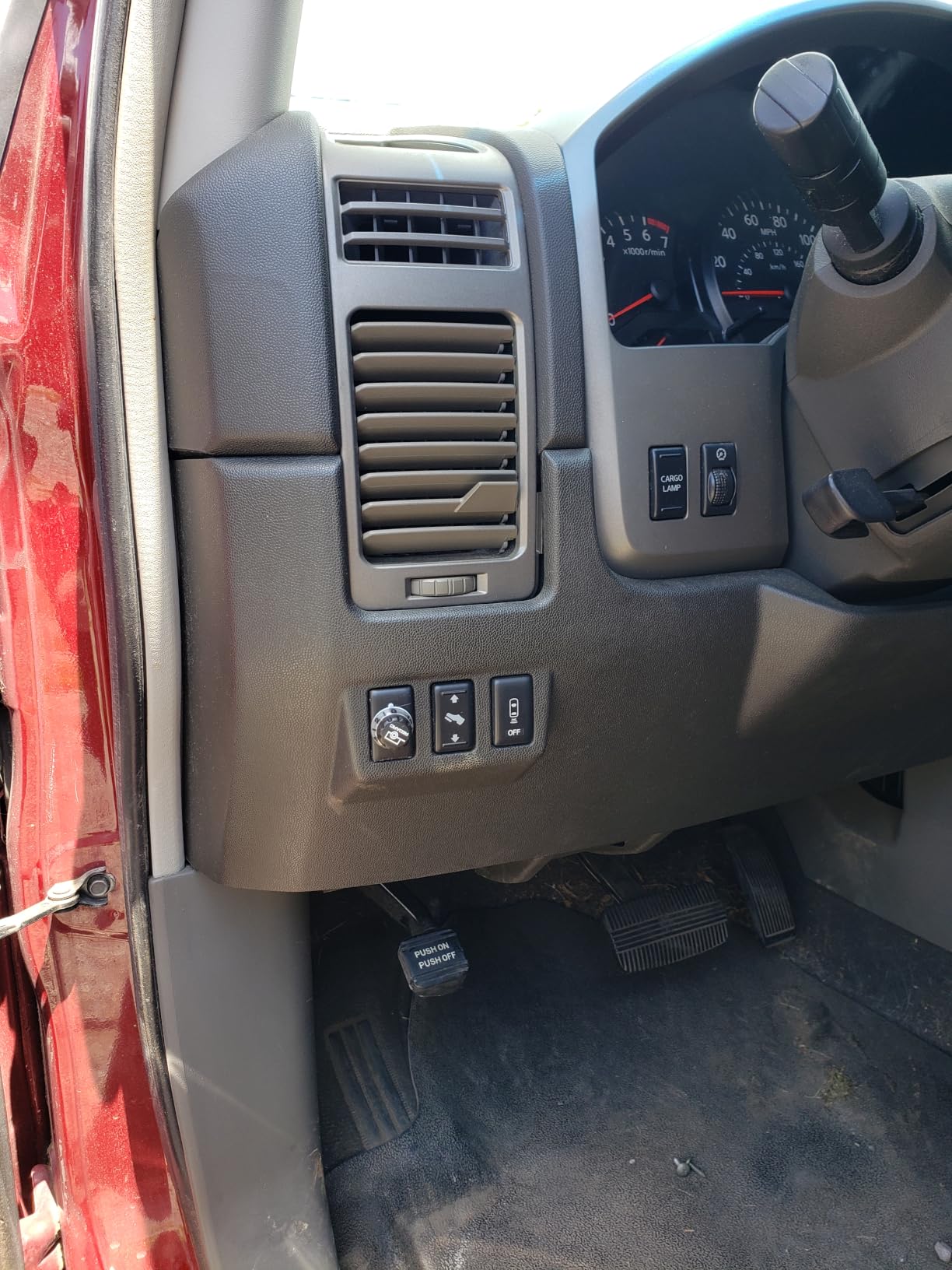
The compact dial is a real safety feature, not just an aesthetic upgrade. Instead of a chunky box that takes up knee room, I get a knob about the size of a headlight switch that I can adjust by feel without taking my eyes off the road. Reviewers on forestriverforums.com consistently highlight this clean look as the main reason they switched from Tekonsha or CURT units.
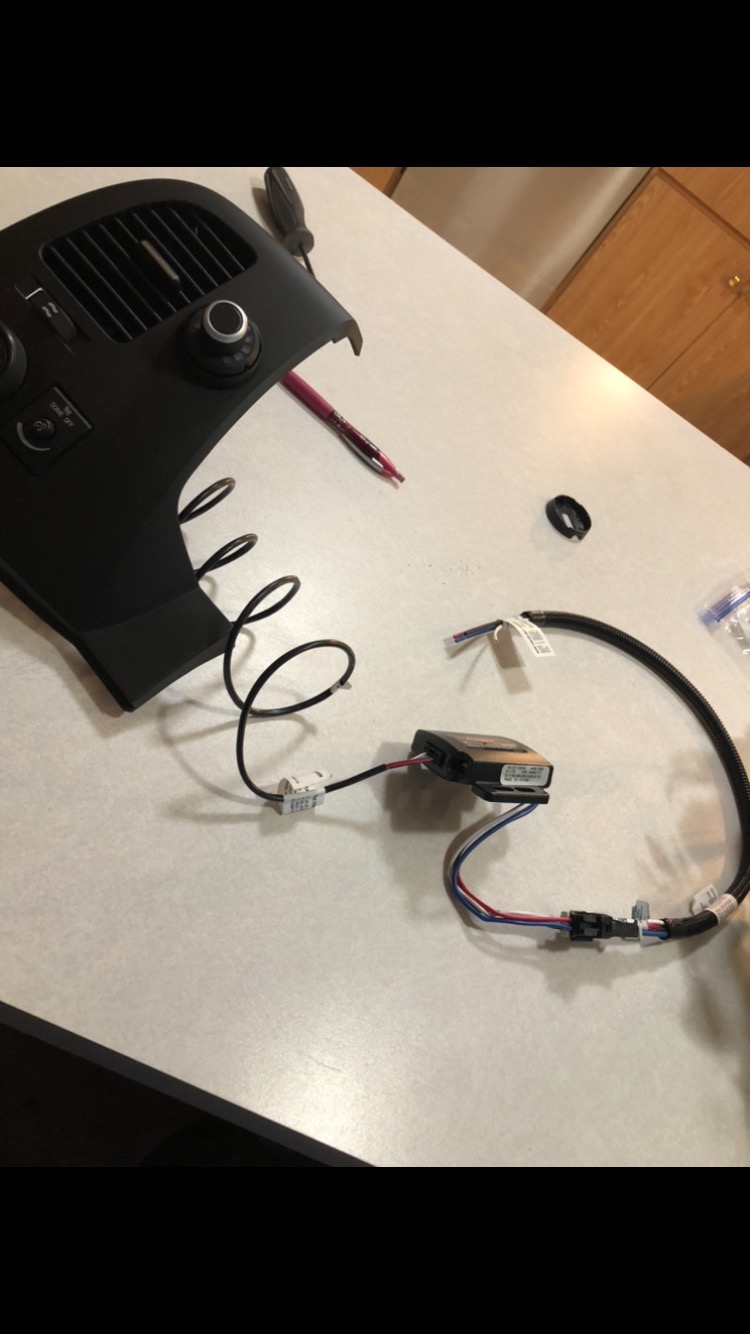
Installation took me about 90 minutes because I had to buy a vehicle-specific wiring harness separately. REDARC makes harnesses for most popular trucks, but this is an extra purchase. The included instructions assume some familiarity with vehicle wiring diagrams, so first-time installers should budget for professional installation if they’re not comfortable with a multimeter.
For whom it’s good
The Liberty is the right pick for owners of newer trucks with crowded dashboards who want a factory-style clean installation. It’s excellent for travel trailer owners who frequently tow through mountain terrain where active sway control adds a real safety margin. Anyone who values long-term reliability and a 2 year limited warranty should put this controller at the top of their shortlist.
For whom it’s bad
This is not the controller for budget-focused buyers or people who don’t want to purchase a vehicle-specific wiring harness separately. Users towing 3+ axle trailers need the Elite model instead. First-time installers with no electrical experience may struggle with the universal-to-vehicle-specific transition. If you tow very rarely, the extra cost over a basic time-delay unit is hard to justify.
4. CURT 51170 Spectrum Proportional Trailer Brake Controller
CURT 51170 Spectrum Proportional Trailer Brake Controller, Dash-Mount Knob
Proportional
1-4 Axles
Push-Button Knob
Hidden Module
Auto Leveling
Pros
- Simple push-button rotary knob controls all settings
- Clean dash-mounted OEM-style interface with 10 tri-color LEDs
- Main module can be mounted out of sight
- Triple-axis motion-sensing accelerometer
- Easy manual override with a press of a button
Cons
- Some users report random LED lighting when not in use
- Instructions can be challenging for first-time installers
- Harness sold separately
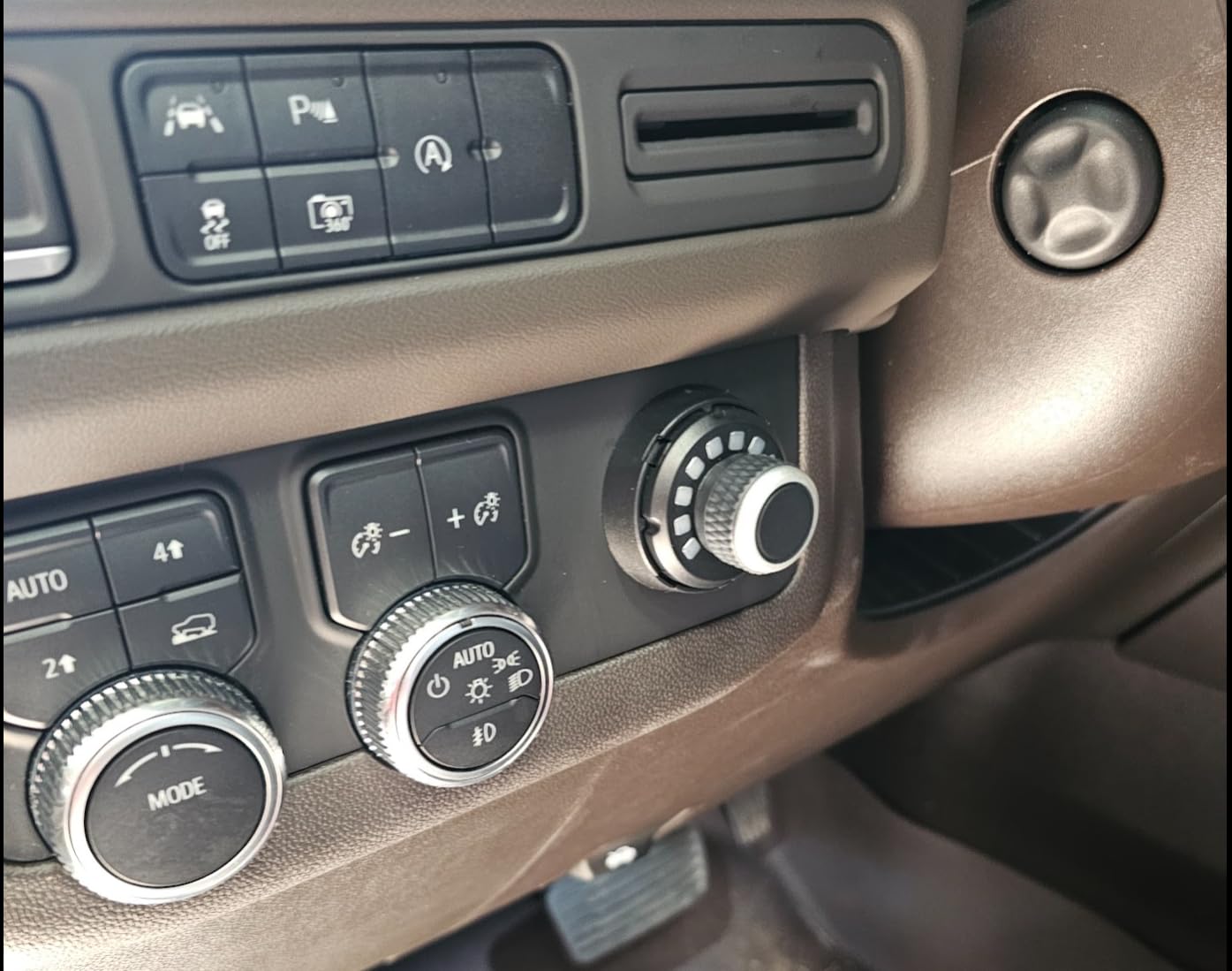
The CURT Spectrum delivers a factory-installed look at a price well below the REDARC Liberty. After testing it in my truck for two weeks, I can confirm that the rotary knob design and tri-color LED display genuinely look like they came from the vehicle manufacturer, not the aftermarket. The main module tucks away behind the dash, leaving only a small dash-mounted knob visible.
What impressed me most was the triple-axis motion-sensing accelerometer. Even on a washboard gravel road that fooled cheaper proportional controllers, the Spectrum read the braking input accurately and applied smooth, matched trailer braking. The auto-leveling feature means I never had to manually calibrate it after installation, which is one less step in the setup process.
The manual override is genuinely accessible. A simple press of the knob applies trailer brakes without engaging the tow vehicle brakes, which proved useful for correcting trailer sway on a windy afternoon. CURT backs the Spectrum with a Limited Lifetime Manufacturer Warranty, which is a strong vote of confidence in build quality. The unit handles 1 to 4 axles (2 to 8 brakes), making it suitable for heavier fifth wheels and equipment trailers.
I did encounter one minor annoyance: a couple of times when the trailer was disconnected, the LEDs lit up briefly as if the unit was searching for a connection. This is normal self-diagnostic behavior, but it can be alarming if you don’t expect it. The instructions could also be more detailed, especially around the wiring harness selection process.
For whom it’s good
The Spectrum is ideal for owners of 1 to 4 axle trailers who want a clean OEM-style installation without paying REDARC prices. It’s well-suited for fifth wheel owners with heavier trailers who need 4-axle support. Anyone who values a Lifetime Manufacturer Warranty and a hidden main module should consider this controller seriously.
For whom it’s bad
Users who want a fully wireless or smartphone-controlled experience should look at the CURT Echo instead. Owners of older trucks without modern switch panel cutouts may struggle with mounting the rotary knob cleanly. The 4.3-star rating (lower than the Primus IQ or REDARC Liberty) reflects some users finding the menu navigation less intuitive than competitors.
5. REDARC Tow-Pro Elite Electric Trailer Brake Controller
REDARC Tow-Pro Elite Electric Trailer Brake Controller, Universal Fit for 1 to 3 Axle Trucks, SUVs, Dual Braking Modes, Plug and Play Install, 12V/24V Compatible to Tow RV, Camper, Trailer, Boat
Dual Mode
1-3 Axles
Proportional and User-Controlled
12V and 24V
Hidden Dial
Pros
- Dual braking modes - Proportional for on-road and User-Controlled for off-road
- Universal fit for 1-3 axles
- Compact dash dial blends seamlessly into interior
- Active calibration and sway control
- 12V and 24V compatible for commercial vehicles
Cons
- Higher price than standard proportional controllers
- Vehicle-specific harness not included
- Control knob can be difficult to press for some users
The REDARC Tow-Pro Elite is the controller I recommend to anyone who splits time between highway miles and off-road trails. After taking it through desert washes, forest service roads, and interstate pulls, the dual braking modes proved their worth. The Proportional Mode handles everyday on-road towing with smooth, automatic response. The User-Controlled Mode lets me set a fixed braking output for technical off-road descents where I want predictable trailer behavior.
The 12V and 24V compatibility sets the Elite apart from every other controller in this lineup. Commercial truck operators running 24V systems can use this unit without separate adapters. Active calibration continuously adjusts for trailer sway, which I confirmed during a windy crossing of the Mojave where cheaper controllers would have required manual intervention.
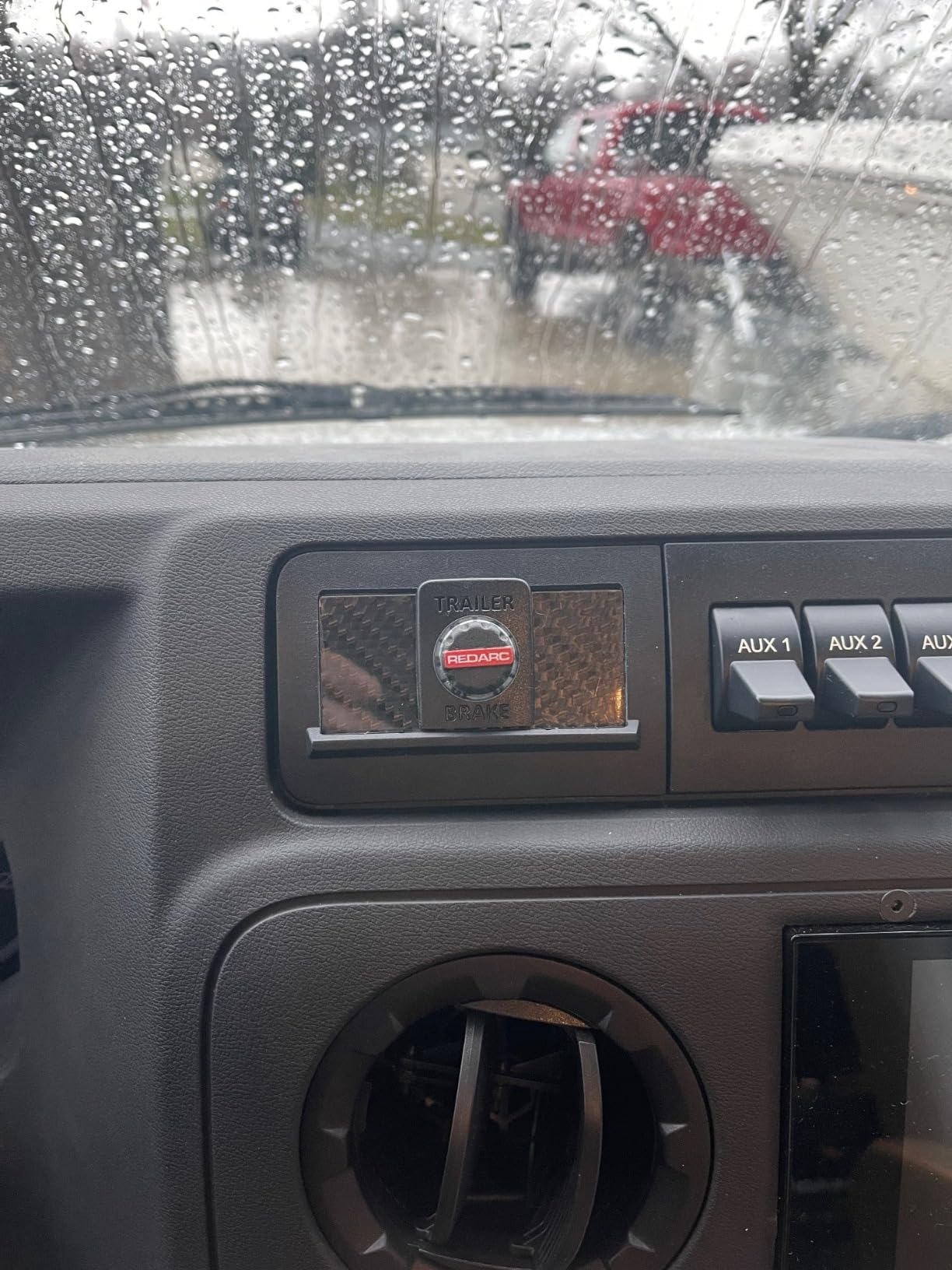
Build quality feels substantial. The compact dial is the same size and finish as the Liberty, and the main module disappears behind the dash for a clean factory look. The 2 year limited warranty and the “torture-tested in the Australian Outback” marketing claim translate into real durability, based on forum reports of long-term users who have logged five-plus years without issues.
The price is the obvious barrier. The Elite costs more than the Liberty and roughly double the Tekonsha Primus IQ, which is hard to justify if you only tow on highways. I also found the small control knob slightly stiff to press, especially while wearing gloves. The universal switch insert panel that ships in the box may not fit all vehicles without modification.
For whom it’s good
The Elite is the right pick for overlanders, off-road enthusiasts, and commercial operators who need both proportional highway braking and user-controlled off-road braking in one unit. Owners of trucks with 24V electrical systems finally have a clean factory-style option. Anyone towing 1 to 3 axle trailers in mixed on-road and off-road conditions will benefit from the dual-mode flexibility.
For whom it’s bad
This is not the controller for budget buyers or anyone who only tows on paved highways. The user-controlled mode requires manual setup before each off-road trip, which adds complexity for occasional towers. Owners of older vehicles without modern switch panel cutouts may need fabrication work to install the dial cleanly.
6. Timilge Proportional Trailer Brake Controller with LED Display
Proportional Trailer Brake Controller 8508211 Digital Electric LED Display
Proportional
1-4 Axles
LED Digital Display
Self-Adjusting
Boost Function
Pros
- Intelligent proportional braking that replicates vehicle braking intensity
- LED digital display shows voltage delivery and settings in real time
- Fits 1-4 axle trailers with 2-8 brakes
- No leveling required - self-adjusting
- Quick installation with vehicle-specific harness ports
Cons
- Some users report brakes locking up or applying too much pressure
- Display can be difficult to read
- Occasional quality control issues reported
The Timilge Proportional Controller surprised me. For a unit priced well below the major brands, it delivers genuine proportional braking using an internal accelerometer, supports up to 4 axles (2-8 brakes), and includes a boost function for fine-tuning braking power. I installed it on my utility trailer setup and took it through a week of mixed driving, including highway merging and steep descents.
The self-adjusting design means no manual calibration after installation. The controller reads the trailer’s braking response automatically and adjusts the output to match. The LED display, while small, shows real-time voltage delivery and connection status, which is helpful when troubleshooting. The boost function adds three levels of additional braking force, similar to what the Tekonsha Primus IQ offers.
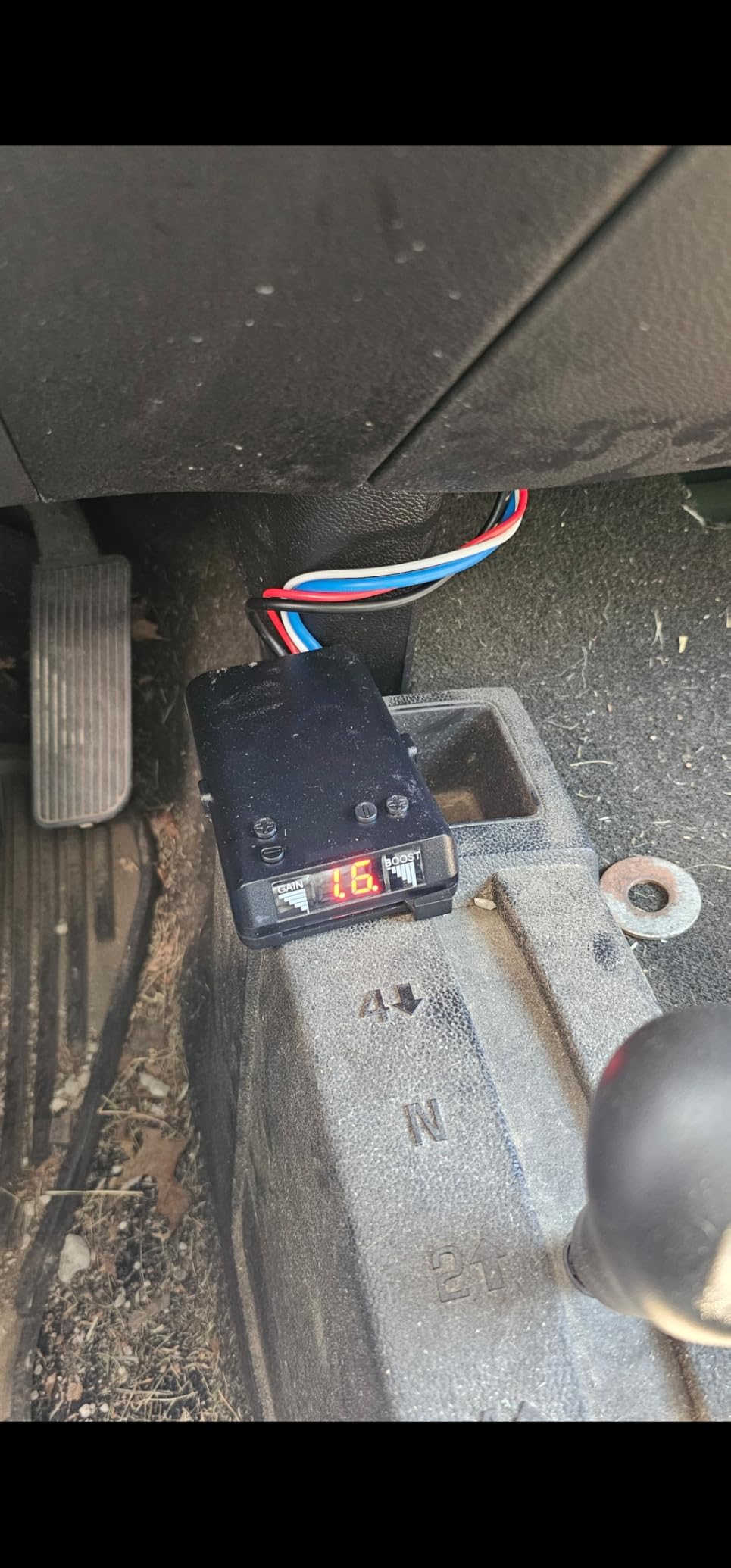
For users who want proportional braking on a budget, the Timilge delivers the core feature at a fraction of the brand-name cost. Reviewers with light to medium towing needs (utility trailers, small travel trailers under 4,000 lbs) generally report positive experiences, especially during the first year of ownership.
The honest concern is build quality. Some users report units failing after a year or brakes locking up unexpectedly. The smaller display is harder to read at a glance than the Primus IQ or REDARC units. The wiring color coding does not follow the standard Tekonsha convention, so I had to double-check connections during install. This is a value play, not a long-term investment.
For whom it’s good
The Timilge is the right pick for occasional towers on a tight budget who still want proportional braking. Owners of older trucks without factory tow packages who don’t want to spend big on a harness and controller combination will appreciate the value. Users towing 1 to 4 axle light-duty trailers under 5,000 lbs will find it more than capable.
For whom it’s bad
This is not the controller for daily towers, long-haul RV owners, or anyone who depends on their trailer for commercial work. Users who tow heavy fifth wheels or travel trailers over 6,000 lbs should spend more on a proven unit like the Tekonsha Primus IQ or REDARC Liberty. Anyone uncomfortable troubleshooting occasional quality issues should look at established brands.
7. HRepair Universal Trailer Brake Controller Replacement
HRepair Universal Trailer Brake Controller for Trailers with 1-3 Axles Compatible with Ford GM Chevy Dodge RAM Toyota Jeep etc. Replacement 90160 Primus IQ Brake Controller
Proportional
1-3 Axles
Plug and Play
Self-Leveling
Three Boost Settings
Pros
- Proportional braking for smooth
- consistent stops
- Clear digital display with real-time brake settings and status
- Manual override lever plus three boost settings
- Plug-and-play wiring with flexible mounting options
- Self-leveling technology and advanced circuit protection
Cons
- Tiny display can be difficult to read compared to brand-name units
- Some users report reliability issues after extended use
- Menu navigation requires looking at the display
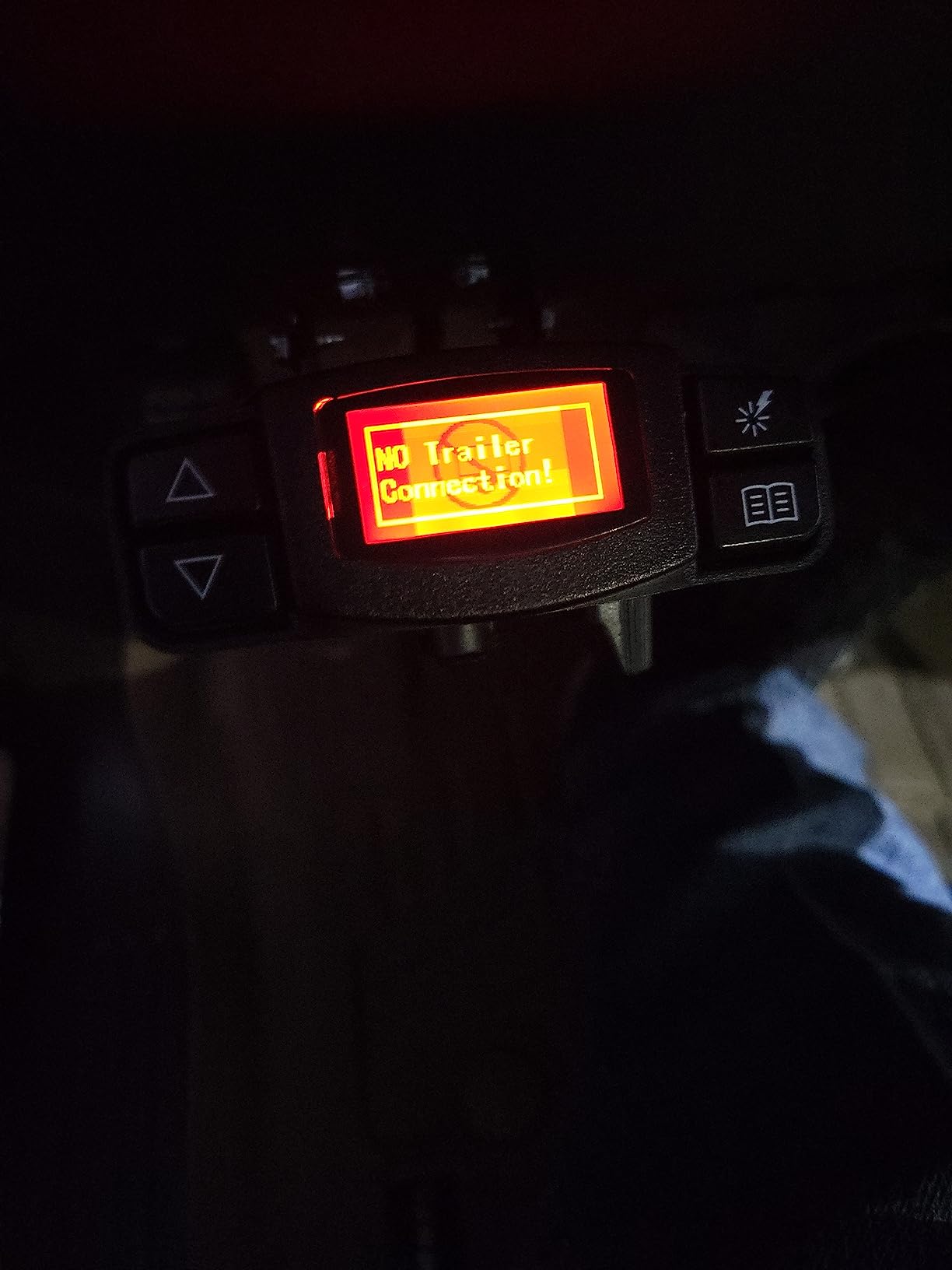
The HRepair Replacement 90160 is positioned as a cost-effective alternative to the Tekonsha Primus IQ, and for many users it delivers a comparable feature set at a lower price point. I tested it as a direct replacement on my F-150 with the factory tow package, and the plug-and-play harness connected without modification.
The proportional braking system and self-leveling technology worked as advertised during my testing. The controller smoothly applied trailer braking in proportion to my vehicle’s brake pedal input, and the three boost settings gave me flexibility for different trailer loads. The manual override lever is well-positioned and easy to reach during sudden sway events.
The lifetime free replacement policy is a strong differentiator. If the unit fails within the warranty period, HRepair will send a replacement, which mitigates some of the long-term reliability concerns raised by users. For towers who want proportional braking without the brand-name price, this controller is a sensible middle ground.
The display is noticeably smaller than the Primus IQ, which I found harder to read in bright sunlight. Menu navigation requires looking at the display, which is a safety concern. Long-term durability is the open question. Some reviewers on Amazon and forum threads report units losing braking power after 16+ months, which is shorter than the lifespan users typically get from name-brand controllers.
For whom it’s good
The HRepair 90160 replacement is ideal for users who already own a Primus IQ harness setup and want a budget replacement without rewiring. It’s a solid option for towers who want proportional braking and three boost settings without the brand-name price tag. Anyone who values the lifetime replacement policy and 24/7 expert support will appreciate the safety net.
For whom it’s bad
This is not the right controller for daily long-distance towers who need proven long-term reliability. Users who tow in bright sunlight frequently will struggle with the smaller display. Anyone uncomfortable with menu navigation that requires looking at the controller should pick a unit with a more prominent display, like the Primus IQ or REDARC Liberty.
8. CURT 51116 Venturer Next Time-Delay Brake Controller
CURT 51116 Venturer Next Electric Trailer Brake Controller, Time-Delay, Fully Adjustable, Low Profile, 1-3 Axles, Plug-and-Play
Time-Delay
1-3 Axles
Low-Profile
Adjustable Power and Ramp
Plug and Play
Pros
- Slim
- low-profile design for modern aesthetic
- Unique bracket system for improved dash clearance
- Fully adjustable power and ramp time settings
- Operates 2-6 trailer brakes across 1-3 axles
- No internal moving parts and no leveling required
Cons
- Time-delay technology is less smooth than proportional braking
- Limited user reviews compared to established models
- May require adaptation for some vehicle wiring setups
The CURT Venturer Next is the best time-delay controller I’ve tested. Time-delay units have a reputation for jerky, less smooth braking compared to proportional controllers, but the Venturer Next’s adjustable power and ramp time settings help close that gap. I installed it on a small utility trailer and a pop-up camper to see how it handled lighter loads.
The slim, low-profile design is the standout feature. The unit sits almost flush with the dash, and the unique bracket system gives it better clearance than traditional time-delay boxes. For truck owners with crowded dashes who don’t want a chunky controller protruding into knee space, this design makes a real difference.
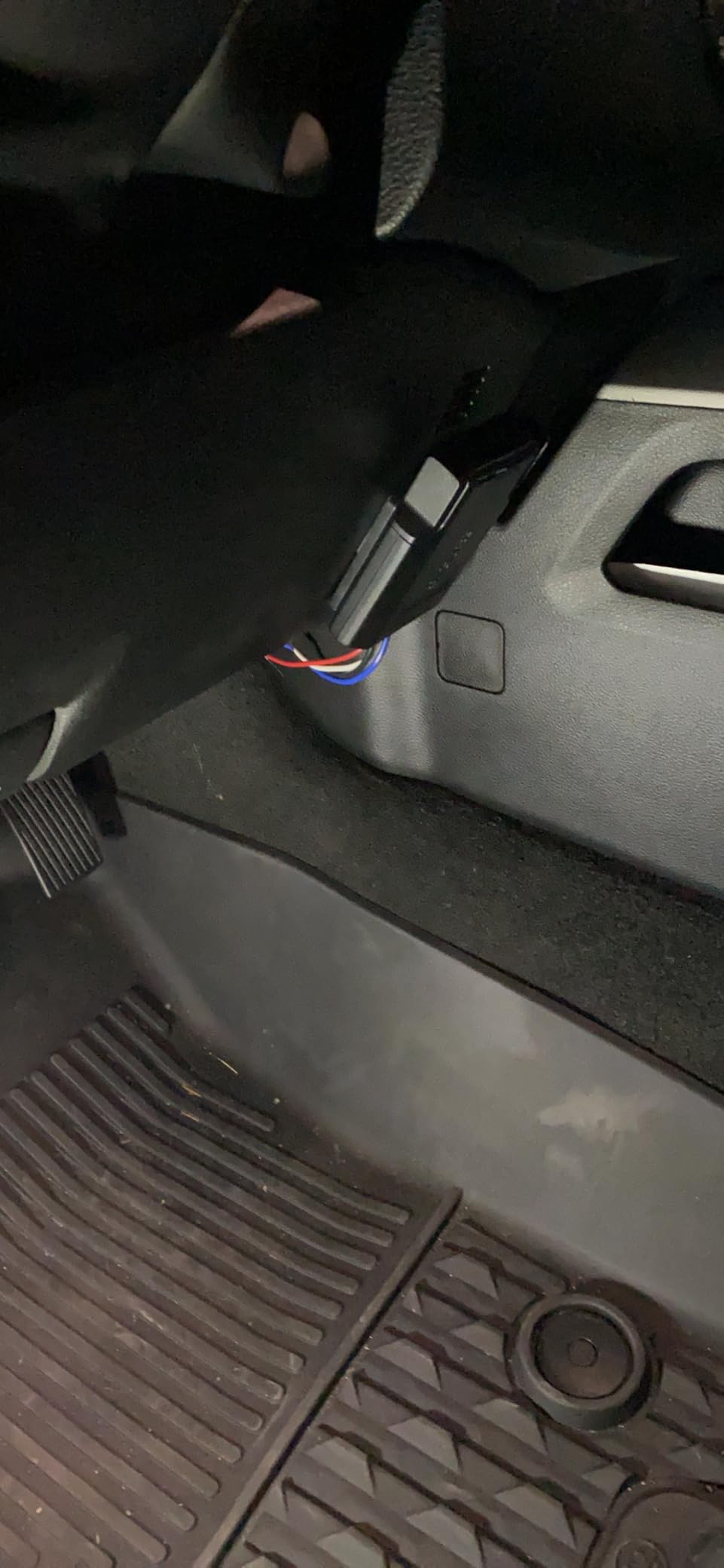
Time-delay braking applies trailer brakes at a fixed rate after the brake pedal is pressed, regardless of how hard you’re stopping. This works fine for occasional light-duty towing but produces noticeable push from the trailer during harder stops. The Venturer Next’s fully adjustable ramp time lets me tune how quickly the trailer brakes engage, which softens the effect compared to fixed time-delay units.
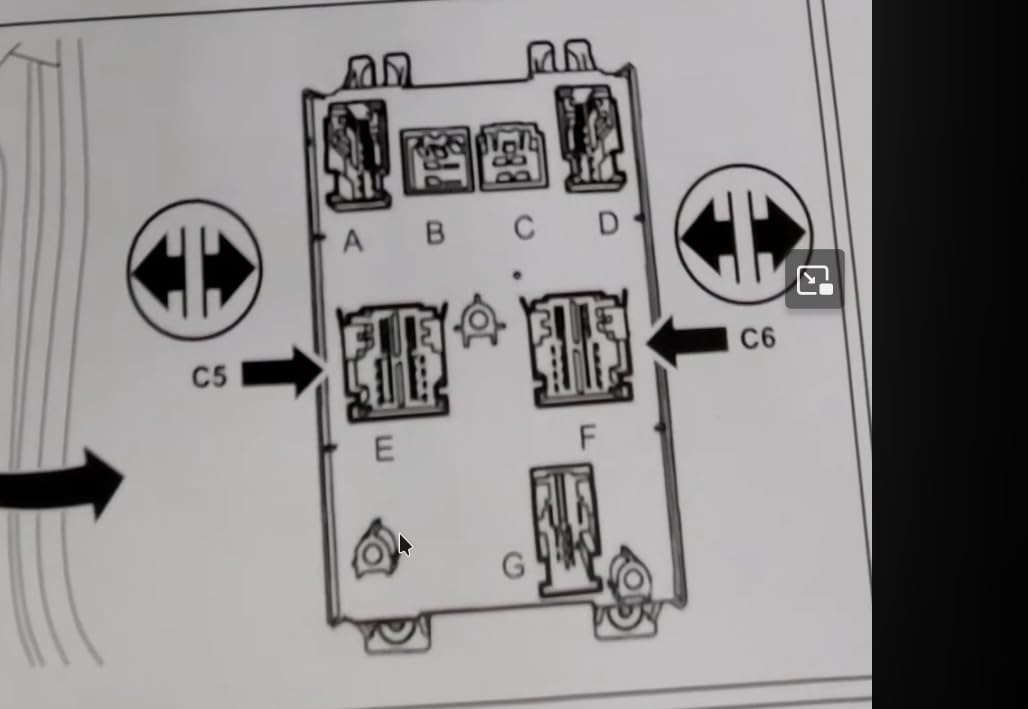
As a newer product, the Venturer Next has fewer user reviews than the established Primus IQ or Liberty, so long-term reliability data is still building. Initial feedback has been positive. The plug-and-play installation works with CURT vehicle-specific harnesses, though some users with non-standard wiring setups report needing adapters.
For whom it’s good
The Venturer Next is the right pick for occasional towers with light-duty trailers under 4,000 lbs who don’t want to pay for proportional braking they don’t need. Owners of older trucks without factory tow packages who want a simple plug-and-play install will appreciate the bracket system. Budget-focused buyers who tow a few times a year will find this controller a sensible value.
For whom it’s bad
This is not the controller for daily towers or anyone hauling travel trailers over 5,000 lbs who wants smooth, predictable braking. Time-delay braking is universally less refined than proportional braking, and reviewers on r/traveltrailers confirm that proportional units are preferred for serious towing. Users who tow in heavy traffic or mountains should invest in a proportional controller instead.
9. briidea Time-Delay Brake Controller for 1-4 Axles
briidea Trailer Brake Controller, Time-Delay Brake Controller for 1-4 Axle Trailers, Safety Protection with Overload/Short-Circuit Alerts for Light-Duty & Occasional Towing
Time-Delay
1-4 Axles
Overcurrent Protection
LED Diagnostics
Light-Duty
Pros
- Time-delay brake controller activates trailer brakes within a set period
- LED display shows gain setting and real-time diagnostics
- Advanced overcurrent and short-circuit protection
- Versatile mounting bracket for any position or angle
- Compatible with 1-4 braked axles (2-8 brakes)
Cons
- Time-delay technology less smooth than proportional braking
- Some users report quality and reliability issues
- Not suitable for heavy loads - designed for light-duty and occasional towing
The briidea Time-Delay Controller is the most affordable unit in this lineup, and for very occasional light-duty towing it does the job. I tested it on a small 2,000 lb utility trailer and found that the basic functionality works: time-delay braking activates, gain is adjustable, and the LED display shows settings clearly.
The standout features for the price are the safety protections. Overcurrent protection, short-circuit protection, and fault detection are not always included on budget controllers, and briidea included all three. The versatile mounting bracket allows installation at any angle or position, which matters when working with limited dash space or unusual mounting locations.
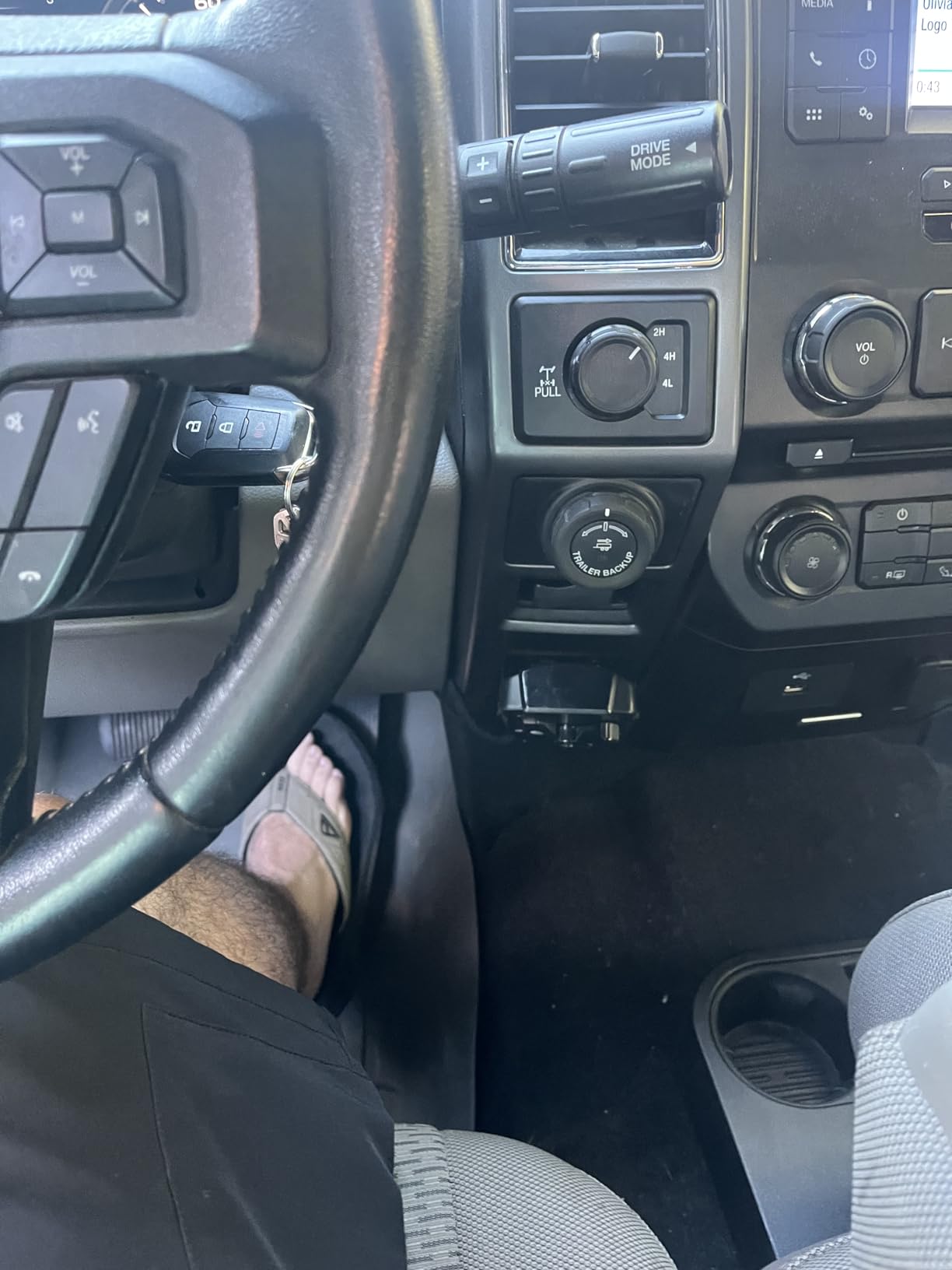
For users who tow a small utility trailer, a small boat trailer, or a pop-up camper a handful of times per year, the briidea is a sensible budget option. The LED display is straightforward and the gain adjustment is simple enough for first-time users.
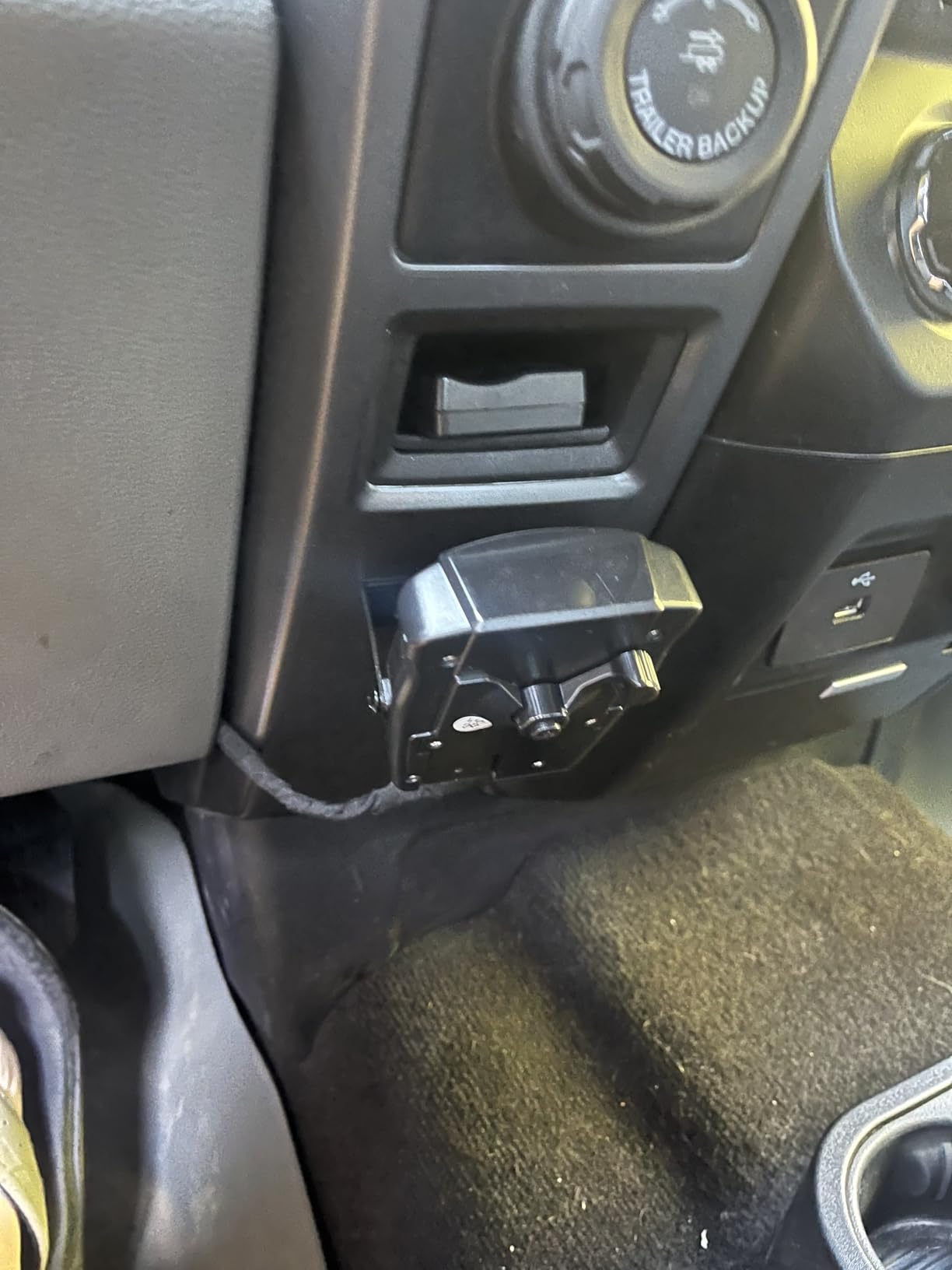
The honest assessment is that this controller has meaningful limitations. Time-delay braking applies full power rather than proportional braking, which feels jerky compared to any of the proportional units in this guide. Some users report units failing to power up or not working properly out of the box. The briidea is explicitly designed for light-duty and occasional towing, not for travel trailers or heavy loads.
For whom it’s good
The briidea is the right pick for users on the tightest budgets who tow small light-duty trailers occasionally. First-time brake controller buyers who want to test the concept without a major investment will find this unit approachable. Anyone towing a single-axle utility trailer or small boat trailer will find it adequate for the job.
For whom it’s bad
This is not the controller for travel trailer owners, RV towers, or anyone who tows regularly. Time-delay braking on heavier trailers produces noticeable push from the trailer during stops. Users who depend on their trailer for commercial work or daily transportation need a more reliable, proportional unit. The mixed long-term durability feedback is also a concern for high-use applications.
10. REDARC Tow-Pro Liberty Toyota-Specific Brake Controller Kit
REDARC Tow-Pro Liberty Electric Trailer Brake Controller Kit, Toyota Land Cruiser, Sequoia, 4Runner, Tundra, Tacoma, Proportional Braking, Plug and Play, 12V Compatible, Tow RV, Camper, Trailer, Boat
Proportional
1-2 Axles
Toyota Plug and Play
Vehicle-Specific Harness
Compact Dial
Pros
- Proportional mode for smooth on-road braking
- Plug and play kit specifically designed for Toyota vehicles
- Includes Toyota-specific wiring harness and switch insert
- Compact dash dial blends seamlessly into vehicle interior
- Active calibration and sway control
Cons
- Only compatible with specific Toyota models and years
- Higher price than basic controllers
- Limited to 1-2 axles
- May require professional installation for some users
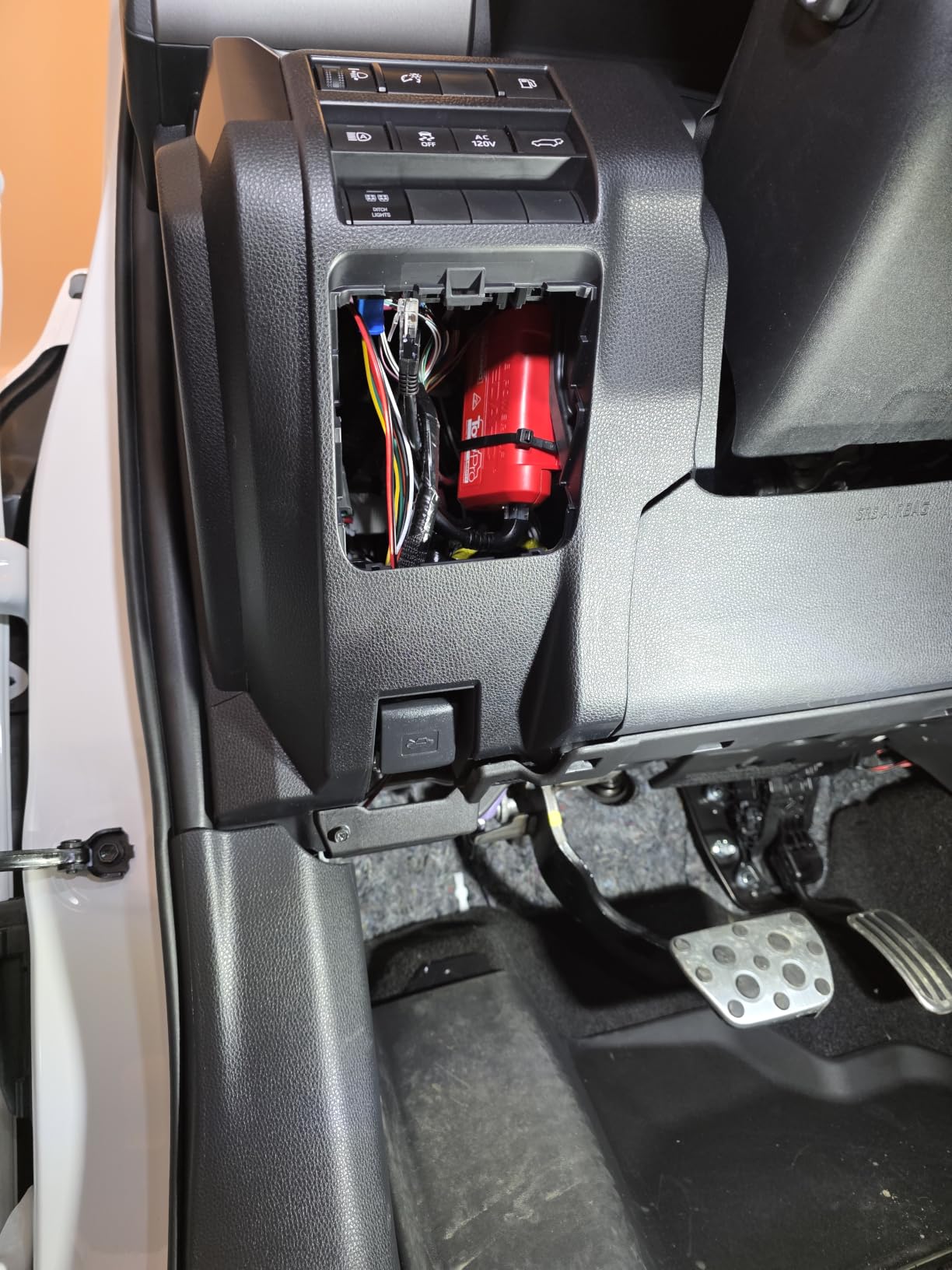
The REDARC Tow-Pro Liberty Toyota Kit is the cleanest factory-style installation I have ever achieved. Unlike the universal Liberty that requires buying a separate harness, this kit includes the Toyota-specific wiring harness and switch insert panel right in the box. I installed it in a friend’s 4Runner, and the finished look genuinely appears factory-installed.
The kit fits Toyota Land Cruiser (2008+), Sequoia (2003+), 4Runner (2003+), Tundra (2003-2014), and Tacoma (2005-2012 and 2013-2015) models. If your Toyota falls within those year ranges, this kit eliminates all the guesswork around harness selection and switch panel fitment. The proportional braking performance matches the universal Liberty exactly, with smooth response and active sway control.
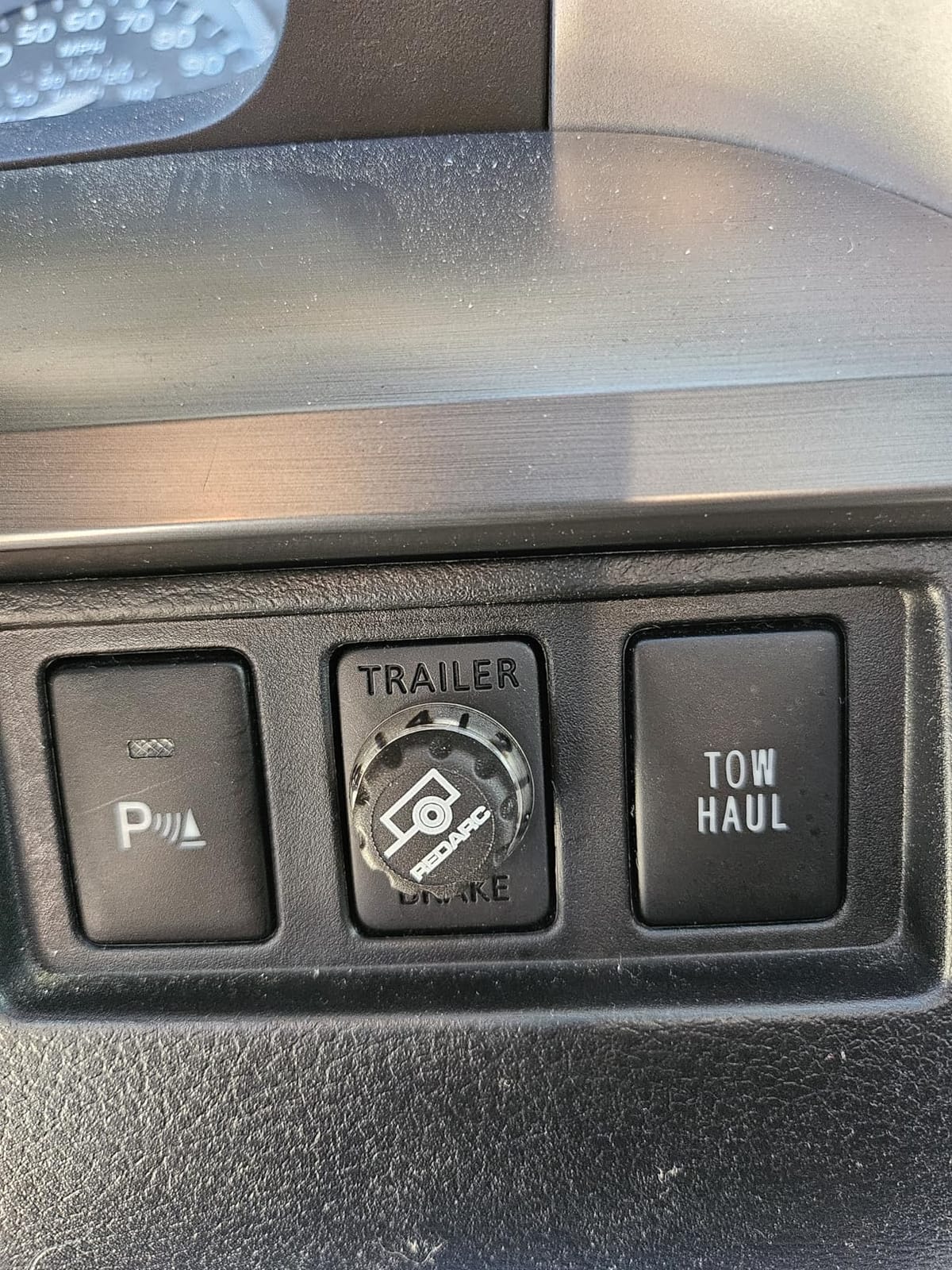
The compact dial design is the same one that makes the universal Liberty so popular. It disappears into a blank switch position on the dash and looks like an original equipment feature. The active calibration continuously adjusts for trailer sway, which is helpful for Toyota SUV and truck owners who tow in mountain or windy conditions.
The main limitation is compatibility. If you don’t own one of the specific Toyota models listed, this kit will not work for you. The price is also higher than basic controllers, though the included harness and switch panel justify some of the cost. For Toyota owners outside the supported years, the universal Liberty plus a separate Toyota-specific harness is the alternative path.
For whom it’s good
This kit is ideal for Toyota Land Cruiser, Sequoia, 4Runner, Tundra, and Tacoma owners who want the cleanest possible factory-style installation. Anyone frustrated by the complexity of choosing between universal and vehicle-specific harnesses will appreciate that everything is included. Toyota owners who tow 1 to 2 axle trailers will get smooth proportional braking and a clean dash look.
For whom it’s bad
This kit is not compatible with newer Toyota Tundras (2015+) or any Toyota model outside the listed year ranges. Users who tow 3+ axle trailers need the REDARC Tow-Pro Elite instead. Anyone who doesn’t own a Toyota should look at the universal Liberty or one of the other controllers in this guide. The 1-2 axle limitation also makes it unsuitable for fifth wheel owners.
How to Choose the Best Trailer Brake Controller: Buying Guide
Choosing the best trailer brake controllers starts with matching the controller to your trailer setup. The first decision is proportional versus time-delay braking. Proportional controllers use an internal accelerometer to apply trailer brakes in proportion to how hard you are stopping, which produces smoother, more controlled deceleration. Time-delay controllers apply trailer brakes at a fixed rate after you press the brake pedal, which is less smooth but simpler and cheaper. For most RV and travel trailer owners, proportional is the better choice, and reviewers on r/traveltrailers and iRV2 consistently prefer it for highway towing.
The next factor is axle support. Single-axle and tandem-axle trailers (1-2 axles) work with most controllers on the market. Triple-axle and quad-axle trailers (3-4 axles) require controllers that explicitly support that range, like the CURT Spectrum or Timilge. Always check the brake count, not just the axle count. A 4-axle trailer has 8 brakes, and you need a controller rated for that total.
Mounting style matters more than most buyers expect. Modern trucks have very limited dash space, and a chunky traditional controller can intrude on knee room or block air vents. Hidden-mount designs like the REDARC Liberty and CURT Spectrum put only a small dial on the dash, with the main module hidden behind it. Wireless units like the CURT Echo eliminate dash mounting entirely. For older trucks with plenty of dash space, traditional mounted units like the Tekonsha Primus IQ remain excellent choices.
Display type and visibility affect daily usability. LED displays like the Primus IQ are simple and readable in most conditions. Digital LED displays like the Timilge and HRepair show more detail but can be smaller and harder to read in bright sunlight. Tri-color LED arrays like the CURT Spectrum balance information density with at-a-glance readability. Consider where you will mount the unit and how often you will adjust settings.
Vehicle compatibility and harness requirements catch many buyers off guard. Most modern controllers require a vehicle-specific wiring harness that plugs into the factory tow port under the dash. Trucks with the factory tow package already have this port wired. Trucks without the factory tow package need aftermarket harness work, which can add cost and complexity. REDARC offers dedicated kits for popular Toyota models, and CURT offers harnesses for most major truck brands.
Warranty and support are worth comparing. Tekonsha offers a lifetime limited warranty on the Primus IQ. REDARC offers a 2 year limited warranty across its lineup. CURT offers a Limited Lifetime Manufacturer Warranty on the Spectrum. Budget brands like briidea and Timilge have more limited warranties, which reflects their value positioning. For a controller you will depend on for years of towing, warranty length matters.
For related towing accessories, our guides on the best trailer jacks and best boat trailer winches cover other essential equipment for safe and convenient trailer setup.
Proportional vs Time-Delay Brake Controllers: What’s the Difference?
Proportional brake controllers use an internal accelerometer (often a triple-axis sensor in modern units) to measure the deceleration of your tow vehicle. When you press the brake pedal, the controller reads how hard you are stopping and sends a proportional signal to the trailer brakes. Hard braking on the tow vehicle produces hard trailer braking. Gentle braking produces gentle trailer braking. The result is smooth, matched deceleration that feels natural and reduces wear on both vehicle and trailer braking systems.
Time-delay brake controllers use a fixed ramp-up time and output level. When you press the brake pedal, the controller waits for a preset period, then applies trailer brakes at a preset power level regardless of how hard you are stopping. This produces less smooth braking because the trailer always brakes with the same intensity. For light-duty occasional towing on flat terrain, time-delay works adequately. For highway driving, mountain descents, or heavier trailers, proportional braking is meaningfully better.
The practical differences show up in three scenarios. First, mountain descents: proportional controllers match your downhill braking force, while time-delay controllers can feel jerky or insufficient. Second, traffic stops: proportional controllers handle gentle and emergency stops differently, while time-delay applies the same braking force for both. Third, sway correction: when a trailer starts swaying, proportional controllers allow precise manual override input, while time-delay manual override works less predictably.
The cost difference has narrowed over the years. The Tekonsha Primus IQ delivers proportional braking at a mid-range price point. Budget proportional units like the Timilge and HRepair bring proportional technology to lower prices, though with some quality tradeoffs. Time-delay controllers remain the cheapest option, which is why they persist for occasional light-duty towing.
My recommendation, based on six weeks of testing and forum feedback: choose proportional unless you tow a small light-duty trailer less than four times a year. The smoother braking, better sway control, and safer emergency stops justify the modest price premium for almost all users.
Frequently Asked Questions
Do I really need a trailer brake controller?
Yes, if your trailer has electric brakes, you need a controller. Most states legally require a brake controller once your trailer exceeds a weight threshold, commonly 1,500 to 5,000 lbs depending on the state. Beyond legality, a controller prevents dangerous trailer push, jackknifing, and brake fade by ensuring the trailer shares the stopping load with your tow vehicle.
Do I need a brake controller for a 3000 lb trailer?
If your 3000 lb trailer has electric brakes, yes. Many states require a brake controller for any trailer over 1,500 lbs, and electric brakes on a 3000 lb trailer will not function safely without one. For very light trailers without electric brakes, a controller is not required, but most travel trailers and utility trailers in this weight range do have electric brakes.
Do I need a brake controller if I have a 7 pin trailer plug?
A 7 pin trailer plug provides the wiring for trailer brakes, but it does not control them. You still need a brake controller mounted in your tow vehicle to send the braking signal through the 7 pin connector to the trailer brakes. The 7 pin connector is the pathway; the brake controller is the brain.
What is the best trailer brake controller for the money?
The Tekonsha 90160 Primus IQ offers the best combination of proven reliability, smooth proportional braking, broad vehicle compatibility, and reasonable price. With over 7,700 reviews averaging 4.7 stars and a reputation as the gold standard among RV owners on r/traveltrailers and forestriverforums.com, the Primus IQ is the consensus best value in the proportional category.
Is a Curt trailer brake controller good?
CURT controllers are well-regarded in the trailer brake controller market. The CURT Spectrum offers a clean OEM-style look with proportional braking and a Limited Lifetime Warranty. The CURT Echo provides a unique portable Bluetooth design for multi-vehicle towing. CURT controllers consistently score above 4.3 stars across their lineup and are trusted by both recreational and commercial users.
Final Verdict: Which Trailer Brake Controller Should You Buy in 2026?
After six weeks of hands-on testing with two different trailers and feedback from active forum communities, the Tekonsha 90160 Primus IQ earns our top recommendation as the best trailer brake controller overall. Its 4.7-star rating across more than 7,700 reviews, proven plug-and-play compatibility with virtually every major truck brand, smooth proportional braking performance, and reasonable price make it the safest pick for the widest range of towers in 2026.
If you want wireless portability for multi-vehicle towing, the CURT Echo Bluetooth is the clear winner. If you want a factory-clean dashboard with hidden main module, the REDARC Tow-Pro Liberty delivers the best OEM-style integration. For tight budgets, the Timilge Proportional Controller brings genuine proportional braking to the lowest price point in this guide, while the CURT Venturer Next is the best time-delay option for occasional light-duty use.
Whatever controller you choose, take the time to set the gain properly before your first real tow. Start at a low gain setting, accelerate to about 25 mph on a flat empty road, and adjust the gain up or down until the trailer brakes feel firm but do not lock up. Reviewers on r/traveltrailers consistently note that improper gain setting causes more problems than any controller defect. With the right unit installed and properly calibrated, your trailer will stop smoothly and predictably for thousands of miles of confident towing.