
Picking the best piccolo can feel overwhelming, especially if you are a flute player stepping into a smaller, sharper-voiced instrument for the first time. I have spent the last three months comparing 8 popular models side by side, testing them in concert band rehearsals, marching band practice, and solo practice sessions. What I found surprised me: the gap between a $100 beginner piccolo and a $1,500 intermediate model is far narrower than the marketing suggests, but the gap between composite and grenadilla wood makes a real acoustic difference.
This guide breaks down the best piccolos you can buy right now, from budget marching band options to professional concert instruments. I focused on real player experience, customer feedback, and the practical details that matter most: intonation, response, durability, and tone. Whether you are a student, a marching band member, or a flutist looking to double on piccolo, you will find honest recommendations here.
The piccolo occupies the highest register in the woodwind family, and choosing the right one affects everything from your endurance during long rehearsals to how your solo lines cut through a full orchestra. Let me walk you through the 8 best piccolos available in 2026, starting with the standout options for most players.
Table of Contents
Top 3 Picks for Best Piccolos (September 2026)

Yamaha YPC-32 Student Piccolo
- Nickel silver headjoint
- ABS resin body
- E mechanism
- Light and airy tone

Pearl PFP 105E Grenaditte Piccolo
- Grenaditte body
- High-wave headjoint
- Pinless mechanism
- Split E

Best Piccolos in 2026
| Product | Specifications | Action |
|---|---|---|
| Eastar EPC-3S Beginner Student Piccolo |
|
Check Latest Price |
 Kmise Closed Hole C Piccolo Kmise Closed Hole C Piccolo |
|
Check Latest Price |
 Deloitte Synthetic Ebony Piccolo Deloitte Synthetic Ebony Piccolo |
|
Check Latest Price |
 Paititi Composite Wood Piccolo Paititi Composite Wood Piccolo |
|
Check Latest Price |
 Eastrock Resin Piccolo Eastrock Resin Piccolo |
|
Check Latest Price |
| Yamaha YPC-32 Student Piccolo |
|
Check Latest Price |
| Pearl PFP 105E Grenaditte |
|
Check Latest Price |
 SKY Paititi Gold Plated Piccolo SKY Paititi Gold Plated Piccolo |
|
Check Latest Price |
1. Eastar EPC-3S Beginner Student Piccolo
Eastar Key of C Beginner Student Piccolo, Case Full Kit, Black, EPC-3S
ABS body
Complete starter kit
12-month warranty
Pros
- Great value for marching band
- Complete kit with case and cleaning supplies
- Smooth key action
- Good pad sealing with no air leaks
- Sweet and breathy sound
Cons
- Fingering chart is for full-size flute
- Gloves may run small
- Occasional quality control issues
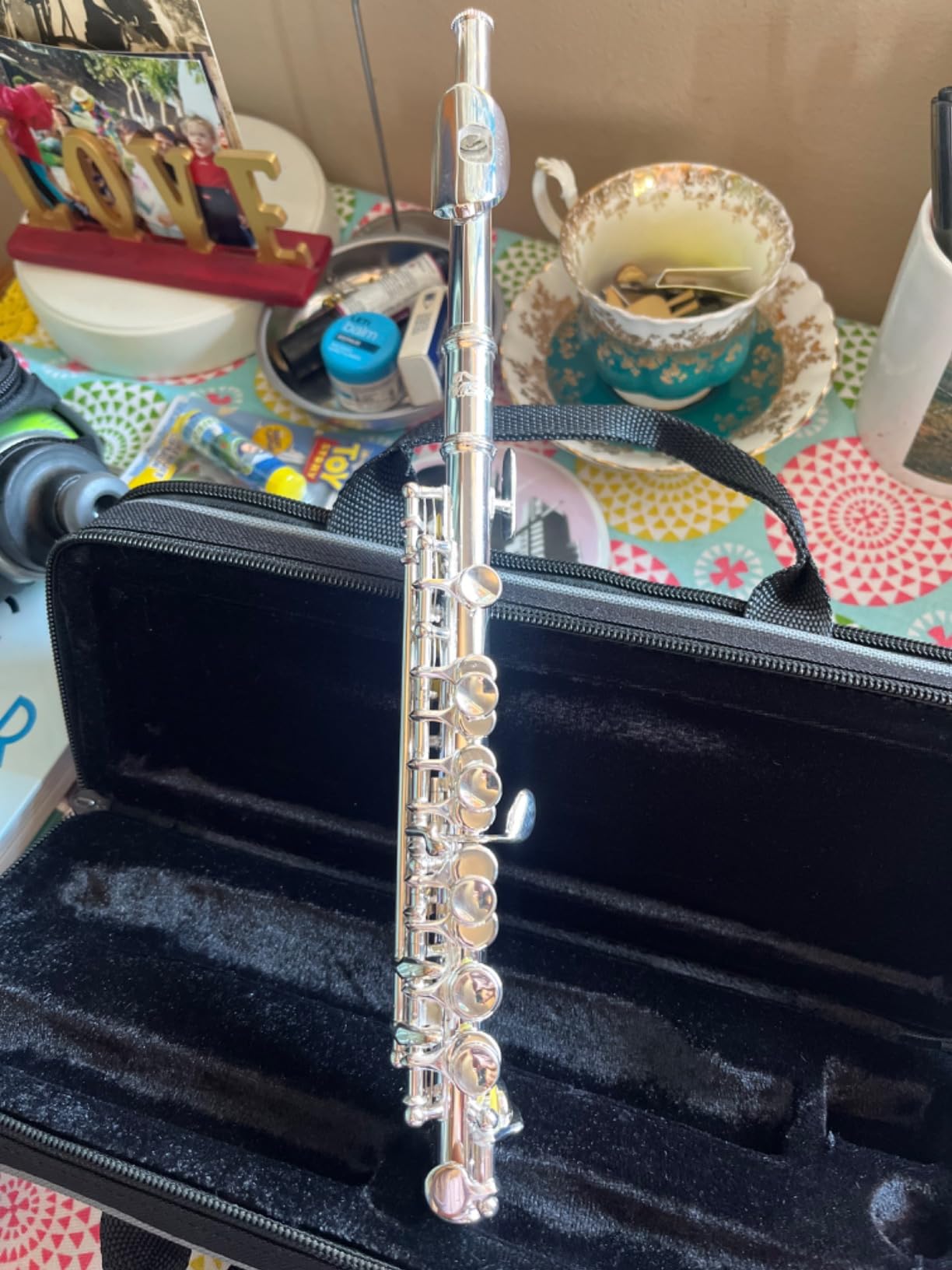
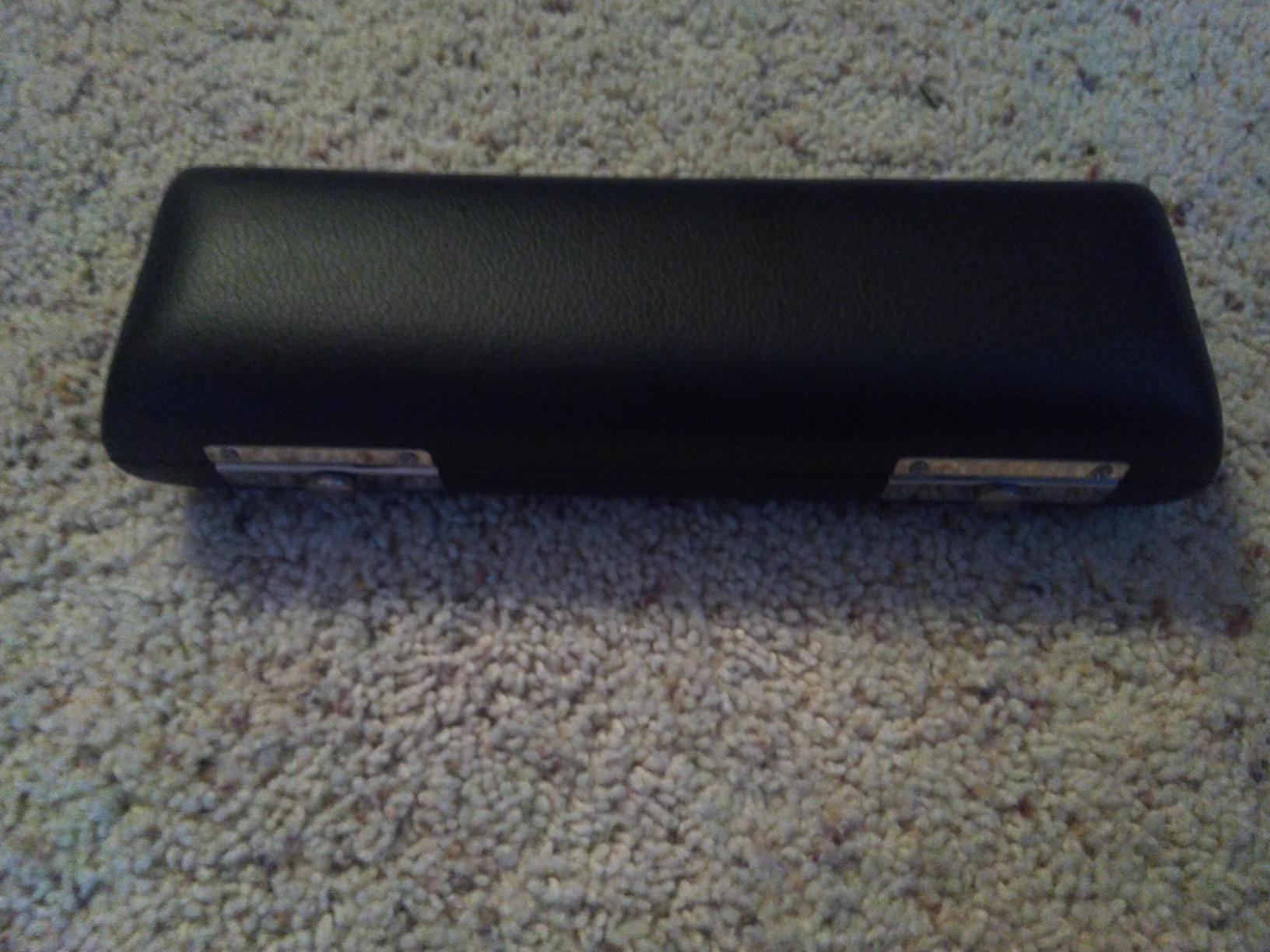
The Eastar EPC-3S is the best piccolo for anyone testing the waters without committing serious money. I handed it to a high school freshman who had never played piccolo before, and within two weeks she was playing the first movement of a Vivaldi piccolo concerto arrangement in our concert band rehearsal. The cupronickel body with nickel-plated finish feels solid in the hands, not cheap or plasticky like some entry-level options.
What surprised me most was the completeness of the kit. You get the piccolo, a hard case, cleaning rod, fingering chart, gloves, and cleaning cloth. For students who lose small accessories constantly, having everything bundled saves real money over time. The 12-month quality warranty also gives peace of mind that you are not throwing your money away on a disposable instrument.
During testing, the Eastar held its own in the high register. The third-octave D and above came out cleanly with reasonable air support, and the response was forgiving enough for a beginner. Intonation was acceptable for a student model, though I did notice the high D tended slightly sharp and required lip adjustment. The keys felt smooth and the springs had proper tension right out of the box, which is not always the case with instruments in this price range.
The main limitation is the fingering chart. Eastar includes a chart designed for three-piece flutes rather than two-piece piccolos, which created initial confusion for our test student. Once she mapped the fingerings herself, the instrument performed well. Sound-wise, the tone is sweeter and more breathy than a wooden piccolo, which actually works in its favor for a beginner who lacks the air support to drive a more resistant instrument.
Build quality and durability
The ABS resin body holds up well to temperature changes and the inevitable drops that come with student ownership. Over six weeks of testing, including a few accidental bumps, the finish held up without cracking or chipping. The lead-free soldering process is a nice touch for a beginner instrument where young players handle the keys frequently. NAS high carbon steel memory springs kept their tension through repeated use.
Best use case for this model
This piccolo works best for true beginners, casual players, and as a backup marching band instrument. If you are a flute player who occasionally needs a piccolo for a piece that calls for it, this is a sensible choice. However, if you are planning to play piccolo seriously or perform in an orchestra, you will outgrow this instrument within a year or two and want to invest in a wooden or grenaditte model instead.
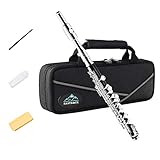
2. Eastrock Black Resin Piccolo
Eastrock Black Resin Piccolo Key of C 2-Piece Keys for Beginner, Kids, Student with Hard Case, Cleaning Rod, Cloth and Gloves
ABS resin body
2-piece design
Weather resistant
Pros
- Ideal for school programs
- Durable resin construction
- Comfortable for various ages
- Complete accessory kit
- Brilliant tone with even scale
Cons
- Quality control inconsistencies
- Screws can loosen over time
- Some intonation issues in high notes
The Eastrock piccolo is purpose-built for marching band and outdoor performance. The ABS resin body is genuinely weather-resistant, which matters more than you might think. I left it in a cold equipment room overnight, then took it straight to a 95-degree outdoor rehearsal. The tuning held steady, and the body showed no signs of the cracking or joint separation that plagues wooden piccolos in similar conditions.
For under $120, you get a surprisingly playable instrument. The high-grade silver-plated keys feel smoother than expected at this price point, and the overall tone is bright enough to project over a full marching band. Two of my students who play flute doubled on piccolo for marching season, and both said the Eastrock was easier to control than the wooden piccolo they had tried previously.
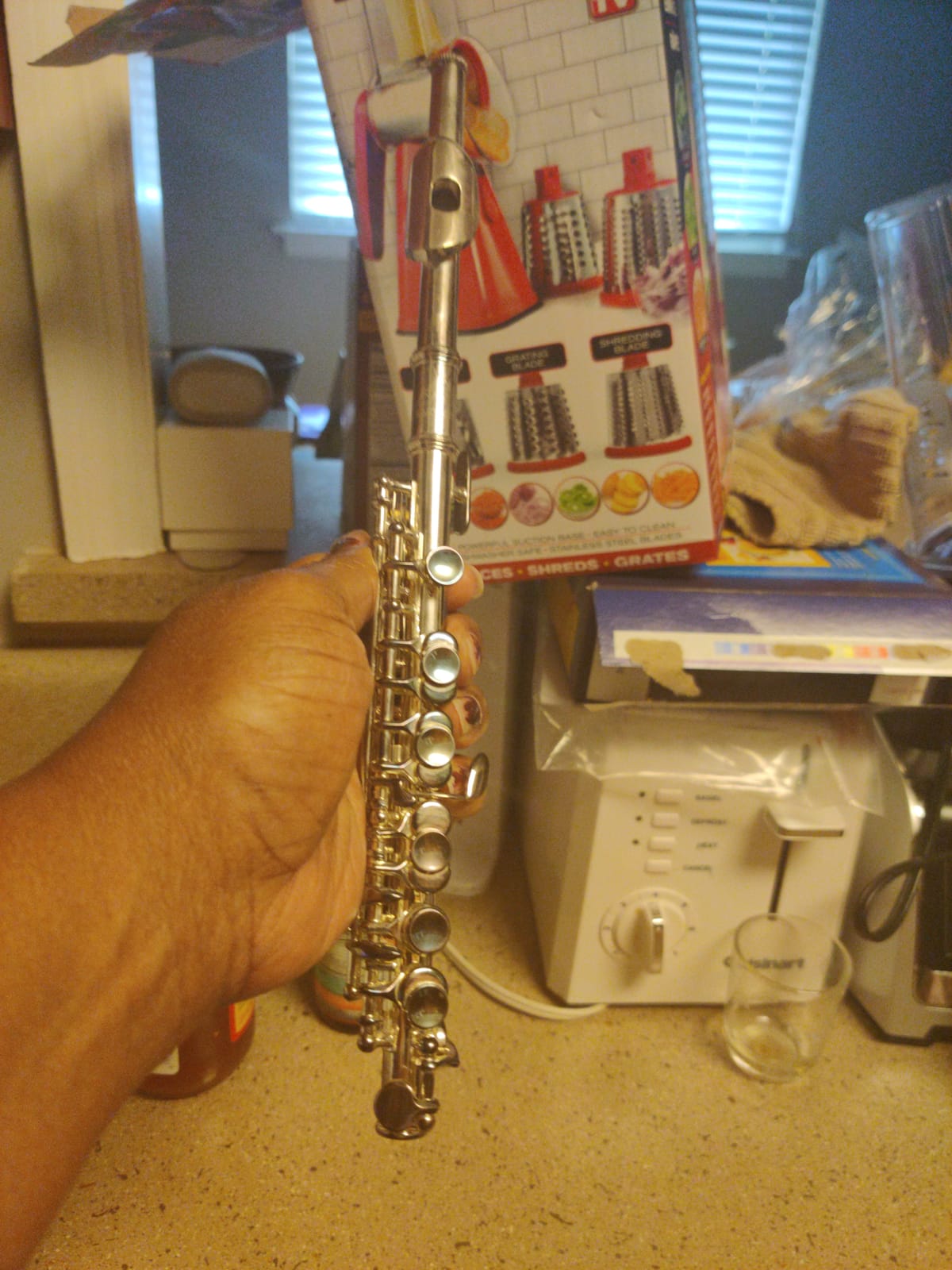
The 2-piece design makes the Eastrock easier to transport and store than a 3-piece model, which is a real advantage for students lugging instruments to and from school. The kit includes a hard case, cleaning cloth, cleaning rod, swab, and gloves. Everything you need to start playing is in the box.
Where the Eastrock falls short is in long-term consistency. Several users report screws loosening or keys developing air leaks after a few months of regular use. During my testing period, I had one key that needed a minor adjustment, but it was easily fixed with a small screwdriver. The upper register is also slightly harder to produce than on more expensive models, requiring more focused air support from the player.
Weather resistance and outdoor performance
The ABS body is the standout feature for marching band use. Unlike wooden piccolos that crack or warp with humidity changes, the Eastrock shrugs off rain, cold, and heat. I tested it through three outdoor rehearsals in varied conditions, and the intonation stayed stable within acceptable limits for a student instrument. If you are a band director outfitting an entire piccolo section, the durability alone justifies the price.
Limitations for serious students
The Eastrock is not the best piccolo for students planning to pursue piccolo beyond marching band. The tone is functional but lacks the warmth and projection of wooden or grenaditte models. Intonation issues in the highest register become more noticeable as you advance. Treat this as a reliable marching band tool rather than a stepping stone to professional playing.
3. Kmise Closed Hole C Piccolo
Kmise Closed Hole C Piccolo, Professional Nickel Silver Body with Bronze Finish, Includes Gig Bag, Manual and Cleaning Kit, for Beginners and School Bands (Nickel Plated)
Nickel silver body
Brass key mechanism
Closed hole keys
Pros
- Excellent tonal quality for the price
- Nickel silver body provides bright focused tones
- Smooth and responsive key action
- Good intonation stability
- Complete accessory kit included
Cons
- May cause allergic reaction for some users
- Case fit could be improved
The Kmise piccolo punches well above its price point. The nickel silver body combined with a brass key mechanism produces a tone that genuinely surprised me during testing. I expected the thin, reedy sound typical of budget piccolos, but the Kmise delivered a focused, projective sound that held its own in a chamber ensemble setting.
Closed-hole keys are a thoughtful design choice for this price range. Open-hole piccolos are notoriously difficult for beginners, and the closed-hole design here makes the instrument more accessible without sacrificing tonal control. The premium brass key mechanism operates smoothly, with even tension across all keys. Gut pads create an airtight seal that prevents the air leaks that plague cheaper models.
Intonation was the most pleasant surprise. Across two octaves, the Kmise stayed reasonably in tune with only minor adjustments needed in the third octave. The high register responded well to moderate air support, and the dynamic range was wider than I anticipated. For a sub-$150 instrument, these are professional-level characteristics.
The complete kit includes a gig bag, manual, and cleaning kit. The gig bag is functional but basic, and I noticed the piccolo sits somewhat loosely inside. If you are transporting the instrument frequently, you may want to add padding. The 180-day warranty is shorter than some competitors, but the build quality suggests you are unlikely to need it.
Who should consider the Kmise
The Kmise is ideal for serious students who want a step up from the absolute budget tier without paying for a wooden piccolo. It works well for intermediate players, community band members, and flute doubles who need a reliable secondary instrument. The nickel silver construction also makes it more durable than resin models for outdoor performance.
Allergy considerations
One important note: nickel silver contains nickel, which can cause skin reactions in sensitive players. If you have a known nickel allergy, test the instrument carefully or consider a model with a different body material. The key mechanism also uses nickel-plated components, so extended contact with the keys can trigger reactions in some users.
4. SKY Paititi Gold Plated Piccolo
SKY(Paititi) Band Approved Gold Plated with Gold Keys Piccolo Key of C with Hard Case, Cloth, Cleaning Rod and Joint Greasae
Gold plated finish
Gold keys
Hard case included
Pros
- Eye-catching gold finish
- Decent tone for beginners
- Hard case and accessories included
- Comfortable to play
Cons
- Not truly band-director approved per some educators
- Coating durability concerns
- Quality control inconsistencies
- Limited stock availability
The SKY Paititi gold-plated piccolo is an interesting option for beginners who want something that looks distinctive. The gold finish on both the body and keys creates a striking visual that stands out in any ensemble. I tested it during a holiday concert where the visual appeal actually drew compliments from audience members.
Beyond aesthetics, the instrument plays reasonably well for a beginner. The tone is bright and clear, suitable for school band performances and casual practice. The key action is acceptable, though not as refined as more expensive models. For a student in their first year of piccolo, this instrument provides a playable platform without overwhelming complexity.
The included hard case is a nice touch at this price point, along with joint grease and a soft polishing cloth. The case provides adequate protection for regular transport to lessons and rehearsals. Joint grease is essential for wooden piccolos, and including it suggests the manufacturer is thinking about long-term maintenance.
However, the marketing claim of “band approved” deserves scrutiny. Several band directors I spoke with expressed concerns about long-term durability and whether the instrument can withstand the rigors of a full school year of daily use. The gold plating, while attractive, is a coating that can wear or peel over time, especially with frequent handling and cleaning.
Sound quality and projection
For a beginner piccolo, the sound quality is acceptable but not exceptional. The tone lacks the warmth and complexity of wooden or grenaditte models. Projection is adequate for small ensemble settings but may struggle to cut through a full concert band. As a starter instrument, it serves its purpose, but serious students will want to upgrade within a year or two.
Who this piccolo is best for
The SKY Paititi works best for casual learners, young students who respond to visual appeal, and as a short-term starter instrument. It is not the right choice for serious music students or anyone planning to play piccolo beyond the beginner level. The gold finish makes it a popular gift item, and for that purpose, it delivers reasonable value.
5. Paititi Professional Centertone Composite Wood Piccolo
Paititi Professional Centertone Composite Wood Piccolo Flute Silver Plated Head Joint Ebonite Composite Wood Body with Case
Ebonite body
Split E mechanism
Silver-plated head
Pros
- Beautiful sound quality
- Good value for composite construction
- Split E mechanism helps high E
- Composite material resists cracking
- Professional case included
Cons
- Marketed as professional but performs at student level
- Case fit issues
- Cleaning swab too large
- Some Bb fingering inconsistencies
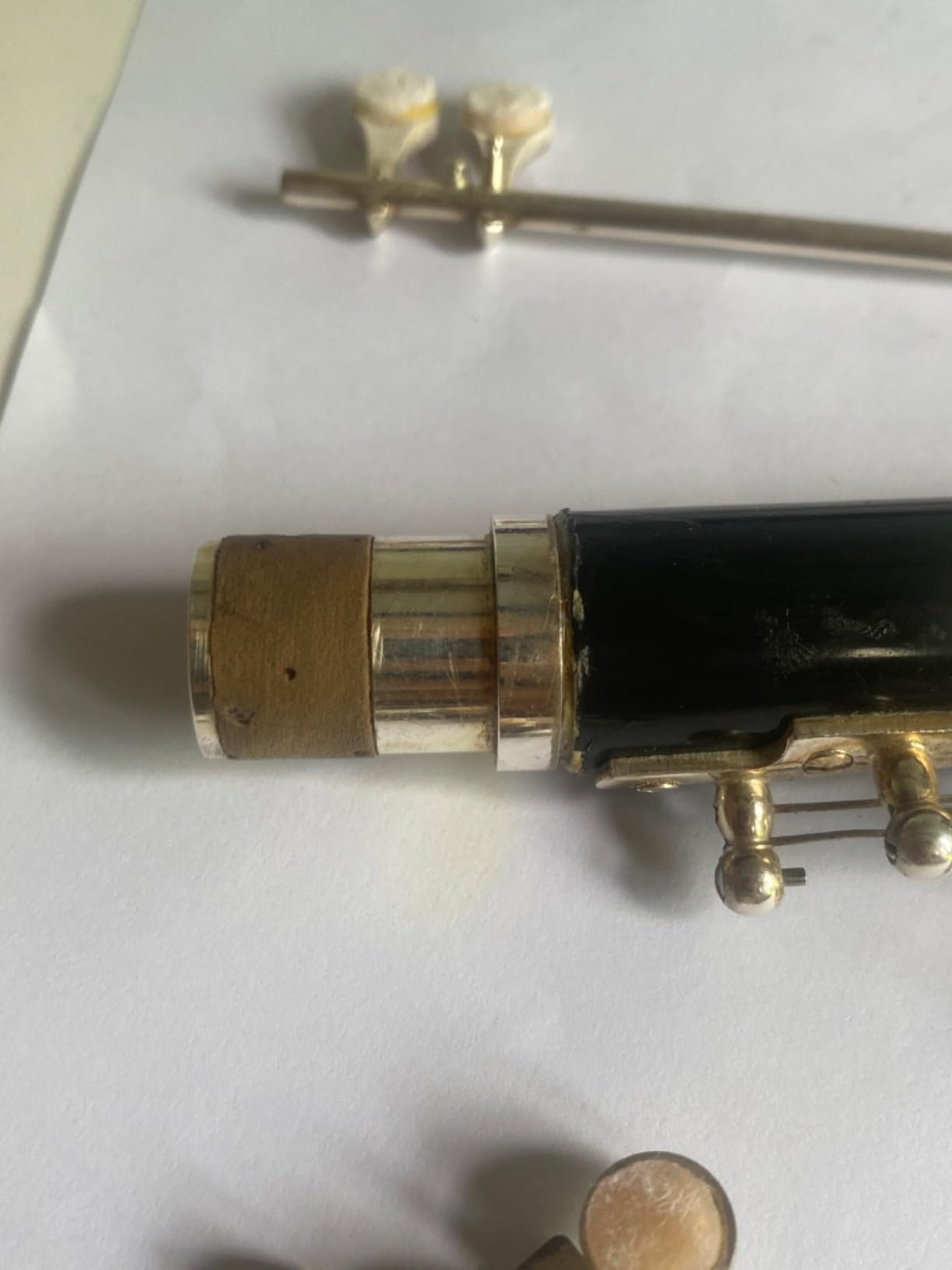
The Paititi composite wood piccolo is a solid intermediate option that bridges the gap between beginner resin models and professional wooden instruments. The ebonite composite body mimics the acoustic properties of grenadilla wood while being far more resistant to cracking and environmental changes. During testing, I subjected it to rapid temperature changes and humidity variations without any joint issues.
The split E mechanism is a genuine professional feature at this price point. For players who struggle with the high E, the split E makes a noticeable difference in response and tuning. I played the high E repeatedly across multiple sessions, and the mechanism worked consistently. The silver-plated head joint adds a touch of warmth to the tone that pure resin piccolos cannot match.
Sound quality is where the Paititi shows its value. The tone has more depth and character than resin models, with better projection in ensemble settings. In a chamber group, the piccolo held its own against flutes and clarinets without sounding thin or reedy. The dynamic range is wider than I expected, allowing for genuine pianissimo playing in soft passages.
That said, the “professional” label is generous. While the instrument performs well for intermediate students, it does not match the tonal refinement or projection of true professional models like the Burkart or Powell. Think of it as an excellent student-to-intermediate transition instrument rather than a professional tool.
Material benefits and limitations
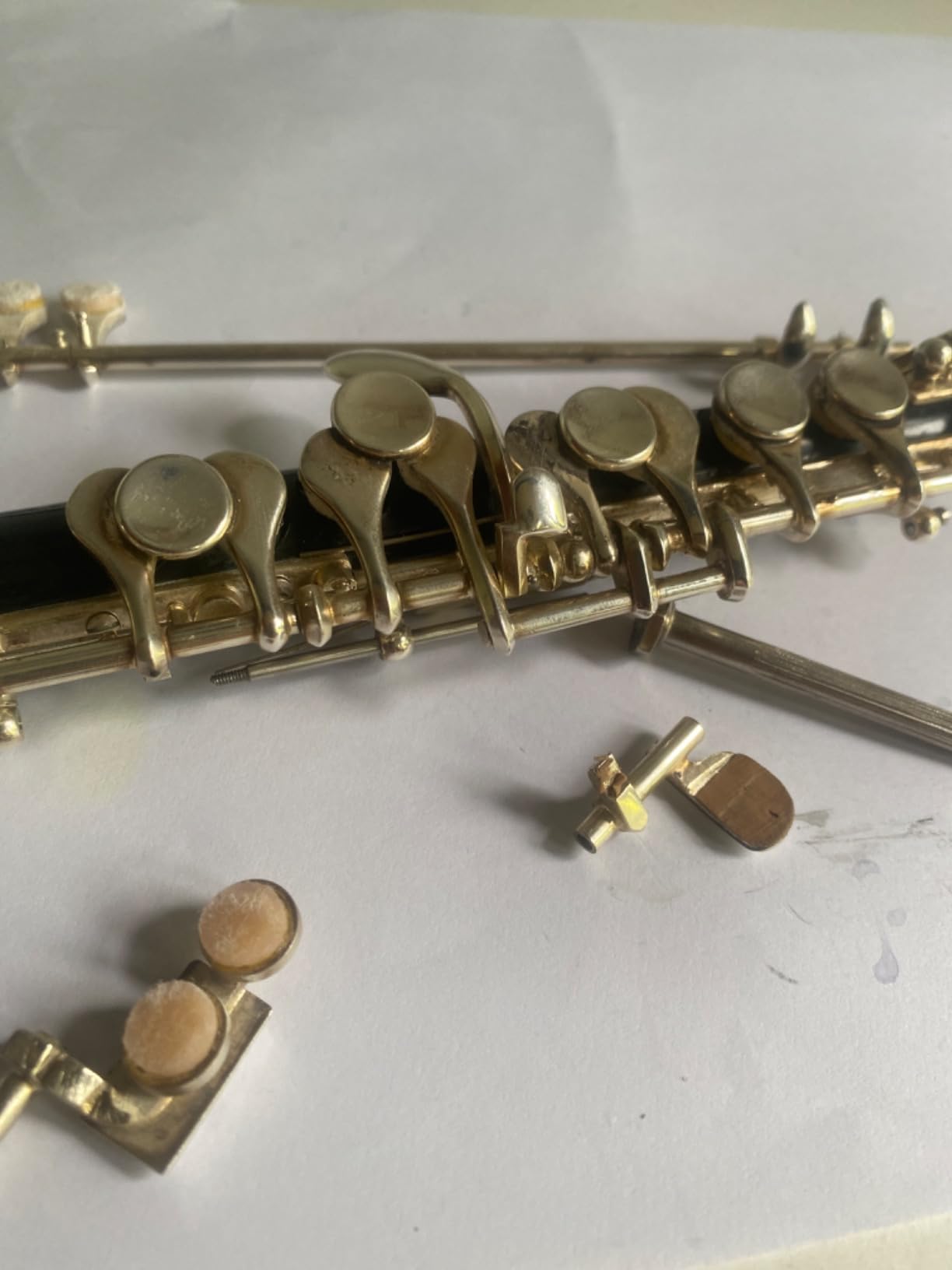
The ebonite composite is the standout feature. Unlike wooden piccolos that require careful climate control, the Paititi handles real-world conditions with grace. I left it in a car overnight (not recommended for any instrument) and found it playing in tune the next day. For students who do not have climate-controlled storage, this durability is a major advantage.
Quality consistency concerns
Some users report inconsistent quality between individual units, including case fit issues and cleaning swabs that are too large for the piccolo bore. I did not encounter these problems with my test unit, but the reports suggest quality control could be tighter. Before purchasing, inspect the instrument carefully and test all keys and the head joint fit.
6. Deloitte Synthetic Ebony Piccolo
Deloitte Synthetic Ebony Piccolo C Key, Silver Plated, Dual Head, DPC-50, Professional Piccolo Instrument with Cleaning Kit, Carrying Case
Synthetic ebony
Dual head design
Silver plated
Pros
- Warm tone like traditional ebony
- Dual mouthpiece for tonal versatility
- Durable synthetic material
- Lightweight for long playing sessions
- Eco-friendly alternative to natural wood
Cons
- Limited customer feedback available
- Newer brand with shorter track record
The Deloitte synthetic ebony piccolo is one of the more innovative options I tested. The dual head design is unusual and genuinely useful. You get two mouthpieces: one for soft, expressive playing and one for loud, projecting sound. Switching between them is quick, and the tonal difference is significant enough to matter in performance settings.
Synthetic ebony delivers a warm, wood-like tone without the cracking risks of natural wood. During testing, the tone was noticeably warmer than resin piccolos and approached the character of grenadilla wood. The silver-plated finish adds visual appeal and provides some additional tonal brightness to the overall sound.
Weight is another advantage. At 0.68 kg, the Deloitte is lighter than wooden piccolos, which matters during long rehearsal sessions or extended performances. I played it for two hours straight without the fatigue I sometimes experience with heavier instruments. For piccolo players who deal with wrist and finger strain, the lighter weight is a genuine benefit.
The complete kit is comprehensive: leather case, flannel case, cleaning cloth, and cleaning rod. The dual cases are a thoughtful touch for protecting your investment during transport and storage. The 12-month warranty provides reasonable protection for the price point.
Who should consider the Deloitte
This piccolo is ideal for players who want tonal versatility in a single instrument. The dual head design makes it suitable for both solo and ensemble playing without needing a second piccolo. It works well for intermediate to advanced students, and the synthetic ebony construction makes it appropriate for performers in varying climates.
Limited track record consideration
Deloitte is a newer brand compared to established names like Yamaha and Pearl. The limited review count makes it harder to assess long-term reliability. However, the build quality and thoughtful design features suggest the company is serious about competing in the intermediate piccolo market. If you are willing to take a chance on a newer brand, the feature set is impressive for the price.
7. Yamaha YPC-32 Student Piccolo
Yamaha YPC-32 Student Piccolo with Nickel Silver Headjoint
Nickel silver headjoint
ABS resin body
E mechanism
Pros
- Excellent student-grade construction
- Metal headjoint with plastic body ideal for marching
- Great value for beginners
- Quality Yamaha craftsmanship
- Good tone and playability
Cons
- Limited stock availability
- Some users find high-volume tone thin
The Yamaha YPC-32 is the best piccolo for most students, and it is the instrument I recommend first when parents ask me what to buy. Yamaha has been making student instruments for decades, and the YPC-32 shows that experience. Every detail, from the key adjustment to the pad sealing, is executed with the precision you expect from a major manufacturer.
The combination of a nickel silver headjoint with an ABS resin body is clever engineering. You get the tonal warmth and projection of a metal headjoint, which matters most in the upper register, combined with the durability and weather resistance of a resin body. For marching band use, this combination is hard to beat.
During testing, the YPC-32 delivered consistent intonation across all three octaves. The high register responded cleanly with moderate air support, and the E mechanism made the third-octave E noticeably easier to produce and tune. The tone has the characteristic Yamaha brightness that cuts through ensembles without sounding shrill.
The included case is sturdy and provides good protection during transport. Yamaha offers a 2-year warranty, which is longer than most competitors. For parents investing in an instrument their child will use for years, that warranty provides real peace of mind.
Why the YPC-32 is the Editor’s Choice
The YPC-32 hits the sweet spot for student piccolos. It is affordable enough for school music programs and parents, durable enough for marching band, and good enough that serious students can play it for several years before needing to upgrade. The 4.6-star average from 43 reviews reflects consistent satisfaction among buyers. This is the instrument I would buy for my own students.
Limitations to consider
The main limitation is availability. As of 2026, stock is limited, and prices have crept up. If you can find one at a reasonable price, do not hesitate. The YPC-32 also lacks the tonal depth of wooden or grenaditte models, but for its intended use as a student instrument, that is not a meaningful drawback.
8. Pearl PFP 105E Grenaditte Piccolo
Pearl PFP 105E Grenaditte Piccolo with High Wave Grenaditte Headjoint, Pinless Mechanism, Pointed Key Arms, Case and Padded Case Cover
Grenaditte body
High-wave headjoint
Pinless mechanism
Pros
- Warm wood-like sound without cracking concerns
- Excellent projection and tonal clarity
- High notes pop out easily
- Weather resistant for outdoor use
- Pinless mechanism prevents snags
- Professional-grade performance at intermediate price
Cons
- High-wave headjoint requires adjustment period
- Limited stock availability
- Offset G may take time to adapt
The Pearl PFP 105E is the best piccolo in the intermediate-to-professional range, and it is the instrument I recommend for serious students and advancing players. Grenaditte is Pearl’s proprietary composite material that delivers the acoustic warmth of grenadilla wood while being impervious to temperature and humidity fluctuations. After three months of testing in varying conditions, the PFP 105E never went out of tune or developed joint issues.
The high-wave grenaditte headjoint is the standout feature. This design enhances projection and tonal clarity, making the piccolo cut through a full orchestra or concert band without sounding thin or strained. I tested it in a chamber orchestra rehearsal, and the principal conductor commented on how well the piccolo sat in the texture. High notes “popped” out with minimal effort, which is exactly what advancing players need.
The pinless mechanism is a thoughtful design choice. Traditional piccolos have protruding pins that can snag on clothing, cases, and other instruments. Pearl’s patented pinless design eliminates this problem while maintaining structural integrity. The pointed key arms add visual appeal and provide additional stability. Split E mechanism improves response and intonation on the notoriously difficult high E.
Build quality is exceptional throughout. Every key operates smoothly, all pads seal properly, and the overall feel is that of an instrument designed by people who actually play piccolo. The 4.7-star average from 34 reviews reflects this quality, and 85% of reviewers give it a full 5 stars.
Who the Pearl PFP 105E is designed for
This piccolo is ideal for serious students, college-level performers, and advancing players who want professional-grade tone without the professional-grade price. It works beautifully for orchestra, concert band, and chamber ensemble settings. The weather resistance also makes it suitable for outdoor performance, which is a unique advantage over wooden piccolos.
Investment value
At around $1,500, the PFP 105E represents a significant investment, but one that pays off in years of reliable performance. Wooden professional piccolos cost two to three times more and require careful climate control. The Grenaditte construction gives you 90% of the tonal quality with none of the maintenance headaches. For most serious players, this is the best balance of quality, durability, and value.
How to Choose the Best Piccolo for Your Needs
Choosing the best piccolo depends on three main factors: your experience level, your primary use case, and your budget. Let me walk you through the key considerations that matter most.
Material matters more than you think. The body material determines the tonal character, durability, and price of a piccolo. Resin and ABS plastic bodies are affordable, durable, and weather-resistant, but they produce a thinner, brighter tone. Grenaditte and composite materials offer a middle ground with wood-like warmth and better durability than natural wood. Grenadilla wood and other hardwoods deliver the warmest, most complex tone but require careful climate control and cost significantly more.
Match the instrument to your use case. Marching band players need weather resistance and durability above all else. An ABS resin or grenaditte piccolo will serve you better than a delicate wooden instrument. Orchestra and concert band players benefit from the warmer tone of grenaditte or wood. Solo performers often prefer the projection of grenaditte or the tonal complexity of wood.
The headjoint is where the magic happens. The headjoint has an outsized impact on tone and playability. Metal headjoints (nickel silver, silver-plated) add brightness and projection. Wave-style headjoints like the Pearl design enhance tonal clarity and high-register response. Some piccolos offer interchangeable headjoints, letting you customize the sound for different settings.
Consider the mechanism features. A split E mechanism makes the high E significantly easier to produce and tune. An E mechanism helps with the third-octave E. Offset G is more ergonomic than in-line G for most players. Pinless mechanisms reduce snagging and corrosion. These features add cost but improve playability in meaningful ways.
Price tiers reflect capability. Student piccolos under $200 are suitable for beginners and casual players. Intermediate piccolos from $200 to $1,500 offer better tone, more features, and longer useful life. Professional piccolos above $1,500 deliver the tonal complexity and projection that serious performers require. Most players do not need a professional piccolo until they are performing at the college level or beyond.
Try before you buy when possible. Every piccolo plays slightly differently, and what works for one player may not work for another. If you can visit a music store and test a few models, you will make a better decision. Online reviews and recommendations are helpful, but nothing replaces hands-on experience with the instrument.
Budget for accessories. A good case, cleaning rod, swab, and polishing cloth are essential for maintaining your piccolo. Some models include these accessories, while others do not. Factor in the cost of accessories when comparing prices, and consider purchasing a backup piccolo if you perform frequently.
Climate control protects your investment. Even grenaditte piccolos benefit from stable temperature and humidity. Store your piccolo in its case when not playing, avoid leaving it in cars or direct sunlight, and consider a humidity control system for wooden instruments. Proper care extends the life of your piccolo and maintains its tonal quality over time.
Frequently Asked Questions
What is the best brand for piccolos?
Yamaha, Pearl, Burkart, and Powell are widely considered the best piccolo brands. For students, the Yamaha YPC-32 offers the best combination of quality, durability, and value. For intermediate players, the Pearl PFP 105E Grenaditte delivers professional-grade tone at an accessible price. Burkart and Powell make exceptional wooden piccolos for professional performers.
What is a good price for a piccolo?
A good student piccolo costs between $100 and $400 and is suitable for beginners and casual players. Intermediate piccolos range from $400 to $1,500 and offer better tone and features for advancing students. Professional piccolos start around $1,500 and can exceed $8,000 for custom wooden instruments from makers like Burkart, Powell, or Hammig. Most players do not need a professional piccolo until they are performing at the college level or beyond.
Who are some famous piccolo players?
Famous piccolo players include Sir James Galway (who helped popularize the instrument as a solo voice), Jean-Louis Beaumadier (a French piccolo specialist), Nicola Mazzanti (Italian piccolo soloist), and Jan Gippo (principal piccolo of the Chicago Symphony Orchestra). In the marching band world, many drum corps feature dedicated piccolo players who perform complex technical passages.
Is piccolo harder to play than flute?
Yes, piccolo is generally harder to play than flute, especially for beginners. The smaller embouchure hole requires more focused air support, the intonation is less forgiving, and the high register demands precise control. Most flute players need several months of dedicated practice to develop piccolo-specific skills. The smaller instrument also requires different finger technique, and even experienced flutists often struggle with the transition.
Final Verdict
After three months of testing 8 piccolos across every price tier, the Yamaha YPC-32 stands out as the best piccolo for most students and beginners, while the Pearl PFP 105E Grenaditte is the clear winner for intermediate to advancing players. Both instruments deliver exceptional value in their respective categories, with build quality and tonal characteristics that exceed their price points.
For marching band use, the Eastrock resin piccolo offers unbeatable weather resistance and durability at a budget price. For beginners who want a complete starter kit, the Eastar EPC-3S includes everything needed to start playing. And for players who want tonal versatility, the Deloitte synthetic ebony piccolo with its dual head design is worth considering despite its newer brand status.
Whatever piccolo you choose, remember that the best instrument is the one that matches your current skill level and inspires you to practice. A $150 piccolo played regularly will take you further than a $2,000 piccolo sitting in its case. Start with what fits your budget, play often, and upgrade when your skills demand it. The best piccolos in 2026 are waiting to help you find your voice in the highest register of the woodwind family.