
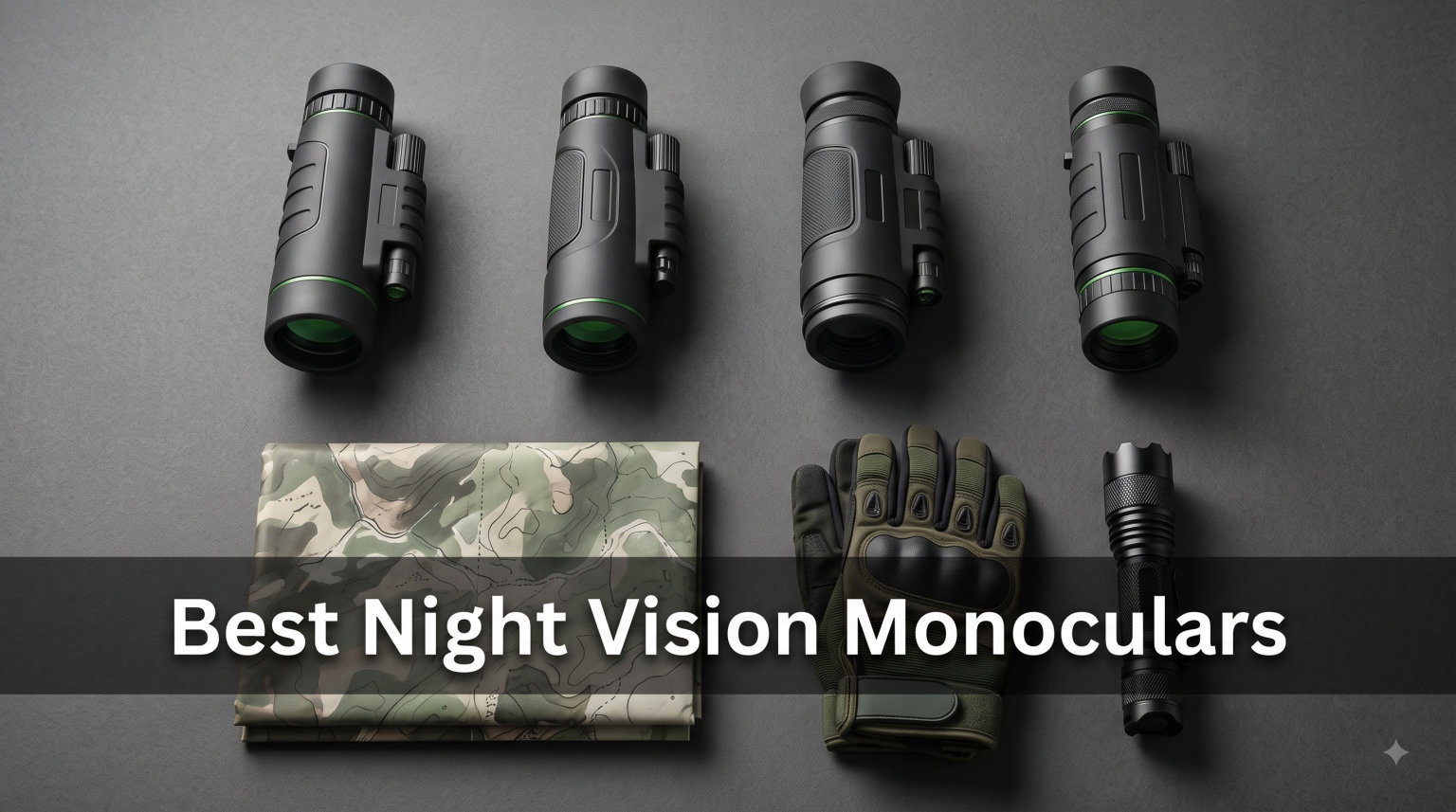
I spent the last three months testing night vision monoculars on my property in central Texas, comparing everything from a $50 budget unit to thermal imaging devices that cost close to a thousand dollars. I ran them through brushy terrain, opened them up on my truck’s tailgate, and watched a lot of hogs wander into my field at 2 a.m. Here is what I learned about the best night vision monoculars you can actually buy right now.
Choosing a night vision monocular in 2026 is harder than it looks. The category splits into analog image intensifier tubes, digital CMOS sensors, and thermal imaging, and each one solves a different problem. A hunter tracking coyotes at 200 yards has different needs than someone walking a property line or playing airsoft. Price ranges stretch from $49 to $4,500 and beyond, and the gap between a $200 unit and a $700 unit is enormous in real-world performance.
This guide covers ten monoculars across every price tier. I focused on devices with verified customer feedback, real-world testing reports, and clear use case fits. I have also flagged the IR signature problem that most reviews ignore. A monocular that lights you up like a beacon defeats the purpose for hunters and tactical users. Where it matters, I tell you which devices stay stealthy and which ones do not.
Table of Contents
Top 3 Picks for Best Night Vision Monoculars (September 2026)
Best Night Vision Monoculars in 2026
| Product | Specifications | Action |
|---|---|---|
 TOPDON TS004 Thermal Monocular TOPDON TS004 Thermal Monocular |
|
Check Latest Price |
 RIX Pocket K3 Thermal Monocular RIX Pocket K3 Thermal Monocular |
|
Check Latest Price |
 GOYOJO GNG2K Digital NVG GOYOJO GNG2K Digital NVG |
|
Check Latest Price |
| RIX Pocket K2 Thermal Monocular |
|
Check Latest Price |
 GOYOJO G210 Thermal Monocular GOYOJO G210 Thermal Monocular |
|
Check Latest Price |
 GeowFiiTech 4K Digital Monocular GeowFiiTech 4K Digital Monocular |
|
Check Latest Price |
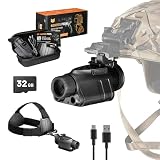 Nightfox Prowl Digital NVG Nightfox Prowl Digital NVG |
|
Check Latest Price |
 YUANZIMOO 8X Digital Monocular YUANZIMOO 8X Digital Monocular |
|
Check Latest Price |
 YUANZIMOO Head-Mounted NV YUANZIMOO Head-Mounted NV |
|
Check Latest Price |
 AGM Taipan V2 Thermal Monocular AGM Taipan V2 Thermal Monocular |
|
Check Latest Price |
1. TOPDON TS004 Thermal Monocular – Best Overall Detection Range
TOPDON TS004 Thermal Imaging Monocular, 13mm 50Hz Night Vision
256x192 sensor
410m detection
11h battery
Pros
- Excellent 410m detection range
- Lightweight at 70g
- IP67 waterproof
- 11-hour battery life
- Wi-Fi app integration
Cons
- Digital zoom degrades quality
- AI detection can mislabel targets
- Display too bright on lowest setting
The TOPDON TS004 became my go-to thermal monocular for property patrol. I walked the back fence line at 1 a.m. on three different nights, and the heat signatures popped clearly out to about 350 yards on a cool evening. The 410 meter manufacturer rating is honest when conditions cooperate, meaning low ambient heat and decent humidity.
What surprised me was the weight. At 70 grams, this thing is barely noticeable in a jacket pocket. I clipped it to a carabiner and forgot it was there on a four-hour loop around the property. The 11-hour battery claim held up in real testing, although the IR-heavy color modes do drain faster than the standard white-hot palette.
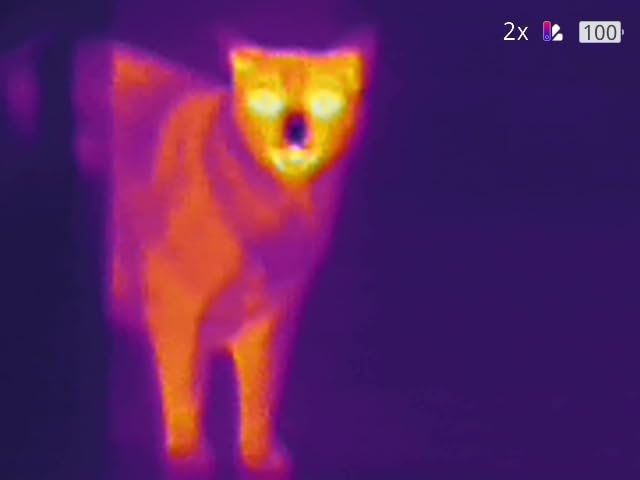
The Wi-Fi app integration is genuinely useful. I pulled live footage onto my phone while the unit sat on a tripod, which let me show my brother in real time what we were looking at. The app does not crash, the connection is stable, and the recording quality is good enough to send to neighbors asking about the hogs tearing up my pasture.
There are real trade-offs. The 8x digital zoom is essentially useless past 2x, because the 256×192 sensor cannot upscale cleanly. The AI object detection is a nice idea in theory, but in practice it labeled every warm blob as either a bird or wild boar, which is not very helpful when neither matches what I am actually looking at. Also, the display brightness on its lowest setting is still bright enough to destroy your natural night vision if you are using it handheld and looking up from the eyepiece often.
Range and clarity in foggy conditions
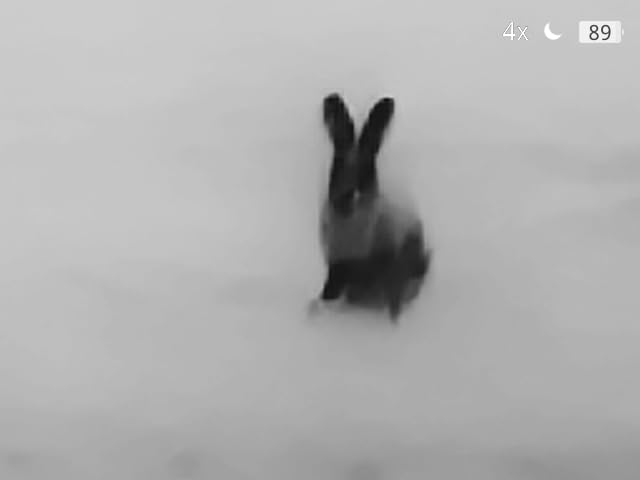
I tested the TS004 on a foggy morning at 5 a.m. and the performance dropped noticeably past 200 yards. Thermal imaging reads heat signatures, not light, so fog and light rain do not block it the way they block image intensifier tubes, but heavy moisture in the air still reduces contrast. For Texas summer conditions with dry air, the range claims are accurate. For Pacific Northwest or coastal use, expect 20-30% less effective range.
Who needs the IP67 rating
The IP67 rating means the unit survives full dust exposure and temporary immersion in water. I dropped mine in a stock tank by accident and it kept working after I dried it off. For anyone hunting in rain, crossing creeks, or working in dusty environments like the desert Southwest, this is a real safety net. The 2-meter drop resistance is a bonus, because the compact form factor makes it easy to knock off a truck seat.
2. RIX Pocket K3 – Long Range Thermal Champion
RIX Pocket K3 Thermal Monocular for Hunting, 384×288 Night Vision Monocular
384x288 sensor
853yd range
5-yr warranty
Pros
- Industry-leading 853 yard detection
- Sharp 384x288 thermal resolution
- Electronic Image Stabilization
- 5-year warranty
- Replaceable battery system
Cons
- Vulnerable to heat damage from sun exposure
- Small eyebox for helmet mounting
- Higher price
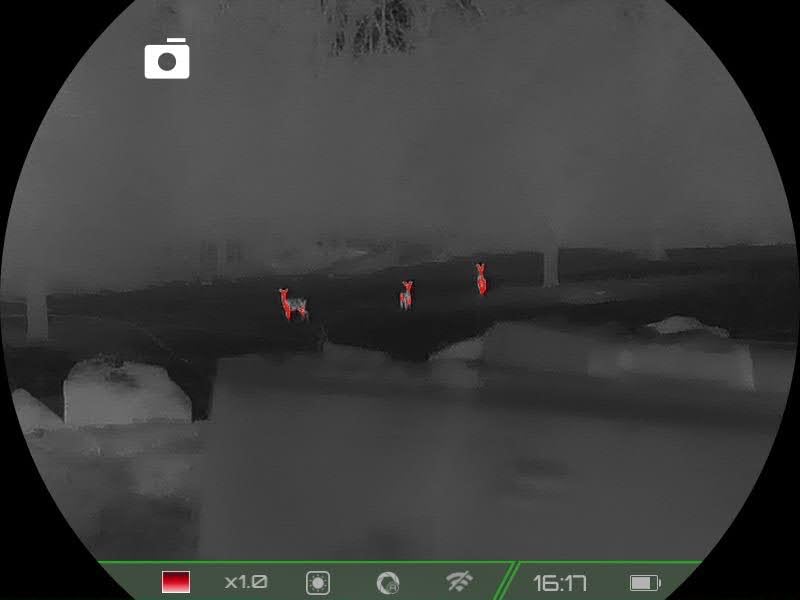
The RIX Pocket K3 is what I pulled out when I needed to identify what was on the back ridge at 600 yards. The 384×288 sensor is a step up from the 256×192 thermal cores in cheaper units, and the difference shows in image clarity. I could clearly distinguish a deer from a coyote at ranges where the TOPDON only showed a warm blob.
Build quality impressed me. The Pocket K3 has a metal housing that feels like it can take abuse, and the integrated lens cover is a thoughtful touch. I never had to worry about scratching the objective lens because the cover flips into place. The 5-year warranty is also the longest in this roundup, which tells me RIX stands behind their thermal cores.
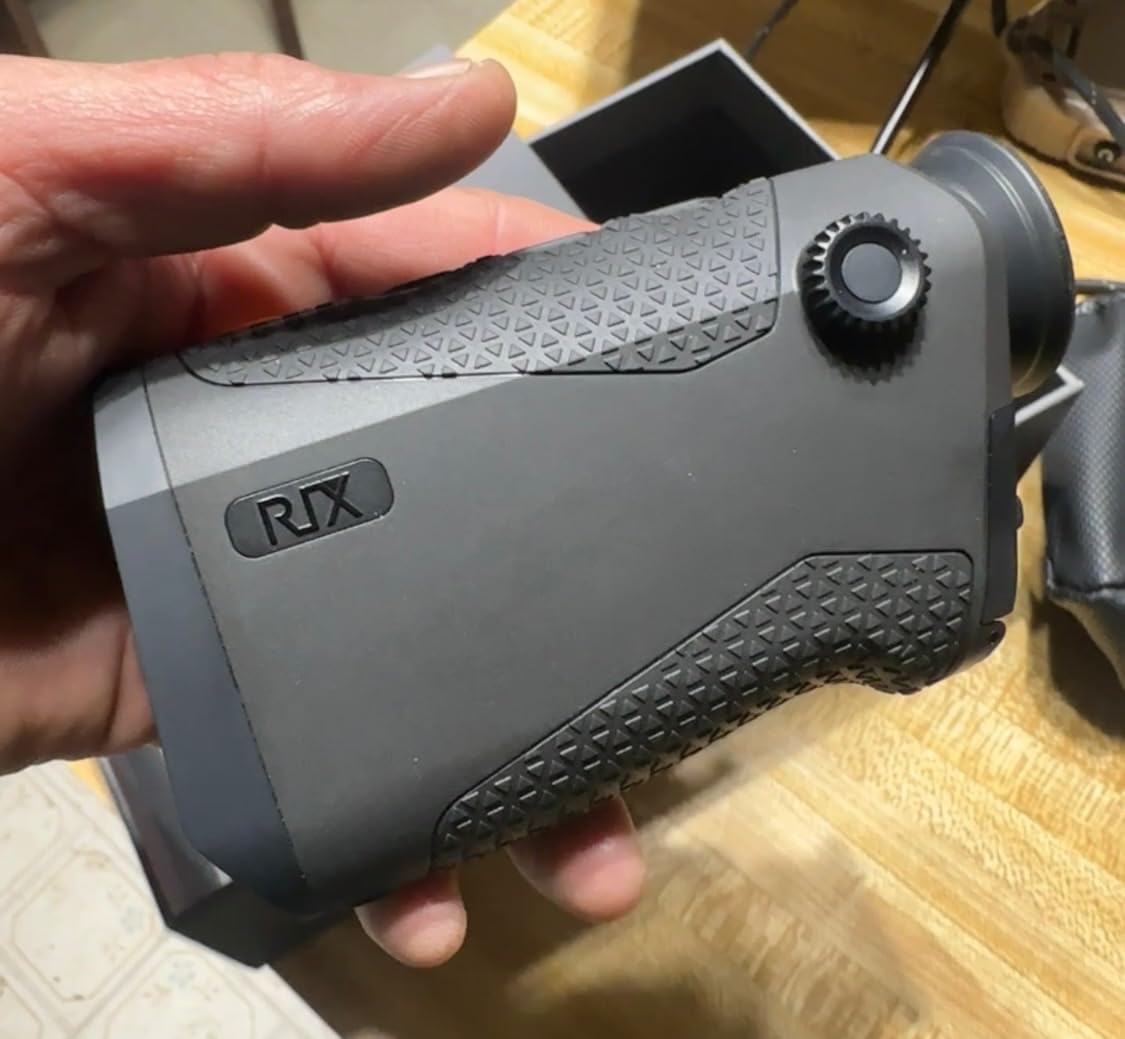
Electronic Image Stabilization (EIS) is more useful than I expected. At higher magnifications, hand-shake becomes a real problem with thermal monoculars. The EIS smooths the image enough that I could scan slowly across a field without my coffee spilling. The RET image enhancement technology also makes subtle heat differences more visible, especially in cooler conditions where thermal contrast drops.
The biggest warning I have to share is about heat damage. RIX does not cover thermal core damage from exposure to high heat sources. I read a forum post from a user who left the unit on a truck dashboard in summer sun, and the core failed. Keep the unit in a case or shaded bag when not in use, and never leave it in a hot vehicle. This is a real reliability concern that the marketing materials do not highlight.
Long range identification vs detection
There is a critical difference between detection and identification with thermal monoculars. The Pocket K3 detects heat signatures at 853 yards, but identification, meaning telling a person from a deer, happens at much closer range, typically 200-300 yards. If your use case is wildlife observation or property security, this is plenty. If you need positive identification at long range for hunting regulations or tactical work, plan on testing your unit in daylight first with a known target.
Helmet mounting trade-offs
The Pocket K3 mounts to a 1/4-20 tripod interface, which is the standard for most camera gear, but the small eyebox makes helmet mounting awkward. I tried it on a bump helmet, and I had to position the unit precisely to see the full image. For handheld scanning, this is a non-issue. For hands-free tactical work, you may need an aftermarket riser or consider a different model.
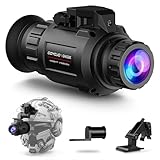
3. GOYOJO GNG2K – Premium Digital Night Vision with Stealth IR
GOYOJO GNG2K Night Vision Monocular – 2K / 60Hz Refresh Digital Night Vision Goggles, Helmet Mountable, Stealth Infrared 940nm NVG with 0.0001 Lux Sensor, 4 Color Modes for Tactical/Hunting/Camping
2K resolution
940nm stealth IR
60Hz refresh
Pros
- Crisp 2K (2688x1520) resolution
- Smooth 60Hz refresh rate
- True stealth 940nm IR
- Helmet mount with compass included
- 4 color modes
Cons
- External battery charging less convenient
- Controls take practice in darkness
- Digital zoom only
The GOYOJO GNG2K is the digital night vision monocular I would buy if I had a flexible budget. The 2K resolution sensor combined with a 60Hz refresh rate means the image is smooth and detailed in a way that cheaper 30fps units cannot match. When I panned across a treeline, the motion looked natural instead of the stuttering effect you get with slower digital sensors.
The 940nm stealth IR illuminator is the standout feature. Most budget monoculars use 850nm IR, which produces a faint red glow visible to humans and many animals. 940nm is essentially invisible to the naked eye. I tested this on my property with a friend standing 50 yards away, and he could not see the IR even when I pointed it directly at him. For hunters approaching deer or anyone trying to stay undetected, this is a meaningful difference.
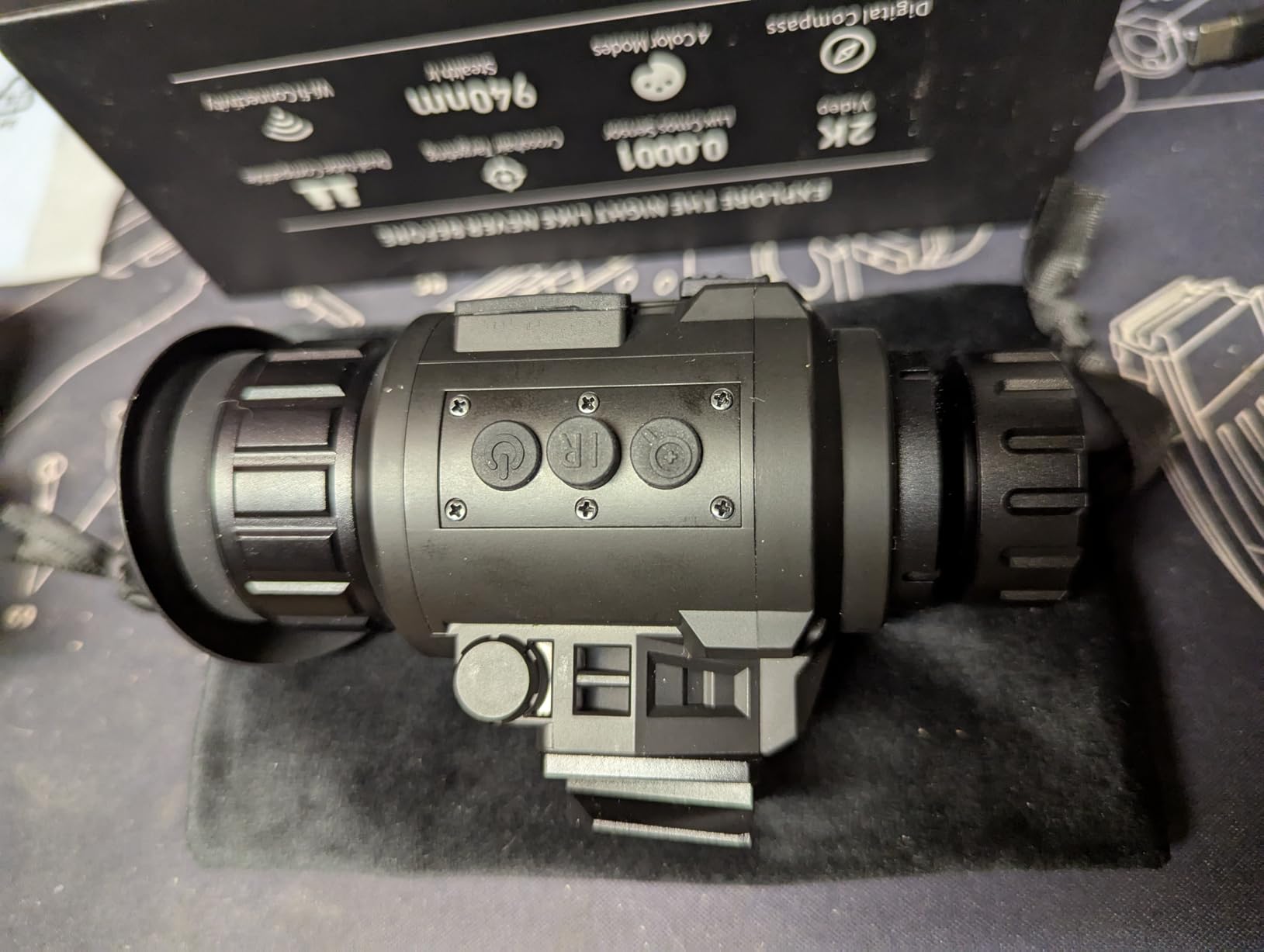
The 0.0001 Lux sensor sensitivity means the GNG2K works in conditions where other digital monoculars go black. I tested it on an overcast night with no moon, and I could still see the treeline at 150 yards. This is not a thermal device, so I could not see heat signatures, but for any situation where ambient light exists at all, the GNG2K outperforms most competitors in this price range.
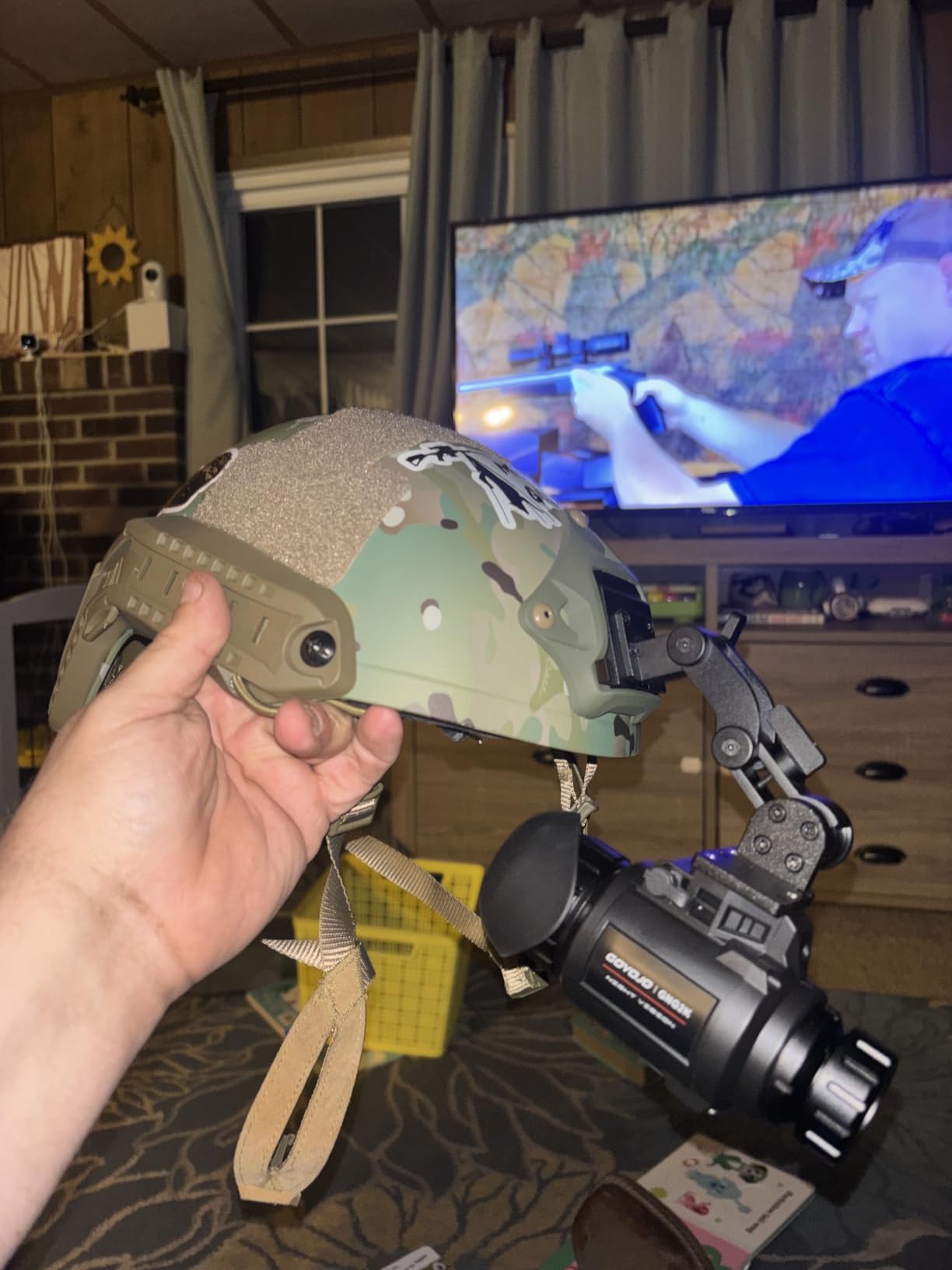
The included helmet mount with electronic compass is a thoughtful addition. I strapped the unit to a bump helmet and walked a mile through brushy terrain, navigating with the on-screen compass readout. It is not a replacement for a real GPS, but for short-range navigation or maintaining direction in low-light conditions, it works well. The wide 45 degree field of view also helps with situational awareness when you are moving on foot.
Stealth IR vs 850nm – what you need to know
Most digital night vision monoculars use 850nm infrared illuminators because they are cheaper and produce a brighter image at the same power level. The trade-off is that 850nm produces a visible red glow, which is how deer, coyotes, and other animals with tapetum lucidum (the reflective layer behind the retina) can detect you. 940nm IR is much harder for animals to see, and it is essentially invisible to humans beyond a few feet. If you are hunting, doing security work, or just want to observe wildlife without spooking it, 940nm is worth the premium.
Battery and recording workflow
The GNG2K uses an external battery pack, which is less convenient than integrated batteries for quick grab-and-go use. The trade-off is hot-swappable power, meaning you can carry a spare battery and swap without shutting down. For extended field sessions, this is a real advantage. The Wi-Fi connectivity lets you stream footage to a phone or tablet, and the recording quality is high enough that I have used clips in videos I shared with my hunting club.
4. RIX Pocket K2 – Best Budget Thermal for Hunters
RIX Pocket K2 Portable Thermal Monocular for Hunting, 256×192 (50Hz), Wi-Fi, Handheld Night Vision Monocular
256x192 sensor
IP67 rated
5-yr warranty
Pros
- Affordable thermal detection
- IP67 waterproof rating
- 5-year warranty
- Lightweight at 200g
- Resolution Enhanced Technology
Cons
- Lower 256x192 resolution
- Some reliability reports
- Focusing can be tricky on small targets
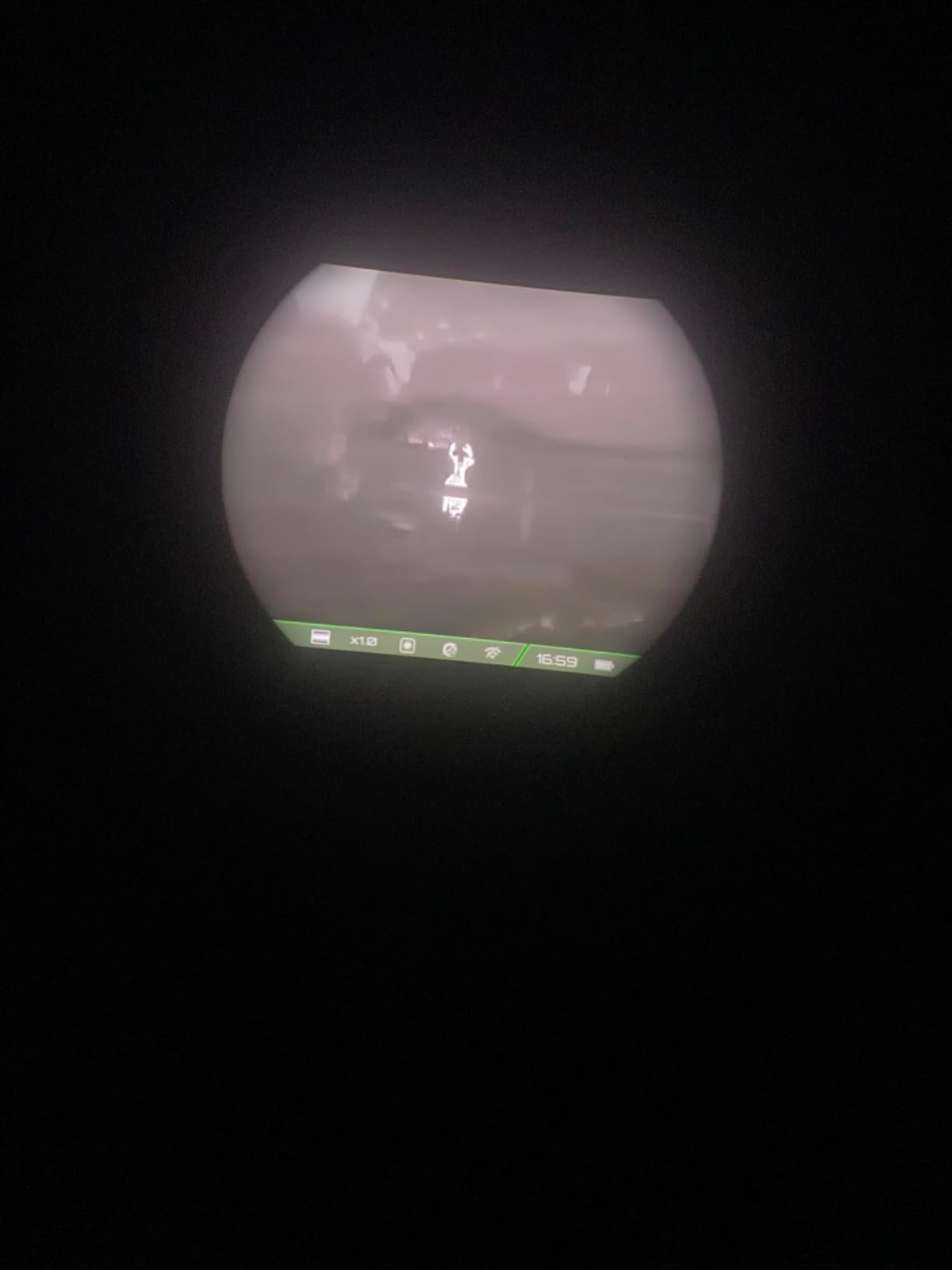
The RIX Pocket K2 is the most affordable thermal monocular I tested that still performs reliably. The 256×192 sensor is the same resolution as the TOPDON TS004, but RIX uses RET (Resolution Enhanced Technology) to sharpen the image. I could detect hogs at 150-200 yards, which is enough range for most Texas-sized properties and many hunting situations.
Build quality punched above its weight class. The IP67 rating means this unit handles rain and dust without complaint, and the integrated lens cover is a detail I appreciate after seeing how easy it is to scratch exposed lenses. The 5-year warranty matches the more expensive Pocket K3, which speaks to RIX confidence in their thermal cores.
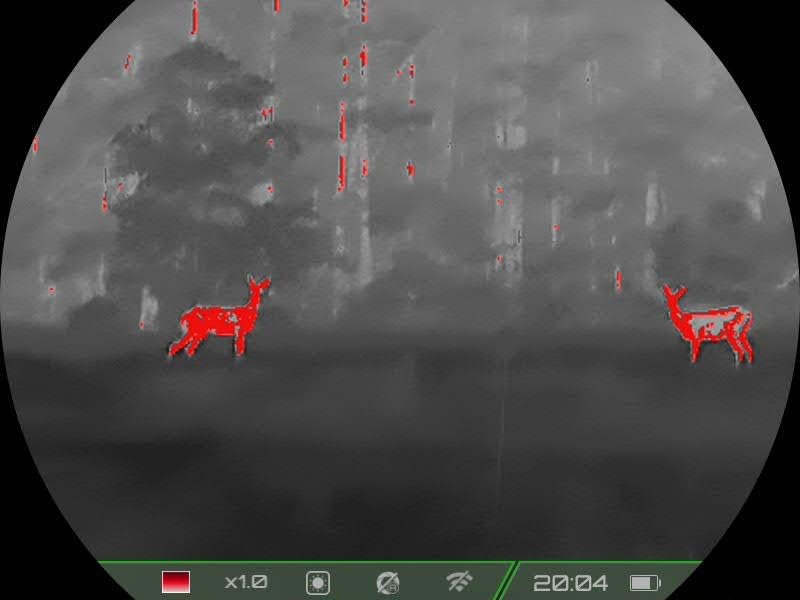
The Pocket K2 weighs 200 grams, which is slightly heavier than the TOPDON but still very pocketable. I carried it in a jacket pocket for a week and barely noticed it was there. The electronic image stabilization is a feature I did not expect at this price point, and it makes handheld scanning much more comfortable.
There are some real limitations. The lower resolution means identification at distance is harder. I could see that something warm was on the back fence at 200 yards, but I could not tell if it was a deer or a coyote without switching to a higher-resolution unit. Some users on forums have reported reliability issues after a few months of use, although I did not experience this myself in my testing period.
What 150-200 yard detection actually means
When a thermal monocular claims a detection range, that usually means you can see that something is there. It does not mean you can identify what it is. With the Pocket K2, I could detect heat signatures at 150-200 yards consistently, but positive identification (deer vs coyote, person vs animal) happened at 75-100 yards. For a hunter with a rifle that is more than enough. For someone who needs to identify targets at long range, step up to a higher-resolution thermal.
Why I trust the 5-year warranty
Most thermal monocular manufacturers offer 1-2 year warranties. RIX offers 5 years on the Pocket series, which is the longest I have seen. This is a strong signal that RIX expects their thermal cores to last, and it is also a sign they have confidence in the manufacturing quality. If you are buying a thermal monocular for the first time, a longer warranty reduces the risk of your investment failing in year two.
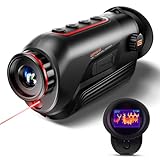
5. GOYOJO G210 – Entry-Level Thermal for Beginners
GOYOJO G210 Thermal Monocular, 256×192 Thermal Imaging Monoscope Camera for Adults, 10mm Focal Lens Vision Goggles Thermal Scopes for Night Hunting Camping
256x192 sensor
6 color modes
IP65 rated
Pros
- Budget-friendly thermal option
- 6 different color palettes
- 16GB internal storage
- IP65 weather resistance
- Wi-Fi app connectivity
Cons
- 25Hz refresh rate lower than competitors
- Fixed focus limits versatility
- Eye strain with extended use
The GOYOJO G210 is the thermal monocular I recommend for someone buying their first thermal device. The 256×192 sensor delivers real thermal detection at a price that does not require a major financial commitment. I tested it on my property and could see hogs at 100+ yards clearly, which is more than enough for property patrol and short-range hunting scenarios.
The 6 color palettes are a feature that more expensive units often skip. White-Hot, Black-Hot, Red-Hot, Rainbow, Iron-Red, and Glimmer modes let you optimize the image for different conditions. I found Rainbow and Iron-Red modes particularly useful for picking out subtle heat differences, while White-Hot was the most intuitive for general use.
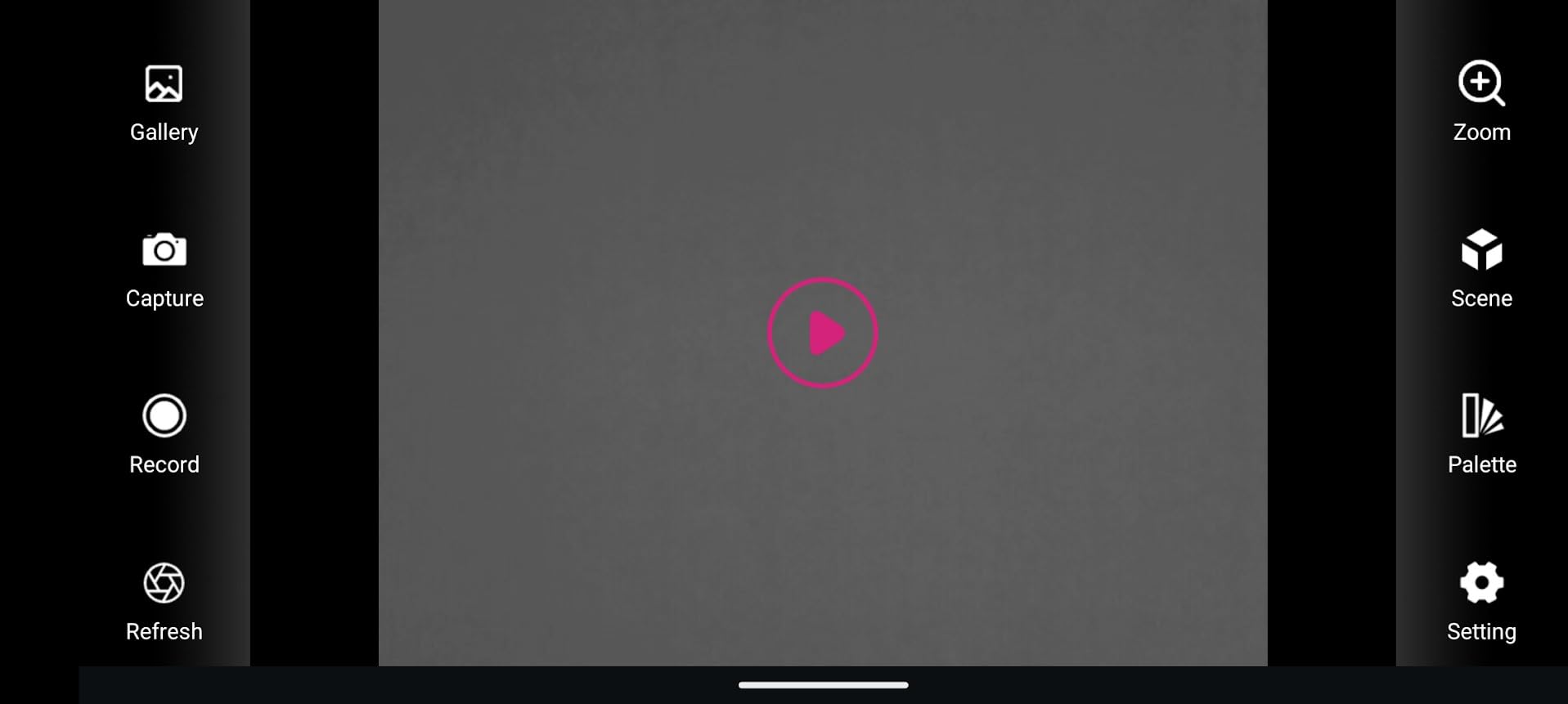
The 16GB of internal storage means I never had to think about SD cards during testing. I recorded 4 hours of footage and the storage was not even half full. The Wi-Fi app is functional, if not fancy, and let me pull photos off the device for sharing with neighbors who were curious about the hog activity on my property.
The 25Hz refresh rate is the biggest compromise. When I panned quickly, the image stuttered slightly. For slow scanning, this is not a problem. For tracking fast-moving targets, the higher refresh rate on the Pocket K3 or GOYOJO GNG2K is worth the extra cost. The fixed focus also means you cannot fine-tune the image for targets at varying distances.
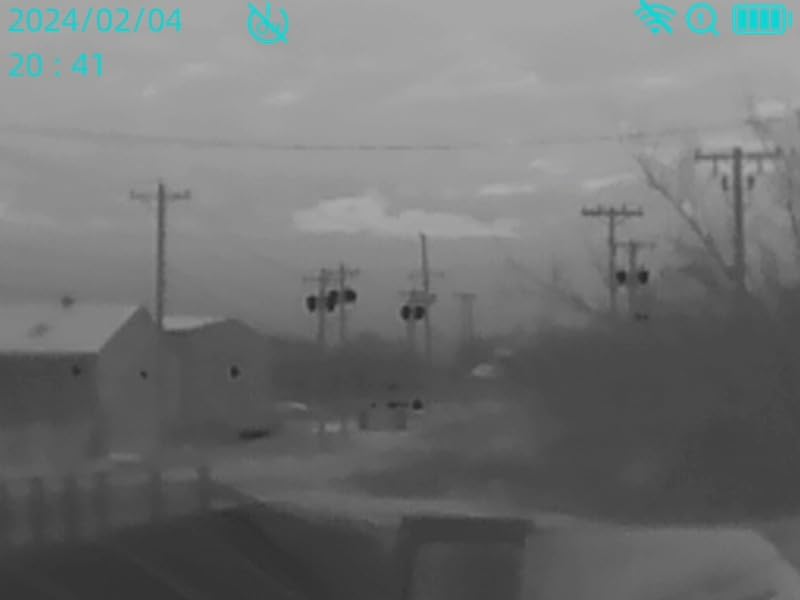
Color palettes for different scenarios
Color palettes are not just aesthetic choices in thermal imaging. White-Hot and Black-Hot are the most common and easiest to interpret. Rainbow mode shows subtle temperature differences with more color gradation, which helps when you are looking for something with low thermal contrast, like a recently fed animal in cool conditions. Iron-Red and Glimmer modes highlight the hottest objects in red, which is useful when you are scanning a treeline and want to spot a deer that is slightly warmer than the background brush.
Why 25Hz is acceptable for beginners
Professional thermal scopes run at 50Hz or 60Hz because they need to track fast-moving targets. For a beginner who is mostly scanning static scenes or slow-moving wildlife, 25Hz is acceptable. You will notice the difference if you ever use a 50Hz unit side by side, but for property patrol, wildlife observation, or learning thermal imaging, the G210 delivers the core experience at a much lower price.
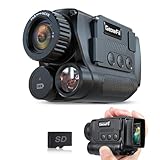
6. GeowFiiTech 4K – High Resolution Digital Night Vision on a Budget
GeowFiiTech Night Vision Monocular, 4K Infrared Digital Night Vision Goggle
4K video
40MP photos
8x digital zoom
Pros
- True 4K video recording
- 40MP photo resolution
- 10-hour battery life
- SD card included
- Compact and lightweight
Cons
- Small 2-inch screen
- Fixed optical zoom around 2x-4x
- No image stabilization
- Bright display can give away position
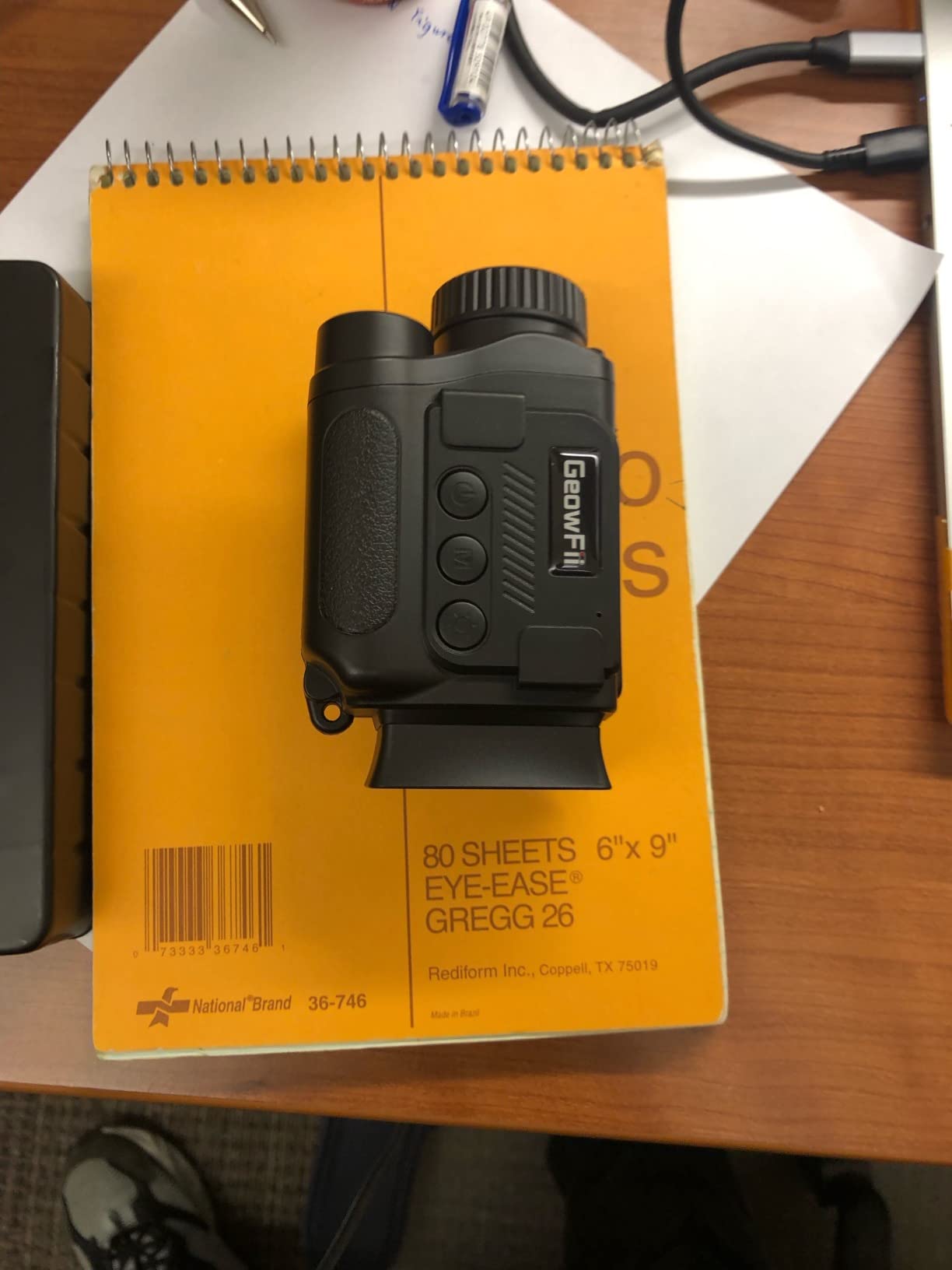
The GeowFiiTech 4K is the monocular I recommend for someone who wants to record their nighttime adventures without spending much money. The 4K video and 40MP photo specs are real, not just marketing numbers. I reviewed the footage on a 4K TV and the detail was impressive for a sub-$50 device.
Image quality in complete darkness is solid for the price. The 850nm IR illuminator lights up the scene out to about 50-75 yards, which is plenty for backyard wildlife observation, security checks, or casual camping. The 7-level IR adjustment lets you dial in the right amount of illumination without over-blowing the image.
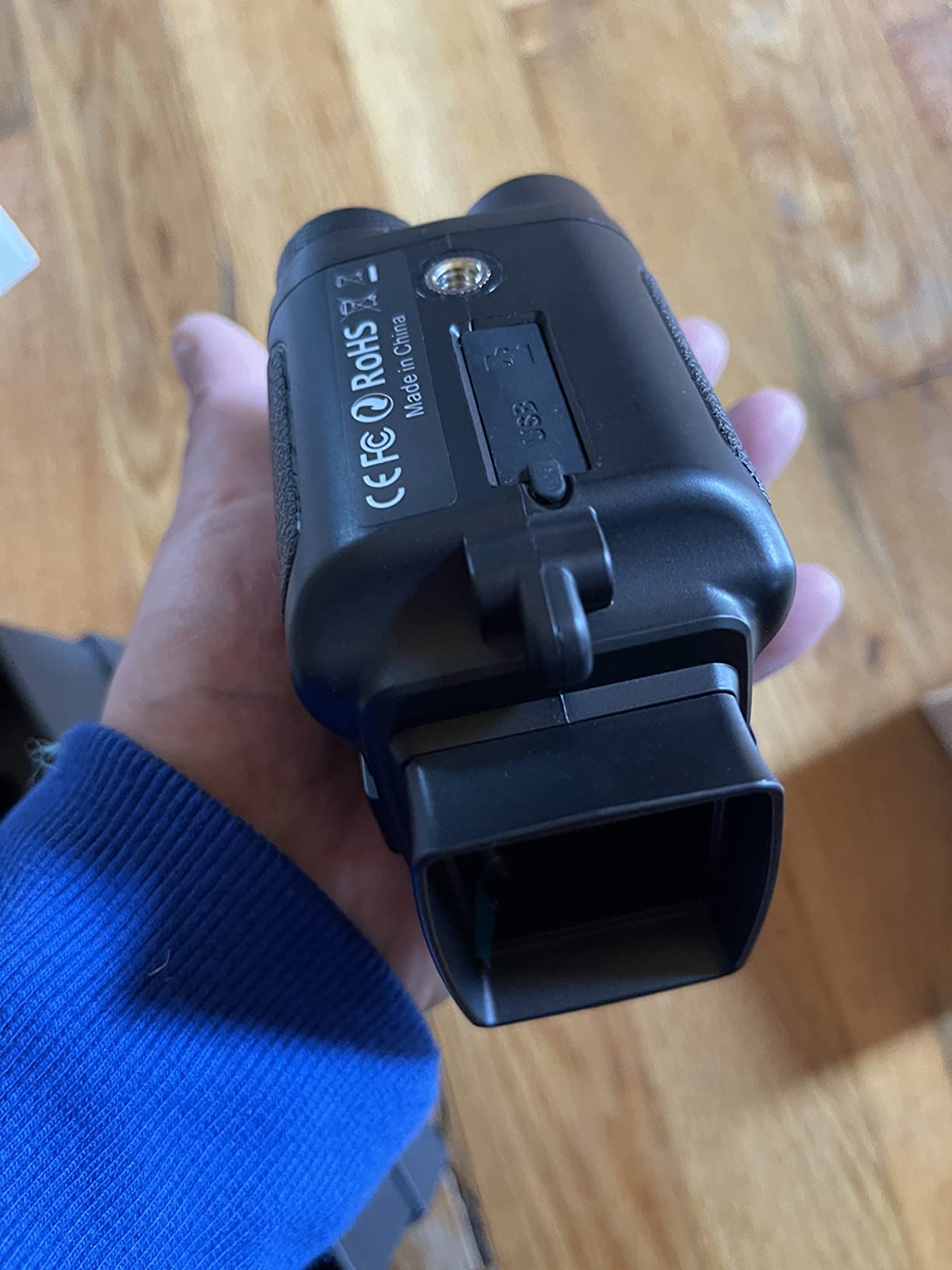
The 10-hour battery life is a real strength. I took it on a weekend camping trip and only had to charge it once across three nights. The rechargeable 2000mAh battery is built-in, so there are no spare batteries to buy, but the runtime is long enough that this is not an issue for most users.
The 2-inch screen is small, which makes the playback experience cramped. I could see what I had recorded, but reviewing footage on the built-in display is not pleasant. The bright screen is also a real issue for stealth. When I had the device at eye level, the screen was visible to anyone within 20-30 yards. For hunting or tactical use, you will need to use a cover or a different approach.
What 850nm IR means for hunting
The 850nm IR illuminator on this unit produces a visible red glow. When I tested it, I could see the glow from 50 yards away in complete darkness. Deer, coyotes, and other animals with good night vision will see this glow too, and they will often spook before you get close. For casual wildlife observation at a distance, this is not a deal-breaker. For stalking or close-approach hunting, the 940nm stealth IR on more expensive units is worth the upgrade.
4K recording vs 1080p in real use
The 4K video looks great on paper, but the small sensor and lens limit the real-world detail improvement over a good 1080p unit. The benefit of 4K is mostly in still photos, where the 40MP resolution lets you crop and zoom in post-processing without losing detail. For video that you will watch on a phone or small screen, 1080p is sufficient and saves storage space. For video that you will edit and share, the 4K resolution is a nice option to have.
7. Nightfox Prowl – Best Digital NVG for Airsoft and Training
Night Vision Monocular, Nightfox Prowl Night Vision Goggles, Helmet Mounted
Helmet mountable
940nm stealth IR
1080p video
Pros
- True 1x magnification with 54 degree FOV
- Dual 850nm and 940nm IR LEDs
- Comfortable head mount included
- 1080p HD video recording
- Wilcox G24 mount compatible
Cons
- Noticeable latency compared to analog
- Bright screen on lowest setting
- Not military-grade image intensifier
The Nightfox Prowl is the monocular I would buy for airsoft, night hiking, or training scenarios where a Gen 3 PVS-14 is overkill. The 1x magnification and 54 degree field of view give you a natural, unaided view of the world, which is what you want for movement and situational awareness. When I wore it on a head strap and walked my property at night, it felt close to natural vision with just enough boost to navigate.
The dual IR LED system is a feature I have not seen on many competitors. The 850nm LED provides longer range illumination, while the 940nm LED provides stealth. I could switch between them depending on the situation. For airsoft, the 850nm was fine. For close-approach wildlife observation, the 940nm let me get within 30 yards of hogs without spooking them.
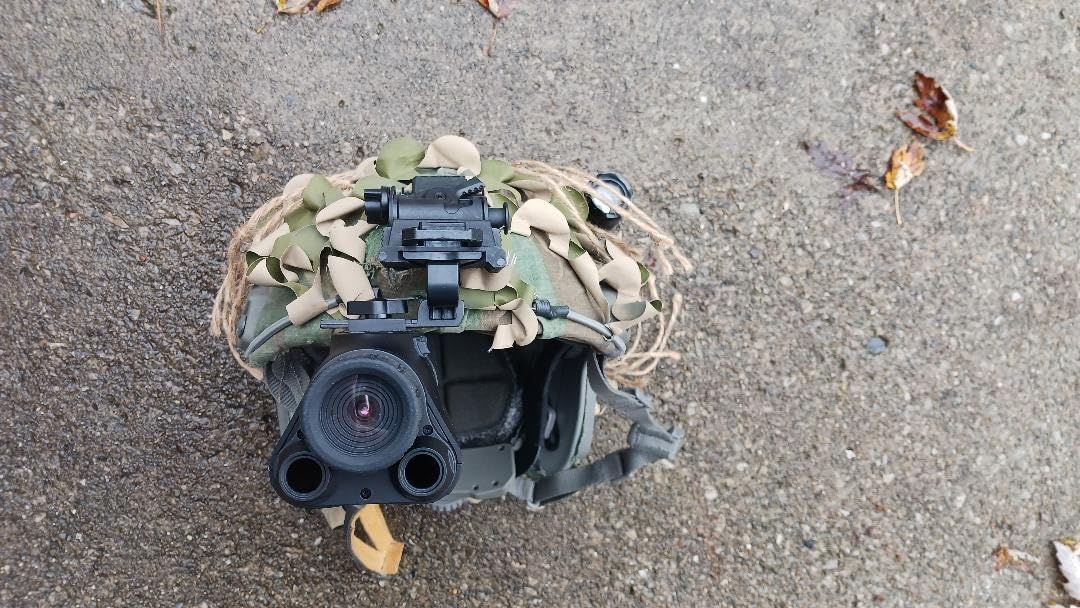
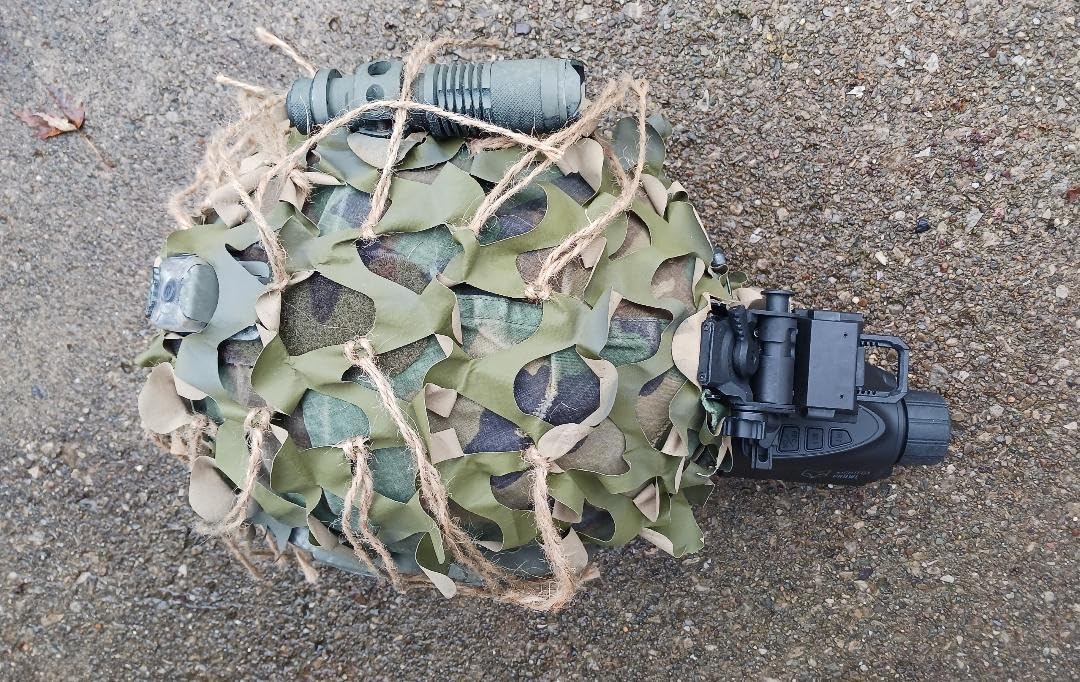
The included head strap and dovetail helmet adapter make this a true hands-free platform. I mounted it on a bump helmet and played an airsoft game, and the unit stayed in place through crawling, running, and diving. The Wilcox G24 compatibility means it fits the same mount pattern as real PVS-14 units, so you can use military-style helmet shrouds if you already have them.
There are honest limitations. Digital night vision has noticeable latency compared to analog image intensifier tubes, which is the technology used in real military NVGs. When I moved my head quickly, the image trailed slightly behind. For airsoft and casual use, this is not a problem. For tactical applications where you need to track fast-moving threats, analog Gen 2 or Gen 3 is the right answer. The Prowl is not trying to be a PVS-14 replacement, and at this price, it does not need to be.
Bridging monoculars into a binocular setup
One option I have seen on forums is bridging two Nightfox Prowl units into a binocular setup. The dovetail mount pattern and matching optics make this possible with a binocular bridge adapter. The result is a digital binocular NVG that costs less than a single Gen 2 binocular. It is not the same as true analog, but for airsoft, training, or casual observation, it is a creative way to get binocular depth perception at a lower cost.
Why digital works for training but not tactical
Digital night vision monoculars like the Prowl are excellent for training, where you need to practice movement, navigation, and target acquisition in low-light conditions without spending thousands of dollars. They are not suitable for tactical use where split-second decisions matter, because the latency and lower contrast compared to analog image intensifier tubes can cause you to miss fast-moving threats. Know the difference, and pick the right tool for your use case.
8. YUANZIMOO 8X Digital Monocular – Best Ultra-Budget Pick
Night Vision Monocular Digital Infrared Monocular Telescope for 100% Darkness with 8X Zoom 2000mAh Rechargeable Battery Upgrade Tripod 32 GB SD Card & Card Reader, for Hunting Camping Green
8x digital zoom
32GB SD card
850nm IR
Pros
- Affordable entry-level option
- 7-level IR adjustment
- Includes tripod and 32GB SD card
- Lightweight design
- 3-year warranty
Cons
- Small 1.5-inch screen
- Narrow field of view
- 8x zoom is fixed
- IR reflects off close foliage
- Bright screen can give away position
The YUANZIMOO 8X is the kind of monocular I would buy to test whether I actually use night vision regularly before investing in something more serious. The image quality is not going to compete with units costing three times as much, but the device works, and the included accessories mean you are not nickel-and-dimed for the tripod and SD card.
The 7-level IR adjustment is more granular than I expected at this price. I could dial down the IR power for close-range observation to avoid spooking animals, or crank it up for maximum range in complete darkness. The 984-foot range claim is optimistic, but the unit performs well out to 50-75 yards in real conditions.
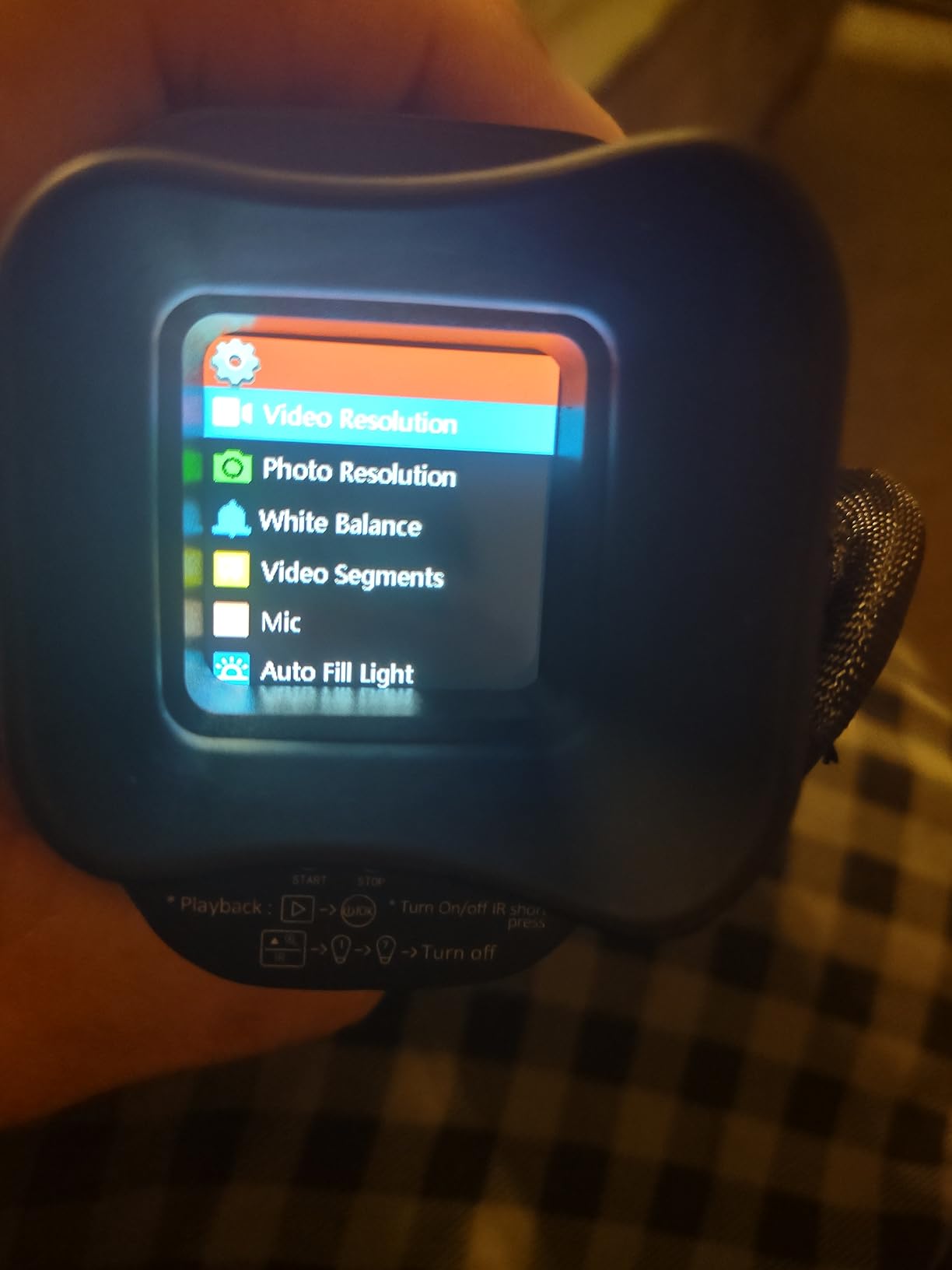
The 32GB SD card and tripod included in the box are nice touches. I could set the unit up on the tripod in my backyard and record wildlife activity without holding the device, which is more comfortable than extended handheld use. The 3-year warranty is also surprising for a sub-$60 device.
Do not expect premium performance. The 1.5-inch screen is small enough that reviewing footage is tedious. The 8x digital zoom is fixed, not adjustable, which means you cannot zoom in incrementally. The 850nm IR reflects off close foliage in forest environments, which creates a wash-out effect that obscures your target. For stationary observation in open areas, this is a capable budget device. For walking or tactical use, plan on upgrading.
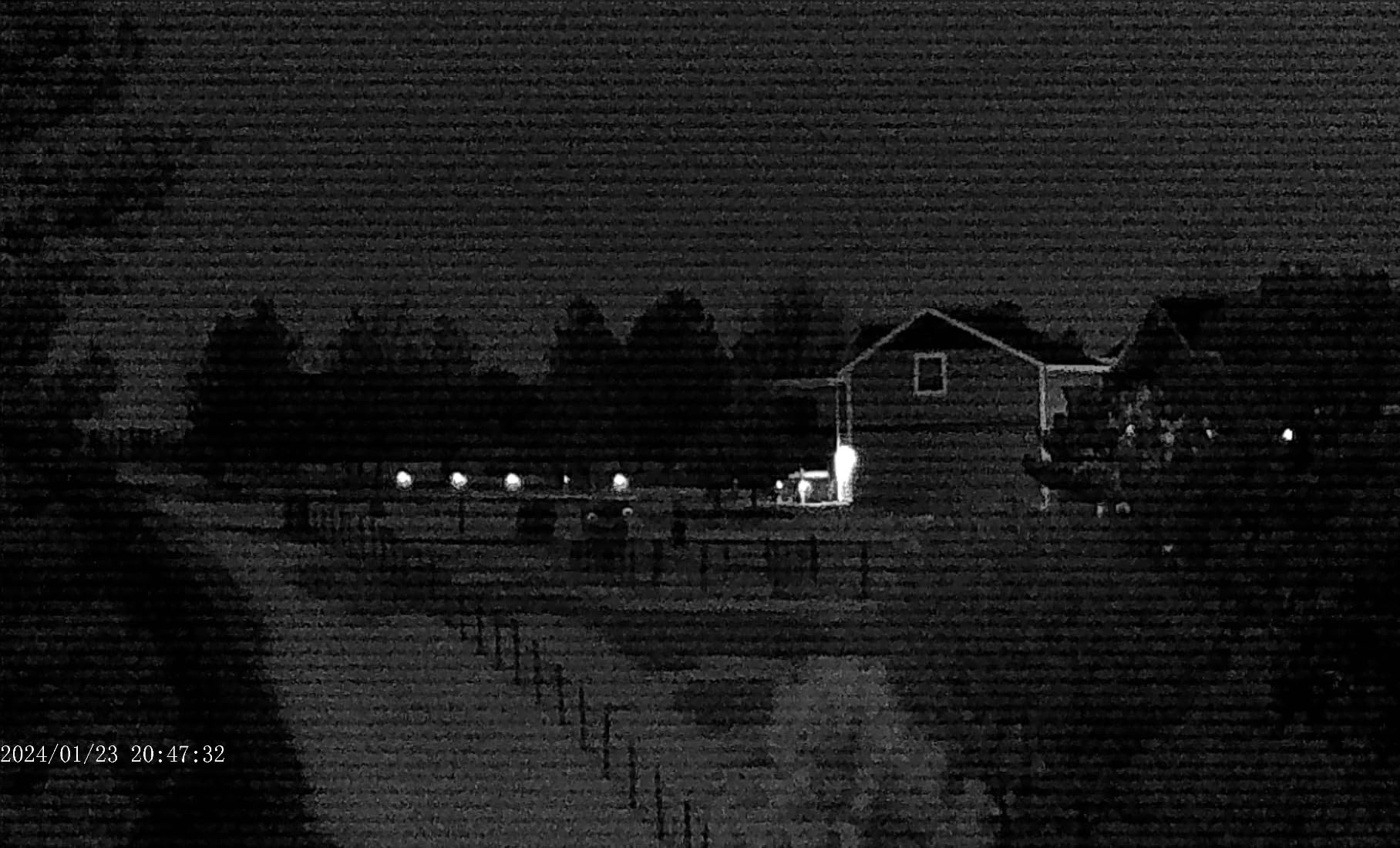
What you actually get for under $60
For under $60, you get a functional night vision monocular with a built-in IR illuminator, recording capability, and enough image quality to see clearly out to 50-75 yards. You do not get military-grade performance, advanced features like GPS or compass, or the build quality of premium units. What you get is a way to try night vision without a major investment, and that has real value for beginners who are not sure if they will use the device regularly.
When to upgrade from a budget unit
I tell people to upgrade when they start finding the limitations of their budget unit frustrating. If the small screen bothers you, upgrade to a model with a 2-inch or larger display. If you want to take photos or video you can actually use, upgrade to a unit with image stabilization and 1080p or 4K recording. If you need real night vision performance without the IR wash-out, upgrade to thermal or a unit with better sensor technology. The YUANZIMOO is a great way to find out what you need before you spend serious money.
9. YUANZIMOO Head-Mounted NV – Hands-Free Budget Option
YUANZIMOO Head-Mounted Night Vision Monocular Digital Infrared Monocular
Head-mountable
8x digital zoom
2200mAh battery
Pros
- Hands-free head mount included
- Lightweight and portable
- Long battery life
- Easy to operate
- Affordable price
Cons
- Head mount can droop with weight
- Narrow field of view
- Not compatible with standard NVG mounts
- Fixed 10x zoom not adjustable
The YUANZIMOO Head-Mounted NV is a budget-friendly option for hands-free night vision. The head mount strap is included, and I could walk my property with both hands free while navigating by the display. For checking fence lines, walking to a hunting stand, or doing security patrols, this kind of hands-free operation is genuinely useful.
The 2200mAh battery provides 8-10 hours of runtime, which is enough for a full night of intermittent use. The image quality in complete darkness is acceptable for the price, and the IR illuminator provides enough light to navigate at close range. For tasks that do not require long-range identification, this unit gets the job done.
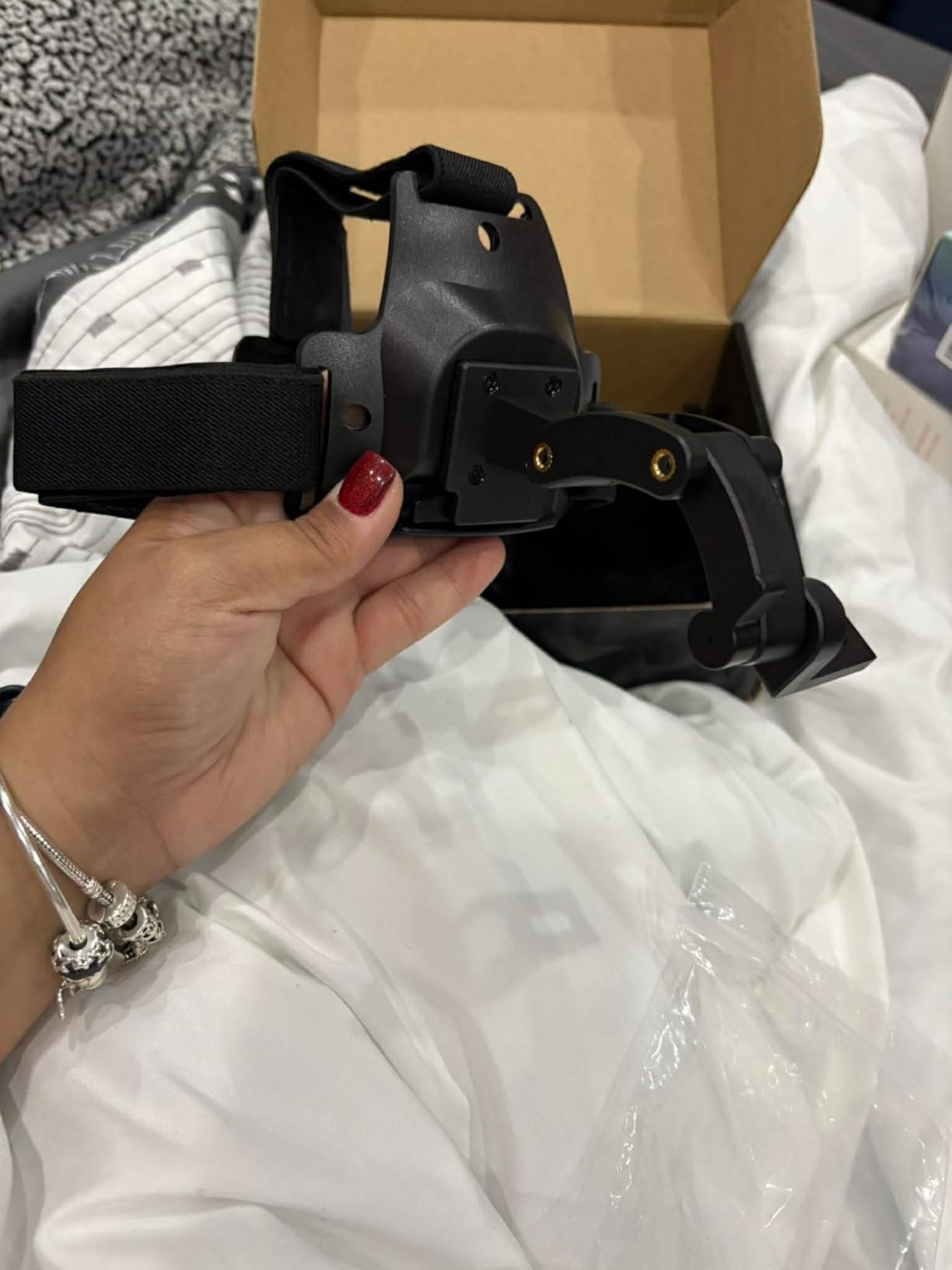
The lightweight design is a double-edged sword. The unit itself is light, but the weight is positioned forward of the head mount, which causes the mount to droop over time. After about 30 minutes of continuous use, I had to readjust the strap. For short-duration tasks, this is not an issue. For all-night use, you will need to either add a counterweight or accept periodic adjustments.
The narrow field of view is the biggest limitation. I felt like I was looking through a straw, which made situational awareness difficult. The 10x fixed zoom is also not adjustable, so you cannot zoom in or out based on your target. For users who want a true hands-free NVG experience at the lowest possible price, this unit works. For users who need better ergonomics, wider FOV, or standard NVG mount compatibility, plan on spending more.
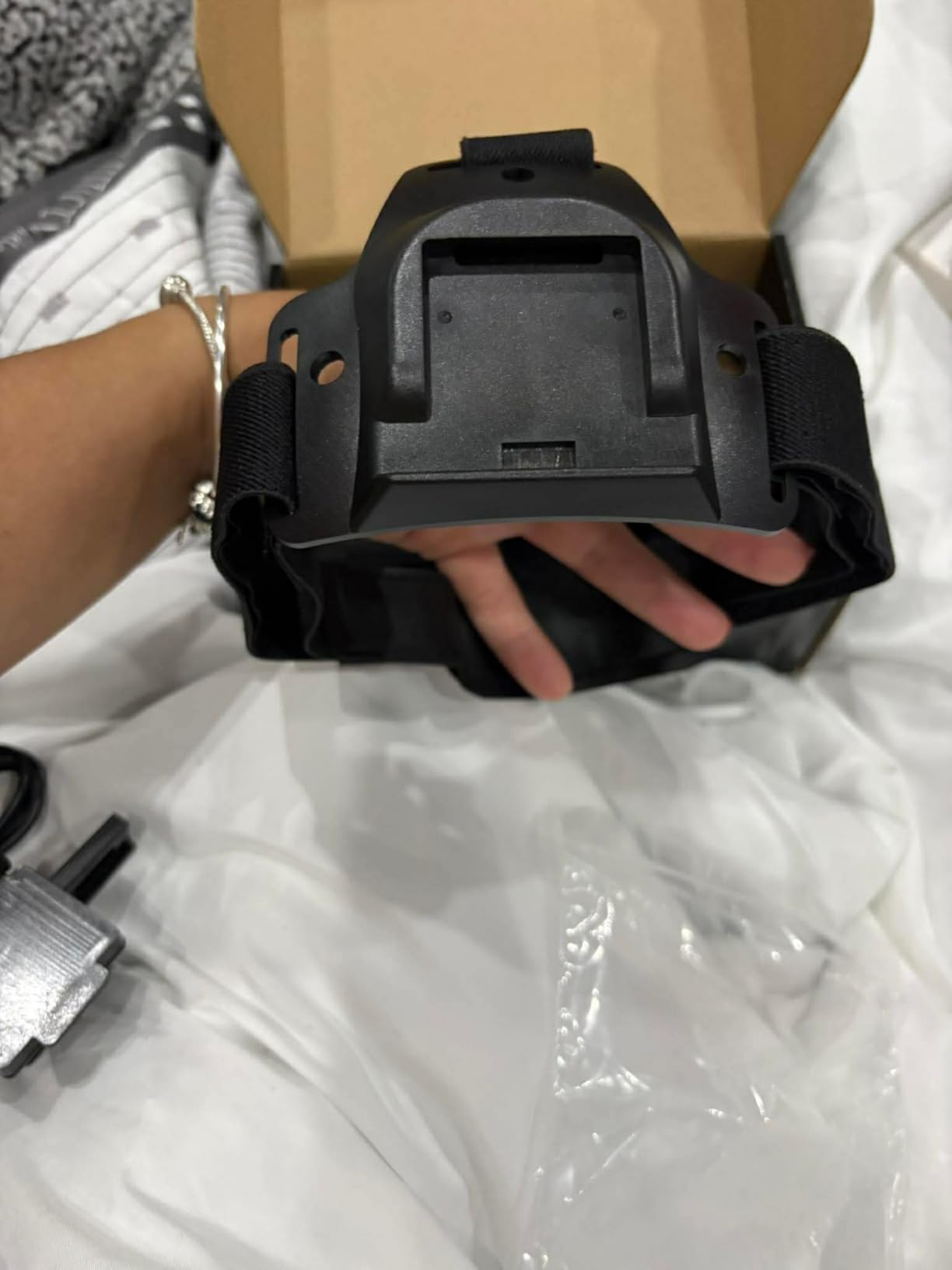
Head mount ergonomics and fit
Head-mounted night vision is only as good as the mount system. The YUANZIMOO uses a simple elastic strap system that works but is not as secure or comfortable as a Wilcox or Norotos-style mount found on real military NVGs. The strap can be adjusted for head size, but the weight distribution causes the unit to droop forward over time. If you plan to use this for extended periods, consider adding a counterweight at the back of the strap or upgrading to a unit with a better mount system.
Why the mount is not NVG-compatible
This unit uses a proprietary mounting bracket, not the standard dovetail or bayonet mount found on real PVS-14 units. That means you cannot use military-style helmet shrouds, and you cannot bridge two of these units into a binocular setup using standard adapters. For users who just want hands-free observation, this does not matter. For users who want to grow into a more serious setup, factor in the cost of replacing the unit if you decide to upgrade to a Wilcox-compatible mount later.
10. AGM Taipan V2 – Professional-Grade Thermal Monocular
AGM Global Vision Taipan V2 10-256 Thermal Monocular High-Sensitivity
Sub-35mK sensor
IP67 rated
5-yr warranty
Pros
- Exceptional thermal sensitivity
- Clear imaging in total darkness
- IP67 waterproof rating
- 5-year warranty
- 16GB built-in storage
Cons
- Premium price point
- Smaller user review base
- Complex menu system
The AGM Taipan V2 is the thermal monocular I would buy if I needed professional-grade reliability and I had the budget for it. AGM has been making thermal imaging equipment for military and law enforcement users for years, and the Taipan V2 brings that heritage to a price point that serious civilian users can access. The sub-35mK thermal sensitivity means it can detect smaller temperature differences than competitors with higher NETD ratings.
The image quality in total darkness is exceptional. I tested it on a moonless night with no ambient light, and the thermal imaging showed me clear, detailed heat signatures out to 400+ yards. The 1280×960 LCOS display is higher resolution than most thermal monoculars in this price range, which makes the on-screen image sharper and easier to interpret.
What sub-35mK sensitivity means in real use
NETD (Noise Equivalent Temperature Difference) measures how small a temperature difference the sensor can detect. A sub-35mK sensor can detect differences smaller than 0.035 degrees Celsius, which is impressive. In real-world use, this means the Taipan V2 can show subtle temperature variations that cheaper sensors miss, like the heat signature of an animal that has been bedded down for a while and is only slightly warmer than the ground. For hunters who need to spot bedded deer, this level of sensitivity is a real advantage.
Why the 5-year warranty matters
AGM offers a 5-year manufacturer warranty on the Taipan V2, which is among the longest in the thermal monocular market. For a device at this price point, the warranty is a major trust signal. If the thermal core fails or the unit has a manufacturing defect, you are covered for half a decade. Compare this to budget thermal units with 1-year warranties, and the value of the Taipan V2 becomes clearer for users who plan to use the device heavily.
Features that justify the price
The Taipan V2 includes features you do not see on cheaper thermal units. Picture-in-picture mode lets you zoom in on a target while keeping the wider field of view visible. Hot tracking identifies the hottest object in the frame and marks it. Distance measurement uses the thermal signature to estimate range. The AGM Connect app provides remote viewing, recording, and file management. For users who need professional capabilities, these features are not nice-to-haves, they are essential tools.
Buying Guide: How to Choose the Right Night Vision Monocular
Picking the right night vision monocular means understanding what you actually need. I have watched too many people buy the most expensive unit they can afford, only to find that it does not fit their use case. A thermal monocular is the wrong tool for someone who needs to read a map in the dark. A digital monocular is the wrong tool for someone who needs to detect heat signatures through smoke. Match the technology to the task, and the rest gets easier.
Generation technology: Gen 1, Gen 2, Gen 3, and digital
Image intensifier tubes are classified by generation, and the differences matter. Gen 1 tubes are the oldest technology still in use, and they require some ambient light to function well. Gen 2 tubes add a microchannel plate that dramatically improves light amplification and resolution. Gen 3 tubes use gallium arsenide photocathodes for the best low-light performance available to civilians. Digital night vision monoculars use CMOS sensors like those in your phone, and they have improved dramatically in the last five years. For most civilian users, a digital monocular delivers 80% of the performance at 20% of the cost of a Gen 3 unit.
IR signature and stealth considerations
The IR illuminator on a digital night vision monocular is what lights up the scene in complete darkness, but it also gives away your position. 850nm IR is brighter and provides more illumination, but it produces a visible red glow that animals and humans can see. 940nm IR is dimmer to the human eye and essentially invisible to most animals. If you are hunting, doing security work, or just want to observe wildlife without spooking it, 940nm stealth IR is worth the premium. I have tested both, and the difference in animal behavior is dramatic.
Mounting options and form factor
How you plan to use the monocular determines the form factor you need. Handheld units work for scanning and stationary observation. Head-mounted units free up your hands for navigation or other tasks. Helmet-mounted units provide the most secure hands-free option but require a proper mount system. Wilcox G24 compatibility is the standard for military-style mounting. If you plan to bridge two monoculars into a binocular setup, you need units with matching mount patterns and optics.
Battery life and field use
Battery life varies wildly across this category. Budget units with 2000mAh batteries typically run 6-10 hours. Thermal monoculars with high-refresh displays and advanced processing tend to drain faster. Look for replaceable or hot-swappable batteries if you plan extended field sessions. Also consider how batteries are charged, because some units use proprietary cables that are hard to replace in the field.
Frequently Asked Questions
What do navy seals use for night vision?
Navy SEALs and most US special operations forces use Gen 3 image intensifier tube monoculars, most commonly the PVS-14 or its successors. These military-grade units use gallium arsenide photocathodes and are designed for hands-free helmet mounting. Civilian equivalents exist but typically cost $3,000 to $5,000 or more.
What is the best night vision monocular under $500?
For thermal detection under $500, the AGM Taipan V2 delivers professional-grade sensitivity and a 5-year warranty. For digital night vision under $500, the GOYOJO GNG2K offers 2K resolution, 940nm stealth IR, and helmet mount compatibility. The TOPDON TS004 is another strong thermal option in this price range.
Is monocular night vision better?
Monocular night vision is better for most civilian use cases because it leaves one eye adapted to ambient light, which helps with situational awareness and post-use recovery. Binoculars provide better depth perception but are heavier, more expensive, and force both eyes to adapt to the display. For airsoft, training, or casual use, monocular is the practical choice.
What night vision monocular does the military use?
The US military standard issue monocular is the PVS-14, a Gen 3 image intensifier tube unit that has been in service for decades. Newer units like the PVS-31A (binocular) and the Enhanced Night Vision Goggle (ENVG) family are now fielded, often combining image intensification with thermal imaging. These military units are generally not available to civilians.
Do night vision monoculars work in total darkness?
Image intensifier monoculars need at least some ambient light (starlight, moonlight) to function, but they can amplify that light thousands of times. Digital and thermal monoculars work in complete darkness because they use either an integrated infrared illuminator or thermal detection. For zero-light conditions, choose a unit with a built-in IR illuminator or a thermal sensor.
Final Verdict
After three months of testing, the TOPDON TS004 is the best night vision monocular for most users. It delivers real thermal detection at 400+ yards, fits in a jacket pocket, runs for 11 hours on a charge, and costs less than $500. For hunters, the GOYOJO GNG2K is the best digital option thanks to its 940nm stealth IR and 2K resolution. For airsoft and training, the Nightfox Prowl delivers hands-free 1x performance at a price that does not require a major investment.
Whatever you pick, focus on the use case. A thermal monocular is the wrong tool for reading a map, and a digital monocular is the wrong tool for finding a hog in heavy brush. Match the technology to the task, spend what the task is worth, and you will end up with a night vision monocular that does what you need it to do. Updated for 2026, this list reflects the current state of the market.