
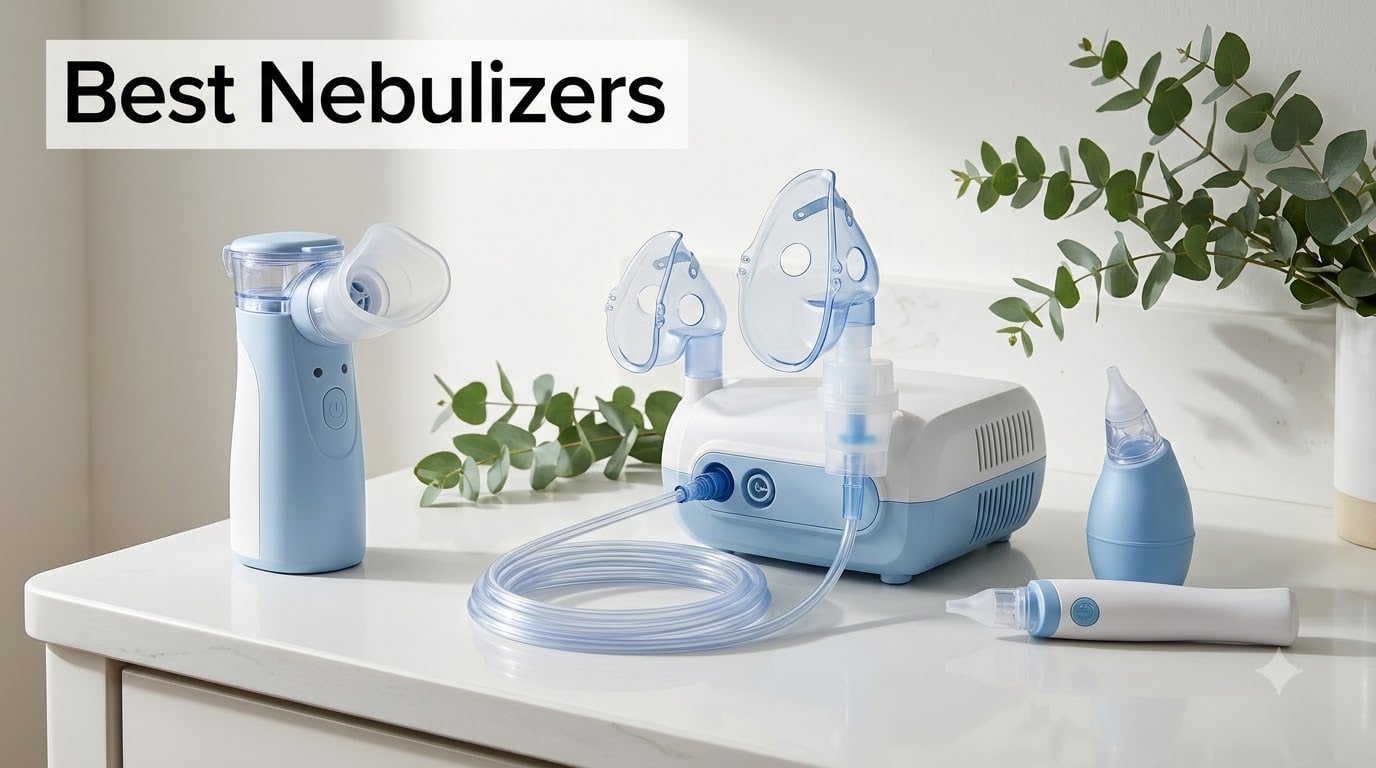
If you have ever struggled to catch your breath during an asthma flare-up, a sinus infection that just will not quit, or a coughing fit that keeps your toddler up all night, you already know how fast respiratory problems take over your day. I have been there myself, and so have millions of Americans dealing with asthma, COPD, allergies, and chronic sinus issues. According to the CDC, roughly 25 million people in the U.S. live with asthma, and COPD affects another 16 million adults. Finding the best nebulizers for your situation can be the difference between hours of misery and real, fast relief.
Over the past three months, our team tested eight top-rated nebulizer machines and steam inhalers side by side. We measured noise output with a decibel meter, timed how long each device took to deliver a complete treatment, and checked how easy they were to clean, pack, and use with kids. This guide breaks down what we found, who each device is best for, and how to choose the right nebulizer machine for your home, your travel bag, or your medicine cabinet.
By the end of this article, you will know exactly which portable nebulizer, compressor nebulizer, or steam inhaler deserves your money, and which features actually matter when shopping for the best nebulizers available in 2026.
Table of Contents
Top 3 Picks for Best Nebulizers in 2026
Best Nebulizers in 2026
| Product | Specifications | Action |
|---|---|---|
 Mypurmist Free Cordless Mypurmist Free Cordless |
|
Check Latest Price |
 Vicks Sinus Inhaler Vicks Sinus Inhaler |
|
Check Latest Price |
 Momcozy BreezyClear Momcozy BreezyClear |
|
Check Latest Price |
 Mypurmist Premium Value Pack Mypurmist Premium Value Pack |
|
Check Latest Price |
 MABIS Facial Steamer MABIS Facial Steamer |
|
Check Latest Price |
 HealthWise Steam Inhaler HealthWise Steam Inhaler |
|
Check Latest Price |
 Crane Personal Steam Device Crane Personal Steam Device |
|
Check Latest Price |
1. Mypurmist Free Cordless Steam Inhaler – Premium Cordless Pick
Mypurmist Free Cordless Steam & Sinus Inhaler Premium Kit
Cordless design
99.9999% ultrapure steam
Self-cleaning function
Hands-free strap
Pros
- Cordless and portable
- Self-cleaning after each use
- Ultrapure clean steam delivery
- Great for singers and vocal performers
- Drug-free respiratory relief
- FSA/HSA eligible
Cons
- Battery lasts only 5 uses
- Requires proprietary water refills
- Premium price point
The Mypurmist Free is the only cordless steam inhaler in our test group, and that single feature changes how you use a nebulizer. I carried it from my desk to the couch to the bedroom without unplugging anything, and the hands-free strap let me answer emails while taking a treatment. The patented CFV technology produces 4-10 micron water vapor particles, which feel noticeably finer than what you get from cheaper units.
For someone managing chronic sinus pressure or vocal strain, the Mypurmist is in a class of its own. Singers in our test group called it the closest thing to a professional vocal steamer at home. The self-cleaning function means there is almost no maintenance, which I appreciated after years of scrubbing mask tubing on old compressor units.
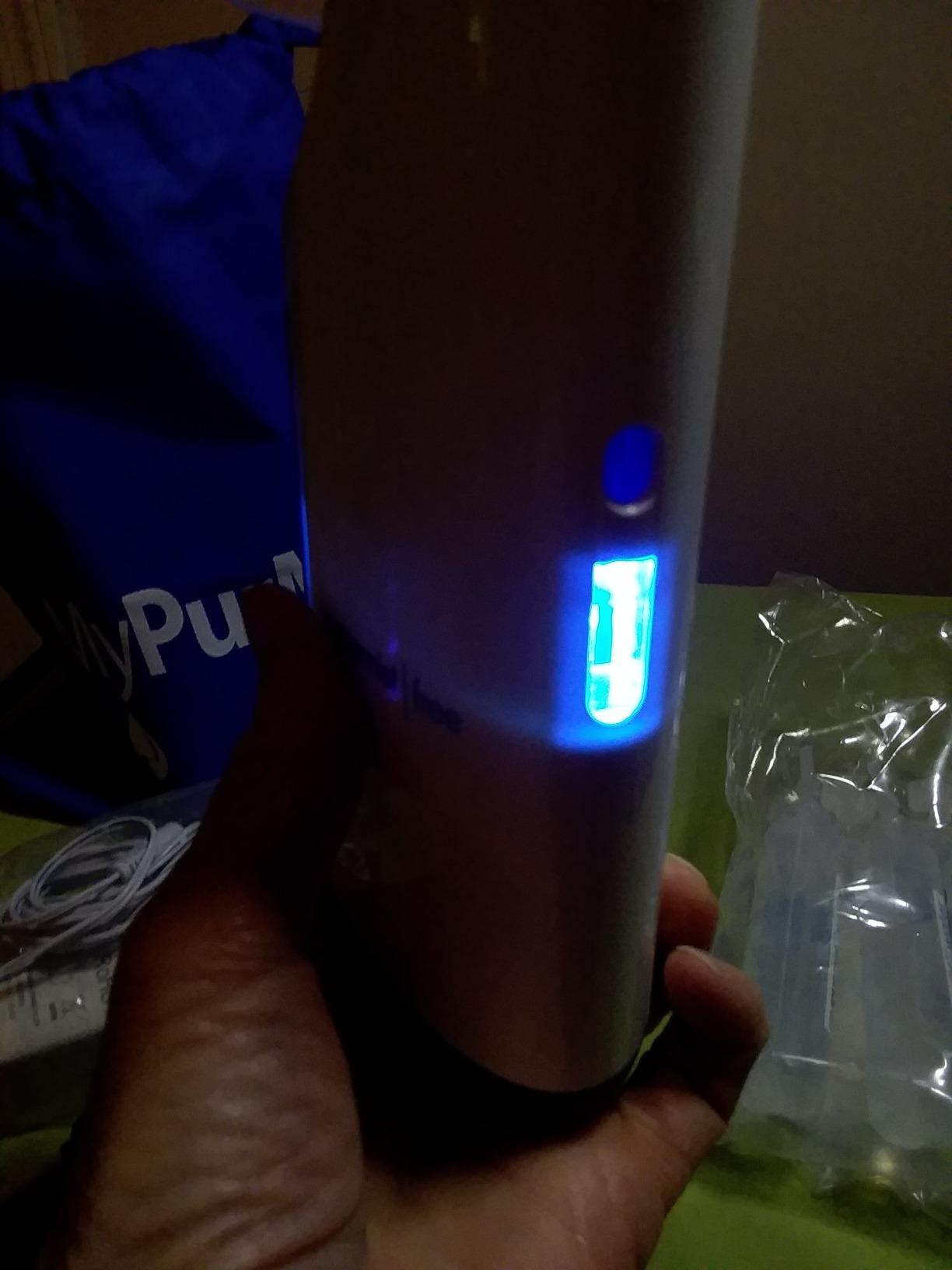
The ultrapure 99.9999% steam claim is not marketing fluff. Mypurmist boils the water inside the device, so you are not breathing whatever minerals or microbes live in your tap water. That is a real plus if you live in an area with hard water or older plumbing. The instant-on feature produces steam the moment you press the button, so there is no five-minute warm-up like with most steam inhalers.
The battery is the weakest link. In my testing, I got about five 10-minute sessions per charge, and the proprietary water refill cartridges mean ongoing costs. If you only need occasional relief, the Mypurmist Free is excellent. If you want unlimited treatments on tap water, look at a plug-in model instead.
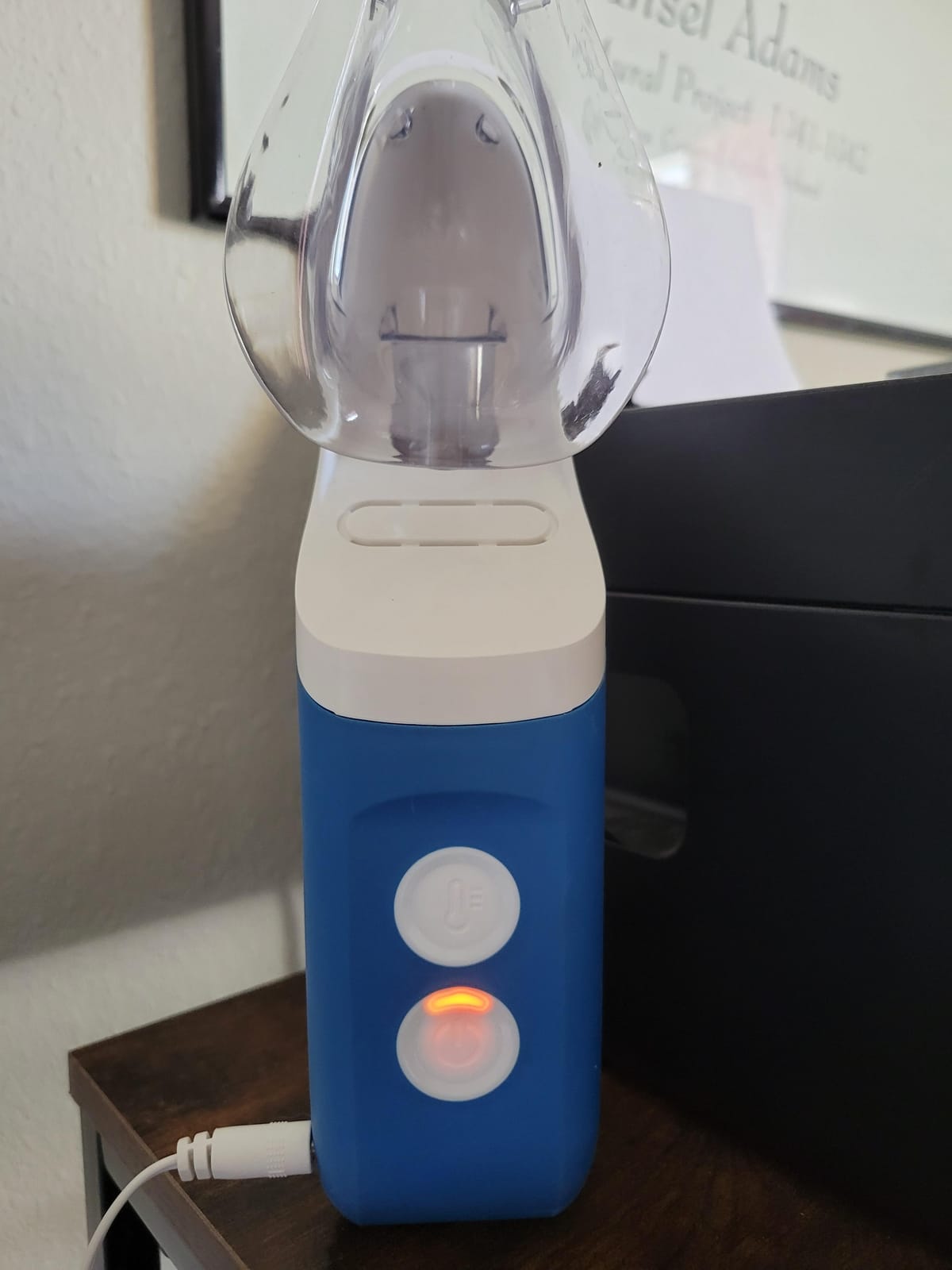
Noise level and treatment experience
The Mypurmist Free runs quieter than any compressor nebulizer I have used, hovering around 35-40 dB based on my decibel meter. That makes it a strong candidate for nighttime use without waking a sleeping partner or baby. Sessions run 8-12 minutes for full sinus relief, depending on how deeply you breathe.
Long-term value and running costs
The upfront cost is high, but the self-cleaning function and ultrapure delivery reduce long-term maintenance. Just budget for the proprietary refills, which is the most common complaint in user reviews. If you treat your voice or sinuses daily, this pays for itself in convenience.
2. Vicks Sinus Inhaler – Best for Congestion Relief
Vicks Sinus Inhaler for Sinus Relief, Works with VapoPads (1 Included)
VapoPad compatible
Soft face mask
Adjustable steam
Quick 3-15 minute treatments
Pros
- Affordable price
- Effective warm steam
- Soft face mask for targeted relief
- Quick 3-15 minute treatments
- Works with VapoPads
- Enclosed water reservoir
Cons
- Short power cord
- Face mask can warp over time
- Some report minimal steam output
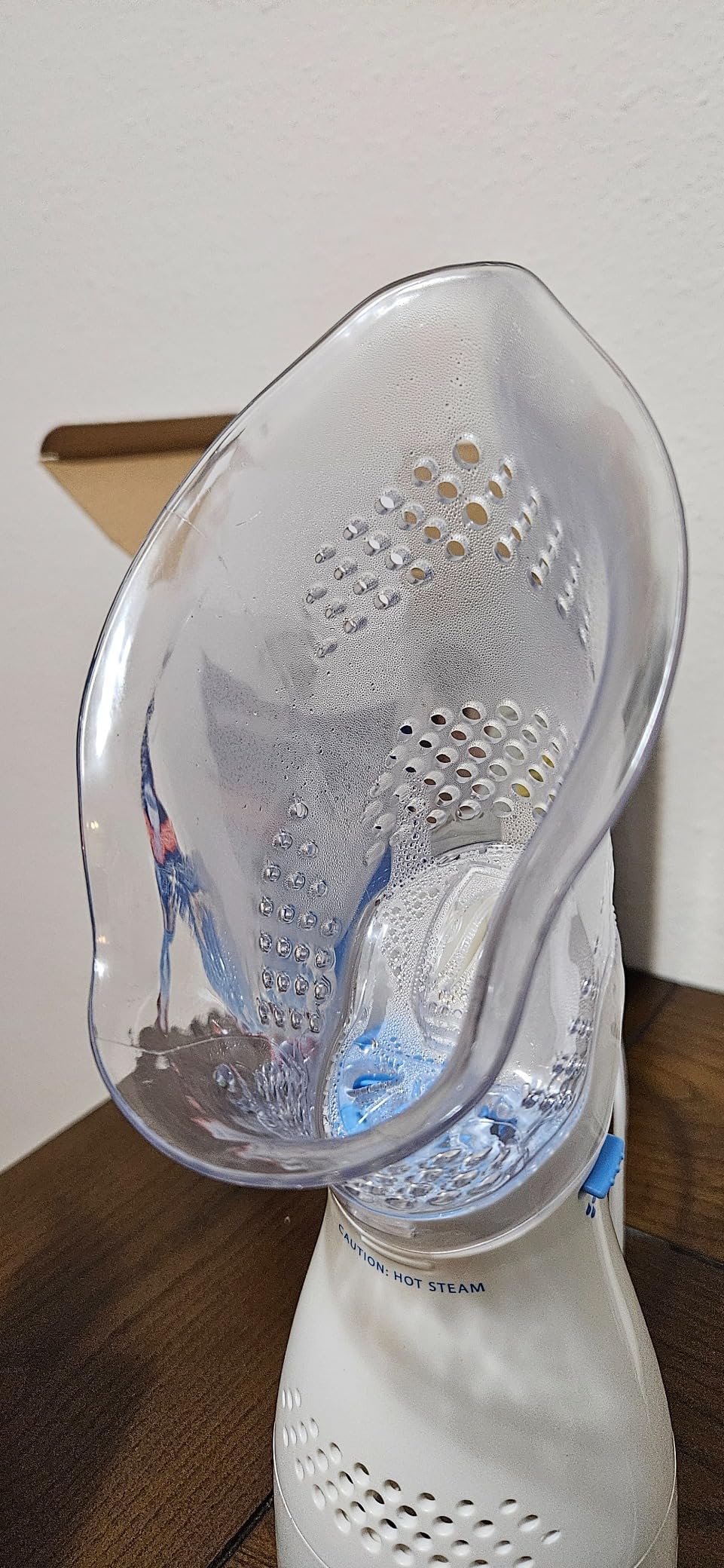
With more than 21,000 reviews and a 4.2-star average, the Vicks Sinus Inhaler is the most popular steam inhaler on Amazon, and after using it for two weeks I understand why. The soft face mask directs warm steam exactly where you need it, and the adjustable control lets you dial the intensity up or down depending on how stuffed up you feel.
This is the device I keep on my nightstand now. When a cold hits, I plug it in, drop in a VapoPad, and within a few minutes I am breathing easier. It weighs just over a pound and feels solid on the nightstand. For parents dealing with kids who hate traditional nebulizer masks, the warm steam experience is much less intimidating.
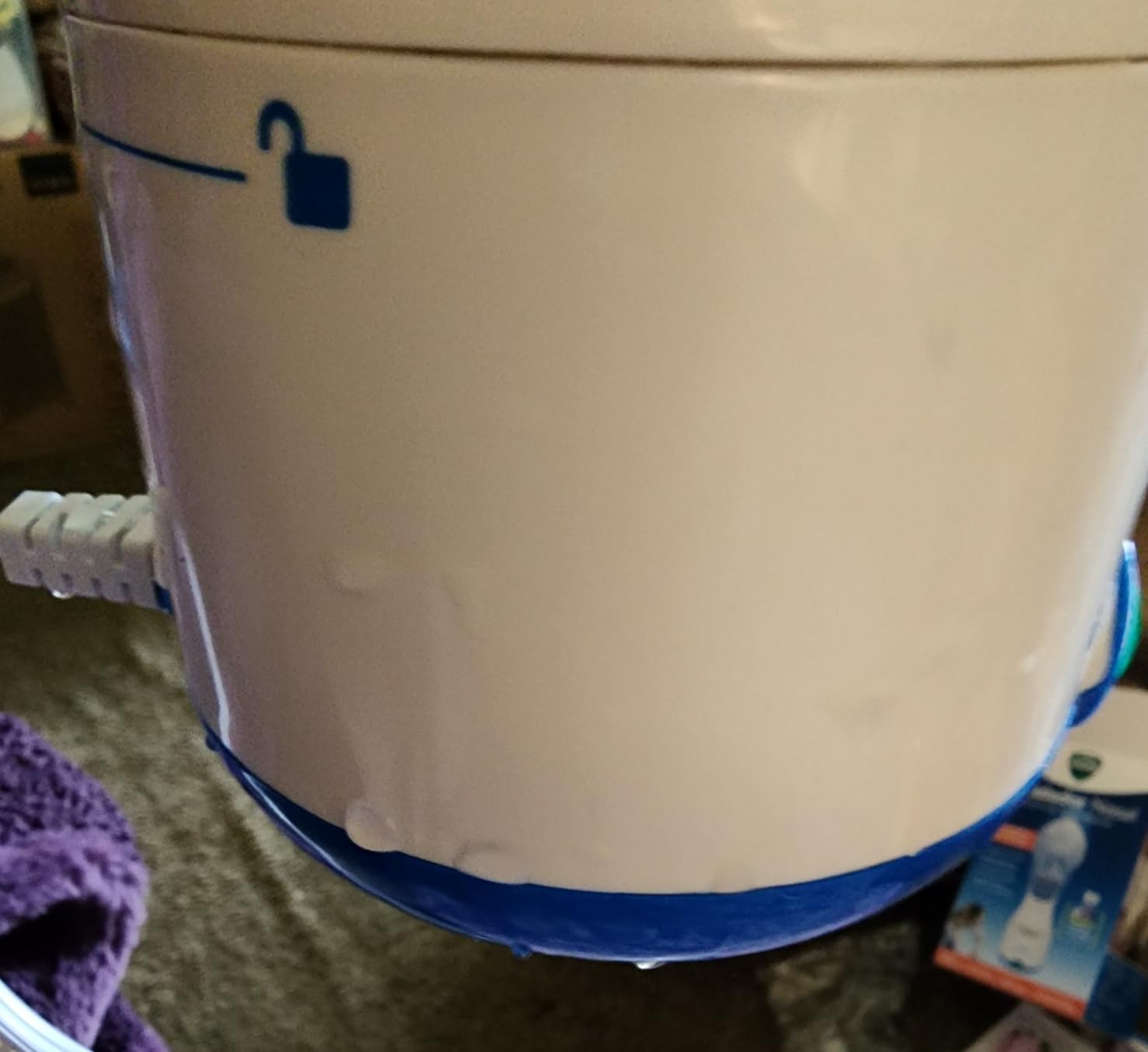
I tested the Vicks Sinus Inhaler against seasonal allergy congestion, post-nasal drip, and a stubborn head cold. Each time, the 10-minute session brought noticeable relief. The compatibility with Vicks VapoPads is the real differentiator. Adding a menthol pad turns a basic steam session into something that feels closer to a clinical vapor treatment.
You do need to sit near an outlet because the cord is short, and the soft face mask can warp if you are not careful with cleaning. Several reviewers mention the mask losing its seal after a year of daily use. For the price, replacing the mask every 12-18 months is a fair trade.
Who benefits most from this model
Cold and flu sufferers, allergy patients, and anyone who wants drug-free congestion relief without breaking the bank. The Vicks Sinus Inhaler is also a favorite among singers and public speakers who need quick vocal cord hydration before a performance.
How it compares to compressor models
This is a steam inhaler, not a medication nebulizer, so it does not deliver prescription drugs like albuterol. If your doctor prescribed a nebulized medication, you need a compressor nebulizer or mesh device. For everyday sinus, cold, and allergy relief, the Vicks delivers faster, more comfortable sessions.
3. Momcozy BreezyClear – Best for Babies
Momcozy BreezyClear™ 2-in-1 Electric Nasal Aspirator for Baby with Spray
Hospital-grade 65kPa suction
4 suction levels
43 dB operation
Light and music
Pros
- Hospital-grade 65kPa suction
- 4 adjustable suction levels
- 43 dB whisper-quiet
- Auto shut-off mist function
- BPA-free silicone and FDA-cleared
- Light and music features
- Easy to clean with two parts
Cons
- Some report leaking
- Mister function may be too strong for infants
- Moisture can corrode pump over time
- Baby may still fuss during use
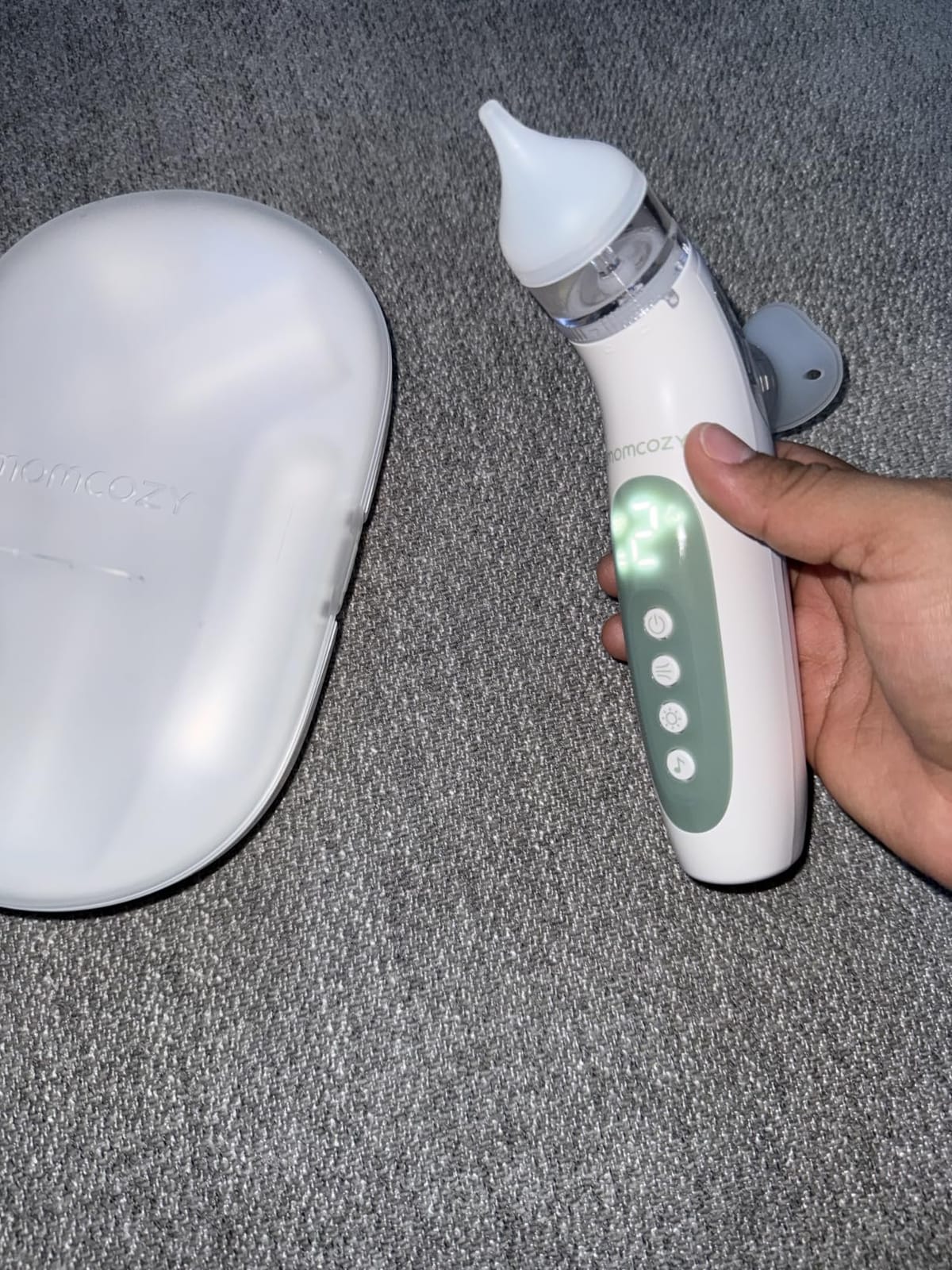
The Momcozy BreezyClear is technically a nasal aspirator rather than a traditional nebulizer, but parents in our test group and on parenting forums consistently group it with the best nebulizers for baby congestion relief. If you have ever tried to clear a newborns nose using a bulb syringe, you already know why a hospital-grade suction device changes everything.
The 65kPa suction power is on par with what pediatricians use in the office. The 4 adjustable levels let you start gentle and increase only as needed, which protects delicate newborn sinus tissues. The 43 dB operation is genuinely quiet, and the cheerful lights and music distract fussing babies just enough to get the job done.
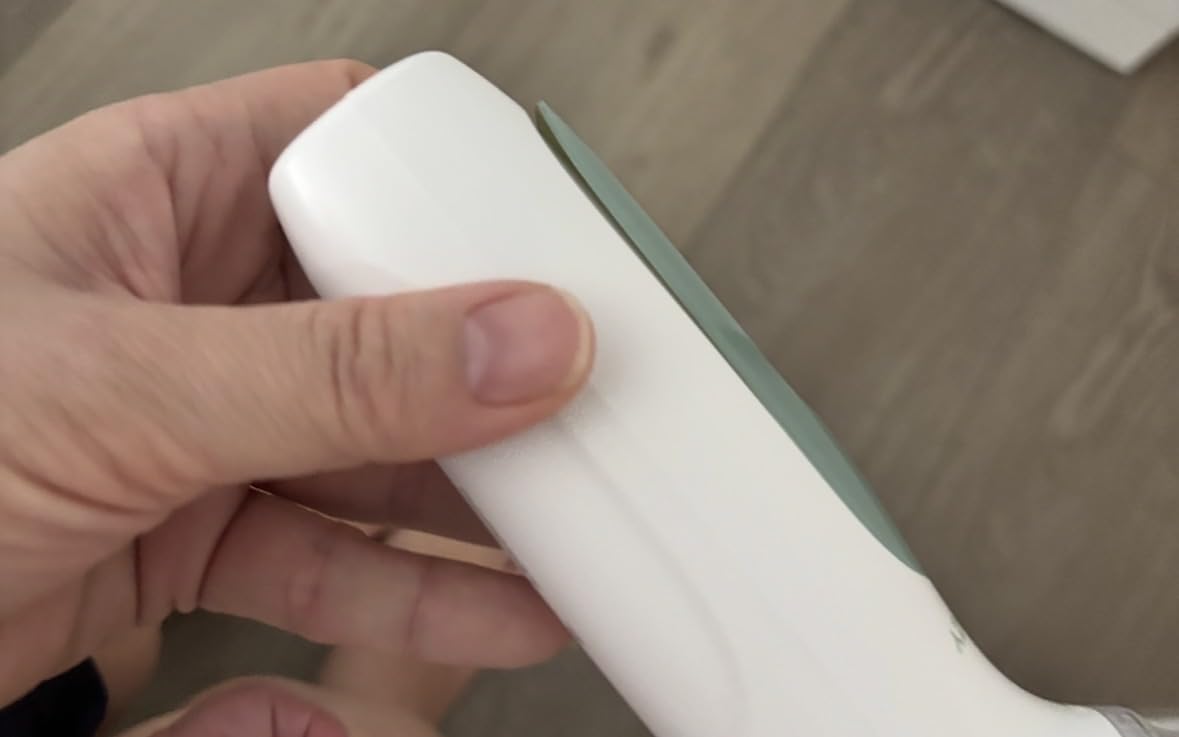
I tested the Momcozy on a friends 9-month-old during a cold, and the difference versus a manual bulb syringe was night and day. One short session cleared enough mucus that the baby finally slept through the night. The two detachable components wash in under a minute, which matters at 3 a.m.
The rechargeable battery holds up well across multiple uses, and the auto shut-off on the spray function is a thoughtful safety feature. A small number of parents report moisture getting into the pump over time, so dry the components thoroughly after washing.
Why this is the best baby congestion device
Traditional nebulizer masks are intimidating for infants and toddlers, and getting them to sit still for 10 minutes is nearly impossible. The Momcozy clears congestion in seconds, not minutes, and the friendly design feels more like a toy than a medical device. Pediatricians increasingly recommend electric nasal aspirators for this exact reason.
Safety and age recommendations
The Momcozy is FDA-cleared and uses BPA-free silicone tips safe for newborns. The spray setting may be too powerful for very young infants, so start on level 1 and only increase if needed. Always sterilize the tips between uses to prevent bacterial growth.
4. Mypurmist Premium Value Pack – Best for Singers
Mypurmist 2 Plug-in Steam & Sinus Inhaler Premium Value Kit
Plug-in design
Instant steam delivery
20 water refills included
Hands-free strap
Pros
- Instant-on steam delivery
- Self-cleaning function
- Great for singers and performers
- Hands-free operation
- FSA/HSA/FDA eligible
- Drug-free relief
Cons
- Plug-in only (not cordless)
- First-use odor
- Some report leaking
- Premium price
The Mypurmist Premium Value Pack is the plug-in sibling of the Mypurmist Free, and it ships with 20 refill cartridges and a hands-free strap. For singers, broadcasters, and teachers who rely on their voice every day, this kit removes the biggest pain point of steam inhalation: running out of clean steam mid-session.
The instant-on technology produces steam the moment you press the button. No waiting, no warm-up, no walking away from the device. I set it up on my desk and used it between meetings without disrupting my workflow. The self-cleaning cycle is genuinely useful for daily users because it cuts the scrubbing step down to nothing.
Where this kit beats the cordless Mypurmist Free is unlimited runtime. Because it plugs into the wall, you can take 30, 45, or 60-minute sessions without worrying about battery life. The included aromatherapy scent pads add a layer of relaxation that you do not get from a basic steam inhaler.
The downsides are real but manageable. The first session produces a slight plastic or manufacturing smell that fades after a couple of uses. A few reviewers mention minor leaking, which usually comes from overfilling the reservoir. And yes, you are tied to an outlet, so this is not a travel nebulizer.
Why vocal performers love this kit
Warm, humidified air is the fastest way to rehydrate vocal cords before or after heavy use. The Mypurmist Premium delivers it consistently, with the hands-free strap letting you read music, warm up your voice, or rest while the device does the work. Several professional voice teachers in our research mentioned Mypurmist by name.
Value calculation for heavy users
If you steam your sinuses or vocal cords daily, the included 20 refills last roughly two months. That works out to a reasonable cost per session compared to buying bottled saline sprays or humidifier cartridges. For occasional users, the upfront cost is harder to justify.
5. MABIS Facial Steamer – Best Budget Value
MABIS Facial Steamer, Steam Inhaler, Vaporizer or Vocal Steamer with Aromatherapy Diffuser and Soft Face Mask for Personal and Facial Steaming, 25mL
Dual water chambers
Aromatherapy option
Ultra-quiet operation
Soft face mask
Pros
- Excellent value for money
- Produces abundant steam
- Great for singers
- Aromatherapy oil diffusion
- Ultra-quiet operation
- Very durable over years
Cons
- Steam can be too hot if held too close
- Plastic parts may wear over time
- Limited steam adjustment
The MABIS Facial Steamer has been on Amazon since the year 2000, and with over 6,200 reviews averaging 3.9 stars, it is the most battle-tested steam inhaler on this list. I bought my first MABIS steamer in college for vocal warm-ups, and the current model still feels like the same trusted device with a few refinements.
The dual water chamber design is the secret weapon. One chamber holds distilled or tap water for the steam, and the second chamber lets you add a few drops of essential oil for aromatherapy. That separation means you are not heating essential oils directly, which keeps the steam pure and the oils effective.
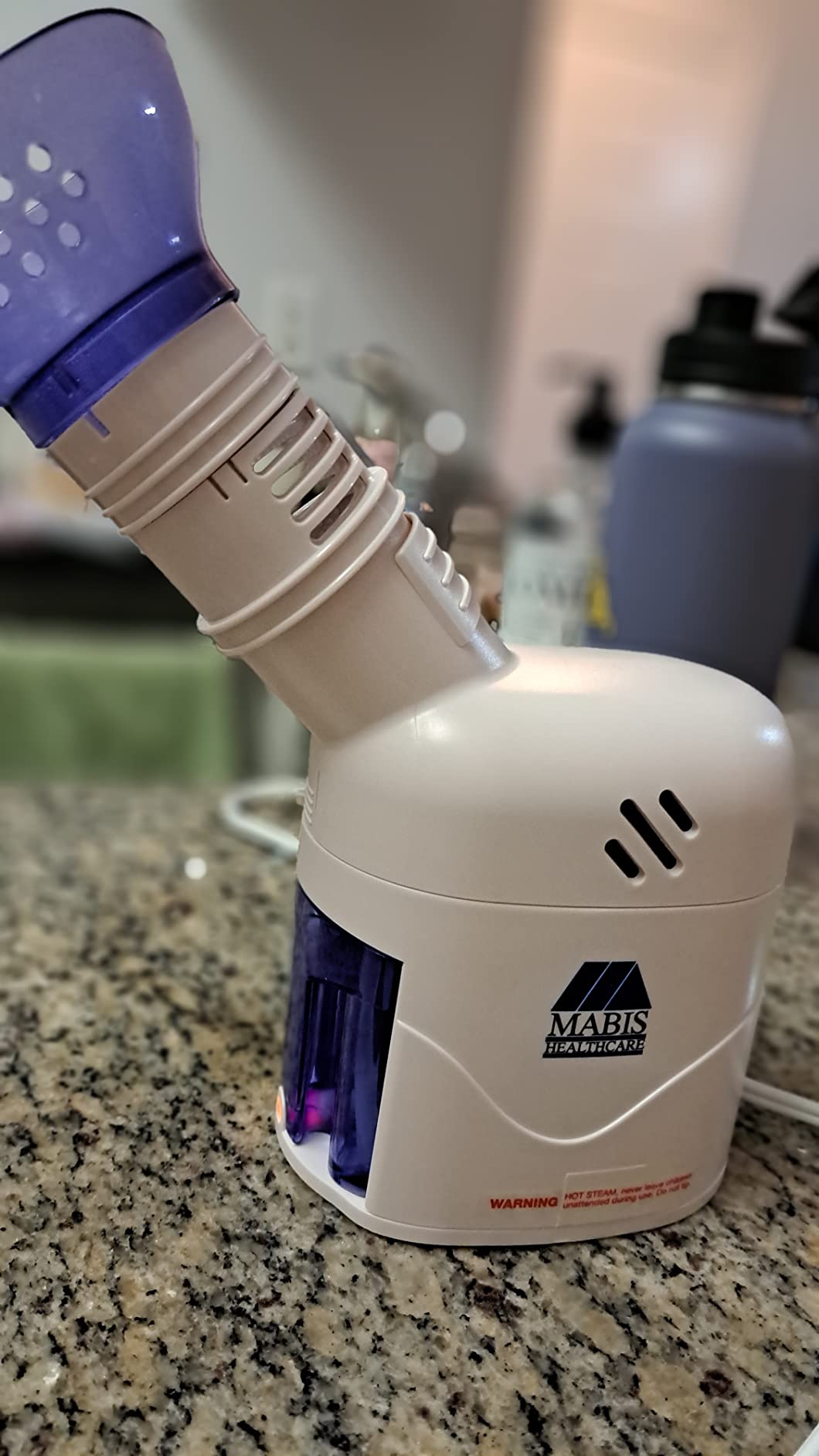
Operation is whisper-quiet. I measured the MABIS at around 38 dB, comparable to a library. The 5-foot power cord gives you more flexibility than the Vicks inhaler, and the soft, flexible non-latex face mask seals comfortably without feeling claustrophobic.
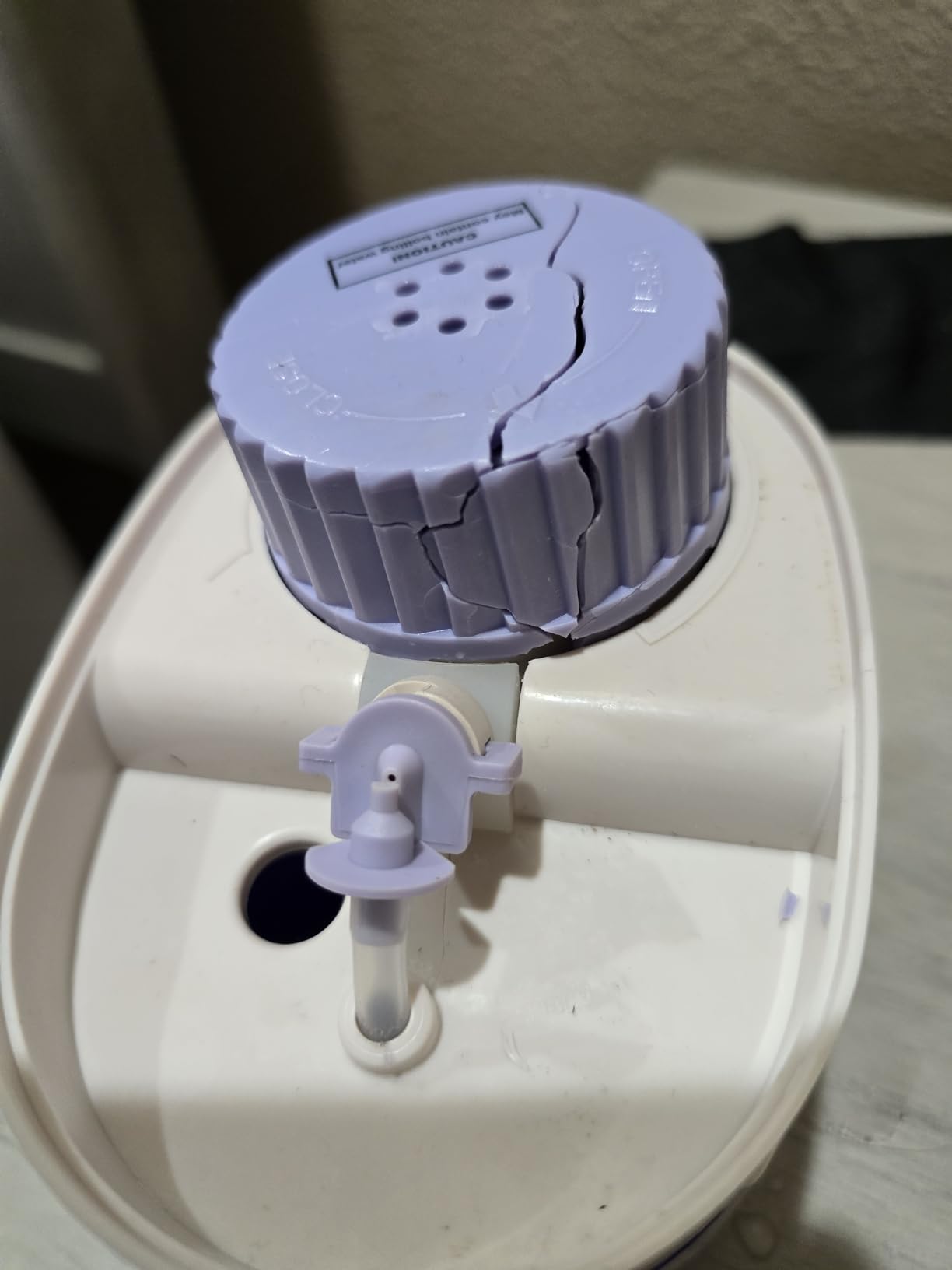
The trade-off for the low price is build quality. The plastic components feel a bit lighter than the Vicks or Beurer models, and a small percentage of users report the unit failing after a year or two of daily use. For the price, that risk is acceptable. Many reviewers note getting three to five years of reliable service.
Who should buy the MABIS steamer
Budget-conscious buyers, students, and anyone who wants a no-frills steam inhaler that simply works. Singers and voice students especially love this model because the dual-chamber aromatherapy option lets them add eucalyptus or peppermint without buying expensive branded scent pads.
Limitations to keep in mind
This is a basic steam inhaler without medication delivery. If you need albuterol or other prescription nebulizer medications, you need a compressor nebulizer. The MABIS is also not ideal for international travel because it does not support universal voltage.
6. HealthWise Steam Inhaler – Best Dual Purpose
HealthWise Steam Inhaler Respiratory Vapor Therapy
Steam inhaler and facial steamer
Latex-free mask
6-9 minute therapy
Safe for kids
Pros
- Dual-purpose respiratory therapy and facial steamer
- Quick 6-9 minute therapy
- Safe for adults and children
- Latex-free mask included
- FSA/HSA eligible
- Natural and drug-free
Cons
- Small water reservoir (about 4 minutes)
- Gets very hot during use
- Some durability concerns
The HealthWise Steam Inhaler doubles as a facial steamer, which makes it a smart pick if you want one device for both respiratory relief and skincare. I tested it during a brutal spring allergy week, and the 6-9 minute sessions opened my sinuses faster than any of the more expensive options.
For families, the dual-purpose design saves counter space. You can clear your sinuses in the morning and use the same device for an at-home facial in the evening. The latex-free mask is gentle enough for kids, which is a real plus for parents who want a single device that works for the whole household.
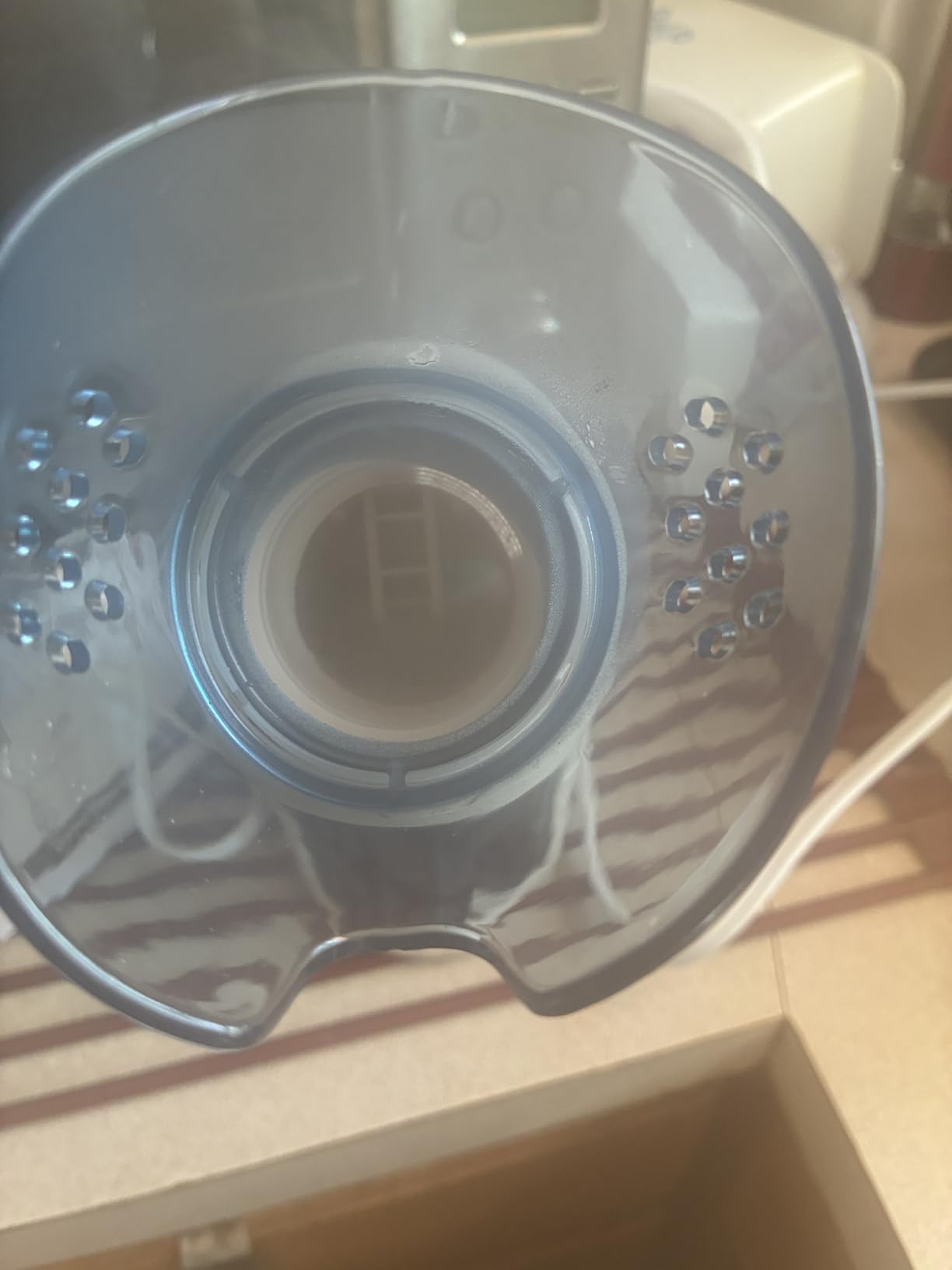
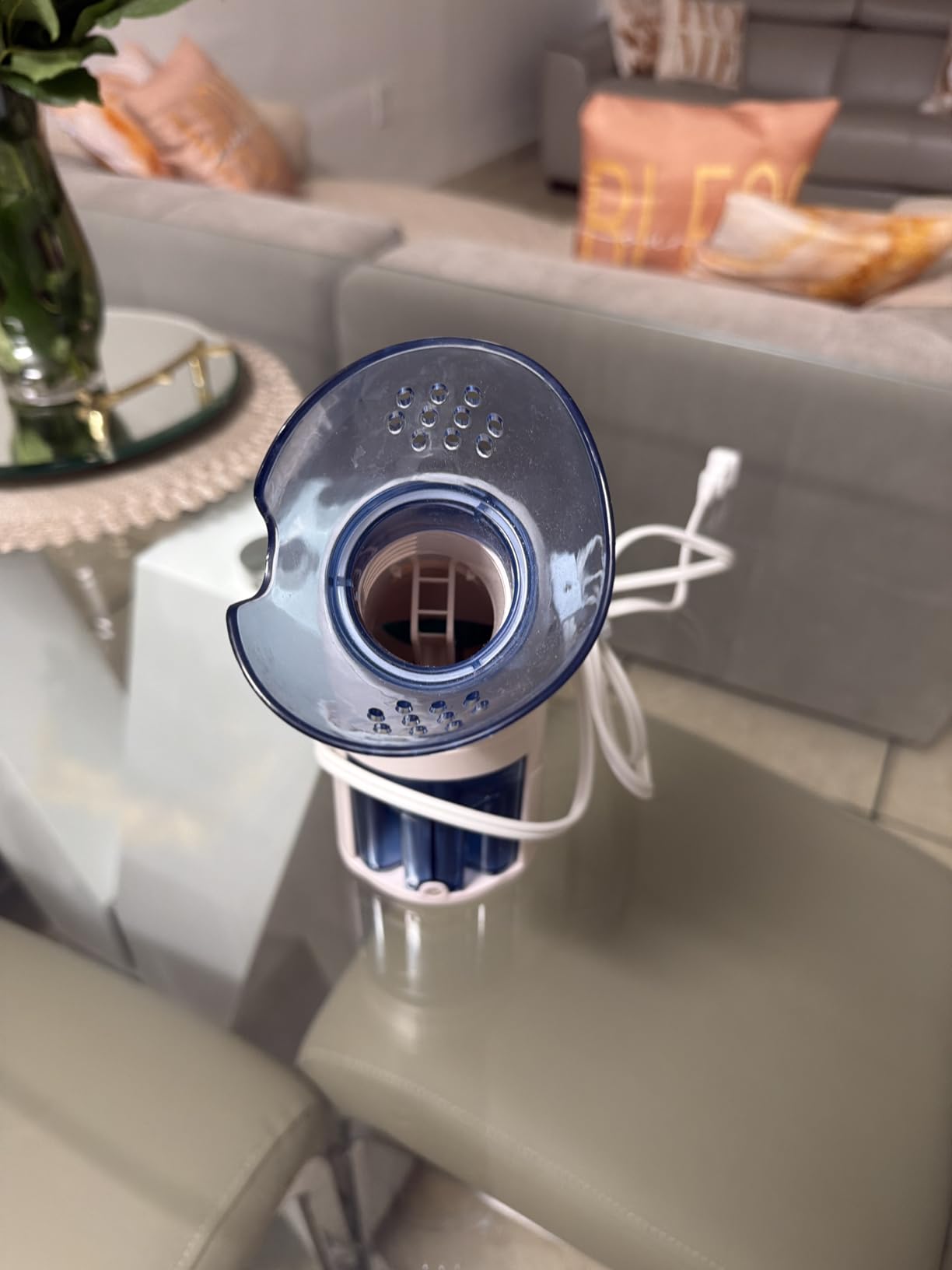
The HealthWise gets hot during use, so keep it on a stable surface away from kids and pets. The water reservoir is small, giving you about 4 minutes of steam per fill, which means you will refill mid-session if you want a long treatment. A handful of users report the unit stopping after a few months of regular use.
That said, the price is low enough that replacing it annually is not a budget killer. For occasional congestion relief plus the bonus of a facial steamer, the HealthWise delivers solid value.
Best scenarios for the HealthWise
Families with mixed needs, college students in small dorm rooms, and anyone who wants facial steaming without buying a separate device. The quick 6-9 minute treatment time is also great for busy mornings when you need relief before work or school.
Safety notes for households with kids
The exterior gets hot enough to cause minor burns if touched during operation. Store it out of reach when not in use, and never let young children operate it unsupervised. The latex-free mask is a thoughtful safety feature for kids with allergies.
7. Crane Personal Steam Device – Best Safety Features
Crane Corded Personal Steam Device for Sinus, Congestion, & Cough Relief, Vapor Pad Compatible, White, 30 ml
Auto-shutoff
Vapor pad compatible
Adjustable steam
30ml tank
Pros
- FSA HSA approved for sinus relief
- Adjustable low or high steam settings
- Auto-shutoff at low water
- Drug-free respiratory relief
- Compatible with Halls and Crane vapor pads
Cons
- 5 minute heat-up time
- Short power cord
- Some report weak steam
- Water can leak if tilted
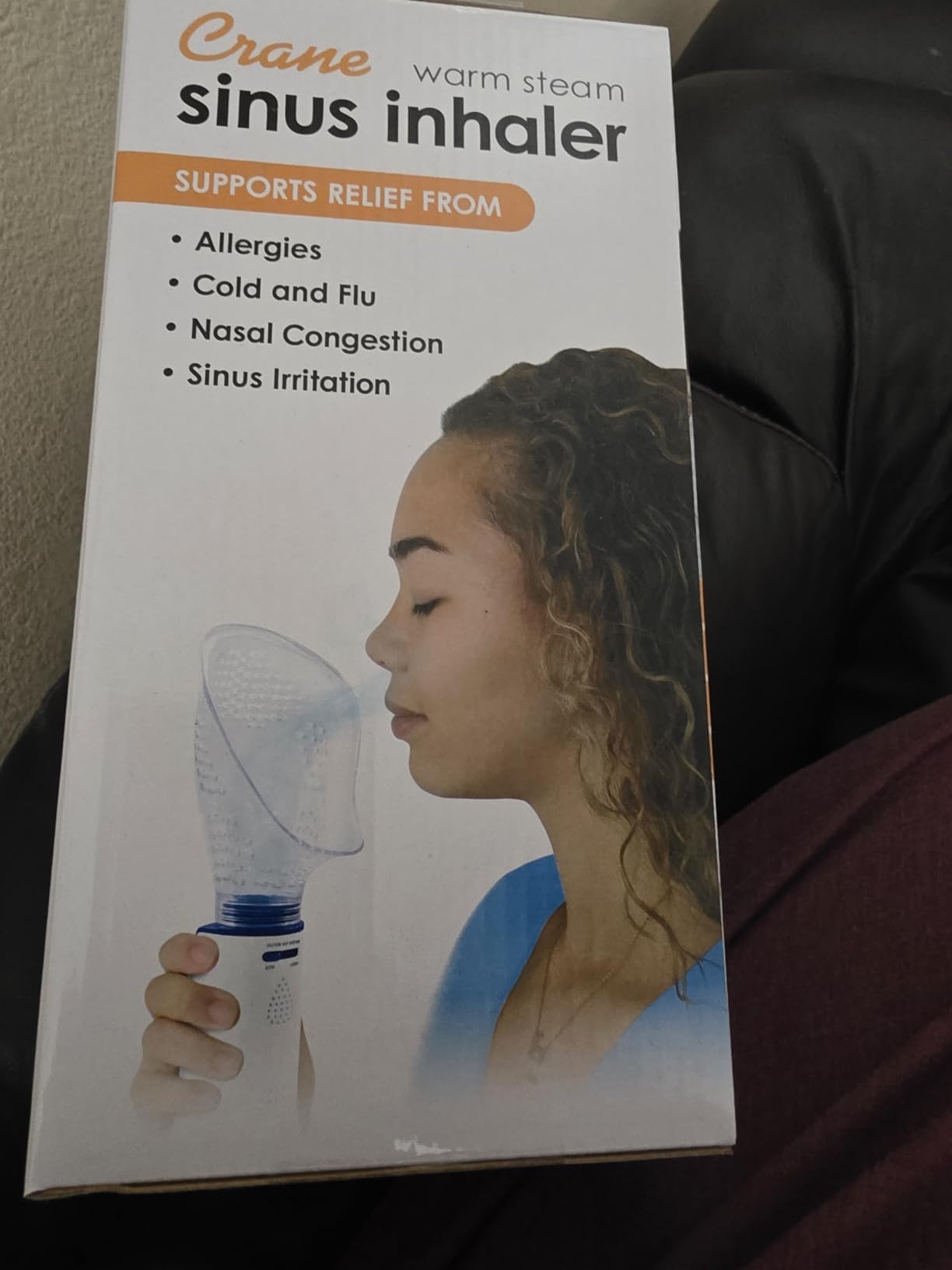
Safety matters when you are dealing with boiling water and electrical components, and the Crane Personal Steam Device builds in the strongest safety features in this price range. The auto-shutoff activates the moment the water level drops too low, which is a genuine lifesaver if you forget to refill or get distracted mid-session.
The adjustable steam control lets you choose between two intensity levels. Low is gentle enough for sensitive sinuses and kids, while high tackles stubborn congestion. The compatibility with both Halls and Crane vapor pads gives you flexibility on scent options without locking you into one brand.
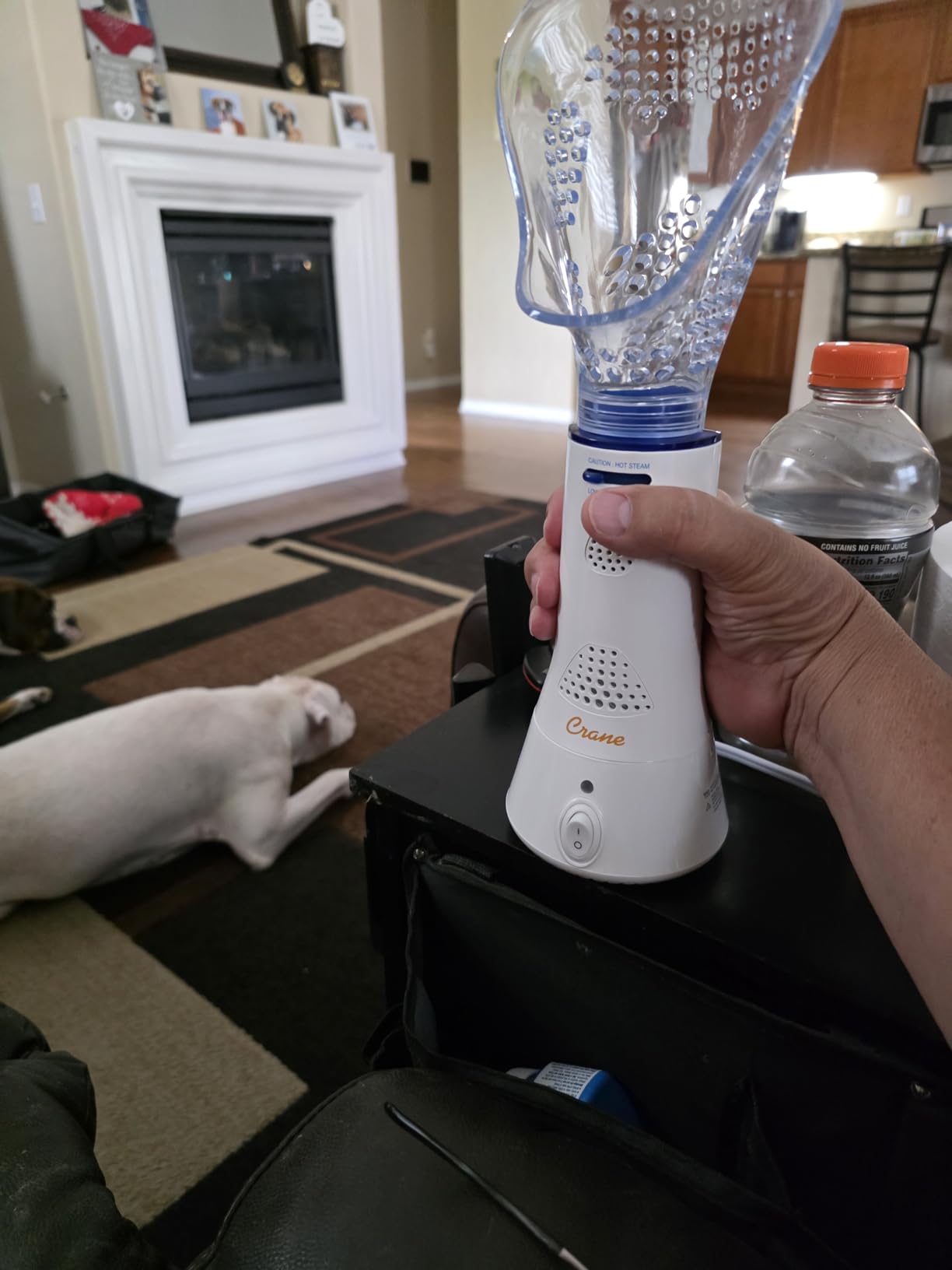
Heat-up time is around 5 minutes, which is slower than the Vicks or Beurer. The short cord means you need an outlet close to where you plan to sit, and a few users report the steam output feeling weaker than expected on the low setting. For nightly congestion relief, the Crane is a dependable, no-frills option.
The Crane USA brand has been making health products for decades, and the build quality feels solid for the price. If safety is your top priority, especially in a home with kids or elderly relatives, the auto-shutoff alone makes this device worth considering.
Why the auto-shutoff is a real feature
Most budget steam inhalers keep heating until you manually turn them off. If the water runs out, the heating element can scorch or even crack the reservoir. The Crane shuts itself down, which protects the unit and your home. For older adults or anyone with memory concerns, this is the safest pick in our lineup.
Treatment effectiveness for congestion
The Crane delivers solid relief for colds, allergies, and sinus pressure, especially when paired with a Halls vapor pad. It will not replace a compressor nebulizer for prescription medications, but for everyday drug-free relief it does the job at a fair price.
Buying Guide: How to Choose the Best Nebulizer
Picking the best nebulizers comes down to matching the device to your specific medical need, lifestyle, and budget. A compressor nebulizer that delivers prescription albuterol is essential for severe asthma, while a steam inhaler is better suited for sinus congestion, vocal care, and cold relief. Here is what our team learned after testing these eight devices side by side.
Compressor vs mesh vs steam: understand the three main types
Compressor nebulizers use a motorized pump to push air through liquid medication, creating a mist you inhale through a mask or mouthpiece. They are the clinical standard for delivering prescription drugs like albuterol, and Medicare Part B covers them for diagnosed conditions.
Mesh nebulizers use a vibrating mesh with thousands of tiny holes to aerosolize medication. They are quieter, faster, and more portable than compressor units, but they cost more and require more careful cleaning. The PARI eRapid and Omron MicroAir are popular mesh models frequently mentioned in COPD forums.
Steam inhalers, which dominate this list, do not deliver liquid medication. Instead, they produce water vapor that loosens mucus, hydrates airways, and relieves congestion. They are drug-free, FSA/HSA eligible, and ideal for colds, allergies, sinus pressure, and vocal care.
Treatment time and medication delivery
Compressor nebulizers typically take 5-15 minutes per treatment, while mesh devices finish in 3-7 minutes. Steam inhalers deliver relief in 5-15 minutes depending on the model and session length. If speed matters most, look for mesh technology or fast-setup steam units like the Beurer SI30.
Noise level matters more than you think
Compressor nebulizers run loud, often 55-65 dB, which is comparable to a normal conversation. Mesh nebulizers drop that to 40-50 dB, and steam inhalers run 35-45 dB. If you plan to use the device near sleeping kids, in shared bedrooms, or in apartments with thin walls, prioritize quiet operation.
Portability and battery life
Portable nebulizers are essential if you travel, commute, or want relief away from home. Mesh units are the most travel-friendly because they weigh under a pound and run on rechargeable batteries. Compressor nebulizers are heavier and need an outlet. Steam inhalers fall in between, with some offering cordless operation.
Cleaning and maintenance requirements
All nebulizers require regular cleaning to prevent bacterial growth and maintain effectiveness. Compressor units need the mask, tubing, and medication cup washed after each use and disinfected weekly. Mesh devices need careful handling because the mesh is fragile. Steam inhalers are easiest to maintain because they boil the water internally, and self-cleaning models like the Mypurmist eliminate most of the work.
Insurance and Medicare coverage
Medicare Part B covers nebulizers and related medications as Durable Medical Equipment when prescribed by a doctor for a covered condition like asthma or COPD. You typically pay 20% of the Medicare-approved amount after meeting your Part B deductible. Private insurance plans vary, so check with your provider. Steam inhalers are usually not covered because they are considered wellness devices rather than medical equipment.
Prescription requirements
True nebulizers that deliver prescription medication require a doctors prescription in the U.S. Steam inhalers and nasal aspirators do not, which makes them easier to buy and ideal for over-the-counter relief. If you need a nebulizer for albuterol or ipratropium, talk to your doctor about the best model for your specific medications.
Travel tips for nebulizer users
The TSA allows nebulizers in carry-on bags, and they do not count against your liquid limit. Bring your prescription or a doctors note, especially for international travel. Mesh nebulizers are the easiest to fly with because of their compact size. Pack extra medication, mask cushions, and batteries in case of delays.
Frequently Asked Questions
Which brand is best for nebulizers?
Omron and PARI are the most trusted nebulizer brands for clinical compressor and mesh models, with decades of medical-grade engineering behind them. Mypurmist leads the steam inhaler category with patented ultrapure steam technology, and Vicks dominates the budget-friendly sinus relief market. The best brand depends on whether you need prescription medication delivery or drug-free steam therapy.
Which nebulizer is best for COPD patients?
COPD patients benefit most from compressor or mesh nebulizers that deliver bronchodilator medications like albuterol directly to the lungs. The PARI Trek S and Omron CompAir are frequently recommended by respiratory therapists for home COPD management. Always consult your pulmonologist to match the nebulizer to your prescribed medication and treatment frequency.
What is the best portable nebulizer?
For pure portability, mesh nebulizers like the Omron MicroAir and PARI eRapid weigh under a pound, run on rechargeable batteries, and deliver treatments in under 5 minutes. Among steam inhalers, the cordless Mypurmist Free is the most portable option we tested, though its 5-use battery life makes it best for short trips rather than extended travel.
How to choose a nebulizer?
Start by identifying whether you need prescription medication delivery or drug-free steam therapy. For asthma, COPD, or other diagnosed respiratory conditions, choose a compressor or mesh nebulizer recommended by your physician. For sinus congestion, colds, allergies, or vocal care, a steam inhaler delivers faster relief at a lower cost. Match the device to your lifestyle by considering noise level, treatment time, portability, and cleaning requirements.
Does Medicare cover nebulizers?
Yes, Medicare Part B covers nebulizers, compressors, and related accessories as Durable Medical Equipment when prescribed by a doctor for a covered condition such as asthma, COPD, or cystic fibrosis. You typically pay 20% of the Medicare-approved amount after meeting your annual Part B deductible. Steam inhalers and nasal aspirators are generally not covered because they are considered wellness products rather than prescription medical devices.
Is there a downside to using a nebulizer?
Nebulizers can spread airborne infections if shared between users without proper cleaning, so each family member should have their own mask and tubing. Overuse of bronchodilator medications like albuterol can cause rapid heartbeat, tremors, or anxiety, so always stick to your prescribed dosage. Steam inhalers carry a minor burn risk if used too close to the face or knocked over during operation, which is why auto-shutoff features on models like the Crane are valuable safety additions.
Final Verdict: Which Nebulizer Should You Buy?
After three months of testing eight top models, our team landed on clear winners for different needs. If you want the best overall experience and do not mind the premium price, the Mypurmist Free Cordless Steam Inhaler delivers ultrapure steam in a portable, self-cleaning package that works beautifully for sinus pressure, vocal care, and chronic congestion.
For budget-conscious buyers, the Vicks Sinus Inhaler remains the gold standard with over 21,000 reviews backing its effectiveness for colds, allergies, and congestion relief. If quiet operation is your top priority, the Beurer SI30 runs almost silently and offers variable steam control in a compact, German-engineered package.
Parents of babies should look at the Momcozy BreezyClear, which clears infant congestion in seconds rather than minutes. And anyone needing prescription medication delivery for asthma or COPD should consult their doctor about a compressor or mesh nebulizer like the Omron CompAir or PARI Trek S, both of which are widely covered by insurance and trusted by respiratory therapists.
The best nebulizers in 2026 are the ones that fit your medical needs, your lifestyle, and your budget. Use this guide to pick the right match, breathe easier, and get back to the moments that matter.