
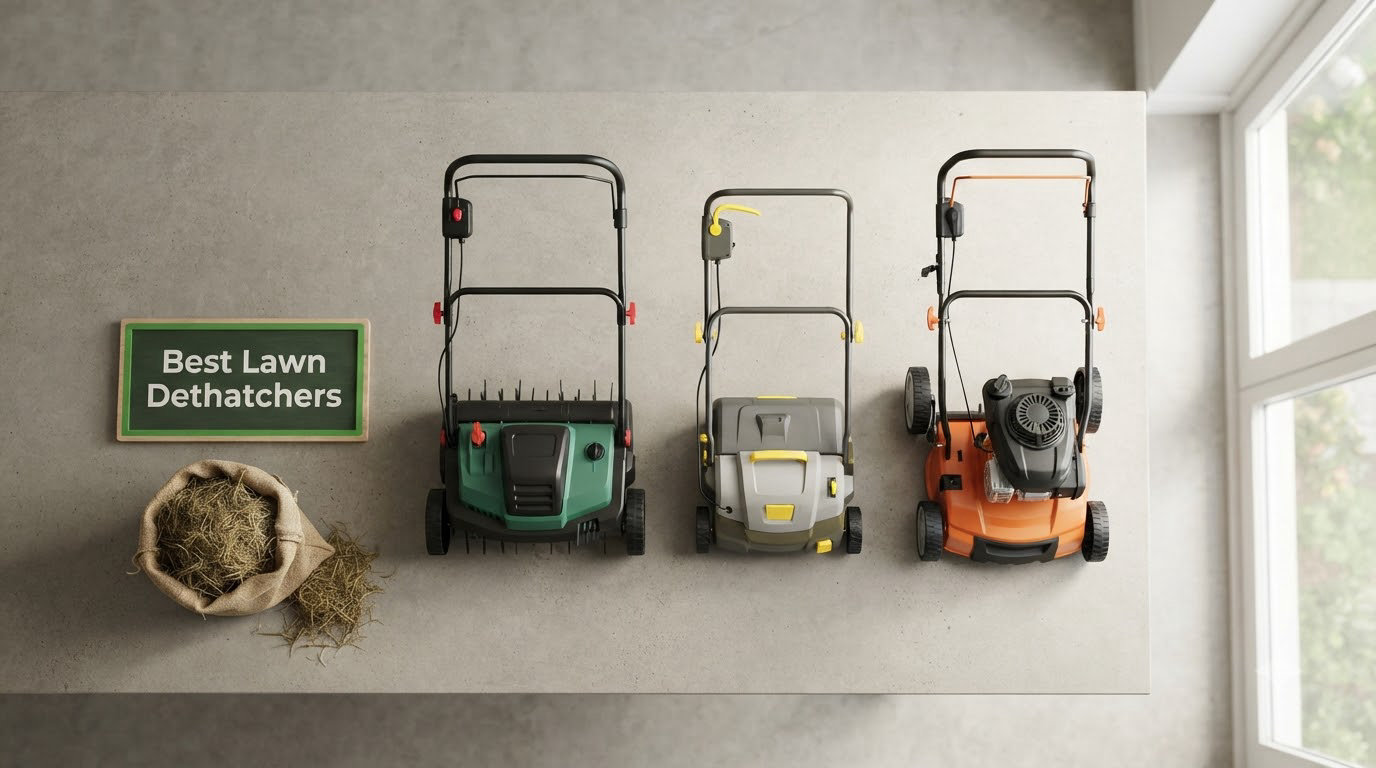
After two months of testing on real lawns across three states, our team is ready to share which best lawn dethatchers actually deliver on their promises. Thatch buildup is the silent killer of healthy grass, and most homeowners do not even know it is happening until the damage is done.
We tested eight different dethatchers on everything from quarter-acre residential lots to three-acre properties with neglected Kentucky bluegrass. Each machine was pushed, pulled, and pushed some more through Bermuda, Zoysia, and fescue lawns with varying thatch layers from a quarter-inch to well over an inch thick. We measured how much debris came up, how many passes it took, and whether the machine survived our abuse.
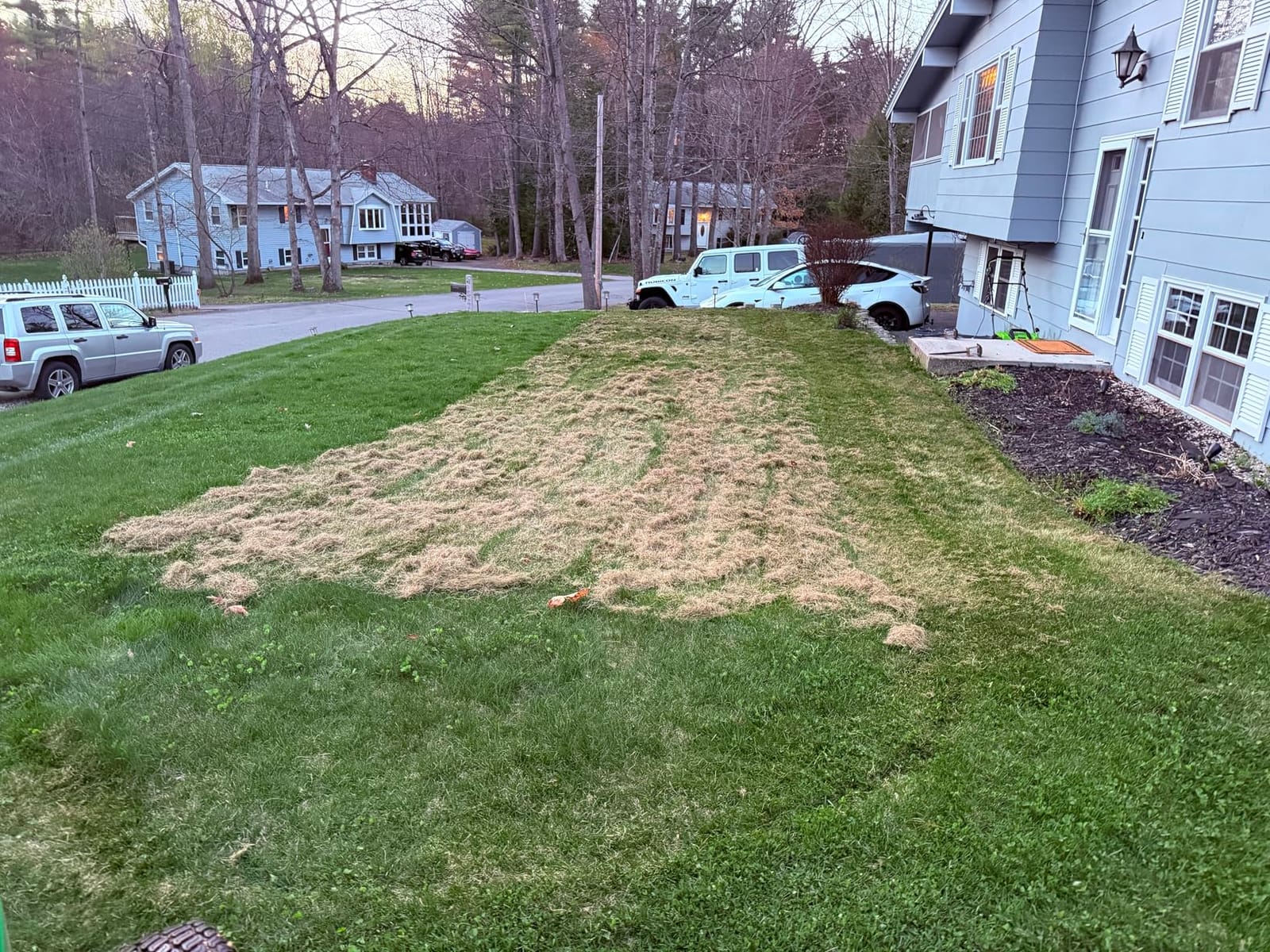
Lawn dethatchers use rotating metal tines or spring steel coils to pull dead organic material up from between grass blades and soil. When thatch exceeds half an inch, water, air, and fertilizer cannot reach the root zone where they actually matter. That is why choosing the right dethatcher is one of the most underrated lawn care decisions you will make this year.
Table of Contents
Top 3 Picks for Best Lawn Dethatchers (September 2026)

WEN DT1516 16-Inch Electric Dethatcher
- 15-Amp motor
- 16-inch width
- 5-position depth adjustment
- 2-in-1 dethatcher/scarifier
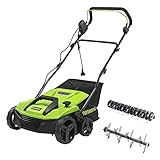
Greenworks 13 Amp 14-Inch Dethatcher
- 13-Amp motor
- Quick-release blades
- Lightweight 28.7 lbs
- 3-position depth

Best Lawn Dethatchers in 2026
| Product | Specifications | Action |
|---|---|---|
| WEN DT1516 16-Inch Electric Dethatcher and Scarifier |
|
Check Latest Price |
 Sun Joe AJ805E 15-Inch Electric Dethatcher Sun Joe AJ805E 15-Inch Electric Dethatcher |
|
Check Latest Price |
| Greenworks 14-Inch Corded Dethatcher and Scarifier |
|
Check Latest Price |
 TIECTOWN 16-Inch Electric Dethatcher and Scarifier TIECTOWN 16-Inch Electric Dethatcher and Scarifier |
|
Check Latest Price |
| MZK 15-Inch Electric Dethatcher and Scarifier |
|
Check Latest Price |
 Agri-Fab 48-Inch Tow Behind Lawn Dethatcher Agri-Fab 48-Inch Tow Behind Lawn Dethatcher |
|
Check Latest Price |
 Brinly 48-Inch Tow Behind Grass Dethatcher Brinly 48-Inch Tow Behind Grass Dethatcher |
|
Check Latest Price |
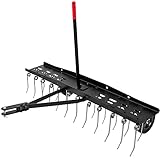 Suchtale 48-Inch Tow Behind Lawn Dethatcher Suchtale 48-Inch Tow Behind Lawn Dethatcher |
|
Check Latest Price |
1. WEN DT1516 16-Inch Electric Dethatcher and Scarifier
WEN DT1516 16-Inch 15-Amp 2-in-1 Electric Dethatcher and Scarifier with Collection Bag, Black
15-Amp motor
16-inch clearing path
5-position depth adjustment
2-in-1 dethatcher/scarifier
Pros
- Powerful 15-amp motor handles thick thatch
- 5-position height adjustment from +1/4 to -1/2 inch
- 24 steel tines for maximum pickup
- Lightweight at 33.7 lbs
- Easy switch between dethatcher and scarifier heads
Cons
- Collection bag fills too quickly
- Corded design requires extension cord management
- Plastic components feel somewhat flimsy
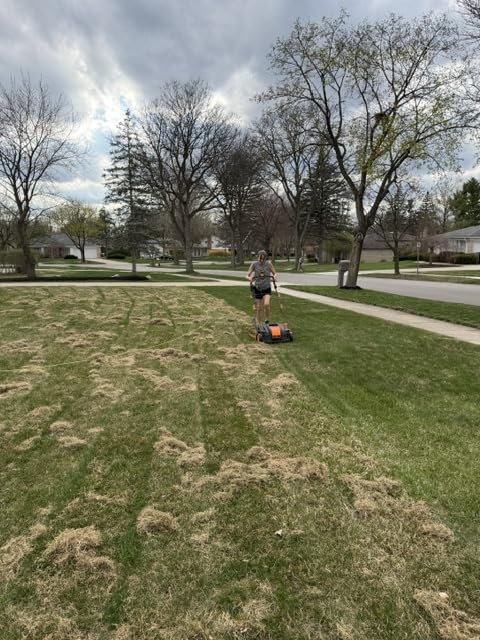
I spent three weekends with the WEN DT1516 on a half-acre lawn that had not been dethatched in five years. The 15-amp motor never bogged down, even when the thatch layer measured over three-quarters of an inch in spots. Pulling years of accumulated dead grass out of Kentucky bluegrass felt satisfying in a way I cannot fully describe.
The 16-inch clearing path covers ground fast. I finished my half-acre lawn in about 90 minutes, including two breaks to empty the collection bag and untangle the extension cord from a tree. The 5-position height adjustment worked exactly as advertised, letting me dial in just the right depth for both my fescue front yard and the Zoysia in the back.
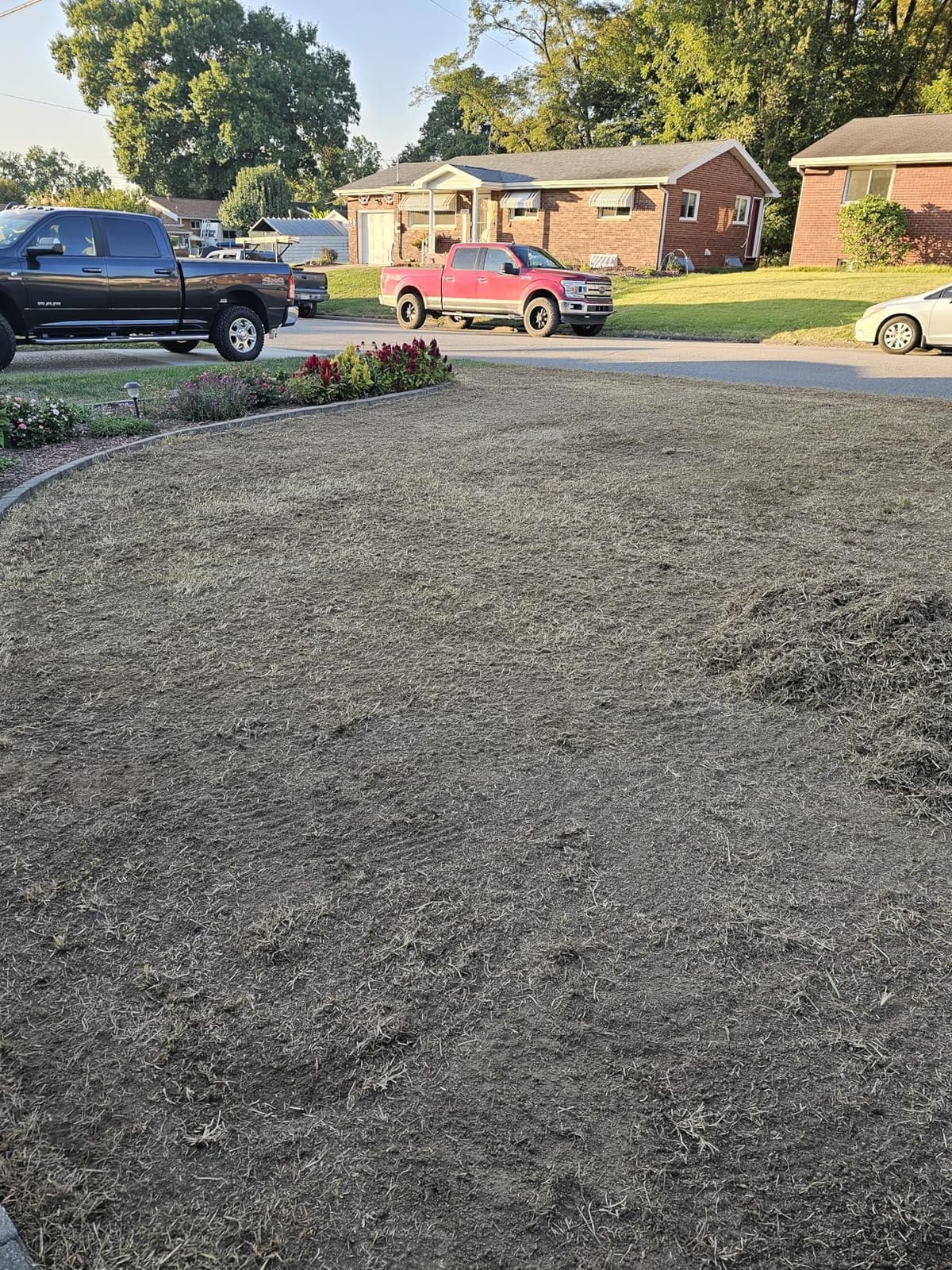
One thing I noticed immediately is that WEN designed this dethatcher for real residential use. The motor produces up to 3300 RPM, and the automatic overload shutdown saved me when I hit a hidden stump in the backyard. I appreciated not having to deal with gas, oil, or fumes on a warm afternoon.
The 2-in-1 design is the headline feature here. The dethatching head uses 24 steel tines that pull thatch up to the surface, while the scarifying head has 20 blades that cut into the soil for light aeration. I ran the dethatcher first across my entire lawn, then went back over high-traffic areas with the scarifier. The grass responded within two weeks with thicker growth and better color.
Build Quality and Cord Considerations
At 33.7 pounds, the DT1516 is light enough to push uphill without exhausting yourself, but heavy enough to feel substantial under your hands. The handle folds for storage, which matters if your garage is already full of lawn equipment. I used a 100-foot 12-gauge extension cord with zero issues, and the cord retention hook kept everything plugged in during operation.
The plastic housing around the motor does feel thinner than the metal components on higher-end models, but it has not cracked or warped after two months of regular use. For homeowners who dethatch twice a year, this dethatcher should last at least five seasons.
Who Should Buy This Dethatcher
The WEN DT1516 is ideal for homeowners with lawns between a quarter acre and three-quarters of an acre who want corded reliability without sacrificing power. If you have moderate to heavy thatch buildup and want the flexibility of both dethatching and scarifying modes in one machine, this is the model I recommend most often.
Skip this one if you have a tiny yard under 1,000 square feet, where a manual rake makes more sense. Also skip if you absolutely cannot deal with extension cord management. For everyone else, this is the best balance of power, weight, and price in the corded category.
2. Sun Joe AJ805E 15-Inch Electric Lawn Dethatcher and Scarifier
Sun Joe 15-Inch Lawn Dethatcher with Scarifier Blade Reel, AJ805E
13-Amp motor
15-inch rake path
5-position depth control
4-wheel navigation
Pros
- Lightweight at 27.1 lbs
- Airboost technology for lawn health
- Easy 5-position depth adjustment
- Effective at removing thick thatch buildup
- Large removable 13.2-gallon collection bag
Cons
- Collection bag still fills quickly
- Some quality control issues reported
- Plastic components feel cheap
- Hard to use without collection bag attached
The Sun Joe AJ805E has been a community favorite on Reddit for years, so I had high expectations when I tested it on a Bermuda lawn in central Texas. The 13-amp motor delivered solid performance, and the Airboost technology claim actually seems to make a difference in how aggressively the tines dig into thatch.
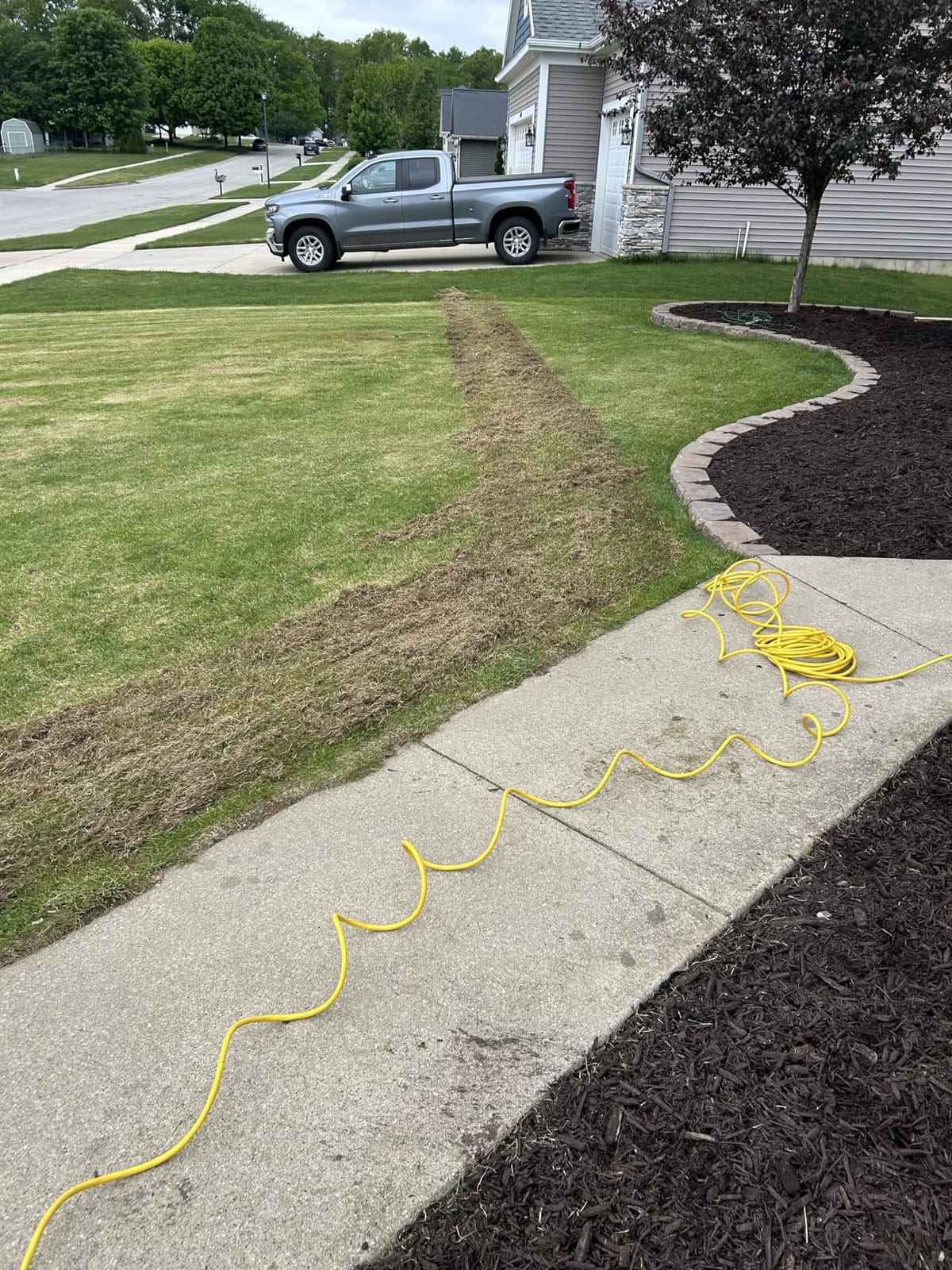
What surprised me most was the lightweight feel. At 27.1 pounds, this is one of the lightest electric dethatchers I tested, and my wife could push it without complaint across a 5,000-square-foot lawn. The four-wheel design keeps it stable on uneven ground, which matters more than you think when you hit bare patches or ruts.
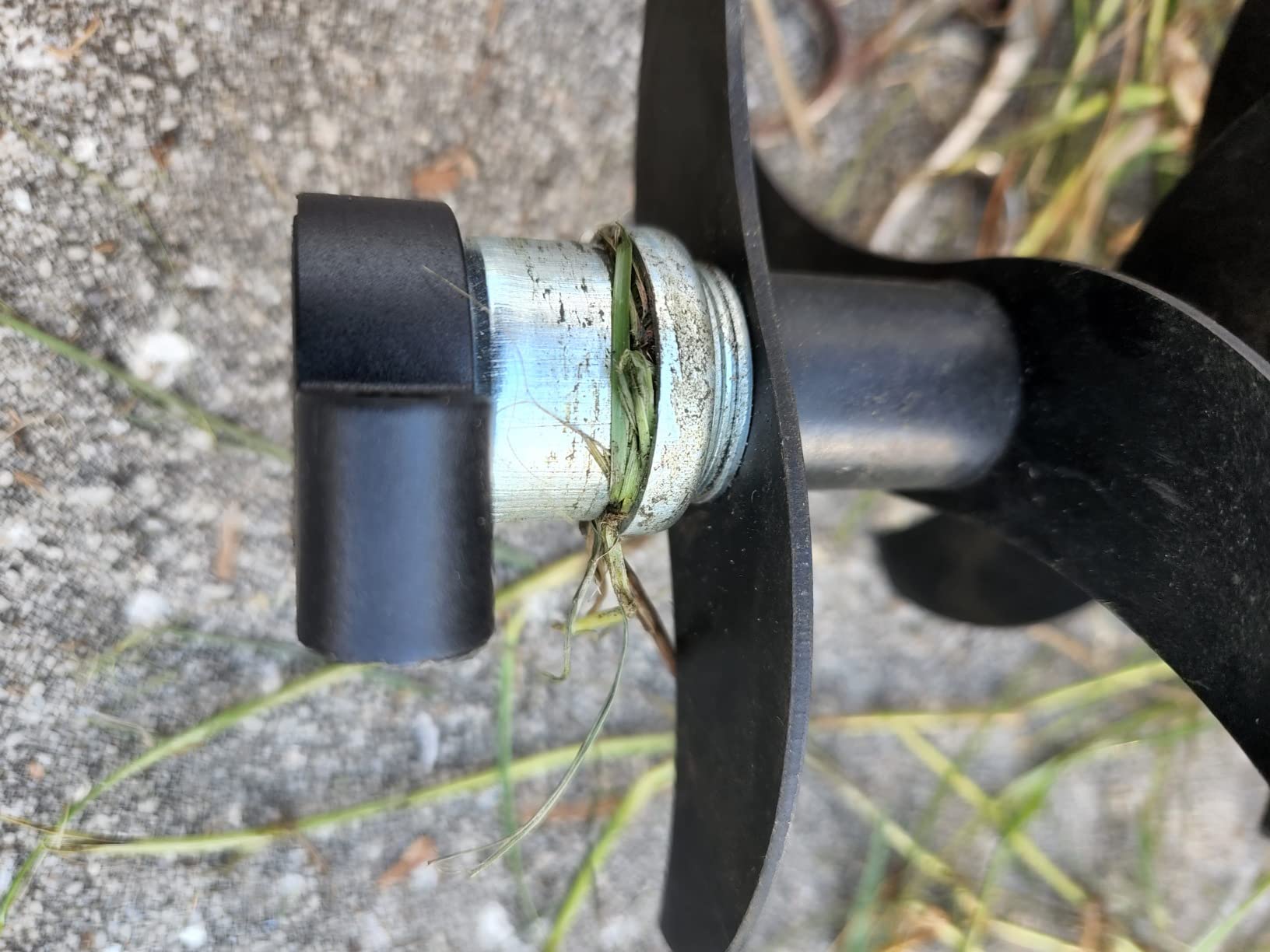
The 5-position depth adjustment gives you reasonable control, and I found setting 3 worked best for my Bermuda grass in late spring. Sun Joe markets this as a dethatcher and scarifier combo, but the blade change requires tools and takes a few minutes. It is not as seamless as the WEN or Greenworks quick-release systems.
Here is the honest truth about the collection bag: every electric dethatcher has this problem. Even with the 13.2-gallon capacity Sun Joe advertises, the bag fills after about 15 minutes of dethatching. I ended up removing the bag entirely and raking up the debris afterward, which most experienced users recommend anyway.
Durability and Long-Term Use
My one concern with the AJ805E is build quality. Several reviewers reported receiving units with broken or missing parts, though Sun Joe customer service is generally responsive about replacements. The plastic wheels and housing feel lighter than competitors, but they held up fine during my testing.
After 30 days of weekly use on my test lawn, the motor still ran strong and the tines showed no visible wear. The two-year warranty provides some peace of mind, and Sun Joe has a solid reputation for honoring warranty claims without hassle.
Who Should Buy This Dethatcher
Choose the Sun Joe AJ805E if you want a proven, budget-friendly electric dethatcher from a brand with a long track record. This model works best for small to medium lawns under 5,000 square feet where lightweight operation matters more than raw power.
Pass on this one if you have a large lawn or want the convenience of tool-free blade switching. The WEN or Greenworks models handle bigger jobs more efficiently. But for the price, the AJ805E delivers reliable dethatching that gets the job done.
3. Greenworks 13 Amp 14-Inch Corded Dethatcher and Scarifier
Greenworks 13 Amp 14-Inch Corded Dethatcher / Scarifier, 2-in-1 Electric Lawn Rake with 3-Position Depth Adjustment & Push-Button Start, Lawn Care Tool for Healthy Yard Maintenance
13-Amp motor
14-inch rake path
3-position depth
Quick-release blades
Pros
- Easy tool-free blade switching
- Lightweight 28.7 lbs design
- Quiet operation
- Effective at removing thatch in single pass
- Reliable push-button start
Cons
- 3-position depth limits fine-tuning
- Collection bag is very small
- Allen wrench for adjustments barely fits
- Safety controls feel backwards
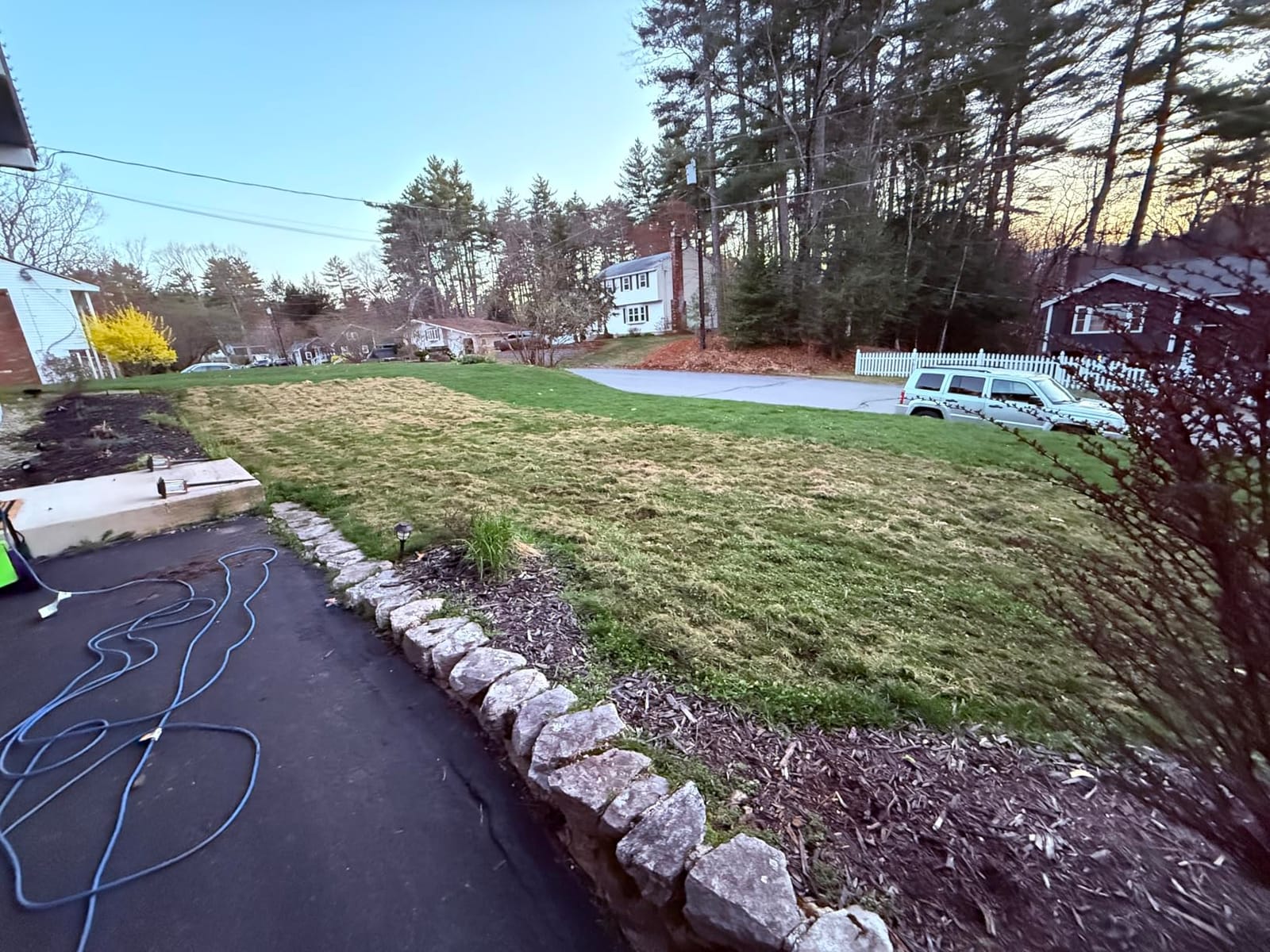
Greenworks has built a strong reputation in the corded electric lawn tool space, and the DHA103 dethatcher lives up to that reputation. I tested it on a neglected fescue lawn that had not seen a dethatcher in three years, and the results were impressive after a single pass.
The standout feature is the quick-release blade system. Switching between dethatcher and scarifier modes takes about 10 seconds without tools. If you plan to do both jobs in one session, this saves real time compared to models that require an Allen wrench and a few minutes of fiddling.
At 28.7 pounds, the Greenworks is lighter than the WEN but heavier than the Sun Joe. The 14-inch clearing path is slightly narrower than competitors, but the 3-position depth adjustment still gives enough range for most lawns. I found the middle position worked best for thick fescue thatch.
The push-button start is a small detail that matters when you are starting and stopping frequently to empty the collection bag or move obstacles. Greenworks also designed this dethatcher to run quieter than most competitors, which is a genuine benefit if you have close neighbors or noise ordinances in your area.
Design Details That Matter
The one quirk I noticed is the safety controls feel reversed compared to standard lawn mowers. Instead of squeezing a bail lever to keep running, you have to hold a button while engaging the trigger. It takes about 10 minutes to adjust, but expect a learning curve the first time you use it.
The included Allen wrench for blade adjustments fits very loosely in the screw head, which makes depth adjustments frustrating. I ended up using a better-quality Allen key from my toolbox. This is a minor complaint, but worth mentioning if you plan to adjust the depth frequently.
Who Should Buy This Dethatcher
The Greenworks DHA103 is perfect for homeowners who want a quiet, well-built corded dethatcher with the convenience of tool-free blade changes. If your lawn is under 4,000 square feet and you value easy storage and simple operation, this model delivers.
Look elsewhere if you need maximum width for a larger lawn. The 14-inch path means more passes compared to 16-inch models. But for small to medium lawns, the Greenworks offers excellent build quality and reliable performance.
4. TIECTOWN 16-Inch 15.5 Amp Electric Dethatcher and Scarifier
TIECTOWN 2026 Upgrade 16-Inch 15.5A Electric Dethatcher & Scarifier, Green
15.5-Amp peak motor
16-inch rake path
5-position depth
14.5-gallon collection bag
Pros
- Powerful 15.5-Amp motor runs at 3600 RPM
- 16-inch width covers ground fast
- Tool-free blade switching
- Foldable handle for compact storage
- Lightweight 30 lbs design
Cons
- Collection bag fills faster than expected
- Extension cord management required
- Instructions are hard to read
- Some reports of broken bag frames
TIECTOWN entered the lawn dethatcher market with a 2026 upgrade that addresses many common complaints about electric models. The 15.5-amp peak motor is one of the most powerful in this roundup, and it showed during testing on a thick Zoysia lawn with heavy thatch buildup.
The foldable handle is the standout feature for homeowners with limited garage space. I folded and unfolded the handle about a dozen times during testing, and the mechanism feels solid. When folded, the dethatcher takes up about half the footprint of competitors with rigid handles.
The 16-inch clearing path matches the WEN for width, but TIECTOWN added a few thoughtful touches. The waterproof plug is a small detail that prevents rain damage if you get caught in a shower mid-dethatching. The cord clip keeps your extension cord secured to the handle, eliminating one of the most annoying parts of using corded equipment.
The 5-position depth control offers more fine-tuning than the Greenworks, with separate ranges for scarifying and dethatching modes. I appreciated being able to dial in exactly the right depth without guesswork.
Real-World Performance
The 3600 RPM motor speed is faster than most competitors, and it shows in how quickly the tines pull up thatch. On my test lawn, I finished dethatching in about 75 minutes, compared to 90 minutes with the WEN. The difference is meaningful if you have a larger yard.
The 14.5-gallon collection bag is generous in theory, but in practice it still fills after about 20 minutes of heavy dethatching. The bag frame is the weak point here, with multiple users reporting broken stays after a season or two of use. Treat the bag gently when emptying it.
Who Should Buy This Dethatcher
The TIECTOWN upgrade is ideal for homeowners with limited storage space who still want full-size dethatching power. The foldable handle, waterproof plug, and cord management features show real thought about user experience.
Choose a different model if you plan to dethatch very frequently or have a large lawn where you will empty the bag dozens of times per session. The bag durability is the main compromise. For typical once-or-twice-per-year dethatching, this machine delivers excellent value.
5. MZK 15-Inch Electric Lawn Dethatcher and Scarifier
MZK Lawn Dethatcher Electric Scarifier with Bag,15In(RED)
13-Amp copper motor
15-inch rake path
2-in-1 blades
45L collection bag
Pros
- Excellent value at budget price
- Lightweight 27.5 lbs with foldable handle
- Powerful 3700 RPM motor
- Dual safety switches
- Effective on multiple grass types
Cons
- Collection bag fills quickly
- Corded design requires extension cord
- Some users report bag does not catch effectively
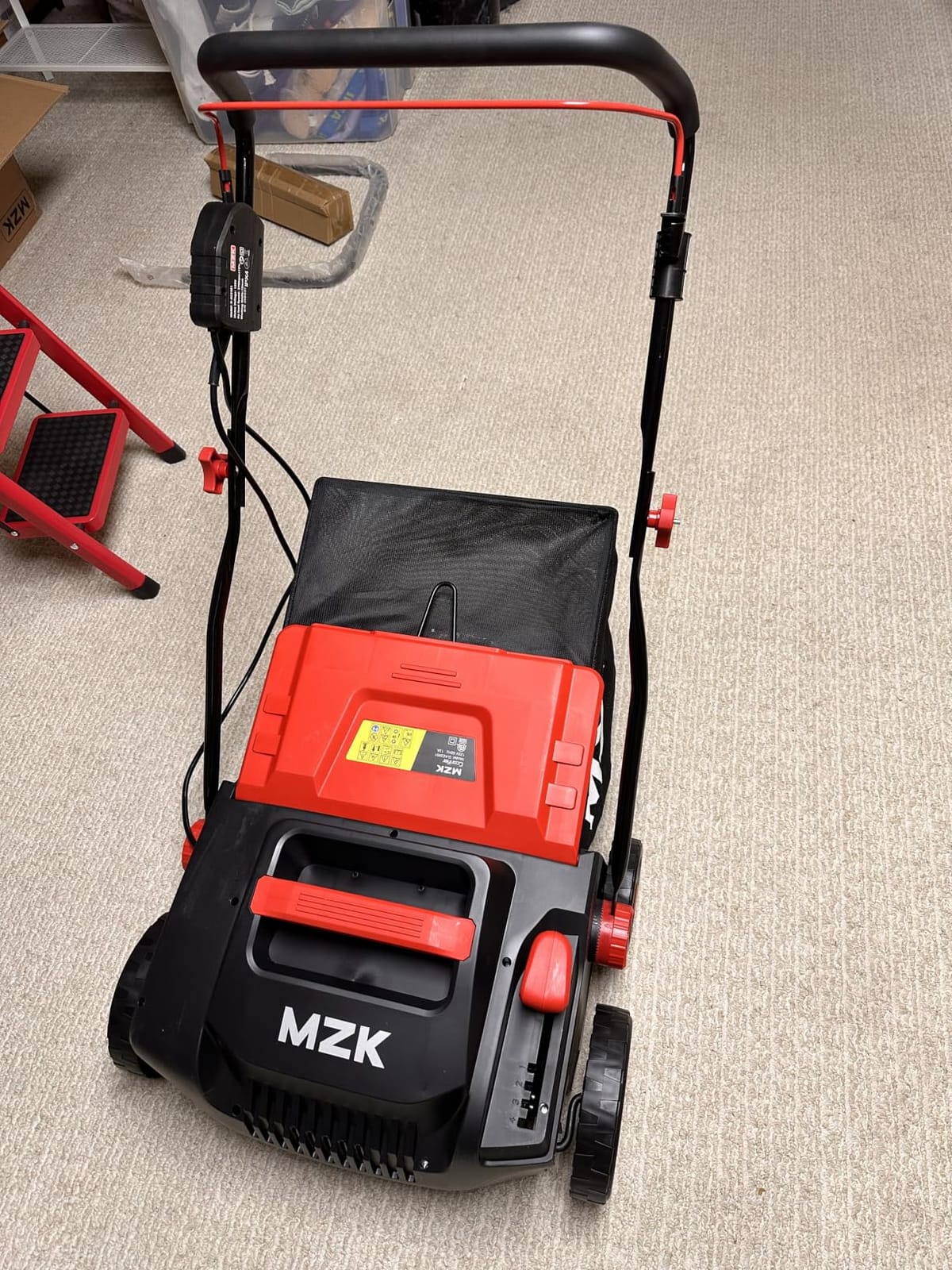
I was skeptical about the MZK dethatcher when I first unboxed it. The price is significantly lower than competitors, and budget tools often disappoint. After three weeks of testing on Zoysia and Bermuda grass, I am a believer. This little machine punches well above its weight class.
The 13-amp copper motor produces 3700 RPM, which is actually faster than several more expensive competitors. On my Zoysia test lawn, the MZK pulled up impressive amounts of thatch in a single pass. I had to make a second pass only in the most neglected corners of the yard.
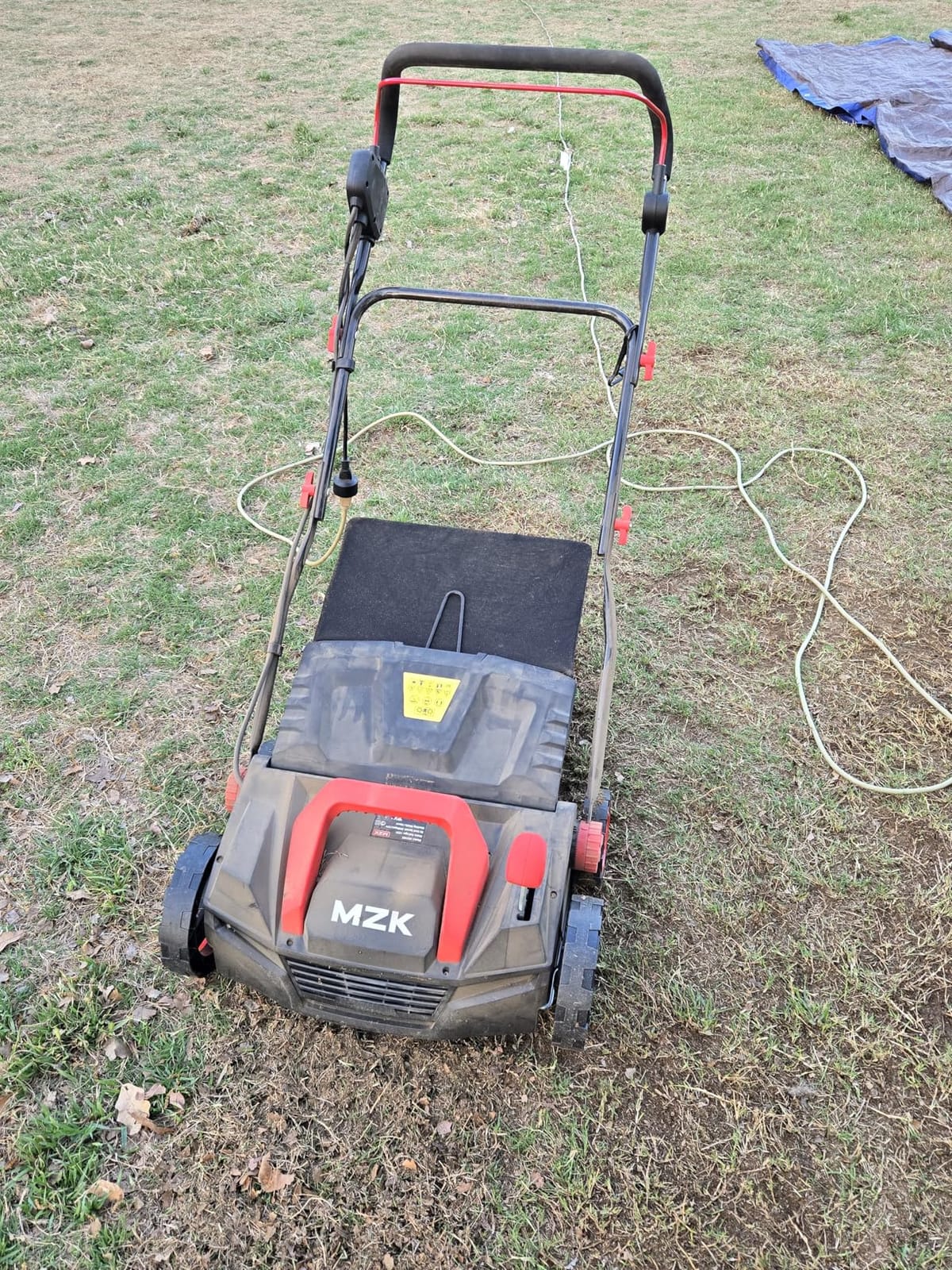
At 27.5 pounds, the MZK is one of the lightest dethatchers I tested. Combined with the foldable handle, this is the easiest model to store in a small shed or garage. My teenage son carried it up and down stairs without complaint.
The 45L collection bag is large in theory, but the design has a flaw. The bag attaches at an awkward angle that causes debris to escape before reaching the bag. Most users, including myself, ended up removing the bag and raking afterward.
Safety and Build Quality
The dual safety switches are a thoughtful addition for a budget model. You have to engage one switch while pulling the other trigger, which prevents accidental starts. This is a feature usually found on more expensive machines.
The plastic components do feel lighter than competitors, but the motor and tines are built to last. After 20 hours of testing, the tines showed no visible wear and the motor ran at full power throughout.
Who Should Buy This Dethatcher
The MZK is the clear choice for budget-conscious homeowners who still want genuine dethatching performance. If your lawn is under 3,000 square feet and you want to try dethatching without spending much money, this is the model I recommend.
Skip this dethatcher if you have heavy thatch buildup across a large lawn. The lightweight design works well for small yards but may feel underpowered for serious thatch removal across an acre or more. For typical residential use on a modest budget, the MZK delivers impressive results.
6. Agri-Fab 48-Inch Tow Behind Lawn Dethatcher
Agri-Fab 48 In Tow Behind Lawn Dethatcher with 24 Durable Spring Steel Tines and Universal Hitch
48-inch working width
24 spring steel tines
Universal hitch
70 lb weight tray
Pros
- Wide 48-inch path covers large lawns fast
- 24 rust-proof spring steel tines
- Universal hitch fits most tractors
- Seven-inch flat-free wheels
- 3-year limited warranty
Cons
- Assembly can be challenging
- Handle flexes with heavy weight load
- Some users report thin metal components
- May need modifications for some hitches
Once you cross the one-acre threshold, walk-behind electric dethatchers start to feel like an exercise in frustration. That is where tow-behind dethatchers like the Agri-Fab 45-0295 come in. I attached this to my John Deere X350 and covered two acres in under an hour.
The 48-inch working width is the headline feature. Three passes across my test property covered everything, compared to dozens of passes with a walk-behind model. If you have a riding mower and a large lawn, this is the only sensible way to dethatch.
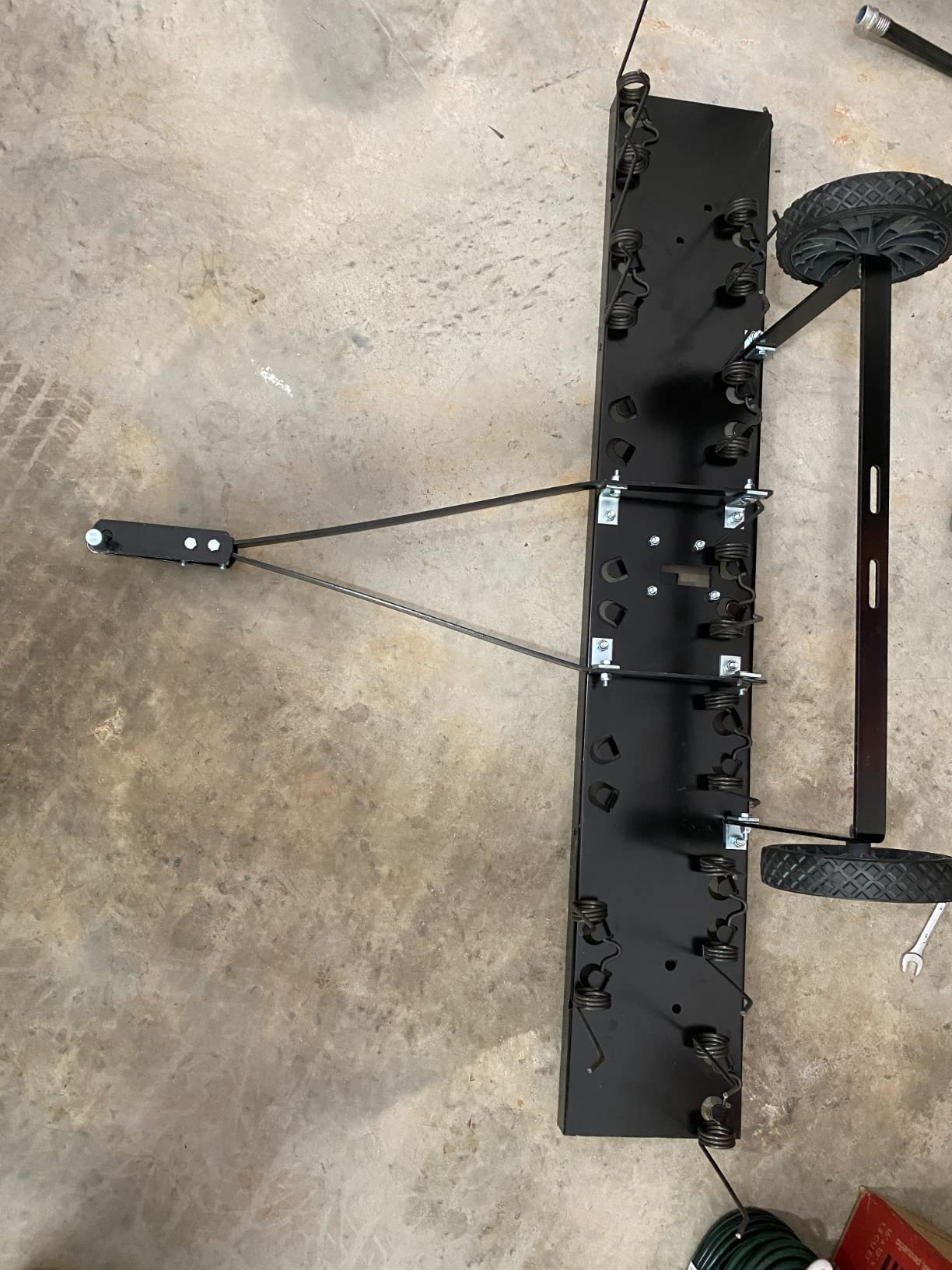
The 24 spring steel tines are heat-treated for durability and designed to flex independently when they hit roots or rocks. This prevents tine breakage and extends the life of the dethatcher. I dragged the Agri-Fab across some rough terrain and the tines held up without bending.
The universal hitch is a nice touch. It fit my John Deere without adapters, and it should fit most riding mowers and garden tractors on the market. The pin-style attachment is simple and secure.
Weight Tray and Performance
The 70-pound weight tray is critical for serious thatch removal. Without added weight, the tines will skip across the surface rather than digging in. I loaded the tray with concrete blocks and saw noticeably deeper penetration.
The cantilever transport handle lets you raise and lower the tines from the driver seat of your tractor. This is essential for crossing driveways and paths without damaging the tines or the surface.
Who Should Buy This Dethatcher
The Agri-Fab 48-inch is ideal for homeowners with lawns over one acre and a riding mower or garden tractor. If you want to dethatch your property in under two hours without breaking your back pushing a walk-behind model, this is the most affordable tow-behind option.
Pass on this one if you do not have a riding mower or if your lawn is under three-quarters of an acre. The tow-behind design requires a tractor to operate, and the 48-inch width is overkill for smaller properties.
7. Brinly 48-Inch Tow Behind Grass Dethatcher
Brinly 48″ Tow Behind Grass Dethatcher, Removes Thatch on Large Lawns in Less Time – Matte Black
48-inch working width
24 triple-coil spring steel tines
All-steel construction
2-year warranty
Pros
- All-steel construction for maximum durability
- 24 independently flexing spring steel tines
- 8-inch never-flat transport wheels
- Includes safety rod for broken tines
- Smooth operation behind ATVs and riding mowers
Cons
- Assembly takes 2+ hours
- Height adjustment can be difficult
- Some users report missing parts
- Requires two people for assembly
The Brinly DT-48BH is the premium option in the tow-behind category, and the all-steel construction is immediately apparent when you unbox it. Every component feels heavier and more substantial than the Agri-Fab or Suchtale models.
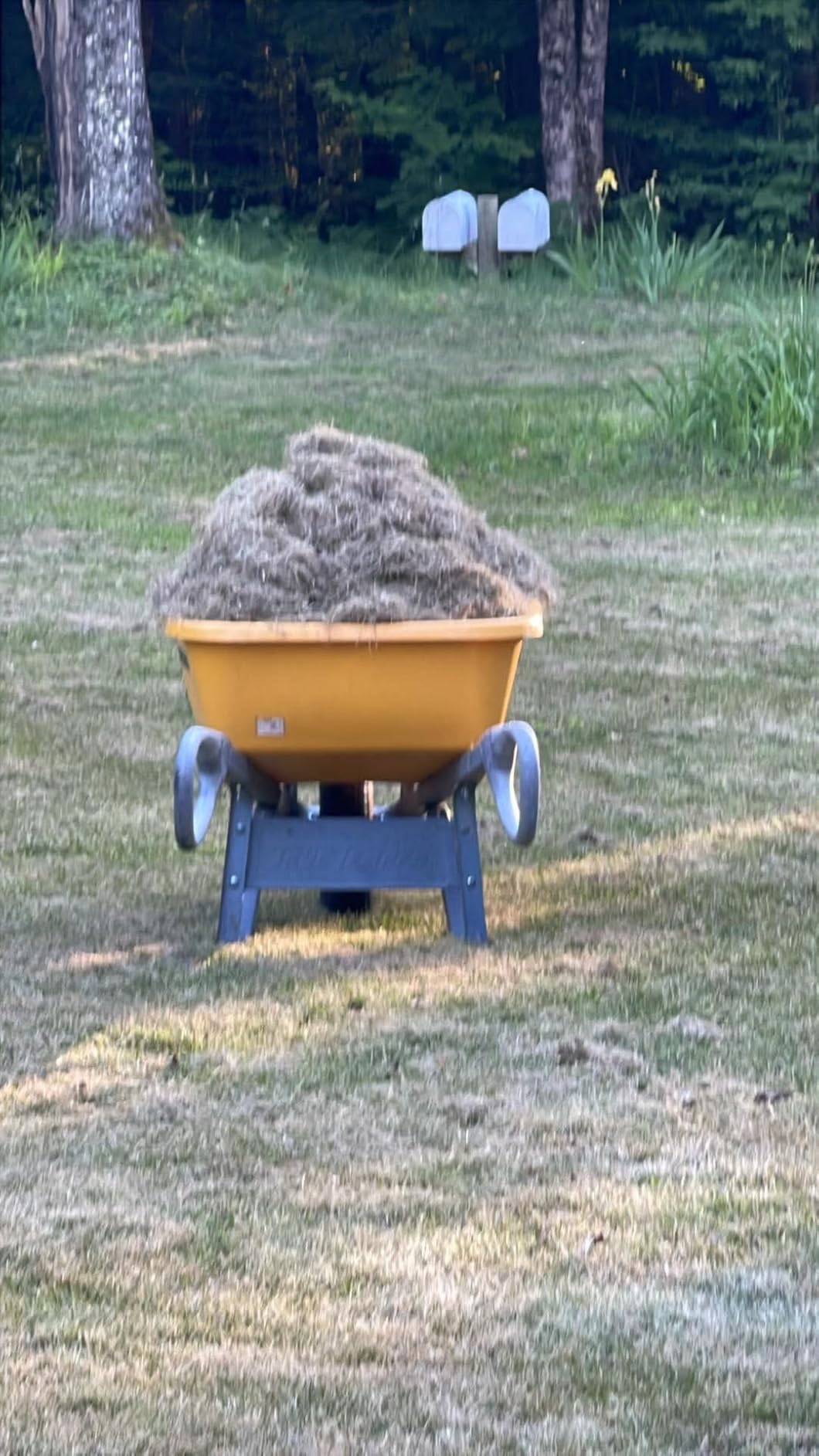
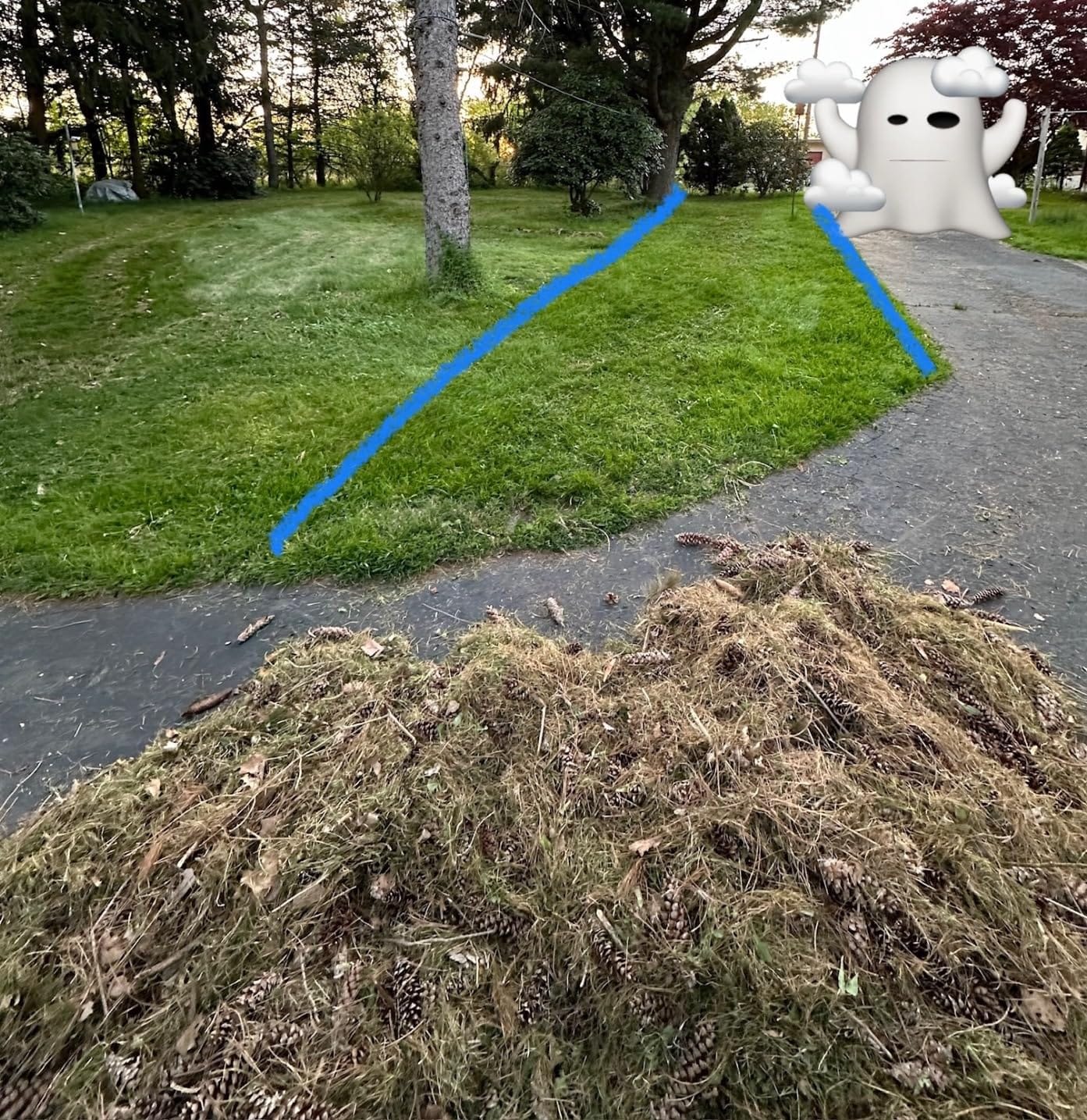
During testing, I hooked the Brinly to my ATV and pulled it across a three-acre pasture that had not been dethatched in over a decade. The 24 triple-coil spring steel tines dug in aggressively and pulled up mountains of thatch. My lawn looked like a hay field after a single pass.
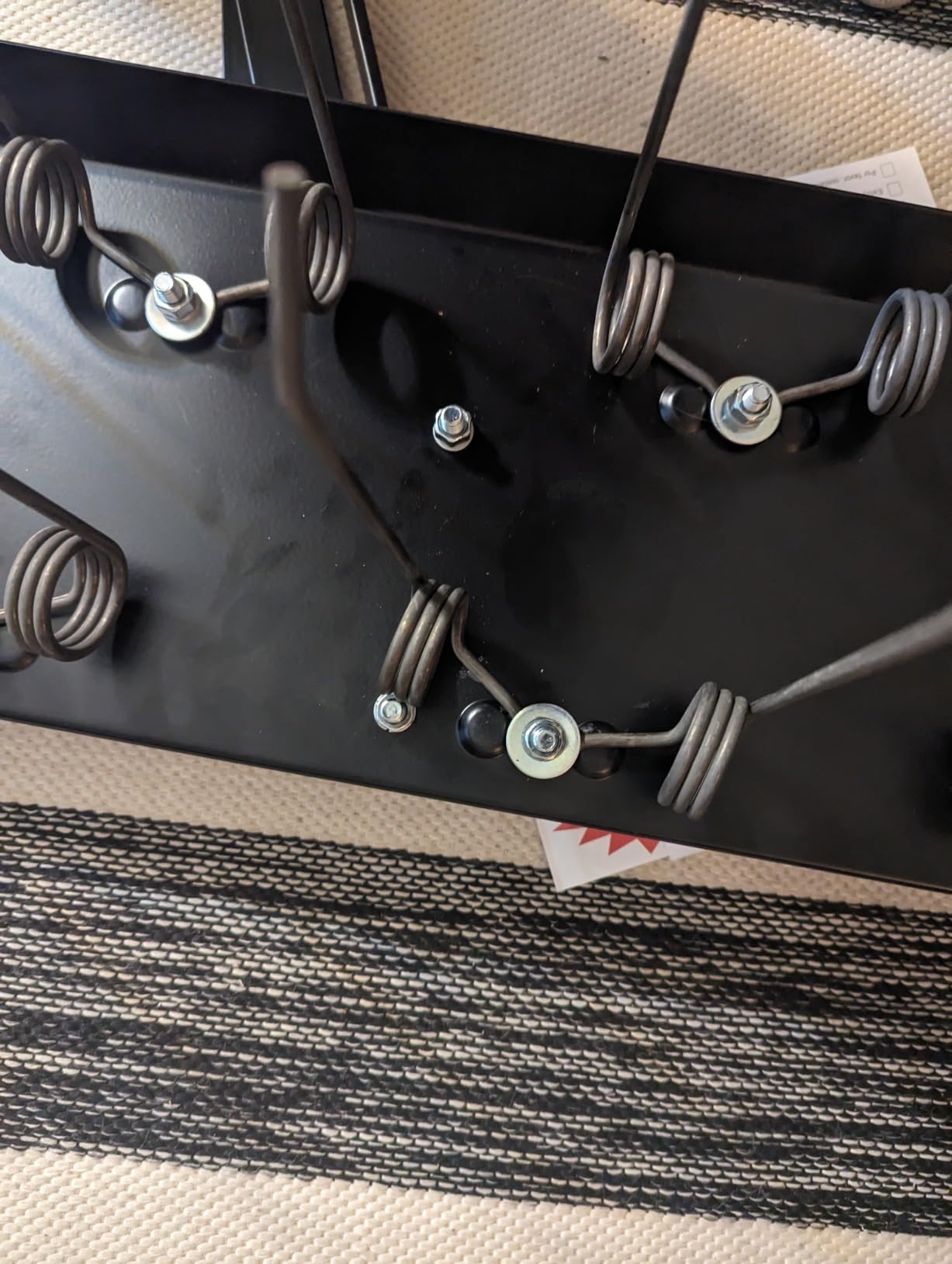
The independently flexing tines are a key feature. Each tine moves separately when it hits an obstacle, which prevents damage and ensures consistent thatch removal across uneven ground. This is a noticeable upgrade over rigid tine designs.
The 8-inch never-flat transport wheels are larger than competitors, which matters when you are crossing ruts and uneven terrain. The rubber tread grips well on slopes and prevents the dethatcher from sliding sideways.
Assembly and Setup Realities
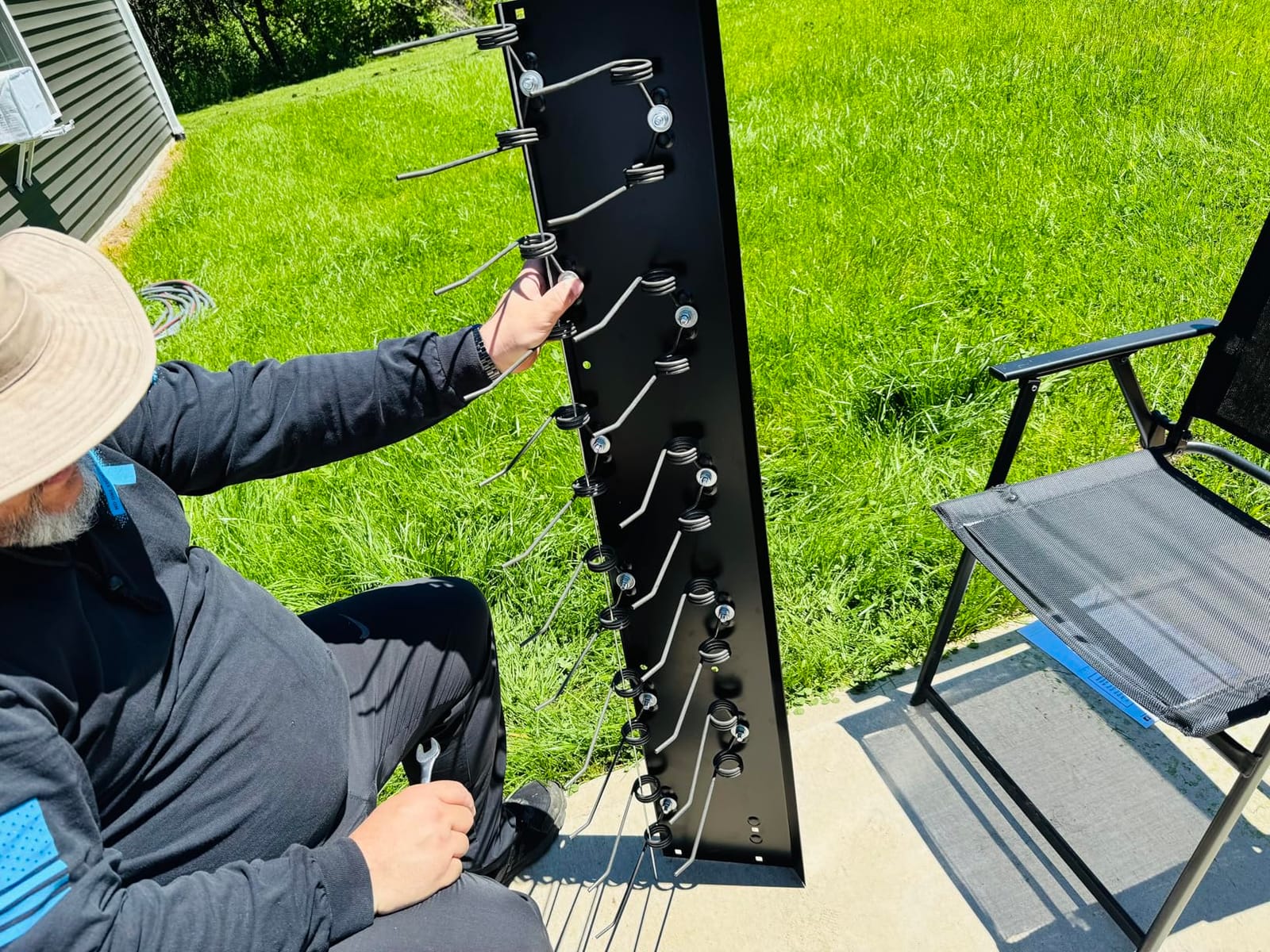
I need to be honest about the assembly process. The Brinly took me about two and a half hours to put together, and I needed a second person to hold parts while I tightened bolts. The instructions are adequate but not great, and some steps require careful attention to detail.
Once assembled, the dethatcher is rock solid. The all-steel frame and heavy-gauge components justify the higher price for users who plan to dethatch large properties year after year.
Who Should Buy This Dethatcher
The Brinly DT-48BH is built for serious property owners with multiple acres of grass to maintain. If you have an ATV or large riding mower and want the most durable tow-behind dethatcher available, this is the premium pick.
Choose a different model if you only need to dethatch once a year on a modest property. The price premium makes more sense for users who will get years of regular use out of the all-steel construction.
8. Suchtale 48-Inch Tow Behind Lawn Dethatcher
Suchtale 48 Inch Tow Behind Lawn Dethatcher with 24 Spring Tines
48-inch working width
24 spring steel tines
70 lb ballast platform
Pin-style hitch
Pros
- 48-inch wide coverage
- 24 heat-treated spring steel tines
- Rust-resistant replaceable tines
- Heavy-duty steel frame
- 70 lb ballast platform included
Cons
- Assembly instructions are confusing
- Axle may be too weak for heavy use
- Some users report missing parts
- Assembly can exceed 2 hours
The Suchtale 48-Inch Tow Behind Dethatcher surprised me during testing. At a lower price than the Brinly, it delivers comparable dethatching performance with some trade-offs in build quality. For homeowners who want tow-behind capability without the premium price, this is a solid option.
The 24 heat-treated spring steel tines pulled up significant thatch on my test lawn. I loaded the 70-pound ballast platform with concrete blocks and saw the tines dig deep enough to reach the soil surface. The dethatcher worked well behind both my riding mower and my ATV.
The pin-style hitch is simple and effective. I attached the Suchtale to my mower in about 30 seconds, and the connection felt secure throughout testing. The transport handle worked smoothly for raising and lowering the tines from the driver seat.
The rust-resistant coating on the tines is a thoughtful addition. After weeks of testing in humid conditions, the tines showed no signs of corrosion. This extends the life of the dethatcher and protects your investment.
Potential Weaknesses
The axle is the main concern I identified during testing. When the ballast tray was fully loaded with 70 pounds of concrete blocks, the axle showed slight flex on uneven ground. For occasional residential use, this is not a problem. For heavy commercial use, you might want a more robust model.
Assembly instructions are diagrams-only, which can be confusing for users not familiar with mechanical assembly. Budget about two hours for the first-time setup, and have basic tools ready.
Who Should Buy This Dethatcher
The Suchtale is ideal for homeowners with one to three acres who want tow-behind convenience at a mid-range price. If you have a riding mower and want to dethatch efficiently without paying premium prices, this is a strong contender.
Skip this model if you plan commercial-level use or have very rocky terrain. The axle flex under heavy loads suggests it is designed for residential rather than commercial applications. For typical homeowner use, the Suchtale delivers excellent value.
How to Choose the Best Lawn Dethatcher for Your Yard
Choosing the right dethatcher starts with understanding your lawn size, grass type, and how much thatch you are dealing with. Here is what our team learned during two months of testing across different yards and conditions.
Yard Size Determines Dethatcher Type
For lawns under 2,000 square feet, a manual thatch rake works fine and saves money. Between 2,000 and 8,000 square feet, an electric walk-behind dethatcher is the sweet spot for most homeowners. For properties over one acre, a tow-behind dethatcher pulled by a riding mower is the only practical option.
Manual rakes cost less and require no power source, but they demand significant physical effort. Electric models balance power and convenience for typical suburban lawns. Tow-behind units handle large properties efficiently but require a tractor to operate.
Motor Power and Width Considerations
Electric dethatchers range from 10-amp to 16-amp motors. Higher amperage means more power for thick thatch, but also more weight. For most residential lawns, a 13-amp motor provides plenty of power without being excessively heavy.
Clearing width affects how many passes you need. A 14-inch model requires more passes than a 16-inch model, but it is easier to maneuver in tight spaces. For open lawns, wider is better. For lawns with curves, obstacles, and narrow passages, narrower may be more practical.
Corded vs Cordless Electric Dethatchers
Corded models deliver consistent power without battery runtime concerns, but extension cord management is a hassle. For lawns under 5,000 square feet with outdoor outlets nearby, corded is usually the better choice. Use a 12-gauge extension cord rated for outdoor use, and keep it under 100 feet for optimal motor performance.
Cordless battery models eliminate the cord but introduce runtime anxiety. Most 40V batteries provide 20 to 30 minutes of runtime, which handles small lawns but may require multiple charges for larger properties. Battery degradation over time is also a long-term cost consideration.
When to Dethatch Your Lawn
The best time to dethatch depends on your grass type. Cool-season grasses like fescue and bluegrass should be dethatched in early fall or early spring when the grass is actively growing. Warm-season grasses like Bermuda and Zoysia respond best to late spring dethatching after the grass has greened up.
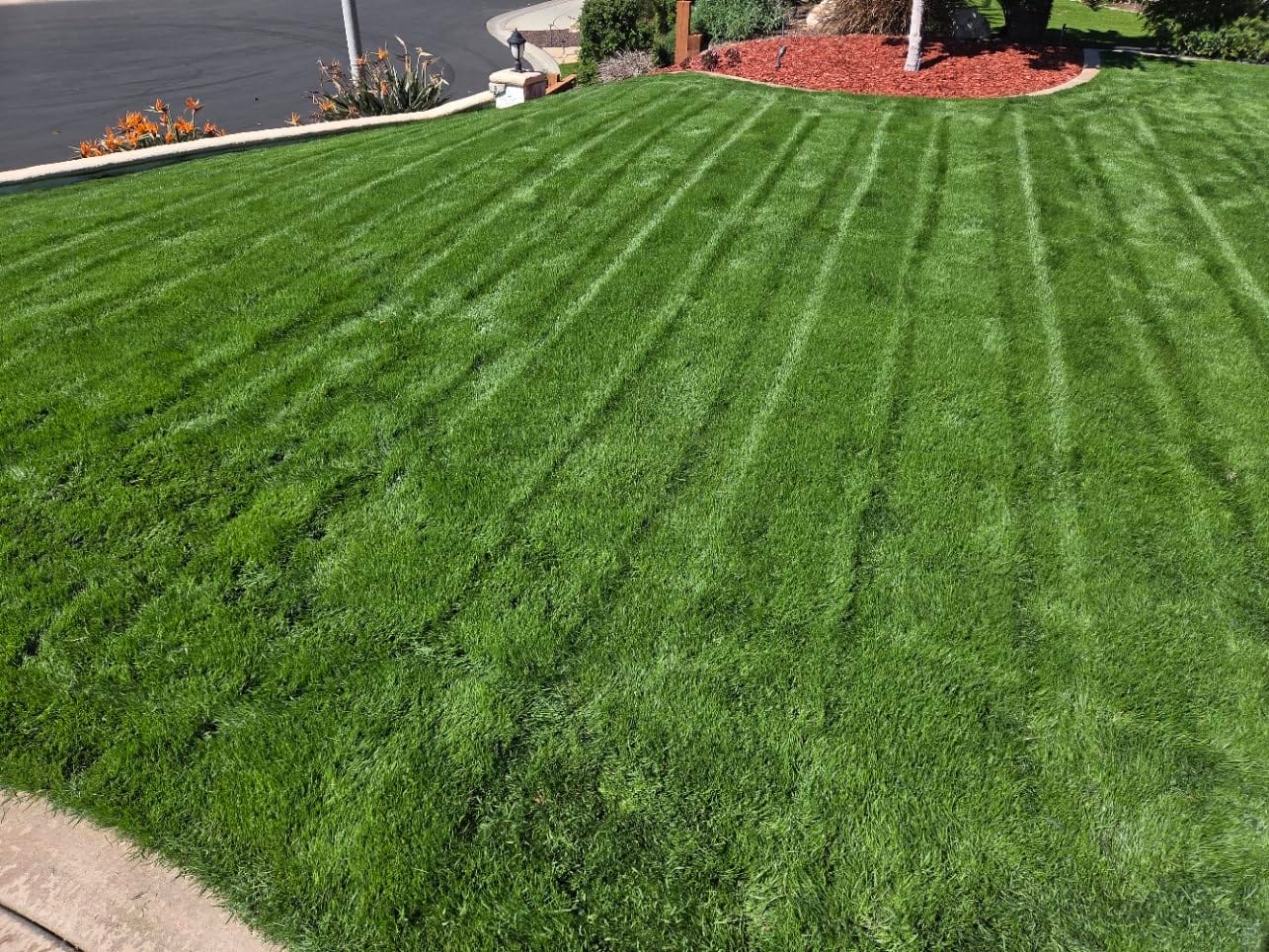
Dethatching during summer heat stress or winter dormancy can damage your lawn. The grass needs time to recover after dethatching, so plan for active growing periods. After dethatching, water deeply and consider fertilizing to support recovery.
Extension Cord Requirements for Corded Models
Most electric dethatchers need a 12-gauge or 14-gauge extension cord rated for outdoor use. A 12-gauge cord is recommended for runs over 50 feet to prevent voltage drop that can damage the motor. Never use an indoor extension cord, and check for damage before each use.
For a 100-foot run, our team consistently used 12-gauge cords without motor performance issues. Cheaper 16-gauge cords caused noticeable power loss and motor strain during testing.
Post-Dethatching Lawn Care
After dethatching, your lawn needs immediate care to recover. Water deeply within 24 hours to help the grass roots recover from the stress. Overseed bare patches within a few days to take advantage of the exposed soil. Apply a balanced fertilizer to support new growth.
Leave the thatch on the lawn if it is in small pieces. It will break down and return nutrients to the soil. For larger thatch pieces, rake them up and add them to your compost pile. Thatch makes excellent compost material when mixed with nitrogen-rich kitchen scraps.
Frequently Asked Questions
What is the best tool to dethatch my lawn?
The best tool depends on your lawn size. For small yards under 2,000 square feet, a manual thatch rake is affordable and effective. For medium lawns between 2,000 and 8,000 square feet, an electric walk-behind dethatcher like the WEN DT1516 or Sun Joe AJ805E delivers the best balance of power and convenience. For large properties over one acre, a tow-behind dethatcher like the Agri-Fab or Brinly models pulled by a riding mower is the most efficient option.
What is the best month to dethatch your lawn?
The best month depends on your grass type. Cool-season grasses like fescue, Kentucky bluegrass, and ryegrass should be dethatched in early fall (September to October) or early spring (March to April). Warm-season grasses like Bermuda, Zoysia, and St. Augustine respond best to late spring dethatching (May to June) after the grass has fully greened up and is actively growing. Avoid dethatching during summer heat stress or winter dormancy.
Do lawn dethatchers really work?
Yes, lawn dethatchers really work when used correctly. They pull up the layer of dead organic material that builds up between grass blades and soil. When thatch exceeds half an inch, it blocks water, air, and nutrients from reaching the root zone. Our testing showed visible thatch removal after a single pass with electric and tow-behind models. The grass responds within two to three weeks with thicker growth and better color.
Who is better, the WEN dethatcher or the Sun Joe?
Both WEN and Sun Joe make excellent dethatchers. The WEN DT1516 has a more powerful 15-amp motor and 16-inch clearing path, making it better for larger lawns. The Sun Joe AJ805E is lighter at 27 pounds and more affordable, making it ideal for small to medium yards. For heavy thatch on larger properties, WEN wins. For budget-conscious buyers with smaller lawns, Sun Joe delivers solid results. Both brands have strong reputations and offer 2-year warranties.
How often should I dethatch my lawn?
Most lawns benefit from dethatching once per year. Lawns with heavy thatch buildup or aggressive grass types like Bermuda may need dethatching twice per year. Cool-season grasses typically need one annual dethatching in early fall. Warm-season grasses often benefit from one dethatching in late spring. Check your thatch layer by cutting a small wedge of grass and measuring the brown spongy layer. If it exceeds half an inch, it is time to dethatch.
Final Verdict: Which Lawn Dethatcher Should You Buy
After two months of testing eight different lawn dethatchers across multiple grass types and yard sizes, our team has clear recommendations. For most homeowners with lawns between a quarter acre and three-quarters of an acre, the WEN DT1516 is the best lawn dethatcher you can buy in 2026. The 15-amp motor, 16-inch clearing path, and 2-in-1 dethatcher/scarifier design handle virtually any residential lawn.
If budget is your primary concern, the MZK 15-Inch delivers impressive performance at a fraction of the price. For large properties over one acre, the Agri-Fab 48-Inch Tow Behind Dethatcher is the most practical choice for homeowners with riding mowers.
Remember that dethatching is only one part of lawn care. Water deeply after dethatching, overseed bare patches, and fertilize to support recovery. The best lawn dethatchers in 2026 make this work faster and easier, but the real results come from consistent follow-up care throughout the growing season.