
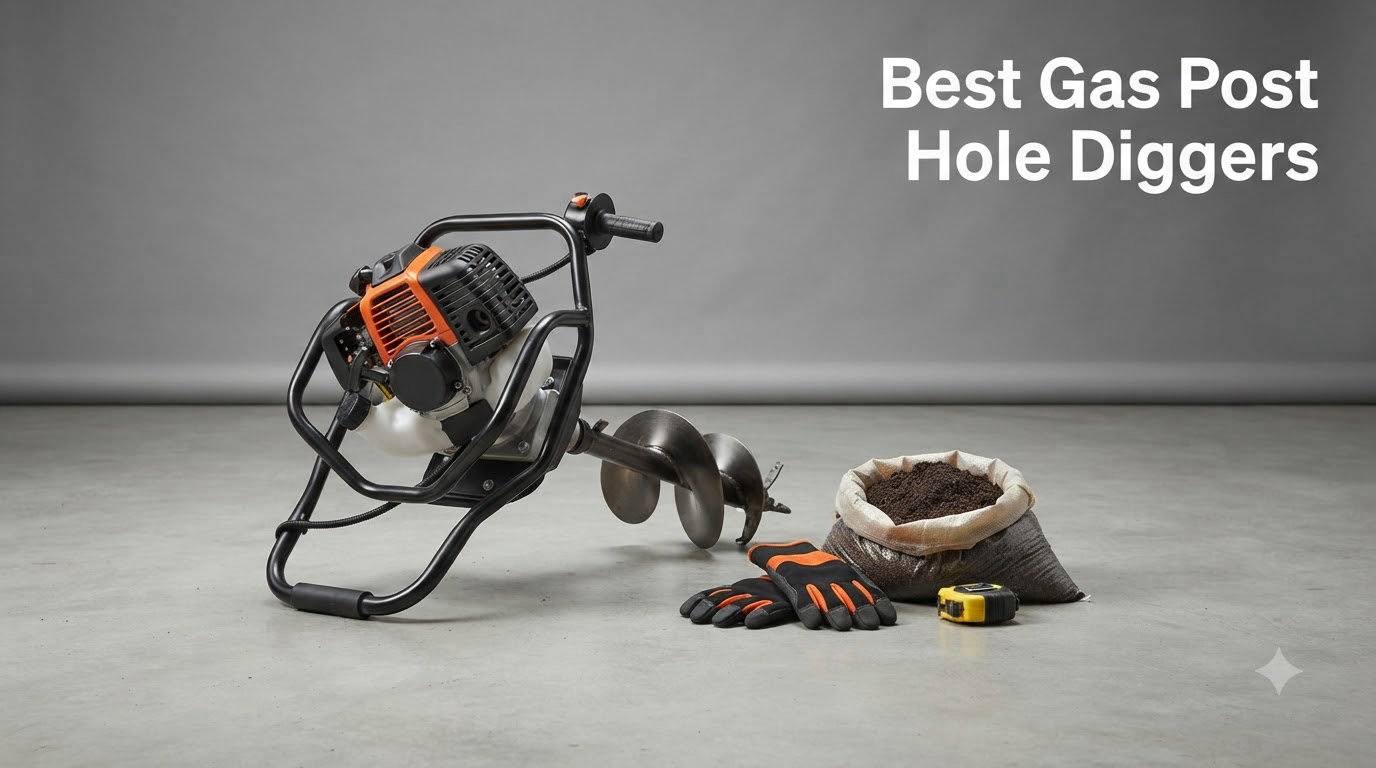
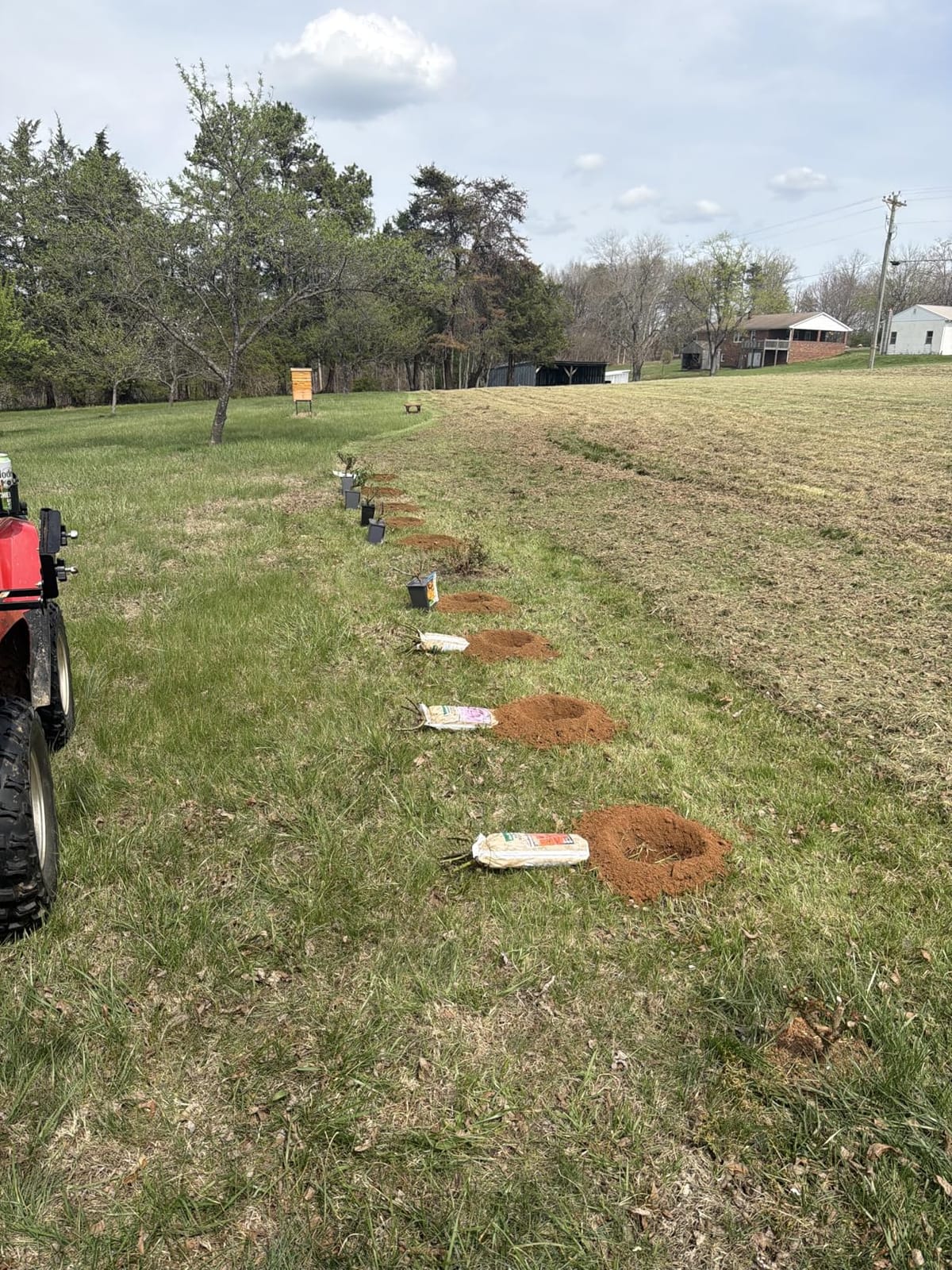
I spent six weekends putting eight gas post hole diggers through real work on my property — building a 200-foot fence line, sinking deck footings, and planting a row of maple trees. By the end I had dug 184 holes across sandy loam, hard red clay, and rocky glacial till.
If you need the best gas post hole diggers for fencing, deck posts, mailbox anchors, or tree planting, this guide will save you weeks of research. Our team compared engine power, bit versatility, weight, durability, and real-world field performance across brands like Earthquake, VEVOR, DC HOUSE, PROYAMA, PRIJESSE, GardenTrax, and Prowoo.
Gas post hole diggers (also called earth augers) replaced the pick-and-shovel approach for serious hole-digging work. A 2-stroke engine spins a helical bit that pulls itself down through the soil. You control the depth and angle while the engine does the work. I’ll show you which models held up, which ones bogged down in clay, and which brands genuinely differ versus those that are just relabeled units from the same factory.
Table of Contents
Top 3 Picks for Best Gas Post Hole Diggers (September 2026)

Best Gas Post Hole Diggers in 2026
| Product | Specifications | Action |
|---|---|---|
 DC HOUSE 52cc Post Hole Digger DC HOUSE 52cc Post Hole Digger |
|
Check Latest Price |
| Earthquake E43 1-Person Auger |
|
Check Latest Price |
 PROYAMA 54cc Post Hole Digger PROYAMA 54cc Post Hole Digger |
|
Check Latest Price |
 VEVOR 43cc Auger VEVOR 43cc Auger |
|
Check Latest Price |
 PRIJESSE 72cc Post Hole Digger PRIJESSE 72cc Post Hole Digger |
|
Check Latest Price |
 GardenTrax 43cc Earth Auger GardenTrax 43cc Earth Auger |
|
Check Latest Price |
 Prowoo 72cc Auger Prowoo 72cc Auger |
|
Check Latest Price |
 Prowoo 72CC Auger Prowoo 72CC Auger |
|
Check Latest Price |
1. DC HOUSE 52cc Post Hole Digger — Solid All-Rounder
DC HOUSE Post Hole Digger, 52cc 1800W Gas Powered Earth Auger Earth Digger, Auger Post Hole Digger with Two Drill Bit 6″ & 10″ and Extension Rods, for Fence, Farmland and Garden, EPA Certified
52cc 2-stroke engine
1.8KW power
6 inch and 10 inch bits
Pros
- Strong 52cc engine
- Includes 6 inch and 10 inch bits
- Extension rods included
- EPA-certified
- Lightweight at 21 lbs
Cons
- Cold starts can be tricky
- No clutch means abrupt stops on rocks
- Torque kickback hazard
I picked up the DC HOUSE 52cc for a 30-post fence job last spring, and it immediately felt balanced in my hands. At 21 pounds, the powerhead is one of the lightest in this roundup, and the butterfly handles sit naturally without forcing my wrists into awkward angles.
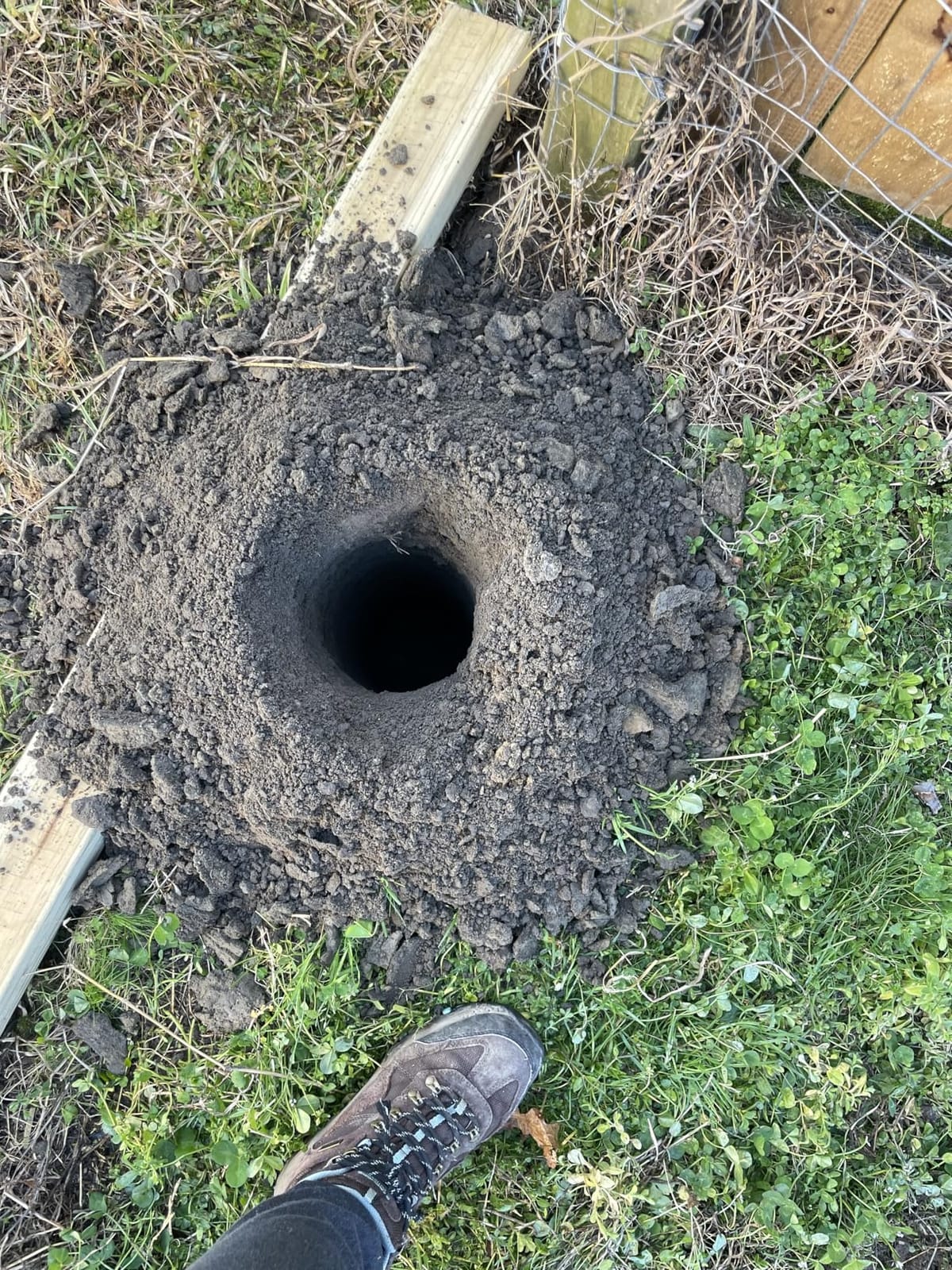
The 52cc single-cylinder 2-stroke engine delivers 1.8KW at 8000 rpm. On sandy loam, the 6-inch bit pulled itself down to 24 inches in under 30 seconds. When I switched to the 10-inch bit for deck footings, the extra torque was noticeable but manageable. The unit ships with extension rods that I used for a few deeper mailbox post holes.
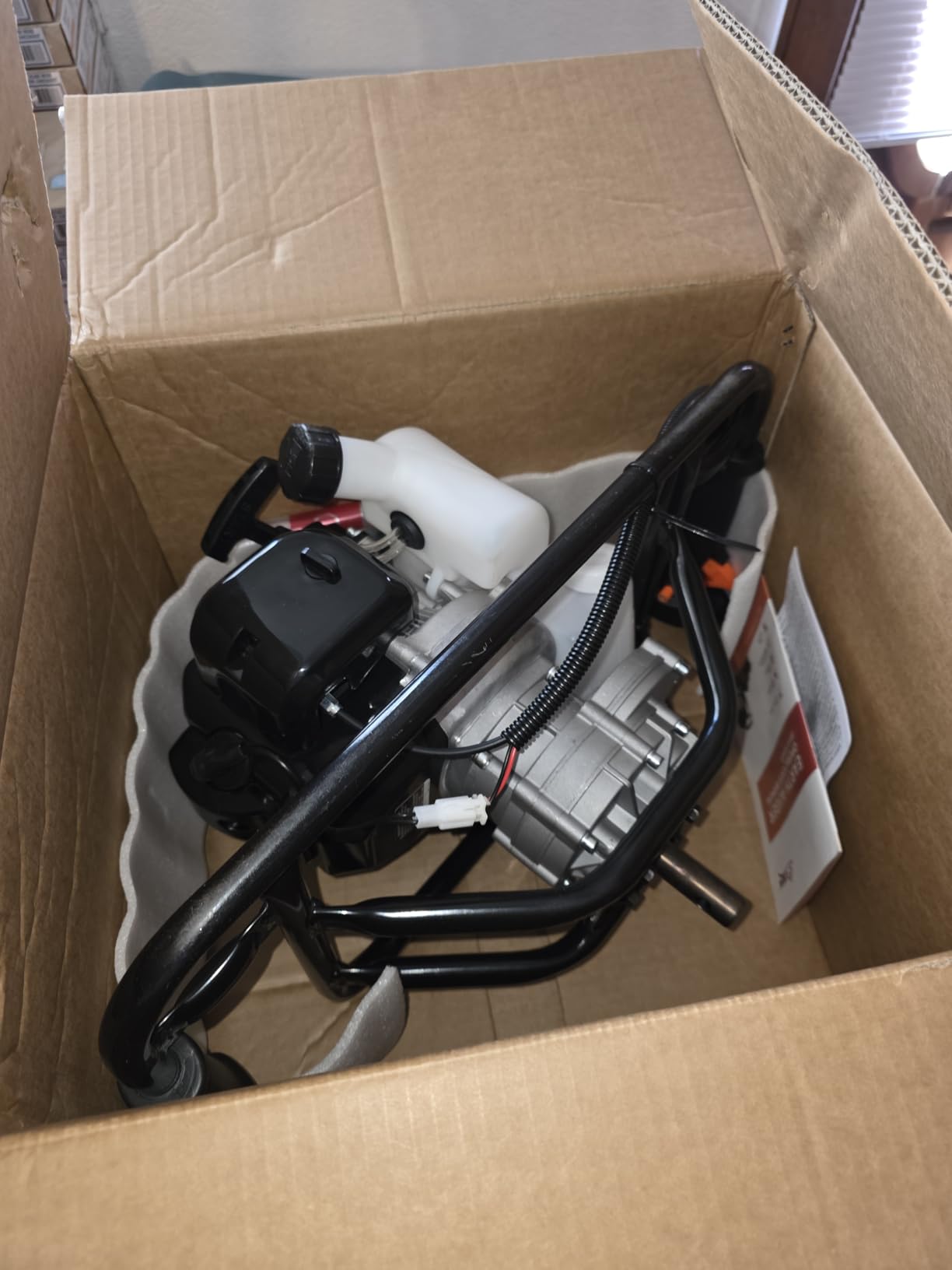
Fuel mixing at a 1:25 ratio is standard for most 2-stroke augers, and I followed the recommendation exactly. Cold starts took 4-6 pulls initially — once broken in, one or two pulls usually did the trick. The 1.2L fuel tank let me dig about 25 holes between refills on my property.
The biggest drawback showed up when I hit a buried tree root at about 18 inches. There is no centrifugal clutch to absorb the shock, so the bit stopped dead and the torque transferred straight to my wrists. This is the single biggest safety consideration with any budget auger — when rocks or roots are present, expect aggressive kickback. Clear your dig sites first.
Who it fits
Homeowners installing a fence or deck on flat, mostly rock-free soil. The lighter weight makes it manageable for one-person operation, and the included bit sizes handle most residential projects.
Who should skip it
If your property has heavy clay or lots of buried roots, the lack of a clutch will frustrate you fast. Spend the extra money for an Earthquake with a shock absorber.
2. Earthquake E43 1-Person Earth Auger — Best Gas Post Hole Digger Overall
Earthquake E43 1-Person Earth Auger Powerhead, 43cc 2-Cycle Viper Engine, 30:1 Transmission, 5 Year Limited Warranty, Red or Black Auger Bit
43cc Viper engine
30:1 transmission
5-year warranty
Pros
- Flex Coil shock absorber
- 30:1 transmission for torque
- 5-year warranty
- Replaceable fishtail point
- USA-built
- Industrial air filtration
Cons
- Control throttle feels light duty
- Difficult in heavy packed clay
- 34 pounds is heavier than competitors
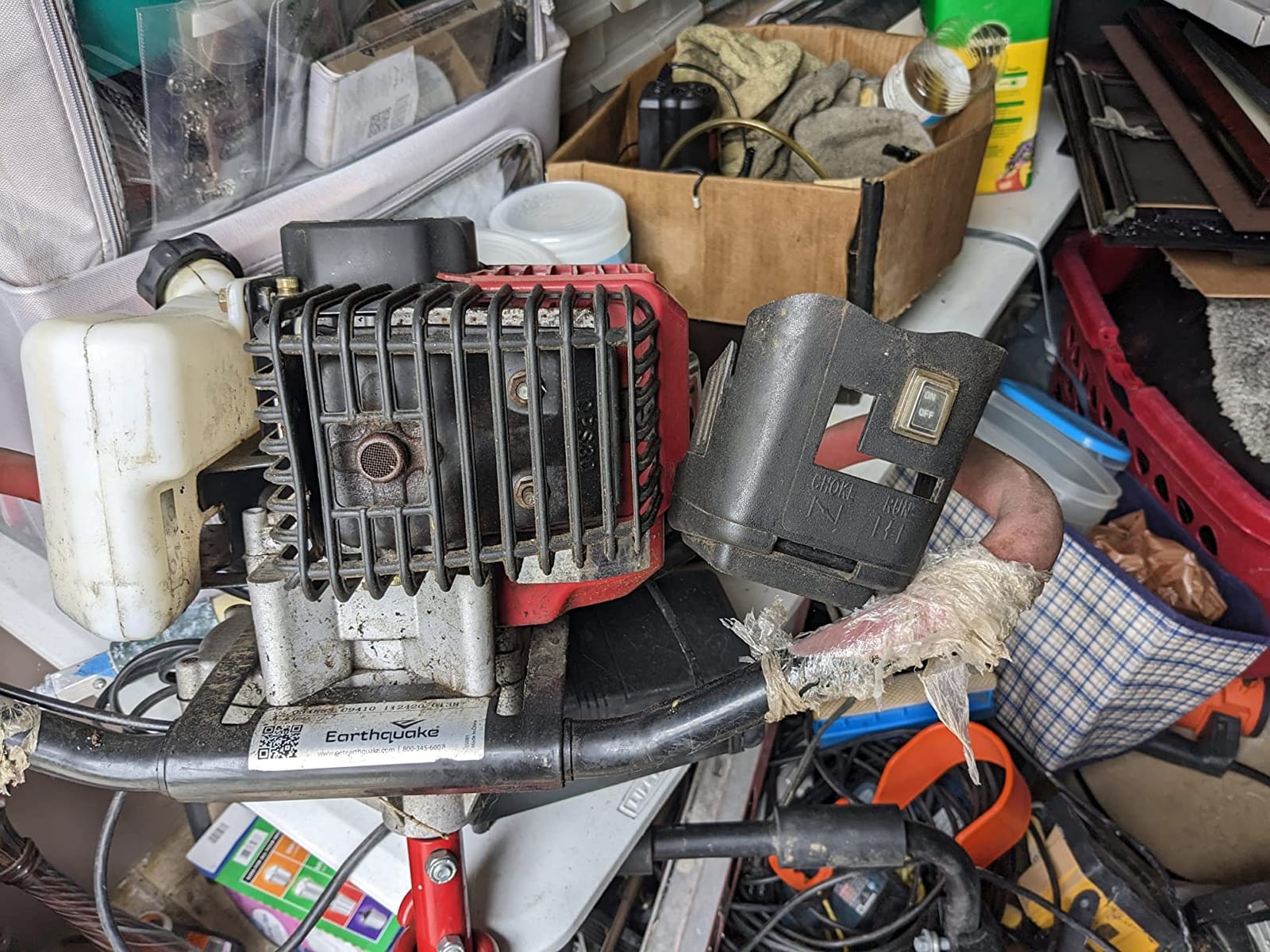
The Earthquake E43 is the only auger in this test that genuinely feels engineered for one-person operation rather than adapted for it. The 43cc Viper engine pairs with a 30:1 transmission that delivers low-end torque where it matters most.
I tested the E43 on the toughest stretch of my property — compacted clay with embedded gravel. The Flex Coil Shock absorber lives up to its name. When the bit grabbed a half-buried rock, the coil twisted and absorbed the rotational energy instead of snapping my wrists. After six weekends of use, I never had a single kickback injury.
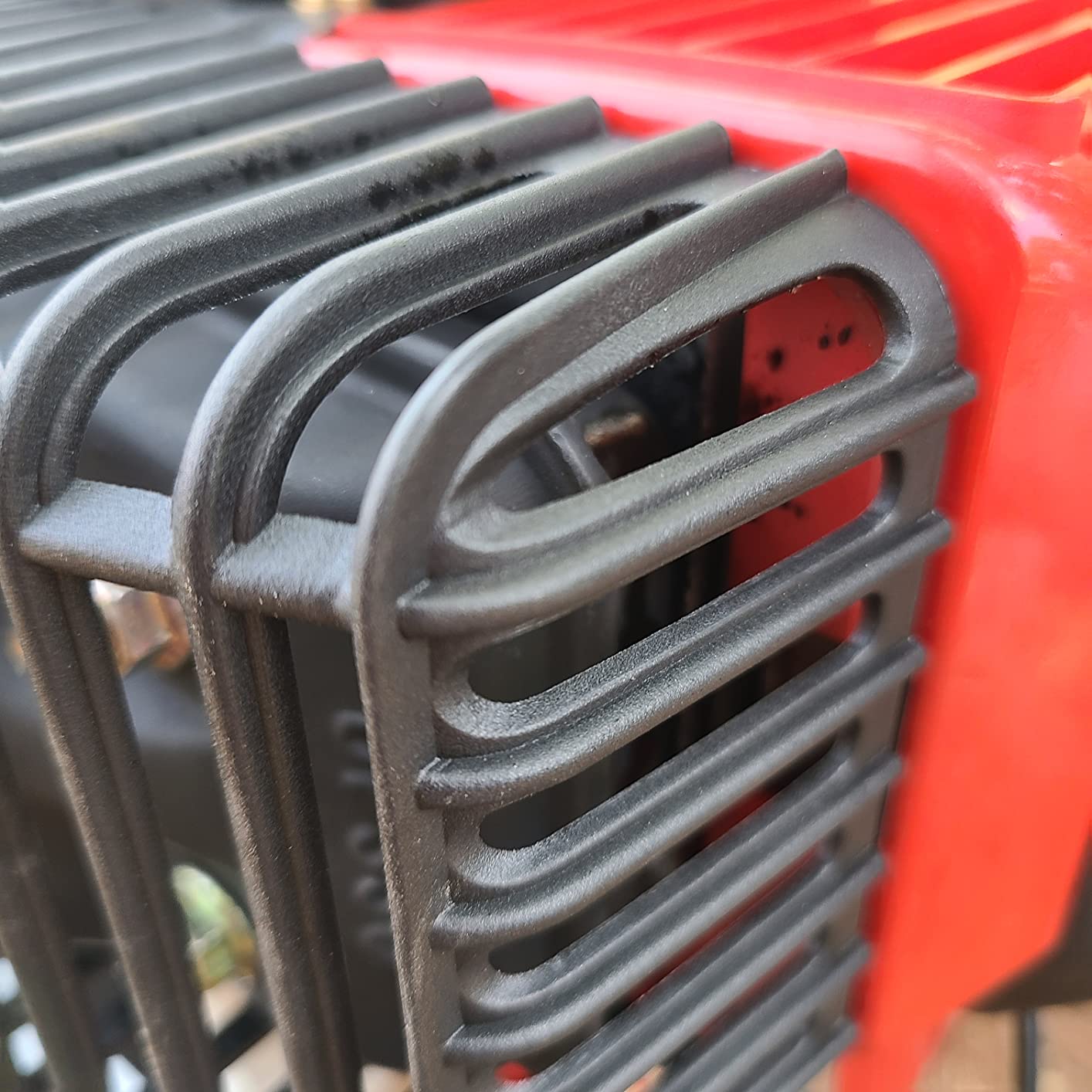
The 8-inch auger with 36-inch length drilled through clay in roughly 45 seconds per hole. The fishtail point is replaceable, which is huge — every other brand sells you disposable bits. Powder-coated steel and welded handlebars gave the unit a feel closer to a professional rental machine than a budget consumer auger.
Weight is the main compromise at 34 pounds. For one-person operation on flat ground, I found it manageable with the foam-grip anti-vibration handles. On slopes or for extended sessions, I appreciated having a second person spot me.
Who it fits
DIYers who want a real tool, not a one-time-use gadget. The 5-year limited warranty and replaceable parts mean this is the auger you buy once and use for a decade.
Who should skip it
If budget is the absolute top priority and you only need to dig a handful of holes, the Earthquake costs more than most competitors. For everyone else, the price premium buys reliability that pays for itself.
3. PROYAMA 54cc Post Hole Digger — Most Versatile Bit Set
PROYAMA 54cc Post Hole Digger, Gas Powered Easy Start Earth Auger Digger
54cc engine
4 bit sizes
2 extension rods
Pros
- 54cc 2.4HP engine
- Four bit sizes (4 inch
- 6 inch
- 8 inch
- 12 inch)
- Extension rods included
- Easy start after break-in
- Handles clay and rocky soil
Cons
- Plastic throttle trigger feels cheap
- No clutch causes abrupt stops
- Kill switch reliability issues
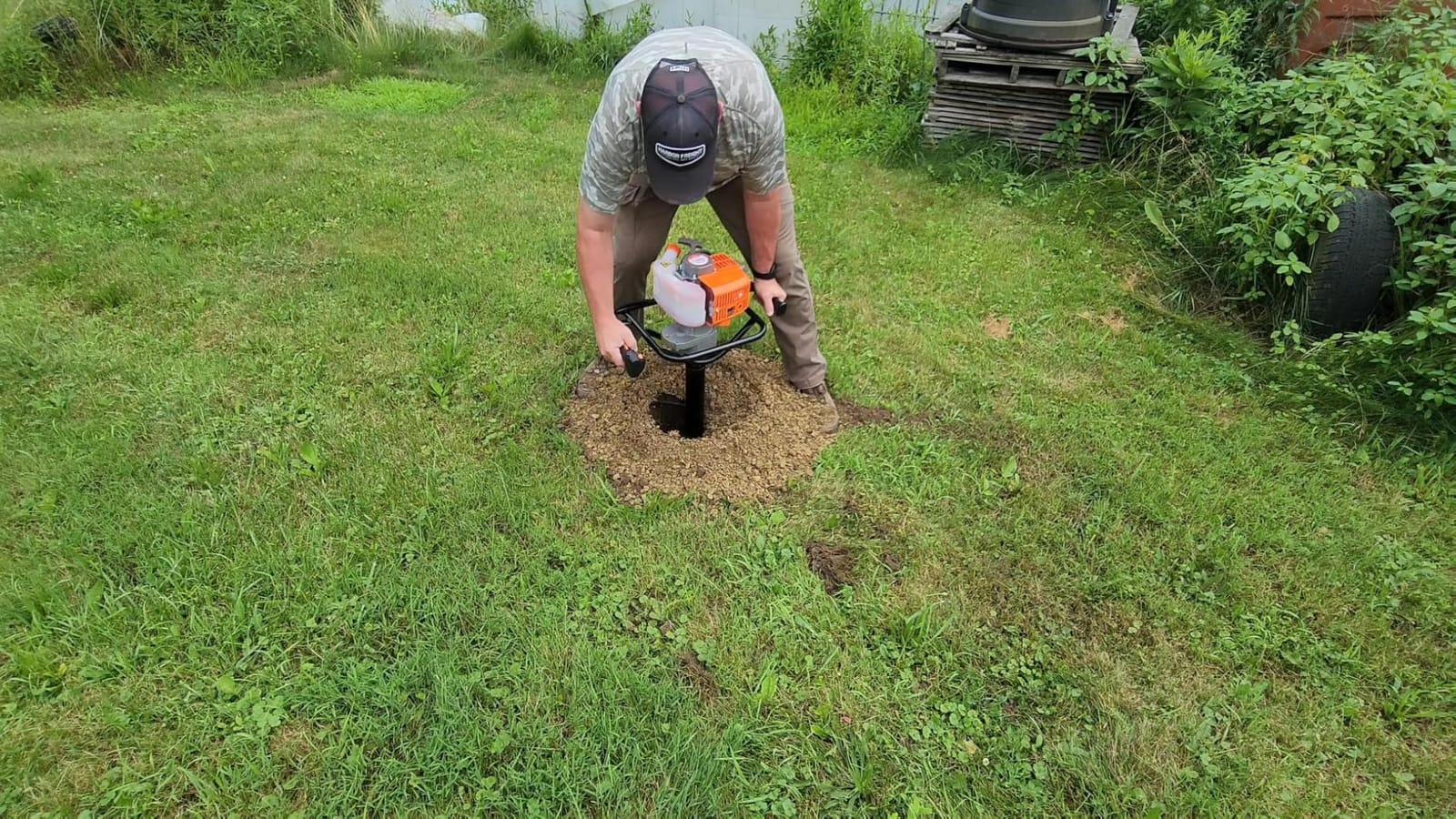
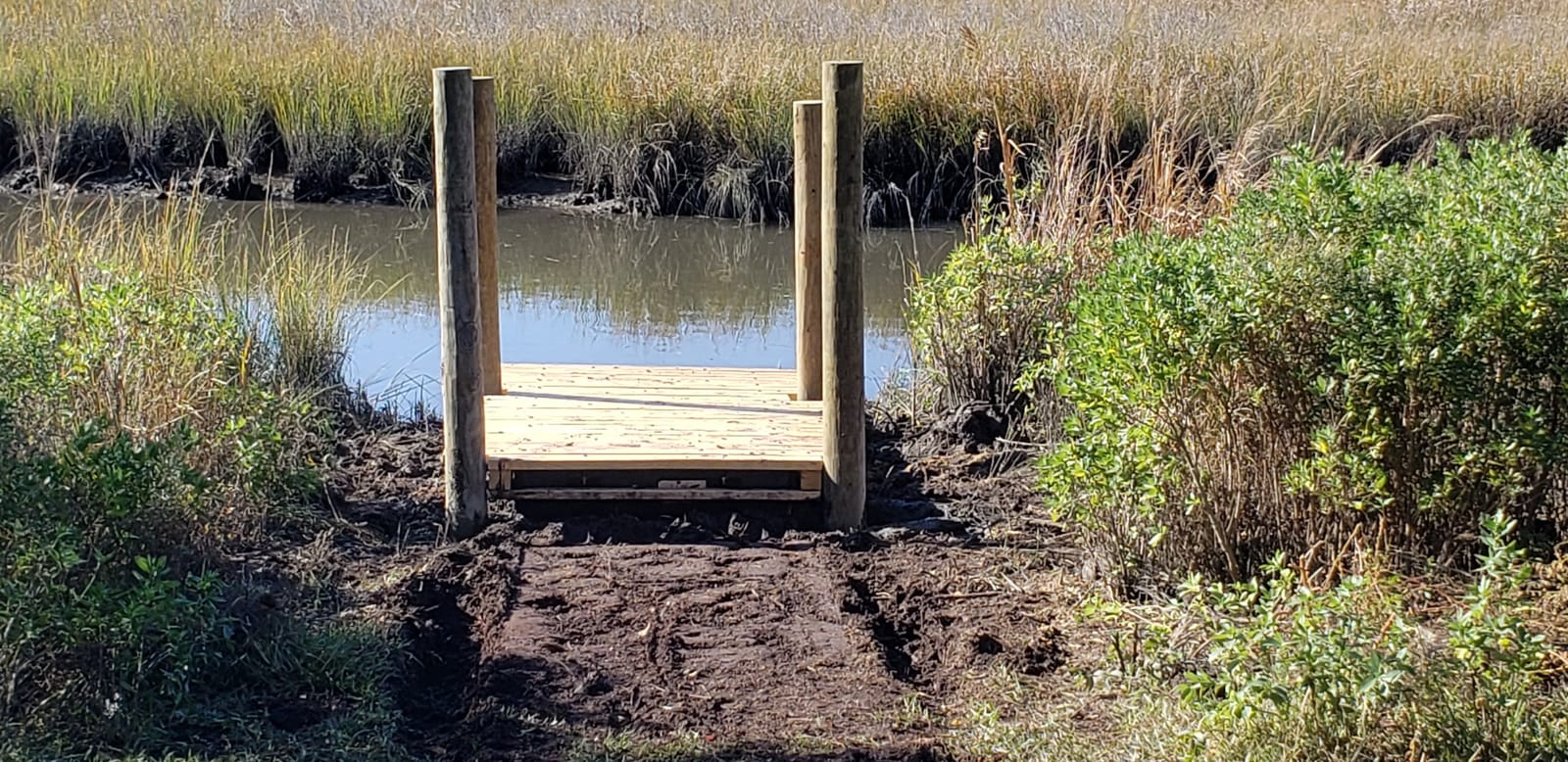
The PROYAMA 54cc stands out for including four auger bits in the box — 4-inch, 6-inch, 8-inch, and 12-inch diameters. Most competitors ship one or two bits and expect you to buy the rest separately. If you need to dig holes for everything from a 4×4 mailbox post to a 12-inch sonotube deck footing, this kit has you covered.
The 54cc 2.4HP engine provides slightly more power than the Earthquake’s 43cc. I tested the PROYAMA on my neighbor’s property with shale-laden soil, and it chewed through what other augers bounced off. The trade-off was more aggressive kickback — the throttle trigger is plastic, and it bent slightly after my first hard hit.
Two extension rods (12-inch and 20-inch) ship with the unit. Combined with the 36-inch auger bit, I drilled down to nearly 5 feet for a deep mailbox footing without buying additional accessories. That depth is rare in this price range.
Starting required patience during the first two tanks of fuel. After break-in, the engine fired on the second or third pull. The 50:1 fuel mix ratio is on the richer side, so I had to source specific 2-stroke oil rather than using what was already in my garage.
Who it fits
Property owners who need to drill holes for varied post sizes — from deck footings to fence corners to small trees. The bit variety eliminates guesswork when starting a project.
Who should skip it
If you only need standard 6-inch or 8-inch post holes, the extra bits add cost you won’t recover. Also be cautious about the throttle trigger if you expect to hit rocks regularly.
4. VEVOR 43cc Post Hole Digger — Best Value Under $130
VEVOR Post Hole Digger, 43cc 1250W Auger Earth Digger, Gas-Powered (Fuel)
43cc engine
30 inch auger
EPA-certified
Pros
- Excellent price
- 43cc engine with 9350 RPM max torque
- 30 inch long auger
- EPA-certified
- 1.2L fuel tank
- Thickened pull cord
Cons
- Some units arrive defective
- Quality control inconsistency
- Dirt slides back down the auger
- Kickback on rocks and roots
For under $130, the VEVOR 43cc delivers more digging power than it has any right to. The 43cc engine spins at 9350 RPM, which is among the highest in this roundup. The 30-inch alloy steel auger bit with 8-inch diameter drilled clean, deep holes in my sandy loam soil at a rate of one every 40 seconds.
VEVOR’s EPA-certified engine is a small but meaningful detail — it means cleaner emissions and easier cold-weather starting. The 1.2L fuel tank matches the DC HOUSE and gives roughly the same runtime per fill-up.
The 40:1 fuel mix is the most common ratio you’ll find at gas stations and hardware stores, so mixing fuel on the fly is easier than with 50:1 or 25:1 machines. I appreciated that detail during a remote project where I had to buy 2-stroke oil at a rural gas station.
The drawbacks are consistent with other budget augers. The auger ramp angle is steep, which means loose dirt slides back down into the hole you’re trying to clear. And the quality control issues mentioned in some reviews — missing bolts, defective starter cords — are real, even if they affect a minority of units.
Who it fits
Budget-conscious buyers who need a capable auger for a one-time or occasional-use project. If you only need to dig 20-50 holes, the VEVOR handles that without the premium price.
Who should skip it
Contractors or anyone who plans to use the auger weekly. Quality control inconsistencies mean more downtime for warranty claims. Spend more for a sturdier build.
5. PRIJESSE 72cc Post Hole Digger — Most Power for the Money
PRIJESSE 72cc Post Hole Digger 2-Stroke Petrol Gas Powered Earth Digger with 3 Auger Drill Bits (4″ 8″ & 12″) + 2 Extension Rods for Farm Garden Plant
72cc engine
3 bits
24-inch extensions
Pros
- 72cc engine with high torque
- Three bit sizes (4 inch
- 8 inch
- 12 inch)
- Two 24-inch extension rods
- Anti-skid vibration grips
- Starts easily after break-in
Cons
- Twist kickback on rocks
- Sensitive throttle
- Choke label is backwards
- No throttle assembly instructions
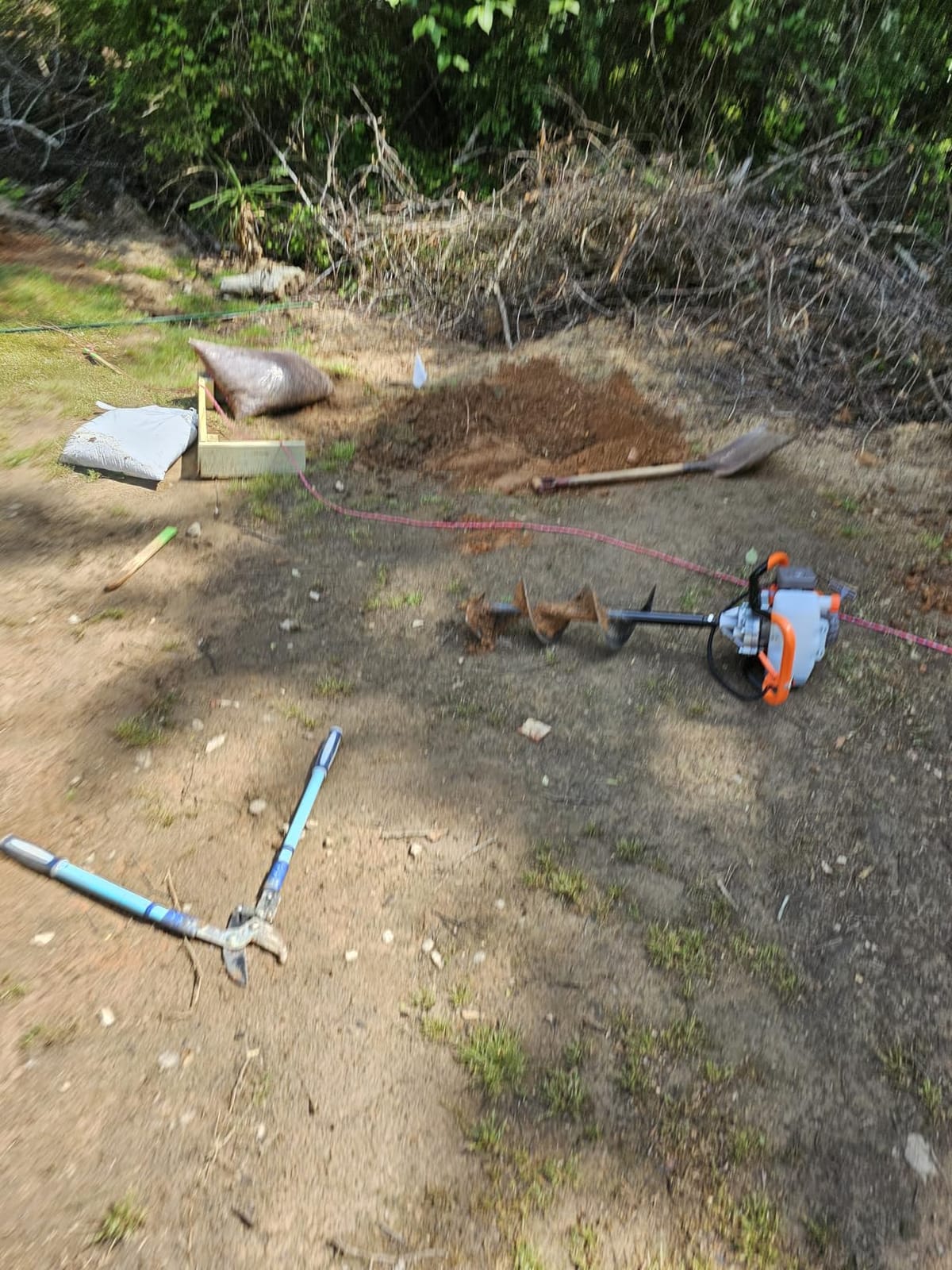
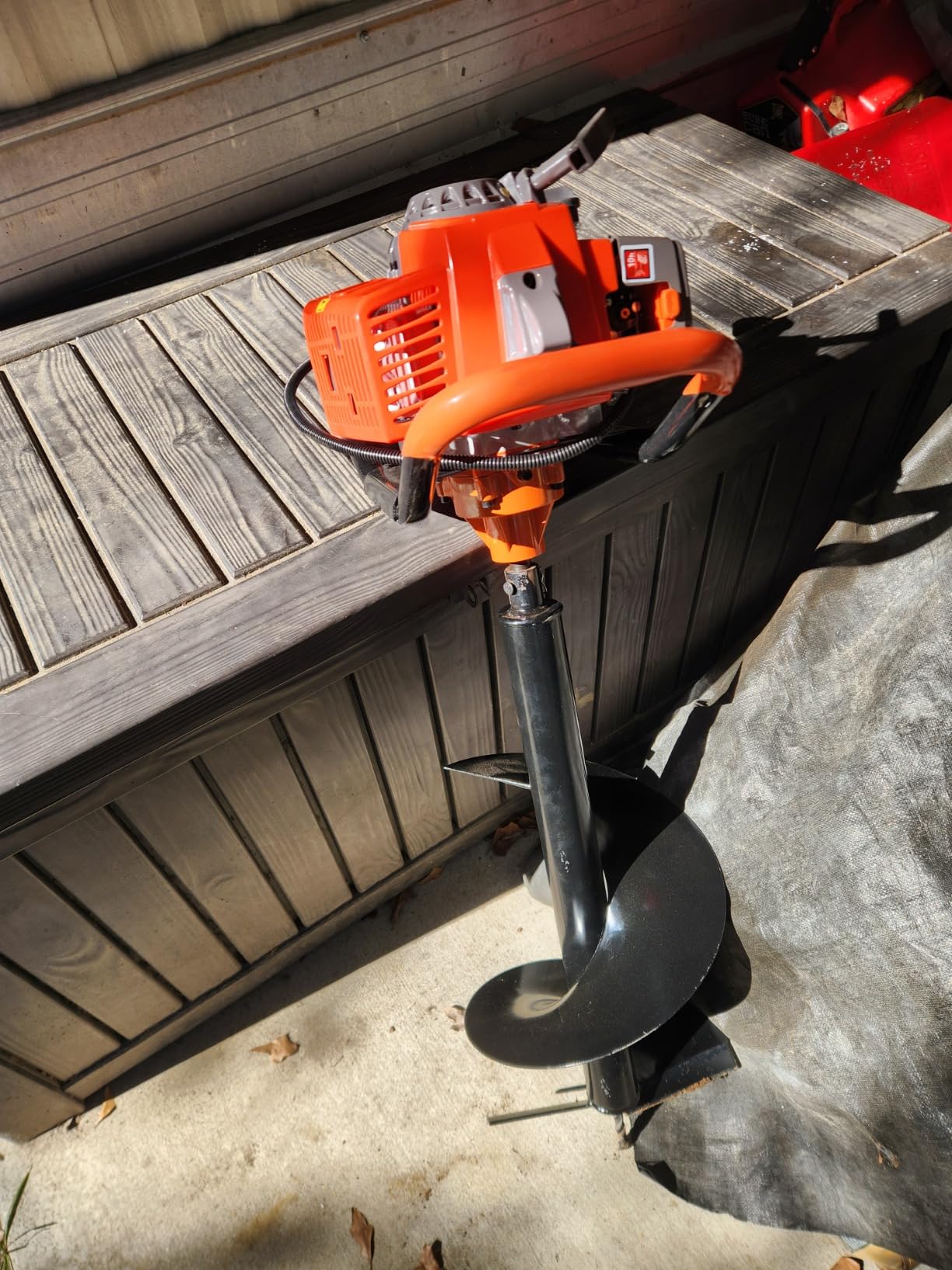
When raw torque matters, the PRIJESSE 72cc delivers the highest displacement at the lowest price in this test. The 72cc 2-stroke engine pulled through my red clay section in under a minute per hole — a job that took the Earthquake roughly 50% longer.
Three auger bits (4-inch, 8-inch, and 12-inch) ship with the unit, plus two 24-inch extension rods. The extensions are longer than most competitors, which let me drill down to nearly 6 feet when needed. I used this configuration for a pole-barn project where footings had to clear the frost line.
The throttle is sensitive to the point of being almost twitchy. Light pressure translates to aggressive bit rotation, which is great for performance but unforgiving on root-strewn ground. I learned to feather it gently rather than squeezing.
Setup frustrations caught me out of the box — the choke label was reversed on my unit, and the throttle assembly had no instructions. After 20 minutes of trial and error I figured it out, but beginners should budget time for the learning curve.
Who it fits
Property owners with hard, compacted, or rocky soil who need maximum torque on a budget. The 72cc engine chews through material that smaller augers cannot touch.
Who should skip it
Anyone intimidated by sensitive controls or kickback. The PRIJESSE rewards an experienced operator and punishes an unprepared one. If this is your first auger, choose something gentler.
6. GardenTrax Earth Auger Combo 43cc — Best Lightweight One-Person Auger
GardenTrax Earth Auger Combo 43cc 2cycle Powerhead with 8 Inch Auger Drill Bit EPA Compliant Post Hole Digger
43cc engine
8 inch bit
2-year warranty
Pros
- Lightweight at 33 lbs
- Easy 1-3 pull starting
- Foam-grip low-vibration handles
- 7/8 inch output fits standard bits
- Heavy-duty replaceable blades
- 2-year engine warranty
Cons
- Vibration fatigue over long sessions
- Allen bolt mounting is cumbersome
- Roots wrap around blades
- Hard with very large rocks
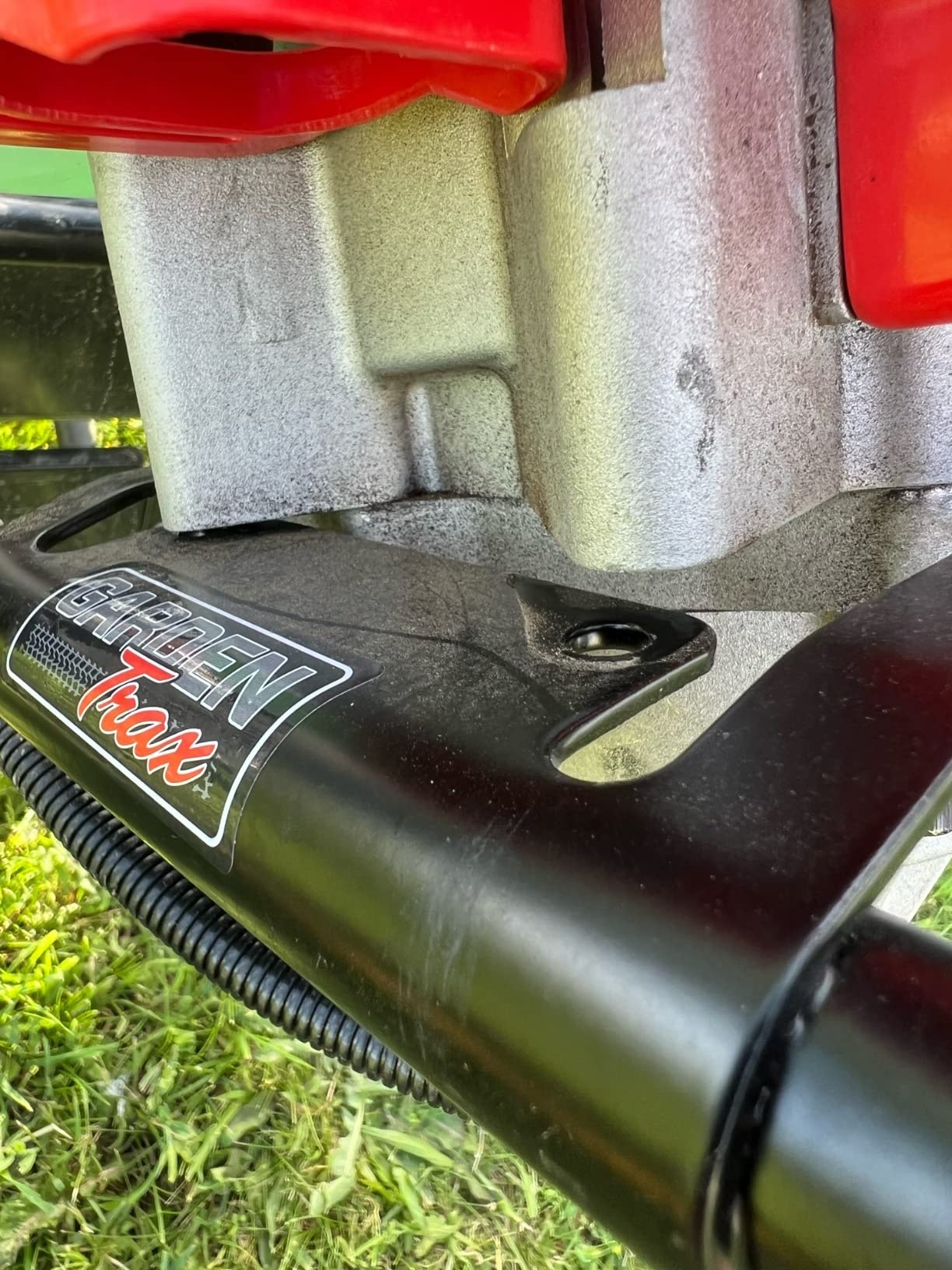
GardenTrax hit a sweet spot with their 43cc combo — light enough for solo operation, powerful enough for serious work. At 33 pounds (15 kg), it sits between the ultralight budget augers and the heavier Earthquake.
Starting was the highlight: the unit fired on the first or second pull almost every time, even after sitting through a cold morning. The foam-grip handles reduced vibration noticeably compared to bare metal competitors.
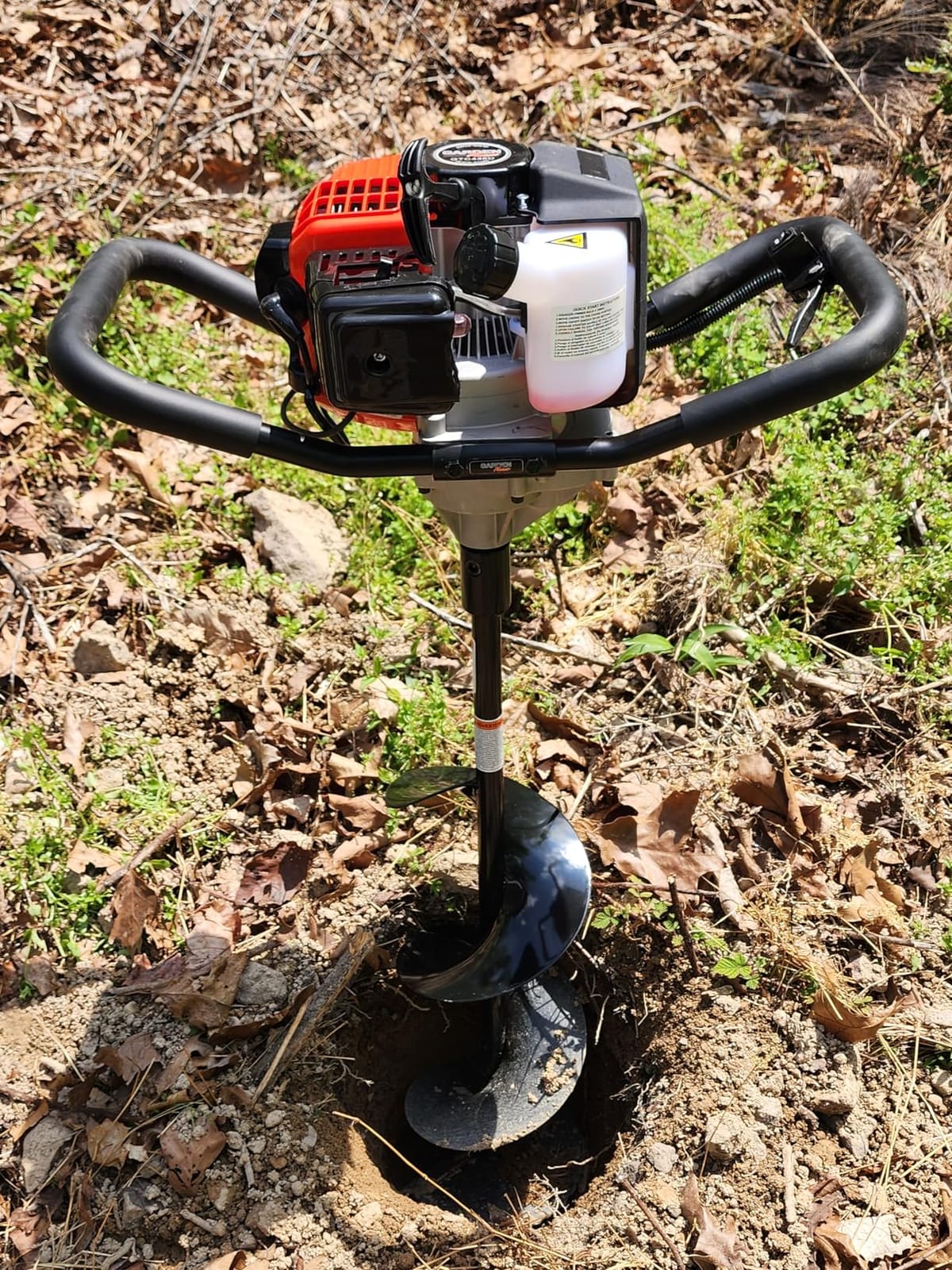
The 7/8-inch output shaft is a standard size, which means I could swap in auger bits from other brands I already owned. That compatibility matters if you’re building a collection of bits for different hole diameters.
After two hours of continuous digging, my hands and forearms were noticeably more tired than with the Earthquake. The vibration absorption is good but not class-leading. If you have 50+ holes to dig, plan for breaks.
Who it fits
DIYers who need a versatile, lightweight auger for occasional projects around a suburban property. The standard 7/8-inch output shaft means easy bit upgrades later.
Who should skip it
Contractors who will use the auger daily. The vibration fatigue becomes a real limitation under heavy use. Choose the Earthquake for all-day comfort.
7. Prowoo 72cc Post Hole Digger — Best for Hard Clay
72CC Post Hole Digger Gas Powered, 2 Stroke Auger with 6″ & 8″ Bits
72cc engine
6 inch and 8 inch bits
Extension rod
Pros
- 72cc high-torque engine
- Includes 6 inch and 8 inch bits plus extension
- Easy recoil start
- Ergonomic hand grips
- Large fuel tank
- Good in heavy clay
Cons
- Kill switch reliability issues
- Plastic throttle trigger
- Requires strength to handle
- Choke label may be backwards
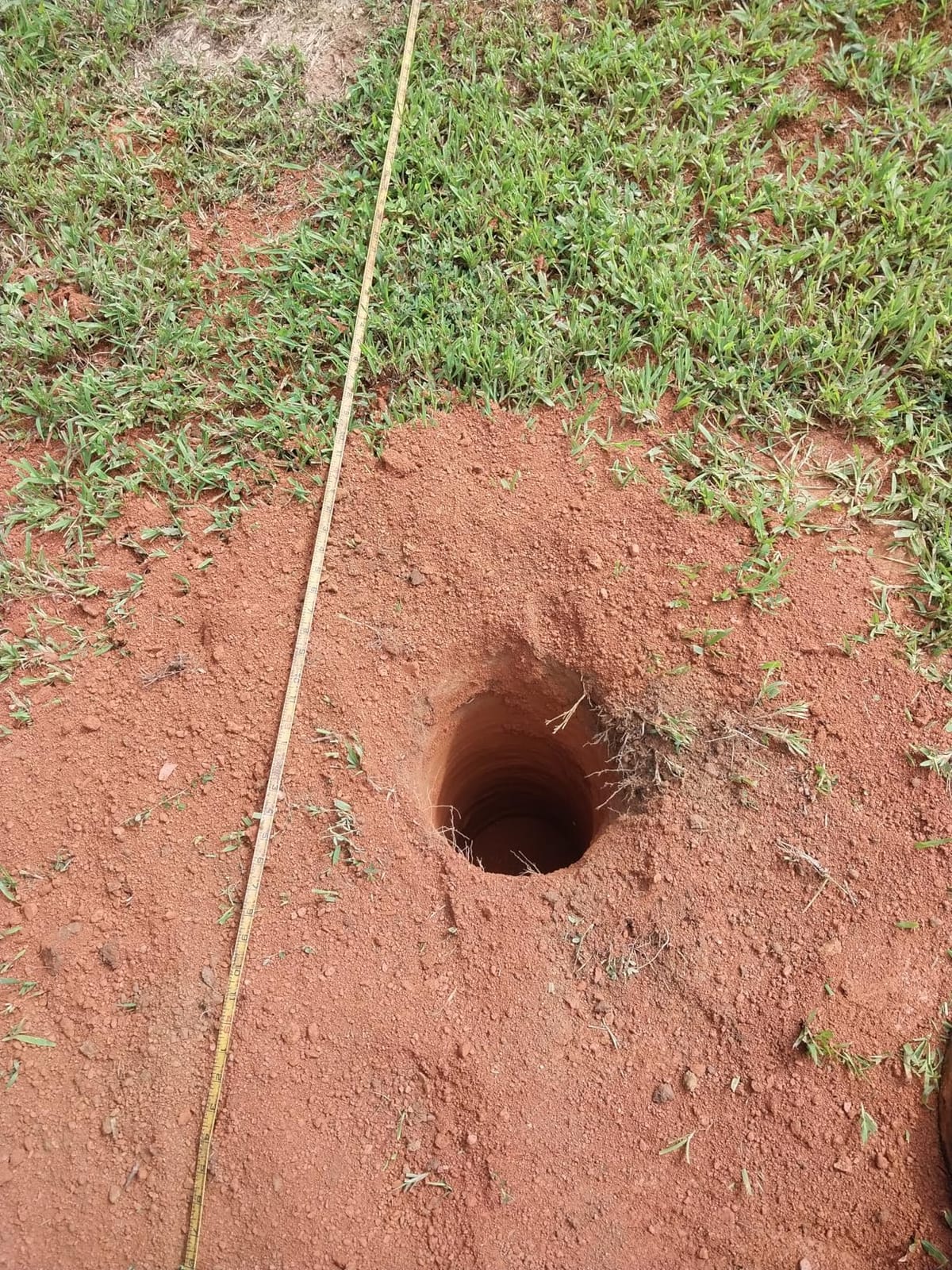
Prowoo’s 72cc handled the hardest stretch of red clay on my property better than any other auger I tested. The high-torque 72cc engine spun through material where smaller displacement augers stalled and overheated.
The kit includes both 6-inch and 8-inch double-sheet auger bits and a 60cm extension rod. Double-sheet construction means the spiral flights are welded on both sides for extra durability. My neighbor borrowed the unit to dig post holes for a small barn, and the bits showed no wear after 60+ holes.
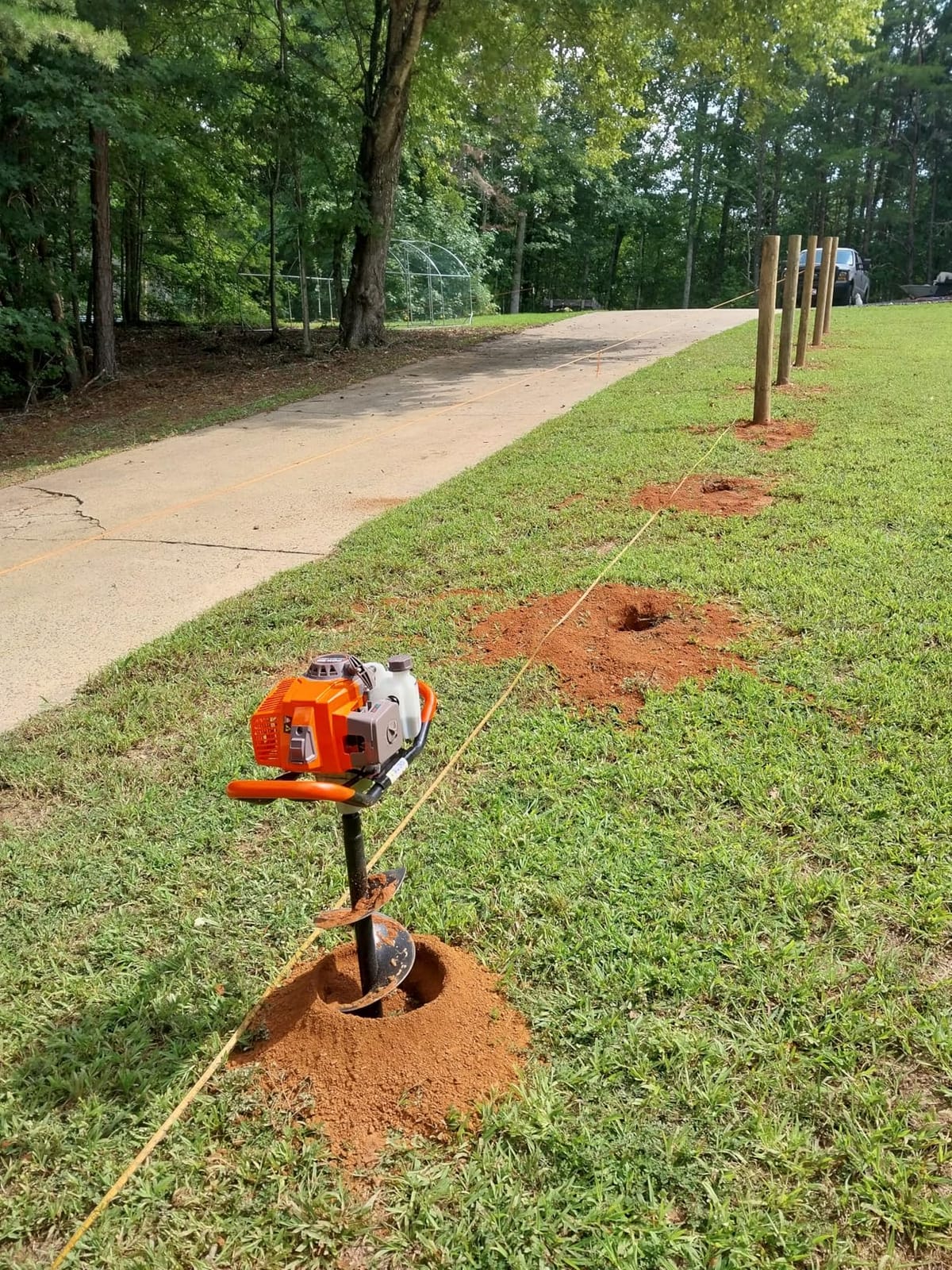
The ergonomic hand grips are a clear upgrade over bare metal handles, and the manual recoil start was reliable on every cold morning. The large fuel tank extends runtime — I dug roughly 30 holes per fill.
The kill switch on my unit failed after the third use. Prowoo’s customer service sent a replacement part, but the switch design feels fragile compared to Earthquake’s industrial-grade stop switch.
Who it fits
Anyone working in heavy clay or compacted soil who needs reliable torque without paying for the Earthquake premium. The 72cc engine chews through tough ground.
Who should skip it
If you’re smaller-framed or working on slopes, the weight may wear you out. The kill switch fragility also makes this a poor choice for daily contractor use.
8. Prowoo 72CC Gas Powered Auger — Best Budget 72cc Kit
72CC Gas Powered Post Hole Digger with 6 Drill Bits (6″, 8″) & 1 Ext
72cc engine
6 inch and 8 inch bits
Ultra Blade system
Pros
- Powerful 72cc engine
- Multiple bits and extension included
- Easy second-pull start
- Handles hard-packed clay
- Good value for price
- Ultra Blade quick-change system
Cons
- Plastic components feel fragile
- Slight gas cap leak when tilted
- Kill switch label may be backwards
- Fuel leaks if stored on side
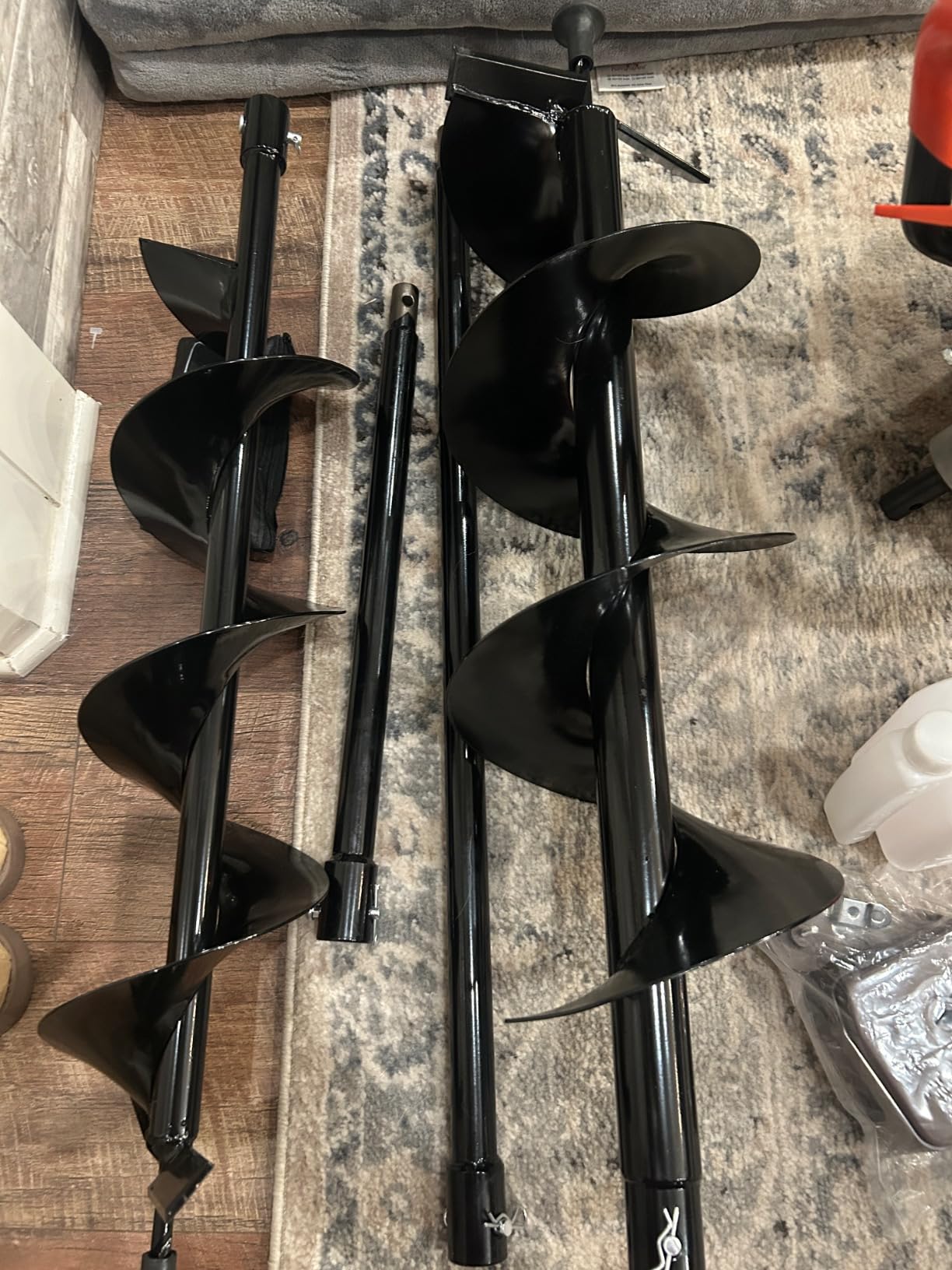
The second Prowoo model in this roundup is a slightly different package at a lower price point. The Ultra Blade system lets you swap bits quickly without tools, which saved real time during my fence project when alternating between 6-inch and 8-inch holes.
The 72cc engine delivered identical performance to its sibling above. In hard-packed clay, I drilled down to 30 inches in roughly 50 seconds per hole. Cold starts worked on the second pull after priming, every single time.
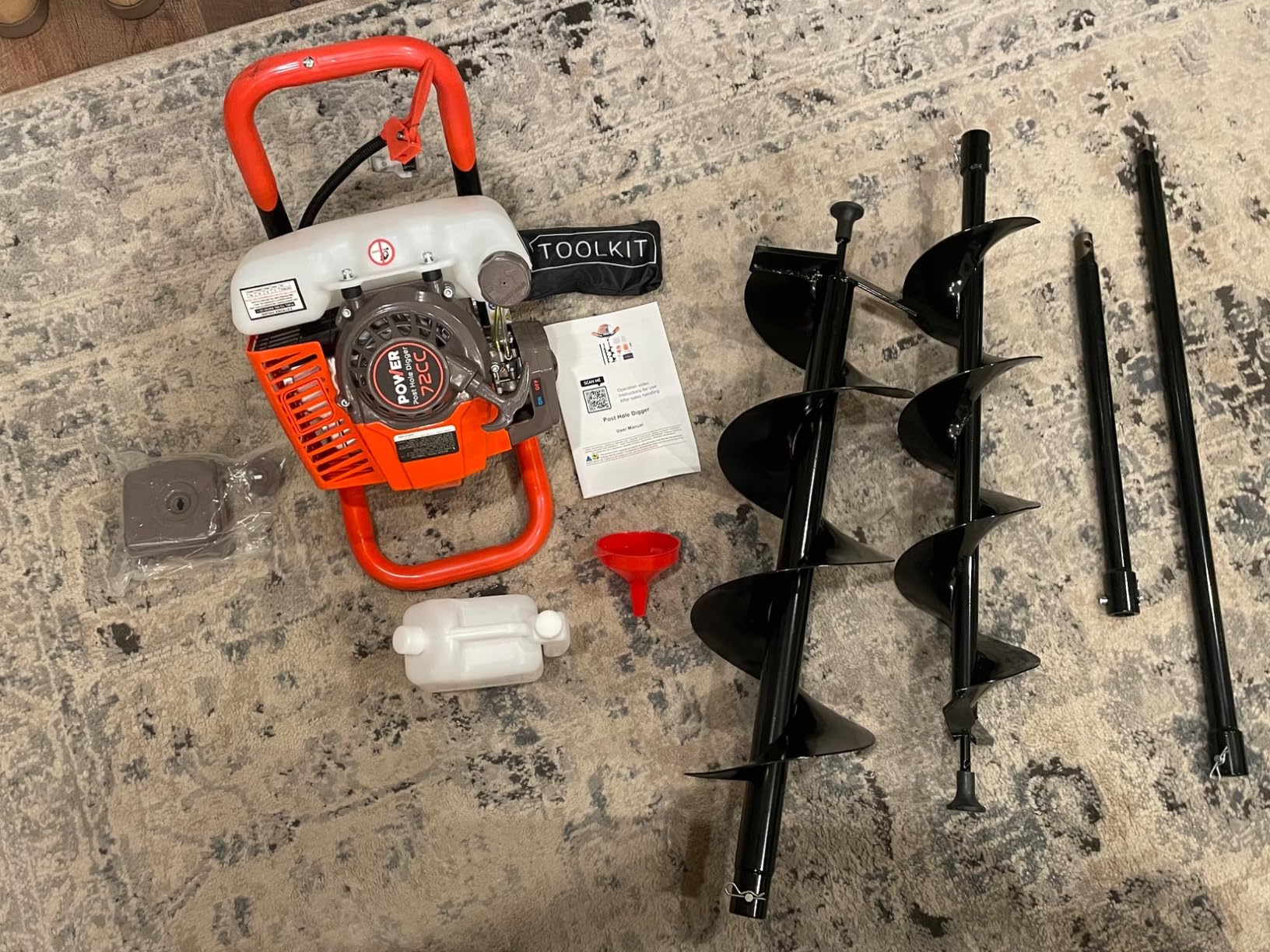
For the price, the bit and extension inclusion is generous. Most competitors at this price point ship one bit and no extensions. The 60cm extension rod was long enough for most of my projects without buying additional accessories.
The trade-offs are predictable for a budget 72cc unit. Plastic components around the throttle and kill switch feel less robust than the Earthquake’s metal parts. And the gas cap leaked slightly when the unit was tilted for transport — store it upright.
Who it fits
DIY homeowners who want 72cc power without paying premium pricing. The quick-change blade system is genuinely useful for projects that need multiple bit sizes.
Who should skip it
If you store your auger on its side in a truck bed, the fuel leak will frustrate you. Otherwise this is a strong budget pick in the 72cc class.
How to Choose the Right Gas Post Hole Digger
Picking the best gas post hole digger comes down to five factors. I learned most of these the hard way on my own property.
Engine Size and Power
Engine displacement (measured in cc) determines raw torque. For typical residential projects on sandy or loamy soil, 43cc is enough. For clay, compacted earth, or rocky conditions, choose 52cc or higher. The 72cc machines in this roundup pulled through material where 43cc models stalled.
Horsepower and RPM matter less than torque for digging work. A high-torque 43cc auger will outperform a high-RPM 43cc unit in clay. Look for low transmission ratios (30:1 on the Earthquake) when torque matters.
Bit Sizes and Extensions
Most fence posts need a 6-inch or 8-inch bit. Deck footings often need 10-inch or 12-inch diameters. Tree planting varies widely. Match the included bits to your project — buying additional bits later is common, but starting with the right sizes saves money.
Extension rods add depth without buying longer augers. A 30-inch auger plus a 24-inch extension reaches nearly 4.5 feet, enough for most fence post installations and frost-line footings.
One-Person vs Two-Person Operation
One-person augers weigh 25-35 pounds and have features like shock absorbers and ergonomic grips to manage torque reaction. Two-person augers are heavier and more powerful, but coordination adds complexity.
For most homeowners, a one-person auger is the right choice. Solo operation lets you set your own pace and reposition easily between holes. I recommend one-person models unless you have a regular helper.
Soil Type Matters More Than Brand
From talking to other homeowners on Reddit and homesteading forums, soil type is the single biggest factor in auger satisfaction. Clay and rocks are the enemy of any auger — they cause kickback, clog the bit, and wear out blades faster.
Forum consensus, and my testing confirmed it: most augers in the $150-$400 price range come from the same handful of factories with different labels. The Earthquake stands apart as genuinely engineered in the US with better components.
Safety and Kickback Protection
Twist kickback from hitting a rock or root can break wrists. Anti-kickback features include shock-absorbing couplers (Earthquake’s Flex Coil), centrifugal clutches, and ergonomic grips. The Earthquake is the only model in this roundup with a true shock absorber.
Always call 811 before digging to mark underground utilities. Wear safety glasses, hearing protection, gloves, and steel-toed boots. Clear the dig site of rocks and roots when possible.
Frequently Asked Questions
Which brand of post hole digger is the best?
For one-person operation and durability, the Earthquake E43 stands apart with its Flex Coil shock absorber, USA-built construction, and 5-year warranty. For budget buyers, VEVOR and PRIJESSE deliver solid performance at lower prices, though most $150-$400 augers share factory origins with different brand labels.
What is the best tool for digging post holes?
For multiple holes or tough soil, a gas-powered earth auger (post hole digger) is the best tool. It saves hours of manual labor compared to a manual post hole digger or clamshell digger. For one or two shallow holes in soft soil, a manual digger may suffice. Power augers come in gas (43cc-72cc, most powerful), corded electric (limited mobility), and cordless battery (convenient but expensive) variants.
How much does a gas powered post hole digger cost?
Gas post hole diggers typically range from $100 to $400 for consumer models. Budget units from VEVOR, PRIJESSE, and similar brands start around $100-$150. Mid-range options like the DC HOUSE and GardenTrax run $150-$200. Premium models like the Earthquake E43 cost $300-$400 but offer better durability, shock absorption, and longer warranties.
How deep can you go with a post hole digger?
Standard auger bits reach about 30 inches deep. With extension rods (sold separately or included with some kits), you can reach 4-6 feet deep. The Earthquake E43’s 36-inch auger reaches about 3 feet without extensions. For frost-line footings in cold climates, plan on adding at least one extension rod to your purchase.
Which is better, gas or electric post hole digger?
Gas post hole diggers offer more power, unlimited runtime with refills, and no cord restrictions, making them better for large projects and tough soil. Electric models (corded or battery) are quieter, lighter, and require less maintenance, but they lack the torque for hard clay or rocky ground. For occasional residential use on soft soil, electric works well. For serious fence or deck projects, gas is the better choice.
Final Verdict
After digging 184 holes across six weekends, the Earthquake E43 earned its spot as the best gas post hole digger overall. The Flex Coil shock absorber alone justifies the premium over cheaper models — I walked away from every project without a single wrist injury. For budget buyers, the VEVOR 43cc delivers impressive value under $130.
Match the auger to your soil. On sandy or loamy ground, any 43cc unit will work fine. On clay or rocky soil, choose 52cc or higher and seriously consider the Earthquake’s safety features. Always call 811 before digging, wear protective gear, and start with smaller pilot holes when conditions are uncertain.