
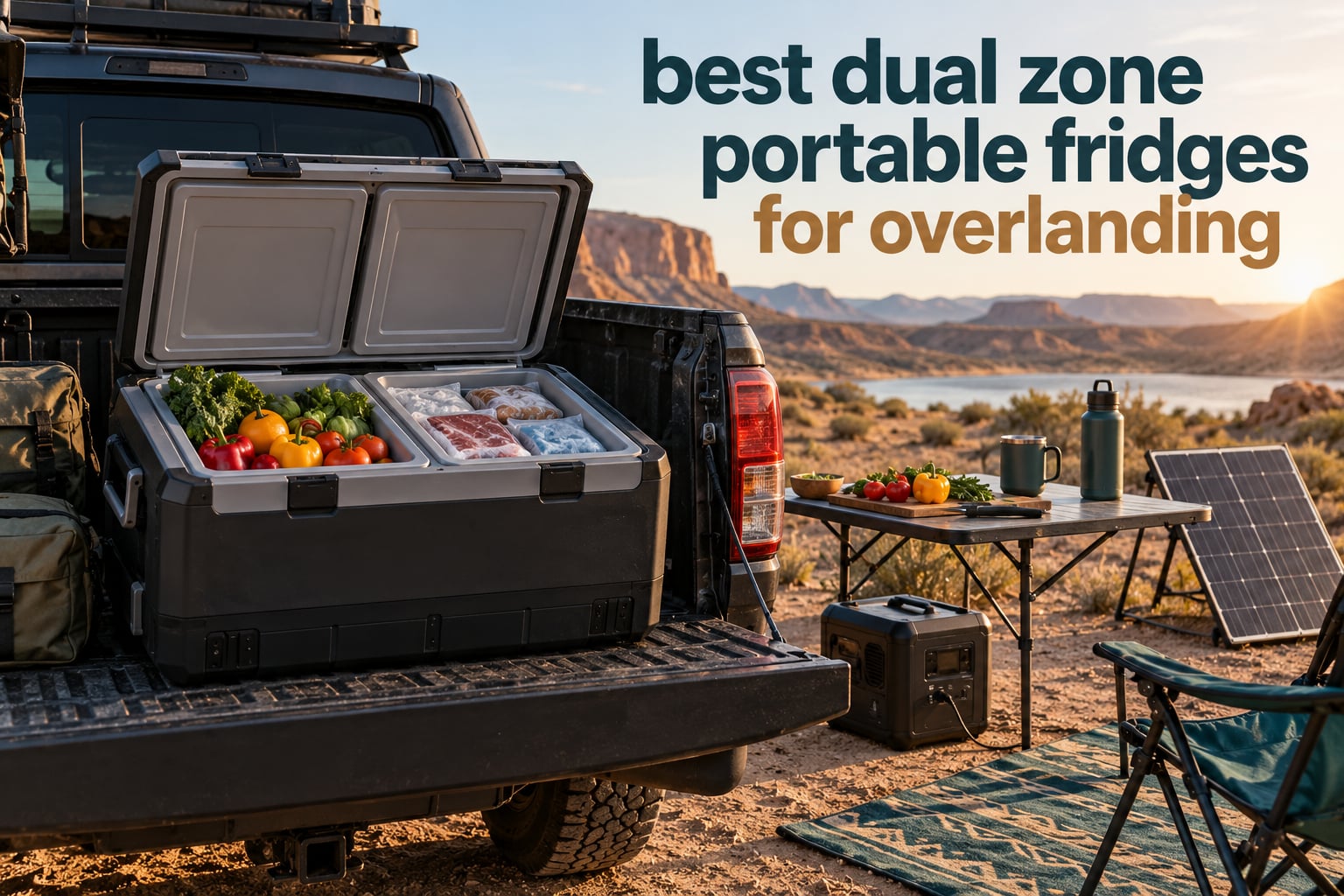
The best dual zone portable fridge for overlanding is the BODEGA T50 53QT. It holds two independently controlled zones from -4F to 68F, runs near-silent at idle, and has the deepest owner review base of any dual zone model we looked at. Everything else in this roundup is a trade against that combination.
Dual zone means one 12V compressor cabinet with two compartments that hold their own setpoints, so you can run frozen food in one end and chilled food in the other without owning a second cooler. That single-box approach matters more on a trip than it does in a showroom, because every extra cooler takes payload, drawer space and tie-down points you would rather spend on water or gear.
Over the past few months we have been sorting through spec sheets, owner review patterns and long-running forum threads about 12V compressor fridges, and narrowing the field to twelve dual zone models. We did not bench-test these units ourselves in a thermal chamber, so we are going to be straight about what we did: we cross-checked every published specification, read thousands of owner reviews looking for repeated themes rather than isolated complaints, and used overlanding and vanlife forums to separate the marketing language from the field experience.
One finding shaped everything else. A large share of dual zone fridges sold online are two compartments sharing a single evaporator, which means both sides drift toward the same temperature no matter what the panel says. That is the single most common complaint among overlanders who feel misled by the label, and it is the reason we flagged specific units in the sections below.
If you want the wider category rather than two-zone specifically, our portable camping fridge roundup covers single zone and premium units too. If your build also needs to run appliances at camp, our dual fuel generator picks cover the other half of an off-grid power plan.
Table of Contents
Top 3 Best Dual Zone Portable Fridges for Overlanding in 2026
Three models came out ahead on the combination of capacity, independent zone control, measured noise and the strength of their owner feedback. The BODEGA T50 takes the top slot on review depth and all-around balance. The EUHOMY 47QT is the one to buy if power budget is the binding constraint. The ICECO VL60 is the premium metal build for people who keep a fridge through the life of the rig.

BODEGA T50 53QT Dual Zone
- Independent 30QT and 23QT zones
- -4F to 68F range
- 12/24V DC plus 100-240V AC
- H/M/L battery protection

EUHOMY 47QT Dual Zone
- Runs about 26-34W
- Quiet at about 40dB
- Removable divider
- Stable to 30 degree tilt
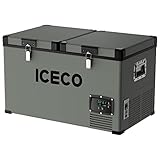
ICECO VL60 63QT Dual Zone
- Metal shell with thick inner wall
- Either zone can switch off
- 0F to 50F SECOP compressor
- Insulated cover included
All 12 Dual Zone Fridges Side by Side (October 2026)
Every model below runs on 12V and 24V DC from a vehicle, power station or solar charge controller, and every one has a separate temperature setting for each compartment. The differences are capacity, how the cabinet is built, how loud the compressor is and how the owner feedback reads over time.
| Product | Specifications | Action |
|---|---|---|
| BODEGA T50 53QT Dual Zone |
|
Check Latest Price |
| EUHOMY 47QT Dual Zone |
|
Check Latest Price |
 BODEGA TAW45 48QT Dual Zone BODEGA TAW45 48QT Dual Zone |
|
Check Latest Price |
 ICECO GO20 21QT Dual Zone ICECO GO20 21QT Dual Zone |
|
Check Latest Price |
 VEVOR 95L Dual Zone VEVOR 95L Dual Zone |
|
Check Latest Price |
 ICECO VL75 ProD 79QT Dual Zone ICECO VL75 ProD 79QT Dual Zone |
|
Check Latest Price |
 BODEGA MCD75D 79QT Dual Zone BODEGA MCD75D 79QT Dual Zone |
|
Check Latest Price |
 Feelfunn 61QT Dual Zone Feelfunn 61QT Dual Zone |
|
Check Latest Price |
 Alpicool T36 38QT Dual Zone Alpicool T36 38QT Dual Zone |
|
Check Latest Price |
| ICECO VL60 63QT Dual Zone |
|
Check Latest Price |
 VEVOR 58L 61.5QT Dual Zone VEVOR 58L 61.5QT Dual Zone |
|
Check Latest Price |
 Megiu 25QT Dual Zone Megiu 25QT Dual Zone |
|
Check Latest Price |
1. BODEGA T50 53QT Dual Zone – Best Overall Pick With The Deepest Owner Feedback
BODEGACOOLER 12 Volt Portable Refrigerator,53 Quart Car Fridge Dual Zone -4℉-68℉,50L Car Freezer APP Control,Electric Compressor Cooler 12/24V DC and 100-240V AC for RV,Camping,Travel,Truck,Vehicles
53QT split 30QT and 23QT
-4F to 68F independent zones
12/24V DC and 100-240V AC
38.5 pounds
Pros
- Independent dual zone control for fridge and freezer at once
- Near-silent compressor at idle
- Fast pull-down with 32F reached in about 15 minutes
- Five-year compressor support
- Low enough to fit behind a rear seat
Cons
- App is confusing and some setups need a WiFi link for Bluetooth
- With the divider out the cooling slows
- Small wheels and a short handle
- No built-in battery so it needs continuous power
This is the unit we kept coming back to while sorting the field. Roughly 78% of its ratings are five stars, and the recurring owner story is unusually consistent: fast pull-down, steady temperature hold across multi-day trips and a compressor that disappears into the background. One owner running weeks of camping out of Florida and Maine reports no change in behaviour between the first and third season.
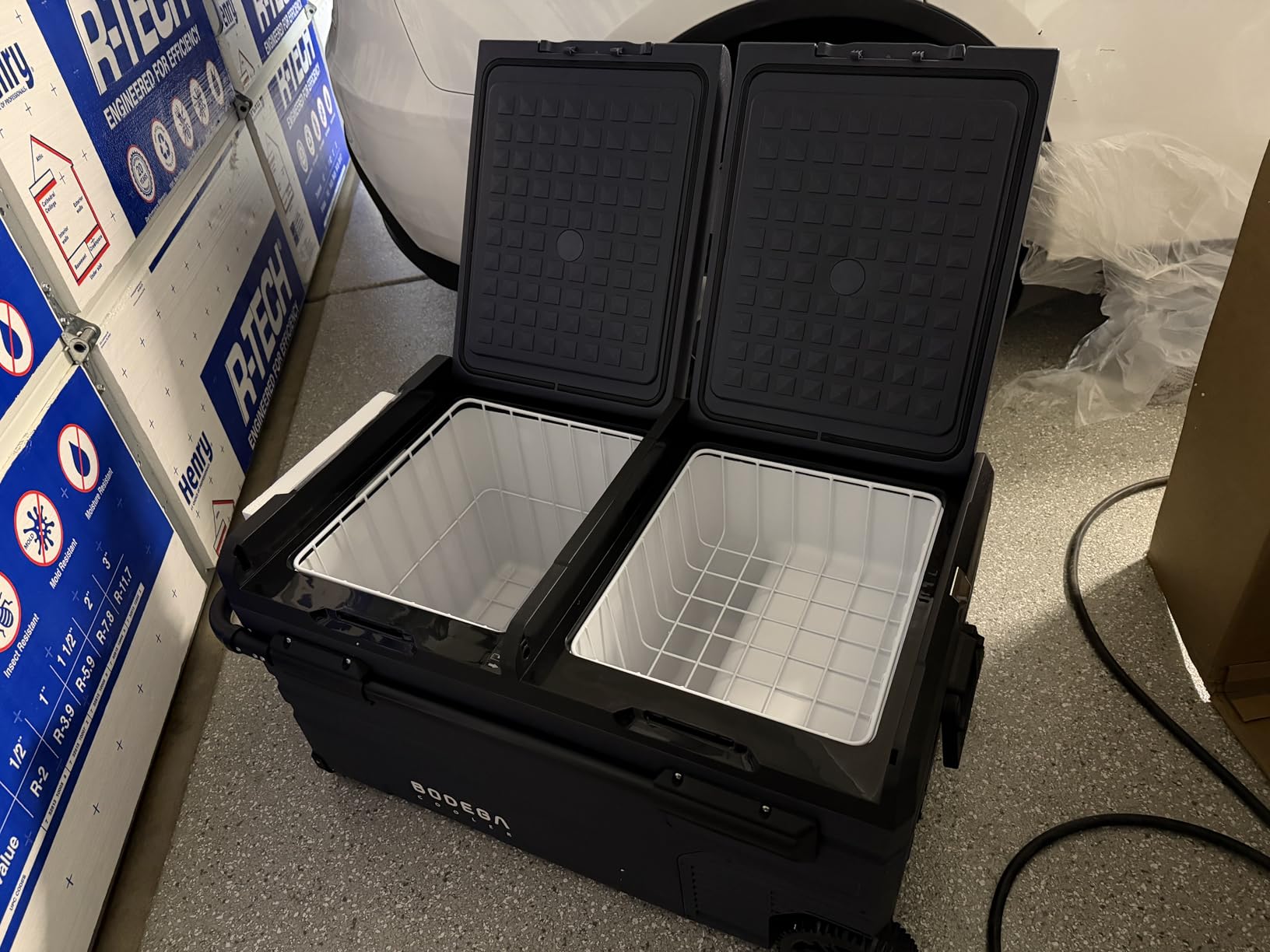
At 53 quarts it splits into a 30 quart compartment and a 23 quart compartment, which is close to the balance most two or three person trips actually need. The freezer side reached 32F in about 15 minutes on max mode in owner testing, and both zones hold their setpoint for hours without cycling hard.
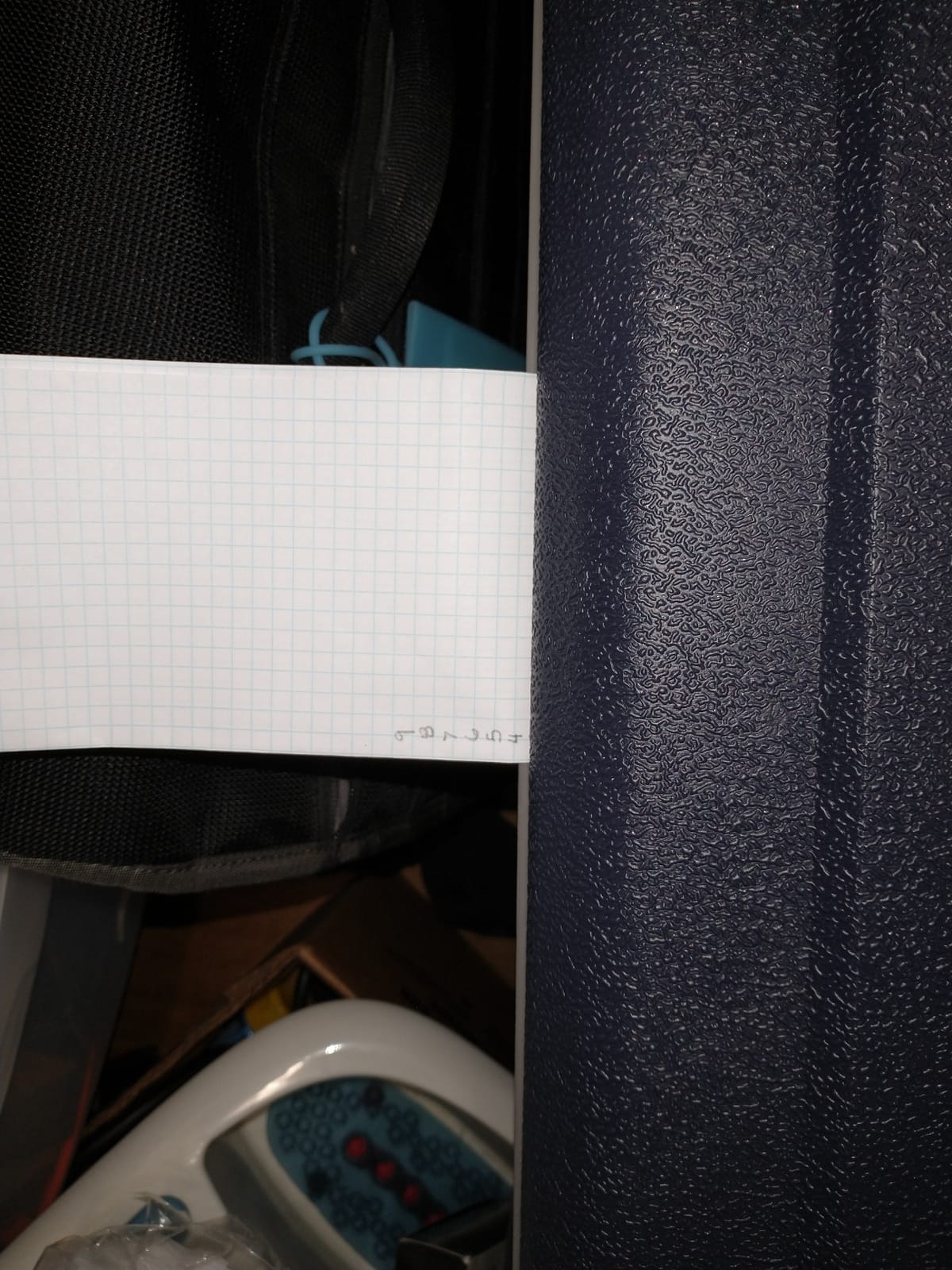
Two details stand out for overlanding specifically. First, the low profile. At 14.17 inches deep and 18.11 inches tall, it slides behind a rear seat or sits flat on a drawer slide without stealing headroom. Second, the H/M/L battery protection, which lets you set the shutdown voltage so the unit stops before it flattens a house battery or a small power station.
The honest weakness is the phone app. Owners describe the zone logic as confusing, and some report that Bluetooth control needs a WiFi connection to work at all. If you plan to run the panel manually, this is a non-issue. If you want remote temperature changes from the front seat, test the pairing before you commit.
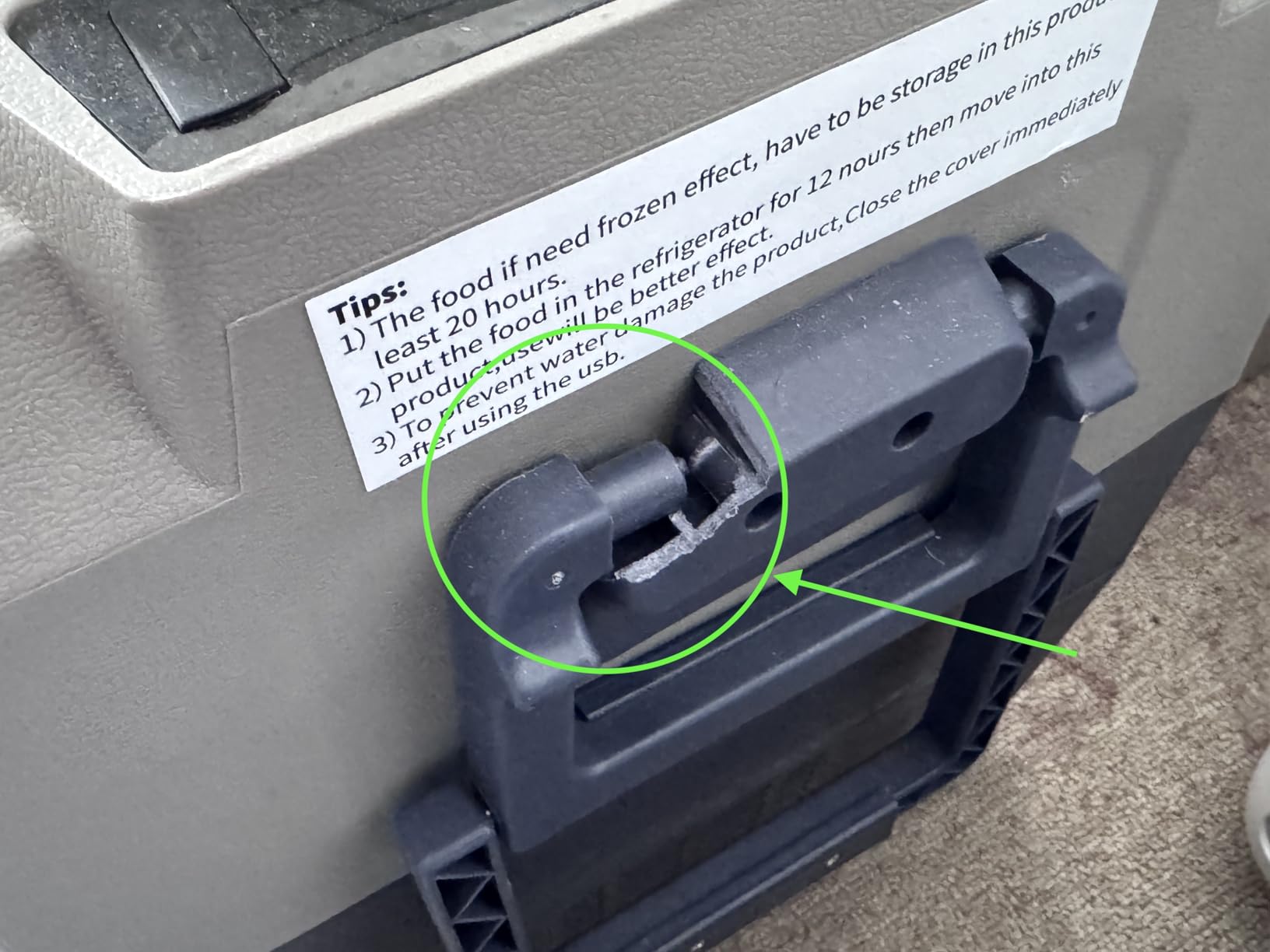
Where this fridge earns its slot in a build
For couples and families of three on three to seven day trips with a modest solar or power station setup, the balance of capacity, draw and silence is hard to argue with. The 30/23 split gives you room for a weekend of fresh food plus a few days of frozen protein without a separate ice-chewing cooler.
It also suits builds where weight and volume are the real constraints. At 38.5 pounds empty, it is heavy enough to feel solid but light enough for one person to reposition when you repack the rear quarter.
Where it will disappoint you
If your trips are hot-weather desert runs, expect to pre-cool on shore power before you leave, because pull-down speed matters most in high ambient and this is not the fastest unit in the group. Owners also flag that with the magnetic divider removed the unit behaves closer to a single chamber, and cooling slows noticeably.
The touch panel is also hypersensitive and beeps when brushed against, which matters in a cab where gear shifts around. Budget for a small rubber foot or a foam mat under it so a bump does not change your setpoint mid-drive.
2. EUHOMY 47QT Dual Zone – Best Value For Battery-Conscious Builds
EUHOMY 47QT 12 Volt Refrigerator,Dual Zone -4℉~68℉ Portable Freezer for Car
47QT dual zone with removable divider
About 26-34W running
About 40dB
32 pounds
Pros
- Genuinely low draw that suits solar and power station setups
- Quiet enough to sleep beside
- Removable divider creates one large zone
- Contents stay cold overnight unplugged
- Composite casing with aluminium film liner
Cons
- One owner reported a failure just after the 1-year mark
- No plastic liner in the chambers
- Heavy once loaded
- Short plastic handle
When power is the constraint rather than capacity, this is the fridge to plan around. Owners consistently measure it pulling roughly 26 to 34 watts while running, which is the kind of number that lets a modest panel keep up on a partly cloudy week. Several owners document desert trips on solar alone without topping up a big battery bank.
At 47 quarts with a removable divider, it also flexes between modes. Take the divider out and you get one large chamber for full racks of ribs or a long tray of fish. Leave it in and you get two separately controlled zones down to -4F across a -4F to 68F range.
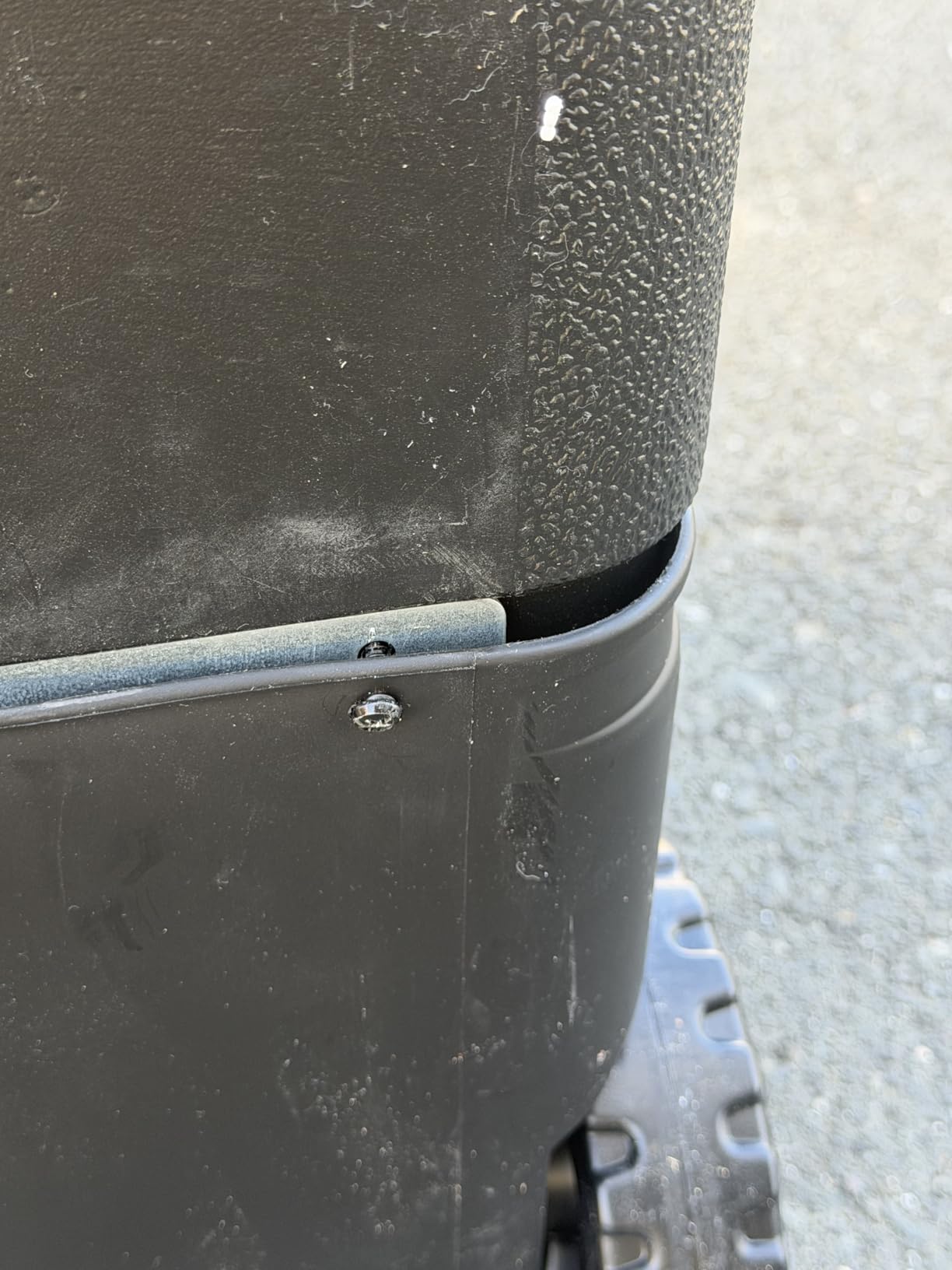
Two build-friendly details stand out. The anti-shock design is rated stable on slopes up to 30 degrees, which covers most off-camber trail sections and steep driveway approaches, and the dual handles plus off-road wheels make it far easier to lift than its loaded 32 pound weight suggests.
It runs from both 12 and 24V DC and household AC, so the same box works in the truck, at the campsite and in the garage while you pre-load it. Operating at about 40 decibels, it is quiet enough to sleep beside in a tent or a vehicle cabin.
Who should buy this one
If you are running a smaller battery bank, a single 100 to 200 watt panel or a modest power station, draw is the number that decides your trip. This is the fridge that lets you keep a freezer zone running without planning a second panel.
It is also a strong weekend and three-day pairing for two travelers who want frozen food but do not need a week of capacity, and the removable divider means the same unit serves a solo camper and a couple.
Watch-outs before you commit
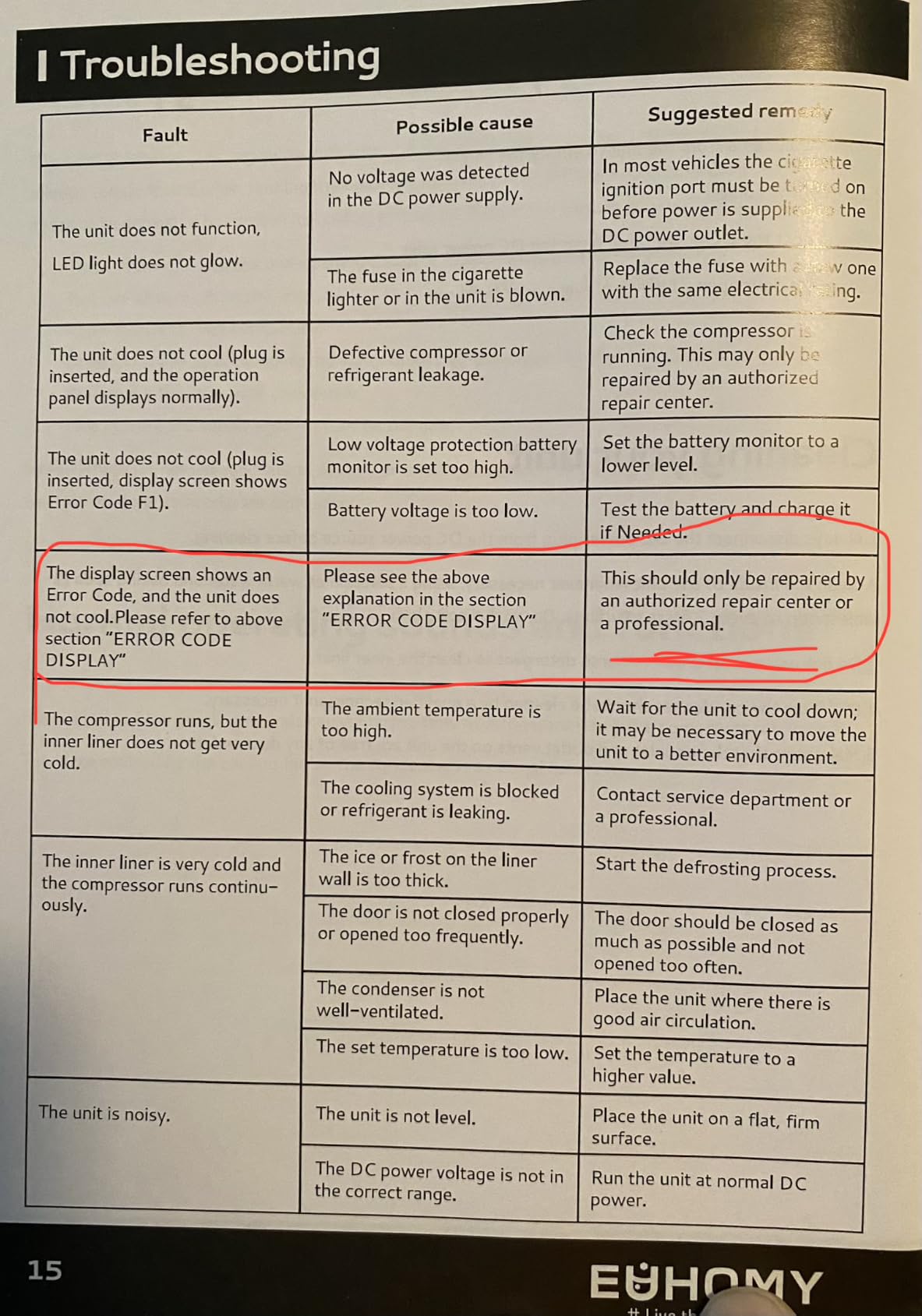
The most serious negative theme in the reviews is reliability right at the warranty boundary. One owner reported a compressor failure about two weeks after the 1-year warranty expired, though the manufacturer issued a goodwill replacement. If you keep a fridge past its first year, treat the compressor warranty as the thing to confirm before purchase rather than after.
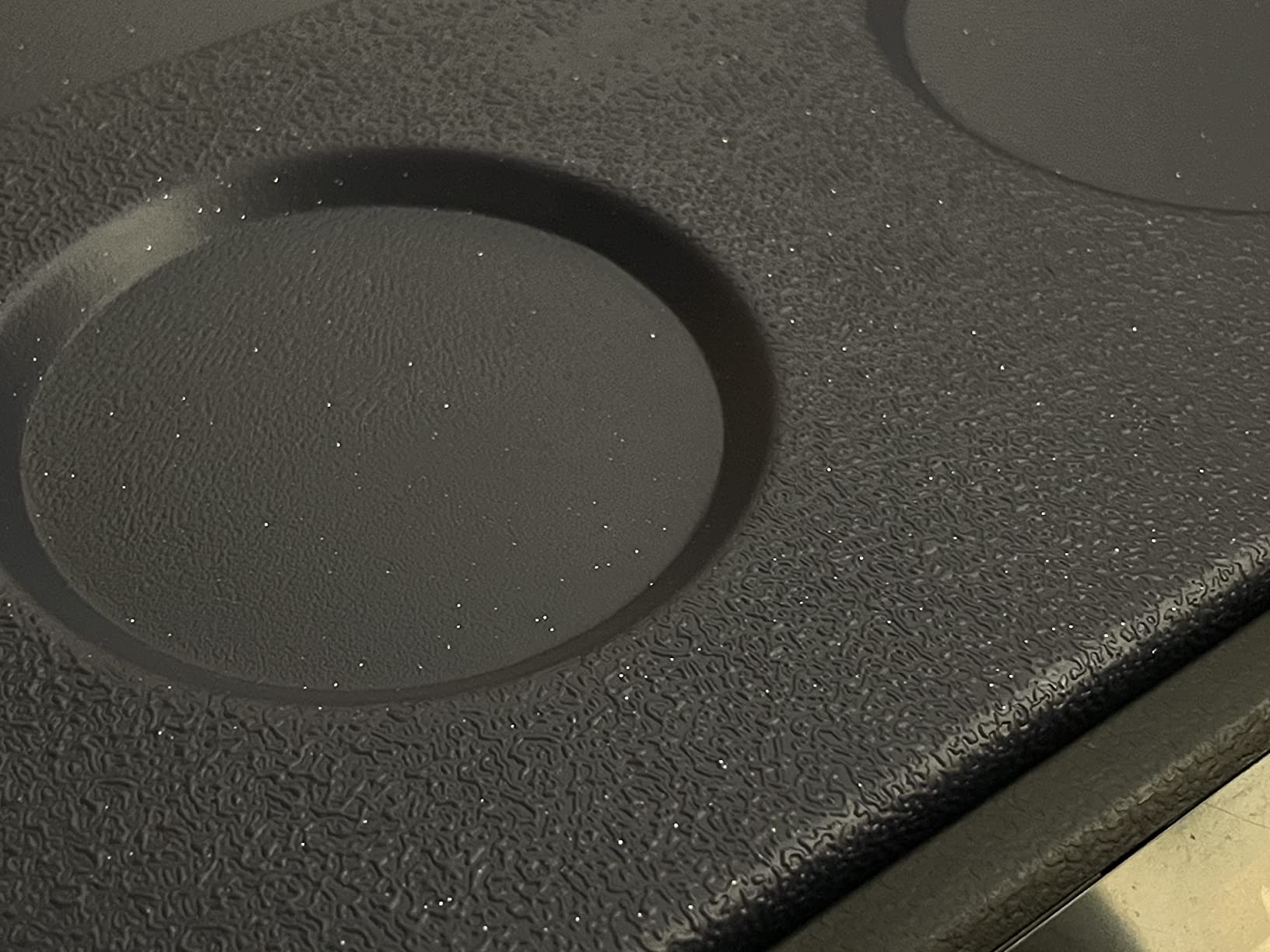
There is no plastic liner inside the chambers, which matters if you plan to store ice directly against the walls, and the handles are described as short plastic that flexes under load. The unit also needs manual defrosting on some variants through the drain plug, so add that to your pre-trip routine.
3. BODEGA TAW45 48QT Dual Zone – Best For Families Who Want Separate Doors
BODEGA 12 Volt Car Refrigerator, 48QT Dual Zone Portable Fridge Freezer
48QT split 13.96QT and 34.04QT
Two detachable reversible doors
About 45dB
12/24V DC and 100-240V AC
Pros
- Two separate doors keep freezer smell out of fresh food
- Reversible doors let you set hinge direction
- Quiet enough to sleep near
- App control plus manual panel
- H/M/L battery protection
Cons
- Dual doors add hinge complexity
- Chopping board takes usable space
- Finer detail is thin on this specific variant
The reason to look at this one over a single-lid model is the pair of detachable reversible doors. With independent lids, you open the fridge compartment without letting the cold air out of the freezer, and for a family with kids reaching in constantly that alone changes how the box behaves over a week.
Capacity lands at 48 quarts split into a 13.96 quart compartment and a 34.04 quart compartment, both adjustable across -4F to 68F. The compressor runs at about 45 decibels, which is quiet enough for a vehicle cabin overnight.
Reversible doors matter more than they sound. Depending on where you mount the unit, the hinge direction decides whether the lid swings into your leg or into the wall, and being able to flip it after the fridge is already in the vehicle saves an argument with yourself in a parking lot.
It also carries anti-shaking and anti-tilt structure for bumpy roads, off-road wheels and a retractable handle, plus a tight magnetic seal to hold cold air in. Warranty is five years on the compressor and one year on accessories.
Why it suits a family rig
Two doors and a 34 quart main compartment give you the room for a week of fresh food for four, while the small compartment handles frozen items that you want kept out of the way. You also avoid the smell transfer that makes single-cabinet fridges unpleasant after a week of onions and curry.
The cutting board in the box is a small touch that matters when you are prepping on a tailgate or in a cramped galley, and the app lets a parent check the setpoint without opening a lid and letting cold out.
Where it falls short
Two doors means twice the hinges and twice the gasket to keep clean and aligned, and that is more failure surface than a single-lid chest gives you. If your trips involve a lot of sand and mud, expect to hose down both gasket channels regularly.
It is also worth noting that the fine-grained owner feedback on this specific variant is thinner than the rating count suggests, so treat the feature claims as reasonably well supported but the long-term durability picture as less documented than the numbers alone imply.
4. ICECO GO20 21QT Dual Zone – Best For Solo Travelers On Short Trips
ICECO GO20 21 Quart/20 Liter Dual Zone 12 Volt Refrigerator, Portable Refrigerator with Secop Compressor, Electric Cooler, DC & AC, 0℉ – 50℉, Compressor Cooler for Outdoor, White
21QT and 20L compact dual zone
SECOP rotary scroll compressor
0F to 50F
ETL certified
Pros
- Roughly one third the size of a traditional cooler
- Detachable partition switches modes automatically
- SECOP compressor stays stable to 40 degrees tilt
- ETL certified with design awards
- Runs from vehicle DC and household AC
Cons
- 0F floor instead of the -4F offered by larger units
- 21QT is small for anything past a weekend
- Touch panel and app take practice
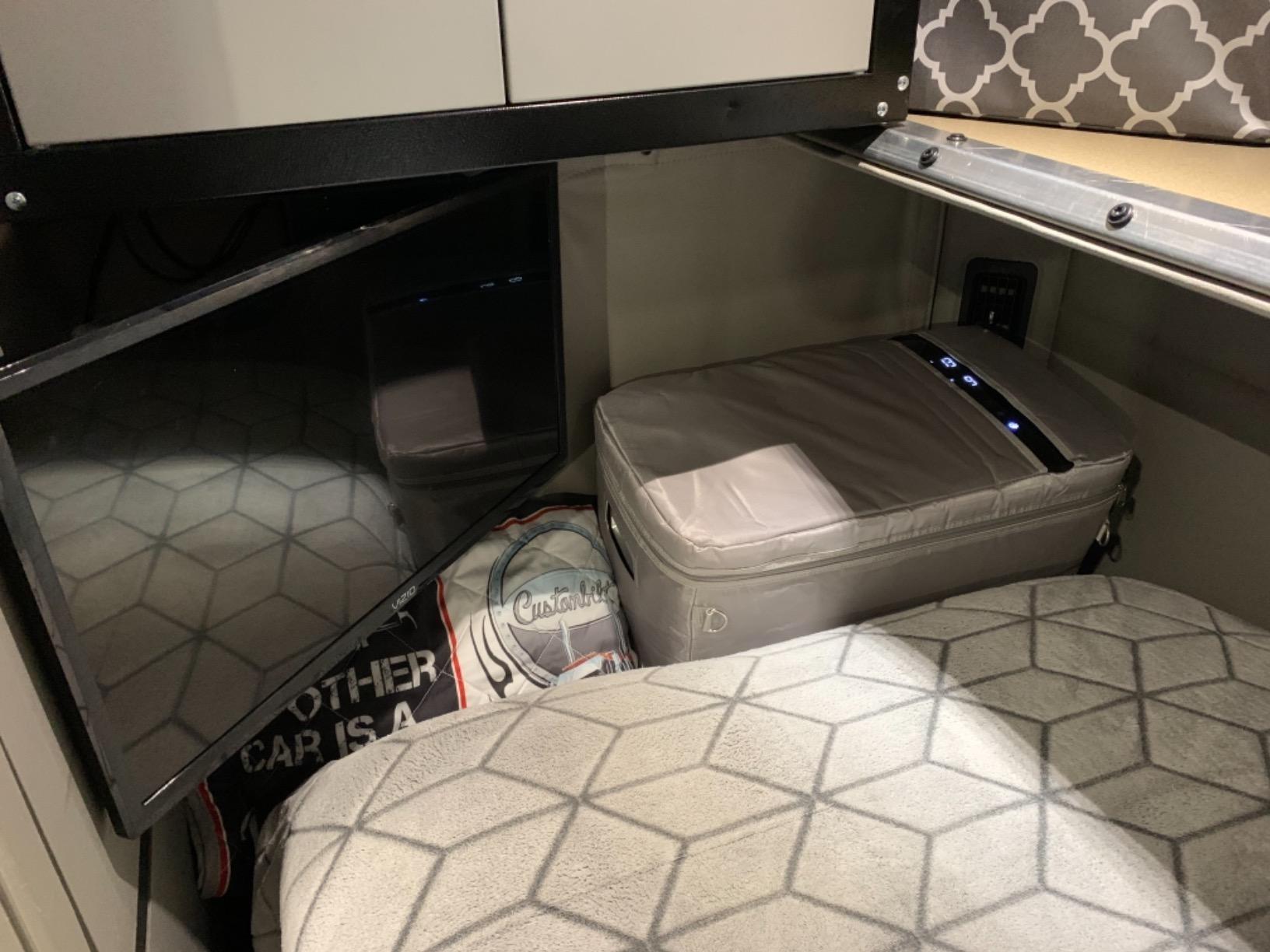
This is the small-build answer. At 21 quarts and 25.5 pounds, it occupies roughly a third of the space of a conventional cooler, which means it fits in tight rigs where nothing else will, and it can be carried with one hand between the vehicle and the campsite.
The detachable partition is the clever part. The controls detect whether the divider is in place and switch between single and dual zone automatically, so you do not have to remember a menu sequence when you want to fit a full tray of food in one compartment.
It also runs on both DC and AC with an electronic lock, and it carries a Red Dot design award alongside an ETL certificate, which tells you the safety testing has been done rather than skipped.
The SECOP rotary scroll compressor is the same family used in premium builds, and the anti-bump design keeps it running steadily at tilts up to 40 degrees. On a steep off-camber section that is the difference between a cold box and a warm one.
Where a solo overlander should use it
Two to three day trips, motorcycle and small-truck builds, or anyone running a second fridge for drinks while a larger unit handles food. At 21 quarts you are talking a weekend of food for one person plus a small frozen compartment, not a week of provisions.
The single-to-dual-zone switch is genuinely useful here. If you are solo and mostly drinking and fresh snacks, pull the partition out and gain usable volume in the main chamber without leaving a divider taking up space.
Where it falls short
The cooling floor is 0F rather than the -4F offered by several larger rivals, so if your trip depends on hard-frozen food the whole time, this is the wrong box. Capacity is the other limit, and it becomes obvious the moment you are feeding three people.
The touch panel and app controls also take a little getting used to, so set your zones before you are parked for the night rather than fumbling with them in the dark.
5. VEVOR 95L Dual Zone – Best For Full Crew Trips And Big Camps
VEVOR 12 Volt Car Refrigerator, 100.4QT/95L Portable Car Fridge Dual Zone
100.4QT and 95L dual zone
32F in about 20 minutes
MAX 70W and ECO 55W
53.1 pounds
Pros
- Very large capacity in a single cabinet
- Fast pull-down to 32F in about 20 minutes
- Freezes and refrigerates at the same time
- Wheels and handle help with the size
Cons
- 53.1 pounds is a two-person lift when loaded
- High stated annual energy use at 363 kWh
- Listed dimensions are inconsistent in the product data
At 100.4 quarts and 95 litres, this is the largest dual zone cabinet in the roundup, and it is the one that lets a basecamp feed five or six people for several days from a single unit.
Cooling speed is the second argument for it. Owners report the compressor taking the cabinet from 68F down to 32F in about 20 minutes, with the full -4F set point reached in roughly 110 minutes, which is a practical difference when you pre-load on campground power before dinner.
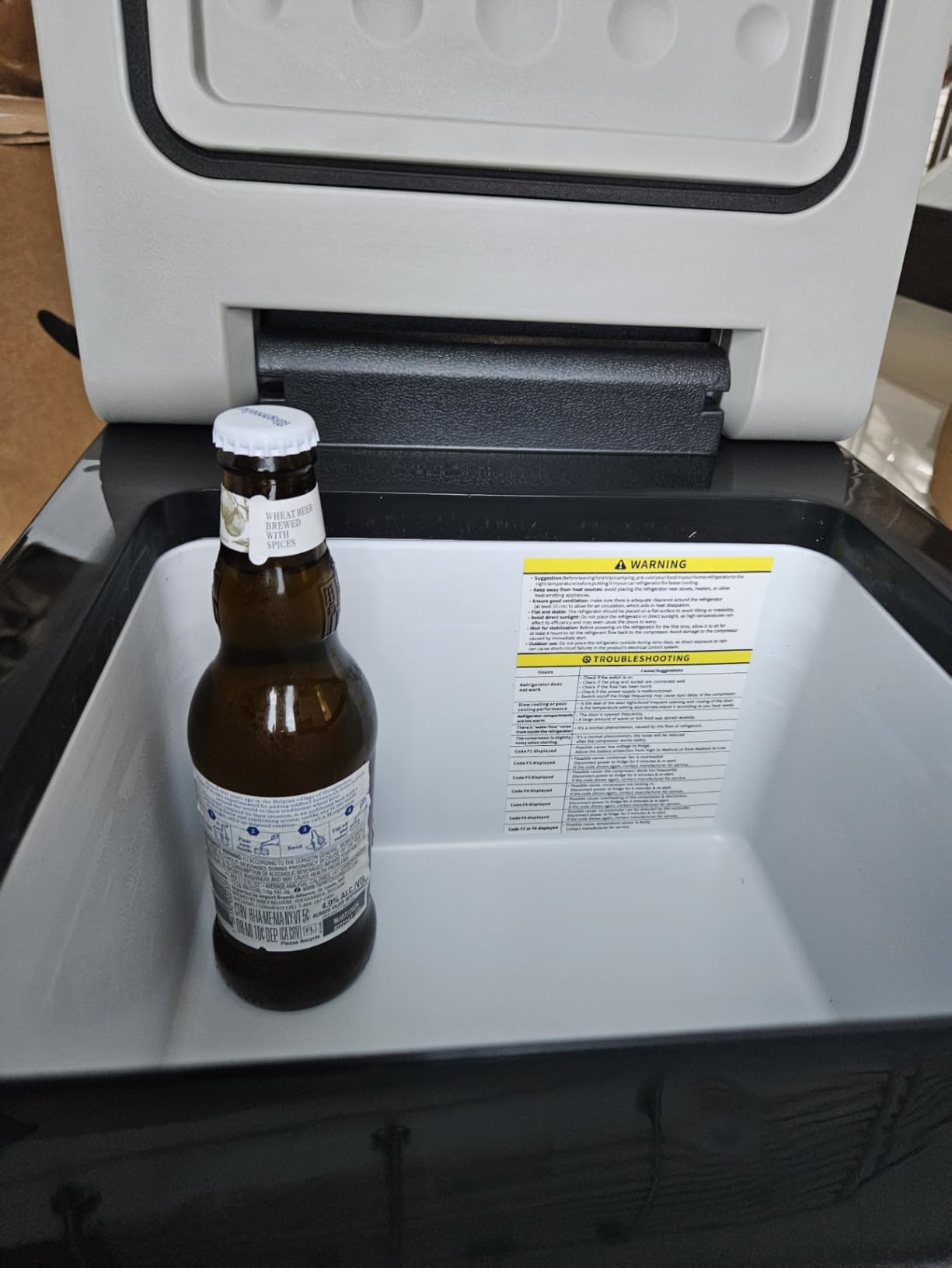
The dual zone design allows simultaneous freezing and refrigeration, with three levels of battery protection and both AC 100-240V and DC 12/24V inputs. Wheels and a handle are included, which is less standard than it should be at this size.
MAX mode draws about 70 watts and ECO about 55, so you can trade cooling speed for runtime by switching modes as conditions change. Automatic defrost is listed for this model, which removes one item from the maintenance list.
Where the extra size pays off
Group overlanding, longer basecamp stays, or any trip where you would otherwise run a fridge plus a separate hard cooler. When you count the second box out of your payload and interior volume, a single large cabinet often wins on total efficiency of space.
The 20 minute pull-down also helps on repeated re-supply days, when you are loading warm food into a unit that has been sitting half empty since breakfast.
Where it will frustrate you
At 53.1 pounds empty this is a two-person lift once loaded, and mounting it securely in a truck bed or on a slide requires a plan rather than a weekend afternoon. The wheels help across flat campground ground and not much else.
The stated annual energy consumption of 363 kWh is the highest published figure among the models here, and in practice a cabinet this size works harder in high ambient. Plan a larger battery bank than you think you need, and give it genuine airflow on all sides or the compressor will fight the heat it is generating.
6. ICECO VL75 ProD 79QT Dual Zone – Best Rugged Metal Build For Rough Roads
ICECO VL75 ProD 12V refrigerator,79 Quart Dual Zone Portable Fridge Freezer
79QT and 75L metal dual zone
Multi-direction lid
Dual-side DC ports
Seven-year spare part supply
Pros
- Rating of 4.6 with 81% five-star ratings
- Metal body resists vibration and scuffing
- Multi-direction lid works in tight trunks
- Clean wiring with ports on both sides
- ETL and DOE specification met
Cons
- 67 pounds is impractical for a solo lift
- Highest cost among the models here
- Manual defrost rather than automatic
- Smaller review base than most rivals here
Most dual zone cabinets at this price are plastic. This one is metal, and owners consistently treat that as the reason the unit still looks and works right after a season of dust, cargo shifts and trail vibration. At 79 quarts it also gives you genuine dual zone capacity for a family trip.
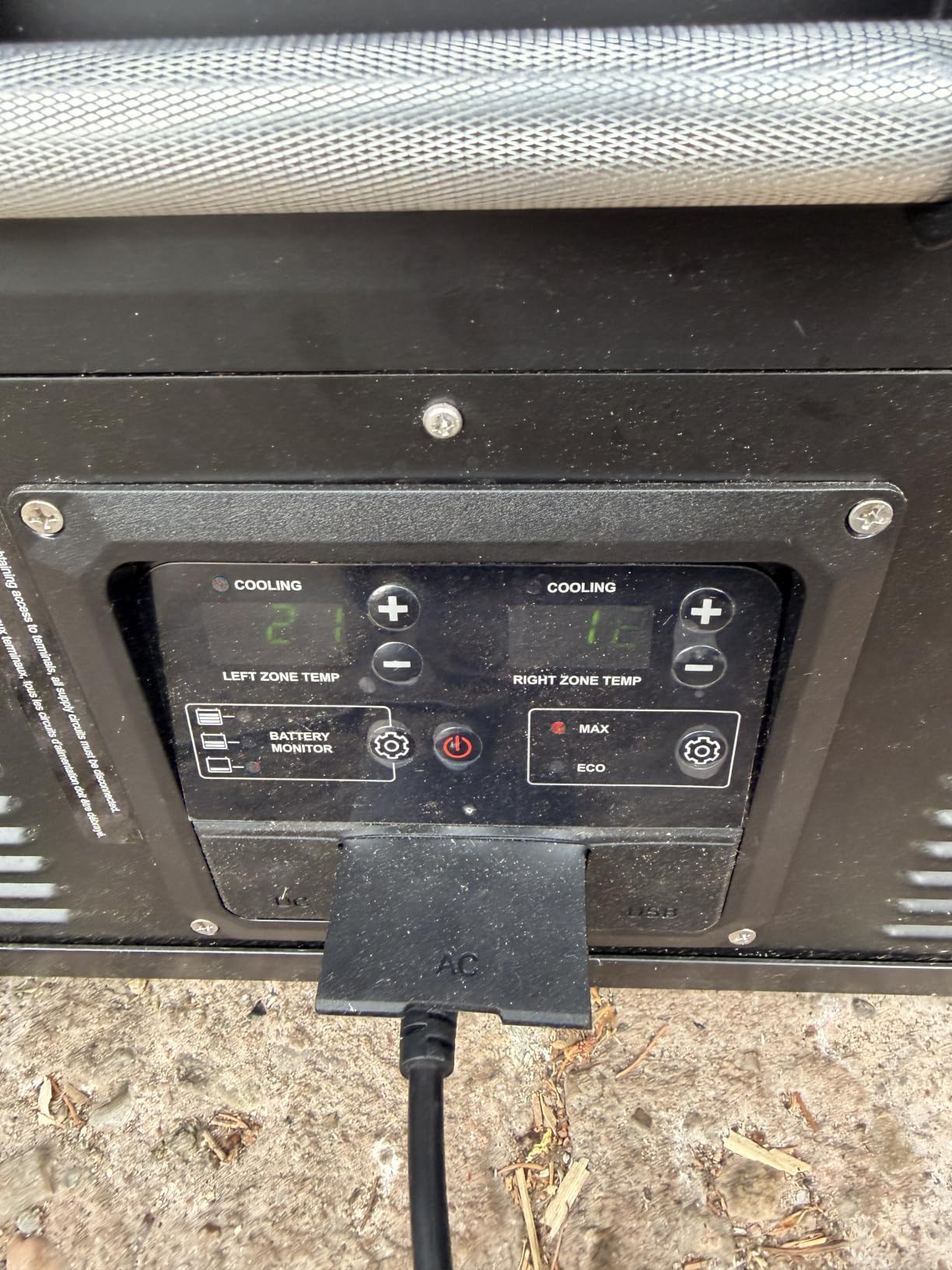
Its 4.6 average matches the highest in the group, with 81 percent of ratings at five stars. Reviewers single out the metal body, the multi-direction lid for narrow installations and the dual-side DC ports that keep the cable run clean.
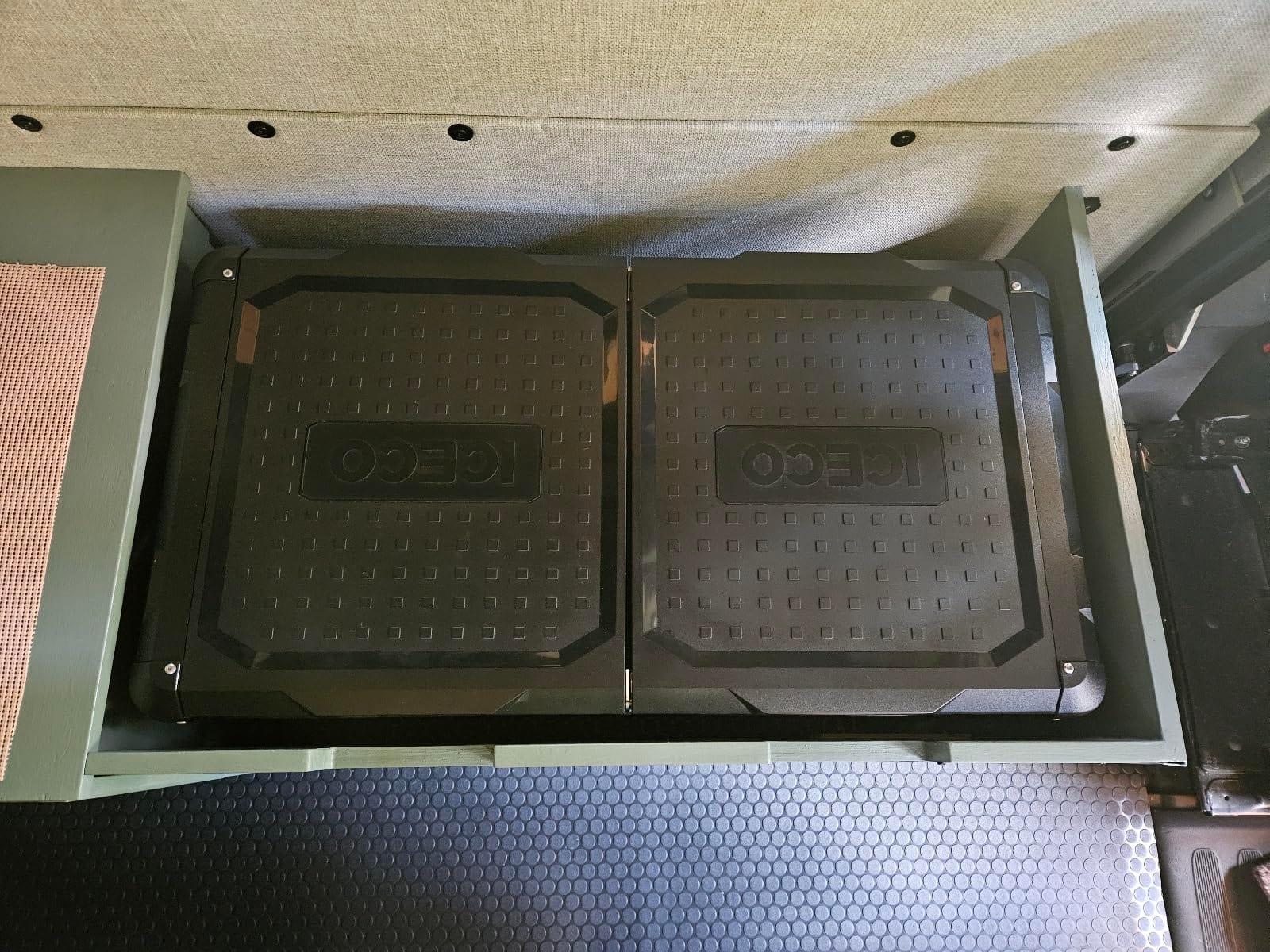
The multi-direction lid is more useful than it sounds. In a packed van or a tight truck-bed install, a lid that opens along more than one axis means you are not contorting around a drawer slide to reach a bottle of water.
Dual-side DC ports mean you can feed it from either end depending on where your power runs, and integrated AC and DC input means no separate adapter to lose. Spare parts are listed as available for seven years, which matters more than most buyers realise when a control board fails in year four.
Why the metal build is worth it
The metal body also insulates noticeably better than plastic shells over long stops between camps, which matters when you are running the whole electrical system as lean as possible.
It suits truck-bed and bed-mount installs where the unit takes road grit directly, and van builds where there is no room for a second appliance.
Where it falls short
At 67 pounds it is impractical for a solo lift into a high truck bed, so plan a two-person install or a proper slide system before the box arrives. It also sits at the top of the cost range in this roundup, and the manual defrost means you need to schedule thawing rather than assuming it clears itself.
Manual defrost, 67 pounds for solo lifting and a 282-review base mean less long-term field history behind it than the counts on the budget models here.
7. BODEGA MCD75D 79QT Dual Zone – Best For Sleeping In The Vehicle
BODEGA COOLER Car Refrigerator Dual Zone,79QT Portable Freezer -4°F to 68°F, 12V Electric Cooler with Wheels & Handle, Ultra-Quiet ≤31dB, Fast Cooling for Camping, RV, Van Life & Road Trips
79QT and 75L dual zone
31dB or quieter
-4F in about 72 minutes
IPX4 splash resistance
Pros
- Rating of 4.6 with 84% five-star ratings
- Quietest stated running figure here at 31dB or below
- Fast pull-down to -4F in about 72 minutes
- IPX4 splash resistance for wet campsites
- Wheels and pull handle move a full unit one-handed
- Freezer light and drainage hole included
Cons
- 49 pounds still needs care when loaded
- Costs more than mainstream 47QT to 61QT models
- Some configurations list manual defrost
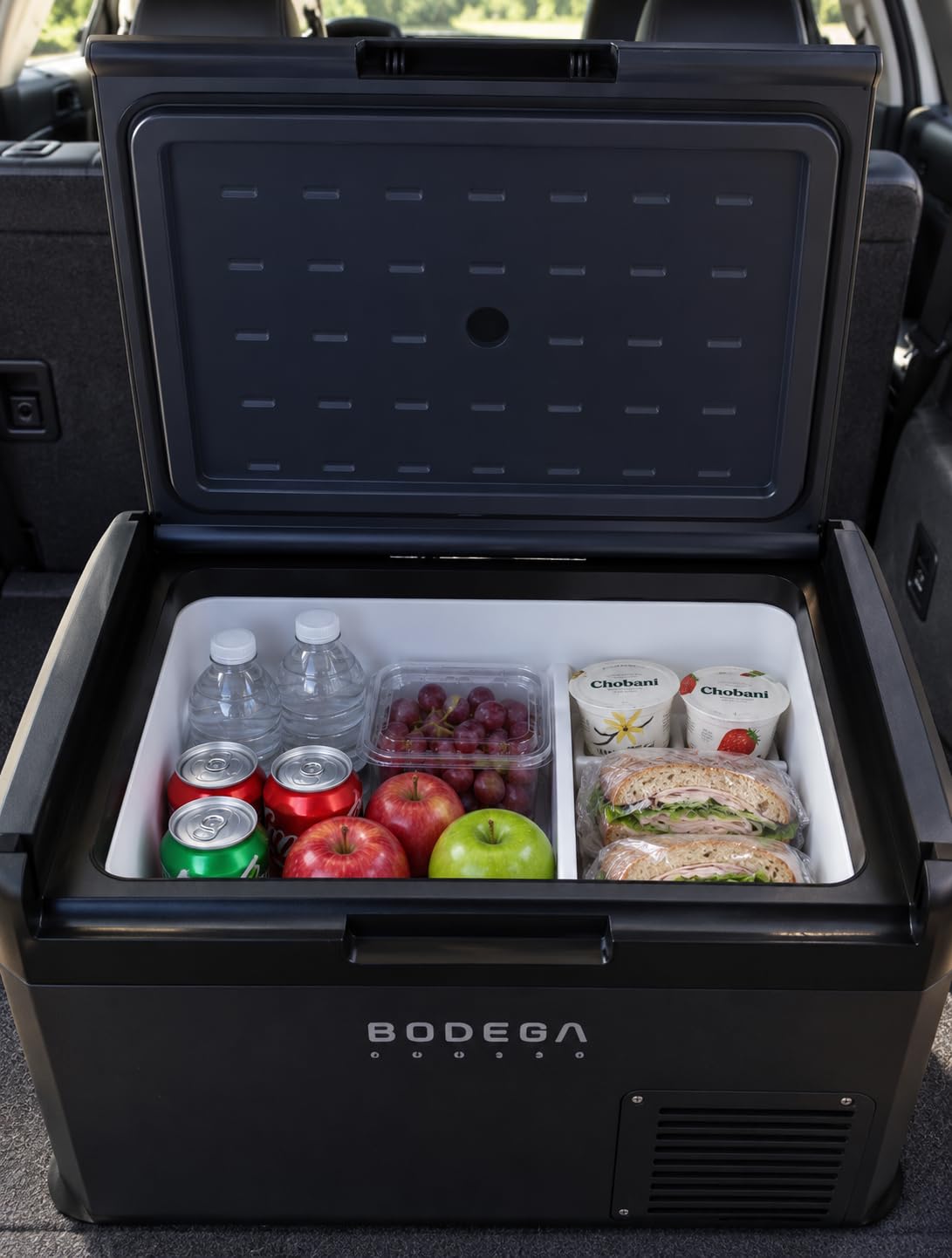
If your trip involves actually sleeping in the vehicle, the compressor noise floor matters more than any other spec on this page. This unit runs at 31 decibels or below, which owners describe as quiet enough to sleep beside, and it pairs that with 84 percent five-star ratings, the strongest five-star share of the twelve models here.
At 79 quarts and 75 litres it also has real capacity, so the noise does not come at the cost of giving up space. Two detachable reversible doors let you open one compartment without dumping the cold air in the other.
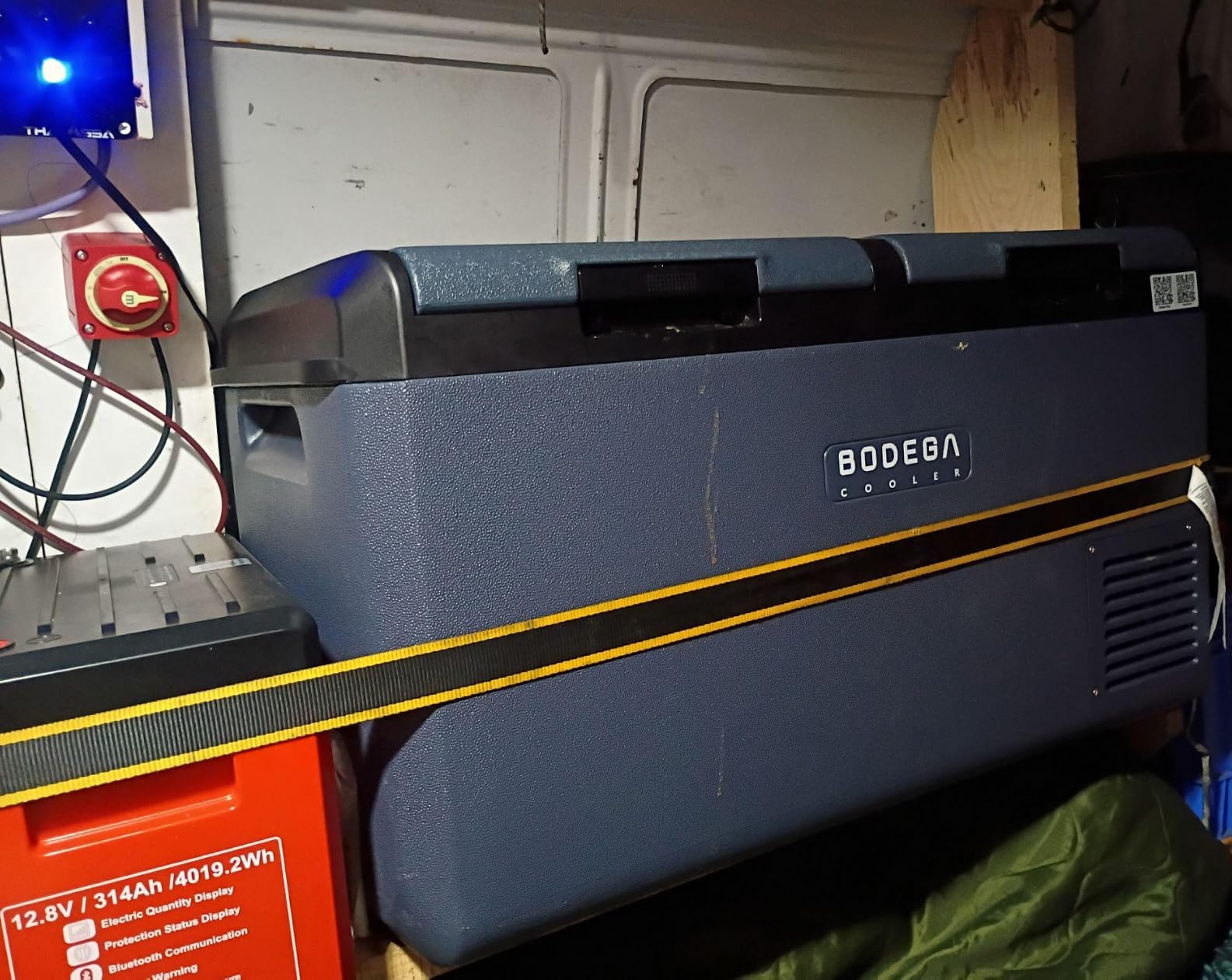
Cooling speed is the other standout. The compressor reaches -4F in about 72 minutes, and the listing claims that is up to 22 percent faster than a standard electric cooler. IPX4 splash resistance means light rain and wet ground beside the tent are not a reason to move it.
Ten side expansion holes let you add tie-down or accessory points, the power jack has a waterproof silicone sleeve, and a drainage hole handles condensation. Anti-shake design with H/M/L battery protection and ECO/MAX modes round out a package aimed squarely at vehicle use.
Where the quietness actually matters
Vehicle sleeping setups, overlanding with kids, and anyone who has lain awake listening to a compressor cycling. The 31dB figure puts it below the running noise of most cabin vents, which is the difference between noticing it and not.
The wheels and pull handle are worth a mention too. Most large coolers are a two-person lift, and this one is built so a single person can roll a full 79 quart box from the vehicle to the campsite across flat ground.
Where it falls short
At 49 pounds it is still heavy, and the wheels only help on the ground, not on a steep bank or a rock shelf. It also sits above the mainstream 47 to 61 quart price band, so if your build is tight on both space and budget there are cheaper ways to get 79 quarts.
Some configurations list manual defrost rather than automatic. Check the variant you are actually ordering, because that detail changes your maintenance routine.
8. Feelfunn 61QT Dual Zone – Best For Off-Road Strapping And Small Solar Budgets
Feelfunn 12 Volt Refrigerator Car Fridge 61QT Dual Zone Electric Cooler
61QT and 58L dual zone
ECO under 30W
Four side fixing holes
45dB
Pros
- ECO mode draws under 30W for solar setups
- Four side fixing holes are rare at this size
- Rated stable at 40 degrees off-road
- Fast 15-minute pull-down to 32F
- Removable basket and drain plug
- UL and ETL certified
Cons
- No smartphone app despite the touch panel
- 38.8 pounds is a heavy solo lift
- 45dB is louder than the quietest models
- Limited written review detail on this variant
The feature that separates this from most other 61 quart dual zone fridges is the set of four fixing holes on each side. Many units in this class give you nowhere obvious to strap a fridge down in a truck bed, and overlanders on rough roads treat tie-down provision as a real safety item rather than a convenience.
Power draw is the other argument. ECO mode pulls under 30 watts, which keeps the fridge viable on a smaller panel or a modest power station than most 61 quart units demand, and the whole box is ETL and UL certified.
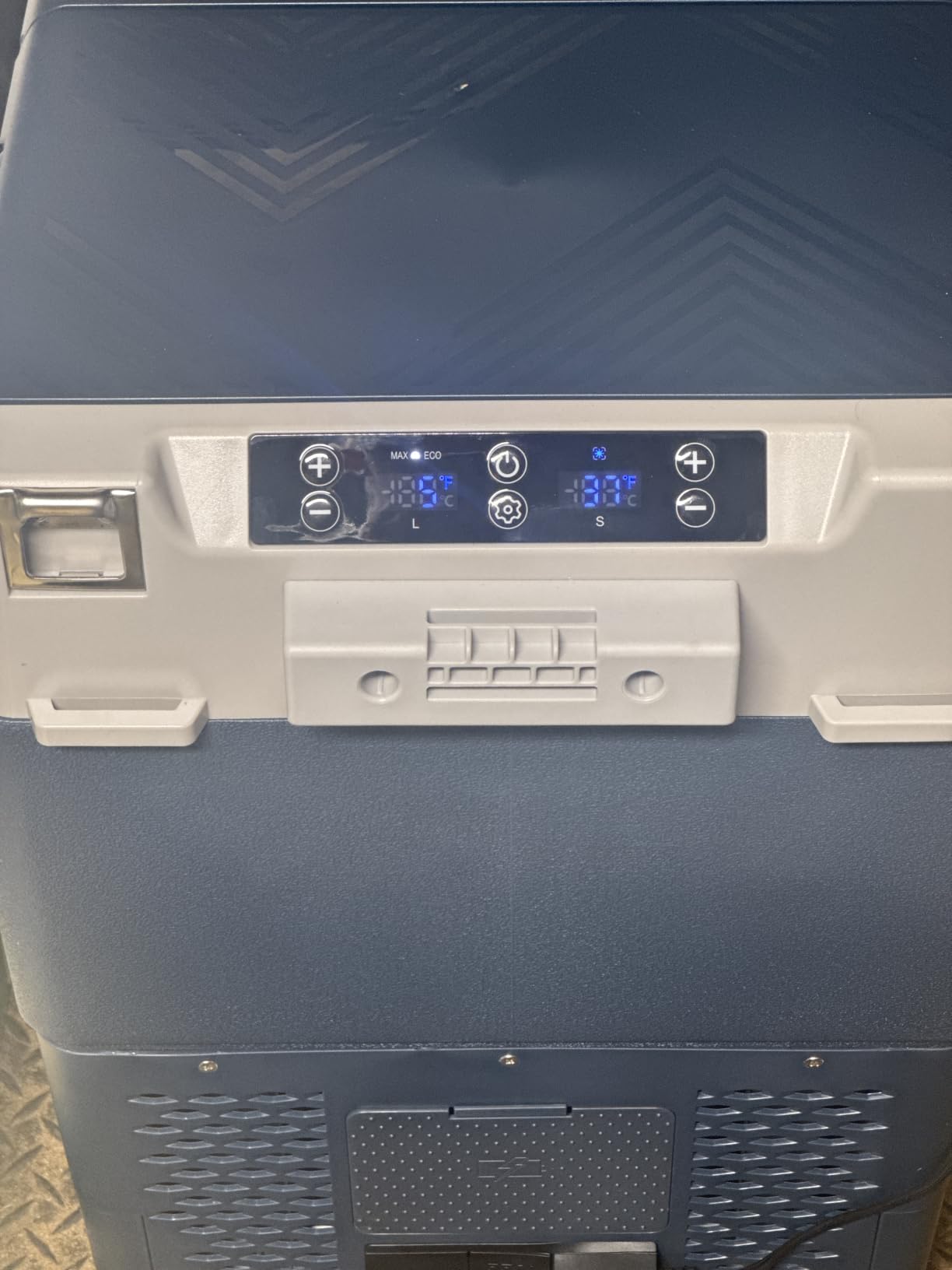
Cooling performance is quick for the class. Owners report 32F reached from a 77F ambient in about 15 minutes, with -4F in about 45 minutes, and both zones adjustable across a -4F to 68F range with independent control.
Three-level battery protection stops the unit before it flattens a vehicle battery, and a removable basket, bottom drain and auto-on LED interior lights are included, which sounds minor until you are loading food in the dark on a gravel pullout.
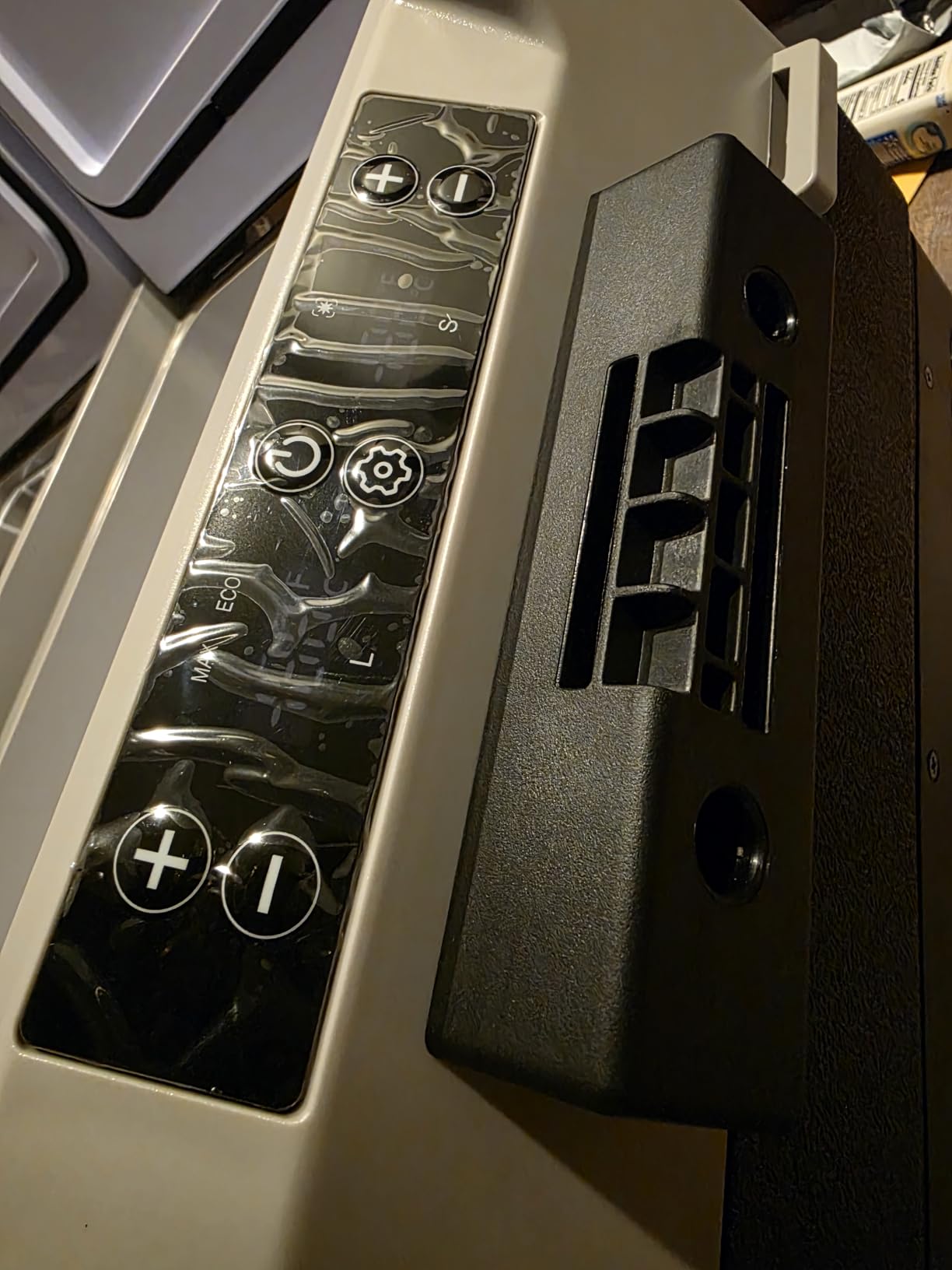
Why the mounting holes matter
Truck bed installs, rooftop-adjacent cargo, and any build where the fridge rides over corrugations. A unit that cannot be strapped down becomes a projectile in a hard stop, and these side holes give you ratchet points on both faces without drilling custom brackets.
The 40 degree off-road stability rating also means you can run it on a steep slope or a badly broken track without the compressor cutting out, which is a claim that only matters if your route leaves pavement.
Where it falls short
There is no smartphone app despite the touch control panel, so temperature changes mean walking to the lid. At this class that is a real usability gap for anyone driving long stretches between camps.
At 38.8 pounds it is a heavy solo lift, and 45 decibels is louder than the quietest models here, so it is a weaker pick for sleeping setups. Detailed written review content on this specific variant was thin in our research, so the five-star percentage is strong while the long-term picture is thinner than the count implies.
9. Alpicool T36 38QT Dual Zone – Best Weekend Unit For Small Rigs
Alpicool T36 Dual Temperature Control 12 Volt Refrigerator 38 Quart Portable Car Fridge Freezer (-4°F~68°F) for Truck, RV, Boat, Camping and Travel
38QT side-by-side zones
-4F to 50F
Detachable sensor divider
33.1 pounds
Pros
- Low cost that leaves budget for a battery bank
- Fits builds too tight for 60L plus units
- Divider auto-switches single and dual zone
- Owners report roughly 2.5 amp-hours per night
- Runs on 12/24V DC and 110-240V AC
Cons
- Roughly 7 degree temperature swing around the set point
- Compressor noise is unpleasant in a small tent
- Black lid absorbs heat and resists opening
- Handles have been reported detaching
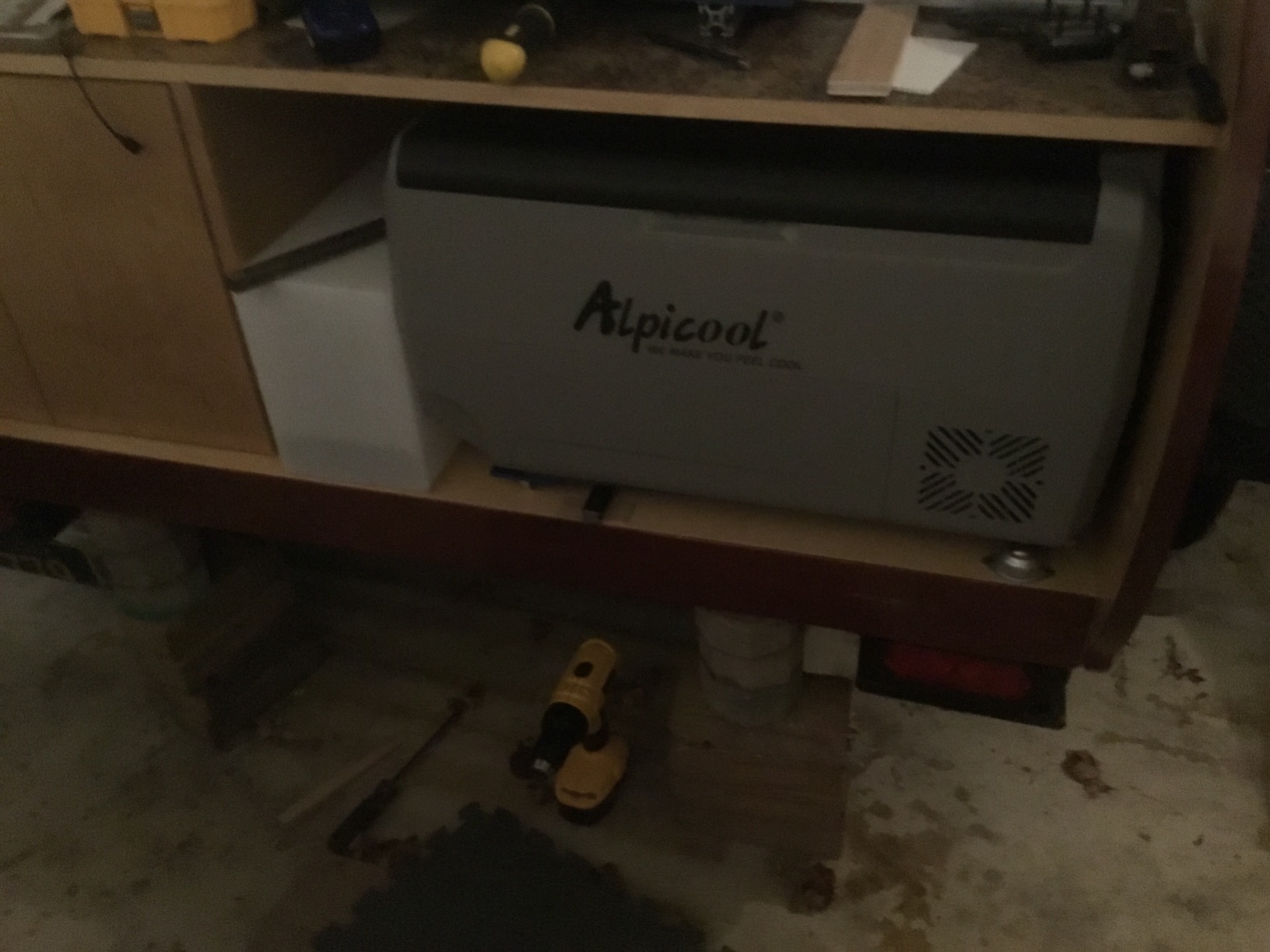
At 38 quarts, this is the smallest side-by-side dual zone box here, and that is its argument. If your rig has no room for a 60 litre cabinet, this fits where the larger boxes simply will not, and it costs a fraction of what the premium units do.
The detachable sensor divider switches between single zone and two independent zones automatically. It holds 38 twelve-ounce cans, runs from 12 and 24V DC plus 110-240V AC, and includes a foldable handle, wheels, an internal basket and a built-in LED light.
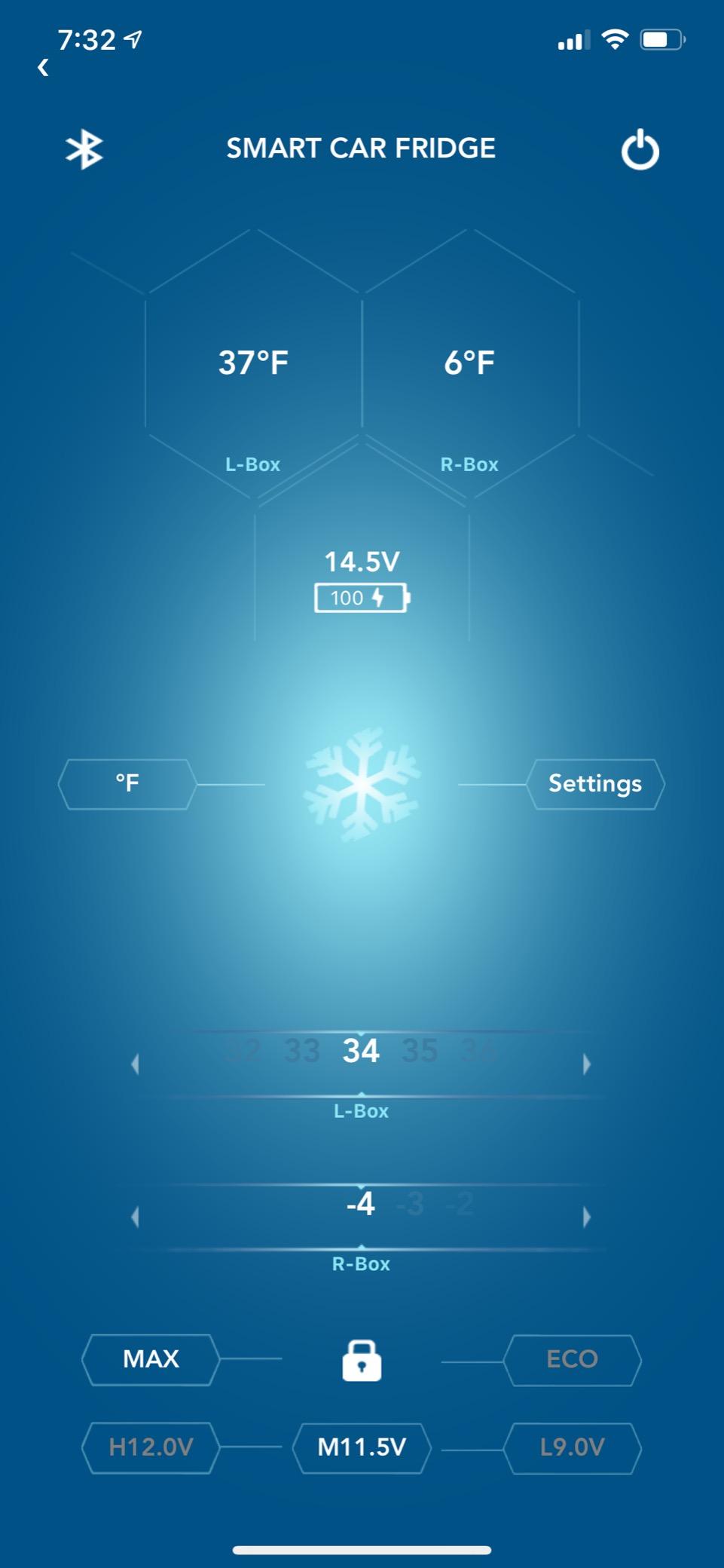
It draws up to about 60 watts in mixed mode with roughly a 20 percent compressor duty cycle, and one owner measured about 2.5 amp-hours per night from a 1500 watt-hour battery, which is a usable figure for a weekend off a modest bank.
Refrigeration runs from -4F to 50F, so it will freeze as well as chill, and Bluetooth app monitoring is included for temperature checks from the cab.
Where the low cost makes sense
Small vans, weekend trips and first builds where you want two zones without committing to a large unit. When you are paying for the box and the battery out of the same limited budget, a smaller fridge that fits is worth more than a better one that does not.
It is also a reasonable second fridge for drinks while a larger unit handles food, and the same model is available in 53 and 63 quart versions if you outgrow this one. If your build has no 12V DC supply at all, our mini fridge picks cover the domestic-style options instead.
Where it falls short
This is the lowest-rated model in the roundup at 4.0, with 12 percent one-star ratings, and the complaints are specific rather than vague. Owners report a temperature swing of about 7 degrees around the set point, compressor noise that reads as random and unpleasant inside a tent, and a black lid that absorbs solar heat and resists opening.
There are also reports of a handle detaching and one owner documenting an F3 fault code failure after six months, against another owner who has run the same unit for five years and more than 20 trips. Longevity here is genuinely mixed, so if you keep equipment for a decade, factor in the possibility of a replacement.
10. ICECO VL60 63QT Dual Zone – Most Versatile With A Metal Shell And Zone Shutoff
ICECO VL60 Dual Zone Portable Refrigerator with SECOP Compressor, 60 Liters Platinum Compact Refrigerator, DC 12/24V, AC 110-240V, 0℉ to 50℉, Home & Car Use (with Insulated Cover)
60L and 63QT metal shell
SECOP compressor 0F to 50F
Either zone can switch off
Insulated cover included
Pros
- Metal shell with thickened inner wall insulates far better than plastic
- Either zone can be switched off entirely to save power
- Height is designed to fit under a pickup tonneau cover
- Separate DC and AC output ports keep wiring clean
- Supplied insulated cover reduces parked draw
Cons
- 0F floor cannot reach the -4F of several rivals
- 64 pounds needs two people to load
- Premium cost relative to capacity
- Written review detail on this variant is limited
The feature no other fridge here has is the ability to switch either zone off completely. When you do not need frozen food for a few days, turning the freezer compartment off instead of running it at a warm set point meaningfully changes your daily amp-hour consumption.
It also runs both zones as a freezer, both as a refrigerator, or one of each, using independent control. The SECOP compressor covers 0F to 50F, with MAX mode for fast pull-down and ECO for efficiency.
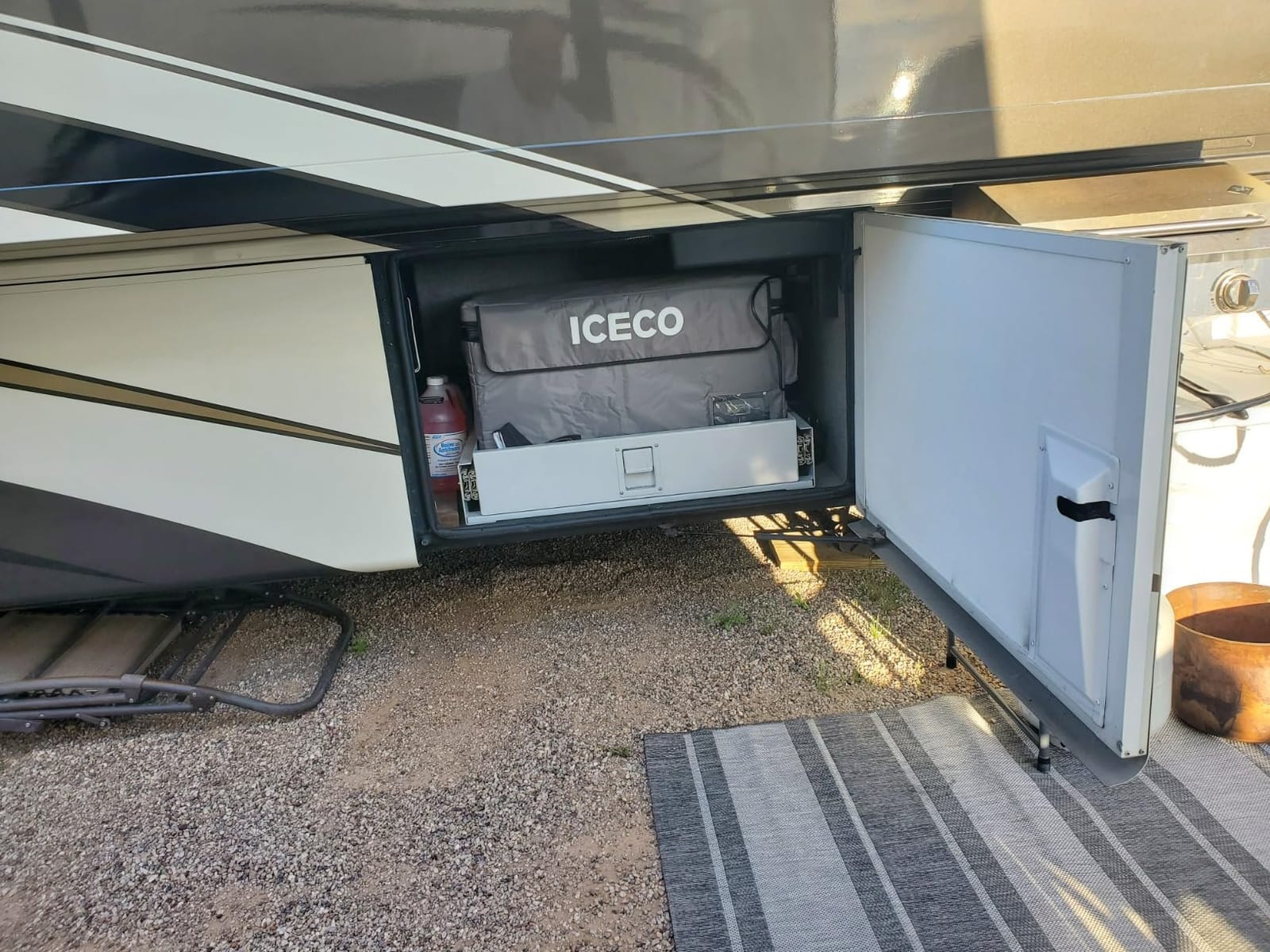
The metal shell with a thickened inner wall is the second reason to look here. Owners consistently report noticeably better insulation than plastic-bodied units, and 77 percent of ratings sit at five stars.
It keeps running at tilts up to 40 degrees, has separate 12 and 24V DC and 110-240V AC output ports to avoid cable clutter, and its height is specifically designed to fit under a pickup truck tonneau cover. Two removable wire baskets and interior lights are included, along with a foldable pull-down lock.
Where the zone shutoff earns its place
Multi-day trips where you alternate between frozen and chilled needs, or a fridge that doubles as a drinks cooler on the middle days of a trip. Switching a zone off rather than setting it warm is the difference between a box that runs constantly and one that cycles.
Truck-based overlanding is the other strong case, since the height was designed around a tonneau cover and the insulated cover reduces drain whenever the fridge is parked with the vehicle shut down.
Where it falls short
The 0F floor is a genuine limitation. Several rivals here reach -4F, and if your trip depends on properly hard-frozen food you will be a few degrees short with this unit.
At 64 pounds it needs two people to load, and the premium cost buys you the shell, the compressor and the shutoff rather than raw capacity. Written owner feedback on this specific variant was thin in our research, so the long-term picture leans on the metal construction and the 675-rating distribution.
11. VEVOR 58L 61.5QT Dual Zone – Best For Truck-Outlet And App-Controlled Builds
VEVOR Car Refrigerator 58L / 61.5 QT, Dual Zone 12 Volt Compressor Fridge, -4℉ to 68℉ Adjustable, Portable Freezer Cooler for Car, RV, Camping, Home
58L and 61.5QT dual zone
ECO under 54W, MAX about 71W
45dB or less
50.7 pounds
Pros
- Very quiet running reported by multiple owners
- Holds setpoint within a couple of degrees
- Bluetooth app control from the cab
- Reversible doors and AC and DC adapters included
- Adjustable voltage cut-off protects the battery
Cons
- Fridge side cannot be set below 32F
- Freezer drifts about 15 degrees once unplugged
- 50.7 pounds is awkward to lift
- Inaccurate hinge reversal instructions
If your rig has a 110V outlet in the bed or a power station that handles AC, this unit is designed around that. Owners report it working well on 110V AC from a truck outlet as well as from 12V DC, and reversing the doors plus including both adapters removes most of the install friction.
Temperature control is the other strength. Owners report the setpoint held within a couple of degrees, and the Bluetooth app lets you monitor and adjust from the driver’s seat, which is the feature that matters most on long transit days.
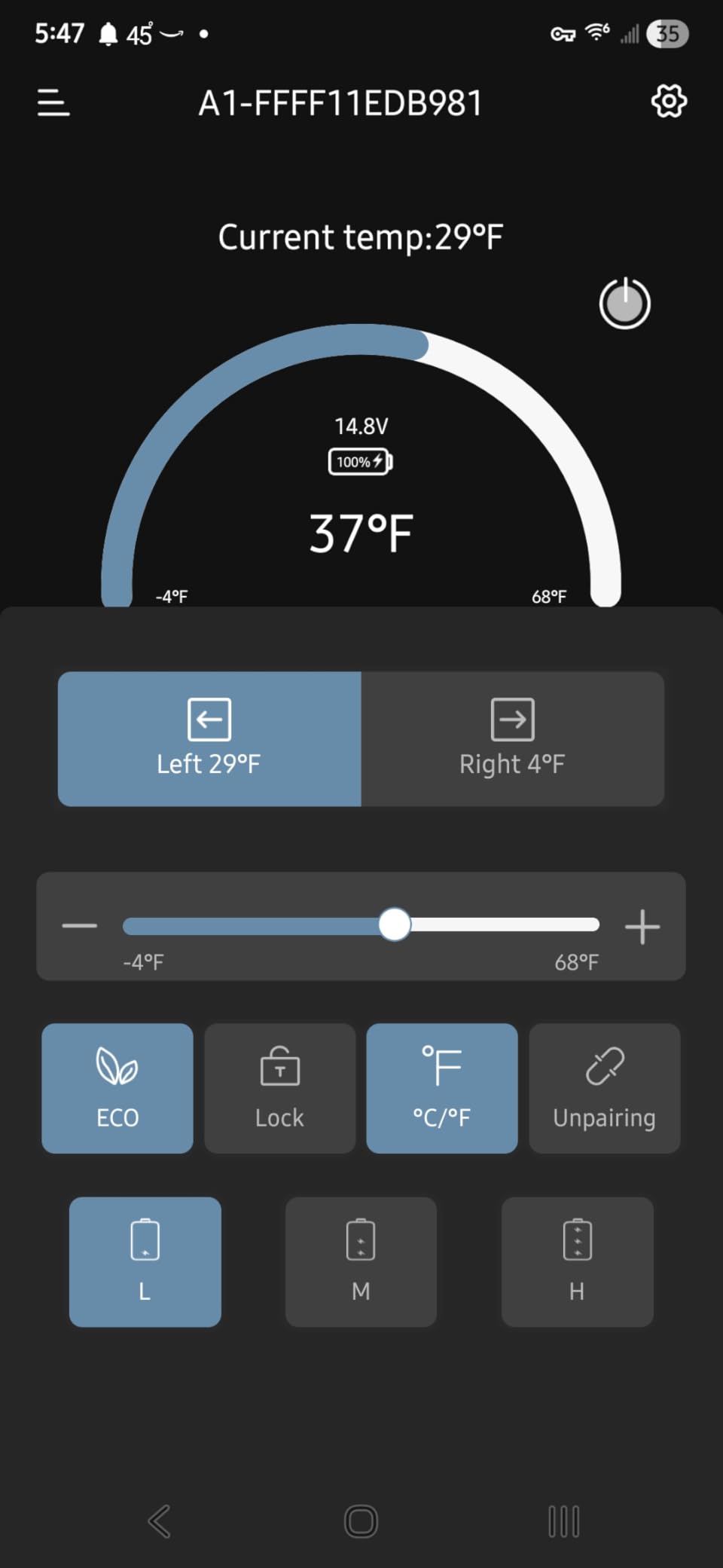
It is rated to operate reliably at tilts up to 45 degrees, the steepest published figure among the models here, and the LED control panel sets temperature directly from -20C to 20C. ECO mode runs under 54 watts, MAX about 71, and the listing puts daily use under 1 kWh.
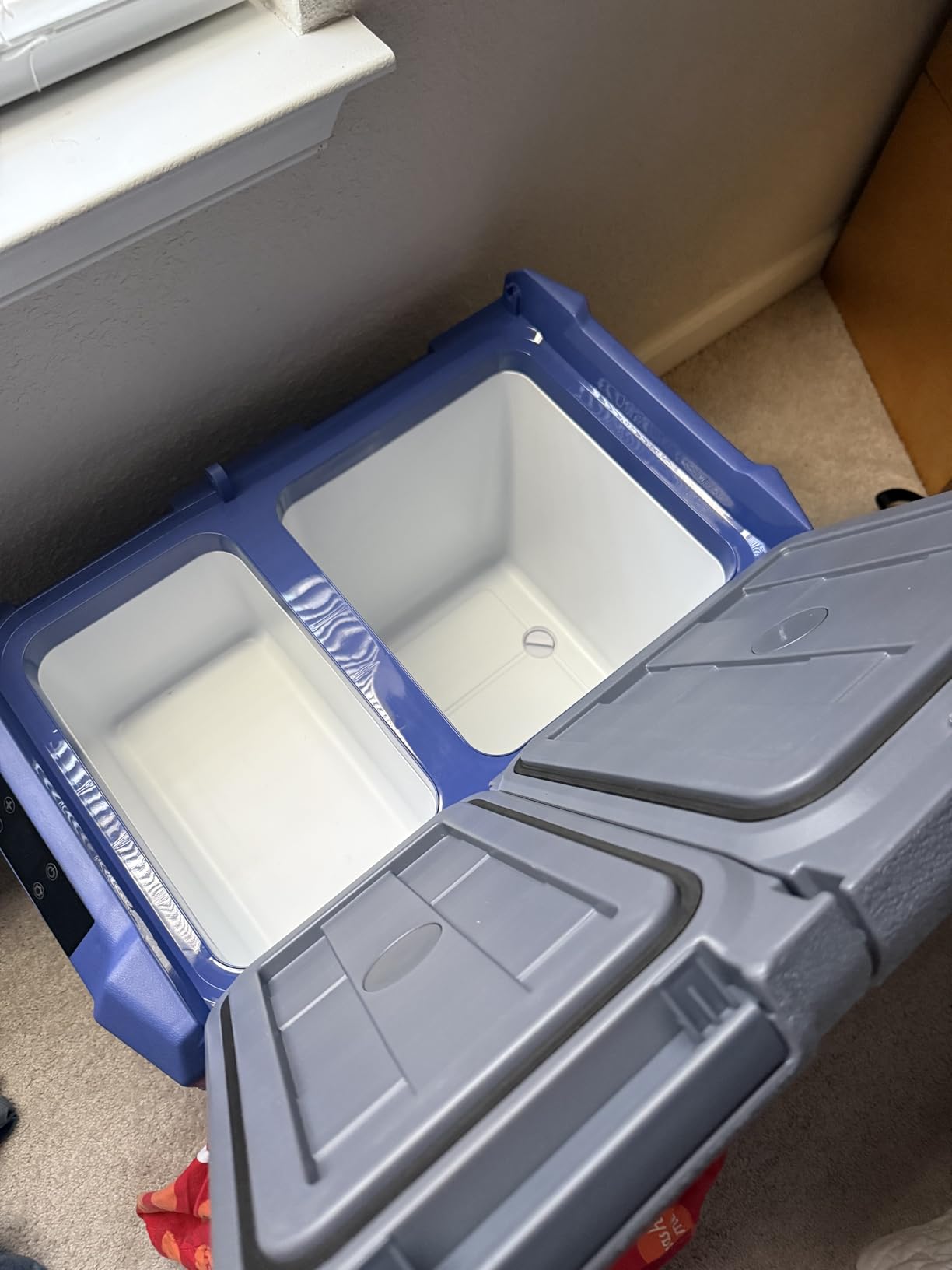
Capacity claims translate to 94 cans of 330ml cola, 34 bottles of 550ml water or 22 bottles of 750ml wine, with two doors, one shelf, wheels and a telescopic handle included.
Where the app earns its keep
Long driving days, where the last thing you want is to pull over and open a lid to check the freezer. Monitoring from the cab also means you can catch a door left ajar while driving down a rough section instead of finding warm food at the next stop.
Adjustable voltage cut-off protects the vehicle battery, and the AC capability makes it a good fit for builds that already have a 110V circuit behind the seats or in the bed.
Where it falls short
The refrigerator side can only be set as low as 32F, so frozen foods have to go in the smaller freezer compartment. The freezer also drifts roughly 15 degrees after a couple of hours unpowered, so it is not a box to rely on for cold storage while the vehicle is off for a long period.
At 50.7 pounds it is awkward to lift in and out, and the hinge-reversal instructions are inaccurate enough that at least one buyer broke a hinge following them. This unit also carries the widest three-star cluster in the roundup at 11 percent, alongside one report of a unit that would not cool below 80 degrees.
12. Megiu 25QT Dual Zone – Compact Cabin Mount With A Glass Door
Megiu 12 Volt Car Refrigerator Dual Zone 25 Quart Portable Freezer 12V Fridge Compressor Cooler 12V/24V DC 110~240 Volt AC for Truck Van RV SUV and Home Use -18℃~+15℃ (Glass Door)
22QT plus 3QT zones
About 40W average
58cm cabinet width
3-year compressor warranty
Pros
- Lowest measured draw in the roundup at about 5-9W per hour
- Thermostat verified accurate on a lab probe
- Whisper quiet when running
- 58cm width fits inside the cabin
- Three-year compressor warranty
- Responsive vendor support on warranty questions
Cons
- Some units run both zones at the same temperature
- Doors are not reversible
- Cheap-feeling latch and handles
- One owner reported a failure after about a month
The differentiator here is measured efficiency. One buyer put a lab probe inside and confirmed a 2 to 5 degree internal range, and another measured roughly 5 to 9 watts per hour, about 168 watt-hours per day. If your battery budget is genuinely tight, that is the lowest measured draw we found in the roundup.
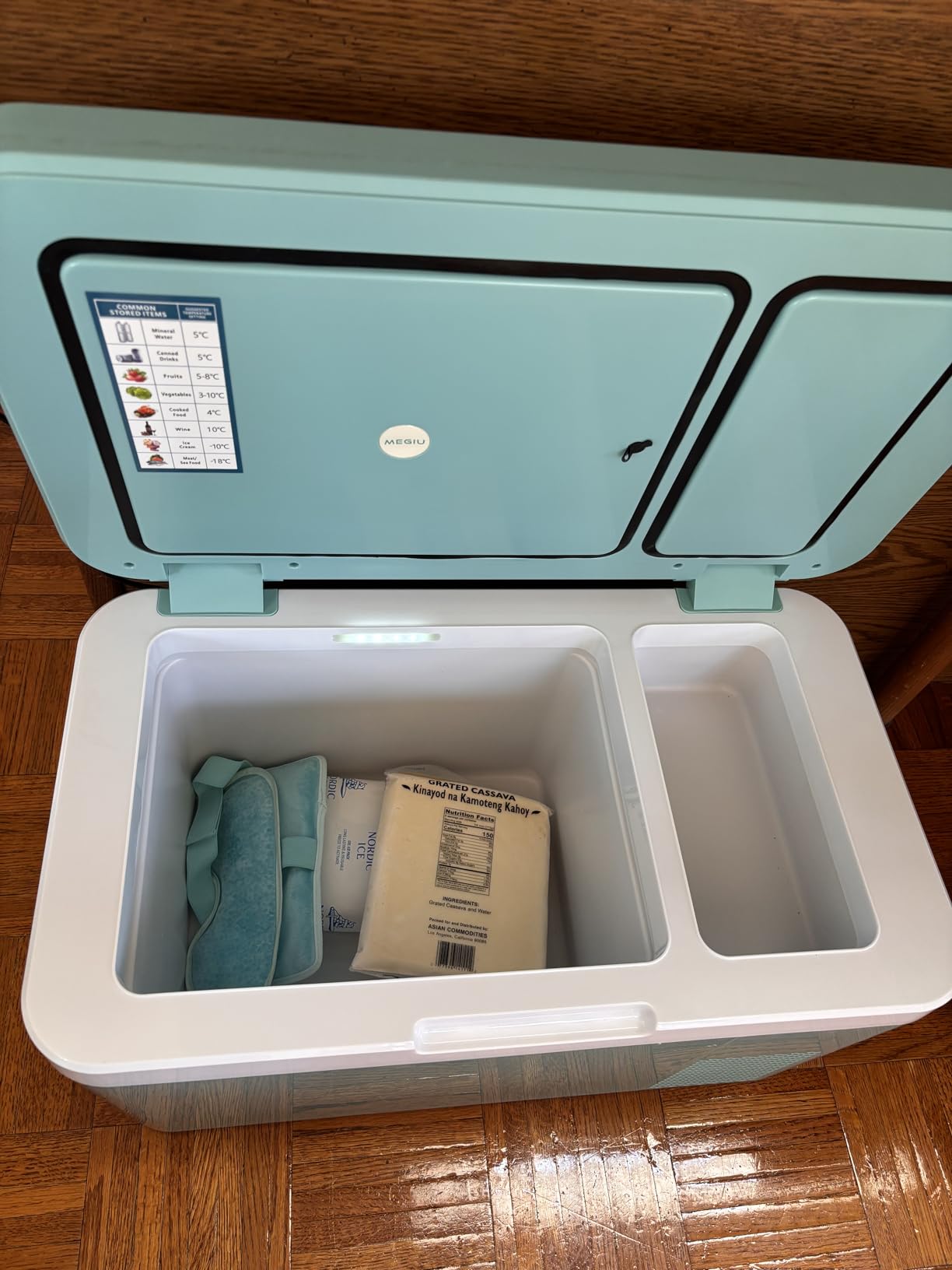
At 25 quarts split into a 22 quart compartment and a 3 quart compartment, it is also one of the easiest units to squeeze into a cabin, at 58 centimetres wide, which means it fits inside the vehicle rather than only in the cargo area.
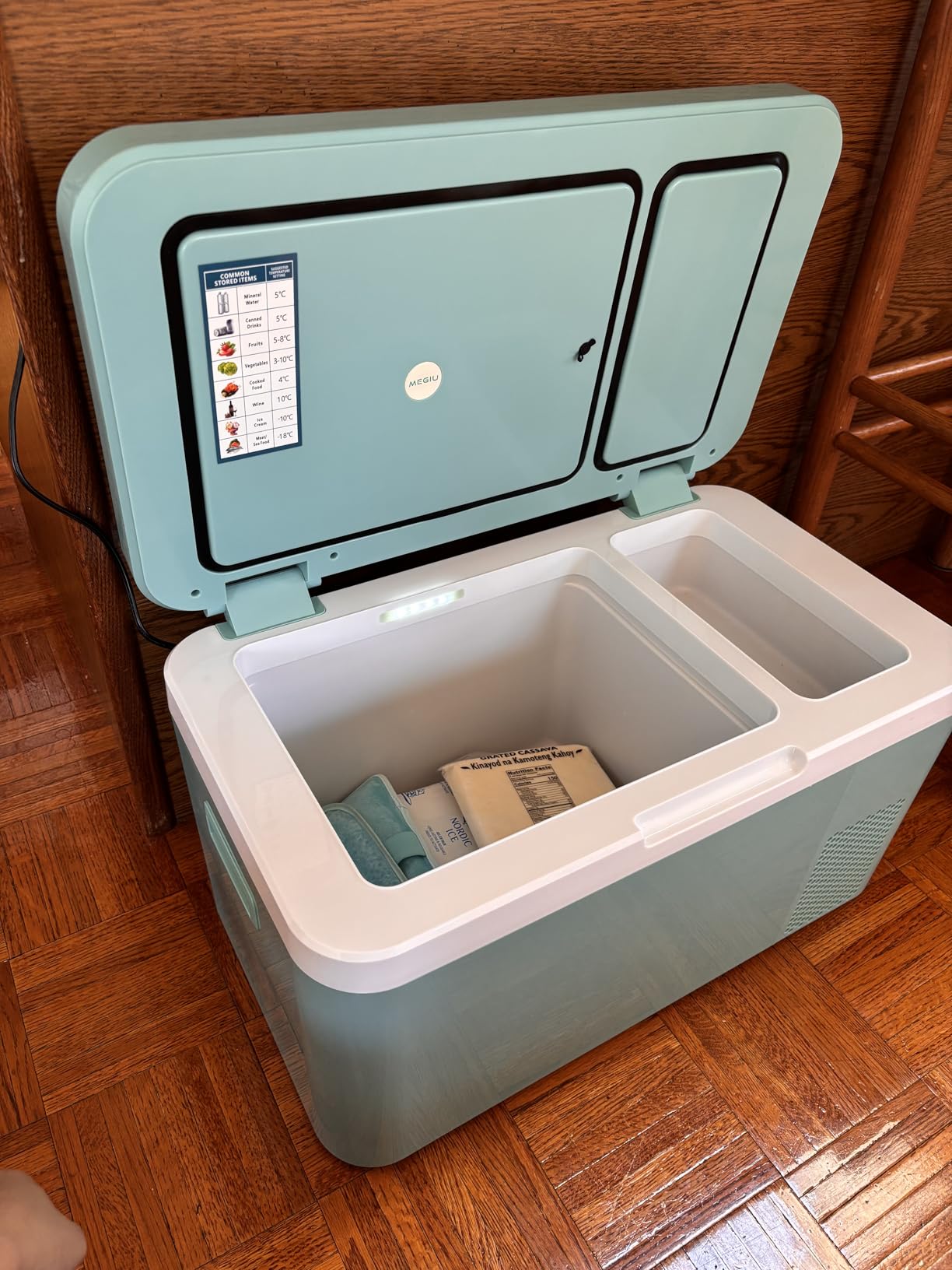
The small 3 quart zone tracks 5 to 8C below the large compartment, and when the main zone is set to 5C that gives a soft freezing zone, which is a reasonable compromise when you need a little chilled space more than you need ice.
It cools an empty cabinet to -18C in about two hours at ambient up to 35C, retains cold for several hours after power is cut, has automatic low car battery cut-off protection, and a HIPS inner tank with round fittings for cleaning. The compressor warranty is three years, which is longer than the coverage most of the budget models here carry.
Where the low draw makes a difference
Motorcycle and small-vehicle builds, or any setup where solar input is the limiting factor. At roughly 168 watt-hours per day, this is a fridge you can run from a small panel during the day and leave alone overnight.
The glass door is genuinely useful when you want to see your food without opening the lid and releasing cold air, and the compact width opens up cabin mounting positions that larger units simply cannot use.
Where it falls short
The most serious complaint is that on some units the freezer and fridge sections run at the same temperature, which defeats the entire reason for buying a dual zone fridge. Confirm zone independence with a cheap external thermometer before you commit to a long trip with it.
Doors are not reversible, so the hinge direction may not suit your mounting position, and the latch and handles feel cheap. There is also a documented failure after about a month with the manufacturer difficult to reach, plus one unit that arrived damaged and never held temperature accurately. At 4.1 stars with a 12 percent one-star share, check the warranty terms carefully.
How to Choose a Dual Zone Fridge for Overlanding
The gap between a fridge that works and a fridge that frustrates you usually comes down to four things: whether the two zones are genuinely independent, how much power it takes to run, whether your rig can physically hold it, and whether the compressor noise matters where you sleep.
True dual zone or two compartments sharing one evaporator
This is the single most important check, and it is the one most product pages obscure. A true dual zone unit has separate control for each compartment and can hold one at 34F while the other sits at -4F. A shared-evaporator unit has one evaporator feeding two openings, so both sides drift toward a common temperature and the second setpoint does very little.
Owners on overlanding forums describe buying dual zone units expecting a fridge and a freezer and getting two compartments at broadly similar temperatures. You can test this yourself in an afternoon: run the large compartment at 34F, set the small one to -4F, wait two hours and put a cheap thermometer in both.
The models in this roundup with documented independent control on both sides are the BODEGA T50, EUHOMY 47QT, BODEGA TAW45, ICECO VL60, Feelfunn 61QT, VEVOR 95L, ICECO VL75 ProD, BODEGA MCD75D and Alpicool T36. The ICECO GO20 and Alpicool T36 also auto-switch zone modes when their dividers are removed, which is a different and useful behaviour. Verify any unit with a sensor divider, because the Megiu has documented reports of both zones running at the same temperature.
Sizing by travelers and trip length
Capacity is the number people oversize. A 38 quart dual zone box suits a weekend for two, a 47 to 53 quart unit covers three to five days for two or three people, and anything from 61 quarts upward is the range where a family of four stops negotiating over shelf space.
Also weigh the payload cost honestly. The ICECO VL75 ProD at 67 pounds and the ICECO VL60 at 64 pounds are not just heavier to carry, they are heavier on your payload rating every time you drive up a grade fully loaded. Many overlanders with small rigs regret oversizing, and that regret shows up in forum threads more than any other sizing complaint.
Power draw, battery sizing and solar
Measured running power is the number that decides whether a trip works, and it varies enormously across this category. Published figures range from about 26 to 34 watts for the EUHOMY, through about 40 watts average for the Megiu and about 50 watts in MAX for the Feelfunn, up to about 70 watts for the VEVOR 95L.
A useful rule of thumb is to add the average running watts to about a third of that for start-up surge, then multiply daily watt-hours by the number of days off-grid. A 40 watt unit running roughly a 30 percent duty cycle lands near 290 watt-hours a day, so a three-day trip needs close to 900 watt-hours of usable battery, and solar has to cover that daily or the bank will not survive a run of cloudy days.
Running a freezer zone continuously drains considerably more than fridge-only, which is why the ICECO VL60 option to switch a zone off entirely matters. Low voltage cut-off and three-level battery protection are standard on most units here and worth keeping enabled, since they are what stop a fridge from flattening a house battery when you are parked.
Build, mounting and tie-downs
Very few models here give you dedicated ratchet points on both faces. The Feelfunn 61QT has four fixing holes per side and is rated stable at 40 degrees, which is the kind of detail that separates a fridge you can strap into a truck bed from one you cannot.
Beyond that, plan airflow. Every compressor dumps heat, and a fridge boxed in against a wall or a drawer face will fight the heat it is generating. Leave clearance on the vent side, keep it out of direct sun on a black lid, and use the insulated cover on the ICECO VL60 whenever the vehicle is parked for a stretch.
Tilt rating is worth checking against your route. Figures here run from 30 degrees on the EUHOMY to 45 degrees on the VEVOR 58L, with the ICECO models rated to 40 degrees. If your routes include steep off-camber sections, that number is not academic.
Features that earn their place on a real trip
App control is genuinely useful from the driver’s seat, and both the Alpicool T36 and VEVOR 58L deliver it. Against that, the BODEGA app is described as confusing by owners, and the Feelfunn has no app at all despite its touch panel.
Noise matters if you sleep in the vehicle. The BODEGA MCD75D at 31dB or below and the EUHOMY at about 40dB are the quiet end, while the Feelfunn, VEVOR 58L and BODEGA TAW45 sit around 45dB. Removable baskets, drainage plugs and reversible doors are small features that remove daily friction, and the ones worth paying for are the ones you will actually use while tired.
Frequently Asked Questions
What is the best dual zone portable fridge for overlanding?
The BODEGA T50 53QT is the strongest all-round pick, with independent 30QT and 23QT zones, a -4F to 68F range, H/M/L battery protection and the deepest owner review base in the category. For tighter power budgets the EUHOMY 47QT runs at roughly 26-34W, and for a metal body built for rough roads the ICECO VL75 ProD 79QT is the durable option.
Are dual zone fridges worth it for overlanding?
They are worth it when you want frozen and chilled food in one cabinet, because a second cooler takes payload, drawer space and tie-down points. They are less worth it if the two zones share a single evaporator, since both compartments then drift toward the same temperature. Always verify zone independence with an external thermometer before a long trip.
How many amp hours does a 12V fridge use per day?
It depends on capacity and ambient. Smaller units draw the least: the Megiu 25QT measures roughly 5-9W per hour, about 168Wh per day, while a 40W unit at a 30 percent duty cycle lands near 290Wh per day. A 61QT unit in ECO mode can stay under 30W, while a 95L unit in MAX mode can reach about 70W. Running a freezer zone continuously roughly doubles consumption versus fridge only.
What size battery do I need to run a 12V fridge off-grid?
Add the average running watts to roughly a third for start-up surge, then multiply daily watt-hours by the number of days away from power. A 40W unit pulling about 290Wh per day needs close to 900Wh of usable battery for three days, and your solar needs to replenish that daily. Enable low voltage cut-off or H/M/L battery protection so the unit stops before it drains a house battery.
How long does a portable fridge take to cool down?
It depends on the model and ambient temperature. The VEVOR 95L goes from 68F to 32F in about 20 minutes and reaches -4F in roughly 110 minutes. The BODEGA MCD75D reaches -4F in about 72 minutes and the Feelfunn 61QT reaches -4F in about 45 minutes from a 77F ambient. Budget closer to two hours for a full cabinet pulled down to -18C, as on the Megiu.
Can a dual zone fridge run off solar panels?
Yes, provided your panel output covers the fridge’s daily watt-hours plus losses. Low-draw units make this easiest: the Megiu 25QT at about 40W average and the EUHOMY 47QT at 26-34W are comfortable on a modest panel, while a 95L unit in MAX mode at about 70W wants a considerably larger array. Charge through a solar charge controller rather than plugging panels directly into the fridge.
The Best Dual Zone Portable Fridges for Overlanding in 2026: Final Word
The BODEGA T50 53QT takes the editor’s choice for the best dual zone portable fridge for overlanding, because independent 30 and 23 quart zones, a -4F to 68F range and near-silent running hold up across the widest range of trip types, backed by the largest owner review base we assessed.
Buy the EUHOMY 47QT when power is your binding constraint and roughly 26 to 34 watts matters more than capacity. Buy the ICECO VL60 when you want a metal shell and the ability to switch a zone off entirely. Buy the ICECO VL75 ProD if your fridge lives in a truck bed and has to survive road vibration for a decade.
For vehicle sleeping, the BODEGA MCD75D runs at 31dB or below and still holds 79 quarts. For tight rigs, the Alpicool T36 and Megiu 25QT prove that two zones can fit in surprisingly small spaces, provided you verify zone independence before you depend on it.
Whichever you choose, test both zones with an external thermometer, set your low voltage cut-off before the trip, and give the condenser side real airflow. Those three habits solve more overlanding fridge problems than any brand name.