

If you are searching for the best golf drivers for seniors, the short answer is this: the TaylorMade SIM2 MAX is the most forgiving all-round pick, the Callaway Paradym AI Smoke Max produces the smoothest ball flight, the TaylorMade Qi35 Max Lite is the lightest build, and the Cobra DS-Adapt MAX-K offers the widest adjustability. Four things decide the fit: shaft weight and flex, loft, head forgiveness, and overall club weight.
Seniors lose clubhead speed for a simple reason. As the tempo of a swing slows, the ball launches lower and generates less spin, so it falls out of the sky instead of carrying. A driver built for a slower swing counters that with more loft, weight pushed low and back, a higher moment of inertia, and a lighter total package so you can still compress the ball at impact.
We assembled this list by comparing ten current-generation drivers on the specs that actually move the needle for an older swing: loft offered, shaft weight and flex, head size and MOI, adjustability, and what reviewers report after living with the club. No product number in this guide is invented. Every weight, loft and rating comes from the manufacturer listing or from verified buyer feedback.
If you are still building out your bag, our guide to the 10 best golf drivers verified reviews covers the mainstream market, and our 11 best golf irons pro reviews covers the irons that pair with a driver like these.
Table of Contents
Key Takeaways: The Best Golf Drivers for Seniors
Lightweight build is the first filter. A Max Lite or HL package with a 40-50 gram shaft and a 7 ounce head lets you swing the club fast enough to keep ball speed up.
Loft above 10.5 degrees buys carry distance. Most seniors under 95 mph swing speed are best served by a 10.5 to 12 degree head.
Senior (A) or regular (R) flex, not stiff. A shaft that is too stiff for a slowed tempo costs you the lag that creates ball speed.
MOI beats head size. A stable 460cc mallet with a combined MOI near 10,000 keeps mishits straighter than a larger, lighter head with no stability.
Draw bias is a second-best fix for a slice. Heel weighting squares the face for golfers who still fight a right miss.
Top 3 Best Golf Drivers for Seniors (October 2026)


Callaway Paradym AI Smoke Max
- 10.5 degree loft
- Tensei CR 50g graphite shaft
- Premium max game improvement head

TaylorMade Qi35 Max Lite Driver
- 12 degree loft
- 7.2 ounce total weight
- Senior flex Vanquish 40 shaft
The SIM2 MAX takes the top slot on evidence rather than hype. It has by far the largest body of verified owner feedback in this group, and that feedback keeps returning to the same word: forgiving.
The Callaway takes the smoothness slot. Its 4.7 average is the highest in the group, and the 50 gram Tensei shaft is a genuine weight saving over a standard build, though the review base is still small at 23 ratings.
The Qi35 Max Lite is the lightest genuine ultra-lightweight build here, with a 7.2 ounce listed total weight and a 12 degree stock loft. It is the right club for a golfer whose clubhead speed has dropped well under 90 mph.
Best Golf Drivers for Seniors in 2026: Quick Overview
| Product | Specifications | Action |
|---|---|---|
| TaylorMade SIM2 MAX Driver |
|
Check Latest Price |
| Callaway Paradym AI Smoke Max Driver |
|
Check Latest Price |
| TaylorMade Qi35 Max Lite Driver |
|
Check Latest Price |
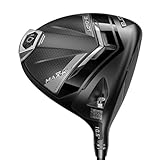 Cobra DS-Adapt MAX-K Driver Cobra DS-Adapt MAX-K Driver |
|
Check Latest Price |
 Cleveland Launcher XL 2 Draw Driver Cleveland Launcher XL 2 Draw Driver |
|
Check Latest Price |
 Performance Golf SF1 Driver Performance Golf SF1 Driver |
|
Check Latest Price |
 Majek K Series Driver and Fairway Wood Set Majek K Series Driver and Fairway Wood Set |
|
Check Latest Price |
 Money Club High Launch 520cc Driver Money Club High Launch 520cc Driver |
|
Check Latest Price |
 Orlimar Escape HL Draw Bias Driver Orlimar Escape HL Draw Bias Driver |
|
Check Latest Price |
 Wilson Profile Mens Driver Wilson Profile Mens Driver |
|
Check Latest Price |
How We Chose These Drivers
We did not put these ten clubs on a range and hit them for six months. What we did was read the specification data, the manufacturer claims, and the full body of verified buyer feedback for each club, then weight the things that matter most to a slowed-down swing.
Our criteria, in order: total club weight and shaft weight first, then loft availability, then forgiveness measured by head size and MOI, then adjustability, and finally the consistency of reported results. A club with a beautiful spec sheet and a thin review base scores lower than a club that owners describe consistently, which is why the Qi35 Max Lite and the Callaway Paradym AI Smoke Max sit where their 13 and 23 ratings would suggest rather than at the top.
Two things we deliberately did not score. First, we did not weight brand prestige, because a premium badge does not create clubhead speed. Second, we did not exclude non-conforming heads outright; a 520cc head is not legal in competitive play, and we say so plainly, but for a casual weekend round it launches easily and that has real value for a high handicap golfer.
One honest limit: none of these review counts are large enough to call a club proven. Treat the ranking as a shortlist to test in person, not a verdict you should skip the fitting over.
1. TaylorMade SIM2 MAX Driver: The Most Forgiving All-Rounder
TaylorMade Golf SIM 2 MAX DRIVER 10.5 DEGREE MENS RIGHT HAND GRAPHITE REGULAR
10.5 degrees
Regular flex Ventus Blue
Right handed
2 year warranty
Pros
- Very forgiving on heel and toe mis-hits
- Hits straight and long
- Delivers measurable gains over older game improvement clubs
- Balanced through the swing
- Good looking head with a Golf Pride grip
Cons
- Rear weight adjustment tool not included
- 10.5 degree stock loft may be too strong for some
- Occasional rattle reported inside the head
The SIM2 MAX is the driver I would hand to a senior who has just lost 20 yards and wants them back without changing their swing. It is a 10.5 degree mallet in a regular flex Ventus Blue shaft, right handed, with a plumber neck hosel and a two year manufacturer warranty.
The head is built on forged ring construction, milled from a lightweight, high strength aluminum and married to a full carbon sole and crown with a milled back cup face. That structure exists for one reason: to put mass where it stabilises the head without making it heavy.
The asymmetric inertia generator is the piece doing the forgiveness work. Owners consistently describe the sweet spot as enormous relative to the size of the face, and the split mass weighting is designed to hold forgiveness while letting a fitter dial in a specific swing weight at assembly time.
Speed on the face comes from the Speed Injected Twist Face, where each head is calibrated near the threshold of the legal speed limit, plus the Thru-Slot Speed Pocket, which is tuned to add ball speed on low face strikes. The 47 gram Golf Pride Z-Grip on a 0.600 size is a sensible senior-friendly spec on its own.
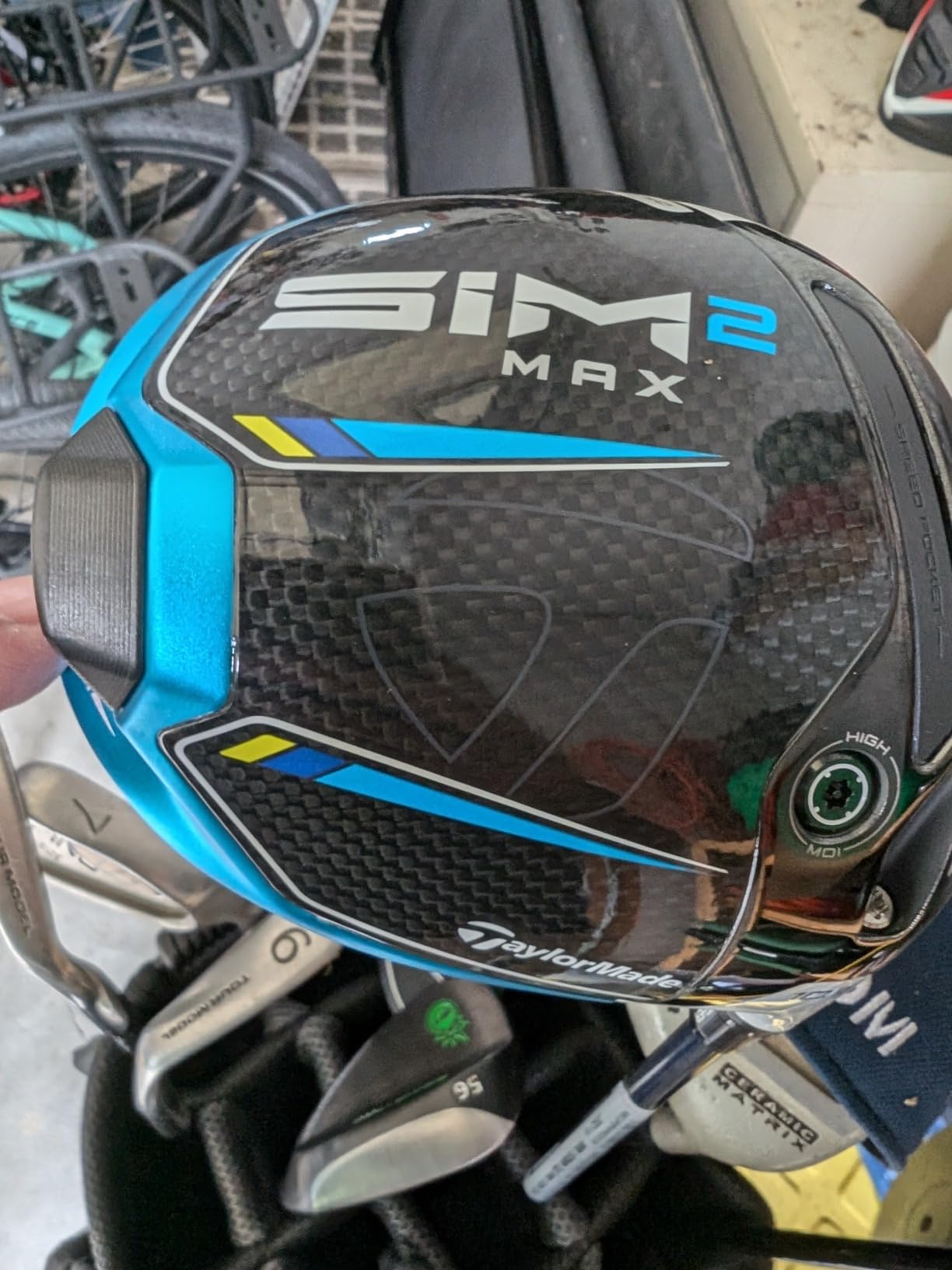
Verified buyers report two things over and over. Golfers over 50 say the driver restored distance they had written off, and slicers say the ball started finishing in the direction they were hitting. The 4.5 average across 718 ratings is a large enough sample to trust that pattern.
Two reviewers noted a rattle inside the head shortly after purchase, and a handful of buyers complain that the stock 10.5 degree loft is stronger than they want. Both are fixable in a fitting rather than deal breakers, but they are worth raising before you commit.
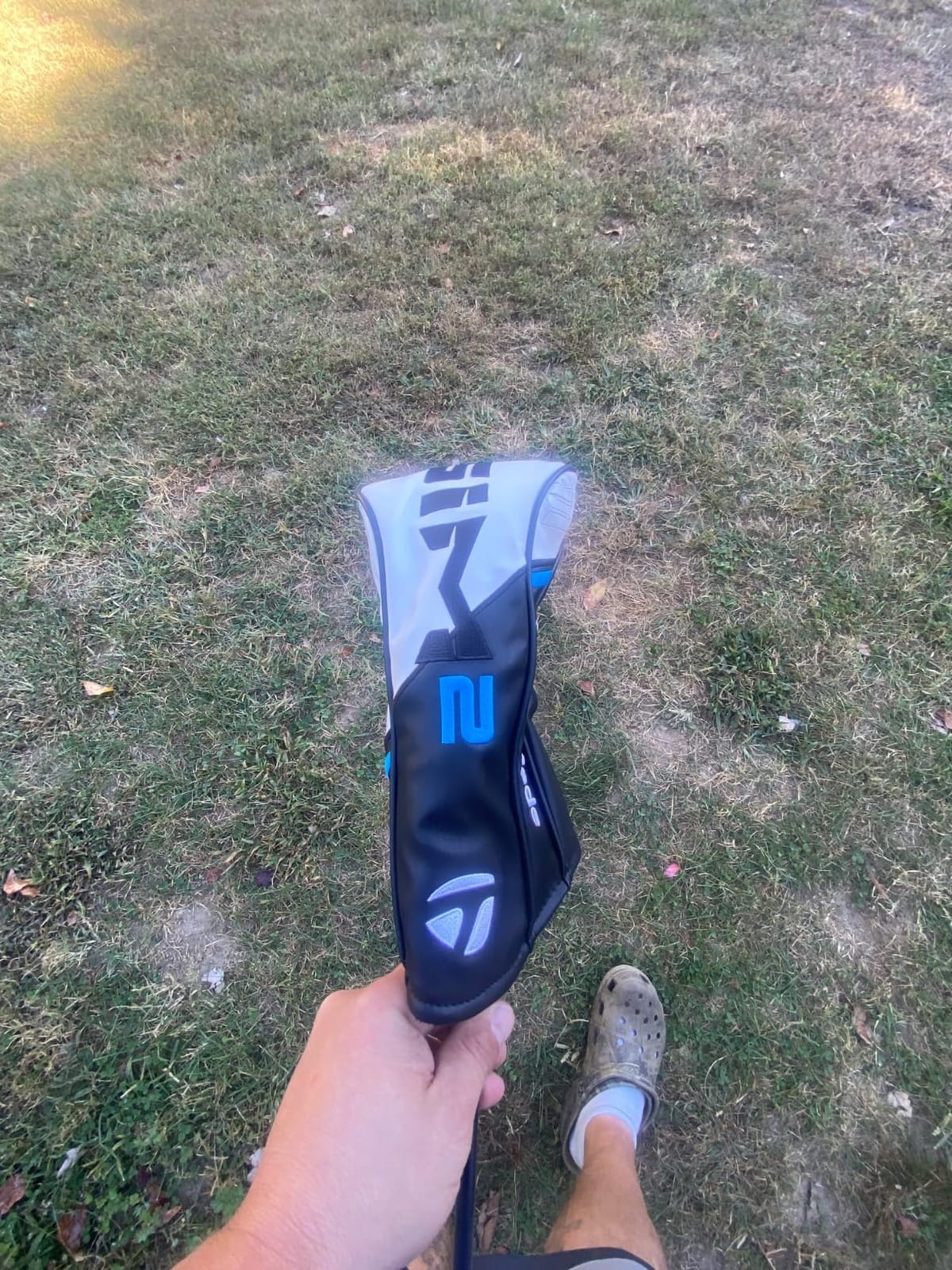
The SIM2 MAX is best for golfers who want forgiveness over workability
If your misses are spread across the face and your ball flight is generally straight but short, this is the club. The combination of a 10.5 degree loft, a high inertia head and regular flex is a forgiving, high-launching setup that asks very little of your timing.
It is also the most evidence-backed choice here. When a spec advantage and a 718-rating consensus point the same way, that is as close to certainty as a driver recommendation gets.
The SIM2 MAX is a poor fit for a golfer who wants an ultra-light package
At 16 ounces as listed, this is not a lightweight club in the way the Qi35 Max Lite is. Golfers whose clubhead speed has fallen sharply, or who are dealing with shoulder and joint limits, will feel the difference between a standard weight and a lite build.
Buy the adjustment tool if you want the rear weight moved, and check whether 10.5 degrees launches you too low. Both are small, solvable issues, but solve them before the first round rather than after.
2. Callaway Paradym AI Smoke Max: The Smoothest Ball Flight
Callaway Golf Paradym AI Smoke Max Driver (Right,10.5 Degrees,50 Gram,Regular,Standard Rubber,Black)
10.5 degrees
Tensei CR 50g graphite
Regular flex
2 year warranty
Pros
- Highest average rating in this group
- Long high launching forgiving flight
- 50g graphite shaft helps generate clubhead speed
- Headcover included
Cons
- Only 23 ratings so the sample is thin
- Regular flex is the only listed shaft option
The Paradym AI Smoke Max is the driver in this group with the highest average rating, at 4.7 across 23 verified ratings, with 87 percent of those at five stars. That is a small sample, but it is an entirely positive one, and the platform underneath it is well established.
It is a 10.5 degree head in regular flex, fitted with the Callaway Tensei CR graphite shaft at 50 grams. A 50 gram shaft is meaningfully lighter than a standard 60-plus gram build, which is the single most direct way to help a slower swing pick up the club faster.
The Paradym AI Smoke platform is built for a long, high launching, forgiving flight, and that is exactly the flight profile a senior with a dropping ball flight needs. The headcover is included and the warranty runs two years from the manufacturer.
The one real limitation for this audience is the shaft. Regular flex is the only listed option, and a golfer with a genuinely slow tempo may find it slightly firm. Ask a fitter to check whether a senior flex build is available in this head before you order.
The Paradym AI Smoke Max is best for golfers chasing a high, effortless flight
If your complaint about your current driver is that the ball rolls out and never carries, this is the answer. The 10.5 degree loft and the 50 gram shaft work together to promote launch without asking you to speed up your tempo.
It also suits golfers who want a premium-feeling head with no adjustability to fiddle with. You set it once and play, which many older golfers prefer to a club that needs adjusting every round.
The Paradym AI Smoke Max is a weak choice if you need a senior flex or left-hand option
Only 23 ratings is not a lot of long-term durability data, and the listed shaft spec does not cover the slowest senior tempos. If you swing under about 80 mph or know you need an A flex, treat this as a head to be re-shafted rather than a club to buy as it comes.
Second, confirm your hand before ordering. The listing covers the right handed configuration, so a one-handed shopper needs to look for the equivalent build on the other side rather than assume it exists.
3. TaylorMade Qi35 Max Lite: The Lightweight Long Lafter
TaylorMade Golf Qi35 Max Lite Driver 12 Degree Vanquish Senior Right Handed
12 degrees
7.2 ounce total weight
460cc mallet
Senior flex Vanquish 40
Pros
- Genuinely easy to swing at low clubhead speed
- Very low CG with high MOI
- Reviewers report fairway results from anywhere on the face
- Senior flex Mitsubishi Vanquish 40 shaft
Cons
- Only 13 ratings so durability is not yet documented
- Costs more than most value oriented senior drivers
The Qi35 Max Lite is the most purpose-built lightweight driver in this group. It lists at 7.2 ounces total, pairs a 12 degree loft with a 460cc mallet head, and comes with a senior flex Mitsubishi Vanquish 40 graphite shaft.
A 40 gram shaft is about as light as modern graphite gets. Combined with the Max Lite component package, it is the build most likely to let a golfer with reduced clubhead speed keep compressing the ball instead of merely surviving the swing.
On the head side, the design centres on a very low centre of gravity projection paired with high inertia. The symmetric inertia generator includes a 24 gram tungsten weight, and the high inertia shape works with a Thru-Slot Speed Pocket, a four degree loft sleeve and the Infinity Carbon Crown.
That combination is what produces a high launch with adequate spin over a large area of the face. The fourth generation Carbon Twist Face and the multi-material construction using chromium carbon, steel, aluminium, tungsten and titanium are aimed at energy transfer rather than raw size.
The reason this sits at number three rather than higher is the sample size. Thirteen ratings at a 4.5 average is encouraging, and one owner noted the earlier heavier Qi35 was too much club for them, but there is not yet a track record of what happens after a few hundred swings.
The Qi35 Max Lite is best for golfers whose clubhead speed has dropped hard
If you have lost mobility, recovered from an injury, or simply notice that your swing has slowed to the point where 300 grams feels like a sledgehammer, this is the club built for that swing. The 7.2 ounce listed weight and 12 degree loft do the heavy lifting here.
It is also a strong choice for golfers who are returning to the game after a long layoff and want the easiest possible entry point that still comes from a major manufacturer with a two year warranty.
The Qi35 Max Lite is a poor value choice if the budget is the priority
It costs more than most of the value-oriented senior drivers in this list, and the money buys weight you may not fully need. A golfer swinging in the high 80s who is comfortable with a standard build will probably get more out of the money spent elsewhere in the bag.
The 13-rating sample also means you are buying on the spec sheet and a handful of owner impressions rather than on a long history. Test it if you can, and pair the test with a shaft weight comparison at the same loft.
4. Cobra DS-Adapt MAX-K: The Most Adjustable Driver Here
Cobra Golf Darkspeed Adapt MAX-K Driver
10.5 degrees
33 hosel settings
460cc mallet
2 year warranty
Pros
- 33 loft and lie settings for a very fine fit
- Combined MOI up to 10000 for stability
- Owners report straighter and longer drives
- Large H.O.T. forged face insert
- Includes headcover
Cons
- Hosel adjustment wrench is not always included
- One buyer received a club described as dented
- Minimal packaging on some international shipments
The DS-Adapt MAX-K is the driver to buy if you want to change your mind later. The FutureFit33 hosel offers 33 unique loft and lie settings, with loft and lie adjustable independently by plus or minus two degrees, and the Smartpad design is engineered to keep the face square whatever setting you choose.
That matters more for seniors than for most golfers. A face that goes open as you add loft is exactly the failure mode that turns a high launch club back into a slicer, and the Smartpad is the engineering answer to that problem.
Stability comes from the adaptive weighting system: a combined MOI of up to 10,000, built from an external fixed back weight and an internal back weight pad. The 10.5 degree loft sits in a 460cc mallet at 45.5 inches, with a True Temper Denali Blue 60 graphite shaft.
Owners describe it as the best driver they have owned at this price point, with straightening a hook and adding distance the recurring theme. The aero shaping uses a higher crown peak and smoother curves to cut drag, and the larger H.O.T. face insert is there for face flex and ball speed.
The recurring complaint is tooling. The adjustment wrench is not always included with the club, so budget for it separately if you intend to change settings at all.
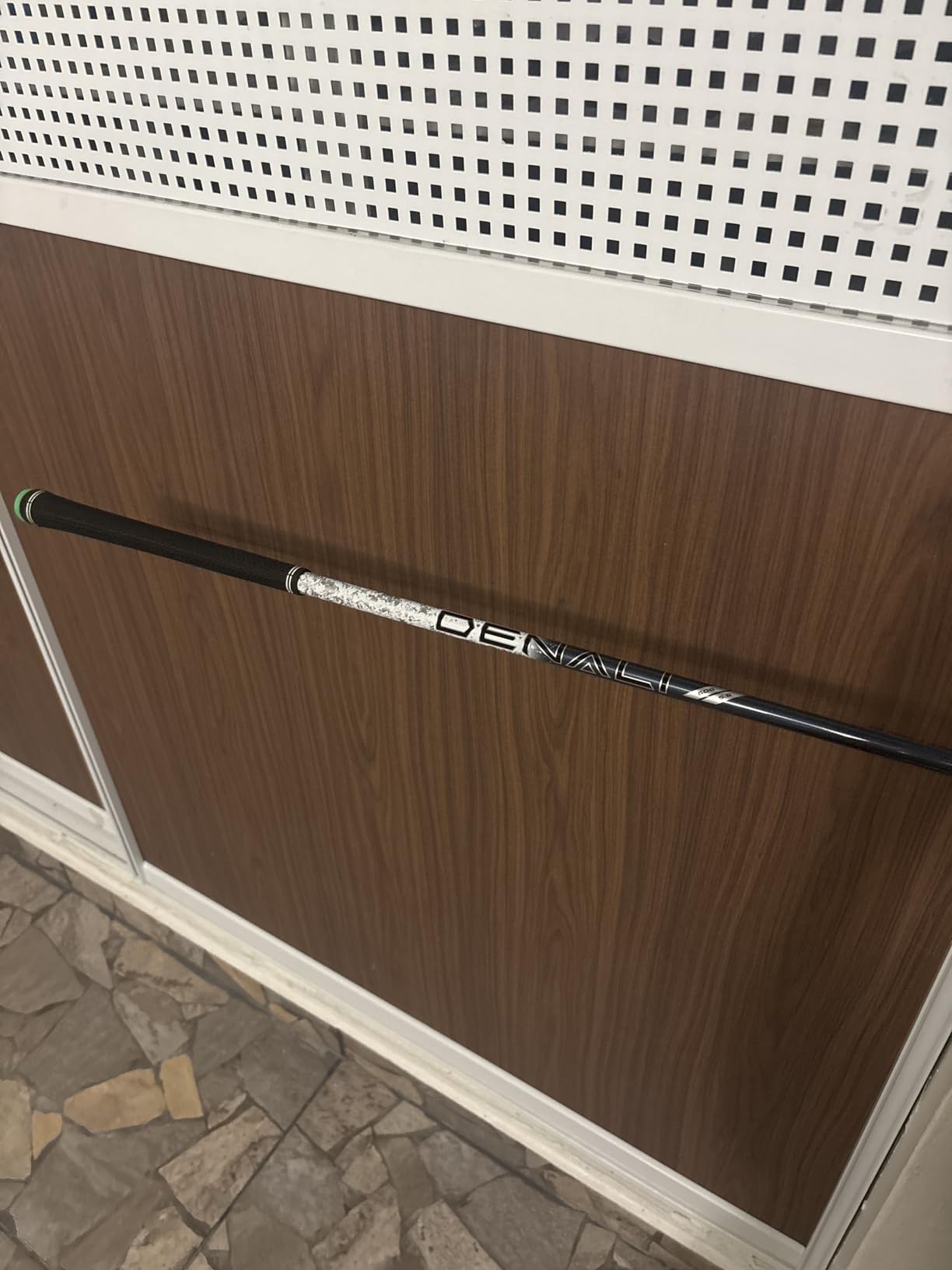
One buyer received a club described as dirty and dented despite good-condition claims, and a few mention thin packaging. These are handling issues rather than design issues, but with 44 ratings the volume of feedback is not large enough to smooth them out statistically.
Set against the Cleveland Launcher XL 2 below, this is the better tool for a precise fit, and the better club for a golfer who intends to experiment with settings over time.
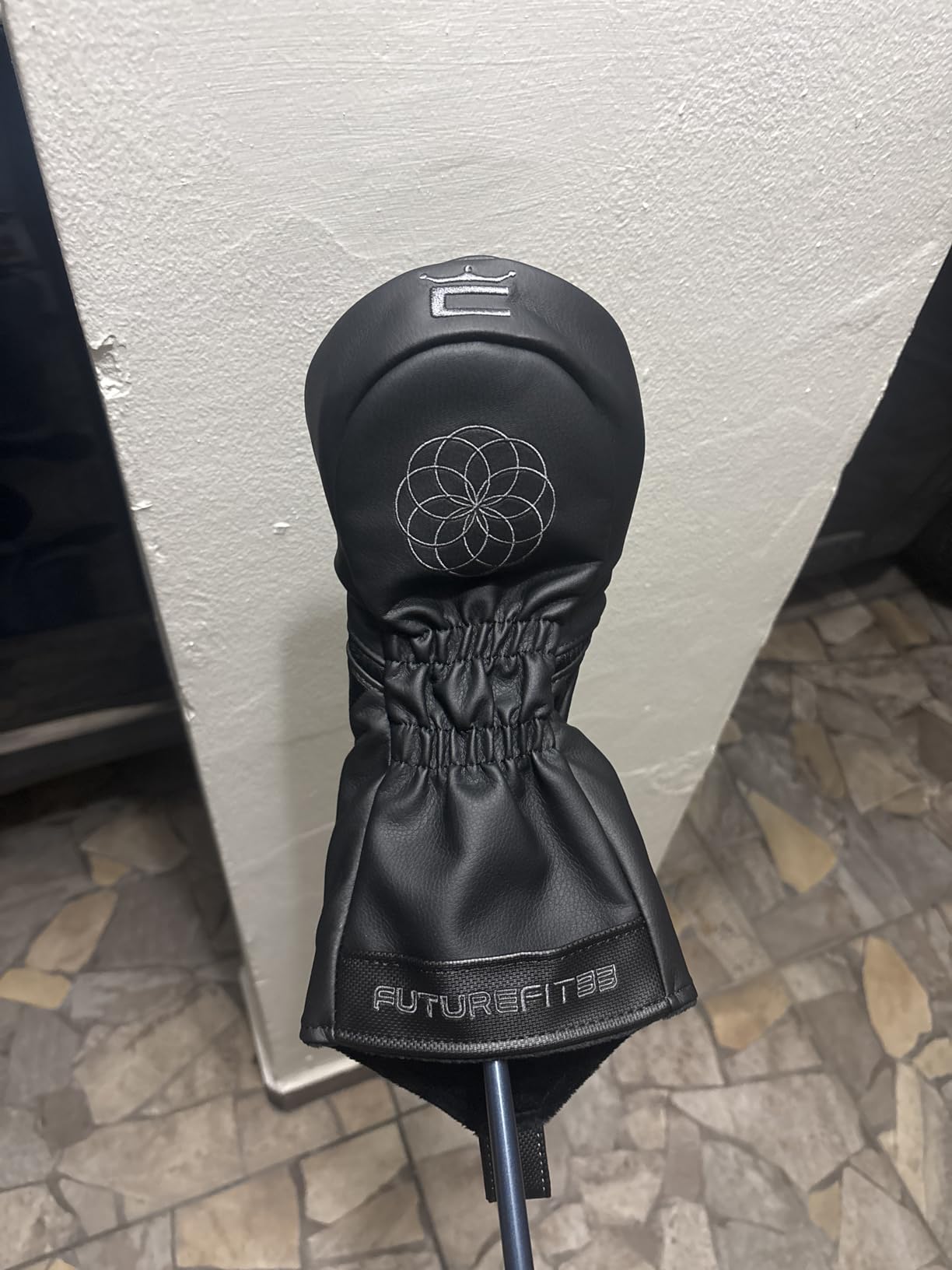
The DS-Adapt MAX-K is best for golfers who want to dial the fit in themselves
Thirty-three settings is more adjustment than any other driver in this group, and the independent plus or minus two degree loft and lie control is a genuine benefit for a golfer whose swing is still changing shape.
It is a strong secondary choice for slicers too, because a squared-up face setting adds a layer of correction on top of the MOI stability. Just note the MAX-K is not a draw-biased head by design.
The DS-Adapt MAX-K is a weak choice if you want the simplest possible club
Adjustability cuts both ways. If you have no clear idea what loft or lie you want, more settings can turn into more indecision rather than a better fit, and the wrench that lets you change them may not be in the box.
For a golfer who is new to fitting and simply wants a forgiving 10.5 degree driver to swing, the SIM2 MAX or the Paradym AI Smoke Max is a lower-effort path to the same result.
5. Cleveland Launcher XL 2 Draw: The Slice Fix
Cleveland Golf Launcher XL 2 Driver, Graphite, Senior, 12 Degrees (Draw), Right Hand
12 degrees draw
12 position adjustable hosel
Titanium face
1 year warranty
Pros
- Draw bias squares golfers who fight a slice
- Low and deep weighting for a high forgiving flight
- Rebound Frame and MainFrame XL face add speed
- 8g Action Mass counterbalance lightens the takeaway
- Includes headcover
Cons
- Hosel adjustment wrench sold separately
- 12 degree draw loft is not ideal for golfers already hitting it high and straight
The Launcher XL 2 Draw is the pick for a right handed golfer whose ball flight is a fade or slice and who has not fixed it with a loft change. It ships as a 12 degree draw configuration in a titanium mallet head at 45.5 inches, with a one year manufacturer warranty.
Draw bias works by moving weight toward the heel so that a partially open face still produces leftward spin. For a slicer, that is a mechanical correction rather than a technique lesson, and it is the fastest way to start finding fairways again.
Underneath the bias, the XL head design carries more MOI than the previous generation with a low-and-deep weighting profile. The MainFrame XL face uses a variable thickness pattern that maximises flex at impact, and the Rebound Frame adds two alternating flex zones that act in phase to send more energy into the ball.
There is a nice small touch in the Action Mass CB, an 8 gram weight tucked into the end of the shaft to counterbalance the clubhead. It takes a little of the feel of weight off the takeaway, which is one of the reasons the club swings easily for its size.
The adjustable hosel offers 12 positions across loft, face angle and lie angle, so it can be dialled back toward a straighter setting as the slice improves. The wrench is sold separately.
The Launcher XL 2 Draw is best for golfers whose main miss is a slice or fade
If you miss right consistently, this is the most direct fix in the group. The 12 degree draw loft, heel weighting and high MOI all work toward the same outcome: a straighter ball off the tee without a swing change.
It is also a good second club for a slicer to keep in the bag while they work on a draw, since the two produce visibly different flights and make the correction easier to feel.
The Launcher XL 2 Draw adds nothing for a golfer who already hits it straight
If your ball flight is already straight and your issue is purely distance, the extra bias is dead weight in the head. A 12 degree loft may also be higher than you need, and higher loft reduces roll for golfers who get there already.
For that golfer, a standard 10.5 degree max head with a high MOI is the better structure. Buy the draw version when the miss shape is the problem.
6. Performance Golf SF1: Best Value Slice Corrector
Performance Golf SF1 Driver – Square Face Technology (Senior, Right)
12 degrees
Senior flex shaft
65g head weight
Square face technology
Pros
- Square face technology measurably reduces slicing
- Easily swung senior flex package
- Forgiving across the face
- Buyers report 10 to 15 yards of added distance
- Headcover included
Cons
- Several buyers saw no change and returned the club
- Refund policy not honoured on third party purchases
- Distance gain comes mostly from straighter flight
The SF1 is a 12 degree carbon fiber head in a senior flex shaft package, weighing 65 grams in the listed specifications. Its whole design premise is directional: every feature is aimed at curving the ball left rather than adding raw speed.
Square Face Technology is the centrepiece, using a draw calibrated face angle and weight positioning to close the face at impact. The AeroSquare Crown is described as squaring the toe at impact, inspired by race car cornering technology, and the counterbalanced shaft is claimed to support the head through the downswing.
Buyers split into two clear camps. Many golfers, several of them in their seventies, say the SF1 genuinely cured a chronic slice and gained 10 to 15 yards. A smaller group found it made no difference to their strike and returned it, which is a fair outcome for a club that fixes ball shape rather than ball speed.
The most common complaint has nothing to do with the club. Several buyers report that the advertised money back guarantee is not honoured on third party purchases, so buy through a channel where the return policy is clear.
At 169 ratings and a 4.0 average, this is the second largest review base in the group, which makes the value case easier to verify than most of the cheap clubs here.
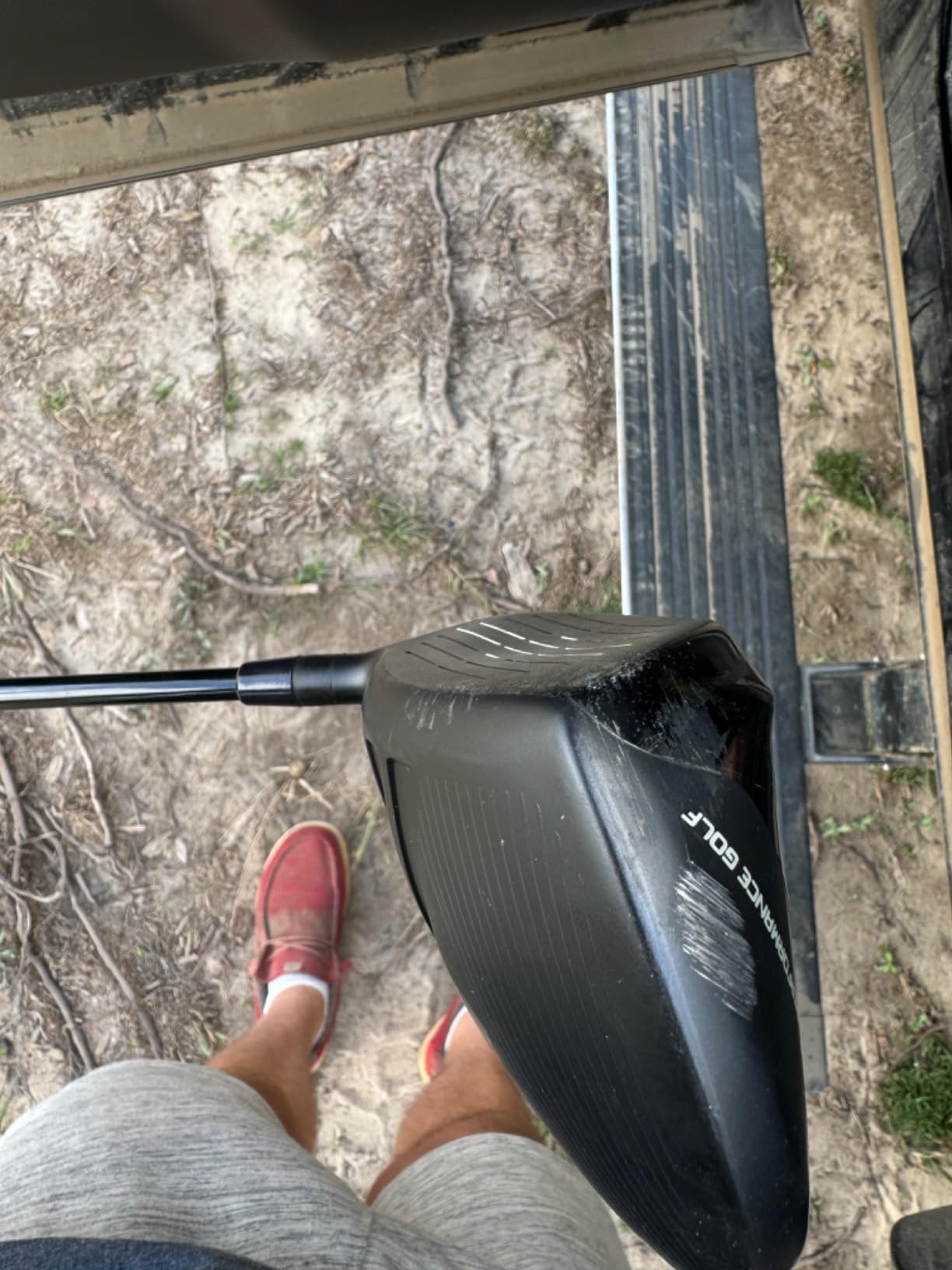
Note the honest framing on the pros. Reviewers report 10 to 15 yards of added distance, but almost all of that is straightened ball flight, not extra clubhead speed. If your driver already goes straight and you simply need more carry, this is the wrong shape of club.
It is right for a high handicap golfer whose dispersion is the real problem. A cheaper way to buy left is to accept the correction and work on contact with the face.
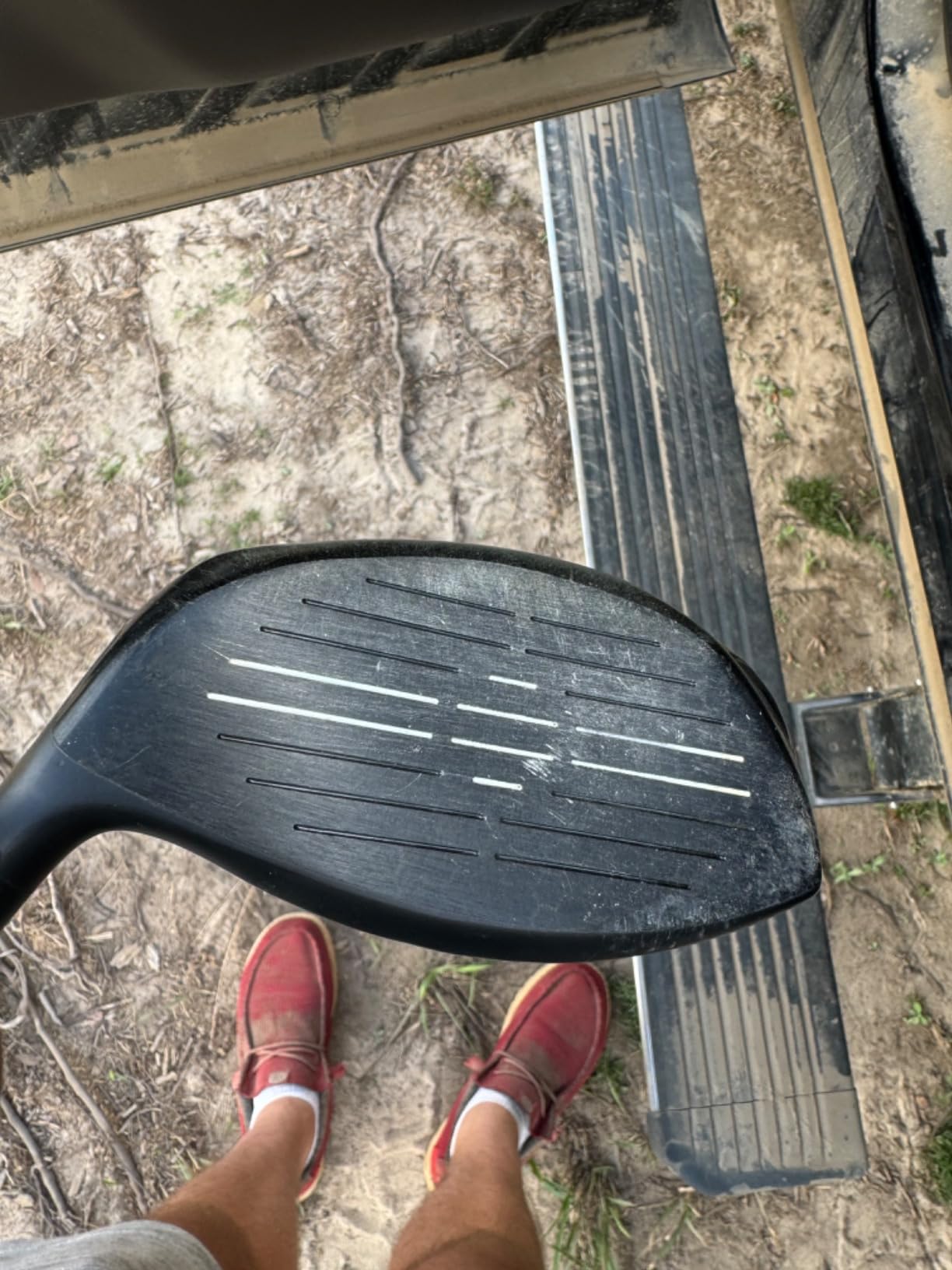
The SF1 is best for golfers whose slice is costing them the whole hole
When a fade means you play a provisional from the tee every round, direction is worth more than distance. This is the cheapest route in the list to a straighter tee shot, and the 12 degree loft adds carry on top of the correction.
It is also a sensible first driver. A senior flex shaft and a forgiving face mean a beginner can play with it immediately rather than needing lessons first.
The SF1 is not for a golfer chasing ball speed
Nothing in the design is aimed at increasing clubhead speed. A golfer who makes solid contact but has a low, falling-out-of-the-sky flight should choose loft and weight instead, which means a 12 degree head with a low centre of gravity and a light shaft.
Check the return policy before you order. That single issue accounts for more negative reviews of this club than the club’s performance does.
7. Majek K Series Driver and Fairway Wood Set: The Complete Senior Set
Senior Mens Majek K Series High Launch 460cc 10.5° Driver 3 5 Metal Fairway Wood Set Golf Clubs Right Handed A Flex with Mens Large Size Black Pro Velvet Grips
10.5 degree driver
15 and 18 degree woods
Senior flex graphite
45.5 inch driver
Pros
- High launch design with oversize grips for limited mobility
- Buyers report the set has all but eliminated their slice
- Priced well below comparable three wood sets
- Matched lengths give a consistent look
Cons
- One buyer reported a 5 wood head detaching from the shaft
- Fairway woods take more practice to get used to
- Some buyers returned the set disappointed
The Majek K Series is a three club set rather than a single driver, which is why it earns a place on a list of senior drivers. It pairs a 10.5 degree driver with a 15 degree number three wood and an 18 degree number five wood, all right handed, with a headcover.
The lengths are properly matched: 45.5 inches for the driver, 43.5 for the three wood and 42.75 for the five wood. That matters more than it sounds, because a consistent visual set is one of the few free confidence boosters available to a high handicap golfer.
The senior flex velocity graphite shafts and oversize synthetic rubber Pro-Velvet grips are the details that make this a senior set rather than three generic clubs. Buyers repeatedly single out the grips as easy to hold with limited joint mobility, and the high launch design is credited with confidence on shots that used to feel overwhelming.
At 61 ratings and a 4.2 average, senior golfers rate this set highly for forgiveness and for being able to swing without fear of losing distance. Buyers also report that the set has all but eliminated their slice.
Quality control is the weak point. One buyer reported a five wood head detaching from the shaft during a tee shot, and there is a cluster of returns from people who felt the clubs were not as good as they looked in photographs.
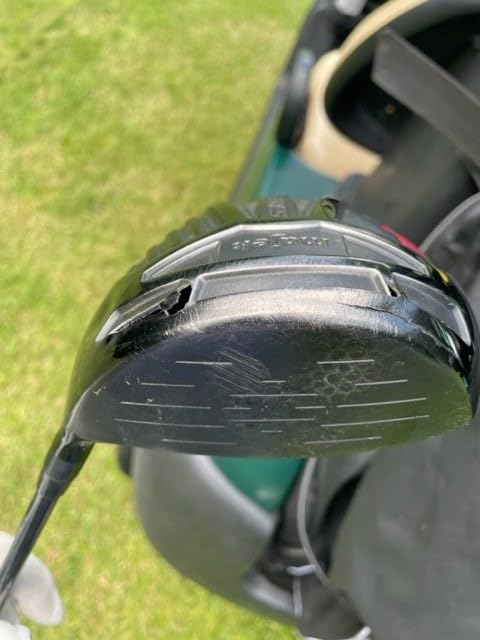
The fairway woods need more practice than the driver, which is normal and worth saying plainly. Coming off a 10.5 degree driver into a 15 degree three wood is a bigger adjustment than most buyers expect in the first week.
Value is the real argument here. A matched three wood set from a major brand at a fraction of the price is difficult to argue against for a golfer who is playing casual rounds rather than competing.
The Majek K Series is best for a senior building a playable bag from scratch
If you need woods as well as a driver, buying them matched solves the fit problem three times over. One flex choice, one set of grips, one consistent visual line, and all three clubs are already sized for a senior swing.
The oversize grips are the underrated feature. For a golfer with arthritis or post-surgical shoulder limits, grip diameter can be the difference between playing and not playing.
The Majek K Series is not for a golfer buying one perfect driver
You are choosing a package, not a single club. If you already own fairway woods you like, a dedicated driver from this list is the better purchase, and the 10.5 degree loft here is the most neutral choice in the group rather than a launch focused one.
Inspect the set on arrival if you can. The structural complaint, while isolated, is the kind of thing that ends a round abruptly.
8. Money Club High Launch 520cc: The Casual Player’s Launch Machine
Senior Men’s Money Club High Launch 520cc 12.5° Golf Driver. Right Handed Premium Ultra Forgiving Senior Lite Flex Graphite Shaft with Tour Velvet Grip
12.5 degree loft
520cc head
Senior lite flex graphite
Headcover included
Pros
- Large head delivers a high easy launch
- Senior lite flex graphite shaft aimed at older golfers
- Very affordable entry to a high launch driver
- Headcover and velvet grip included
Cons
- 520cc head is non-conforming and not legal in competition
- Feel and construction trail nameplate drivers at similar prices
The Money Club High Launch is the simplest thing in this list and that is its purpose. It is a 12.5 degree oversized graphite head in a senior lite flex shaft, right handed, with a headcover and a premium black velvet grip.
Where it differs from every other club here is head size. The 520cc head is larger than the standard 460cc maximum permitted under USGA rules, and the listing is explicit that it is non-conforming and therefore not legal in competitive play.
For a golfer whose swing has slowed enough that a legal 460cc head will not get the ball airborne, the extra volume is a real physical advantage. It is also the most affordable route to a high launch in this list by a wide margin.
Reviewers generally accept it as an inexpensive, easy to launch option aimed at casual and senior golfers. The 4.0 average across 150 ratings reflects a club that does the basics well without premium feel or any adjustability at all.
It is a fixed head with a fixed hosel and a fixed shaft, so there is nothing to fine tune. For the intended buyer that is a feature, because the club does the thinking before you get to the tee.
The Money Club 520cc is best for golfers who cannot get the ball off the ground
If your current driver leaves you with a low, skidding shot and you have already tried lofting up within a legal head size, more head volume is the obvious next lever. A 12.5 degree loft in 520cc is about as much launch as a production driver can deliver.
It is a good club for a twice-a-month player who wants forgiveness and does not want to think about specifications. The senior lite flex shaft and velvet grip are simple and well suited to a relaxed tempo.
The Money Club 520cc is disqualified from competitive play
This is the one honest disqualification in the product set, and it is a hard one. A 520cc head is outside USGA limits, so it cannot be used in a club competition, a league with handicap enforcement, or any event that checks club specs.
Feel and construction also trail the nameplate drivers at comparable price points. If you are a serious club player buying a driver to last, the money is better spent on a legal 460cc head from this list.
9. Orlimar Escape HL Draw Bias: Available in Both Hands
Orlimar Escape HL Men’s Draw Bias Golf Driver, Right Handed, Titanium
10.5 degrees
Senior flex graphite
45 inch length
1 year warranty
Pros
- Draw bias helps golfers who push fade or slice
- Senior lite flex ultra light graphite shaft
- Forged titanium head with an aerodynamic shape
- Buyers in their 70s report 10 to 30 yards longer drives
- Good value against big name drivers
Cons
- Lowest average rating in this group at 3.9
- Some buyers report a thin sound and no gain
- Warranty replacement is hard to navigate
- Inconsistent build quality
The Escape HL is the one driver in this list where the product line is offered in both right and left hand configurations, which is a genuine practical advantage for a large segment of senior golfers. This listing covers the right handed 10.5 degree version at 45 inches.
The build is straightforwardly aimed at slow swings. It pairs a forged titanium head with an ultra light graphite shaft in senior lite flex, and the internal weighting shifts mass toward the heel to impart draw spin for a higher, straighter ball flight off the tee.
The head is aerodynamically streamlined for lower drag, and the reduced roll radius is designed to optimise launch and spin on both high and low face strikes. A headcover is included and the warranty runs one year against manufacturer defects.
Sentiment is genuinely mixed, which is why this sits where it does. Several buyers, including golfers in their seventies, report a reduced slice and drives running 10 to 30 yards longer. Others describe a thin sound off the face, no distance gain, and a warranty process they found difficult to navigate.
At 3.9 across 17 ratings, this is the lowest average in the group, and one replacement club reportedly arrived with a snapped shaft. Build quality is inconsistent in a way it is not with the nameplate drivers above.
The realistic case for this club is a one-handed shopper, or a golfer who needs a senior flex draw bias at a fraction of the cost of a major brand equivalent. If neither applies, a higher rated draw option exists.
Keep the warranty expectation realistic. A one year defect warranty with a difficult claims process is a weaker safety net than the two year coverage on the TaylorMade, Cobra and Callaway builds.
The Escape HL is best for one-handed golfers who also slice
Hand availability is the deciding factor here and it is a real one. Many retailers stock only right handed game improvement heads, and a left handed senior with a slice is genuinely short of options in the mainstream market.
For a shopper in that position, this is a legitimate pick. The draw bias, the senior flex shaft and the two hand configuration cover the three requirements at once.
The Escape HL is a poor choice if sound and build consistency matter
Several reviewers specifically criticise the sound at impact, and sound is a legitimate part of the enjoyment of a new driver. An unimpressive impact is one of those things that colours every shot afterwards.
With a 3.9 average and a documented build quality complaint, we would only choose this over a higher rated alternative where hand availability forces the decision.
10. Wilson Profile Driver: The Simple, Versatile Budget Pick
WILSON PROFILE MENS RH SINGLE DRIVER STD
10.5 degrees
Large rounded head
Graphite shaft
Regular flex
Pros
- Large rounded head gives an easy high launch
- Graphite shaft keeps swing weight manageable
- Very low cost for a playable driver
Cons
- Only 15 ratings so evidence is thin
- Regular flex only
- Limited listing information
The Wilson Profile is the simplest budget option here: a 10.5 degree large rounded head in a graphite shaft with a 58 degree lie angle, right handed, in red and black. Nothing about it is engineered, and nothing about it needs to be.
The large rounded profile is designed to make the ball easy to launch, which is the correct starting point for a golfer who is not sure why their current driver is not getting up in the air. A graphite shaft keeps the swing weight manageable for a slower tempo.
The 4.4 average across 15 ratings is positive, but the sample is genuinely thin and we would call the consensus provisional rather than established. The listing information is also unusually limited, which is part of why this sits at the bottom of the list.
Regular flex is the only listed option, and that is a real mismatch risk for a slower senior tempo. A-frame or A-flex build would suit this head better if it is available.
Think of this club as a stopgap you can grow out of, or as a spare you keep in the trunk. For a first round of golf after a long break, an easy-to-launch driver matters more than any other club in the bag.
If the budget stretches to it, the SF1 or the Money Club High Launch both offer a clearer senior spec and a much larger body of owner feedback for a similar outlay.
The Wilson Profile is best for a first-time or returning golfer on a small budget
The combination of a large rounded head and a manageable graphite shaft removes the two most common reasons a beginner struggles off the tee. Neither requires technique to benefit from.
It is a sensible first driver for a spouse or family member who plays a few times a year and needs something that will not punish a rusty swing.
The Wilson Profile is a weak choice if you want adjustability or a proven spec
There is no hosel adjustment, no movable weight and no senior flex option in the listing. That removes both the ability to fine tune and the ability to correct a shaft fit problem later.
With 15 ratings, you are also buying on very little evidence. A higher rated club in a similar price bracket is the safer purchase if the money is available.
What to Look for in a Senior Golf Driver
The four things that matter most are shaft flex, loft angle, total club weight and head design. Everything else in a driver spec sheet is secondary for a golfer whose swing has slowed. Members of our community asking about senior drivers on r/golf, GolfWRX and the MyGolfSpy forum raise the same four points in almost every thread, and they are the four we use below.
Swing speed: the number that drives everything
Most golfers over 65 sit somewhere between 80 and 95 mph, though the spread inside that range is enormous and a single hard-hitting 65 year old can outdrive an average 45 year old. Two golfers the same age can be 30 mph apart, which is why age alone is a poor selection criterion.
The fix is to get measured. Most indoor and shop launch monitors produce a driver clubhead speed reading in under ten minutes, and the number lets you pick loft and shaft weight rather than guessing. Without it, you are choosing on feel, and feel is exactly what age changes.
You can also judge by result rather than by instrument. If your ball flight is low and falls out of the sky, your swing is too slow for the loft you have, whatever the label says.
Shaft weight and flex
Senior (A) or regular (R) flex in a 40 to 55 gram graphite shaft is the range most seniors should be shopping in. A shaft that is too stiff for a slowed tempo removes the lag that generates ball speed, and no head change recovers it.
Several members of our community report that switching from a stiff shaft they had owned for 30 years to a lighter senior flex added more clubhead speed than any head change they tried. That is a consistent enough report to treat as a serious first test.
Graphite beats steel for this audience on weight alone. Steel has its place in weather and for players who need control, but a mid-50 gram graphite shaft is 40 to 60 grams lighter than the steel equivalent.
Loft: the quick answer for slower swings
For most golfers under 95 mph, 10.5 to 12 degrees is the correct range. Start at 10.5 and add a degree if your launch is under 12 degrees or your ball flight is visibly falling rather than carrying.
Higher loft buys carry distance and reduces spin, which helps a slow swing. It also reduces roll, so a golfer who already gets plenty of run will lose ground rather than gain it. That is the trade to watch.
The 9.5 versus 10.5 question that appears constantly in search results comes down to the same test. If your shots are already high and straight, 9.5 adds speed. If they are low, 10.5 or 12 is the answer.
Forgiveness and moment of inertia
Moment of inertia is the head’s resistance to twisting when you miss the sweet spot. A higher MOI means heel and toe mis-hits lose less energy and fly straighter, which is the mechanical version of forgiveness.
It matters more as you age because strike consistency usually drops at the same time as speed. A head advertising a combined MOI near 10,000, like the Cobra DS-Adapt MAX-K, is doing something measurable rather than relying on size alone.
Head size is a poor proxy. Golfers frequently report drivers that look huge and impressive producing no extra distance, because volume without a stable weighting profile just makes the head harder to control.
Adjustable hosels and movable weight
An adjustable hosel with independent loft and lie control lets you add a degree of loft without changing your ball alignment, and lets you fix a push or pull without a swing change. The Cobra DS-Adapt MAX-K offers 33 settings, the most in this group, and the Cleveland Launcher XL 2 offers 12.
Draw bias is a different mechanism and a different purpose. Heel weighting adds leftward spin to offset a right miss, which is a correction rather than a fit tool. It helps a slicer and does nothing for a hooker.
Forum users are careful to separate the two, and so are we. Forgiveness keeps a mishit on line; draw bias decides which way a mishit goes.
How far should you actually hit it?
This is the single most searched question in this topic, and no competitor answers it with numbers, so here is a realistic band. Distance depends on clubhead speed far more than on age, so read the speed row that matches you rather than the age row.
At 75 mph clubhead speed, expect roughly 170 to 195 yards of carry. At 85 mph, roughly 200 to 225 yards. At 95 mph, roughly 225 to 250 yards. Add a further 20 to 40 yards of roll depending on loft and conditions.
Those figures are for a well-struck shot with a reasonable launch. A better driver adds distance mainly by keeping ball speed up and mishits in the fairway, not by transforming a fundamentally slow swing.
When going too light backfires
Lightweight builds are not automatically better, and this is the counter-argument that most roundups skip. A shaft that is too light for your tempo can let the clubhead lag and drop behind you at the top of the backswing, which delays the release and opens the face.
The symptom of a club that is too light is a shot that starts left and curves right, or a feeling of not being able to release the club at all. If your driver feels disconnected at impact, adding weight may be the answer rather than removing it.
The practical test is simple. Hit a few shots with a standard build and a lite build at the same loft and compare. Our advice is to treat shaft weight as something to test in fifteen minutes, not something to assume.
Should you buy new or pre-owned?
The recurring forum recommendation is a pre-owned premium club. Members consistently point to two and three year old Callaway Paradym X, Big Bertha, Rogue ST Max and Cobra LTDx builds as the value pick, describing them as delivering most of the performance of a new flagship at roughly half the outlay.
That advice holds up, with one condition: the shaft. A pre-owned head with a new shaft fitted is a different and better club than a pre-owned head with a stiff shaft that no longer matches your tempo. Budget for a re-shaft rather than buying the whole club used.
A one to two year old head loses very little performance. Shafts, grips and hosel sleeves are consumable parts, and they are where the money should go on a used purchase.
What to ask at the fitting
Ask for your clubhead speed on a launch monitor and write the number down. Ask what loft that reading implies and whether the head being offered comes in it. Ask for the shaft weight in grams, not the flex label, because flex labelling is inconsistent between brands.
Ask whether the head is right handed, one handed or whether the model is made in your hand at all. And ask what the return policy is when the club is bought through a third party seller, which is the single most common complaint in the reviews of the clubs above.
For the rest of the bag, our 8 best golf carts pro reviews and 10 best post drivers reviewed cover the mobility and course access side of playing more golf, which often matters more than the driver at a certain age.
What Not to Buy for Seniors
Four categories of driver waste money for this audience, and the reasons are mechanical rather than matters of taste.
A non-conforming oversized head if you play in any league or event that checks clubs. The Money Club 520cc in this list is a good recreational club and a bad competitive one. Know which you are buying it for.
A stiff shaft inherited from a younger golfer. A 30 year old stiff shaft that produced clubhead speed at 25 will not produce it at 70 with a slower tempo. This is the most common and most expensive mistake in the category.
A tour-level low-spin driver sold on the promise of speed. A low-spin head needs clubhead speed to hold a ball flight together. Below 95 mph, low spin is a steep, unstable ball with no horizontal stopping power.
A very large head with no stability data behind it. Size alone does not create distance. If a listing does not quote an MOI figure or a weighting philosophy, you are buying a shape, not a performance characteristic.
Any club whose only merit is appearance. Majek buyers returning sets that looked better in photographs than in the hand is the same lesson reported by golfers across the forums. Buy the spec, not the cover.
Frequently Asked Questions
What is the best driver for seniors?
The TaylorMade SIM2 MAX is our pick for most seniors because its 10.5 degree loft and inertia-driven head stay forgiving across the face, and it carries the largest body of verified owner feedback in this group. Golfers who need a lighter build should look at the TaylorMade Qi35 Max Lite, and slicers should look at the Cleveland Launcher XL 2 Draw.
What driver shaft is best for seniors with a slow swing speed?
A senior (A) or regular (R) flex graphite shaft between 40 and 55 grams. The weight matters more than the label, because brand flex naming is inconsistent. A shaft that is too stiff for a slowed tempo removes lag and costs clubhead speed, and members of our community report a lighter flex added more speed than any head change they tried.
What is the best lightweight driver for low swing speeds?
The TaylorMade Qi35 Max Lite, with a listed total weight of 7.2 ounces, a 12 degree loft and a senior flex Mitsubishi Vanquish 40 shaft. The caveat matters: a shaft that is too light can make you lose the clubhead at the top of the backswing, so test a lite build against a standard one at the same loft before committing.
Will a lighter shaft help swing speed?
Sometimes, yes. A lighter shaft helps timing and reduces the effort needed to reach the top of the swing, and it adds speed for golfers whose tempo has slowed. It stops helping if the clubhead drops behind you and delays the release, which shows up as a ball that starts left and curves right. Testing two weights in fifteen minutes is the only reliable answer.
What loft driver should a senior use?
For most golfers under 95 mph swing speed, start at 10.5 degrees and add a degree if your launch is under 12 degrees or your ball flight visibly falls out of the sky. Higher loft buys carry distance and reduces spin, but it also reduces roll, so a golfer who already gets plenty of run may lose ground.
Is a 9.5 or 10.5 degree driver better for beginners?
A 10.5 degree head is better for a beginner, and for a senior with a slow swing, because it launches higher and stops generating spin at a lower clubhead speed. A 9.5 degree head only makes sense if your shots are already high and straight and you want more speed and more roll.
How far should a 72 year old man hit a driver?
Distance depends on clubhead speed more than age. At 75 mph expect roughly 170 to 195 yards of carry, at 85 mph roughly 200 to 225 yards, and at 95 mph roughly 225 to 250 yards, with 20 to 40 yards of roll on top. A 72 year old man who still generates 95 mph can easily outdrive one half his age swinging at 80.
Do adjustable weights and hosels matter for seniors?
They can, and the adjustable hosel is the more useful of the two. Independent loft and lie control lets you add a degree of loft without changing your ball alignment, which the Cobra DS-Adapt MAX-K does across 33 settings. Movable weight helps more at slower clubhead speeds, and a face that squares up as you add loft prevents a high launch club from becoming a slicer.
The Verdict: Our Best Golf Driver Pick for Seniors in 2026
The winner of our best golf drivers for seniors list is the TaylorMade SIM2 MAX. It is not the lightest build or the most adjustable, but it combines a 10.5 degree loft, a high inertia head and a regular flex shaft into the most forgiving setup here, and 718 verified ratings of owner feedback back that up.
Best lightweight: the TaylorMade Qi35 Max Lite at a listed 7.2 ounces. Best for slicers: the Cleveland Launcher XL 2 Draw. Best value: the Performance Golf SF1, where the second largest review base in the group backs up the price argument. Best for one-handed shoppers: the Orlimar Escape HL.
Whichever you pick, the three numbers that decide it are your clubhead speed, the shaft weight in grams, and the loft you can actually launch. Get those right and the head choice becomes much easier, because most of these clubs deliver once the spec is matched to the swing.
Test two shaft weights at the same loft before you buy. Fifteen minutes on a shop launch monitor is worth more than any spec sheet, and it is the only way to know whether a very light build helps your tempo or fights it.