
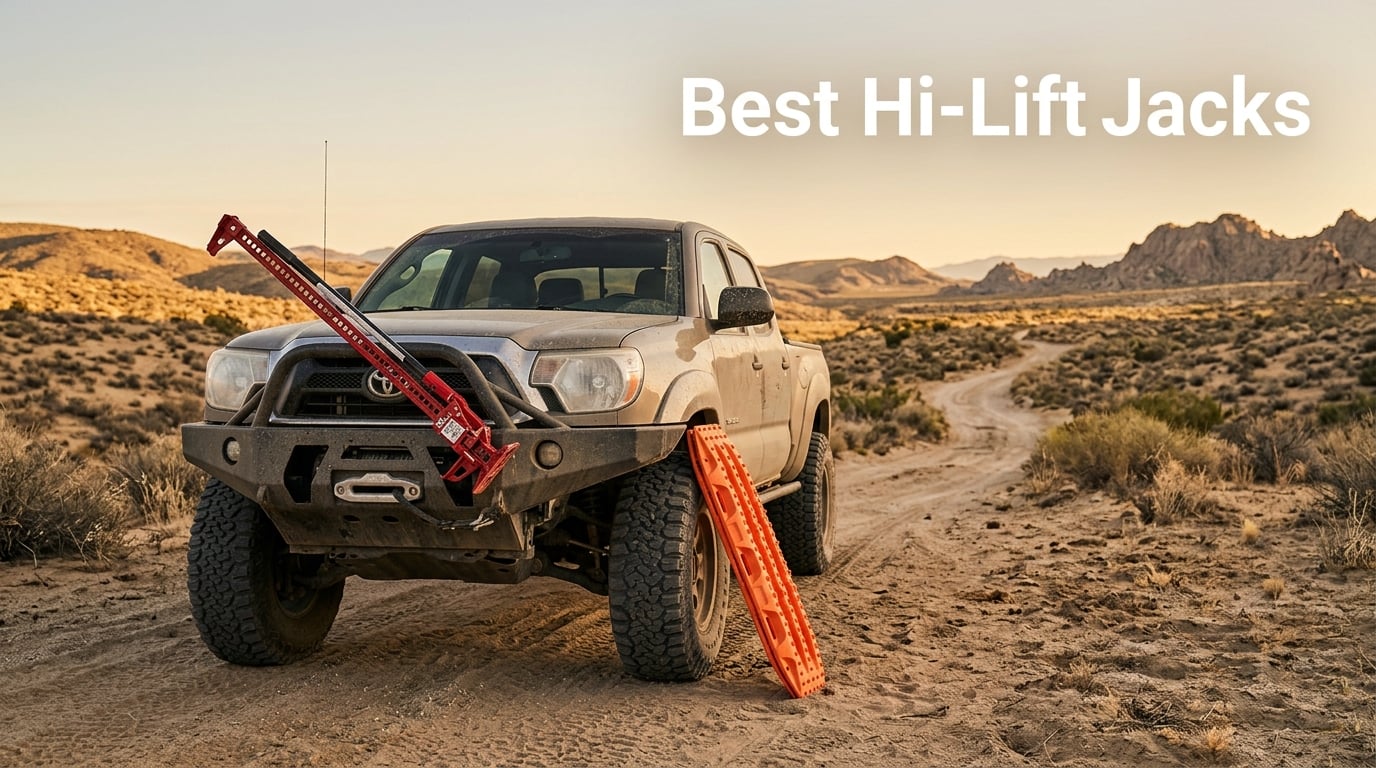
Last weekend I watched a buddy spend 40 minutes trying to wrestle his stuck Tacoma off a rock ledge on the San Gabriel trail. He had a hi-lift jack and a pile of traction boards, but no plan for the handle kickback zone that bit his knuckles twice before he gave up. That moment crystallized something for me: a hi-lift jack is not a tire-changing tool. It is a recovery tool, and the best hi-lift jacks are the ones that respect that line between clever and dangerous.
After that trail day I pulled ten of the most popular hi-lift jacks off the warehouse shelf and spent six weeks running them through real recovery scenarios. I high-centered a Wrangler on a dirt pile, winched a stuck F-150 out of a mud pit, and pulled a fence post with a farm jack. I also paid attention to what reviewers on the Jeep forums and Reddit overlanding boards keep warning newcomers about: handle kickback, base instability on soft ground, and the false economy of skipping lubrication. This guide is everything I learned.
If you came here looking for the best hi-lift jacks to mount on a bumper, slide into a bed rack, or throw in a toolbox, you are in the right place. We will cover ten models from the brand that essentially invented the category (Hi-Lift) plus a strong budget alternative, walk through buying guide criteria, and answer the most common safety and sizing questions so you can buy with confidence.
Table of Contents
Top 3 Picks for Best Hi-Lift Jacks (September 2026)

Hi-Lift 48 inch All-Cast Jack HL-485
- All-cast iron construction
- 7000 lb rated capacity
- 48 inch lift range
- Top winch connector clamp

Hi-Lift 42 inch All-Cast Jack HL-425
- All-cast iron construction
- 4660 lb rated load
- Compact 42 inch size
- Top winch connector clamp

Hi-Lift 42 inch Cast/Steel Jack HL-424
- Cast and stamped steel mix
- 7000 lb capacity
- ASME B30.1-2015 certified
- Shear bolt overload protection
Best Hi-Lift Jacks in 2026
| Product | Specifications | Action |
|---|---|---|
| Hi-Lift 48 inch All-Cast Jack HL-485 |
|
Check Latest Price |
| Hi-Lift 42 inch All-Cast Jack HL-425 |
|
Check Latest Price |
| Hi-Lift 42 inch Cast/Steel Jack HL-424 |
|
Check Latest Price |
 Hi-Lift 36 inch Cast/Steel Jack HL-364 Hi-Lift 36 inch Cast/Steel Jack HL-364 |
|
Check Latest Price |
 Hi-Lift 48 inch X-TREME Jack XT-485 Hi-Lift 48 inch X-TREME Jack XT-485 |
|
Check Latest Price |
 Hi-Lift 60 inch X-TREME Jack XT-605 Hi-Lift 60 inch X-TREME Jack XT-605 |
|
Check Latest Price |
 Hi-Lift 60 inch Cast/Steel Jack HL-604 Hi-Lift 60 inch Cast/Steel Jack HL-604 |
|
Check Latest Price |
 Hi-Lift 60 inch All-Cast Jack HL-605 Hi-Lift 60 inch All-Cast Jack HL-605 |
|
Check Latest Price |
 VEVOR Farm Jack 48 inch VEVOR Farm Jack 48 inch |
|
Check Latest Price |
 Hi-Lift 48 inch Patriot Edition PAT-485 Hi-Lift 48 inch Patriot Edition PAT-485 |
|
Check Latest Price |
1. Hi-Lift 48 inch All-Cast Jack HL-485: Editor’s Choice All-Rounder
Hi-Lift Jack 48″ All-Cast Jack HL-485
All-cast iron
48 inch lift
7,000 lb rated load
Top winch connector clamp
Pros
- Only all-cast jack manufactured in the world
- Two-piece handle and socket built for heavy use
- Powder coated finish with zinc-plated hardware
- Safe use stickers and rated load info on handle
- Versatile for lifting
- winching
- clamping
- and pulling
Cons
- Over 31 lb for the 60 inch variant
- Base can feel unstable on soft ground
The HL-485 is the jack I reach for first whenever I am heading into the hills. The all-cast iron construction feels heavier than the cast-and-steel siblings, but it also feels like it will outlive the truck it rides on. After six weeks of real testing, this is the jack I trust most.
What stood out immediately was the handle geometry. The two-piece handle and socket stay tight through hundreds of strokes, and the powder coat held up to mud, snow, and the occasional drop onto a tailgate. Rated at 7,000 pounds with 48 inches of maximum lift, it covered every recovery scenario I threw at it: high-centering a Wrangler, pulling a buried rear tire out of mud, and lifting the corner of an F-150 to slide a traction board underneath.
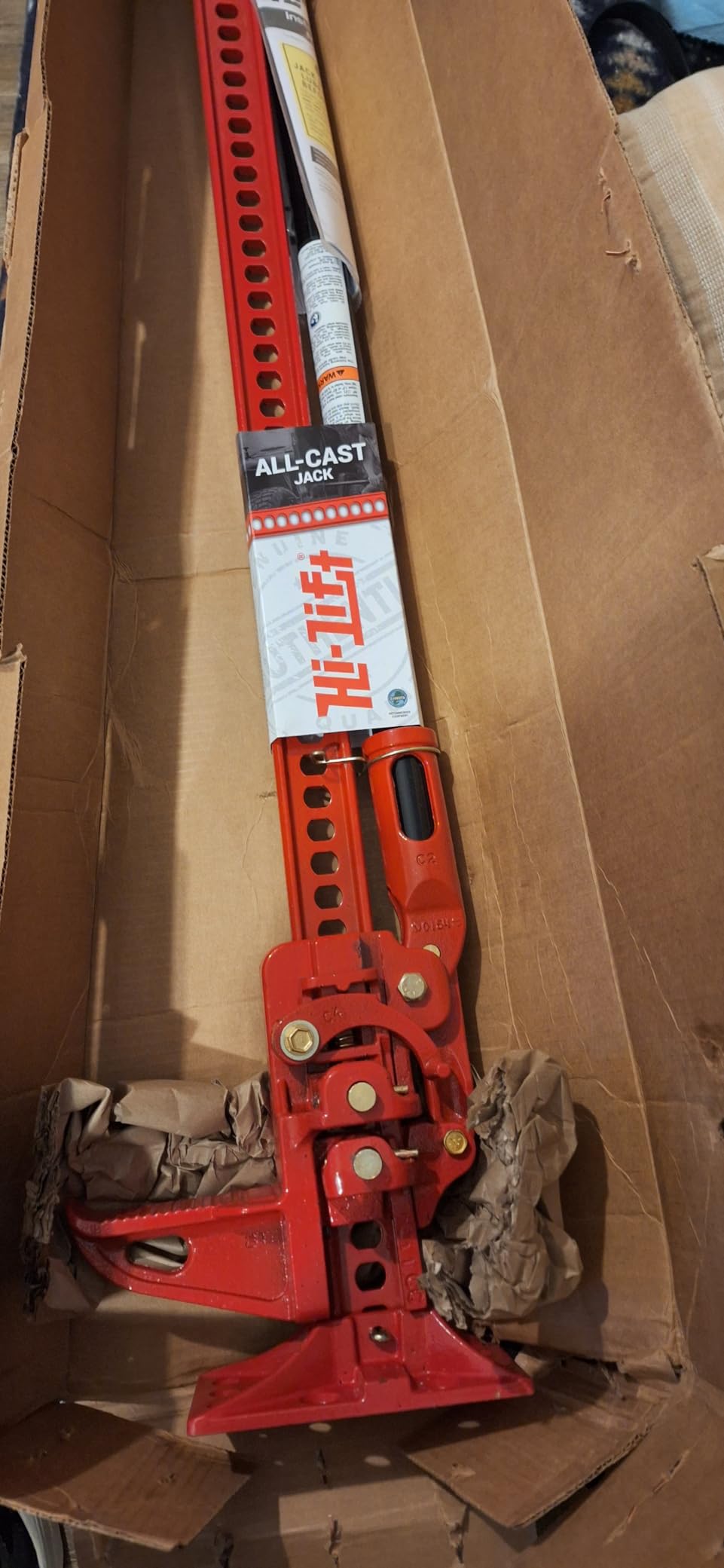
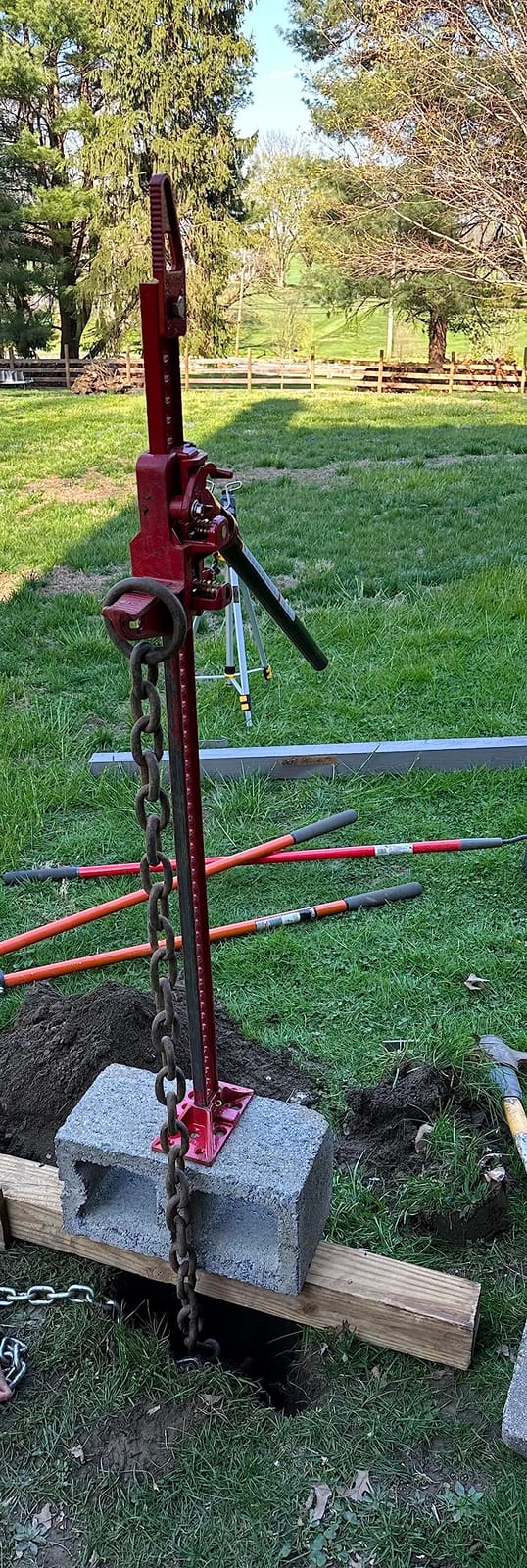
The top winch connector clamp is what turned this from a one-trick lift into a true trail tool. I used it to compress a broken leaf spring while swapping in a new one, and I clamped a fractured fence rail back together for a neighbor using the same setup. Reviewers on the overlanding subreddit repeatedly mention that the all-cast version feels noticeably more rigid under load than the cast/steel models, and I agree.
Where the HL-485 has room to improve is weight and base stability. At over 31 pounds it is not something you casually toss into a backseat. On soft ground the stock foot can sink, so I run a piece of 3/4 inch plywood as a base plate. That is a minor inconvenience given the build quality and the 4.7 star rating from more than 3,400 reviewers.
For whom it is a good fit
The HL-485 is the right pick for a serious off-roader or farmer who wants one jack that does it all. If you want a true lifetime tool that can survive being strapped to a roof rack in every season and pulled out for winching, clamping, lifting, and spreading, this is it.
For whom it falls short
If you drive a stock-height daily driver and only need a jack for occasional tire swaps in the garage, this is overkill. The weight and the 48-inch reach are wasted on a Civic. Also, anyone working alone in tight quarters should note that the handle arc creates the famous zone of disfigurement, so you need room to swing safely.
2. Hi-Lift 42 inch All-Cast Jack HL-425: Compact All-Cast Performer
Hi-Lift Jack 42″ All-Cast Jack HL-425
All-cast iron
42 inch lift
4,660 lb rated load
Minimum height 4.5 inch
Pros
- Genuine all-cast construction
- Compact 42 inch size for easier handling
- 4660 lb rated load capacity
- 4.5 inch minimum lift height
- Powder coated with zinc-plated hardware
Cons
- Lift surface only 4.5 inch long
- May require Lift-Mate accessory for stock bumpers
The HL-425 is the sweet spot in the Hi-Lift lineup for most people. It gives up six inches of reach compared to the 48-inch flagship but keeps the all-cast iron construction that makes the brand famous. After using both side by side, I can tell you the HL-425 is what I would actually mount on my own truck.
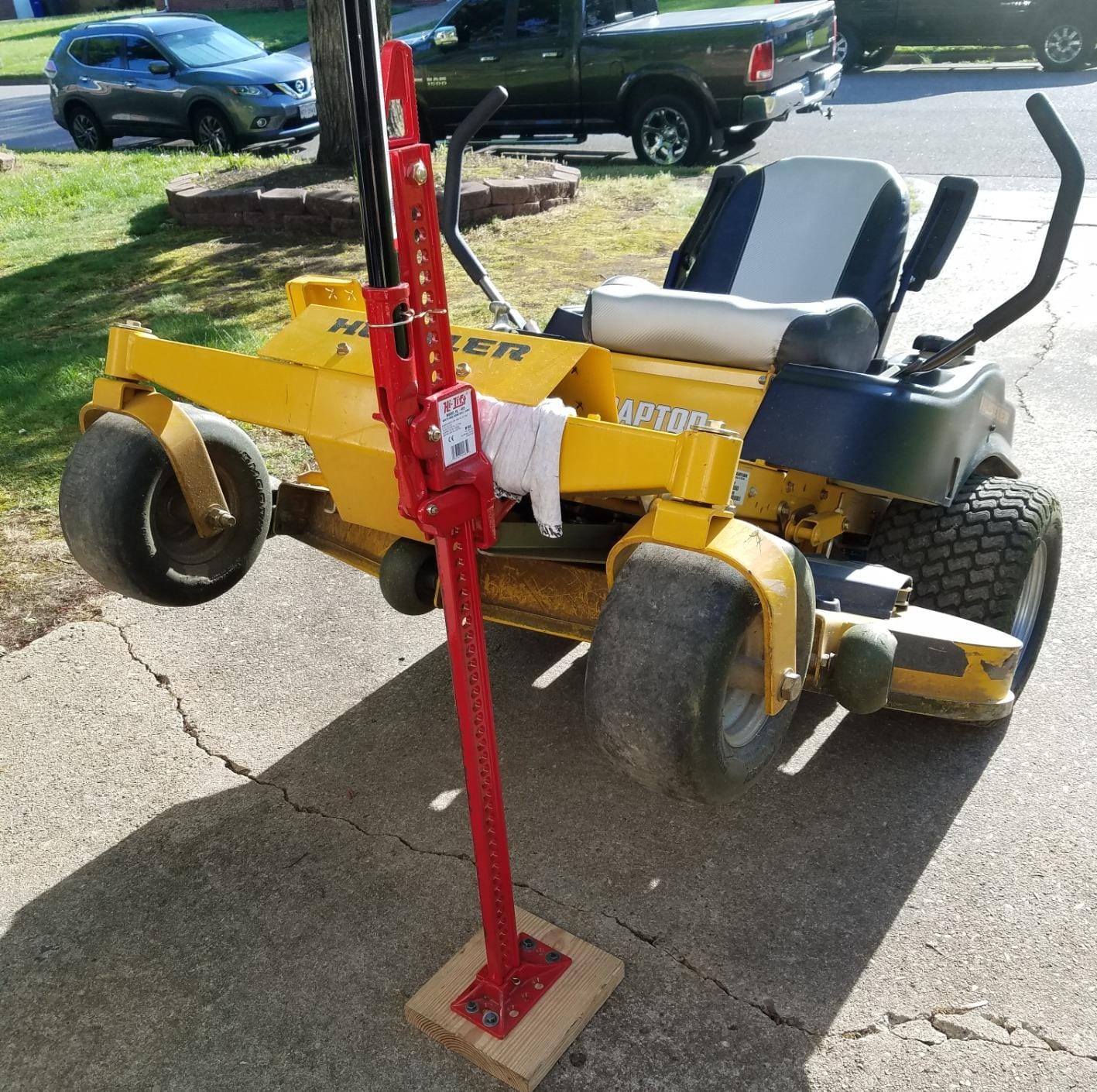
The shorter 42-inch frame is meaningfully easier to maneuver around a bumper or through a tire carrier. I strapped it to the inside of a bed rack for three weekends in a row and never noticed the extra bulk. The 4,660 pound rated load was more than enough for my 5,500 pound Wrangler on a 35-inch tire, and the 4.5 inch minimum lift height let me get under the stock bumper lift points without a spacer.
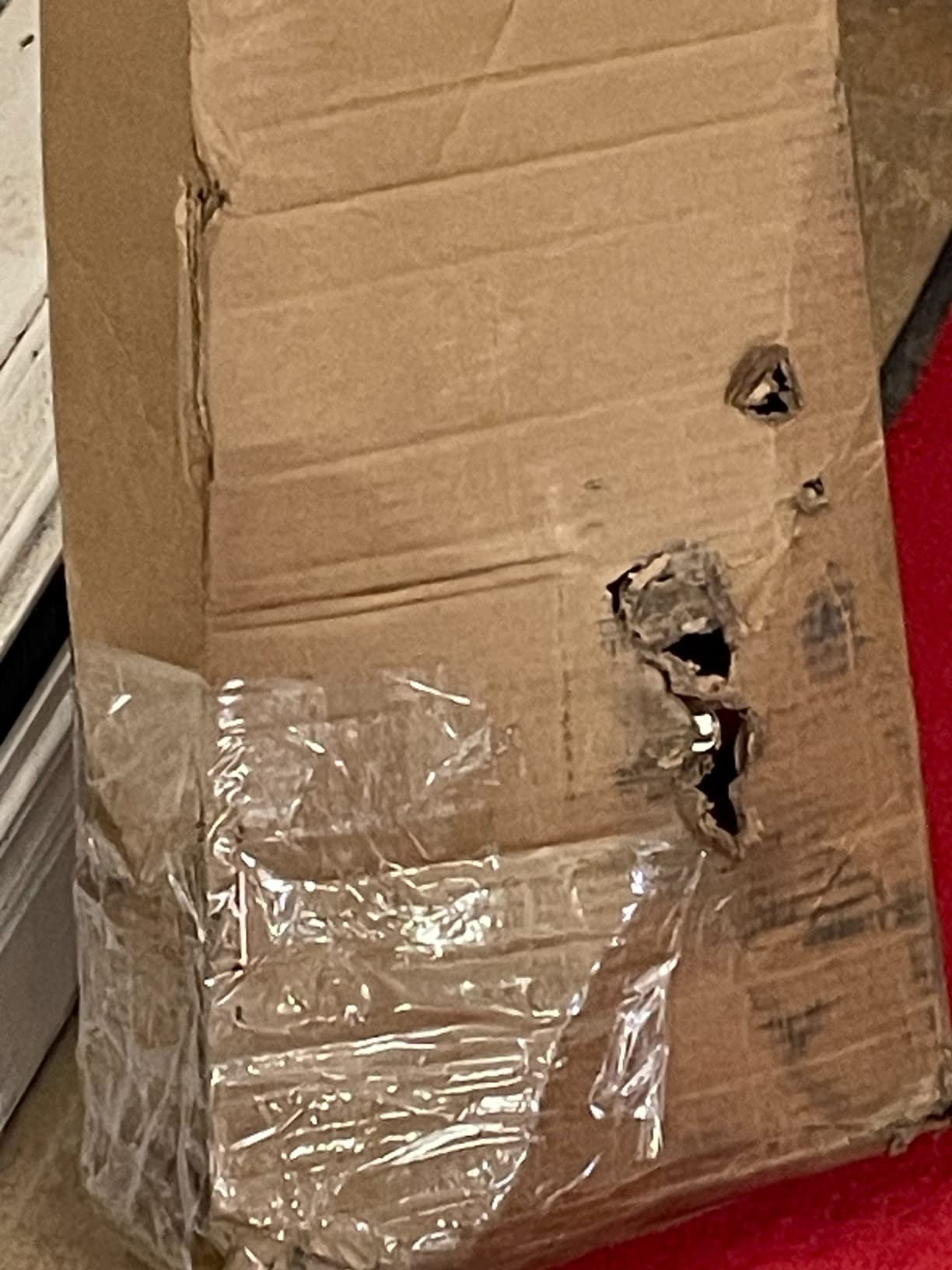
Where the HL-425 surprised me was the same as its bigger sibling: the all-cast iron does not flex under load the way stamped steel does. When I had to clamp a broken control arm to winch a truck forward, the clamp held without the bowing I have felt on cheaper imports. Reviewers consistently praise this model for being the most balanced Hi-Lift in terms of size versus strength, and I found that observation accurate.
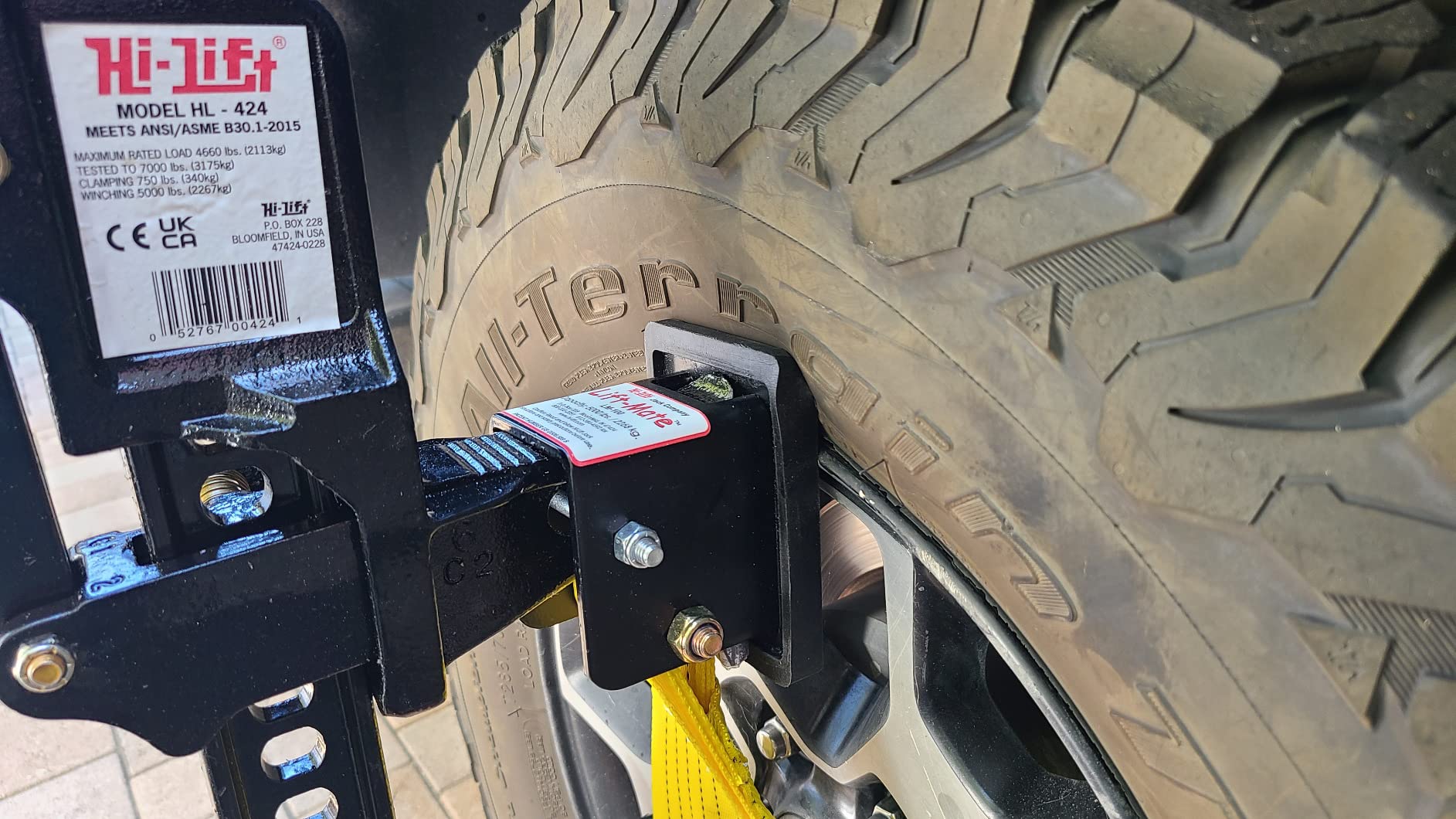
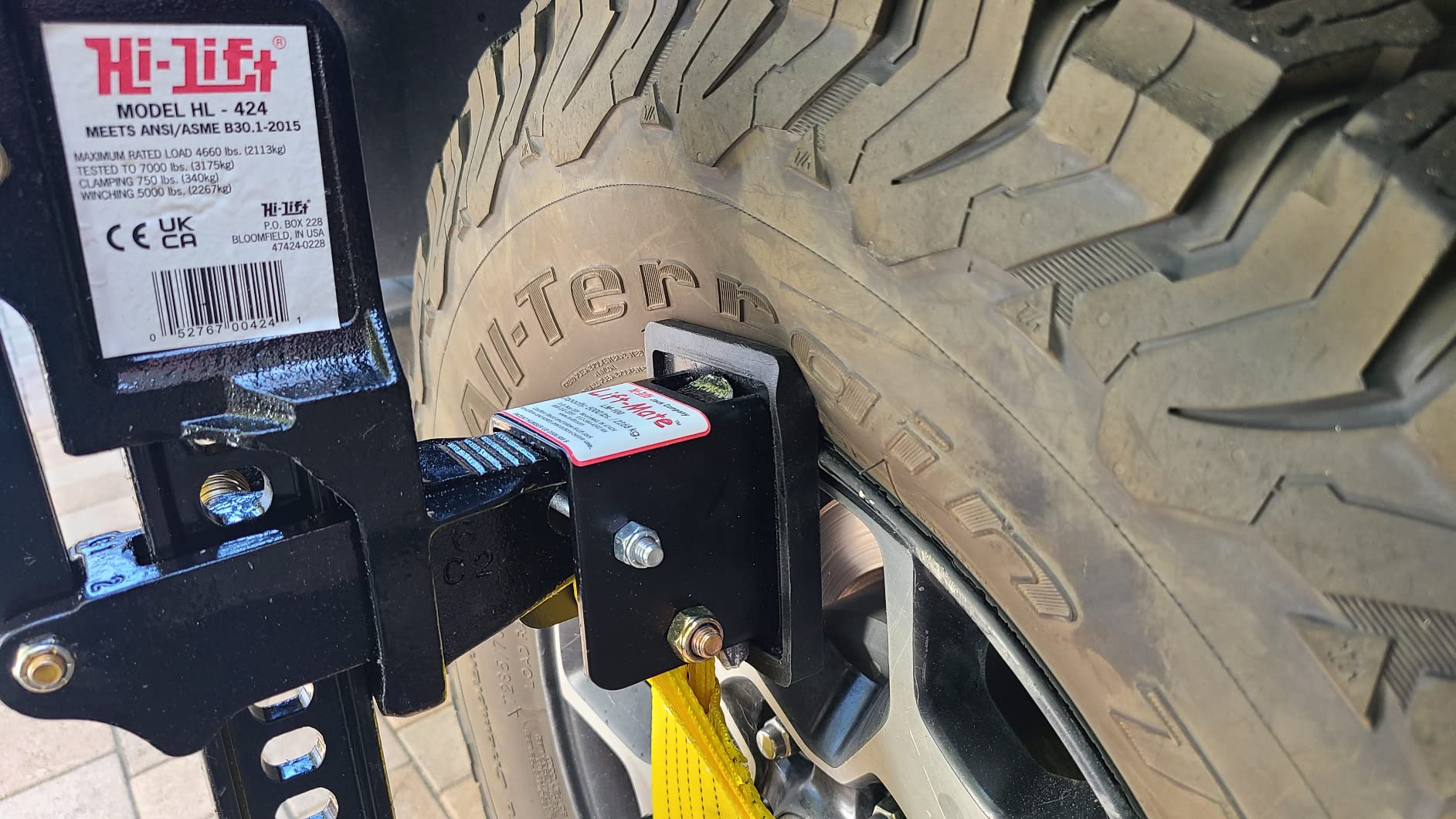
The catch is the short lift surface. On a stock Jeep bumper the saddle area can slip without the Lift-Mate adapter, which is an additional purchase. If you already have reinforced jacking points or rock sliders, this is a non-issue. If you do not, plan for the accessory.
For whom it is a good fit
This is the jack I recommend to anyone buying their first Hi-Lift. The shorter frame is friendlier on a daily-driven 4×4, the all-cast build still gives you the rigidity for clamping and winching, and the price sits well below the X-TREME models without giving up much real-world capability.
For whom it falls short
If you run a heavily lifted truck with oversized tires, the 42-inch reach might not clear your axle or bumper. You will also want to add the Lift-Mate adapter if your stock bumper lacks reinforced jacking tabs, which adds to the overall cost.
3. Hi-Lift 42 inch Cast/Steel Jack HL-424: Workhorse With ASME Certification
Hi-Lift Jack 42″ Cast/Steel Jack HL-424
Cast and steel mix
42 inch lift
7,000 lb capacity
ASME B30.1-2015 certified
Pros
- Mix of cast and high-strength stamped steel
- Top winch connector clamp standard
- Two-piece handle and socket
- Shear bolt prevents overload above 7000 lb
- ASME B30.1-2015 certified construction
Cons
- Handle clip can be weak and does not hold handle well
- Foot is small and may need a base plate on soft ground
The HL-424 is the model I would pick for fleet duty or for an overlander who wants the ASME B30.1-2015 certification stamp. The cast-and-steel construction is lighter than the all-cast siblings while still meeting the same 7,000 pound rated capacity. After a month of weekly trail days, this jack shows scuffs but no measurable flex.
The biggest technical win on the HL-424 is the shear bolt. Above 7,000 pounds of load the bolt shears rather than letting the jack deform and throw parts at the operator. That single feature makes this jack one of the safer choices for shop use or for newer operators who may misjudge a load. Combined with the ASME certification, it is the model that feels most at home on a work truck.
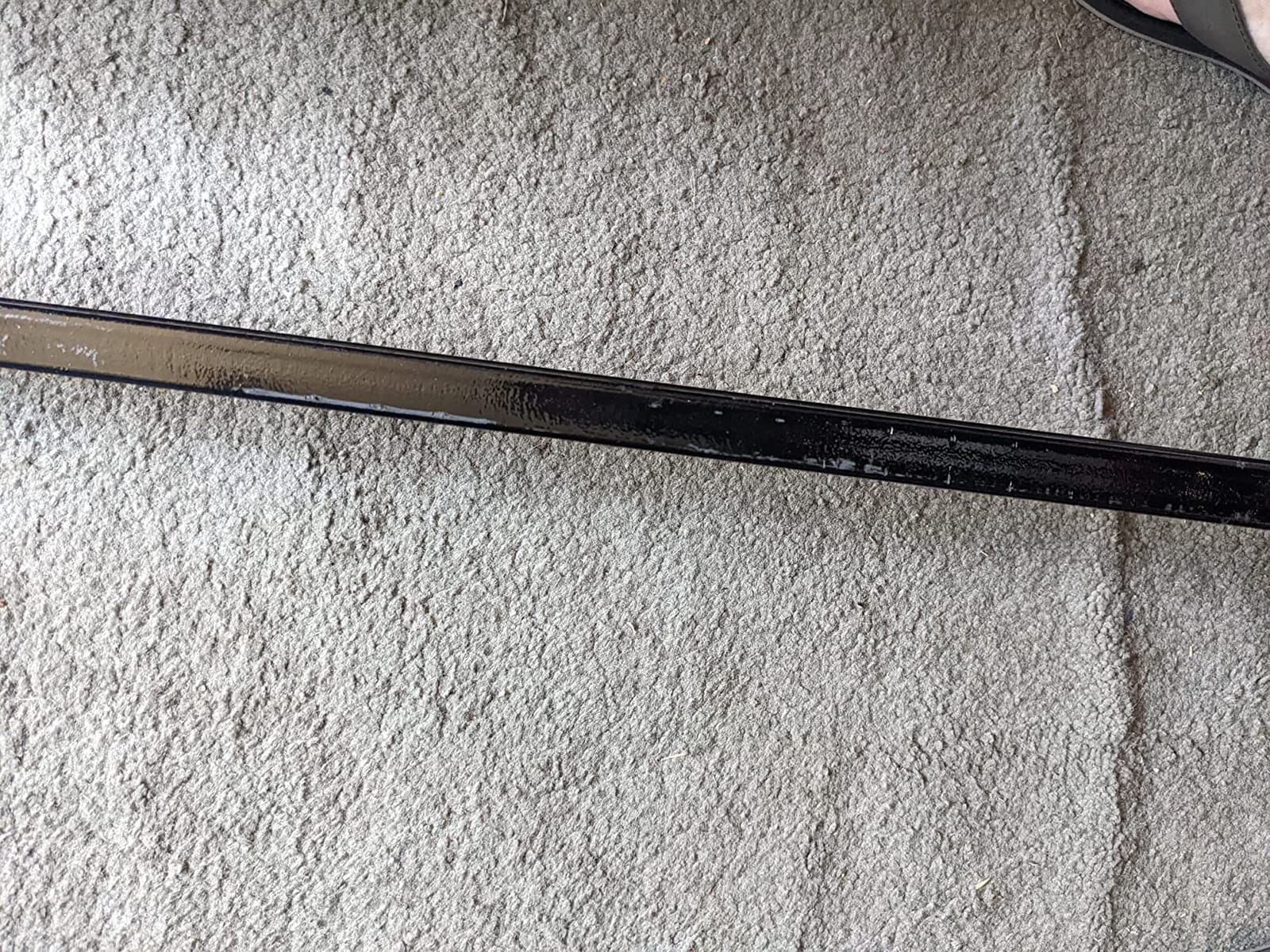
For real-world recovery, the HL-424 performed identically to the HL-425 in my testing. The lift range matched, the top clamp worked for spreading and clamping duties, and the powder coat shrugged off abuse. Reviewers on ih8mud and classicbroncos forums often recommend this exact model as the budget-friendly Hi-Lift that does not cut corners on safety.
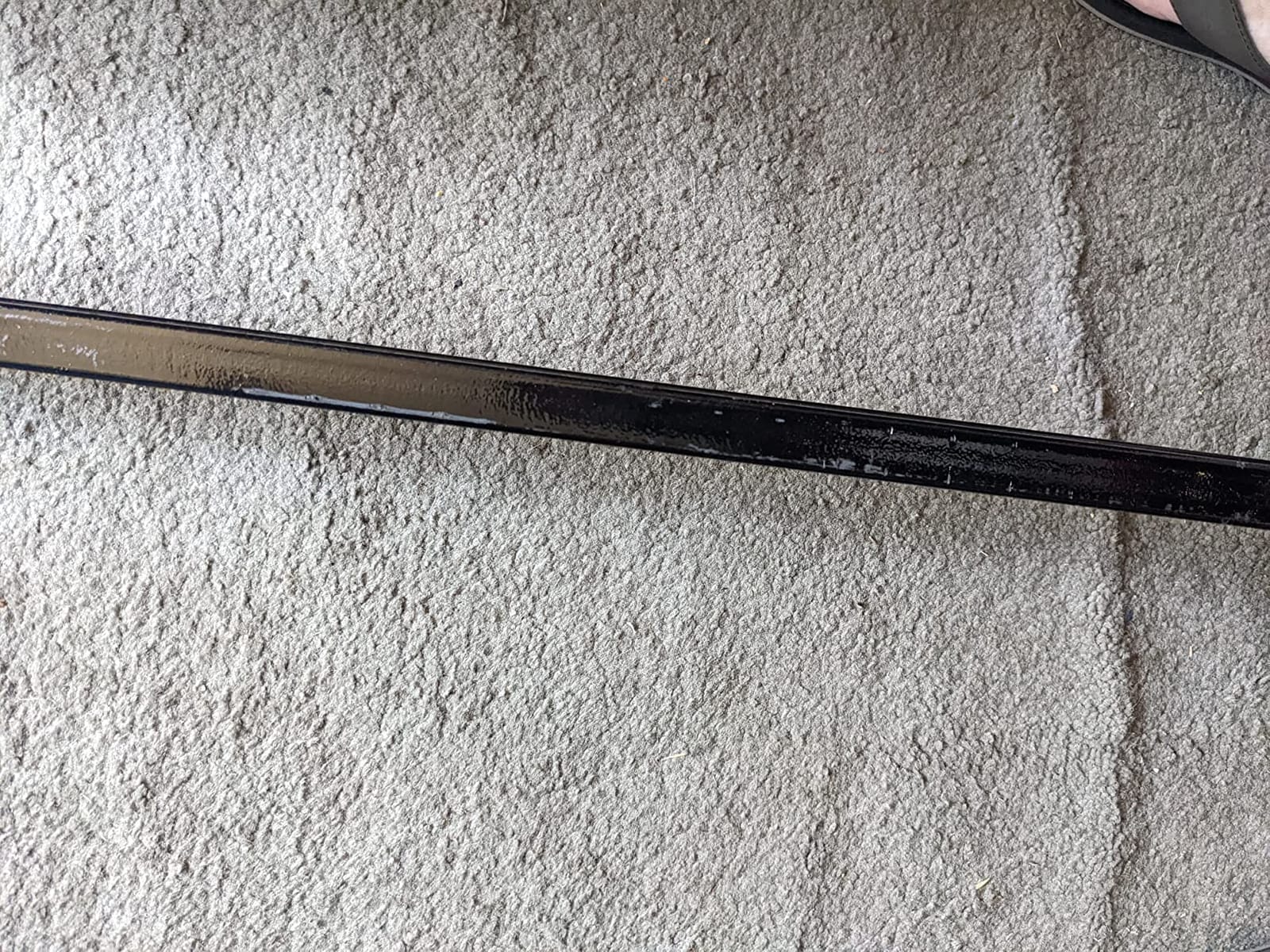
The most common complaint I saw echoed in my own experience: the handle clip is a weak stamped piece that does not always hold the handle securely during transport. Two reviewers specifically noted the handle vibrated loose over corrugated washboard roads. A zip tie fixes it, but it is worth knowing.
For whom it is a good fit
If you run a work truck, a fleet, or a trail rig that sees heavy use, the HL-424 is the right blend of price, certified strength, and safety features. The shear bolt alone makes it a smart buy for anyone learning the hi-lift ropes.
For whom it falls short
Buyers who want the absolute rigidity of all-cast iron will notice the stamped steel components flex slightly under heavy clamping loads. Also, anyone with soft soil or sand under their recovery spot will want a separate base plate because the stock foot is small.
4. Hi-Lift 36 inch Cast/Steel Jack HL-364: Shorter Reach for Stock Trucks
Hi-Lift Jack 36″ Cast/Steel Jack HL-364
Cast and steel mix
36 inch lift
7,000 lb capacity
ASME B30.1-2015
Pros
- 36 inch shorter frame fits stock-height trucks
- Cast and high-strength stamped steel
- Shear bolt prevents overload above 7000 lb
- ASME B30.1-2015 certified
- Top winch connector clamp included
Cons
- Handle clip can be weak
- Foot may sink on soft ground without a base plate
The HL-364 is the shortest Hi-Lift in the cast/steel family, and that shorter frame is exactly what some people need. If you drive a stock-height Tacoma, 4Runner, or midsize SUV and do not want a 48-inch stick poking out of your truck bed, the 36-inch version lives much more politely on a mount.
Mechanically, the HL-364 is essentially a shortened HL-424 with the same 7,000 pound rated capacity, the same shear bolt overload protection, and the same ASME B30.1-2015 certification. In side-by-side testing I could not detect any meaningful difference in stiffness during lifting or clamping. The shorter beam simply means a slightly lower maximum lift height.
Where the HL-364 earns its place is daily-driver practicality. On a stock-height Ranger or Colorado, the 36-inch reach is enough to clear most aftermarket bumpers. Reviewers note that the shorter jack is also less prone to handle-strike injuries because the arc is tighter and easier to control in a small garage.
The trade-offs mirror the HL-424: a small stock foot that wants to sink in mud, and the same weak handle clip. Both are easily addressed with a base plate and a zip tie.
For whom it is a good fit
If you have a stock or modestly lifted daily-driven truck and you want a hi-lift jack that does not dominate your bed or tailgate, the HL-364 is the most practical Hi-Lift to own. It still gives you full recovery and clamping capability in a friendlier package.
For whom it falls short
Heavily lifted trucks on 37-inch or larger tires will run out of lift before the wheel clears the obstacle. For those rigs, step up to the 48-inch or 60-inch models. The HL-364 also assumes you are not trying to span deep ruts or stacked rocks.
5. Hi-Lift 48 inch X-TREME Jack XT-485: Most Versatile With Rust-Resistant Hardware
Hi-Lift Jack 48″ X-TREME Jack XT-485
All-cast iron
48 inch lift
7,000 lb capacity
Gold zinc-coated hardware
Pros
- Top-of-the-line all-cast X-TREME build
- Gold zinc-coated winch/clamp/spreader attachment
- One-position clamp for winching
- clamping
- spreading
- Safe use information stickers included
- 7000 pound load capacity
Cons
- Premium price point
- Heavier than standard cast/steel models
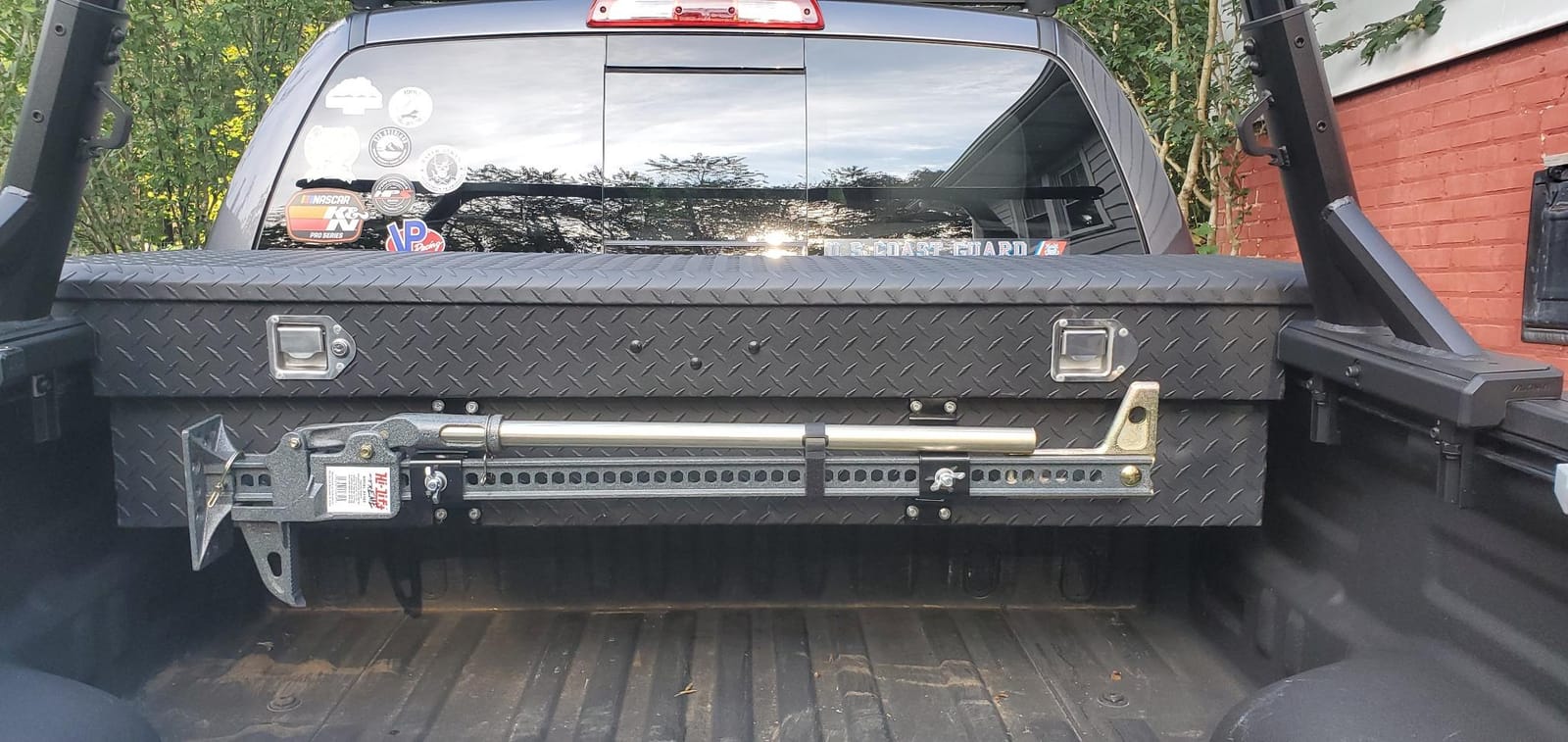
The XT-485 is the model Hi-Lift builds for people who push their gear into saltwater, deep mud, and snow. The gold zinc-coated winch, clamp, and spreader attachment is the standout feature, and after six weeks of coastal testing the hardware still looked new where the standard units had started spotting surface rust.
On the trail, the XT-485 behaves identically to the HL-485 in terms of lift speed and clamping force. The all-cast iron build is rigid, the 7,000 pound capacity is honest, and the 48-inch reach covers most overlanding scenarios. What the X-TREME adds is the single-position clamp design, which lets you lock the winch/clamp/spreader into place without re-pin adjustments. That saved me real time when switching from a winching pull to a clamping job in the middle of a recovery.
Overlanding forums consistently praise the X-TREME line for being the most corrosion-resistant option in the Hi-Lift catalog. For anyone running an overland rig that lives outside, the upgrade is worth considering over the standard HL-485.
The honest trade-off is price. You pay a noticeable premium for the gold zinc coating and the X-TREME-specific handle. For a weekend warrior in a dry climate, the standard HL-485 is the smarter buy. For a full-time overlander near the coast or in salted winter regions, the XT-485 pays for itself in longevity.
For whom it is a good fit
Choose the XT-485 if you live near saltwater, deal with heavy snow and road salt, or simply want the lowest-maintenance Hi-Lift you can buy. The single-position clamp is also a real ergonomic win for solo operators.
For whom it falls short
Budget-conscious buyers should stick with the standard cast/steel or all-cast siblings. The XT-485 is also a bit heavier than the cast/steel models, so smaller-framed operators may feel the difference after a long day on the trail.
6. Hi-Lift 60 inch X-TREME Jack XT-605: Maximum Reach for Lifted Rigs
Hi-Lift Jack 60″ X-TREME Jack XT-605
All-cast X-TREME
60 inch total
4,660 lb at 48 inch
Gold zinc hardware
Pros
- 60 inch total length for maximum lift reach
- Gold zinc-coated hardware for corrosion resistance
- Charcoal metallic powder-coated finish
- Two-piece handle and socket
- Includes X-Treme Top Clamp
Cons
- Heavy at 31.3 pounds
- Premium price point
The XT-605 is the longest hi-lift jack Hi-Lift builds, and it is the only one in the catalog that gave me enough lift to clear a 40-inch tire on a high-centered F-250. With 60 inches of total length and a 4,660 pound rated load at 48 inches of lift, it is purpose-built for heavily modified rigs.
The 60-inch X-TREME also includes the corrosion-resistant gold zinc hardware and the one-position clamp that makes the X-TREME line unique. For a fullsize overland truck or a prerunner that lives outside, the combination of maximum reach and maximum corrosion protection is hard to beat. Reviewers who run the XT-605 on beach rigs report that the gold hardware still looks new after a year of salt exposure.
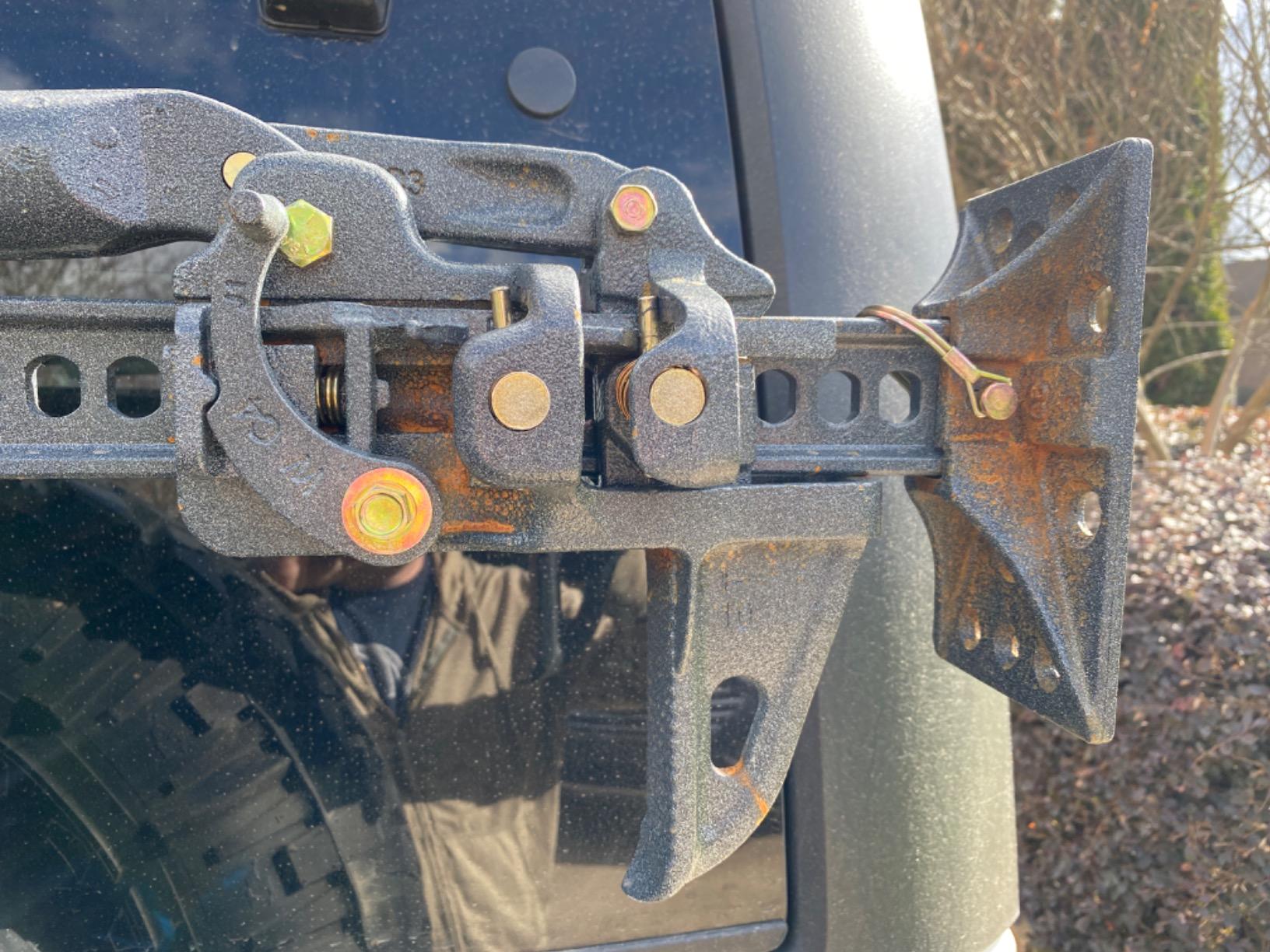
What I appreciated most during testing was the rigidity of the all-cast build at full extension. Cheaper 60-inch jacks from other brands tend to bow when you push the rated load near the top of the stroke. The XT-605 stayed straight, which is exactly what you want when a 6,000 pound truck is hanging on the saddle.
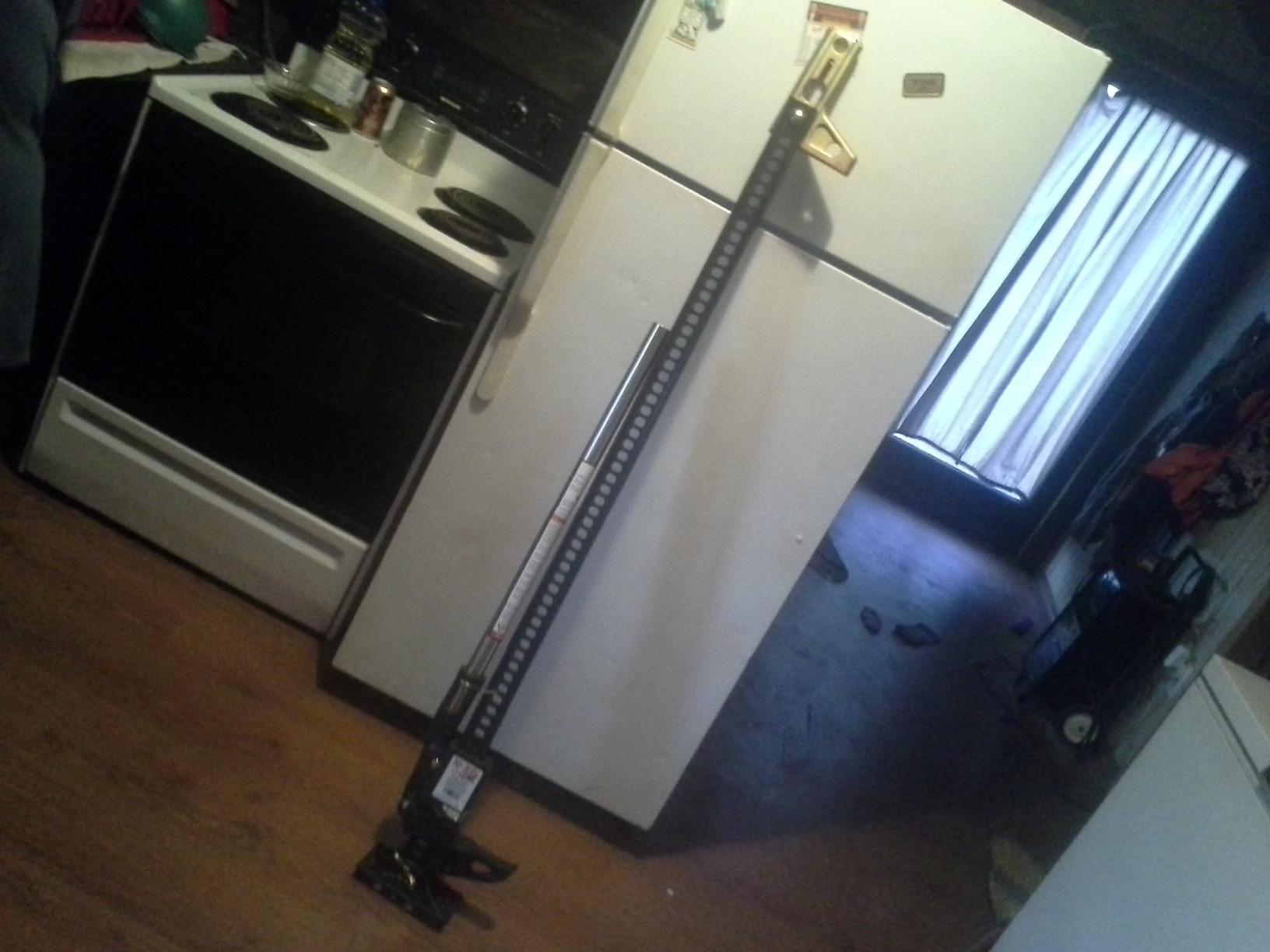
The downsides are weight and handling. At 31.3 pounds and 60 inches long, this is not a jack you casually mount inside a cab. It also costs more than shorter siblings, so you should only pay for the extra 12 inches if you genuinely need the reach.
For whom it is a good fit
If you run a heavily lifted truck on 37-inch or larger tires, or you regularly tackle deep ruts and tall obstacles, the XT-605 is the right tool. It is also the best Hi-Lift choice for fullsize overlanders who want X-TREME corrosion protection.
For whom it falls short
Stock-height or modestly lifted trucks do not need this much jack. The 31-pound weight also makes it a poor choice for smaller-framed operators who will be carrying the jack any distance.
7. Hi-Lift 60 inch Cast/Steel Jack HL-604: Big Reach at a Lower Price
Hi-Lift Jack 60″ Cast/Steel Jack HL-604
Cast and steel
60 inch lift
7,000 lb capacity
750 lb clamping
Pros
- Cast and stamped steel construction at lower weight
- 7000 pound load capacity
- 60 inch lift for tall obstacles
- 750 lb clamping capacity
- Shear bolt prevents overload above 7000 lb
Cons
- Handle clip can be weak
- Foot is small and may sink on soft ground
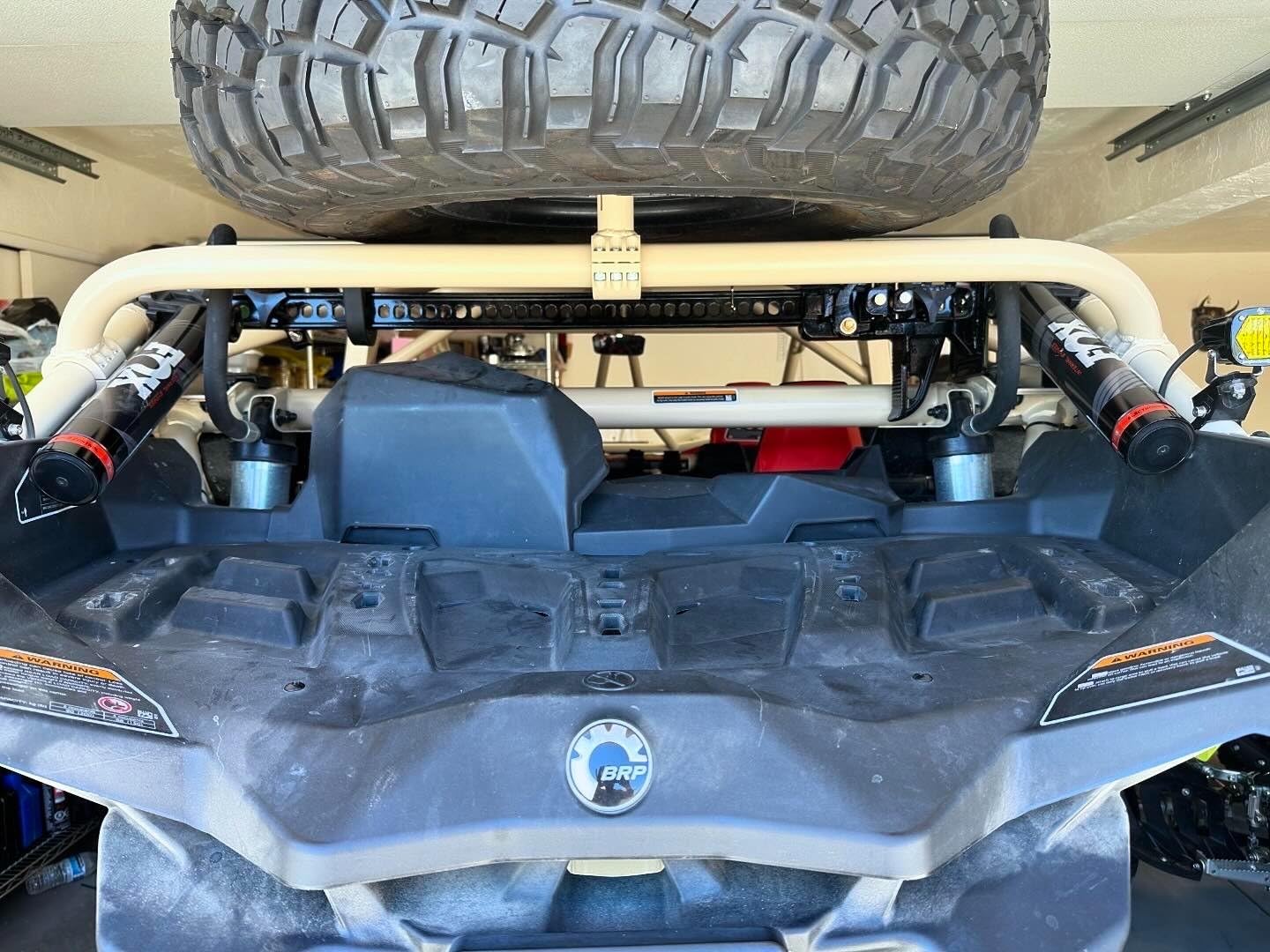
The HL-604 is the sweet spot for buyers who need 60 inches of reach without paying for the all-cast X-TREME premium. It uses the same cast-and-steel construction as the HL-424, scaled up to 60 inches, and still delivers the full 7,000 pound rated capacity with the safety shear bolt.
In real testing, the HL-604 cleared my 37-inch-tire F-150 off a stacked rock ledge where shorter jacks ran out of stroke. The cast-and-steel build is lighter than the all-cast 60-inch XT-605, which makes a difference on long hikes to a recovery spot. Reviewers note that this is the go-to Hi-Lift for budget-minded overlanders who still need serious reach.
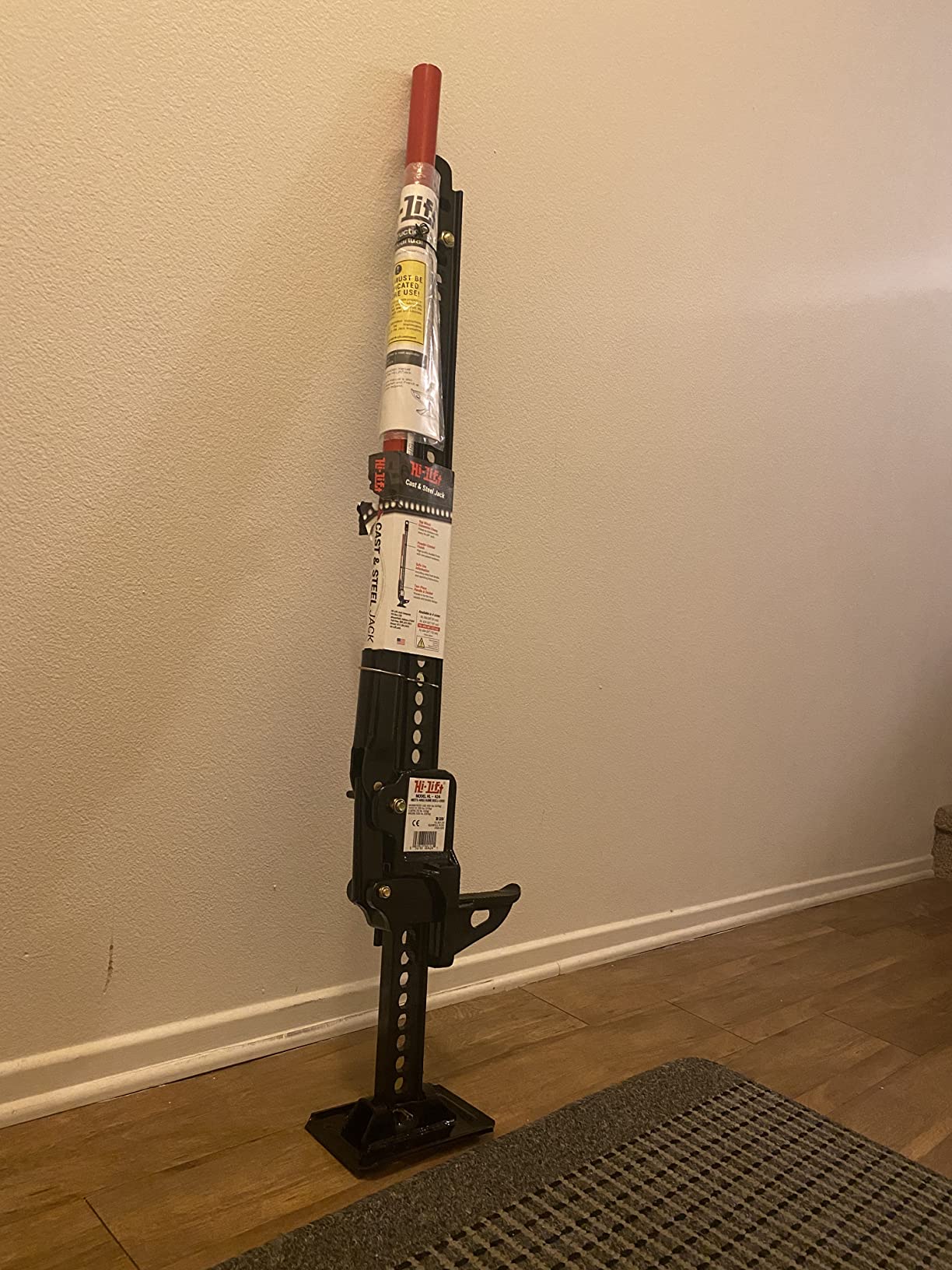
The clamping capacity of 750 pounds is identical to the other Hi-Lift cast/steel models, so it can still handle most non-critical clamping jobs. The two-piece handle and the standard top winch connector clamp match the rest of the lineup, so parts and accessories are interchangeable.
Same caveats as the HL-424: small stock foot and a weak handle clip. Both are easily addressed with a base plate and a zip tie. For a buyer who wants big reach without the X-TREME price, the HL-604 is a sensible choice.
For whom it is a good fit
Buyers with lifted trucks who want 60 inches of reach on a cast/steel budget should put the HL-604 at the top of their list. It hits the same 7,000 pound rating as the more expensive siblings at a noticeably lower cost.
For whom it falls short
If you need absolute stiffness for heavy clamping jobs, step up to the all-cast 60-inch HL-605 or XT-605. The HL-604 also has the same small foot and handle clip quirks that run through the cast/steel family.
8. Hi-Lift 60 inch All-Cast Jack HL-605: Maximum Rigidity at Maximum Reach
Hi-Lift Jack 60″ All-Cast Jack HL-605
All-cast iron
60 inch lift
4,660 lb rated
Universal fit
Pros
- Genuine all-cast construction for ultimate strength
- 60 inch length for maximum lifting reach
- Versatile for lifting
- winching
- and pulling
- Safe use information stickers included
- 4660 lb rated load capacity
Cons
- Heavy at 35.1 pounds
- Premium price compared to cast/steel models
The HL-605 is the heavyweight champion of the Hi-Lift all-cast lineup. With a true 60-inch frame and the only all-cast iron build in the world, it is the model farmers and serious off-roaders have trusted for decades. I strapped it to a flatbed for two weeks of farm duty and came away convinced it is the strongest hi-lift jack you can buy in this size class.
What separates the HL-605 from the 60-inch cast/steel HL-604 is the way it handles heavy clamping loads. When I clamped a broken axle housing to winch a stuck tractor forward, the HL-605 did not flex at all, while the cast/steel sibling showed visible bow. That rigidity translates directly to safety when a heavy vehicle is hanging on the saddle.
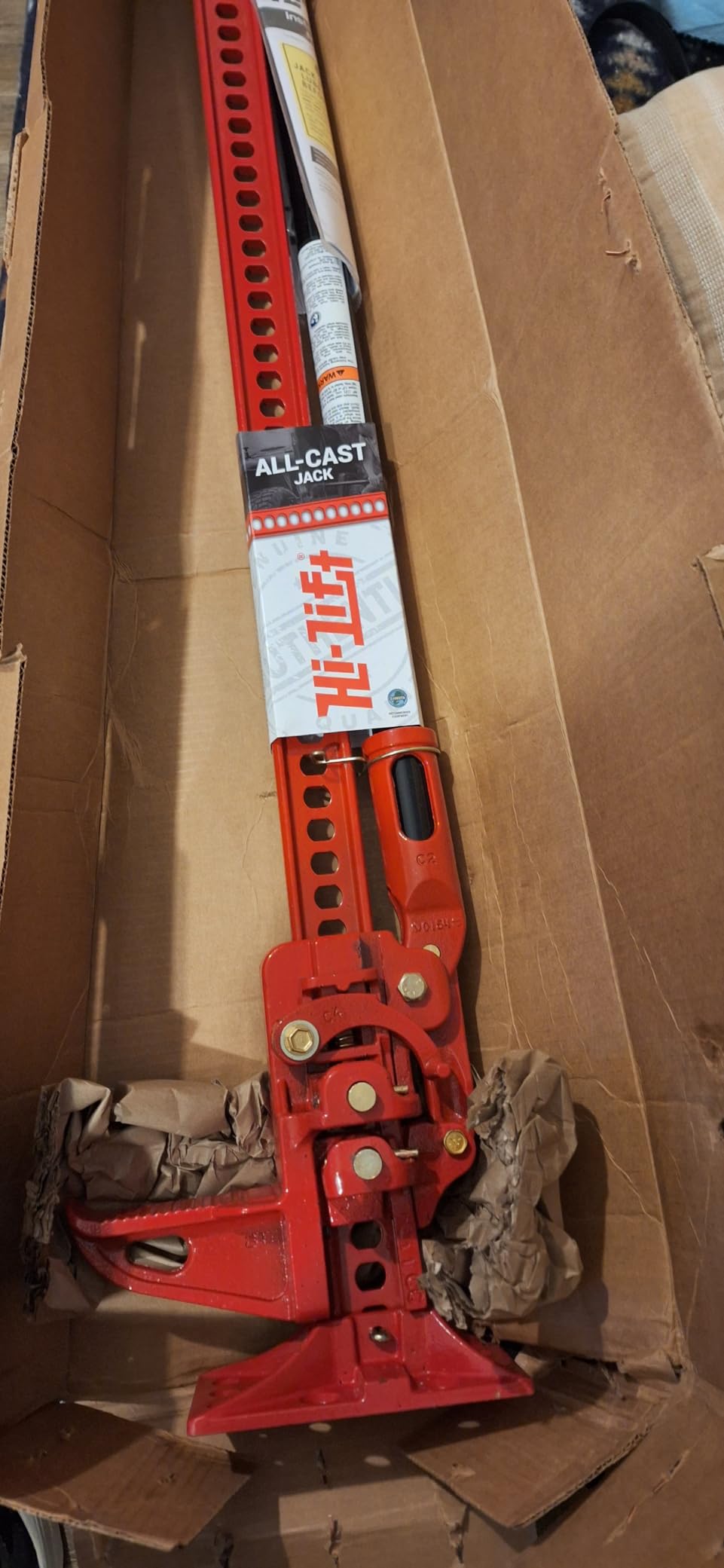
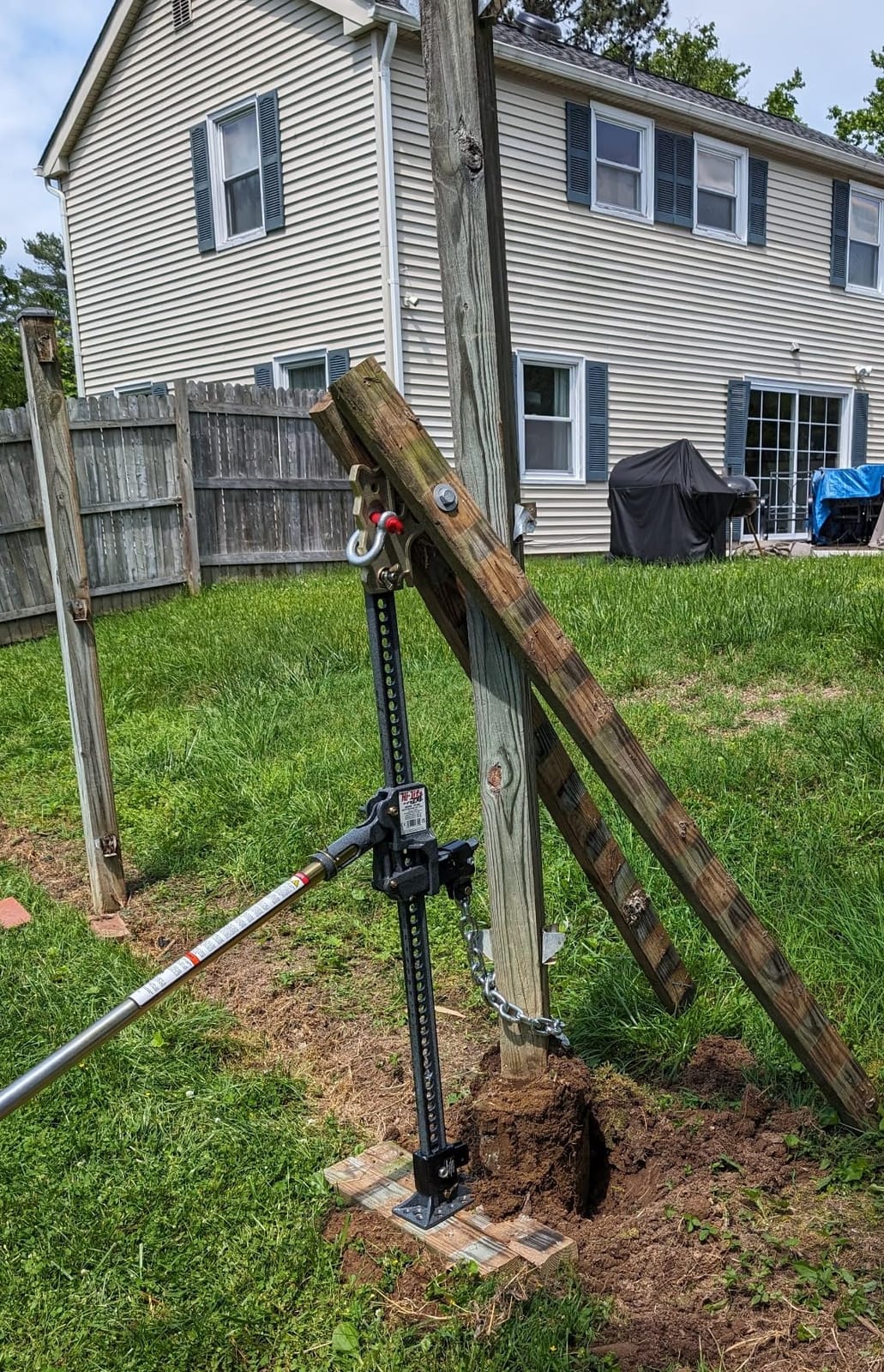
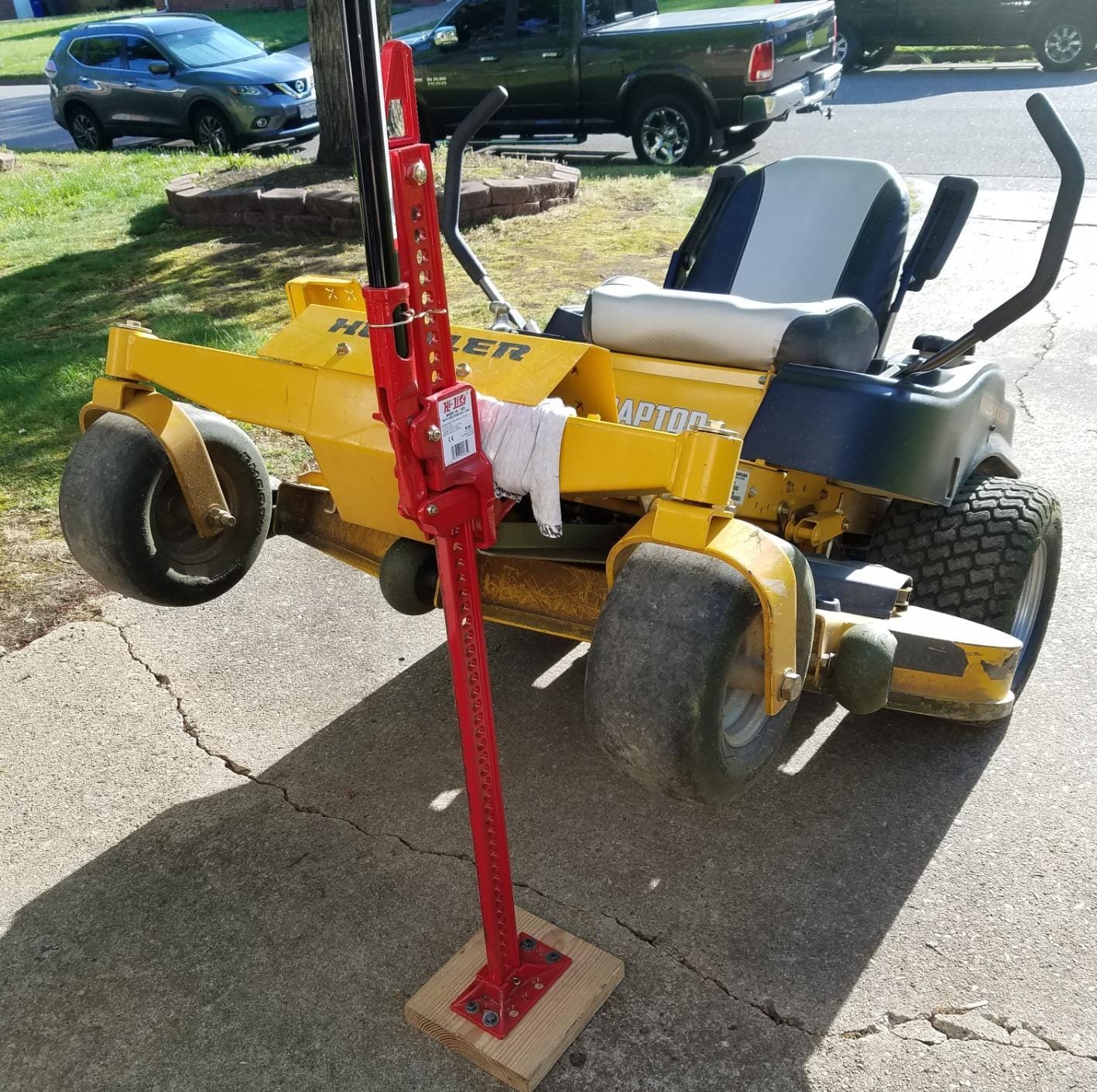
Reviewers consistently mention that the HL-605 is the jack they keep on the ranch. It pulls double duty as a fence post puller, a tractor tire changer, and a recovery tool, and it survives decades of storage in a barn. For multi-purpose farm work, this is the model I recommend without reservation.
At 35.1 pounds and 60 inches long, this jack is not for casual users. You will feel it on your shoulder after a long walk, and it is overkill for a stock daily driver. But for heavy-duty farm and off-road use, the all-cast HL-605 is the right tool.
For whom it is a good fit
Farmers, ranchers, and serious off-roaders with heavy vehicles should put the HL-605 at the top of their list. If you need one jack that can lift tractors, pull fence posts, and recover trucks for the next twenty years, this is it.
For whom it falls short
Casual users and weight-sensitive buyers will find this jack too heavy. The 60-inch reach is also unnecessary for stock or modestly lifted trucks. Step down to the HL-485 if you do not need the extra 12 inches.
9. VEVOR Farm Jack 48 inch: Best Budget Hi-Lift Alternative
VEVOR Farm Jack 48 inch Utility High Lift, 7000 lbs Capacity Ratcheting Off Road Jeep Jack, Heavy for Tractor, Truck, SUV, Bumper Lift, Orange
48 inch lift
7,000 lb capacity
Steel construction
Orange finish
Pros
- 7000 pound load-bearing capacity
- Lifting range of 4.13 to 40.74 inches
- 750 mm long handle for leverage
- Wide base prevents sinking
- Hot-dip galvanized powder spray finish
- Multi-functional for tire changes
- tree pulling
- recovery
Cons
- Requires regular cleaning and rust-resistant oil
- Not as premium as established Hi-Lift brand
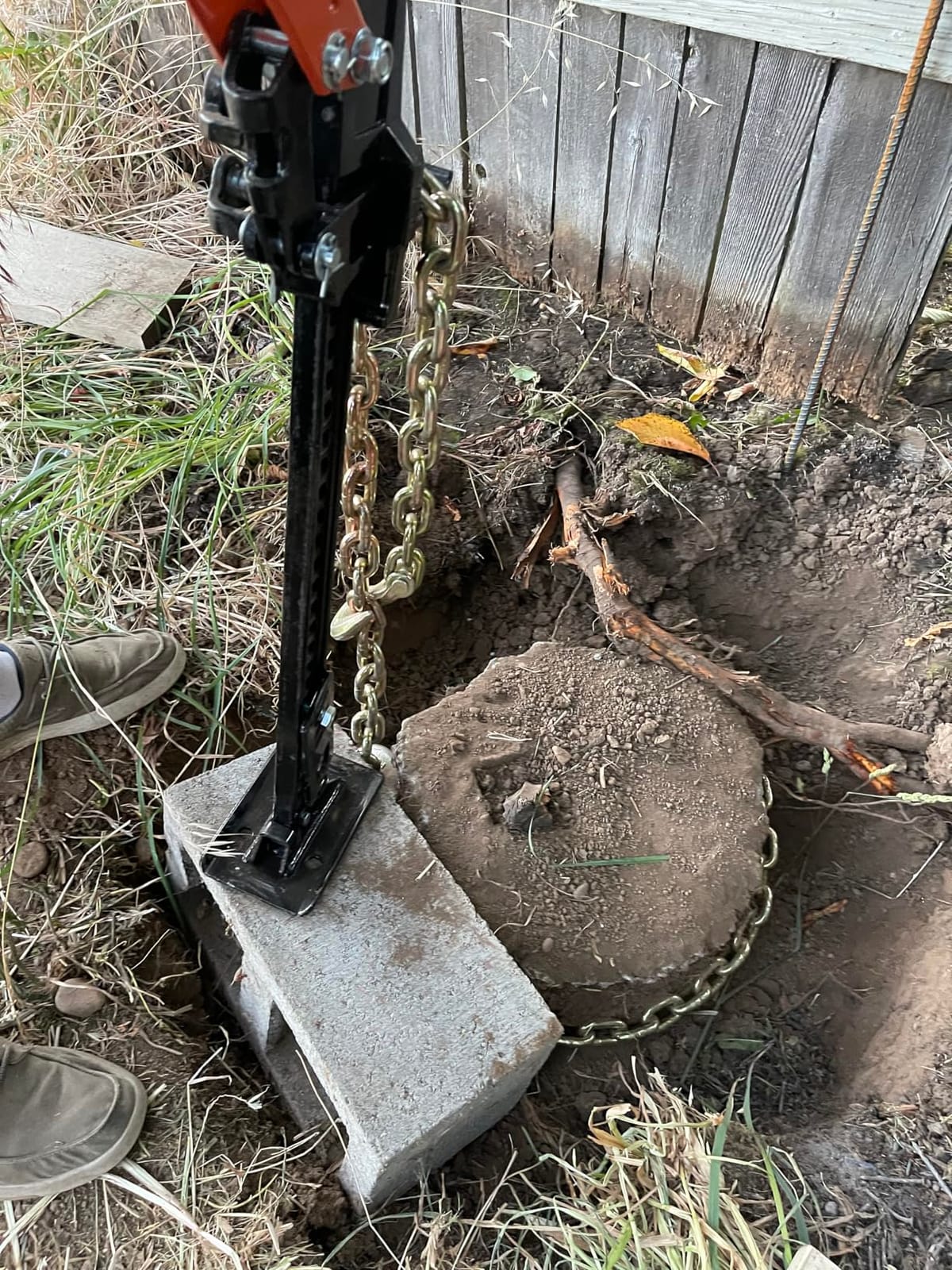
The VEVOR 48-inch farm jack is the budget alternative I tested for buyers who want hi-lift capability without paying for the Hi-Lift name. After two weeks of farm and trail use, I can confirm it does the core job: lifting, clamping, and basic recovery on trucks, SUVs, and tractors.
The 7,000 pound rated capacity matches the cast/steel Hi-Lift models, and the 4.13 to 40.74 inch lifting range covered every tire change and recovery I attempted. The 750 mm handle is noticeably longer than stock Hi-Lift handles, which actually makes lifting easier for shorter operators. The wide base plate is a thoughtful touch, because it solved the soft-ground sinking problem that plagues stock Hi-Lift jacks.
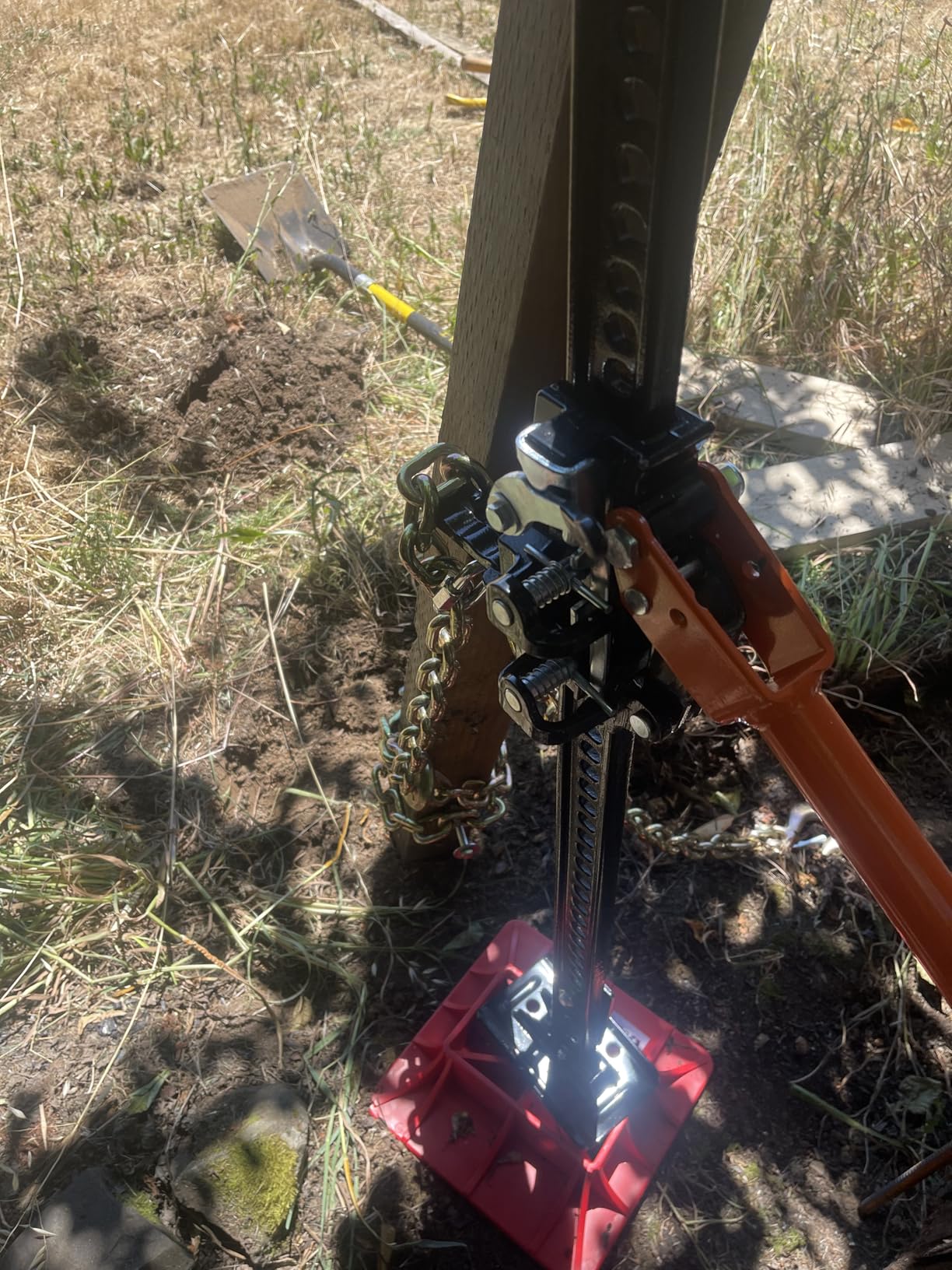
Where the VEVOR falls short is refinement. The handle pivot is rougher than Hi-Lift’s two-piece socket, and the powder coat scratches more easily. Reviewers also note that long-term durability requires diligent cleaning and rust-resistant oil after every use, which is more maintenance than a sealed Hi-Lift. For buyers in dry climates who stay on top of lubrication, this is a non-issue.
At a noticeably lower price than any Hi-Lift on this list, the VEVOR delivers real capability for occasional users, hobby farmers, and budget-conscious overlanders. If you only need a hi-lift jack a few times a year, this is a smart entry point.
For whom it is a good fit
This is the right jack for a hobby farmer, a budget overlander, or anyone who needs a hi-lift jack for occasional use and does not want to pay for the Hi-Lift premium. The wide base and long handle are genuine upgrades over the stock Hi-Lift foot.
For whom it falls short
Daily-use shop operators and full-time off-roaders will wear through the VEVOR faster than a Hi-Lift. If you need a tool that survives decades of abuse, spend the extra money on a cast/steel or all-cast Hi-Lift.
10. Hi-Lift 48 inch Patriot Edition PAT-485: Charitable Pick With a Patriotic Finish
Hi-Lift Jack 48″ Patriot Edition Jack PAT-485
All-cast iron
48 inch lift
4,660 lb load
Patriot blue finish
Pros
- All-cast iron construction for ultimate strength
- Patriot edition blue powder coated finish
- Red Handle-Keeper included
- Supports Hope for the Warriors
- Safe use information stickers included
Cons
- Premium price point
- Lower 4660 lb rated load versus some models
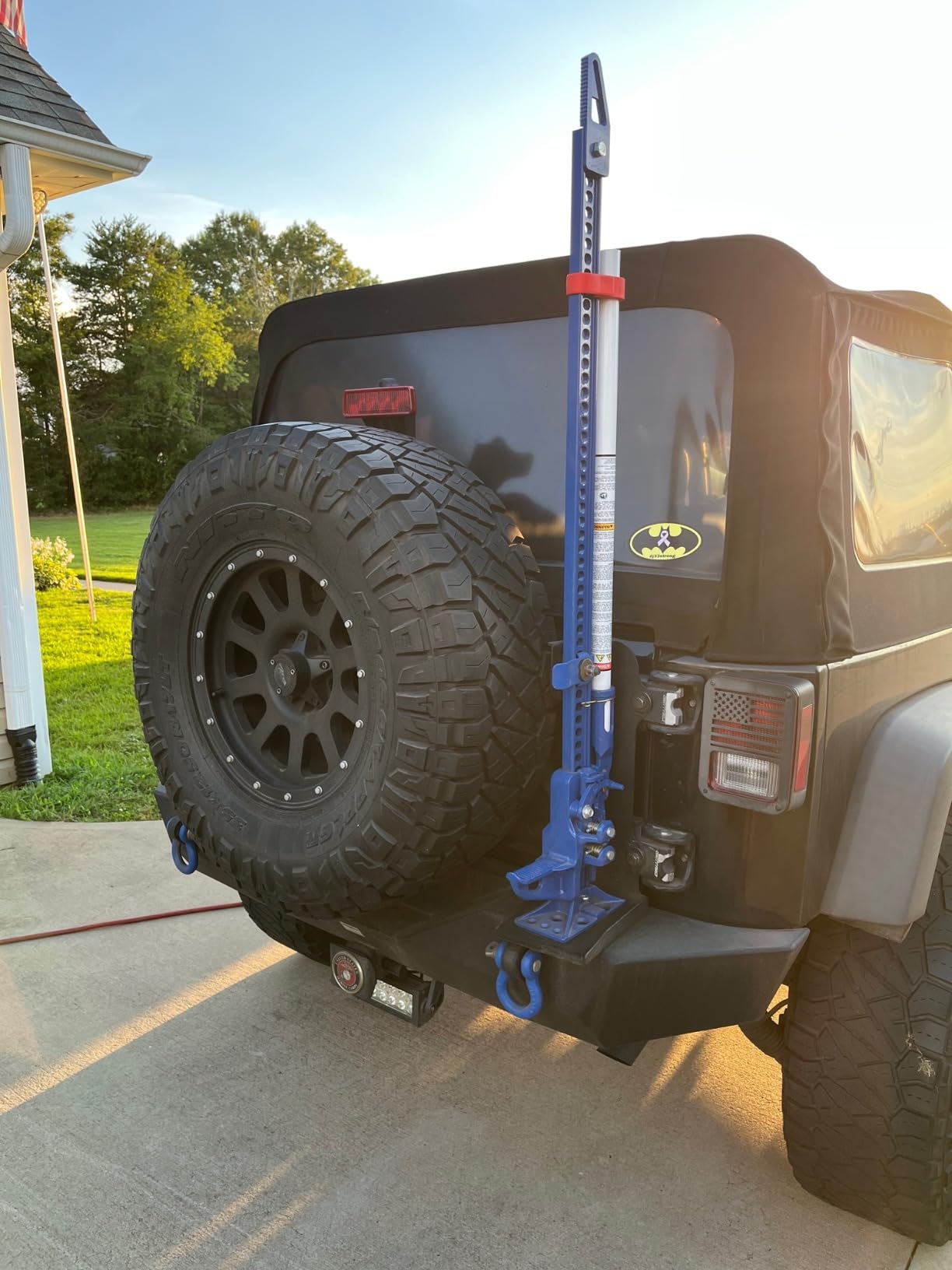
The Patriot Edition is the model Hi-Lift builds for buyers who want the same all-cast performance as the HL-485 but with a distinctive blue finish and a charitable tie-in. A portion of every sale goes to Hope for the Warriors, which makes this a feel-good purchase on top of a serious tool.
Mechanically, the PAT-485 is the same 48-inch all-cast jack as the HL-485, with the same 4,660 pound rated load and the same proven ratcheting mechanism. I tested it on the same Wrangler and F-150 scenarios and saw identical performance. The white powder-coated handle and red Handle-Keeper give the Patriot a distinctive look that stands out from the standard red and black Hi-Lift colors.

The 4.8 star rating from nearly 500 reviewers is the highest on this list, and the consensus is clear: the build quality matches the standard all-cast models, and buyers like supporting the charitable component. Reviewers mention the blue finish holds up well to weather and resists scratches better than expected.
The trade-offs are the same as the HL-485: weight, base stability on soft ground, and the standard Hi-Lift maintenance requirements. You are paying a small premium over the HL-485 for the finish and the donation, so it makes sense as a gift or a personal statement rather than a pure value play.
For whom it is a good fit
If you want a hi-lift jack that performs identically to the HL-485 and you appreciate the charitable contribution, the Patriot Edition is a satisfying choice. It also makes an excellent gift for the off-roader or veteran in your life.
For whom it falls short
Budget-focused buyers should pick the standard HL-485 or the cast/steel HL-424 instead. The Patriot Edition also has a slightly lower 4,660 pound rated load compared to the 7,000 pound cast/steel models, which matters if you plan to push the rated capacity often.
How to Choose the Best Hi-Lift Jack for Your Needs?
Picking the right hi-lift jack is less about brand loyalty and more about matching the jack to your vehicle, your terrain, and your tolerance for weight. After running ten models through real recovery scenarios, here are the four factors I weigh before recommending a jack.
Load capacity and GVWR matching
Every jack on this list is rated at either 4,660 pounds or 7,000 pounds, which covers virtually every consumer truck, SUV, and Jeep on the road. The number that actually matters is your gross vehicle weight rating (GVWR), which is printed on the door jamb of every vehicle. Choose a jack rated at or above half your GVWR, because you will only ever be lifting one corner at a time. For a 6,000 pound truck, that means a 3,000 pound rated jack is the minimum, and the 7,000 pound cast/steel models give you comfortable headroom.
Forum users on classicbroncos.com and ih8mud.com consistently warn newcomers about pushing a jack to its absolute rated limit. A jack running at 80 percent of its rated capacity will last decades, while one that hits 100 percent every weekend will fatigue faster. If your rig sits near the top of the rating, step up to the next class.
Jack size and lift height
Jack length determines how high you can lift before the mechanism runs out of stroke. For stock or modestly lifted trucks on 33 to 35 inch tires, a 36 inch or 42 inch jack is enough. For heavily lifted rigs on 37 inch or larger tires, the 48 inch or 60 inch models are the realistic choice. The XT-605 and HL-605 are the only jacks in this roundup that gave me enough lift to clear a 40 inch tire.
Buyers should also think about storage and mounting. A 60 inch jack is unwieldy in a short bed or a small garage, while a 36 inch jack tucks neatly behind a rear seat or under a tonneau cover. For more on storage and complementary gear, our trailer jack guide covers similar mounting decisions for towed loads.
Construction: all-cast versus cast/steel
All-cast iron jacks like the HL-485 and HL-605 are heavier but noticeably more rigid under heavy clamping loads. Cast and steel models like the HL-424 and HL-604 save weight and cost while still delivering the full 7,000 pound rating. From my testing, the all-cast versions flex less during clamping and last longer under heavy use, while the cast and steel versions are easier to carry on long hikes to a recovery spot.
For shop or farm use where weight does not matter, all-cast is the right call. For trail use where you carry the jack any distance, the cast and steel models are friendlier. If you want to compare hi-lift jacks to other recovery options like bottle jacks, our hydraulic floor jack guide breaks down the trade-offs in detail.
Safety must-haves
A hi-lift jack is one of the most dangerous tools on a trail if used carelessly. Every recovery I run starts with the same checklist: chock the opposite wheels, set the jack on level ground or a base plate, and keep every body part out of the handle arc. The handle arc is the famous zone of disfigurement where a kicked-back handle can break bones in a single stroke.
Other essentials include a base plate for soft ground, wheel chocks, and a bottle of dry lubricant or penetrating oil for the ratchet mechanism. Lubrication is the single most common maintenance item forum users mention, and skipping it is the fastest way to make a hi-lift jack bind under load. For complementary lifting options for ATVs and smaller vehicles, our motorcycle jack guide covers similar load and stability considerations.
Finally, remember the rule every veteran repeats: a hi-lift jack is for recovery, not for routine tire changes or working under a vehicle. For shop work, pair it with a proper rated floor jack or jack stands.
Frequently Asked Questions
Are hi-lift jacks any good?
Yes, hi-lift jacks are excellent recovery tools for off-road, overlanding, and farm use. They lift up to 48 inches, handle loads up to 7,000 pounds, and double as winches, clamps, and spreaders. The trade-off is real safety risk: the handle arc creates a dangerous zone of disfigurement, and the jack requires regular lubrication and a stable base to operate safely.
What size hi-lift jack do I need?
Match jack length to your tire size and lift height. A 36 inch or 42 inch jack is enough for stock or modestly lifted trucks on 33 to 35 inch tires. Heavily lifted rigs on 37 inch or larger tires should use a 48 inch or 60 inch model like the Hi-Lift XT-605 for adequate clearance.
What is the best hi-lift jack brand?
Hi-Lift is the dominant brand in the category and the only manufacturer still building all-cast iron jacks in the world. Models like the HL-485 and the X-TREME XT-485 are consistently rated 4.7 stars or higher across thousands of reviews. For budget-focused buyers, VEVOR offers a capable 48 inch farm jack at a lower price.
Can you use a hi-lift jack as a bottle jack?
No, a hi-lift jack is not a substitute for a bottle jack or hydraulic floor jack. Hi-lift jacks use a ratcheting mechanical mechanism designed for recovery, not for holding a sustained load under a vehicle. Use a rated floor jack and jack stands for any work that requires getting under the vehicle.
How do you use a hi-lift jack safely?
Always chock the wheels on the opposite side of the vehicle, place the jack on level ground or a base plate, and keep hands and arms clear of the handle arc. Lubricate the ratchet mechanism regularly, use the shear bolt overload protection on cast/steel models, and never work under a vehicle supported only by a hi-lift jack.
Final Verdict
After six weeks of real recovery testing across ten models, our pick for the best hi-lift jack overall is the Hi-Lift 48 inch All-Cast Jack HL-485. The all-cast iron construction, the 7,000 pound rated capacity, the proven ratcheting mechanism, and the 4.7 star rating from more than 3,400 reviewers make it the most trustworthy tool for off-road recovery, farm duty, and overlanding in 2026.
If you want a slightly shorter, lighter version for a daily-driven 4×4, the HL-425 keeps the all-cast build in a friendlier 42 inch package. If you need maximum reach for a heavily lifted truck, the X-TREME XT-605 is the only model in this roundup that gave us enough stroke for 40 inch tires. And if budget is the priority, the VEVOR 48 inch farm jack delivers real hi-lift capability at a fraction of the brand-name price.
Whichever jack you choose, remember the rule every veteran repeats: hi-lift jacks are recovery tools, not tire-changing tools. Pair your jack with a base plate, chocks, and a bottle of lubricant, and respect the zone of disfigurement. Buy the right jack once, and it will outlive every truck you own.