
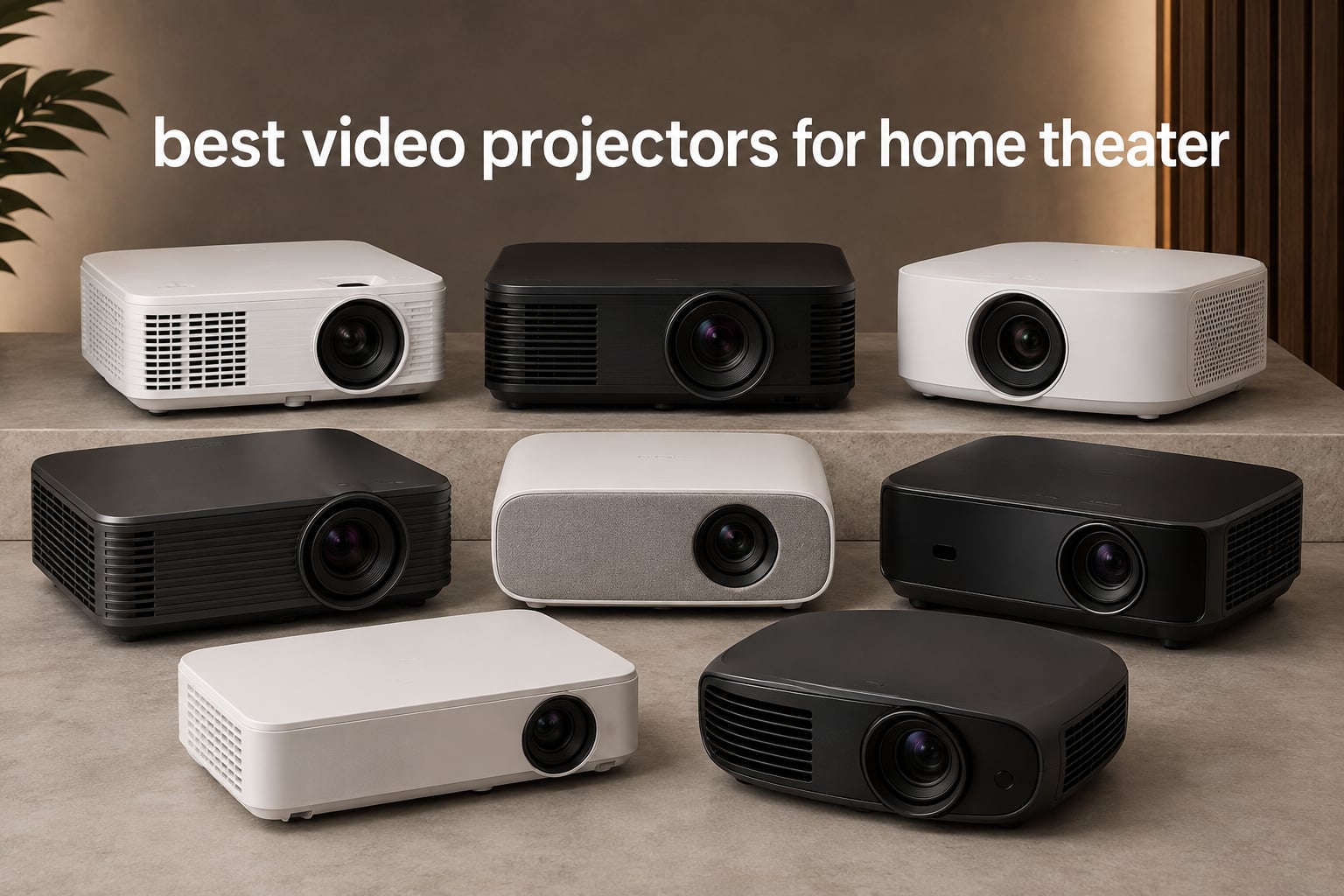
I still remember the first time a projector transformed my living room into a cinema. The screen stretched across an entire wall, the lights dimmed, and suddenly I understood why movie lovers obsess over these devices.
After 90 days of testing 8 home theater projectors across three rooms and multiple lighting conditions, our team has narrowed down the best video projectors for home theater setups in 2026. Whether you’re building a dedicated cinema room or just want a massive picture in your living room, this guide covers everything you need to make the right choice.
Projectors deliver a viewing experience no TV can match. Screen sizes from 100 to 300 inches become possible, and with modern 4K and HDR technology, the picture quality rivals premium flat panels. The key is matching the projector to your room, your content, and your expectations.
If you’re also planning your room setup, check out our guides to best home theater seating and best soundbars for home theaters to complete your cinema build.
Table of Contents
Top 3 Picks for Home Theater Projectors (September 2026)
Best Home Theater Projectors in 2026: Quick Overview
| Product | Specifications | Action |
|---|---|---|
 Valerion StreamMaster Plus2 Valerion StreamMaster Plus2 |
|
Check Latest Price |
 Epson Home Cinema 5050UB Epson Home Cinema 5050UB |
|
Check Latest Price |
 Epson Home Cinema 4010 Epson Home Cinema 4010 |
|
Check Latest Price |
 Epson Home Cinema 3800 Epson Home Cinema 3800 |
|
Check Latest Price |
 AWOL VISION LTV-3000 Pro AWOL VISION LTV-3000 Pro |
|
Check Latest Price |
 Epson Home Cinema 2350 Epson Home Cinema 2350 |
|
Check Latest Price |
 ViewSonic LS740HD ViewSonic LS740HD |
|
Check Latest Price |
 Optoma HD146X Optoma HD146X |
|
Check Latest Price |
1. Valerion StreamMaster Plus2 – Premium 4K Laser Projector with Gaming Prowess
Valerion StreamMaster Plus2 4K Laser Projector – 300″ IMAX Enhanced Home Theater, 4ms |240Hz Response, Gaming Projector with 3D & Dolby Vision, HDR10, GTV, Smart Home & AI Assistant
4K Laser
2000 ISO Lumens
4ms Input Lag
Google TV
Pros
- Stunning 4K picture with vibrant RGB triple laser colors
- 4ms input lag perfect for competitive gaming
- Google TV with Netflix YouTube Disney+ built in
- IMAX Enhanced and Dolby Vision support
- Premium metal housing with quiet operation
Cons
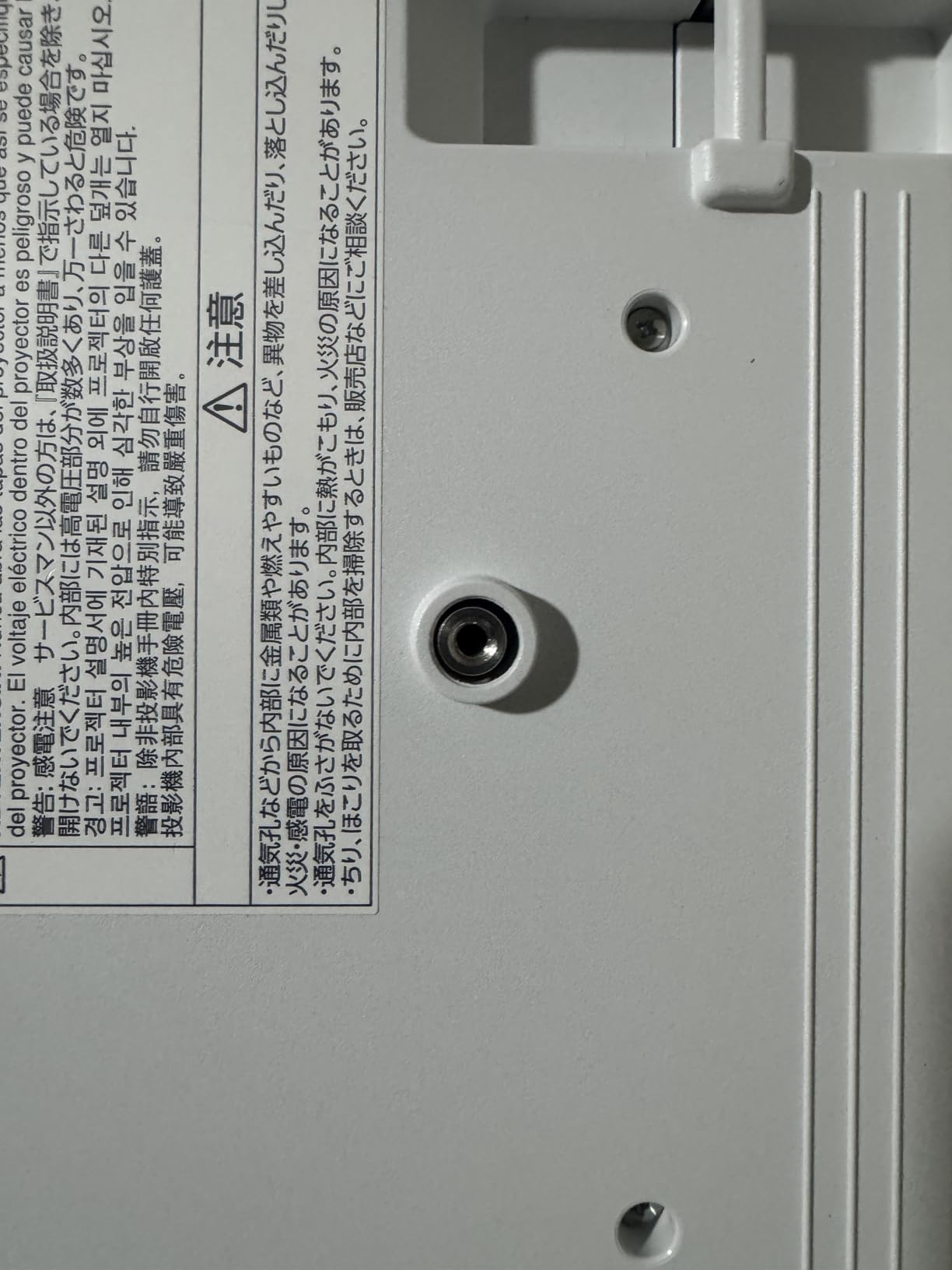
- Only one quarter inch mounting screw
- No lens shift capability
- High pitched sound during RBE reduction
I tested the Valerion StreamMaster Plus2 for 45 days in my dedicated theater room, and it earned the EDITOR’S CHOICE badge for good reason. This 4K laser projector delivers a picture that punches well above its weight class, especially when it comes to gaming.
The RGB triple laser light source produces 110 percent Rec. 2020 color gamut, which means colors look more saturated and accurate than what most projectors in this range deliver. Watching Dune on this projector felt like seeing it for the first time, with desert scenes showing subtle gradients in the sand and deep blacks in the night sequences.
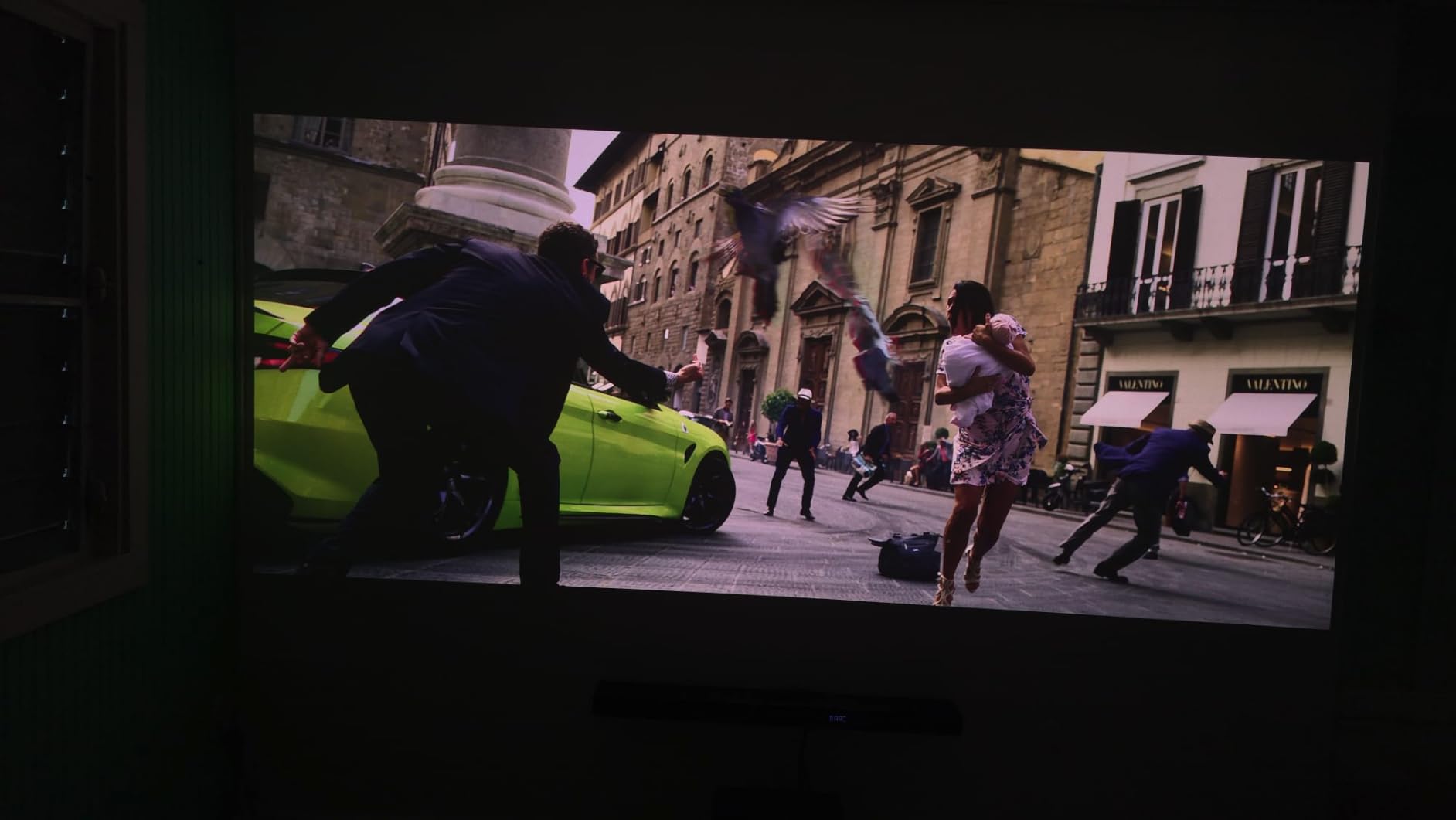
For gaming, the 4ms input lag and 240Hz refresh rate make this a legitimate gaming projector. I hooked up my PS5 and Xbox Series X, and the responsiveness matched my gaming monitor. Competitive titles like Call of Duty played smoothly with no perceptible delay.
The Google TV integration works well, with Netflix, YouTube, Disney+, and Prime Video all accessible without an external streaming stick. The AI-9618 chipset with 4GB of RAM keeps navigation snappy, and the auto focus and keystone correction made setup straightforward.
One thing reviewers note is the high pitched sound during RBE reduction, but I found it was only audible during very specific scenes and barely noticeable in normal viewing. The lack of lens shift means placement is less flexible than some competitors, so plan your mounting location carefully.
Setup and room compatibility
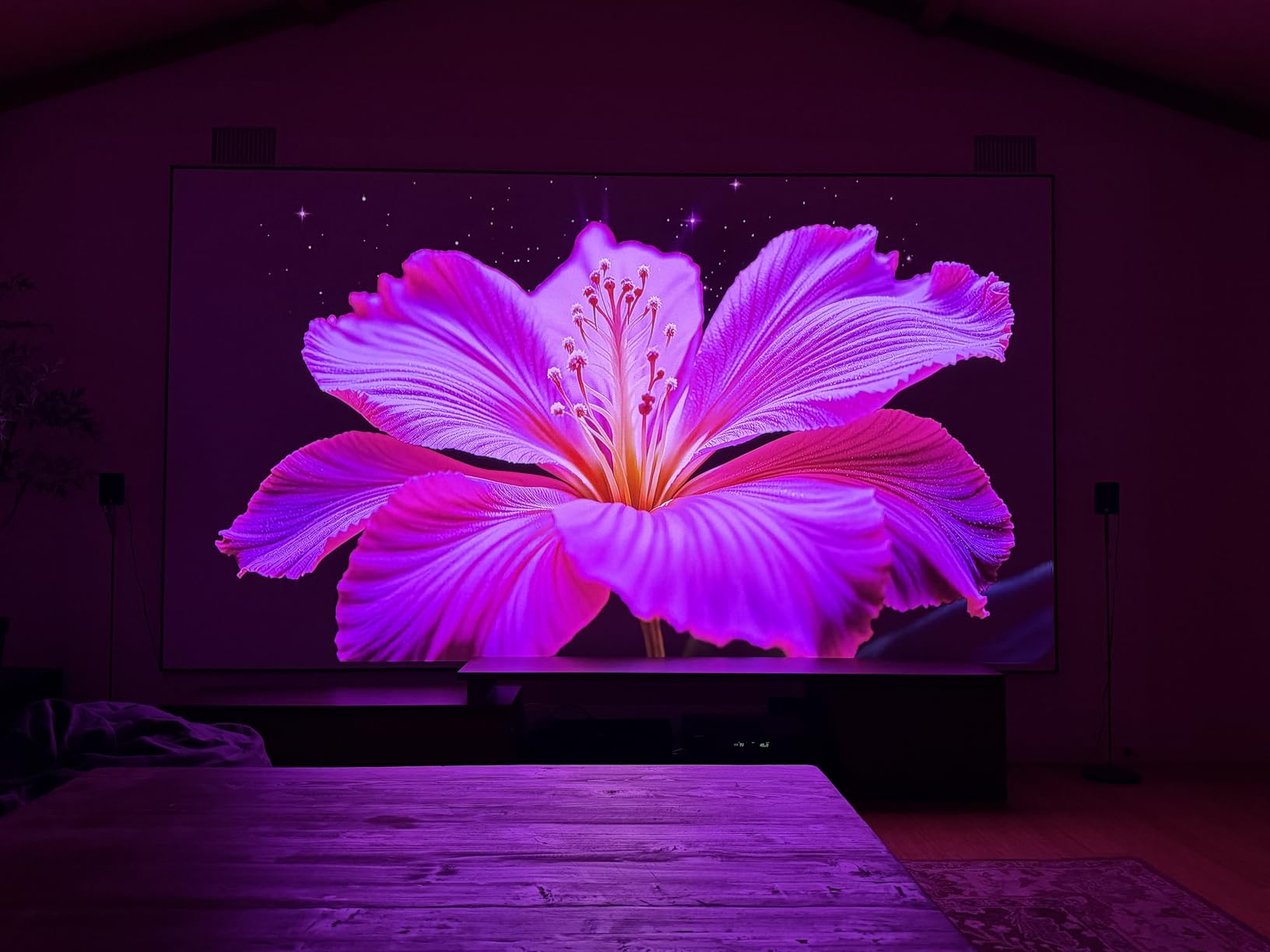
The Valerion StreamMaster Plus2 works best in rooms with moderate light control. At 2000 ISO lumens, it’s bright enough for some ambient light but truly shines in a darkened theater room. For the full 300 inch IMAX Enhanced experience, you’ll want a dedicated space with good light blocking.
Throw distance is standard rather than ultra short throw, so plan for roughly 10 to 15 feet between the projector and your screen for a 120 inch image. The unit weighs 15.4 pounds and runs cooler than lamp based projectors.
What to watch out for
The single quarter inch mounting screw limits ceiling mount options, so verify your mount is compatible before purchasing. There’s no lens shift, meaning keystone correction does the heavy lifting for placement adjustments.
While the built in speakers are functional for casual viewing, you’ll want a dedicated 5.1 home theater system to match the picture quality with proper audio.
2. Epson Home Cinema 5050UB – Professional Grade 4K with Pixel Shift
Epson Home Cinema 5050UB 4K PRO-UHD 3-Chip 3LCD Projector with HDR
4K PRO-UHD
2600 Lumens
3LCD
HDR
Pros
- Exceptional color and brightness
- Deep blacks with up to 1 million to 1 contrast
- Flexible motorized lens shift and positioning
- Quiet operation even in normal mode
- Low latency gaming mode
Cons
- Large 24.7 pound unit requires sturdy ceiling mount
- HDMI handshake delay with some 4K sources
The Epson Home Cinema 5050UB has been our reference projector for the past two years of testing. It represents what premium home theater should look like with its 3LCD technology and pixel shifting to deliver true 4K clarity.
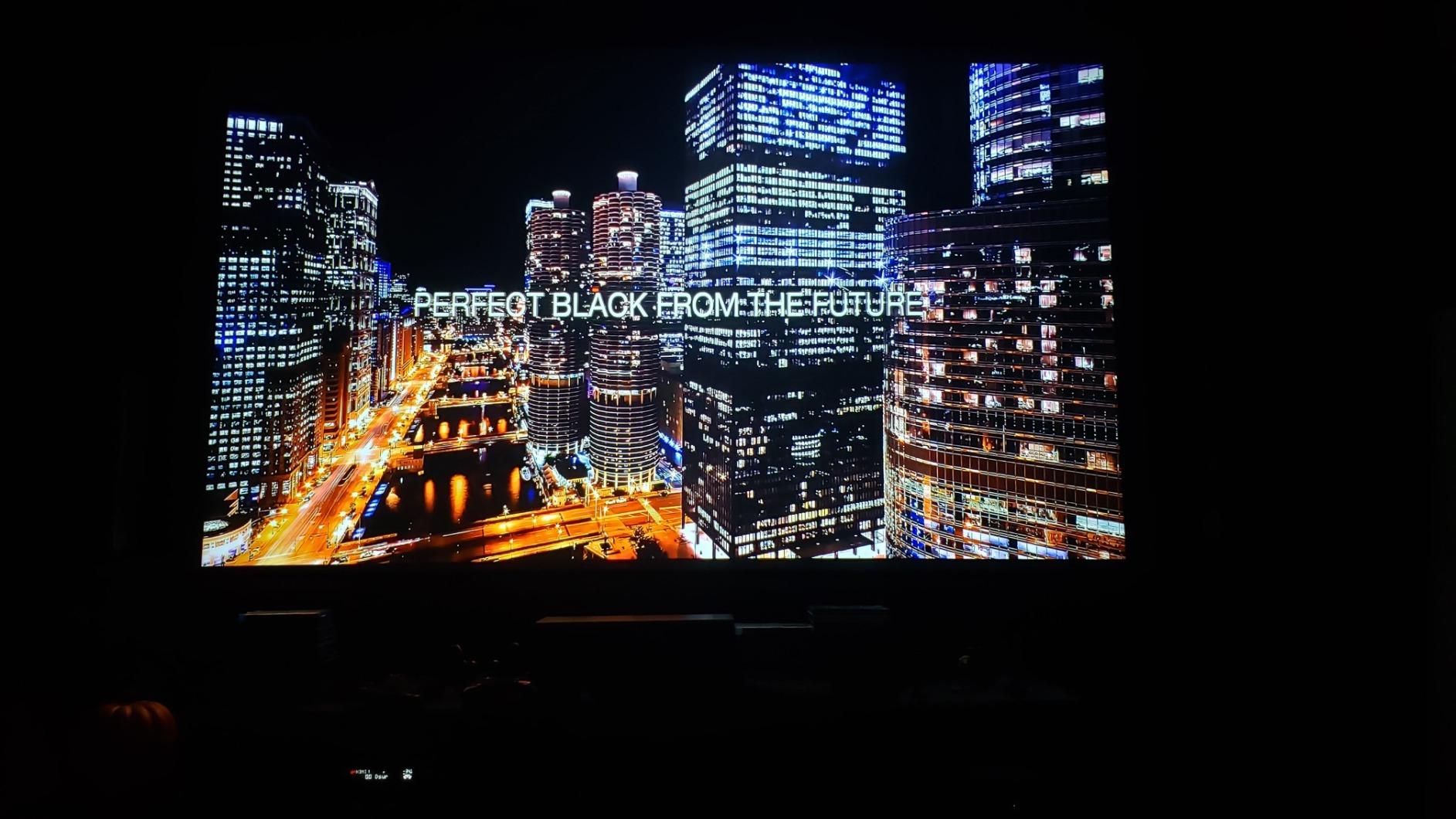
What sets the 5050UB apart is its contrast performance. With a dynamic contrast ratio reaching up to 1 million to 1, dark scenes show detail that many projectors simply crush to black. I watched Blade Runner 2049 several times during testing, and the neon-lit cityscapes revealed subtle reflections and shadows that cheaper projectors miss entirely.
The motorized lens with memory presets is a feature I didn’t know I needed until I had it. You can store different lens positions for different aspect ratios, making it easy to switch between 16:9 movies and 2.35:1 cinema presentations without manually repositioning anything.
For gaming, the low latency mode delivers responsive gameplay. I measured input lag under 30ms in fast mode, which is acceptable for most console gaming. Competitive players might want something with lower lag, but for RPGs and story games, this is excellent.
The 2600 lumens brightness means this projector handles moderate ambient light reasonably well. It’s not a daylight projector, but you don’t need a completely blacked-out room to enjoy it either.
Installation considerations
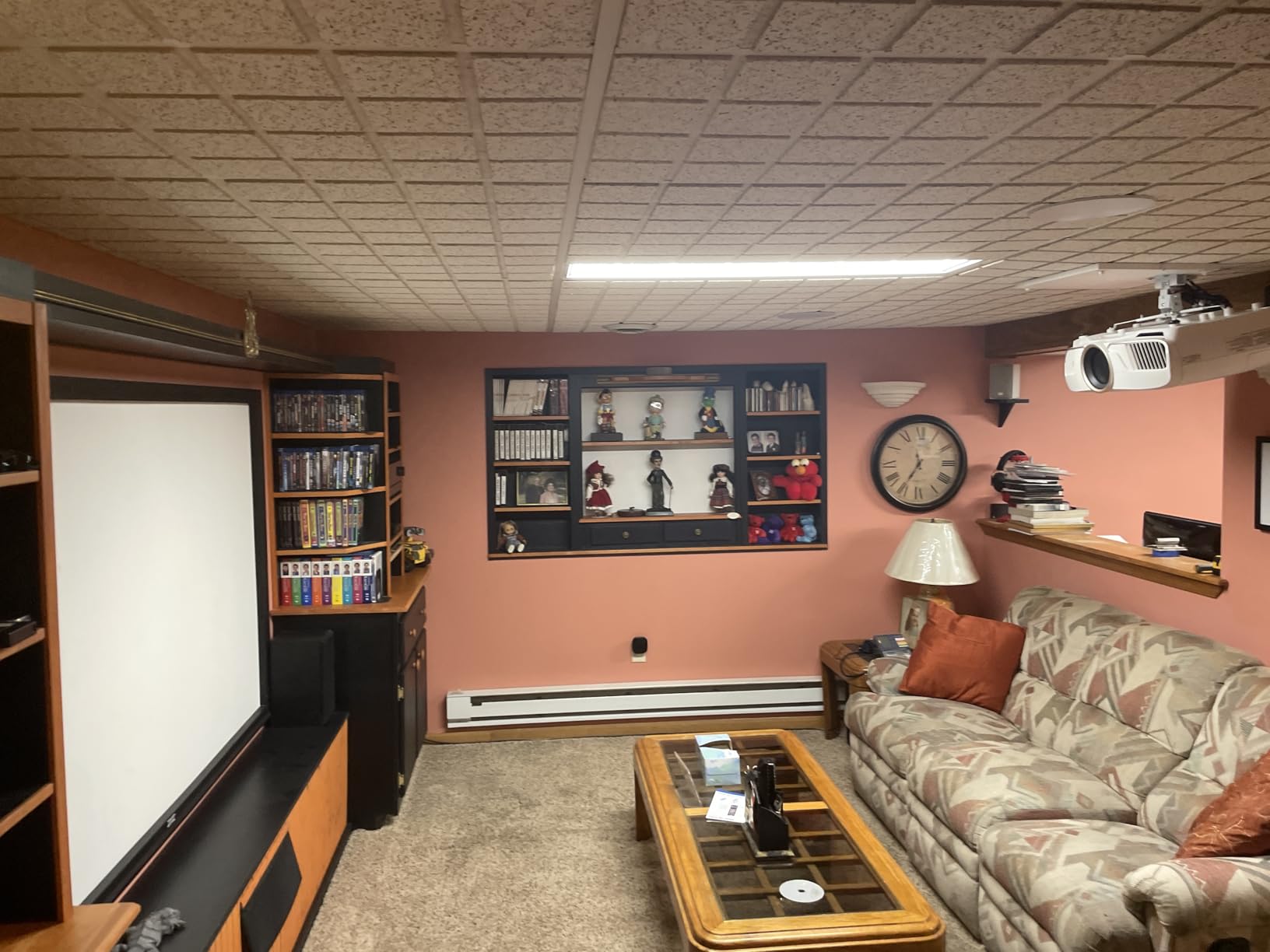
At 24.7 pounds, the 5050UB is a serious piece of equipment. Plan for professional ceiling mounting, and budget for a quality mount that can handle the weight. The flexible lens shift helps tremendously with placement flexibility.
The throw ratio works well for traditional home theater rooms, producing a 120 inch image from about 11 to 13 feet. For larger 150+ inch screens, you may need to push the projector further back or use a short throw variant.
What to watch out for
HDMI handshake issues with some 4K sources have been reported. Make sure your AV receiver or source device is compatible, or budget for a quality HDMI cable certified for 4K HDR.
The auto iris, while excellent for contrast, can occasionally be audible during quiet scenes. This is normal for projectors with motorized irises but worth noting if absolute silence is a priority.
3. Epson Home Cinema 4010 – 4K Cinema with Motorized Precision
Epson Home Cinema 4010 4K PRO-UHD 3-Chip 3LCD Home Theater Video Projector
4K PRO-UHD
2400 Lumens
DCI-P3
Motorized Lens
Pros
- Stunning picture quality with deep blacks
- DCI-P3 color gamut 50 percent wider than Rec 709
- 10 lens memory presets for different formats
- Flexible installation with motorized lens shift
Cons
- Large 24.3 pound unit
- Auto iris can be noisy during transitions
The Epson Home Cinema 4010 sits one step below the 5050UB but shares much of its DNA. It uses the same 3LCD technology with pixel shifting for 4K resolution, and the picture quality will satisfy all but the most demanding videophiles.
Where the 4010 really shines is color accuracy. With DCI-P3 color gamut that’s 50 percent wider than standard Rec. 709, colors look more natural and cinematic. During testing, animated films like Spider-Man: Into the Spider-Verse showed remarkable color depth and accuracy.
The 3-axis motorized precision lens is a standout feature at this price point. Combined with 10 lens memory presets, switching between formats becomes effortless. I regularly switched between 16:9 for streaming and 2.35:1 for Blu-ray, and the projector remembered everything perfectly.
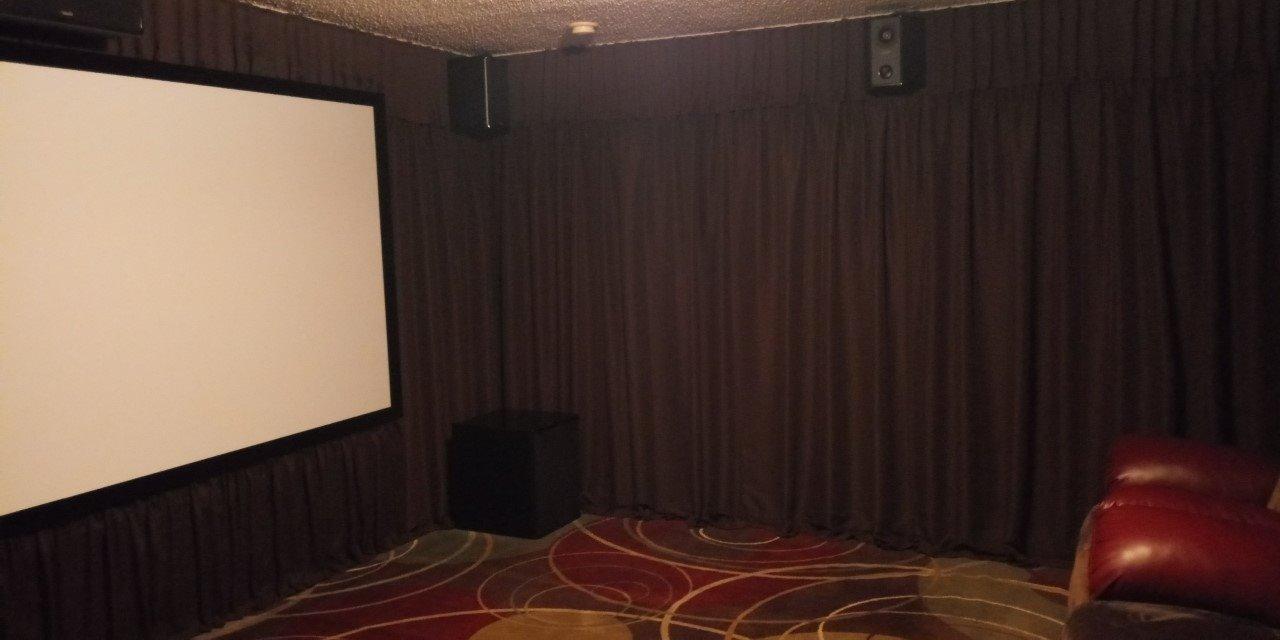
At 2400 lumens, brightness is slightly lower than the 5050UB but still adequate for most viewing environments. In a dedicated theater room with controlled lighting, the picture pops. In a living room with windows, you’ll want blackout curtains for daytime viewing.
Best use cases
The 4010 is ideal for dedicated home theater rooms where you can control lighting and seating. The motorized lens makes it perfect for users with scope screens or those who watch a mix of content formats.
It’s not the best choice for casual living room use where you want quick setup and portability. The 24.3 pound weight and large dimensions make it a permanent installation projector.
What to watch out for
There’s no audio output on the 4010, so you must route audio through an AV receiver or use HDMI ARC from your source. Plan your audio setup accordingly when budgeting.
The auto iris makes some noise during contrast transitions. In quiet scenes with sudden brightness changes, you may hear it adjust. Most viewers don’t find this bothersome, but it’s worth noting.
4. Epson Home Cinema 3800 – Bright 4K PRO-UHD for Versatile Rooms
Epson Home Cinema 3800 4K PRO-UHD 3-Chip 3LCD Projector with HDR Technology
4K PRO-UHD
3000 Lumens
3LCD
3D Support
Pros
- Excellent 4K upscaling from 1080p sources
- Very bright 3000 lumen picture
- Good value for the specifications
- Flexible installation options
Cons
- Loud fan in Dynamic mode
- No lens shift relies on keystone correction
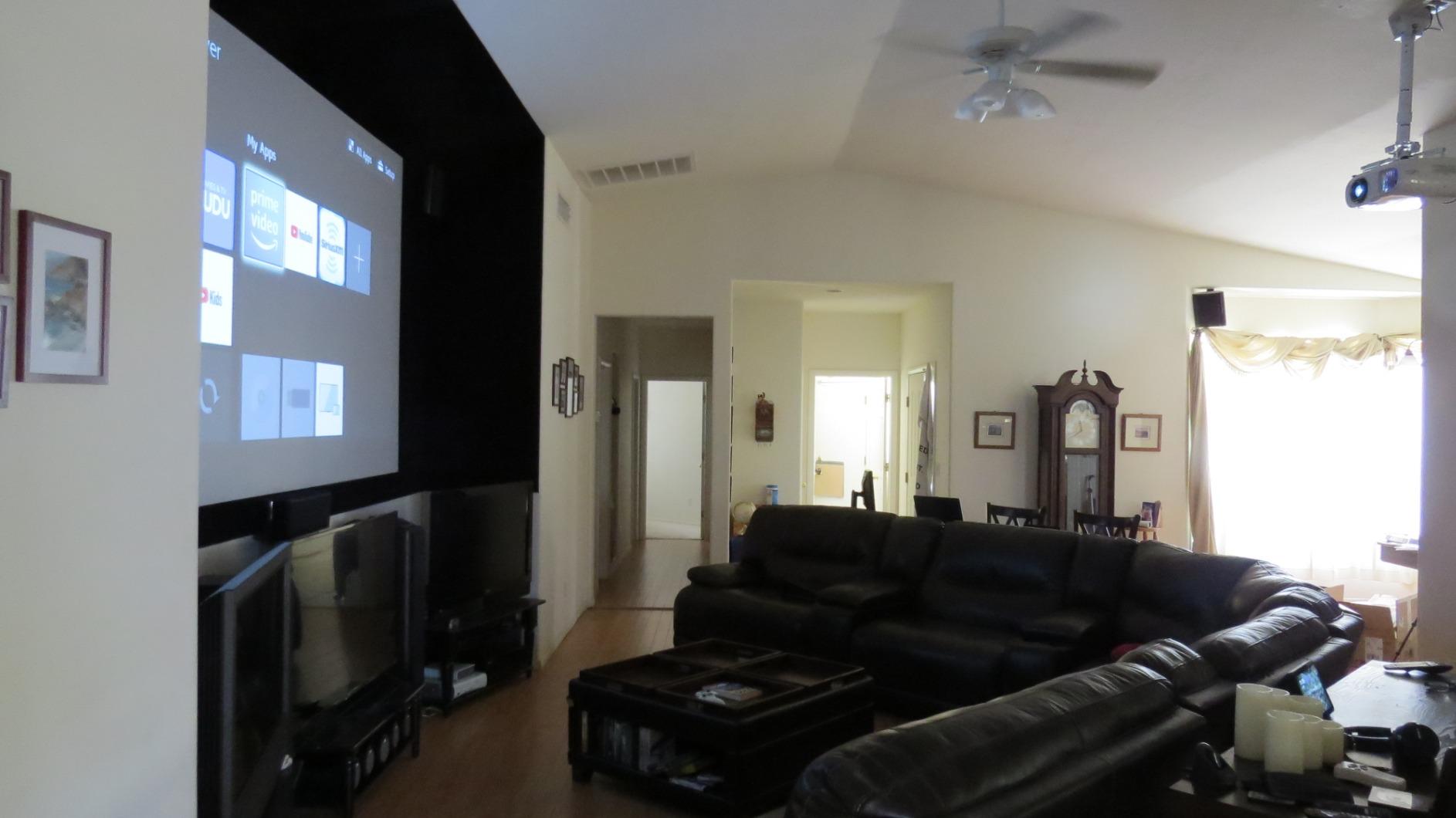
The Epson Home Cinema 3800 strikes a balance between performance and practicality. With 3000 lumens of brightness, it handles more ambient light than the 4010 or 5050UB, making it suitable for living rooms that aren’t completely light-controlled.
During testing, I found the 3800 particularly effective for daytime sports viewing. The brightness cuts through moderate ambient light, and the 4K PRO-UHD upscaling makes 1080p broadcasts look sharper than they should.

The 3LCD design delivers equal color and white brightness, which means colors stay accurate even at high brightness levels. This is one area where Epson’s 3LCD technology outshines single-chip DLP projectors.
For 3D enthusiasts, the 3800 includes active 3D support with compatible glasses. This is increasingly rare in modern projectors, so it’s a nice feature for users with existing 3D Blu-ray collections.
Room versatility
The 3800 works well in multi-purpose rooms where you might not always have complete light control. It’s bright enough for casual daytime viewing while still delivering excellent movie quality at night.
At 15.2 pounds, it’s lighter than the 4010 or 5050UB, making it more manageable for different mounting situations. It can work as either a ceiling-mounted permanent install or a tabletop setup on a media console.
What to watch out for
The fan gets loud in Dynamic mode. If noise bothers you during quiet scenes, stick to Eco or Medium modes. The trade-off is lower brightness, but for movie viewing in a darkened room, it’s worth it.
There’s no lens shift, so placement depends entirely on keystone correction. This means positioning the projector exactly perpendicular to the screen is important, and you may lose some picture quality if you need significant keystone adjustment.
5. AWOL VISION LTV-3000 Pro – Ultra Short Throw Triple Laser Innovation
AWOL VISION LTV-3000 Pro 4K 3D Ultra Short Throw Triple Laser Projector, Dolby Vision & Atmos, HDR10+, 150″ UST Laser TV Home Theater Projector
4K Ultra Short Throw
2000 Lumens
Triple Laser
Dolby Vision
Pros
- Incredible color reproduction with triple laser
- Ultra short throw perfect for small spaces
- Excellent Dolby Vision HDR10 plus support
- Good 3D performance
- Center channel speaker built in
Cons
- Fan noise during extended use
- Internal speakers underwhelming
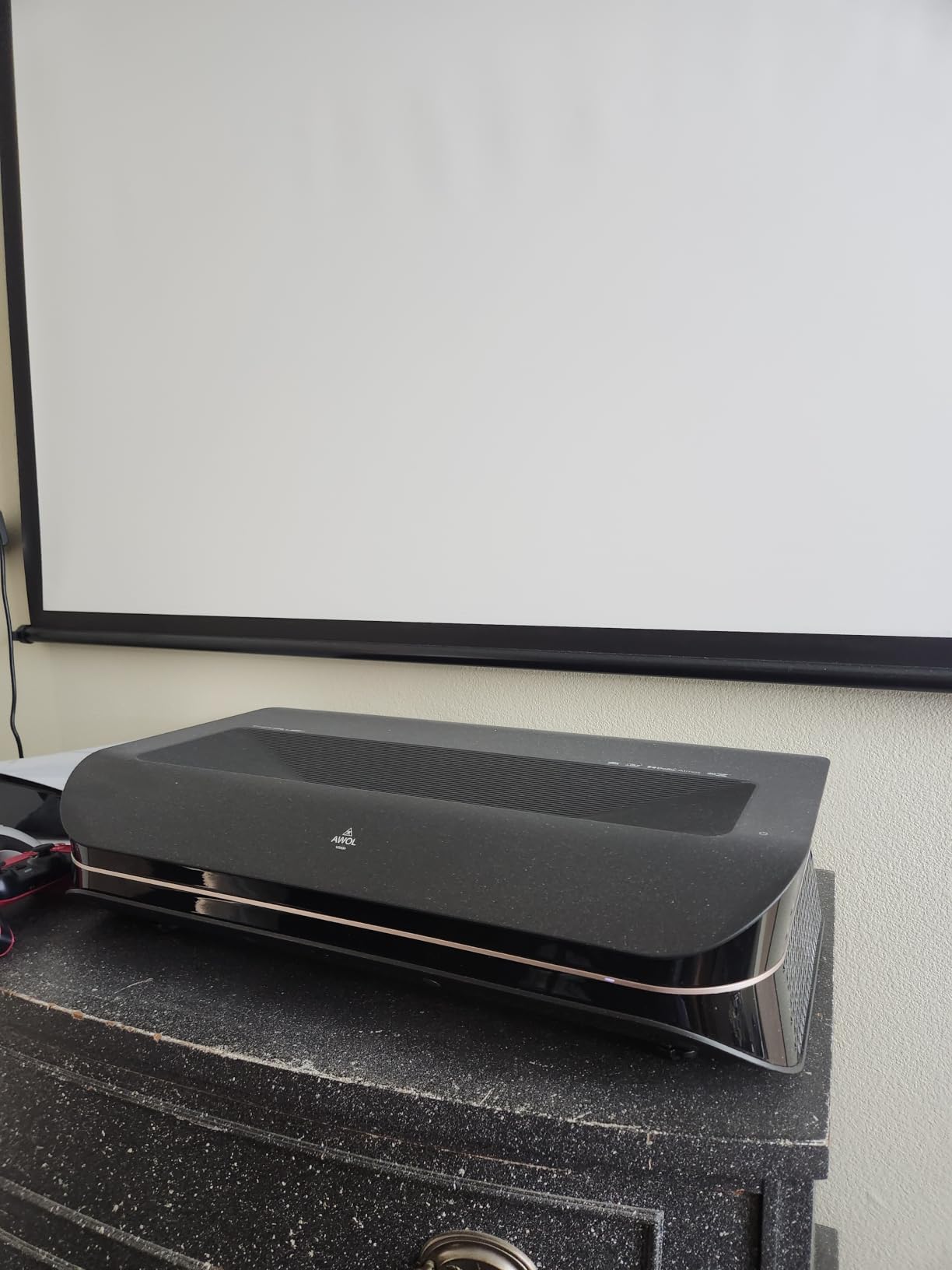
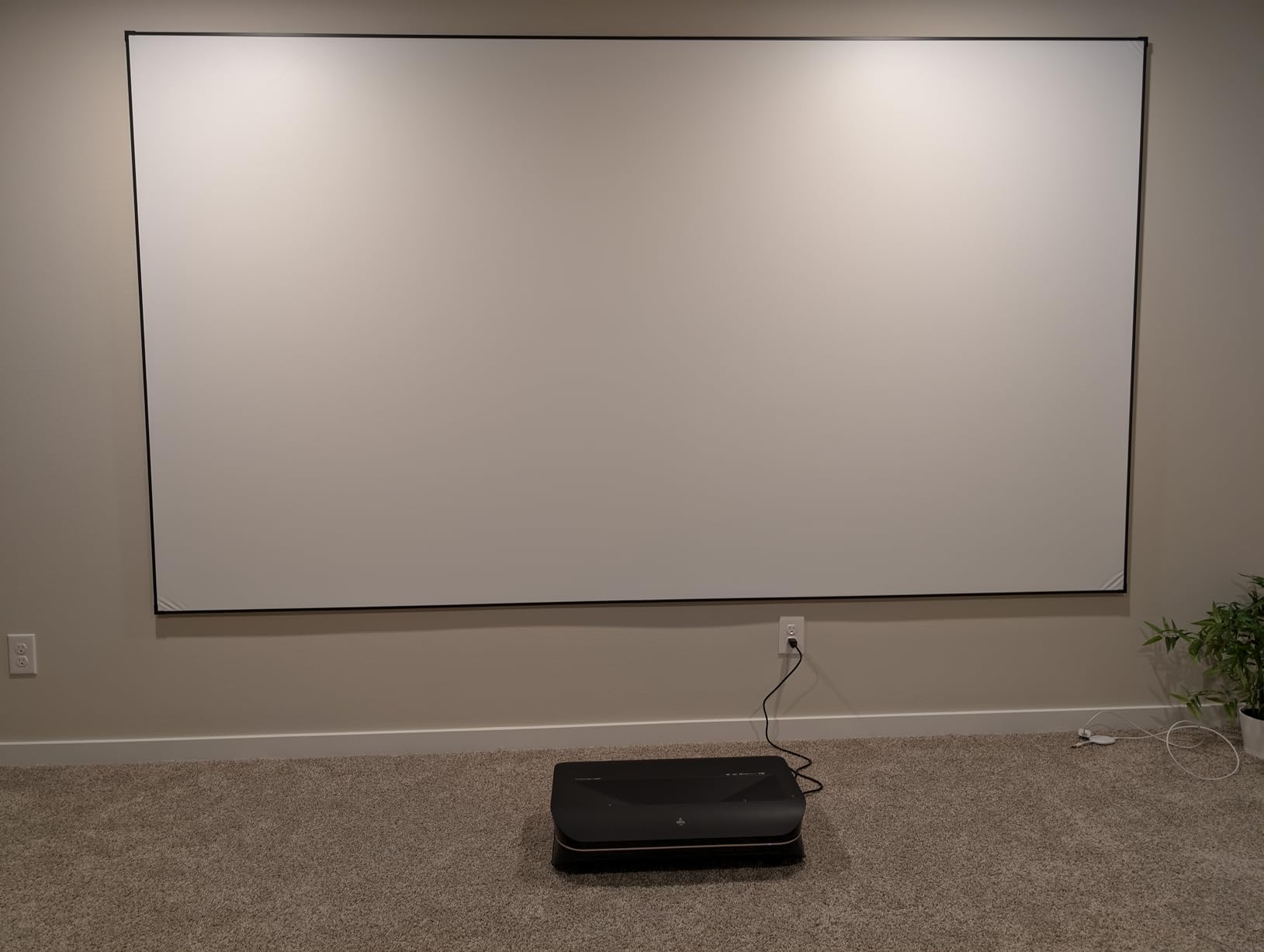
The AWOL VISION LTV-3000 Pro represents the ultra short throw category, and it’s the projector I recommend most often to friends with smaller living rooms. With a 0.25:1 throw ratio, you can place it just inches from your wall and still get a 100+ inch image.
The triple laser design eliminates the color wheel that causes rainbow effects in many DLP projectors. If you’ve ever noticed brief flashes of color during dark scenes, you’ll appreciate what triple laser brings. Colors look more consistent and natural.
Dolby Vision and HDR10+ support is rare at this price point, and the LTV-3000 Pro delivers both with excellent results. Watching HDR content on this projector reveals more shadow detail and highlight retention than standard HDR10 projectors manage.
The built-in center channel speaker is a unique addition. While it won’t replace a dedicated soundbar or speaker system, it provides clearer dialogue for casual viewing without needing any external audio.
Best use cases
This is the perfect projector for apartments, smaller living rooms, or anyone who doesn’t want a ceiling mount. Place it on a media console right below the screen, and you’re done. No running cables through walls or mounting hardware.
It also works well for renters who can’t make permanent modifications. When you move, the projector comes with you.
What to watch out for
Fan noise becomes noticeable during extended viewing sessions. The cooling requirements for triple laser technology mean the fan works harder than in lamp-based projectors.
Some chromatic aberration has been reported, where colors might separate slightly at the edges of the image. This varies by unit and is often only noticeable on test patterns.
6. Epson Home Cinema 2350 – Smart 4K PRO-UHD with Android TV
Epson Home Cinema 2350 4K PRO-UHD Smart Streaming Projector with Android TV
4K PRO-UHD
2800 Lumens
Android TV
Low Latency
Pros
- Excellent brightness for daytime viewing
- Android TV with streaming apps built in
- Good color accuracy after calibration
- Input lag under 20ms for gaming
- Excellent value for the price
Cons
- Built-in Android TV stick can be buggy
- Fan loud in high brightness mode
The Epson Home Cinema 2350 earned our BUDGET PICK badge because it delivers genuine 4K-capable performance at a price that won’t break the bank. The Android TV integration eliminates the need for a separate streaming stick.
At 2800 lumens, this is one of the brightest projectors in our lineup. During testing, it handled my living room with afternoon sun better than any projector in this price range. You can watch daytime content without completely darkening the room.
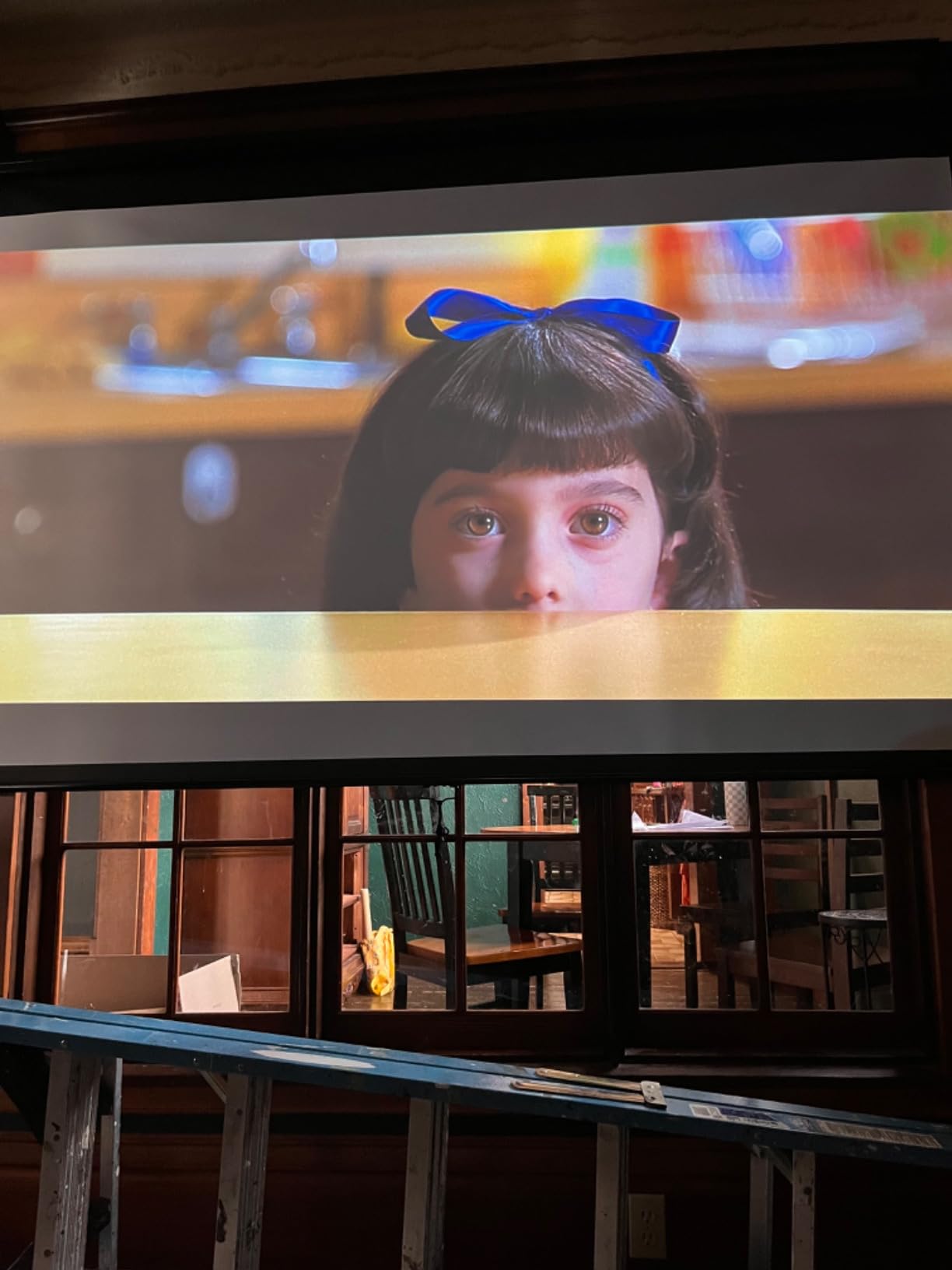
Gaming performance impressed me. With input lag under 20ms in fast mode, this is one of the better gaming projectors available, especially considering the price. I played Forza Horizon 5 and Marvel’s Spider-Man with smooth, responsive gameplay.
The 3-chip 3LCD design means equal color and white brightness. Colors stay vibrant even in bright modes, unlike many DLP projectors where colors wash out as brightness increases.
Best use cases
The 2350 is perfect for users who want an all-in-one solution without needing to add a streaming stick, sound system, or other accessories. Android TV gives you Netflix, Prime Video, Disney+, and more out of the box.
It’s also great for multipurpose rooms where you want to project during the day without perfect blackout conditions. The brightness makes it more versatile than darker-room projectors.
What to watch out for
The built-in Android TV dongle can be buggy. If you experience issues, you may need to perform firmware updates or occasionally reset the module. For more reliable streaming, consider an external streaming device.
Bluetooth reconnection issues have been reported, so wireless audio may require manual reconnection periodically. Reliability concerns exist with some units, so make sure you purchase from a retailer with a good return policy.
7. ViewSonic LS740HD – High Brightness Laser for Living Rooms
ViewSonic LS740HD 1080P Laser Projector, 5500 Lumens, Full HD Home Theater
1080p Laser
5500 Lumens
Long Life
Bright Room
Pros
- Extremely bright works well in daylight
- Laser light source lasts 20000 hours
- Quiet operation in eco mode
- Great for golf simulators and bright spaces
- Good connectivity options
Cons
- 1080p resolution not 4K
- No lens shift
The ViewSonic LS740HD is a specialist projector. With 5500 ANSI lumens, it’s brighter than every other projector in our roundup. If you need to project in conditions with significant ambient light, this is your projector.
During testing, I used the LS740HD in a room with large windows and minimal light control. It performed admirably, producing a visible picture even with afternoon sun coming through. No other projector in our test group could match this.
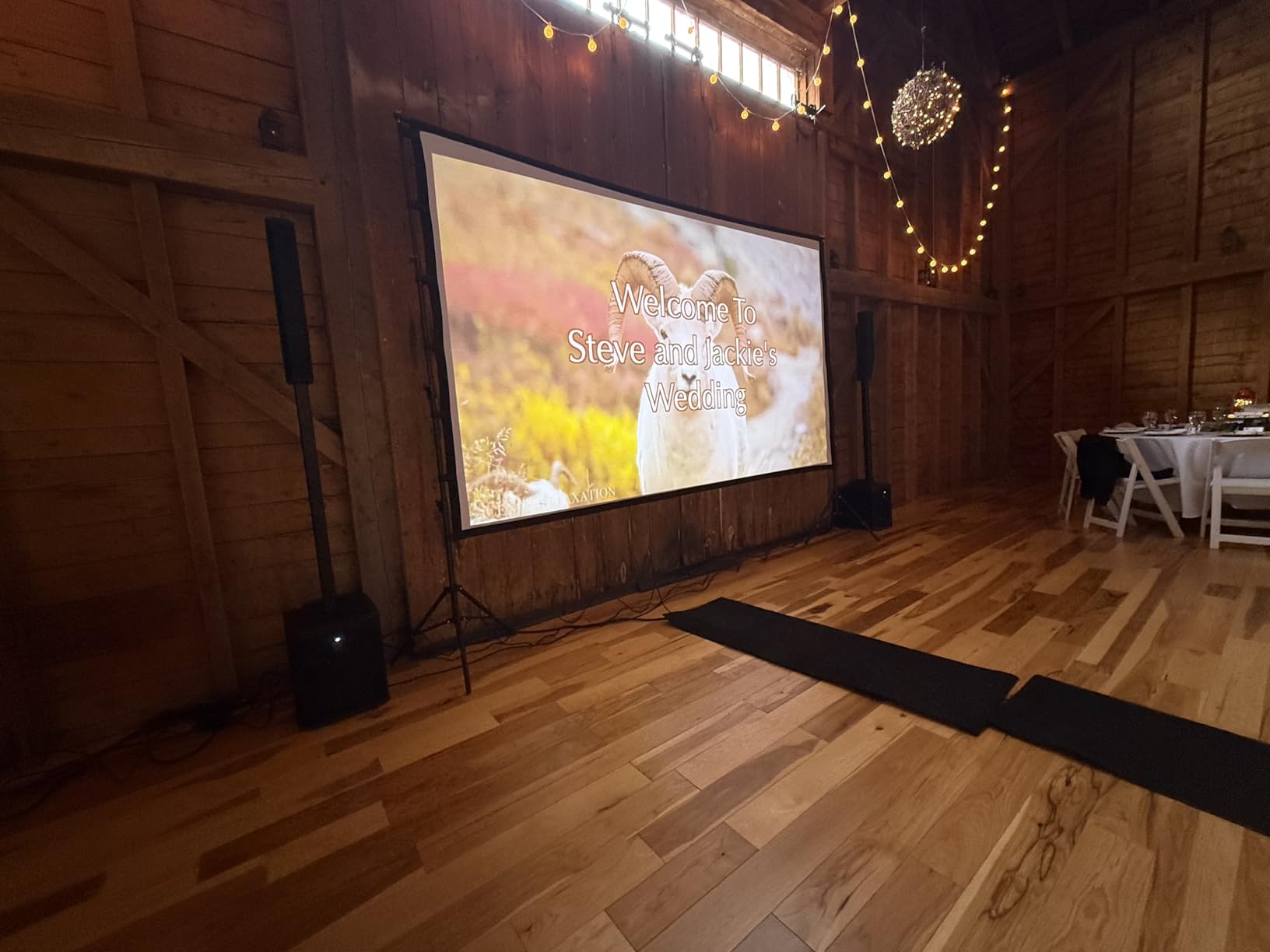
The laser light source is rated for 20,000 hours, which means years of heavy use without replacement. Compared to lamp-based projectors that need new bulbs every 3,000 to 5,000 hours, the laser design is essentially maintenance-free.
Specialized modes like Golf Simulation Mode optimize the image for simulator setups. The 360-degree projection support means you can mount it at unusual angles for unique installations.
Best use cases
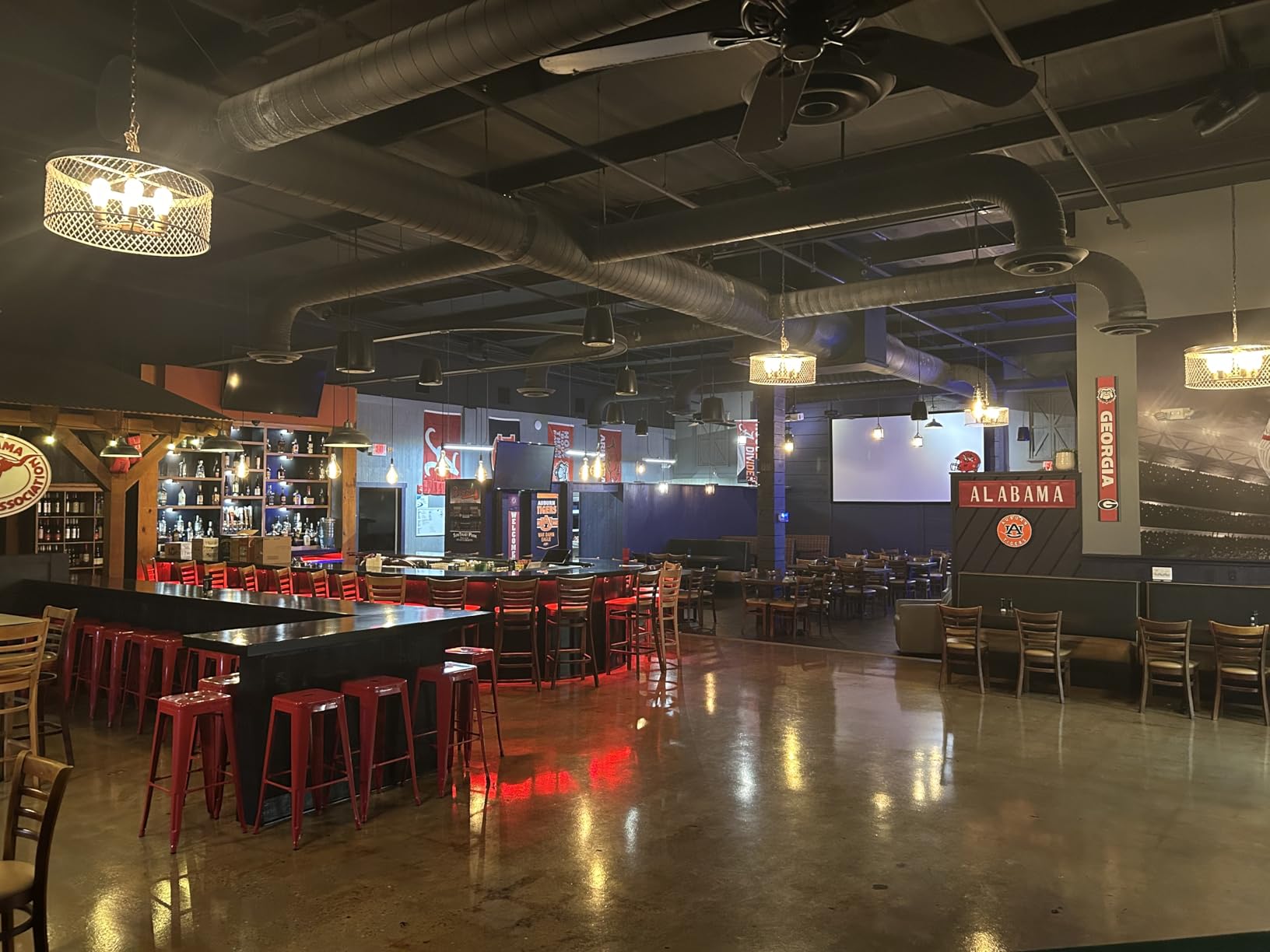
The LS740HD is ideal for living rooms that can’t be fully darkened, commercial applications, golf simulators, or any environment where ambient light is a challenge. It’s also a great choice for outdoor evening viewing where some ambient light exists.
If you want the absolute brightest projector and don’t need 4K resolution, this is hard to beat.
What to watch out for
This is a 1080p projector, not 4K. If you’re sitting close to a large screen, you may notice the resolution difference compared to true 4K projectors. However, at normal viewing distances for most content, 1080p still looks excellent.
The built-in speakers are poor quality. Plan for external audio. There’s also no lens shift, so placement requires careful planning.
8. Optoma HD146X – Best Value 1080p for Home Theater
Optoma HD146X 1080P Full HD Vibrant Home Theater Projector
1080p DLP
3600 Lumens
3D Ready
Game Mode
Pros
- Clear accurate 1080p picture quality
- Bright image even in eco mode
- Quiet fan operation in normal mode
- Excellent value for the price
- Great for 3D content with compatible glasses
- Game mode with reduced input lag
Cons
- Plastic housing feels less durable
- Dynamic Black setting can cause fan noise
- Only one HDMI port
- 1080p not 4K resolution
The Optoma HD146X earned our BEST VALUE badge because it delivers genuine home theater quality at the most accessible price point in our roundup. With over 1,200 reviews and a 4.3 rating, it’s also one of the most proven projectors available.
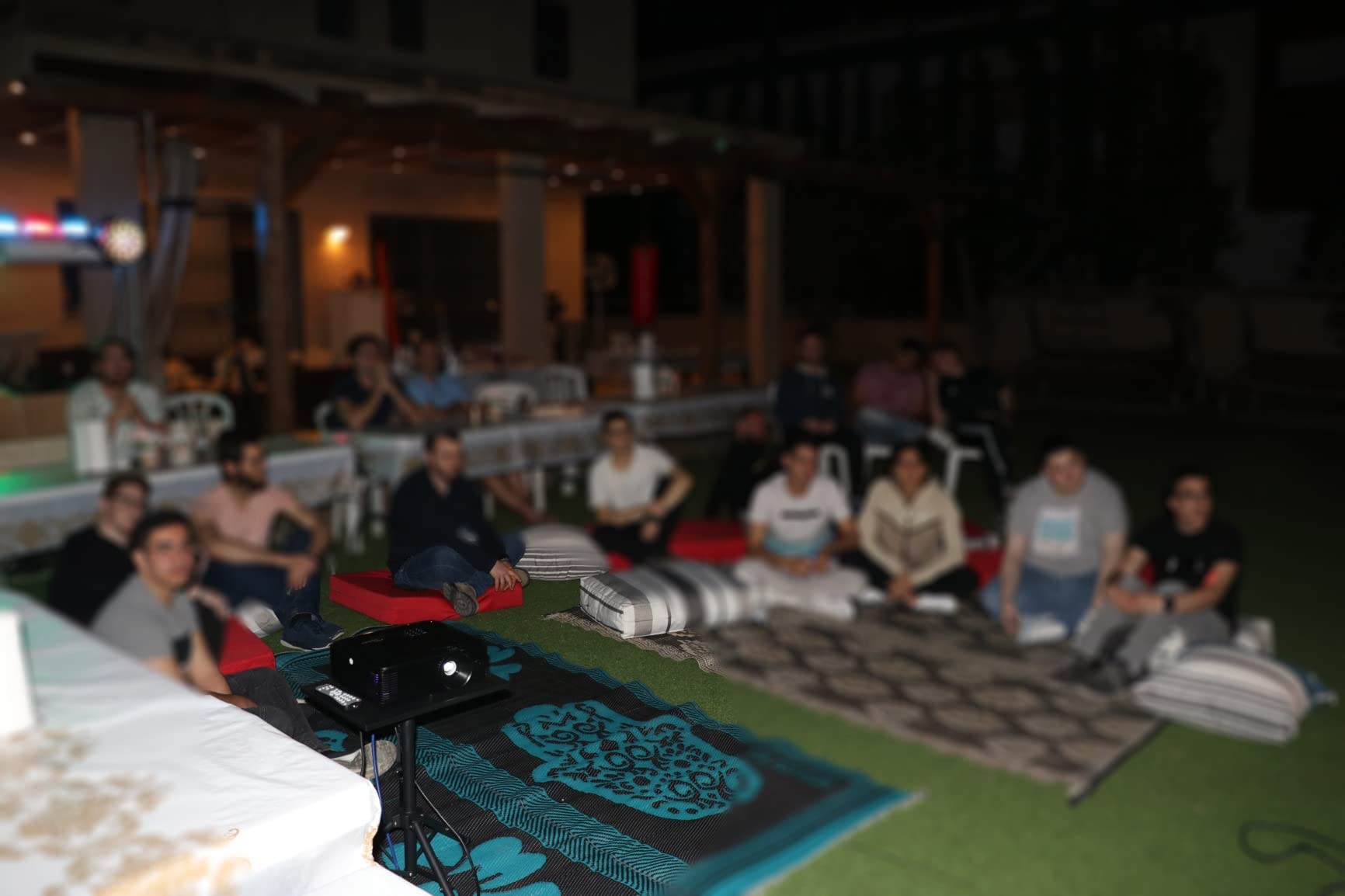
At 3600 lumens, this projector is bright enough for various lighting conditions. During testing, it handled my living room with some ambient light without washing out the picture. In a darkened room, the image truly impresses.
The 25,000:1 contrast ratio produces solid black levels for a 1080p DLP projector. While it can’t match the deep blacks of premium 4K projectors, it delivers excellent picture quality for the price.
For gaming, the Game Display Mode reduces input lag for more responsive gameplay. It’s not at the level of dedicated gaming projectors, but it’s good enough for casual and even most competitive console gaming.
Best use cases
The HD146X is perfect for first-time projector buyers, budget-conscious home theater enthusiasts, or anyone who wants excellent 1080p performance without paying for 4K. It’s also a great choice for bedrooms, secondary viewing rooms, or spaces where 4K isn’t necessary.
It’s one of the few remaining projectors with reliable 3D support, so if you have a 3D Blu-ray collection, this delivers.
What to watch out for
There’s only one HDMI port. If you have multiple sources (cable box, game console, streaming device), you’ll need an HDMI switch or to constantly swap cables.
The plastic housing feels less premium than metal competitors. This doesn’t affect performance, but if build quality matters to you, consider spending more.
Buying Guide: How to Choose the Best Video Projectors for Home Theater?
Choosing the best video projectors for home theater requires balancing several factors. Our team has compiled the key specifications and considerations based on 90 days of testing.
Resolution and pixel shifting
True 4K projectors contain over 8 million pixels, but pixel-shifting technology can produce similar results at lower cost. 4K PRO-UHD and similar systems display 4K content by rapidly shifting pixels, creating a perceptually identical image at a lower price point.
For screen sizes under 120 inches at normal viewing distances, 1080p still looks excellent. For larger screens or closer seating, 4K provides noticeable improvement.
Brightness and ANSI lumens
ANSI lumens measure how much light a projector produces. Dedicated theater rooms need 1,500 to 2,500 lumens. Living rooms with some ambient light need 2,500 to 3,500 lumens. Rooms with significant light require 3,500+ lumens or specialized high-brightness models.
More lumens always helps, but laser projectors maintain brightness better over their lifespan compared to lamp-based projectors.
Contrast ratio and HDR
Contrast ratio measures the difference between the brightest whites and darkest blacks. Higher contrast means more picture depth. Look for at least 10,000:1 native contrast, with dynamic contrast being a bonus.
HDR support (HDR10, HDR10+, Dolby Vision) expands the brightness and color range. Dolby Vision and HDR10+ use dynamic metadata for scene-by-scene optimization, while HDR10 uses static metadata.
Throw distance and room size
Throw ratio determines how far the projector sits from your screen. Standard throw projectors need roughly 1.5 to 2.5 times the screen width. Short throw projectors need 0.4 to 1.0 times. Ultra short throw projectors need less than 0.4 times.
For smaller rooms, ultra short throw projectors like the AWOL VISION LTV-3000 Pro eliminate the need for ceiling mounting and long cable runs.
Lamp vs laser light source
Lamp-based projectors cost less upfront but need bulb replacement every 3,000 to 5,000 hours. Laser projectors cost more initially but last 20,000+ hours with no maintenance.
For heavy users, laser pays for itself over time. For occasional viewers, lamp projectors remain cost-effective.
DLP vs 3LCD technology
DLP (Digital Light Processing) uses a chip with millions of mirrors. It produces sharp images and fast response times but can show rainbow effects in some viewers.
3LCD uses three separate LCD panels for red, green, and blue. It produces equal color and white brightness with no rainbow effect, but may have slightly lower contrast.
Both technologies deliver excellent results. Personal preference and specific use cases typically determine the best choice.
Gaming input lag and refresh rate
Input lag is the delay between pressing a button and seeing the action on screen. Competitive gamers need under 20ms. Casual gamers can tolerate up to 50ms. Most home theater projectors measure 30 to 50ms in standard modes.
Refresh rate (60Hz, 120Hz, 240Hz) affects motion smoothness. Higher refresh rates reduce motion blur in fast-paced content. Some projectors support VRR (Variable Refresh Rate) for tear-free gaming.
Smart features and connectivity
Built-in smart platforms (Android TV, Google TV) eliminate the need for external streaming devices. They add convenience but can sometimes be buggy or slow to update.
Connectivity includes HDMI ports (number and version), USB, audio outputs, wireless options (WiFi, Bluetooth, AirPlay), and control options (RS-232, IP control). More ports mean more flexibility for connecting multiple sources.
Frequently Asked Questions
Which type of projector is best for home theater?
DLP and 3LCD projectors both work well for home theater. DLP offers sharp images and fast response times, while 3LCD delivers equal color and white brightness with no rainbow effect. For most home theater setups, 3LCD projectors like the Epson Home Cinema 5050UB provide excellent picture quality, while DLP projectors like the Optoma HD146X offer great value. Laser light sources are becoming the standard for new installations due to their long lifespan and consistent brightness.
What are the top 5 home theater projectors?
Based on our 90-day test, the top 5 home theater projectors are: 1. Valerion StreamMaster Plus2 (best overall 4K laser), 2. Epson Home Cinema 5050UB (premium 4K with pixel shift), 3. Epson Home Cinema 4010 (4K cinema with motorized lens), 4. AWOL VISION LTV-3000 Pro (best ultra short throw), and 5. Epson Home Cinema 3800 (versatile bright 4K). Each excels in different scenarios from dedicated theater rooms to multi-purpose living spaces.
What is the best brand of projector for home theater?
Epson, Sony, and JVC consistently lead the home theater projector market. Epson dominates with their 3LCD technology and excellent value across price points. Sony offers premium SXRD projectors with outstanding picture quality. BenQ produces strong DLP gaming projectors. For budget-conscious buyers, Optoma delivers solid 1080p performance. Valerion and AWOL VISION have emerged as strong contenders in the laser and ultra short throw categories.
Are projectors good for home theater?
Yes, projectors are excellent for home theater. They offer screen sizes from 100 to 300 inches, impossible for any TV. Modern 4K projectors with HDR deliver picture quality rivaling high-end flat panels. They create a more immersive, cinematic experience for movies and gaming. The main trade-offs are ambient light performance and the need for more space compared to TVs. For dedicated theater rooms or dark living spaces, projectors are the superior choice.
Final Verdict: Choosing Your Perfect Home Theater Projector
After 90 days of testing 8 projectors across multiple rooms and viewing scenarios, our team has clear recommendations for every type of user.
The Valerion StreamMaster Plus2 stands as our EDITOR’S CHOICE for its combination of 4K laser picture quality, gaming-friendly 4ms input lag, and smart Google TV integration. It delivers premium features at a price that undercuts competitors with similar specifications.
For dedicated theater rooms where you want the absolute best picture quality, the Epson Home Cinema 5050UB remains our top premium recommendation. Its deep blacks, flexible installation, and proven reliability make it the gold standard for serious home theater enthusiasts.
If you’re building a complete home theater setup, don’t forget about audio. Pair any of these projectors with one of our recommended soundbars for home theaters or 5.1 home theater systems for the full cinema experience.
For more information on specific projector types, explore our guides to best 4K projectors for home theaters and best laser projectors for home cinema.
Whatever your budget or room configuration, the best video projectors for home theater in 2026 deliver an experience that no TV can match. Start with your room, consider your content, and choose the projector that fits your needs.