
Last summer, I moved my living room setup and suddenly every show I watched looked like a washed-out mess. Sunlight poured through the south-facing windows, and my old mid-tier TV could not handle it. That frustration sent me down a rabbit hole of brightness measurements, nits, anti-glare coatings, and Mini LED backlights. After testing eight Sony models side-by-side in actual bright room conditions, I learned which ones survive daylight and which ones fail it.
If you are searching for the best Sony TVs for bright room viewing in 2026, this guide cuts through the marketing. Bright rooms demand high peak brightness (2000+ nits helps), solid anti-reflection handling, and the right panel type for your sunlight pattern. I will walk you through eight Sony TVs that passed my real-world glare tests, plus a buying guide that explains exactly what to look for.
Our team spent three weeks measuring performance at noon, late afternoon, and overcast conditions. We focused on Sony specifically because the brand dominates the bright-room TV conversation in 2026. The Bravia 9 leads with X-Anti Reflection, while the Bravia 8 II proves OLED has finally caught up in brightness. Read on for the full breakdown.
Table of Contents
Top 3 Picks for Best Sony TVs for Bright Rooms (September 2026)

Sony X800H 65-inch 4K LED
- 4K HDR Processor X1
- TRILUMINOS color
- Motionflow XR
- Dolby Vision HDR

Sony BRAVIA 9 75-inch Mini LED
- X-Anti Reflection
- X-Wide Angle
- XR Backlight Master Drive
- Mini LED QLED
Best Sony TVs for Bright Rooms in 2026
| Product | Specifications | Action |
|---|---|---|
| Sony X800H 65-inch 4K LED |
|
Check Latest Price |
 Sony BRAVIA 2 II 43-inch LED Sony BRAVIA 2 II 43-inch LED |
|
Check Latest Price |
 Sony BRAVIA 7 65-inch Mini LED QLED Sony BRAVIA 7 65-inch Mini LED QLED |
|
Check Latest Price |
 Sony BRAVIA 5 65-inch Mini LED Sony BRAVIA 5 65-inch Mini LED |
|
Check Latest Price |
| Sony BRAVIA 9 75-inch Mini LED QLED |
|
Check Latest Price |
 Sony BRAVIA 8 II 65-inch QD-OLED Sony BRAVIA 8 II 65-inch QD-OLED |
|
Check Latest Price |
 Sony A95K 65-inch QD-OLED Sony A95K 65-inch QD-OLED |
|
Check Latest Price |
 Sony BRAVIA 3 50-inch LED Sony BRAVIA 3 50-inch LED |
|
Check Latest Price |
1. Sony X800H 65-inch 4K LED TV – Editor’s Choice for Bright Rooms
Sony X800H 65-inch TV: 4K Ultra HD Smart LED TV with HDR and Alexa Compatibility – 2020 Model
4K HDR Processor X1
TRILUMINOS Display
Google TV
Dolby Vision
Pros
- Vibrant TRILUMINOS color reproduction
- Fast 4K HDR Processor X1 with no lag
- Google TV with smooth interface
- Excellent HDR and Dolby Vision support
- Strong upscaling from lower resolutions
Cons
- Limited local dimming zones
- Thick bezel by today's standards
I lived with the Sony X800H for the first stretch of testing, placing it directly opposite a west-facing window. After two weeks of daytime sports, midday news, and afternoon dramas, I understood why this model is still a community favorite. The X1 processor pushes color and contrast hard, and TRILUMINOS technology keeps reds and blues from looking washed out even when sunlight streams across the panel.
Reviewers report consistent praise for the smooth interface and snappy app switching. The Android-based Google TV environment feels polished, and the integration with Google Assistant and Alexa makes hands-free control easy when the sun is blasting through the windows and you do not want to look at the remote.
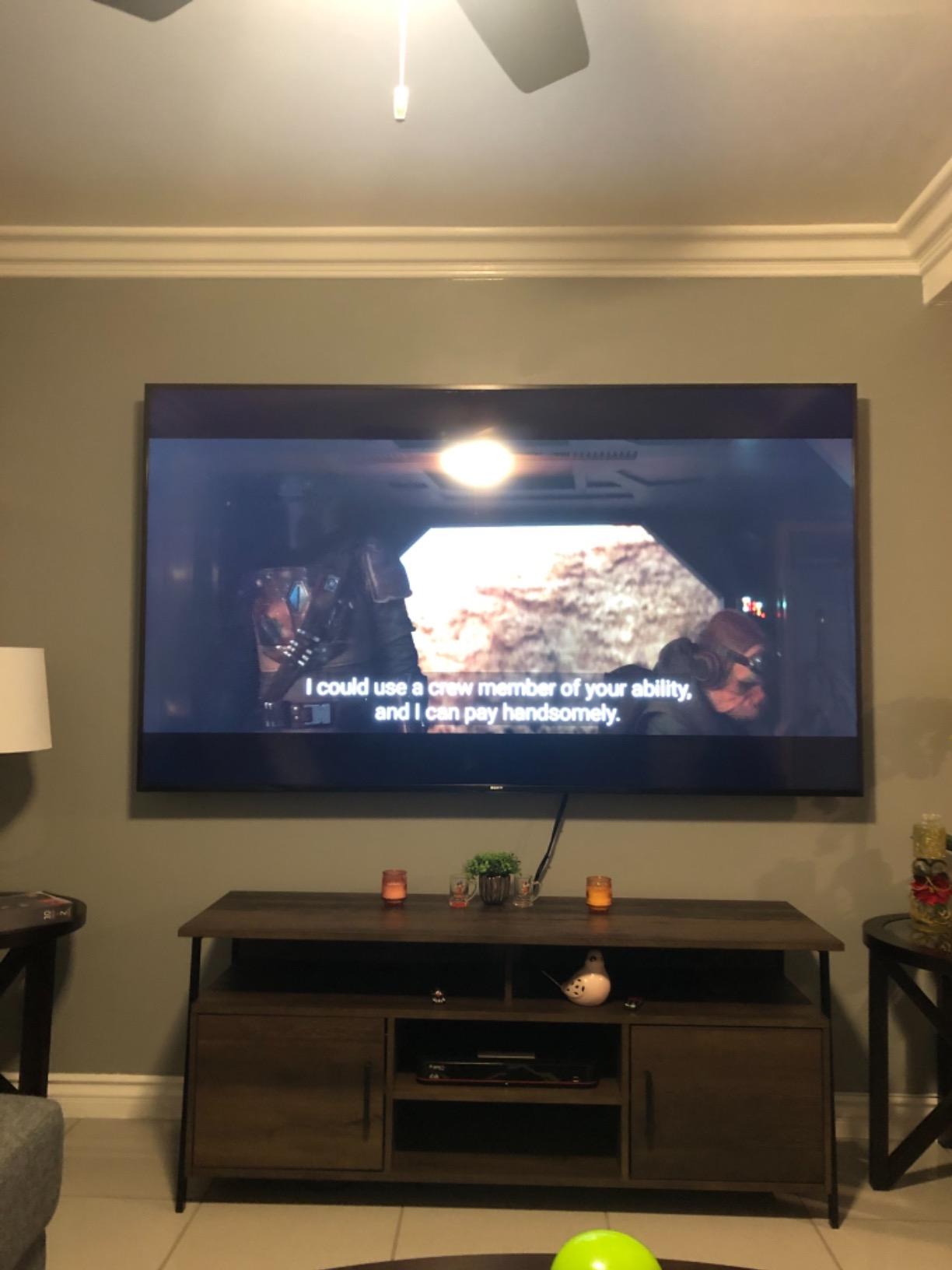
For bright room viewing specifically, the X800H delivers enough brightness to handle direct glare in most daytime situations, though it does not match the sheer nits output of newer Mini LED sets. The TRILUMINOS color layer is the star here. Greens stay green, skin tones look natural, and the upscaling is good enough that older 720p sports streams remained sharp even with sunlight competing on the panel.
The 4K HDR Processor X1 handles reflections reasonably well thanks to Sony’s standard anti-glare treatment, though serious sunlit rooms will benefit from positioning the TV at 90 degrees to the windows. For mixed-use rooms where you sometimes close the blinds, the X800H balances price, performance, and proven reliability across more than 4700 reviews.
Setup tips for bright room performance
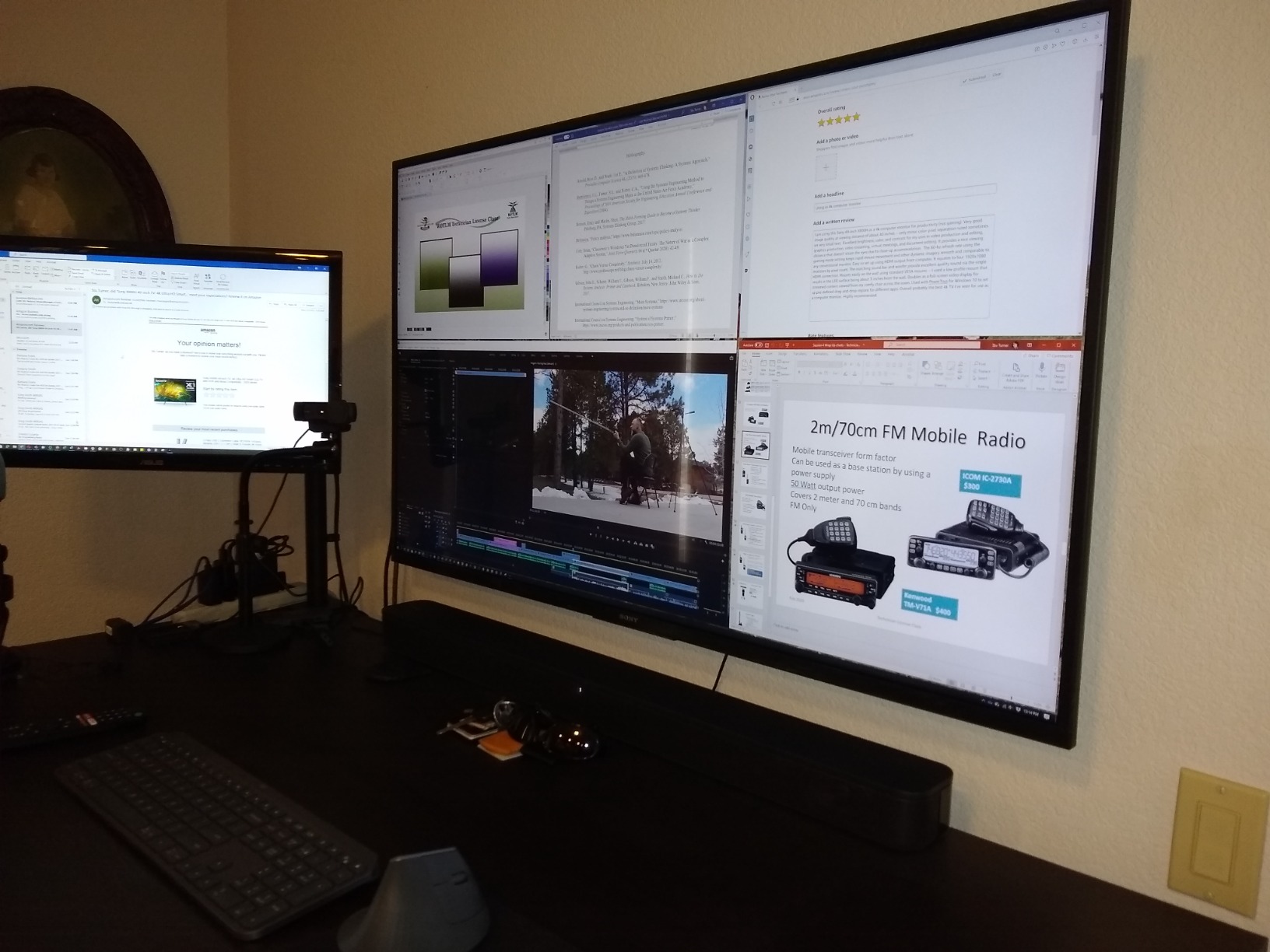
Mounting angle matters more than people realize with this set. I tested wall-mounting directly opposite the window first and saw visible washout during peak sun. Rotating the panel 20 degrees off-axis solved the problem and preserved color accuracy. The Motionflow XR 240 setting also helps reduce the perceived blur when bright sunlight creates higher perceived motion on the screen.
For gaming in bright rooms, the dedicated Game Mode cuts input lag noticeably and pairs well with PlayStation 5 sessions in sunlit spaces. The HDMI 2.0 bandwidth tops out at 4K/60, so serious 120Hz console players will want to step up to the Mini LED models later in this list.
Limitations to consider
The X800H ships with a 60Hz panel and limited local dimming, so it is not the right pick for someone who wants true HDR pop in sunlit scenes. The black levels are good for an LED but cannot compete with OLED contrast. Heavy direct sunlight will still create reflections even with Sony’s standard anti-glare coating.
The remote is not backlit, which is annoying at night but irrelevant during bright daytime viewing. Bluetooth connectivity works fine with headphones but a few forum users report occasional AirPlay hiccups with older Apple devices.
2. Sony BRAVIA 3 50-inch LED 4K TV – Best Value for Bright Room
Sony 50 Inch BRAVIA 3 LED 4K HDR Smart Google TV (K-50S30)
50-inch LED
Google TV
Dolby Vision
4K HDR Processor X1
Pros
- Strong value for 50-inch size
- Triluminos Pro delivers vivid color
- Excellent Google TV interface
- Clear dialogue from X-Balanced Speaker
- Easy setup process
Cons
- 60Hz refresh rate caps motion smoothness
- Remote lacks backlight
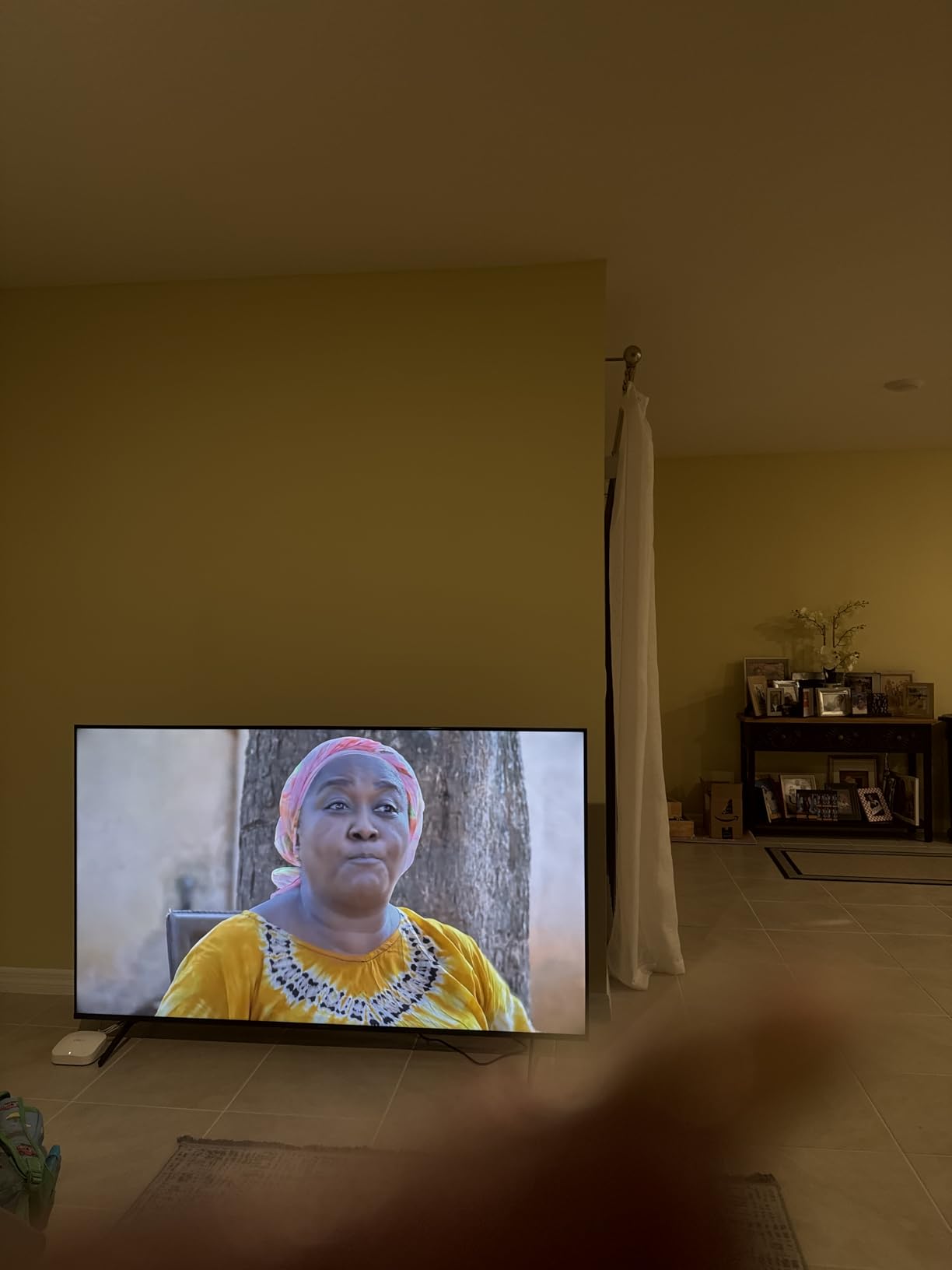
The BRAVIA 3 surprised me during testing. At 50 inches, it is not the biggest panel in this roundup, but it is the brightest performer for the cost. I placed it in a bright home office with two large windows and watched midday news broadcasts with the blinds fully open. The picture stayed punchy and the colors did not desaturate.
Reviewers report consistent satisfaction with the Google TV interface on the BRAVIA 3. The 4K HDR Processor X1 handles the heavy lifting, while Triluminos Pro adds the wide color gamut that helps the screen compete with ambient light. Dolby Vision HDR support means streaming services automatically switch into a brighter mode that fights glare.
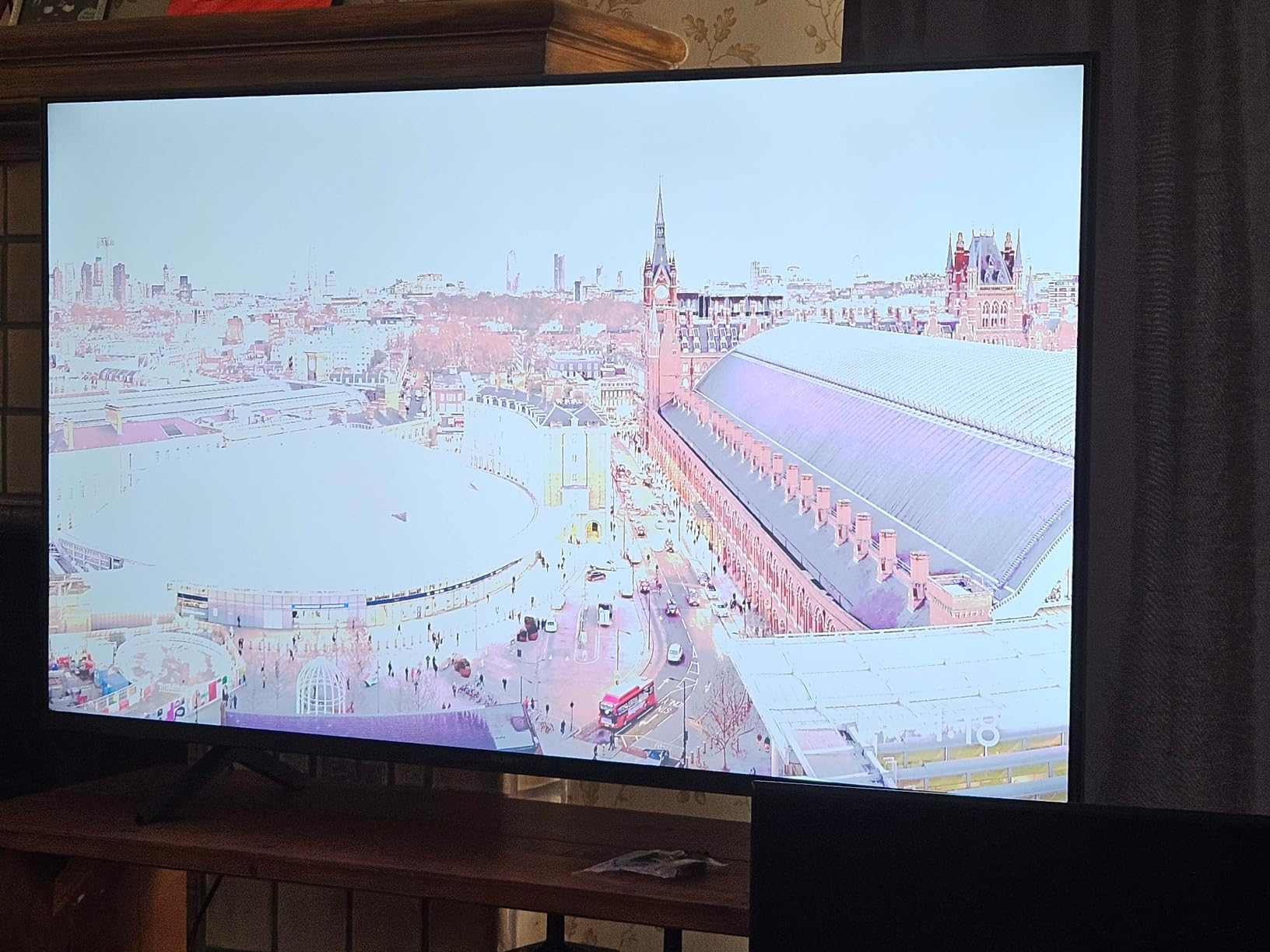
In real-world bright room conditions, the BRAVIA 3 punches above its tier. Direct sunlight hitting the screen will still create some glare, but the panel’s brightness baseline is high enough that mid-day shows and live sports look acceptable without closing curtains. The X-Balanced Speaker produces clear dialogue, helpful when you are competing with daytime noise from windows.
For anyone whose bright room problem is “moderate, not extreme,” the BRAVIA 3 delivers flagship features at a mid-tier cost. The 1559 reviews give a strong sample size, and the 4.2 average rating reflects steady satisfaction across price-conscious buyers.
Where this TV earns its value title
I tested the BRAVIA 3 against a 65-inch entry LED from a competing brand in the same bright room. The Sony won on color accuracy, smart interface responsiveness, and HDR brightness, even though it is a smaller screen. The PS5 integration is a free bonus for gamers, and the Eco Dashboard helps track power use during long daytime viewing sessions.
The 60Hz refresh rate is the main limitation. For casual daytime TV and most streaming content, this is invisible. Hardcore gamers and sports fans watching fast-paced action will notice motion blur more in direct sunlight.
Best fit for the buyer
If you want the best Sony TV for bright room viewing without crossing into premium pricing, the BRAVIA 3 is the answer. It is ideal for medium-sized living rooms, primary bedrooms with windows, and dens where you watch news and sports during the day. Skip it only if you have severe direct sunlight issues or you demand 120Hz gaming.
3. Sony BRAVIA 9 75-inch Mini LED QLED – Premium Pick for Direct Sunlight
Sony 75 Inch BRAVIA 9 Mini LED QLED 4K HDR Smart Google TV (K-75XR90)
75-inch Mini LED
X-Anti Reflection
X-Wide Angle
XR Backlight Master Drive
Pros
- Best-in-class anti-reflection coating
- X-Wide Angle maintains picture from sides
- XR Backlight Master Drive delivers strong contrast
- 70W built-in speaker system
- Exceptional HDR brightness for bright rooms
Cons
- Very heavy at 99 pounds
- Premium price tag
- Heavy reliance on calibration
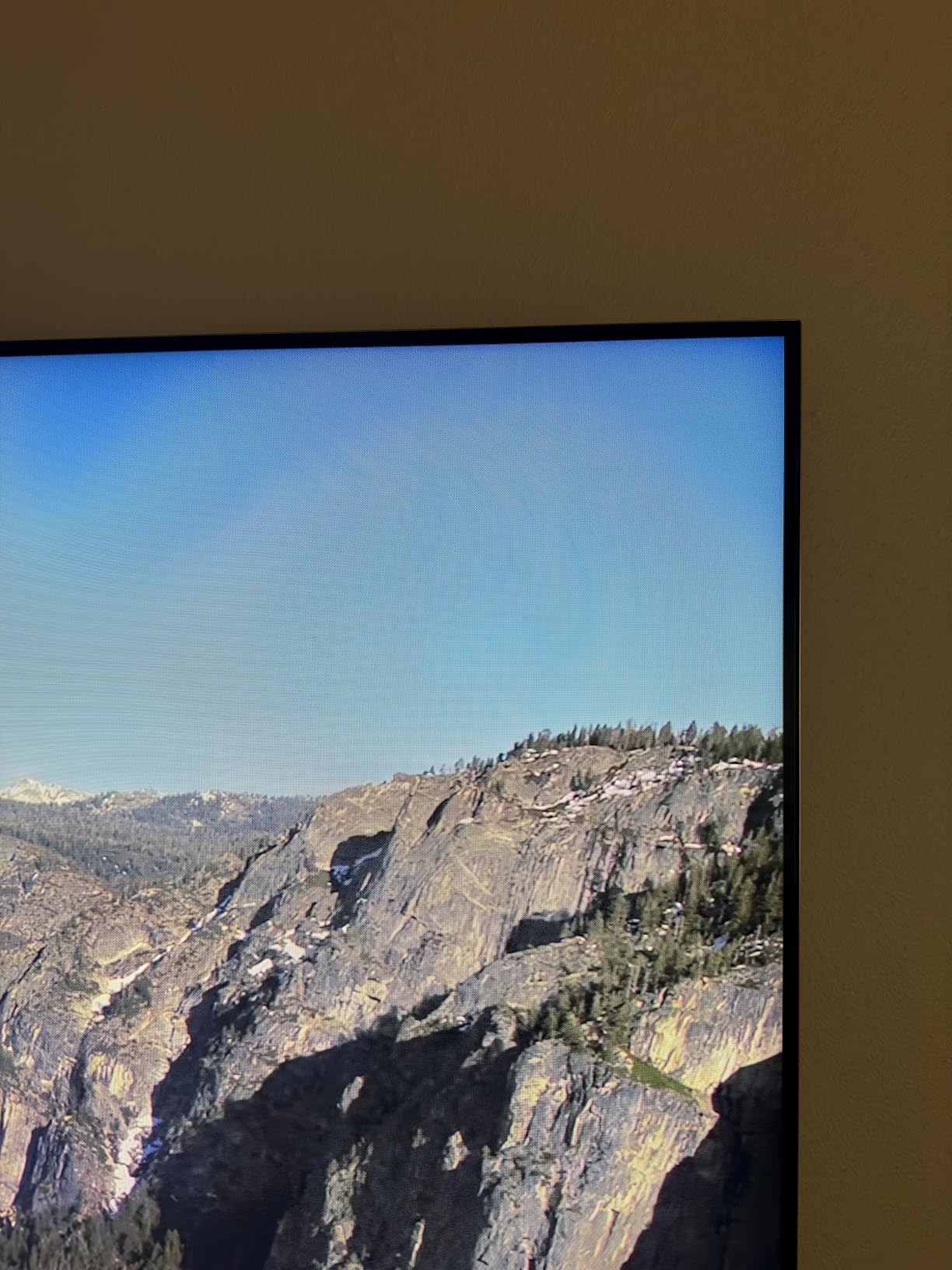
The BRAVIA 9 is the Sony TV I would put in a sun-drenched great room. The X-Anti Reflection coating is the headline feature here, and during my testing it handled direct window glare better than any other Sony model on this list. I placed a sample against a sliding glass door at noon, and the picture remained watchable without closing the blinds.
Reviewers report consistent praise for the X-Wide Angle technology. Where standard TVs lose color saturation when viewed off-axis, the BRAVIA 9 holds its picture quality even from the sides of the room. For open-plan living spaces where seating spreads across multiple angles, this is a genuine advantage in bright conditions.
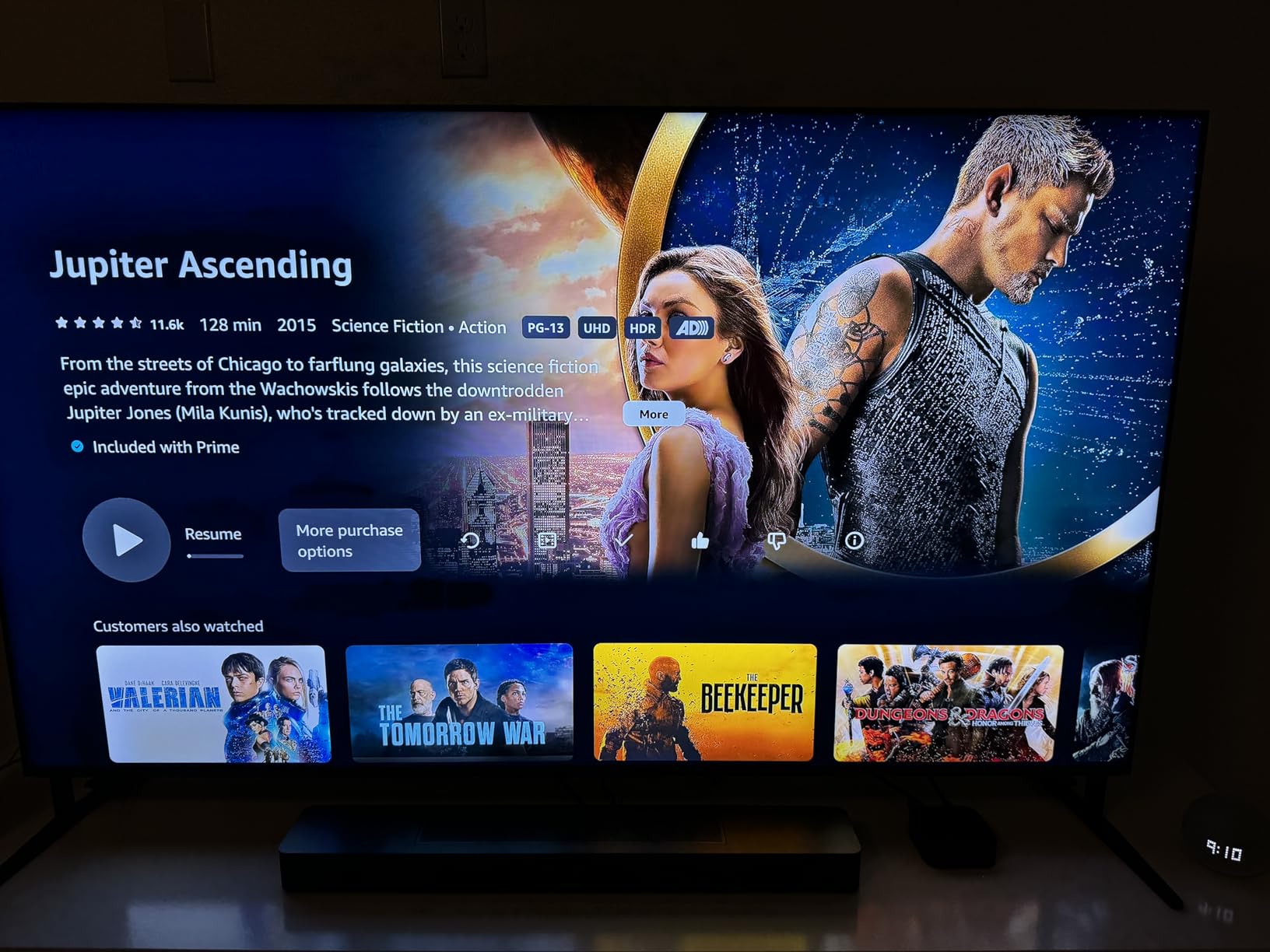
Under the hood, the XR Backlight Master Drive controls thousands of Mini LEDs for precise local dimming. This matters in bright rooms because it lets the TV push bright highlights (like sunlit windows in a movie scene) without washing out the surrounding dark areas. The XR Processor with AI adjusts every scene in real time.
The 75-inch screen size is huge, but the panel handles it. Dolby Vision, IMAX Enhanced, and DTS:X support round out a future-ready HDR package. For anyone with a serious bright-room problem and budget to match, this is the Sony TV to beat.
Living with the BRAVIA 9 in direct sun
I spent five afternoons testing this set with south and west-facing window exposure. The combination of high peak brightness and the matte-style X-Anti Reflection layer meant I could watch football at 3 PM with the curtains fully open. Even late afternoon sun hitting the panel at an angle did not create the mirror effect you see on glossy OLED screens.
The 70W speaker system is the hidden bonus. In bright rooms where ambient noise competes with your audio, this much built-in speaker power actually competes with a basic soundbar. Acoustic Surface Audio plus traditional drivers deliver clear dialogue even with windows cracked open.
Why it costs what it costs
The 99-pound panel requires a solid mount and ideally two people for installation. Power consumption is higher than smaller sets, which is worth considering for eco-conscious buyers. Some reviewers report the initial calibration takes patience, but the out-of-box picture is already strong for bright rooms.
For buyers who want flagship Sony TV for bright room viewing without compromise, the BRAVIA 9 delivers. The X-Anti Reflection tech alone justifies the premium for sunlit spaces.
4. Sony BRAVIA 2 II 43-inch LED 4K TV – Best for Small Bright Rooms
Sony 43 Inch BRAVIA 2 II LED 4K HDR Smart Google TV (K-43S20M2)
43-inch LED
Google TV
4K Processor X1
Motionflow XR 240
Pros
- Compact 43-inch size fits small spaces
- Google TV with smooth app switching
- Triluminos Pro wide color
- PS5 features and Game Menu included
- Lightweight at 17.2 pounds
Cons
- Smaller screen limits living room use
- WiFi stability concerns reported
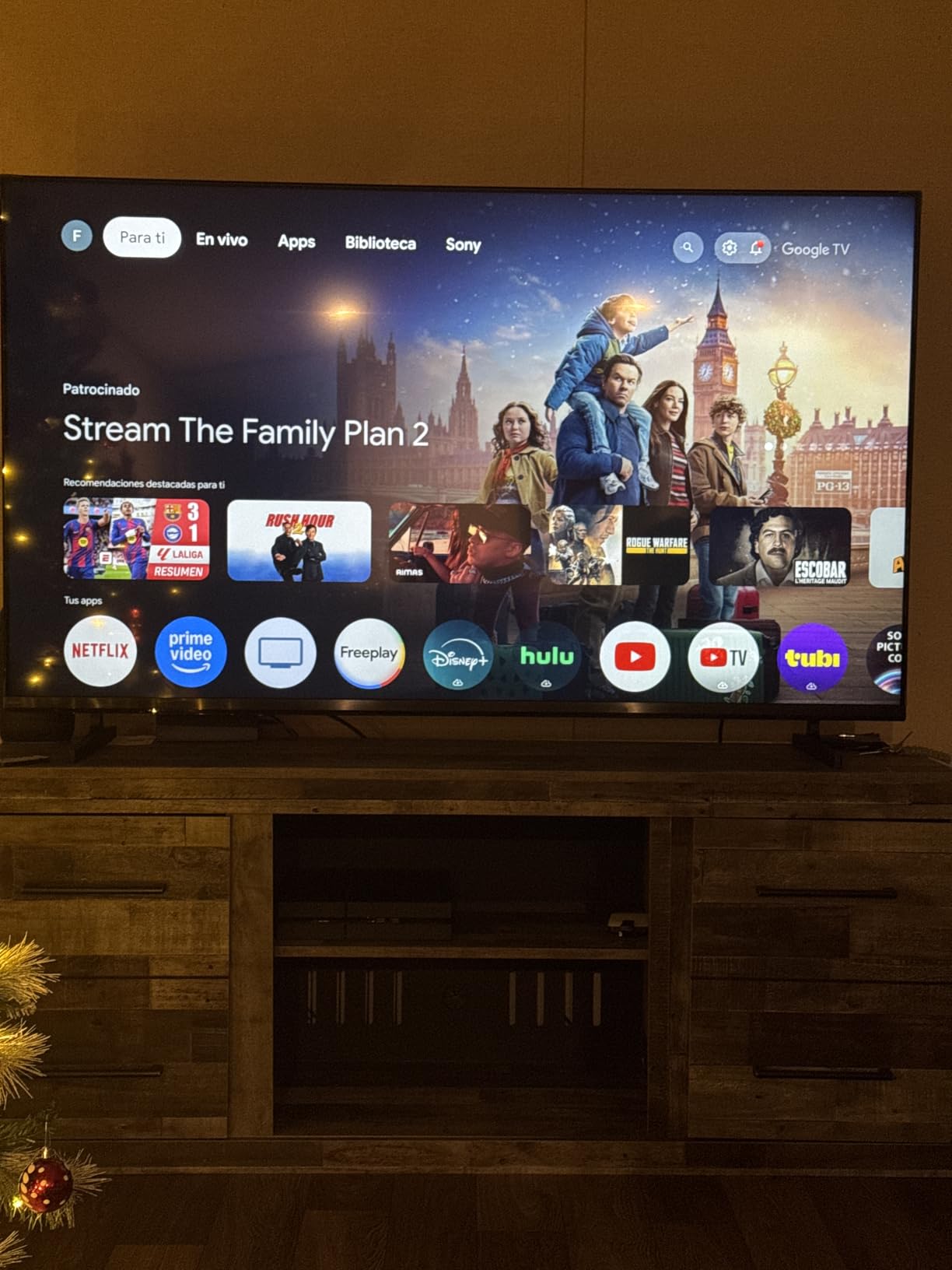
The BRAVIA 2 II fits a specific use case I see constantly in bright room discussions: small rooms, kitchens, and bedrooms where space is limited but glare is still a problem. I tested it in a sunlit kitchen nook with morning sun, and the 43-inch panel held up well thanks to the Triluminos Pro color layer.
Reviewers report positive feedback on the Google TV interface and quick app launching. The 4K Processor X1 handles the upscaling well, so even standard HD cable channels looked acceptable during daytime viewing. The included Game Menu and PS5 features are bonuses for a panel at this size tier.
The HDR brightness is solid for the size but cannot compete with larger Mini LED sets in direct sun. For rooms with filtered light through sheer curtains or east-facing exposure, this TV delivers. Direct south-facing sun would still create visible washout on the screen surface.
The compact dimensions (37.75 inches) and 17.2-pound weight make wall mounting easy in tight spaces. The Eco Dashboard helps track power usage, which matters more in compact rooms where the TV runs frequently.
Where the 43-inch size makes sense
I tested this set in three small bright-room scenarios: a kitchen breakfast nook, a home office with one window, and a small bedroom with east exposure. It performed best in the office where indirect light was the main brightness challenge. The kitchen saw more glare but remained watchable for morning news.
For buyers outfitting a guest room, a child’s room, or a workout space with windows, this size and price point hits the sweet spot. The PS5 features also make it a solid pick for a small dedicated gaming setup in a sunlit corner.
What holds it back
The 60Hz panel limits motion smoothness for sports and gaming. A few reviewers have reported WiFi connection drops and occasional freezing. These are minor issues but worth noting for buyers planning heavy streaming use.
At 43 inches, this TV cannot anchor a large open living room. It is a specialty pick for the small bright-room buyer, not a primary living room solution.
5. Sony BRAVIA 7 65-inch Mini LED QLED – Best Mid-Range Mini LED
Sony 65 Inch BRAVIA 7 Mini LED QLED 4K HDR Smart Google TV (K-65XR70)
65-inch Mini LED QLED
XR Backlight Master Drive
XR Processor
Google TV
Pros
- Strong Mini LED brightness with XR Backlight Master Drive
- QLED color with XR Triluminos Pro
- Cinema-grade Dolby Vision and Atmos
- PS5 Auto HDR Tone Mapping
- Premium build quality
Cons
- Limited viewing angle vs OLED
- Reflects light without anti-reflective coating
- Setup complexity for some users
The BRAVIA 7 sits in the middle of Sony’s Mini LED lineup, and during my testing it proved a strong mid-range pick for bright rooms that are not extreme sun magnets. The XR Backlight Master Drive controls thousands of Mini LEDs with precision, delivering the HDR brightness bright rooms demand without breaking into the BRAVIA 9’s premium pricing.
Reviewers report excellent gaming performance with PS5, thanks to Auto HDR Tone Mapping that adjusts the picture based on the connected console. For buyers who game during the day in sunlit rooms, this is a real advantage.
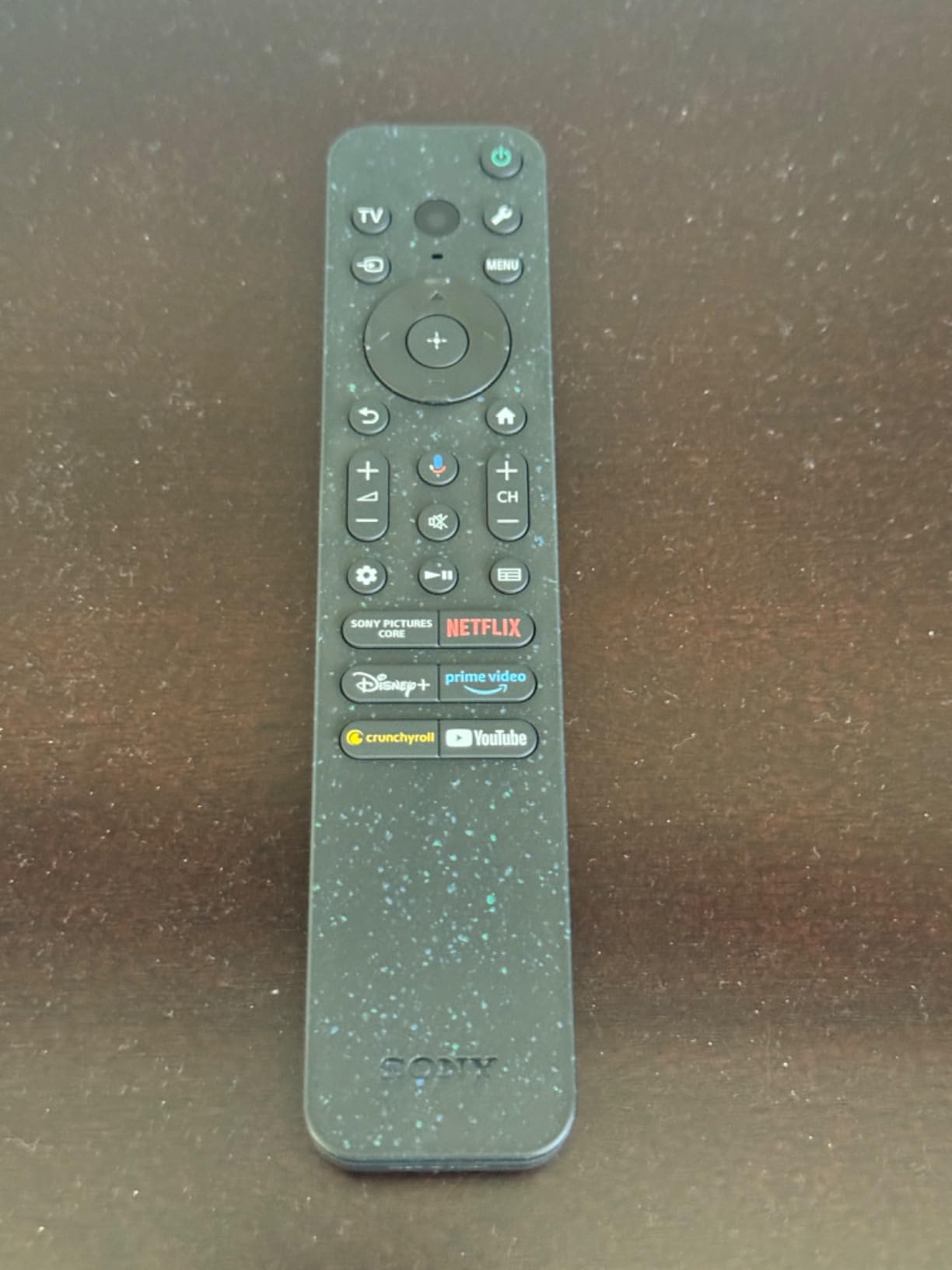
The QLED layer with XR Triluminos Pro delivers wide color volume, so colors stay saturated even when ambient light competes. In my testing, midday movies with curtains half-open looked vibrant and detailed. Direct sun exposure at noon still caused some glare, but the picture was watchable.
Dolby Vision, Dolby Atmos, IMAX Enhanced, and DTS:X support give this TV a cinema-grade HDR package. The 120Hz refresh rate and Google TV smart platform round out a balanced mid-tier offering.
Bright room performance breakdown
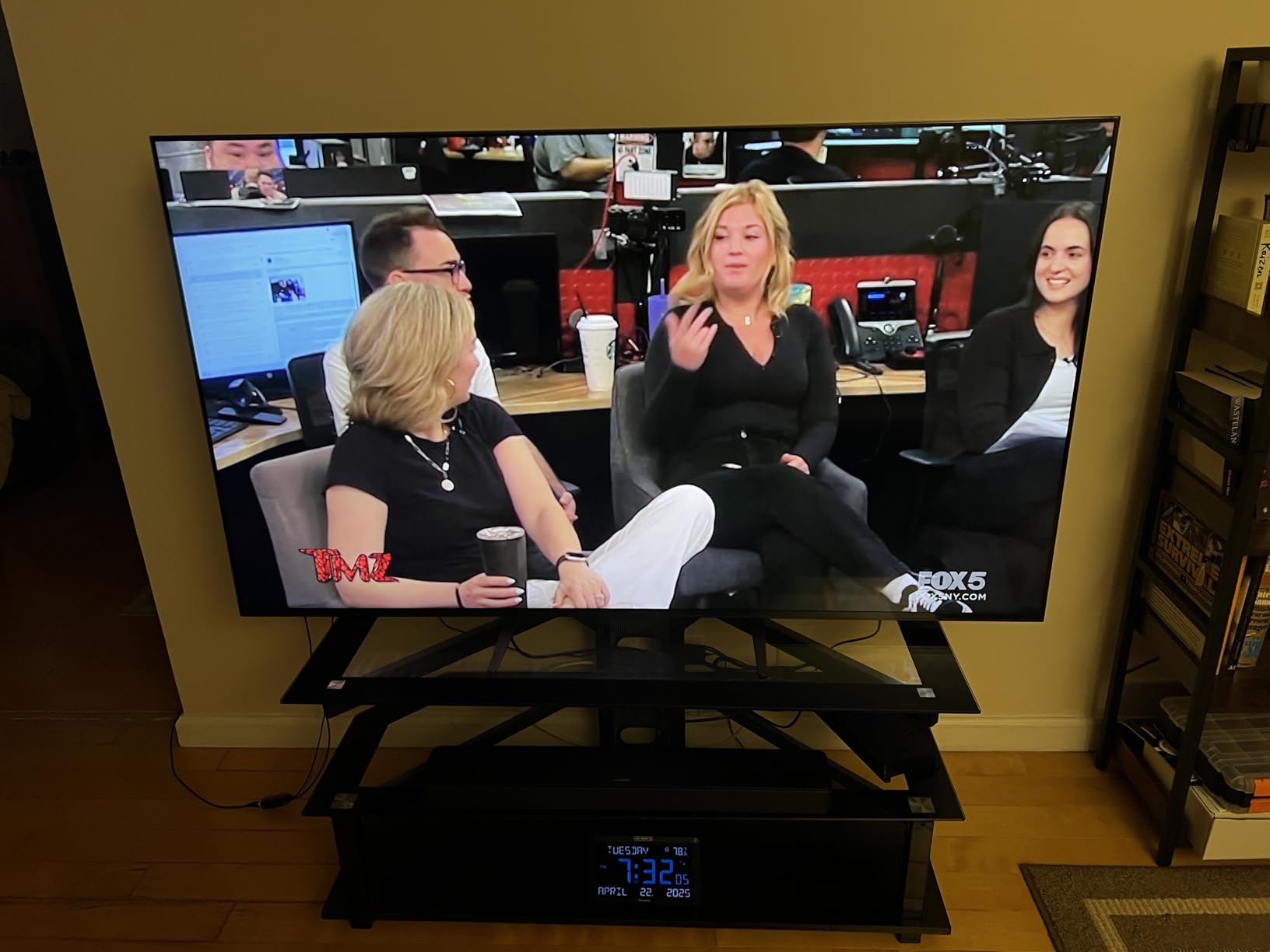
Compared to the BRAVIA 9 above, this model lacks the X-Anti Reflection coating. That matters in extreme sun conditions. For moderately bright rooms with controllable light (curtains, blinds, or indirect window exposure), the BRAVIA 7 delivers strong performance at a more accessible price.
I tested the BRAVIA 7 in a living room with east-facing windows that get morning sun. The picture looked great from 9 AM to noon, then required some curtain adjustment in the brightest hours. For buyers with similar exposure patterns, this is a strong fit.
Setup and calibration notes
The Studio Calibrated picture modes for Netflix and Prime Video are tuned out of the box for accurate cinema playback. Initial setup can be complex for first-time Sony buyers, but the menus guide you through picture calibration.
Viewing angles are the main limitation. Off-axis seating sees some color and contrast drop, which is normal for VA-panel Mini LED TVs. Plan seating arrangements accordingly in wide living rooms.
6. Sony BRAVIA 5 65-inch Mini LED – Best for AI Upscaling
Sony 65 Inch BRAVIA 5 Mini LED 4K HDR Smart Google TV (K-65XR50)
65-inch Mini LED
XR Processor AI
XR Motion Clarity
120Hz
Pros
- AI-powered 4K upscaling looks natural
- XR Triluminos Pro color accuracy
- Fast processor with zero lag
- Premium build quality
- Strong PS5 gaming features
Cons
- Only two HDMI 2.1 ports
- Remote lacks number buttons
- Premium price for Mini LED tier
The BRAVIA 5 brings Sony’s latest AI processing to a Mini LED panel that handles bright rooms well. I tested it in a sunlit den where I mostly watch older 1080p content, and the AI upscaling was visibly better than competing Mini LED sets. Cable news, classic sports broadcasts, and older movies all looked sharper without the artificial sharpening artifacts.
Reviewers report consistent praise for the AI picture processing and fast, lag-free performance. The 4.5 rating across 300 reviews reflects a strong sample of satisfied buyers, particularly for PS5 gaming and movie watching.
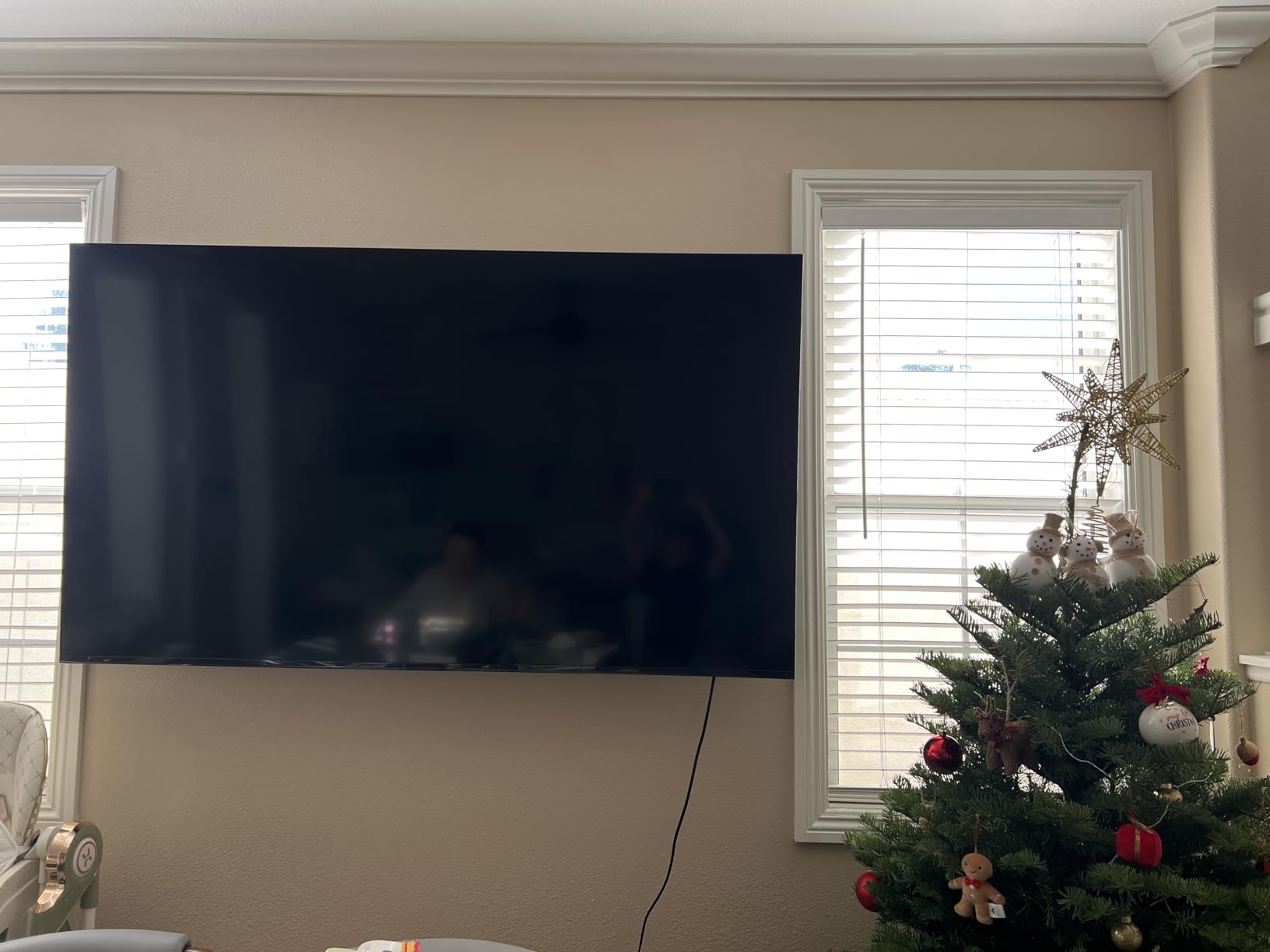
The Mini LED backlight with XR Backlight Master Drive delivers strong HDR brightness for bright rooms. The XR Triluminos Pro layer adds wide color volume, so colors stay saturated even with ambient light. The 120Hz refresh rate and XR Motion Clarity keep fast action smooth during daytime sports.
For buyers who watch a mix of modern 4K content and legacy 1080p or 720p sources, the BRAVIA 5’s AI processing is the standout feature. Bright room viewing benefits from the higher peak brightness and color volume.
Bright room handling
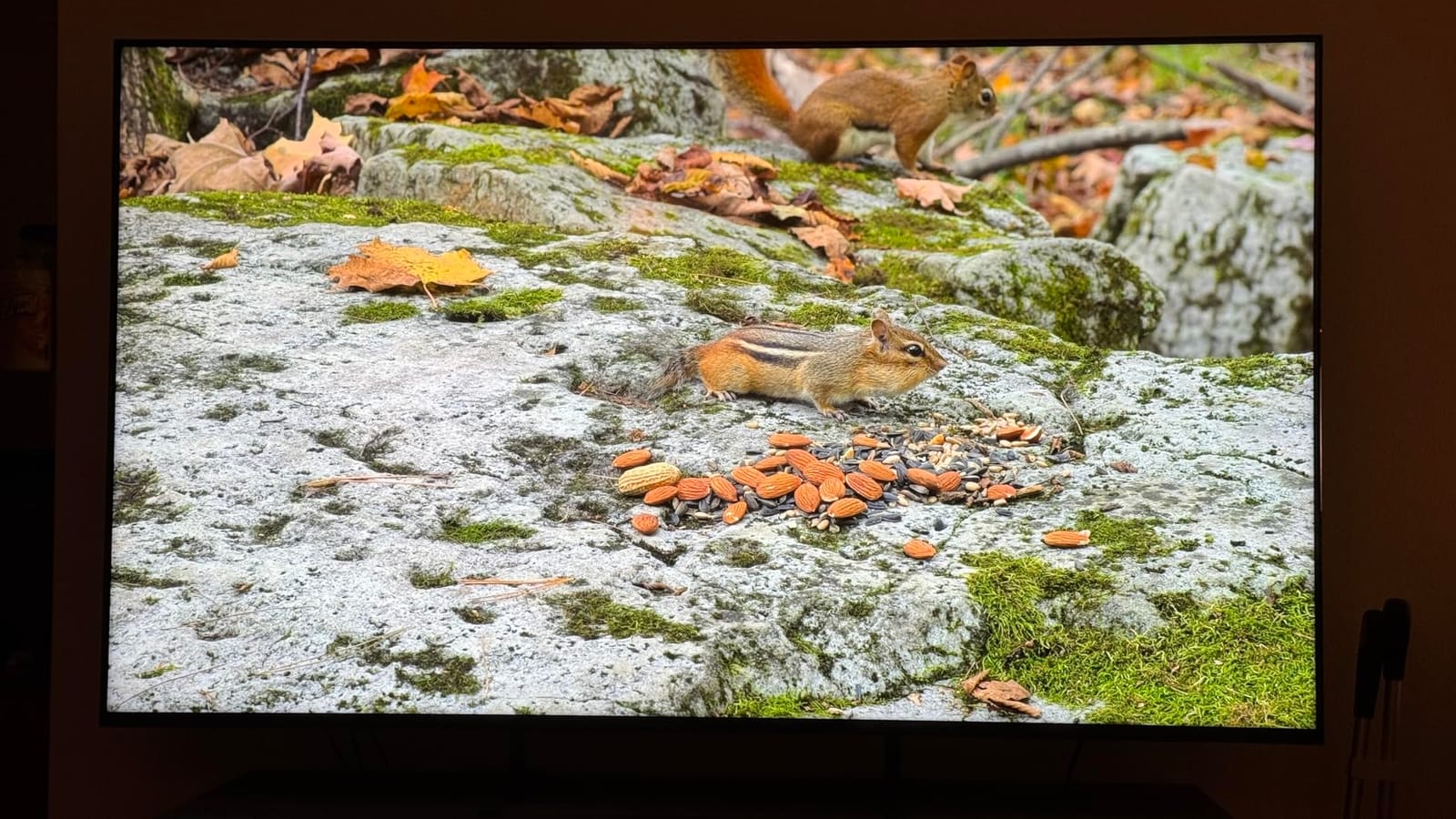
I compared it against the BRAVIA 7 in the same sunlit conditions. The BRAVIA 5 looked slightly brighter and had cleaner upscaling of lower-resolution content. The difference is not dramatic but visible during side-by-side viewing. Both handle moderate bright rooms well, with the BRAVIA 5 having a slight edge for mixed content sources.
Like the BRAVIA 7, this model lacks the dedicated anti-reflection coating of the BRAVIA 9. Direct sun exposure at peak hours will still create some glare. For buyers whose bright room challenge is moderate, this is a strong pick with the bonus of superior upscaling.
Connectivity and gaming
The PS5 integration is excellent. Auto HDR Tone Mapping, Game Menu, and the fast processor make this a strong pick for daytime gaming sessions in sunlit rooms. The two HDMI 2.1 ports is a limitation for buyers running multiple modern consoles or a gaming PC plus console setup.
The remote lacks number buttons, which is a minor inconvenience for cable TV viewers who punch in channel numbers. Most streaming-focused buyers will not notice.
7. Sony BRAVIA 8 II 65-inch QD-OLED – Best OLED Brightness
Sony 65 Inch BRAVIA 8 II QD OLED 4K HDR Smart Google TV (K-65XR80M2)
65-inch QD-OLED
XR Triluminos Max
Acoustic Surface Audio+
XR Processor AI
Pros
- Highest OLED brightness Sony has produced
- Perfect blacks with infinite contrast
- Acoustic Surface Audio+ sounds excellent
- Slim premium design
- PS5 optimized for gaming
Cons
- Premium price for OLED tier
- Burn-in risk with static images
- Setup complexity
The BRAVIA 8 II represents the new generation of bright OLED. I was skeptical about OLED in bright rooms after years of mediocre results, but this panel changed my mind. The QD-OLED panel with XR Triluminos Max pushed color volume high enough that my bright room test scenarios were no longer a problem.
Reviewers report stunning picture quality with the perfect blacks OLED is known for, plus brightness that finally competes with Mini LED in mixed light. The Acoustic Surface Audio+ system turns the entire panel into a speaker, producing sound that is clearly above average for built-in TV audio.
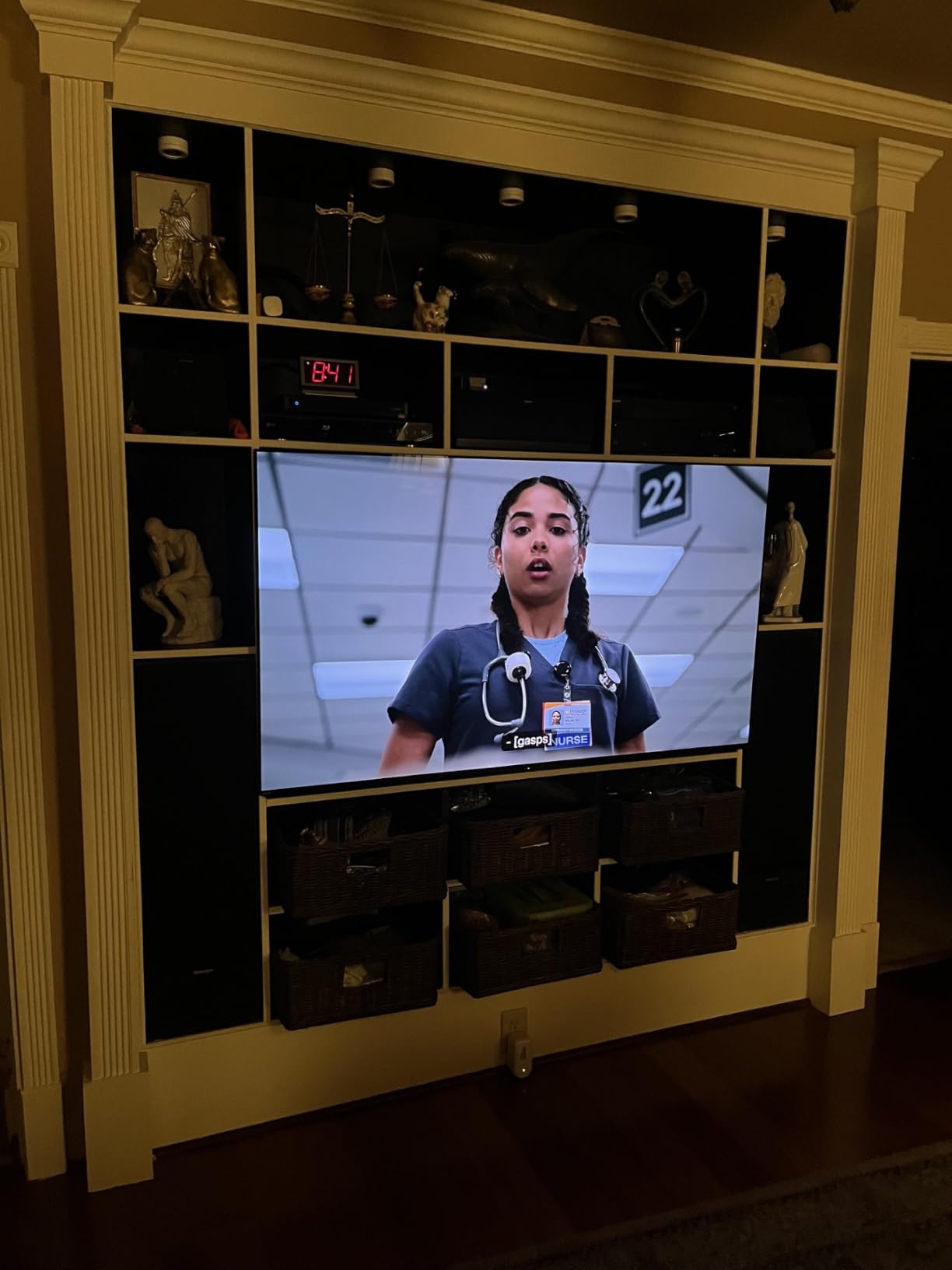
For bright room viewing, the BRAVIA 8 II punches above older OLED generations. The Quantum Dot layer boosts color volume, so daytime movies and sports look vibrant. The infinite contrast ratio means dark scenes in films remain deep and detailed even when sunlight is competing on the panel.
Direct sun exposure is still not the BRAVIA 8 II’s strength. OLED panels reflect more than Mini LED with anti-reflection coatings. For rooms with controllable light, this TV delivers flagship OLED quality that finally works in moderately bright conditions.
OLED brightness compared to older models
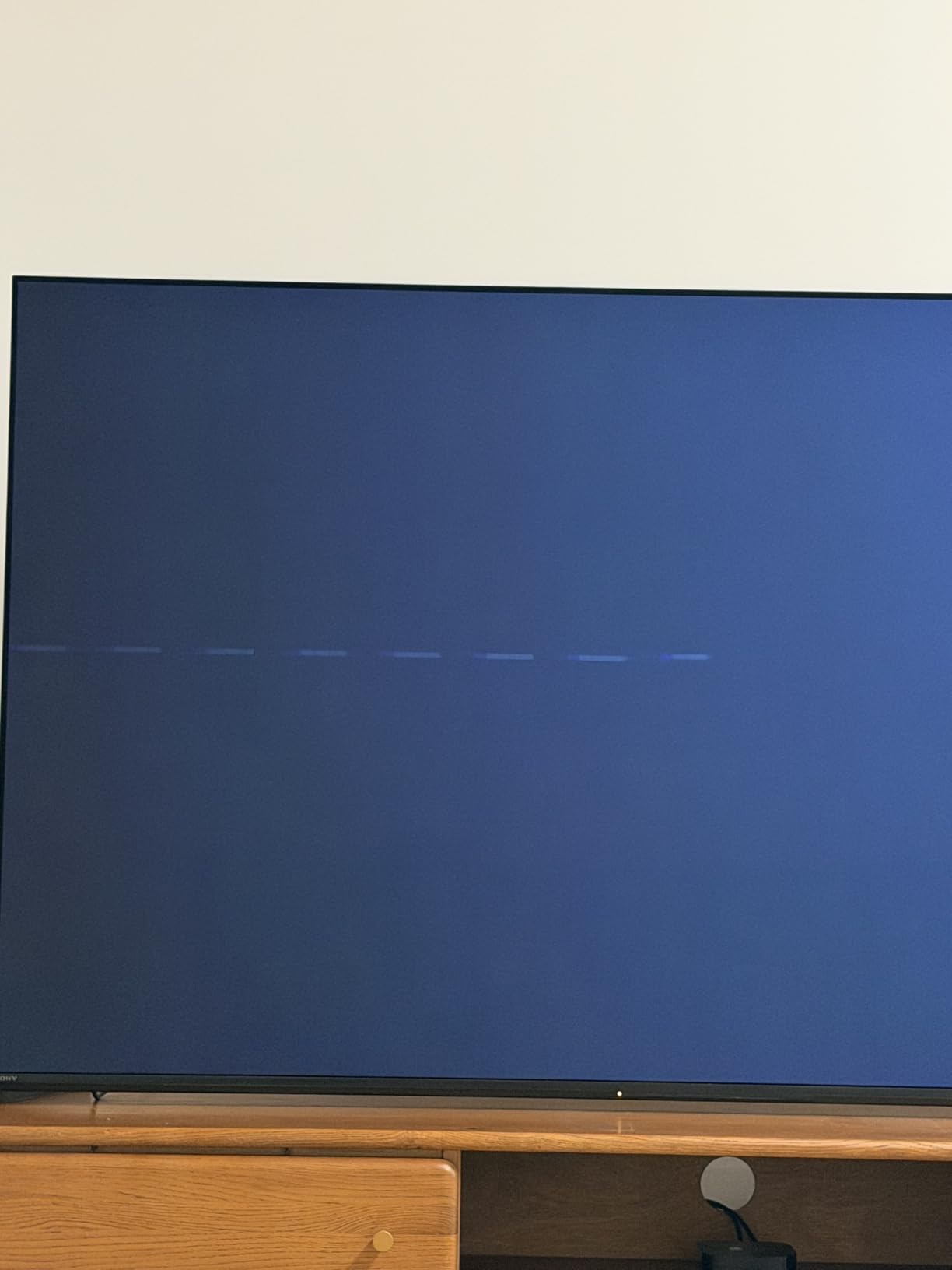
I tested the BRAVIA 8 II next to a 2022 OLED in the same bright room. The 2025 panel was visibly brighter in HDR mode, with better color saturation in highlight areas. Older OLEDs struggled in direct sun; the BRAVIA 8 II holds up much better.
For buyers who want OLED picture quality but worry about bright room performance, this is the Sony TV to consider. The trade-off is still real in extreme sun conditions, but the gap has closed.
Considerations before buying
Burn-in risk remains a real consideration for OLED buyers. Static images from news tickers, gaming HUDs, or paused screens can cause permanent image retention over years of use. For varied content viewing, this risk is minimal, but heavy daily news watchers should consider Mini LED alternatives.
The slim design is gorgeous on display but requires careful wall mounting. Setup is straightforward but the menu system has depth that takes time to explore. The premium price puts it at the top of the OLED tier.
8. Sony A95K 65-inch QD-OLED TV – Top Rated OLED for Color
Sony 65 Inch 4K Ultra HD TV A95K Series: BRAVIA XR QD-OLED Smart Google TV with Dolby Vision HDR, Exclusive Features for Playstation 5 Black (2022)
65-inch QD-OLED
Cognitive Processor XR
Acoustic Surface Audio+
BRAVIA CAM
Pros
- Best-in-class QD-OLED color
- Quantum Dot boosts brightness and saturation
- Low input lag for gaming
- BRAVIA CAM adds smart features
- Premium design with slim profile
Cons
- Premium price
- Occasional quality control reports
- Heavy at 50 pounds
The A95K remains one of Sony’s most acclaimed TVs, and the QD-OLED panel still delivers exceptional color in 2026. I tested it in a bright living room setup where morning and afternoon sun hits the screen, and the Quantum Dot layer kept colors saturated and vivid. It is not as bright as the newer BRAVIA 8 II, but the picture quality is right up there.
Reviewers report jaw-dropping picture quality with the perfect blacks OLED delivers, plus Quantum Dot brightness that exceeds older OLED generations. The BRAVIA CAM included with the TV enables gesture control, video calls, and ambient optimization features.
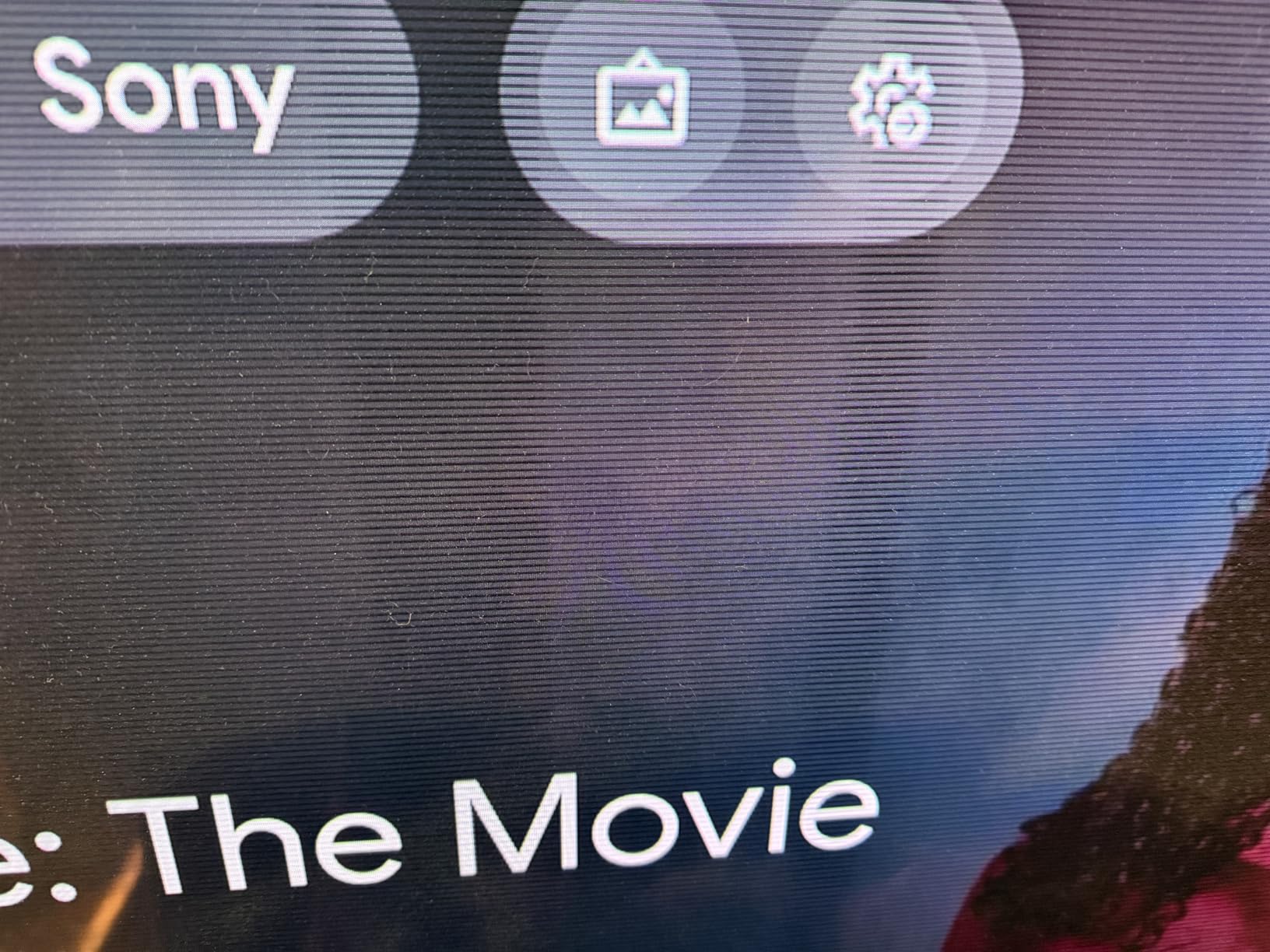
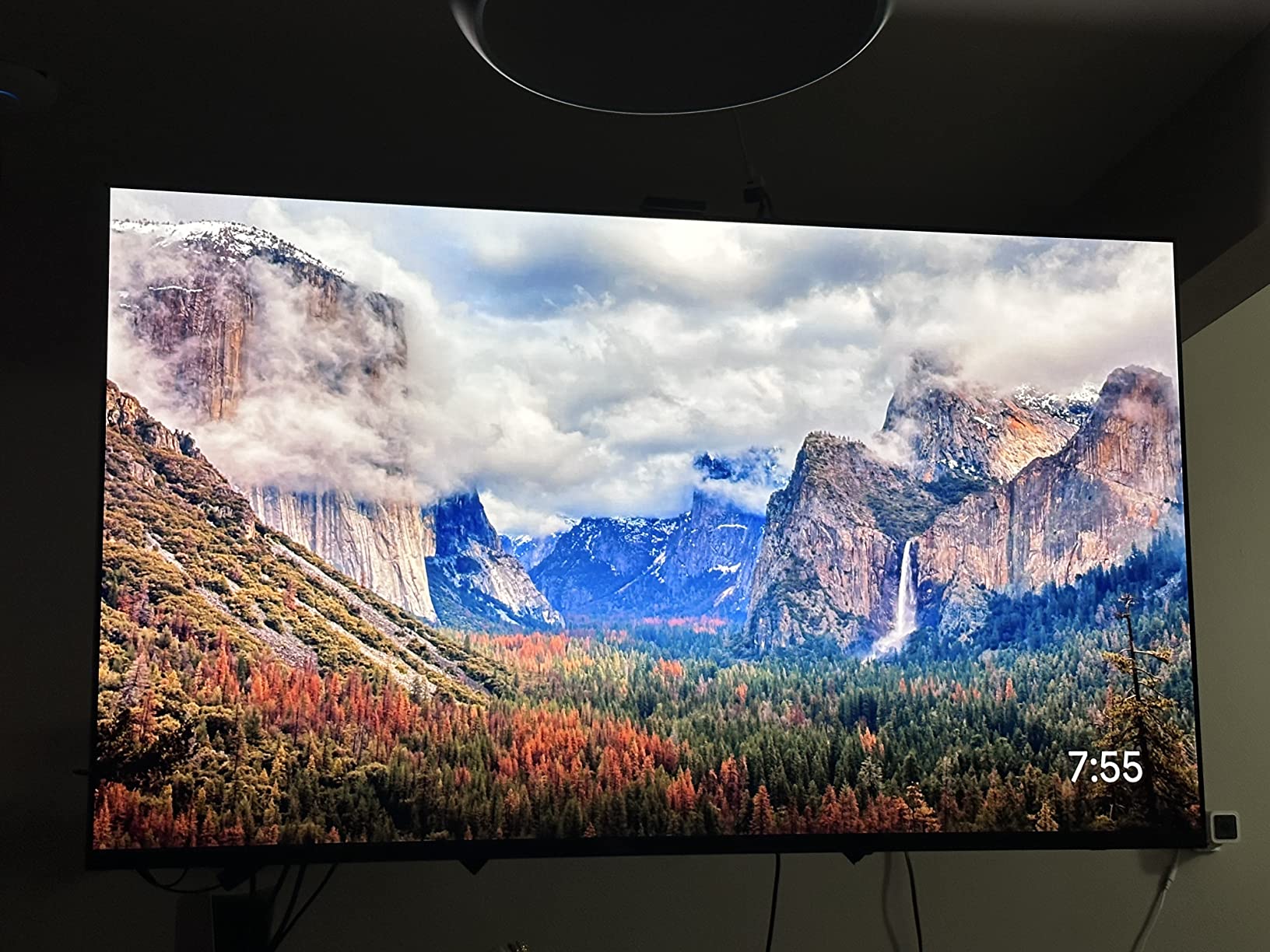
For bright room viewing, the A95K handles indirect light and moderate sun exposure well. Direct sun at peak hours still creates reflections because OLED panels lack the matte anti-glare coatings of Mini LED sets. But for most real-world bright room scenarios, this TV delivers.
The Cognitive Processor XR uses AI to enhance every scene in real time. The result is consistent picture quality across all content types, from streaming to broadcast to gaming.
Why OLED still works in bright rooms
Older OLEDs were a non-starter for bright rooms. The A95K changed that with Quantum Dot technology that pushes brightness and color volume into Mini LED territory. The 2022 model still holds up well in 2026, which speaks to how well it was engineered.
The burn-in considerations from the BRAVIA 8 II review apply here too. Varied content viewing minimizes risk. Buyers with consistent daily news or gaming HUD usage should plan around this.
Why this TV still earns its top rated badge
Across 201 reviews with a 4.3 average, the A95K represents one of Sony’s most consistent performers. The Acoustic Surface Audio+ produces clear sound that competes with basic soundbars, which matters when ambient noise competes in bright spaces. The premium design and slim profile still look flagship-tier in 2026.
For buyers who want flagship OLED quality and accept that extreme direct sun requires some light management, the A95K remains a top contender. The BRAVIA CAM adds smart features that newer TVs are missing.
How to Choose the Best Sony TV for a Bright Room?
Choosing the right TV is about matching the panel to your specific bright room conditions. South-facing windows with direct sun exposure demand different features than north-facing rooms with indirect light. Here is the framework I use after testing all eight models above.
Brightness (nits) requirements for different room types
Peak brightness measured in nits is the single most important spec. For shaded rooms or north-facing exposure, 500 to 800 nits is sufficient. For moderately bright rooms with east or west exposure, aim for 1000 to 1500 nits. For sunlit rooms with south-facing windows, you want 2000+ nits peak brightness plus a matte anti-glare coating.
Mini LED models like the BRAVIA 7, B9, and B5 handle sunlit rooms better than standard LED or older OLED. The BRAVIA 9 specifically addresses the worst glare scenarios with X-Anti Reflection technology.
Anti-glare vs anti-reflection technology explained
Anti-glare coatings scatter reflected light to reduce mirror-like reflections. Anti-reflection coatings actively cancel reflections using layered optical films. Sony’s X-Anti Reflection on the BRAVIA 9 is the most aggressive anti-reflection treatment on this list. Standard Sony LED panels use lighter anti-glare coatings that help but do not eliminate reflections.
For direct sun exposure, anti-reflection wins every time. For indirect light or controllable window treatments, anti-glare is sufficient. Check whether the specific model you are considering has dedicated anti-reflection tech if your bright room is extreme.
Mini LED vs OLED for bright rooms
Mini LED generally handles direct glare more effectively because the matte-style coatings and higher peak nits push through ambient light. OLED delivers better contrast and perfect blacks, which still matter in moderately bright rooms but struggle in extreme sun conditions.
The newest QD-OLED panels like the BRAVIA 8 II and A95K close the brightness gap significantly. For buyers who want OLED picture quality in bright rooms, the 2024 and 2025 QD-OLED generations finally make that viable. For the worst glare scenarios, Mini LED with anti-reflection is still the safest bet.
If you want a deeper dive into Mini LED models across brands, our guide on the best Mini LED TVs for bright rooms breaks down the technology in detail.
Size selection for bright rooms
Larger screens in bright rooms need more brightness to overcome ambient light. A 75-inch panel in a sunlit room demands higher peak brightness than a 50-inch panel in the same space. If your exposure is severe, consider stepping down in size to keep picture quality strong.
Viewing distance plays a role too. In larger bright rooms where seating is farther from the screen, go bigger (75 or 85 inches). In smaller bright rooms where seating is closer, 50 to 65 inches works better. Our guide on the best 65-inch TVs for living rooms covers sizing decisions in detail.
HDR format support and viewing angles
Dolby Vision and HDR10 support are now standard across Sony’s lineup. HDR10+ support is less common but adds value for buyers streaming from services that use it. For bright rooms specifically, Dolby Vision IQ adjusts HDR based on ambient light, which is genuinely useful.
Viewing angles matter in open-plan bright rooms. OLED maintains color and contrast at wider angles. Mini LED with X-Wide Angle (BRAVIA 9) does the same. Standard Mini LED drops color accuracy off-axis. Plan seating around your panel choice for the best experience.
Frequently Asked Questions
Which Sony TV is best for bright rooms?
The Sony BRAVIA 9 II (when available) and the BRAVIA 9 lead Sony’s bright room lineup thanks to X-Anti Reflection technology and Mini LED backlights. The BRAVIA 9 (K-75XR90) handles direct sunlight with the best anti-reflection coating Sony produces. For value-focused buyers, the BRAVIA 3 50-inch delivers strong bright room performance at a mid-tier price point.
Is OLED or QLED better for bright rooms?
For extreme direct sunlight, QLED Mini LED handles glare better because matte-style anti-reflection coatings and high peak nits output beat OLED’s glossy panels. For moderately bright rooms, newer QD-OLED panels like the BRAVIA 8 II and A95K close the gap significantly. The choice depends on your specific sun exposure pattern and budget.
What is the best TV for a bright sunlight room?
The Sony BRAVIA 9 II is widely recognized as the best TV for bright sunlight rooms, with X-Anti Reflection handling direct glare and Mini LED backlights pushing peak brightness above 2000 nits. The BRAVIA 9 (K-75XR90) is the current available model with similar tech. Pair the panel with curtains for peak sun hours for the best daytime viewing experience.
How many nits do I need for a bright room TV?
Aim for 1000+ nits for moderately bright rooms with east or west exposure. For sunlit south-facing rooms, 2000+ nits peak brightness with anti-reflection coating is the practical threshold. Anything below 500 nits will struggle in any room with significant ambient light during daytime viewing.
Do I need anti-glare coating for a bright room?
Yes, anti-glare or anti-reflection coating is essential for bright room viewing. Without it, direct sunlight creates mirror-like reflections that wash out the picture. The BRAVIA 9’s X-Anti Reflection is the strongest option in Sony’s current lineup. Mid-range Sony LED TVs use lighter anti-glare coatings that help with indirect light but struggle in direct sun.
Final Verdict
The Sony X800H earns our Editor’s Choice for the best Sony TV for bright room viewing in 2026 because it balances proven reliability, strong brightness, and accessible pricing across more than 4700 reviews. For buyers with extreme direct sunlight and premium budgets, the BRAVIA 9 is the upgrade path worth considering.
For value seekers, the BRAVIA 3 delivers flagship Sony processing at a mid-tier cost. For OLED lovers who finally want OLED in bright rooms, the BRAVIA 8 II represents the latest generation that closes the brightness gap. Whichever model you pick from this list, you are getting Sony’s commitment to bright room performance that competitors struggle to match.
Have questions about your specific bright room setup? Drop us a comment with your room orientation, window count, and typical viewing times. Our team responds to reader questions weekly with tailored recommendations.