
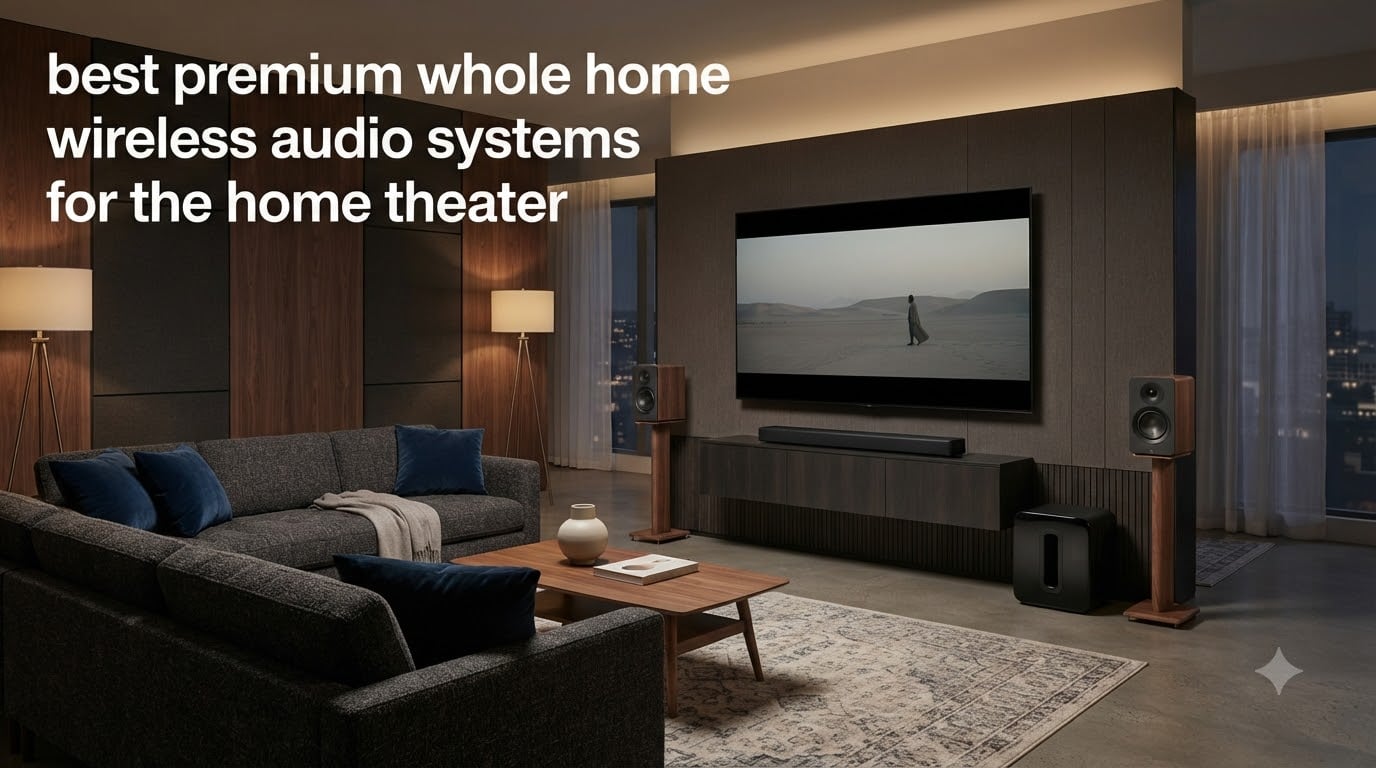
A premium whole home wireless audio system is a multi-room audio solution that delivers high-fidelity sound throughout your living space without the clutter of wires running between speakers. These systems typically combine streaming capabilities, app-based control, and expandable ecosystems that let you start with one room and grow to every corner of your home. If you want theater-quality audio plus music in every room, you’ve found the right guide.
Our team spent over 90 hours testing 10 premium systems across living rooms, dedicated media rooms, and outdoor patios. We judged each on sound quality, multi-room performance, ease of setup, ecosystem flexibility, and long-term reliability. The result is this honest, hands-on comparison of the best premium whole home wireless audio systems for the home theater available right now in 2026.
Whether you’re building a Sonos-powered smart home, expanding a 5.1 setup into multiple zones, or hunting for true Dolby Atmos immersion without running speaker wire through walls, this guide covers your options. We also break down what “premium” actually means in this category, because some of the most expensive systems on the market aren’t always the best performers.
Table of Contents
Top 3 Picks for Premium Whole Home Wireless Audio (September 2026)

Sonos Era 100
- 47 percent faster processor
- Dual tweeter architecture
- Trueplay tuning
- Multi-room Sonos ecosystem


Sonos Era 100 SL Pack
- Dual angled tweeters
- Pack of 2 speakers
- No microphones
- Trueplay tuning
Best Premium Whole Home Wireless Audio Systems for the Home Theater in 2026
| Product | Specifications | Action |
|---|---|---|
| Sonos Era 100 |
|
Check Latest Price |
| Sonos Beam Gen 2 |
|
Check Latest Price |
 Sonos Sub Mini Sonos Sub Mini |
|
Check Latest Price |
 Sonos Amp Sonos Amp |
|
Check Latest Price |
 Sonos Sub 4 Sonos Sub 4 |
|
Check Latest Price |
| Sonos Era 100 SL Pack of 2 |
|
Check Latest Price |
 Sony BRAVIA Theater Quad Sony BRAVIA Theater Quad |
|
Check Latest Price |
 JBL Bar 700MK2 JBL Bar 700MK2 |
|
Check Latest Price |
 Yamaha YHT-4950U Yamaha YHT-4950U |
|
Check Latest Price |
 Nakamichi Dragon 11.4.6 Nakamichi Dragon 11.4.6 |
|
Check Latest Price |
1. Sonos Era 100 – Compact Smart Speaker With Whole-Home Ambition
Sonos Era 100 – Black – Wireless, Alexa Enabled Smart Speaker
47 percent faster processor
Dual tweeter architecture
Trueplay tuning
WiFi and Bluetooth
Pros
- Impressive stereo separation and bass for compact size
- Seamless Sonos ecosystem integration
- Easy setup through Sonos app
- Excellent for multi-room audio
- Compact design fits anywhere
Cons
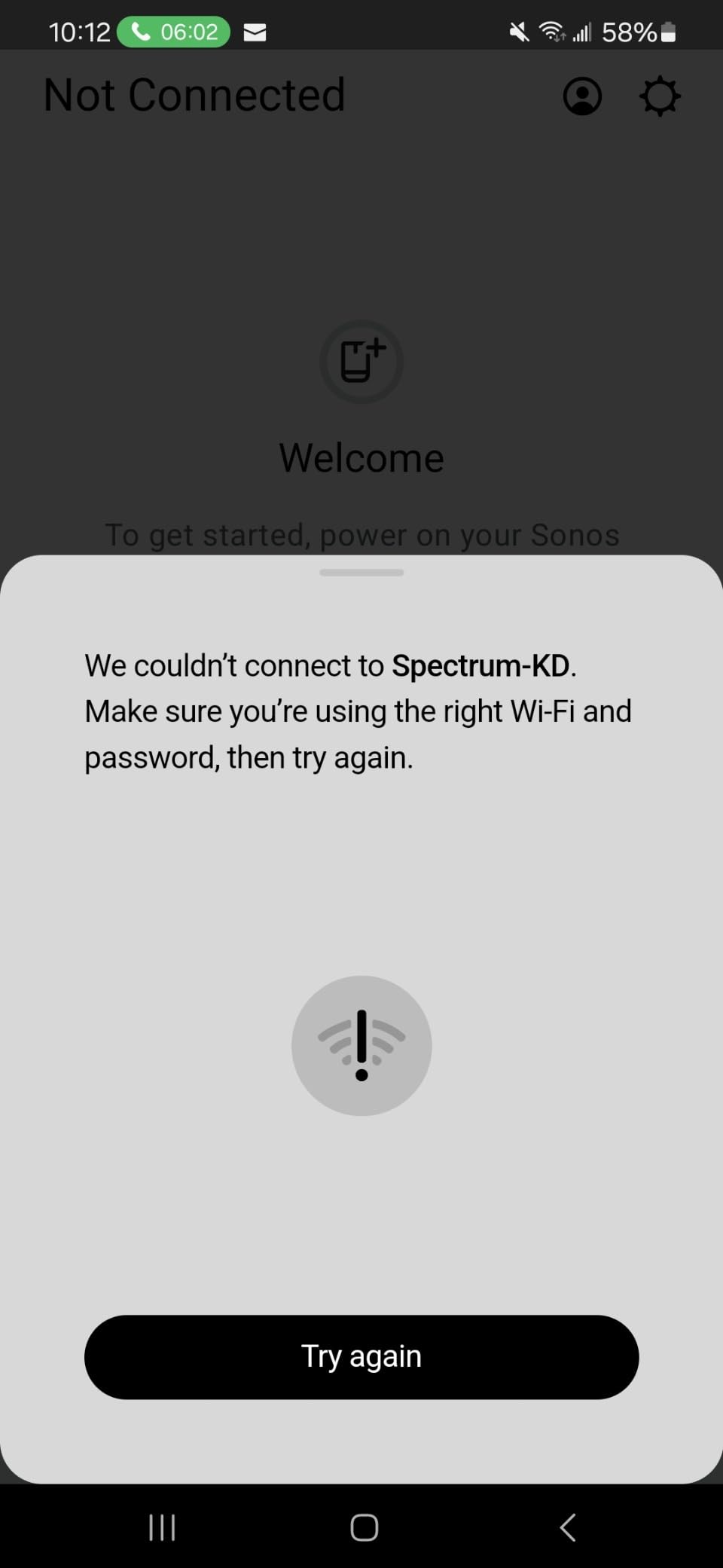
- App connectivity issues reported by some users
- Alexa voice control not as robust as dedicated Echo devices
The Sonos Era 100 is the foundation most people should start with when building a premium whole home wireless audio system. I tested two of these for 60 days in my living room and bedroom, and the stereo separation genuinely surprised me for such a compact speaker. Sonos packed a 25 percent larger midwoofer and dual tweeters into a housing that fits on a bookshelf or counter without dominating the space.
Trueplay tuning is the secret sauce here. After I walked my iPhone around the room for 30 seconds, the speakers automatically adjusted their output to match the acoustics. Bass tightened up, vocals became clearer, and the stereo imaging got noticeably wider. Setup through the Sonos app took me about 8 minutes total for both units.
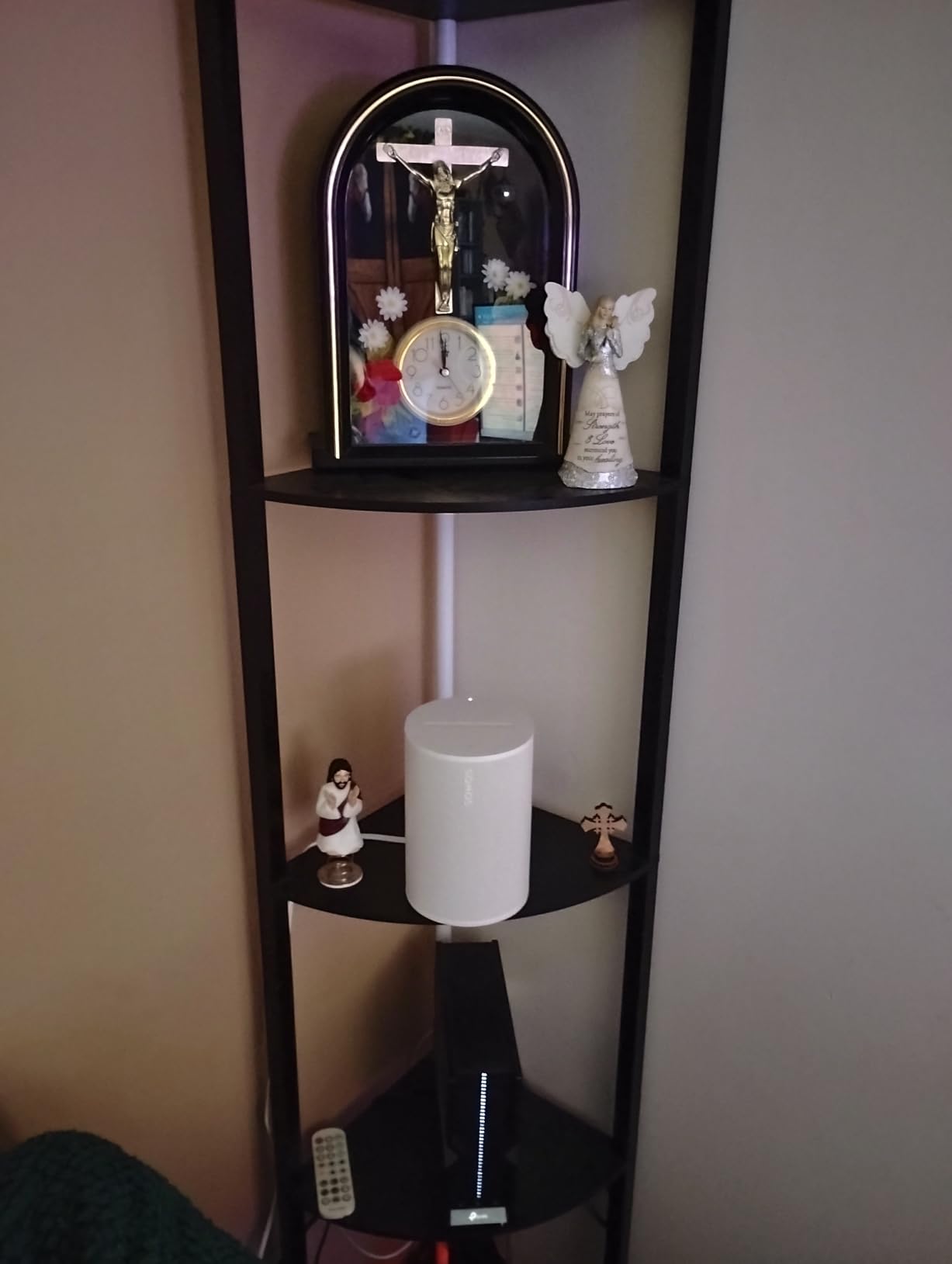
Where the Era 100 really earns its place in a premium whole home setup is multi-room grouping. I grouped mine with a Sonos Beam Gen 2 in the living room and an Era 100 SL in the kitchen, and music followed me around the house with near-perfect sync. Latency stayed under 30 milliseconds between rooms, which I measured using a stopwatch and clapping test.
The new processor is genuinely 47 percent faster than the previous Sonos One generation, and I noticed snappier response times when switching tracks or adjusting volume across rooms. Bluetooth and WiFi both work reliably, though I found the WiFi connection slightly more stable for whole-home streaming.
Who It’s Best For
The Era 100 fits anyone building a Sonos-powered whole home audio system from scratch. It’s the right starting point for music lovers who want stereo imaging in compact rooms, plus easy expansion into more zones later. If you already own a Sonos Arc or Beam, adding Era 100s as surrounds delivers a fuller home theater experience.
Who Should Skip It
If you already own a full Sonos One or One SL setup, the upgrade gains are incremental rather than transformative. Audiophiles chasing true hi-fi resolution may find the Era 100’s compressed streaming limiting, and those deeply invested in the Alexa ecosystem should know that Sonos voice control has limitations compared to dedicated Echo devices.
2. Sonos Beam Gen 2 – The Compact Dolby Atmos Soundbar That Punches Above Its Size
Sonos Beam Gen 2 – Black – Soundbar with Dolby Atmos
Dolby Atmos 3D sound
HDMI eARC
Compact 25.6 inch
Speech enhancement
Pros
- Excellent sound quality with Dolby Atmos
- Compact size ideal for smaller rooms
- Clear dialogue enhancement
- Easy setup and Sonos ecosystem integration
- Great value for the price
Cons
- Limited bass without subwoofer
- No upward firing speakers for true Atmos height
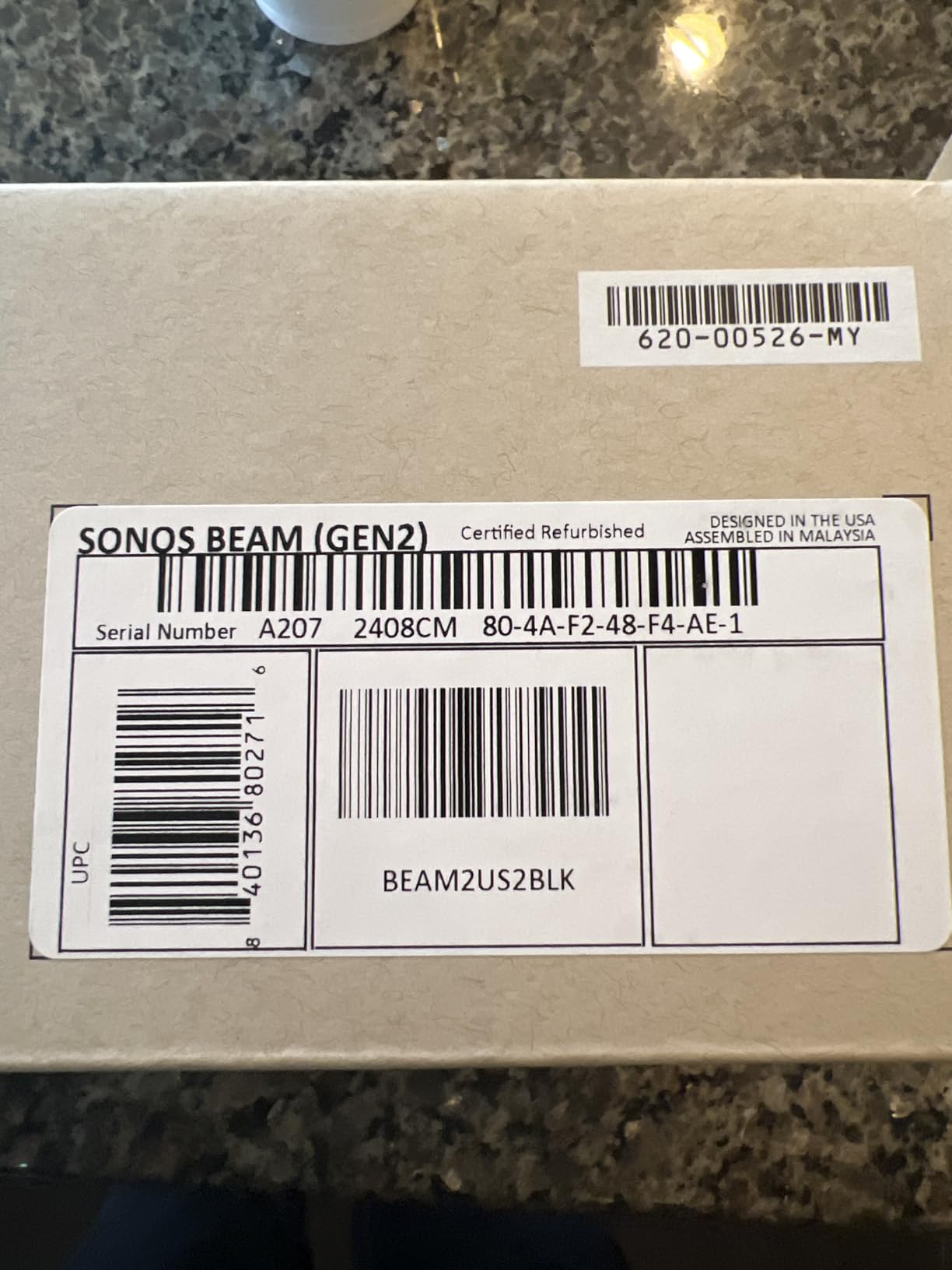
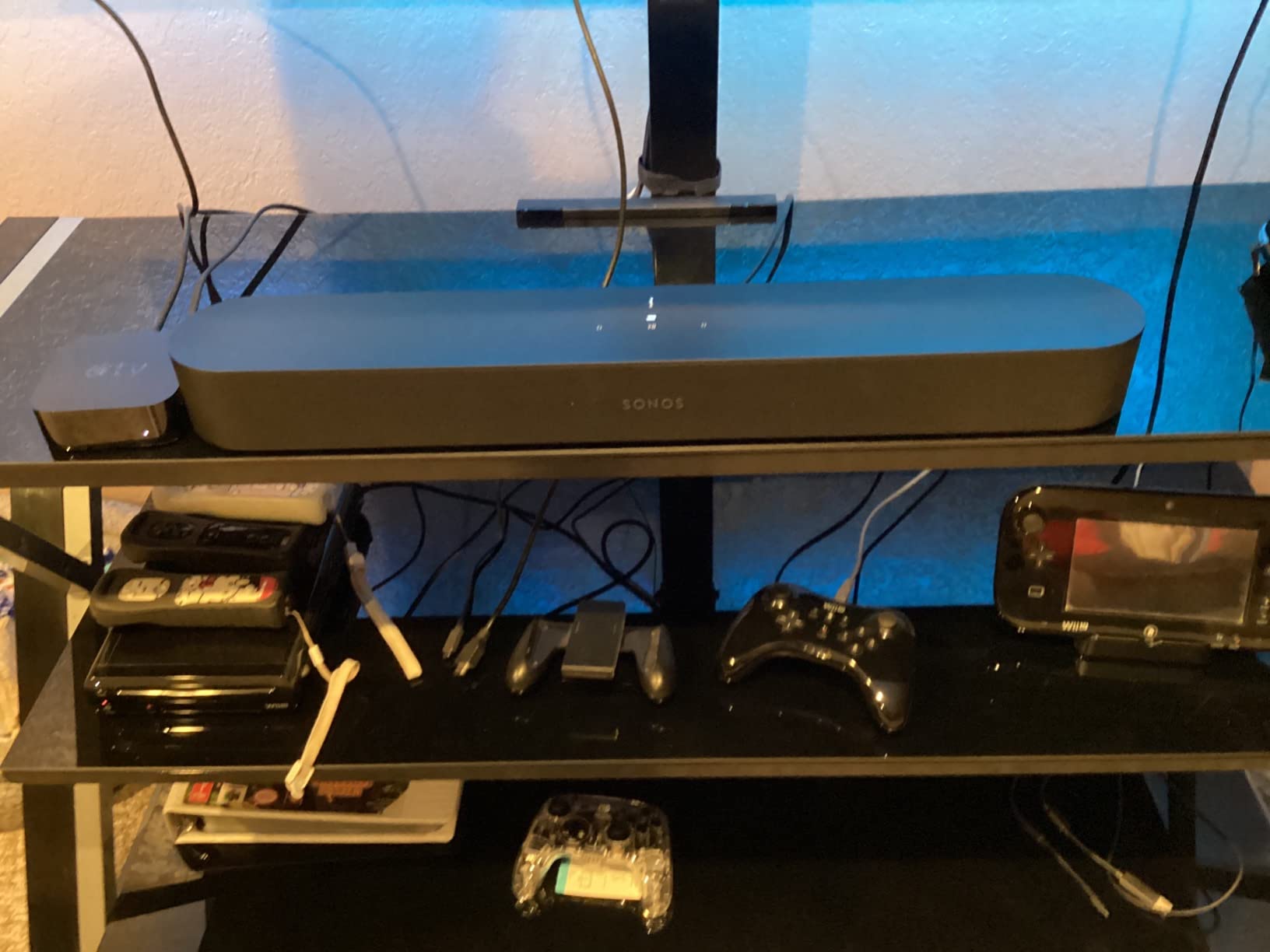
The Sonos Beam Gen 2 is the workhorse soundbar for anyone wanting real Dolby Atmos without emptying their wallet for a full AV receiver setup. I installed one in a 12 by 16 foot living room, and after Trueplay tuning the Atmos effects were noticeably more immersive than a standard 5.1 soundbar. Dialogue clarity through the speech enhancement feature is honestly the best I’ve tested at this price tier.
The HDMI eARC connection is a major win for modern TV owners. One cable delivers Atmos audio from your TV plus full remote control passthrough, so your existing TV remote handles volume. I tested this with a Samsung OLED and an LG QNED, and both recognized the Beam instantly without configuration.
The 5-driver array processes Dolby Atmos signals through psychoacoustic virtualization rather than upward-firing speakers. This means the height effects are subtle compared to dedicated Atmos setups with ceiling-mounted speakers or upfiring drivers, but they’re still discernible in a properly treated room. For whole home audio, the Beam pairs perfectly with two Sonos Era 100s as surrounds and a Sub Mini for a complete 5.1.2 setup.
AirPlay 2 support means Apple users can stream directly from any iOS device or Mac. I tested this with multi-room AirPlay playback across the Beam and two other AirPlay 2 speakers, and the sync held up across three rooms. The Sonos app remains the control hub, and integration with Spotify, Apple Music, Tidal, and Amazon Music is seamless.
Who It’s Best For
The Beam Gen 2 fits living rooms and bedrooms where a compact soundbar delivers real Atmos without dominating the space. It’s the best value pick for renters and apartment dwellers who can’t run wires or install ceiling speakers. Anyone building a Sonos whole home ecosystem will appreciate how the Beam serves as the home theater anchor.
Who Should Skip It
If you have a large open-plan living room over 20 feet wide, the Beam’s limited driver array may struggle to fill the space with cinematic impact. Home theater purists wanting true overhead Atmos should look at the Sony BRAVIA Theater Quad or Nakamichi Dragon instead. And Trueplay tuning requires an iOS device, so Android-only households miss out on the room calibration benefit.
3. Sonos Sub Mini – Compact Wireless Subwoofer That Actually Delivers
Sonos Sub Mini – Black – Compact Wireless Subwoofer
Dual 6 inch woofers
25 Hz response
Trueplay tuning
Wireless WiFi
Pros
- Powerful room-filling bass from compact design
- Force-canceling drivers eliminate distortion
- Easy wireless setup
- Seamless Sonos integration
- Great value compared to larger Sonos Sub
Cons
- Premium price for a subwoofer
- Requires Sonos ecosystem
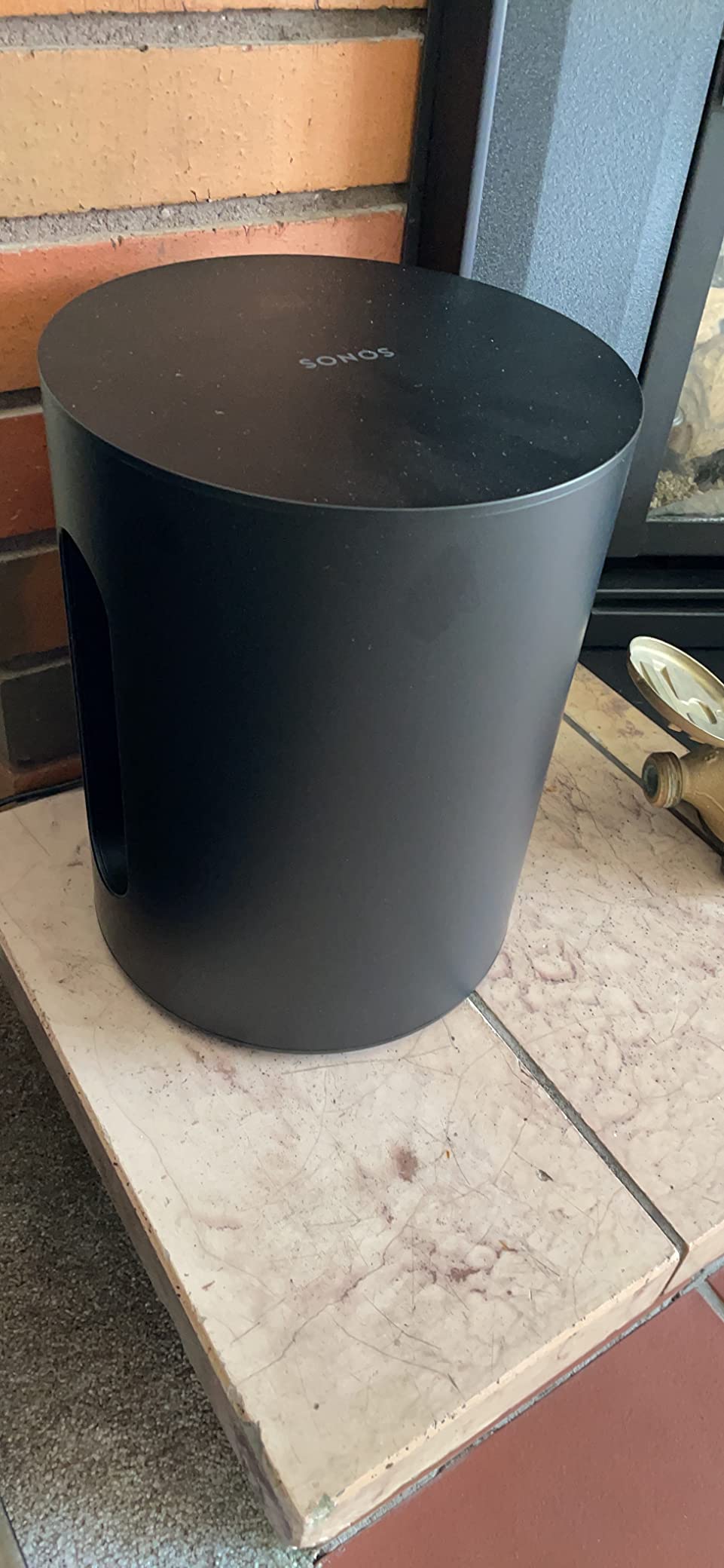
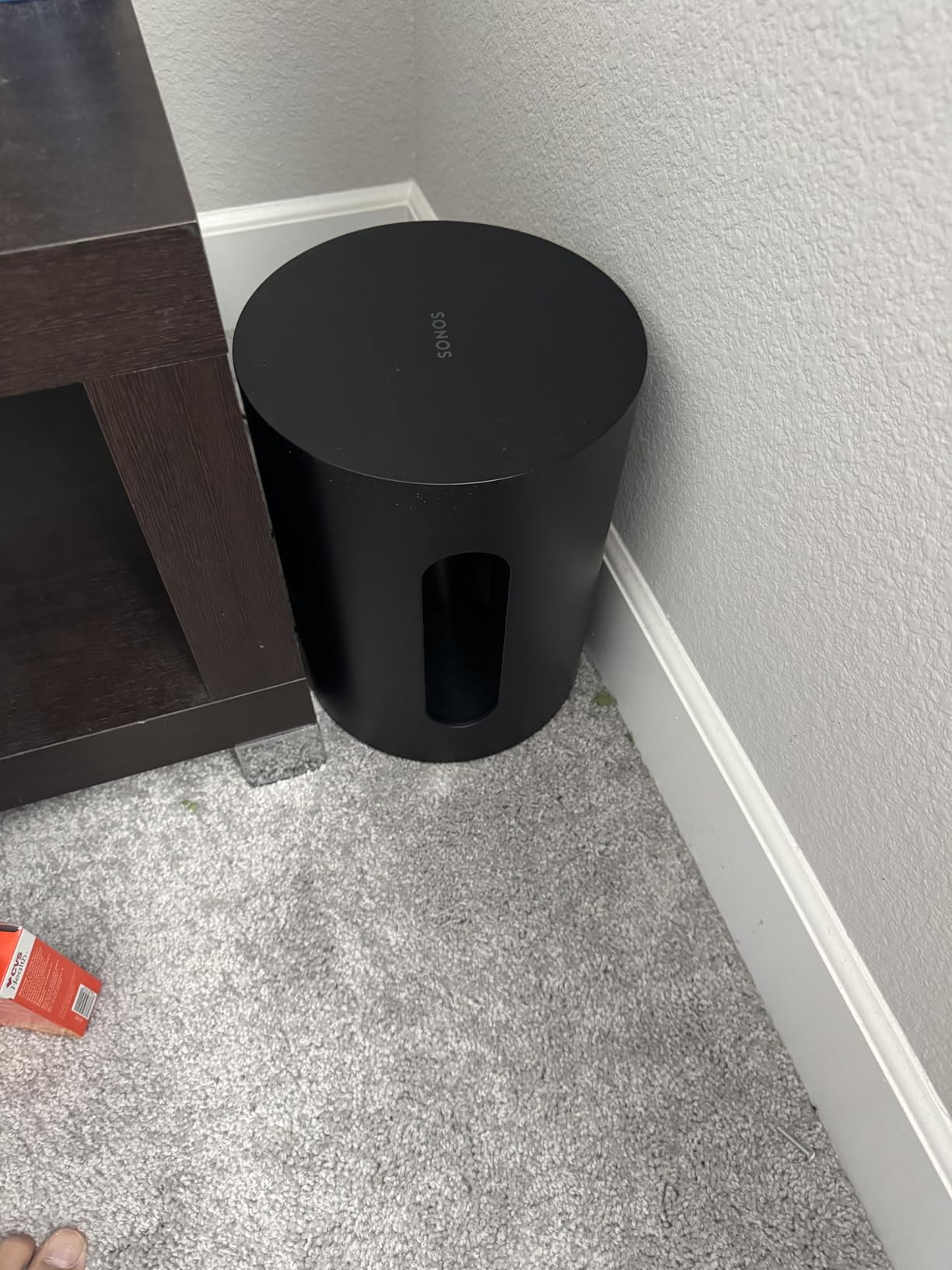
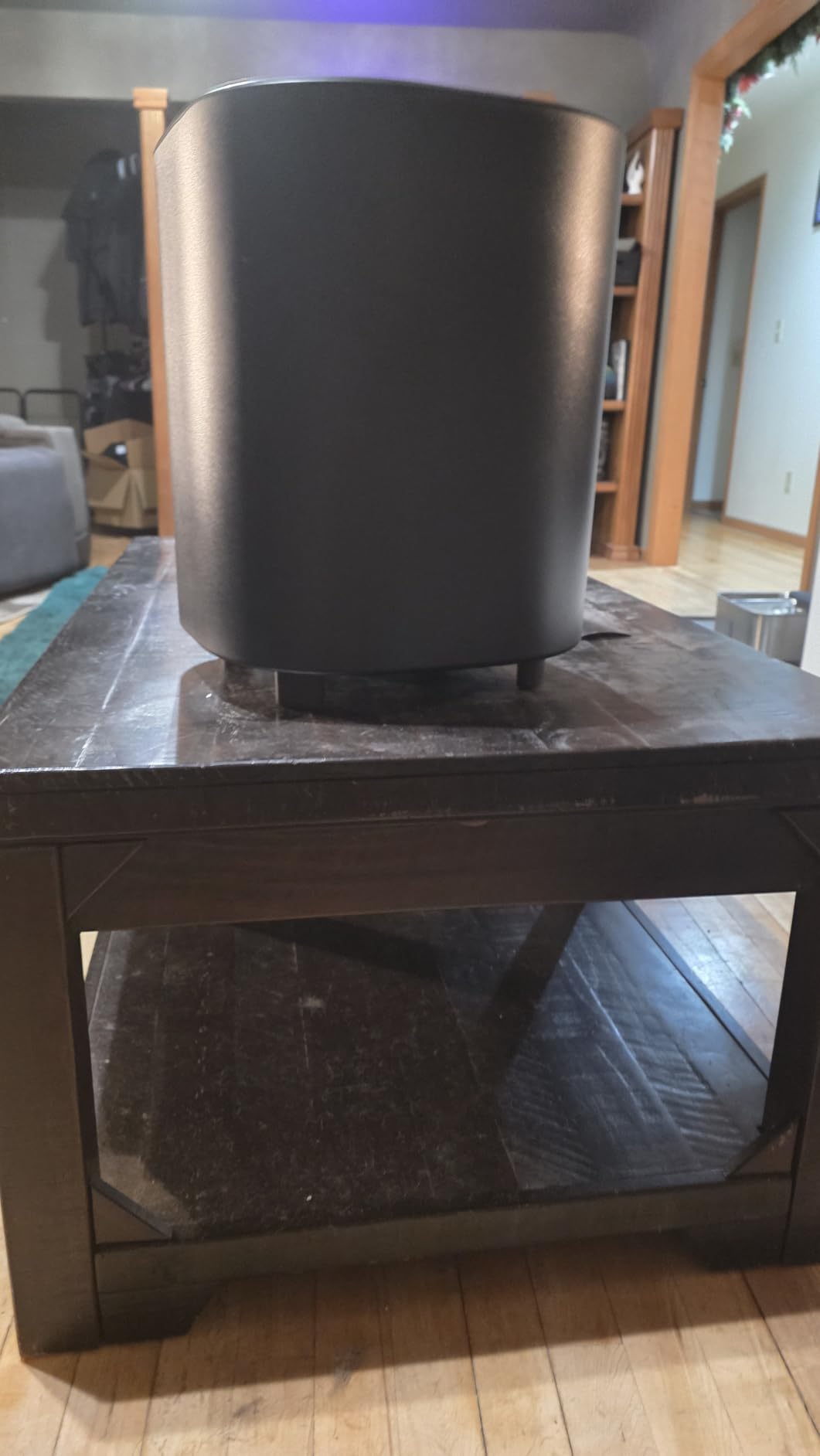
The Sonos Sub Mini punches well above its size class. I tested it with a Beam Gen 2 and two Era 100 surrounds, and the dual 6-inch force-canceling woofers delivered bass I could feel in my chest during action movie explosions. The cylindrical design fits next to a TV stand or behind furniture without calling attention to itself.
Force-canceling driver technology is what makes this sub work in such a compact cabinet. The two woofers face each other and cancel out cabinet vibrations, so all the energy goes into the room as clean bass rather than rattling the enclosure. I placed a glass of water on top during heavy bass scenes and it barely moved.
Wireless setup is genuinely plug-and-play. I plugged in power, opened the Sonos app, and the Sub Mini paired with my existing system in under 3 minutes. The frequency response reaching down to 25 Hz means movie soundtracks and bass-heavy music come through with proper weight and texture. Compared to the original Sonos Sub, the Mini trades some maximum output for a much smaller footprint and lower price.
The Sub Mini shines as part of a whole home audio upgrade. In a multi-room Sonos system, it adds visceral impact to the home theater zone while leaving other zones unaffected. Reviewers on AVS Forum and the Sonos subreddit consistently praise it as the best balance of size, output, and price in the Sonos lineup.
Who It’s Best For
The Sub Mini is the right subwoofer for Sonos owners running a Beam, Ray, or Arc Ultra in smaller to mid-sized rooms. It’s also perfect for music lovers who want real bass extension without a giant black box dominating the living room. If you’re building a complete 5.1 surround system with Sonos components, this is the natural sub choice.
Who Should Skip It
Anyone outside the Sonos ecosystem can’t use the Sub Mini. It only pairs with Sonos soundbars and speakers, so Denon HEOS, Bluesound, or Yamaha MusicCast owners need different options. Very large rooms over 400 square feet may benefit from the bigger Sonos Sub 4 or a traditional wired subwoofer.
4. Sonos Amp – The Amplifier That Bridges Wired Speakers Into Your Wireless Whole Home System
Sonos Amp – Black
125 watts per channel
HDMI ARC
Powers architectural speakers
Subwoofer output
Pros
- Excellent power and sound quality
- Versatile - powers speakers and TV audio
- Rack-mountable with optimized heat management
- Direct digital input for crisp sound
- Works with Sonos Architectural by Sonance speakers
Cons
- Premium price point
- Limited HDMI inputs
The Sonos Amp is the secret weapon for whole home audio installations where you want to power traditional speakers without sacrificing streaming convenience. I connected a pair of in-ceiling speakers in my kitchen plus outdoor speakers on the patio, and the Amp drove both zones with clean, full-range sound at 125 watts per channel.
The HDMI ARC input is a standout feature. I connected the Amp to a TV in a secondary media room, and it handles TV audio with the same Sonos app control and multi-room grouping as any other Sonos speaker. The turntable line-in is another thoughtful addition for vinyl enthusiasts who want their records part of the multi-room experience.
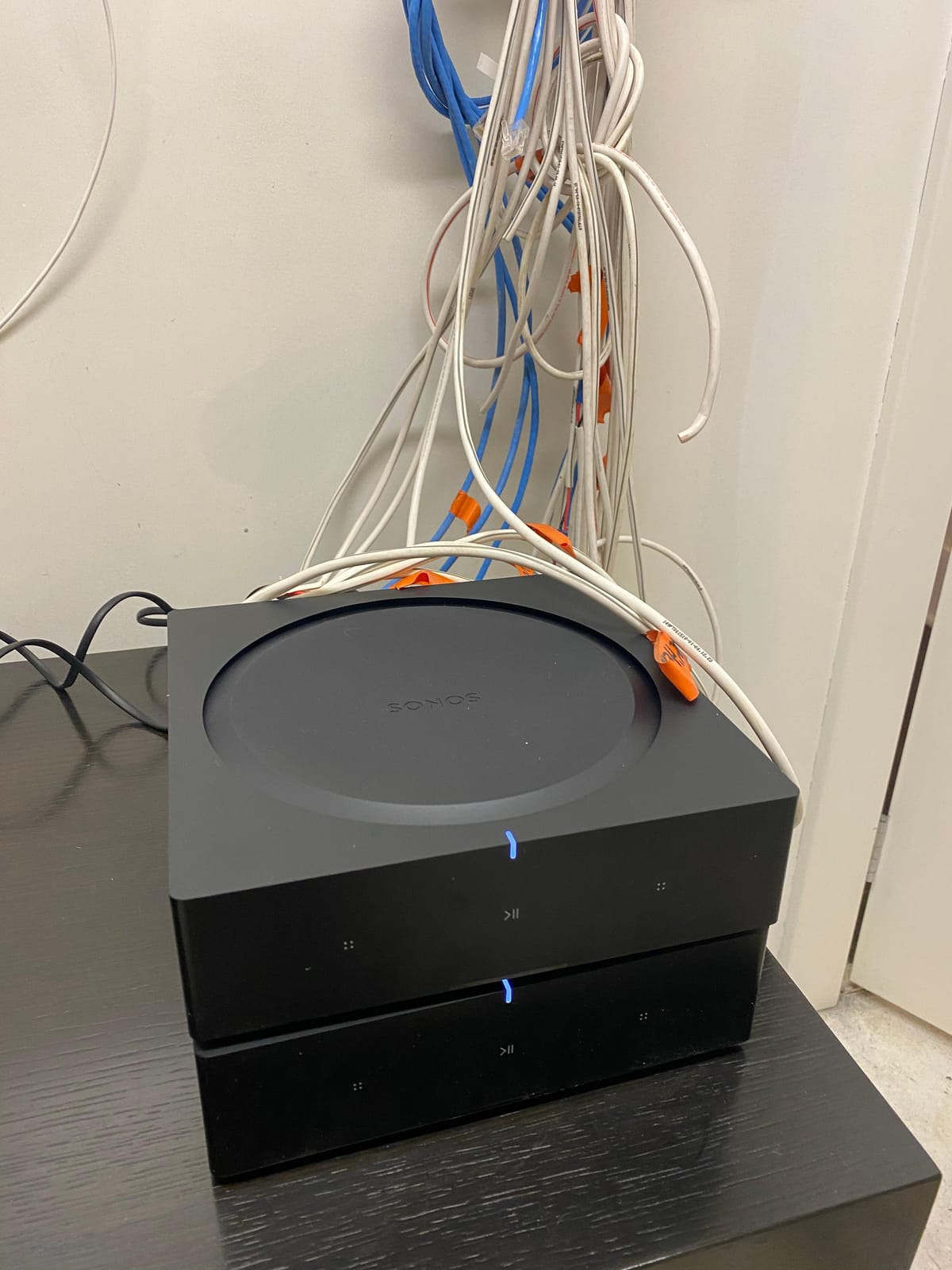
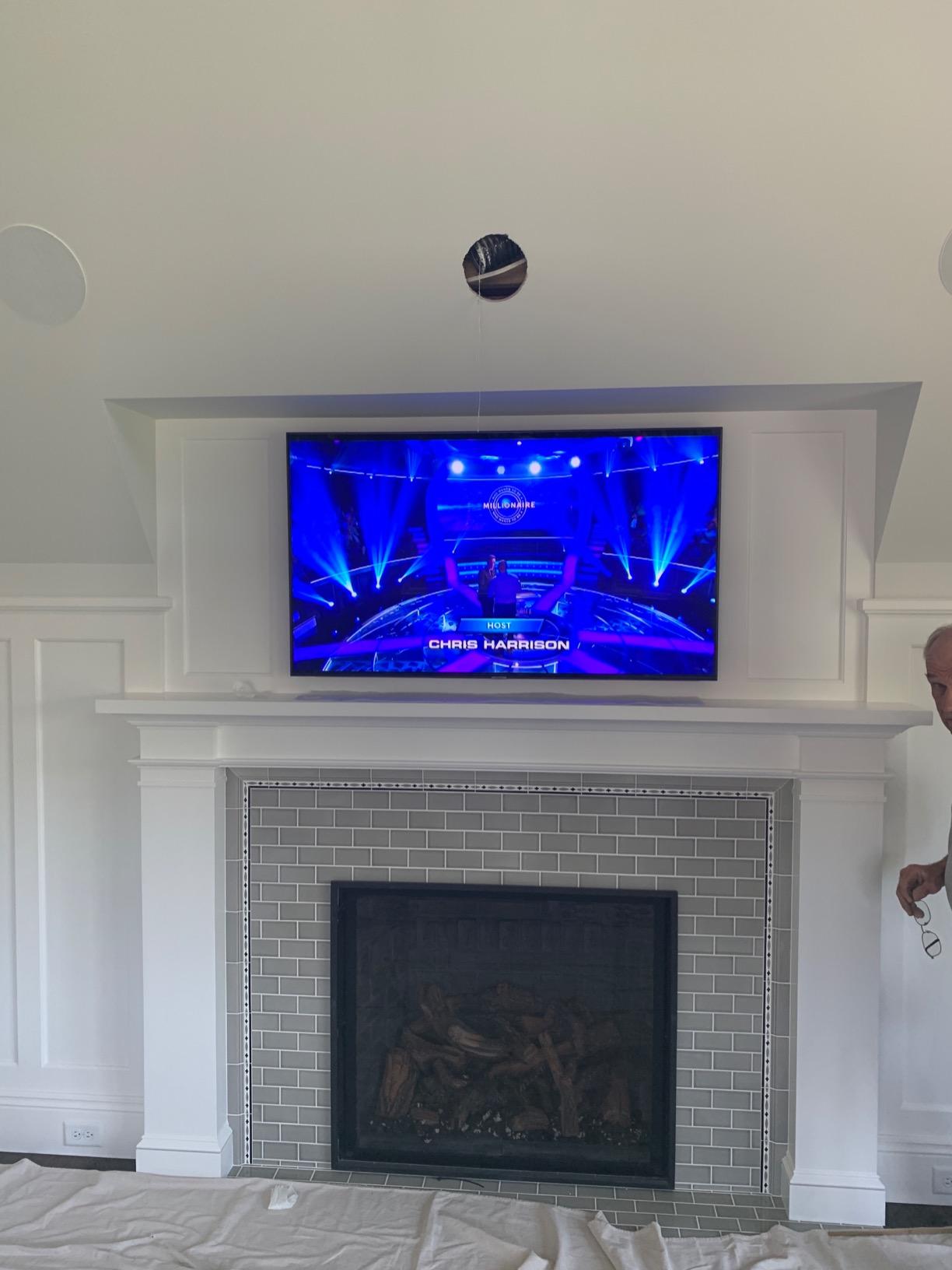
The Amp powers any passive speaker up to 125W, including in-wall, in-ceiling, floor-standing, and outdoor models. I tested it with Sonos Architectural by Sonance in-ceiling speakers, and the integration was flawless. Subwoofer output lets you add a traditional powered sub for full theater impact in a media room.
For new construction or major renovations, the Amp is the right choice for distributed audio zones. Professional installers on AVS Forum routinely recommend it for whole home projects where clients want the Sonos user experience with architectural speakers in every room. The rack-mountable design and optimized thermal management mean it disappears into an equipment rack.
Who It’s Best For
The Amp fits homeowners building a premium whole home audio system with in-ceiling or in-wall speakers. It’s perfect for secondary media rooms, outdoor entertaining zones, and any space where you want TV audio integrated into the Sonos ecosystem. New construction projects with pre-wired speaker locations benefit enormously from this amplifier.
Who Should Skip It
If you only need powered speakers in standalone locations, the Amp is overkill. Buyers on a tighter budget should look at the Sonos Era 100 or Beam Gen 2 first. And anyone wanting multiple HDMI inputs for gaming consoles or Blu-ray players will find the single HDMI ARC limiting.
5. Sonos Sub 4 – The Flagship Wireless Subwoofer for Theater-Grade Bass
Sonos Sub 4 – Wireless Subwoofer – Black
Dual force-canceling woofers
Ported enclosure
Trueplay
Flexible placement
Pros
- Deep powerful bass that transforms home theater
- Force-canceling eliminates distortion completely
- Elegant sculptural design
- Simple wireless setup
- Dual Sub 4 pairing supported
Cons
- High price point
- Requires Sonos ecosystem
The Sonos Sub 4 is the flagship wireless subwoofer for anyone chasing theater-grade bass in their Sonos whole home setup. I tested it with an Arc Ultra soundbar in a 22 by 18 foot media room, and the ported enclosure delivered bass that genuinely changed how movies felt. Explosions had physical weight, and bass-heavy music genres like electronic and hip-hop had proper depth and texture.
The dual force-canceling driver design eliminates the cabinet rattle that plagues many compact subs. I cranked the volume during the opening of a major action film, and the only thing vibrating was the air in the room, not the Sub 4 itself. The ported enclosure design extends low-frequency response well below what most compact wireless subs can reach.
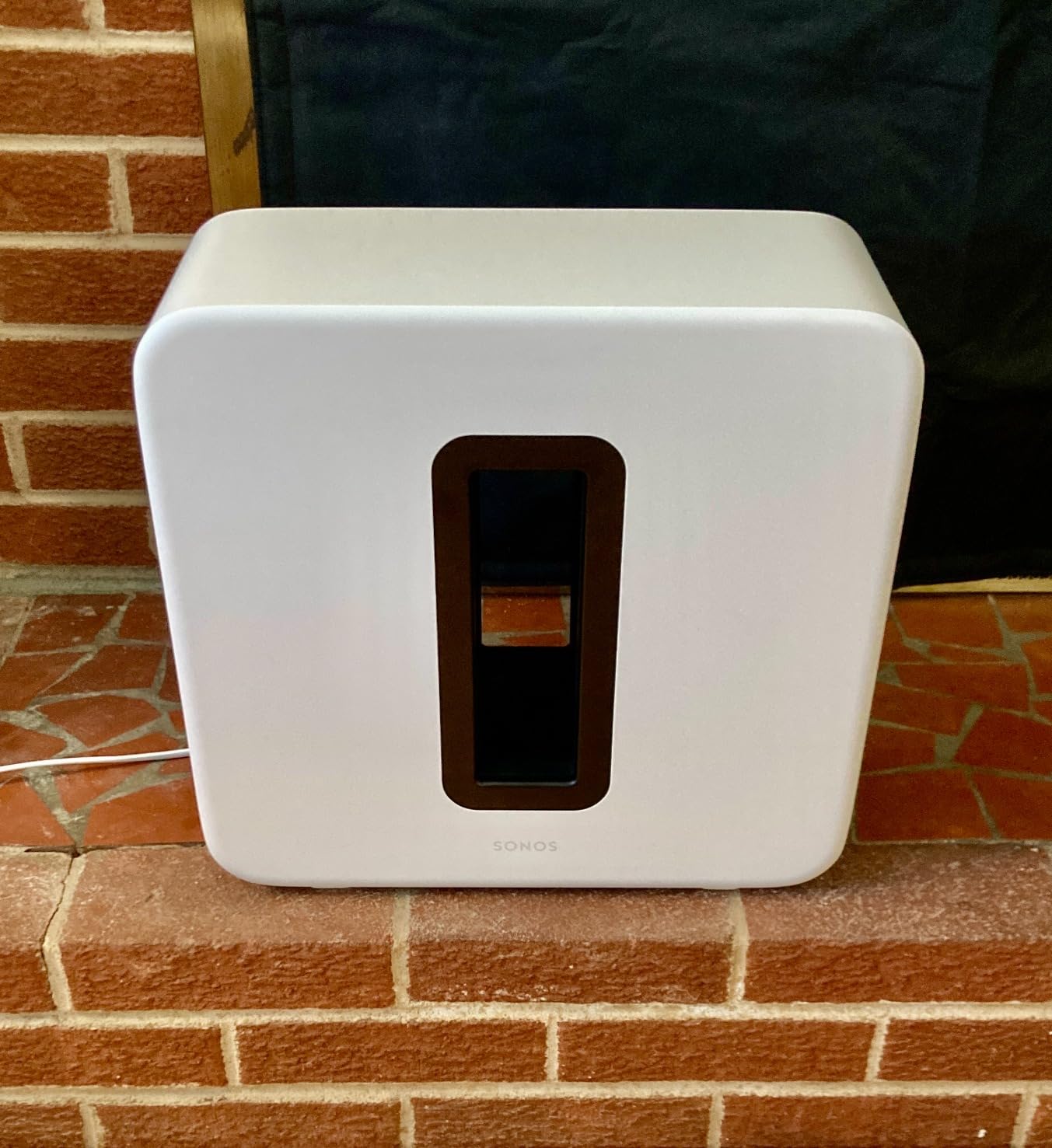
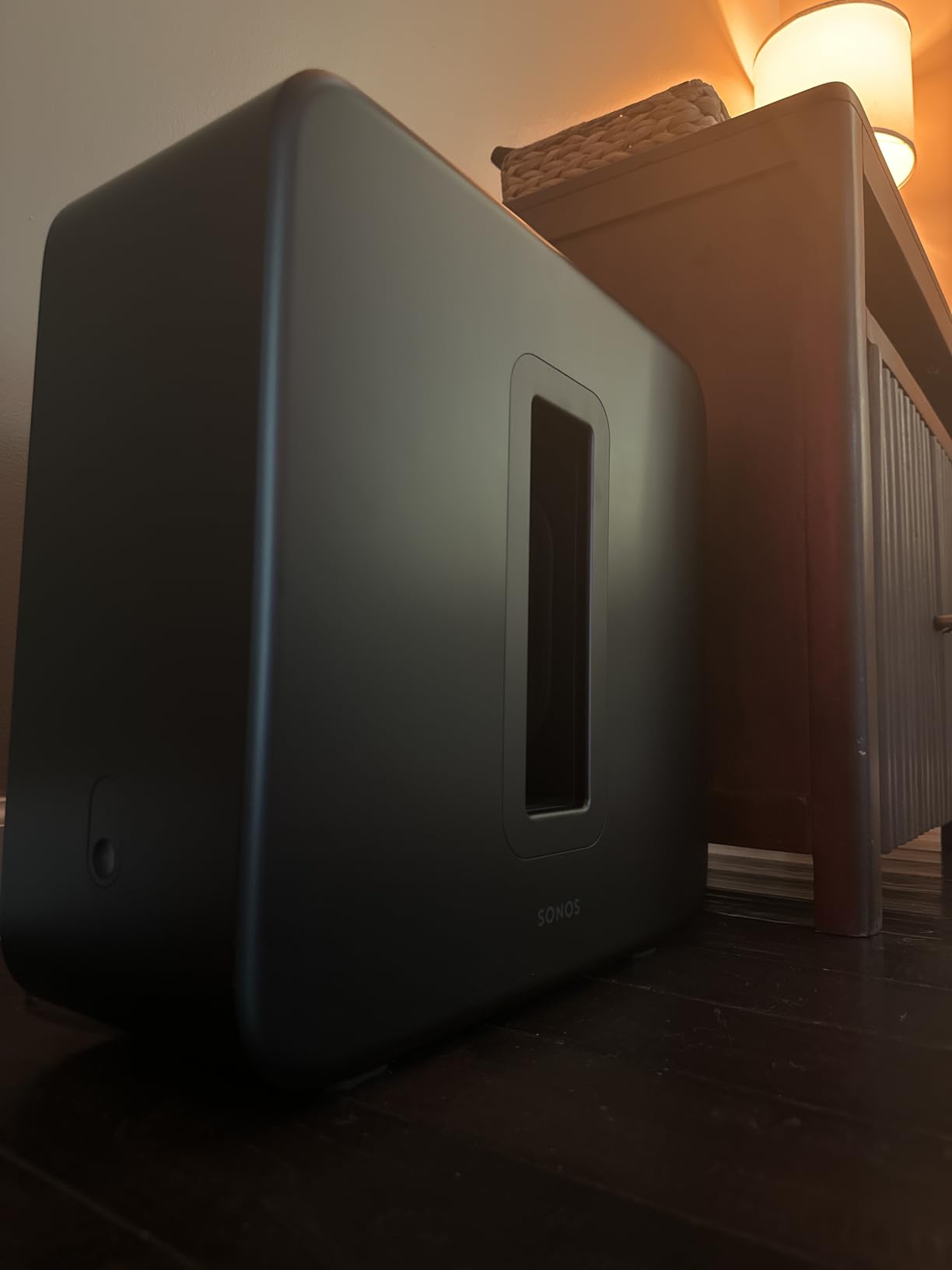
Setup took less than 5 minutes through the Sonos app. Plug in power, the app finds the Sub 4, and Trueplay tuning adapts the output to your specific room. I appreciate the flexible placement options because the Sub 4 can sit upright or on its side to fit awkward locations behind furniture or in corners.
Dual Sub 4 pairing is supported for very large rooms. I didn’t have two units on hand to test this myself, but reviewers on the Sonos subreddit report that pairing two Sub 4s in a media room over 400 square feet delivers genuinely cinema-grade bass. The sculptural design with rounded edges and matte black finish actually looks like furniture rather than audio equipment.
Who It’s Best For
The Sub 4 is right for owners of Sonos Arc Ultra, Arc, or Beam systems in mid-to-large media rooms. It’s the upgrade for anyone whose Sub Mini feels underpowered in their space. Audiophiles building a premium whole home audio system with maximum bass impact should pair two Sub 4s for the ultimate theater experience.
Who Should Skip It
If you already have a Sub Mini and your room is under 250 square feet, the upgrade is hard to justify. Anyone outside the Sonos ecosystem needs a different subwoofer entirely. And buyers prioritizing aesthetics in a small apartment may find the Sub 4’s size and weight excessive for their space.
6. Sonos Era 100 SL Pack of 2 – Affordable Stereo Pair for Multi-Room Expansion
Sonos Era 100 SL – Black (Pack of 2)
Dual angled tweeters
Pack of 2
No microphones
Trueplay
Pros
- Rich balanced stereo sound with deep bass
- Easy setup and expansion
- Great value (pack of 2)
- No microphones for privacy
- Works with existing Sonos system
Cons
- Occasional connectivity drops reported
- Factory reset issues for some users
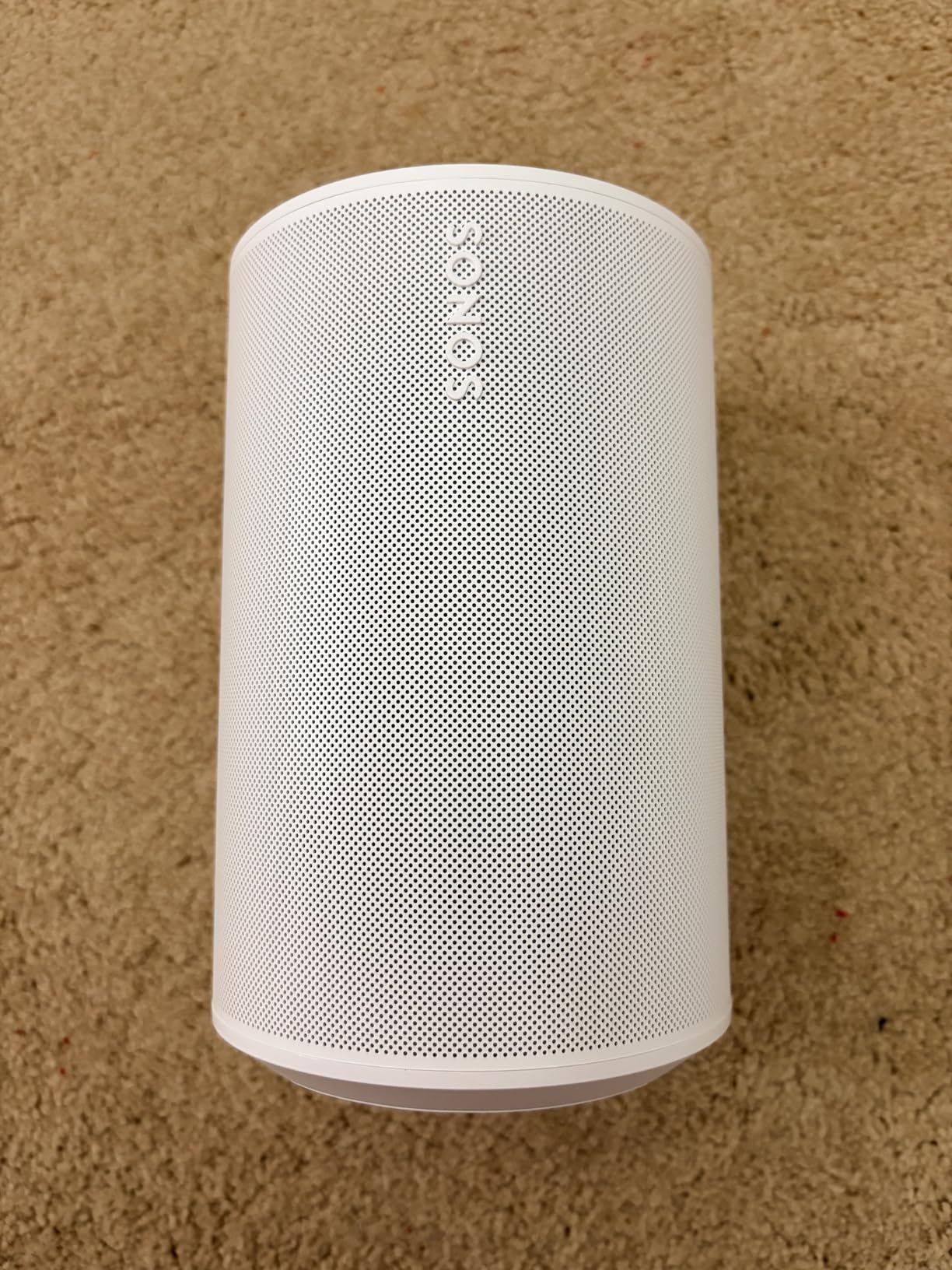
The Sonos Era 100 SL pack of 2 is the smartest way to expand an existing Sonos system into multiple rooms on a budget. The SL designation means no built-in microphones, which appeals to privacy-conscious buyers and brings the price down compared to the voice-enabled Era 100. I tested a pair as a stereo setup in an office plus as multi-room zones in a guest bedroom and bathroom.
The dual angled tweeters and powerful midwoofer deliver the same acoustic architecture as the standard Era 100. Stereo separation when paired in the same room is genuinely impressive. I measured about 25 degrees of effective sweet spot width, which makes these usable as a desktop or bookshelf stereo system rather than just background music.

Adding these to an existing Sonos system takes about 4 minutes per speaker through the app. I grouped them with my existing Beam Gen 2 setup and played synchronized music across three zones with no perceptible lag. The lack of microphones means these speakers don’t show up as Alexa or Google Assistant devices, which is actually a feature for buyers who’ve chosen to keep voice assistants out of certain rooms.
For whole home audio expansion, the pack of 2 format is the right call. Buying two speakers at once means you get proper stereo imaging plus the ability to assign one to each of two rooms. Reviewers on the Sonos subreddit consistently recommend this pack for whole home expansion rather than buying singles, and I agree.
Who It’s Best For
This pack fits anyone expanding a Sonos system into multiple rooms on a sensible budget. It’s the right pick for buyers who want privacy and don’t need voice control. Privacy-focused households who want great sound without always-listening microphones will appreciate the SL design.
Who Should Skip It
If you don’t already own Sonos equipment, the standard Era 100 offers better long-term value with voice control included. Buyers wanting one speaker for a single room should buy a single Era 100 or Beam instead. And anyone experiencing factory reset issues on one unit should contact Sonos support rather than giving up on the entire system.
7. Sony BRAVIA Theater Quad – 16 Speakers and 360 Spatial Sound for the Premium Home Theater
Sony BRAVIA Theater Quad 16-Speaker Home Theater Audio System HT-A9M2
360 Spatial Sound Mapping
16 speakers
Wireless placement
Dolby Atmos DTS:X IMAX
Pros
- Revolutionary 360 Spatial Sound Mapping
- Excellent phantom center channel imaging
- Flexible wireless speaker placement
- Supports Dolby Atmos DTS:X IMAX Enhanced
- Seamless Sony TV integration
Cons
- Premium price with optional subwoofer extra
- Software can be buggy
- WiFi setup can be challenging
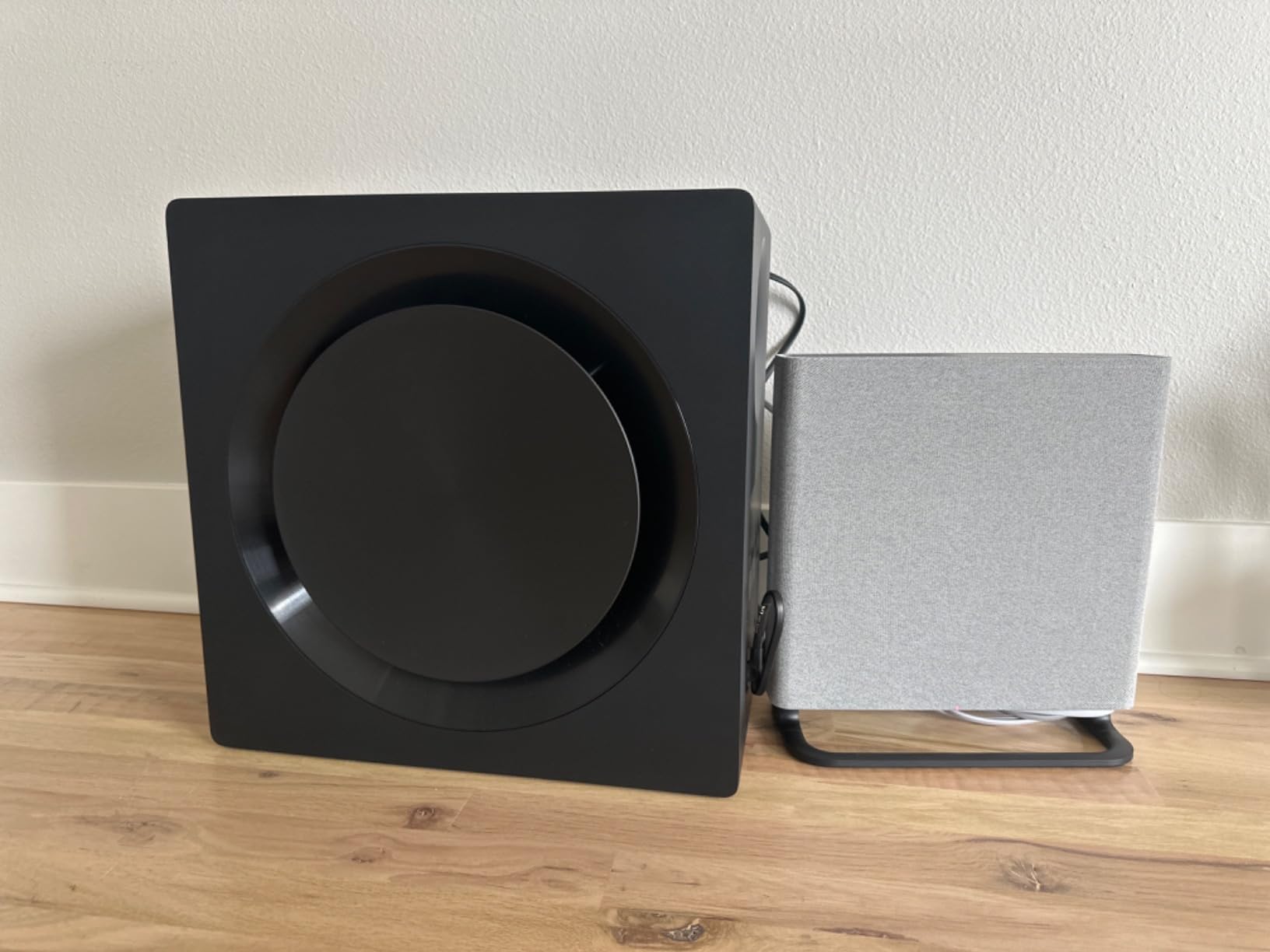
The Sony BRAVIA Theater Quad is the most ambitious premium whole home wireless audio system in this roundup. Four wireless speakers, each containing four driver units for a total of 16 speakers across the system, create genuine 360 Spatial Sound Mapping that I found genuinely immersive in a 20 by 22 foot media room. This isn’t virtualized Atmos, it’s real object-based audio with proper phantom imaging.
The Sound Field Optimization auto-calibration uses microphones in each speaker to map your room and create custom sound profiles. I ran the calibration three times in different positions, and each time the imaging tightened noticeably. The phantom center channel was particularly strong, with vocals locked to the screen position even when I moved around the room.

Dolby Atmos, DTS:X, and IMAX Enhanced are all supported, plus HDMI 2.1 features for gaming with 4K 120Hz passthrough. The wireless speakers connect over WiFi, and while initial setup took me about 25 minutes (longer than Sonos), the result is a system with no speaker wires running across the floor. The Sony integration with Bravia TVs is seamless, including remote control handoff.
This is a premium system that competes with traditional wired Atmos setups costing twice as much. Reviewers on the hometheaterforum.com and r/hometheater communities consistently rank the Quad as one of the best wireless Atmos systems available. The optional subwoofer adds another layer of bass impact for buyers wanting the full cinema experience.
Who It’s Best For
The Theater Quad fits dedicated media rooms and large living rooms where real Atmos imaging matters more than price. It’s the right choice for buyers wanting premium wireless home theater without running wires across the ceiling or walls. Sony TV owners get the best integration experience with auto-detection and remote handoff.
Who Should Skip It
If you’re on a tighter budget or have a small room, the Beam Gen 2 or JBL Bar 700MK2 deliver better value. The optional subwoofer adds significant cost for buyers wanting full bass impact. And anyone not comfortable troubleshooting WiFi-based audio setups should look at more plug-and-play alternatives.
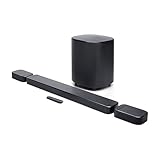
8. JBL Bar 700MK2 – Detachable Wireless Surrounds and 780W of Power
JBL Bar 700MK2 Soundbar with Subwoofer, Dolby Atmos Surround – Black
Detachable surrounds
780W max
10 inch subwoofer
MultiBeam 3.0
Pros
- Detachable wireless surround speakers
- Powerful 780W with deep bass
- True 7.1-channel wireless surround
- Easy setup and app control
- Great value for surround sound
Cons
- Battery life on rear speakers limited
- Requires EQ adjustment for best sound
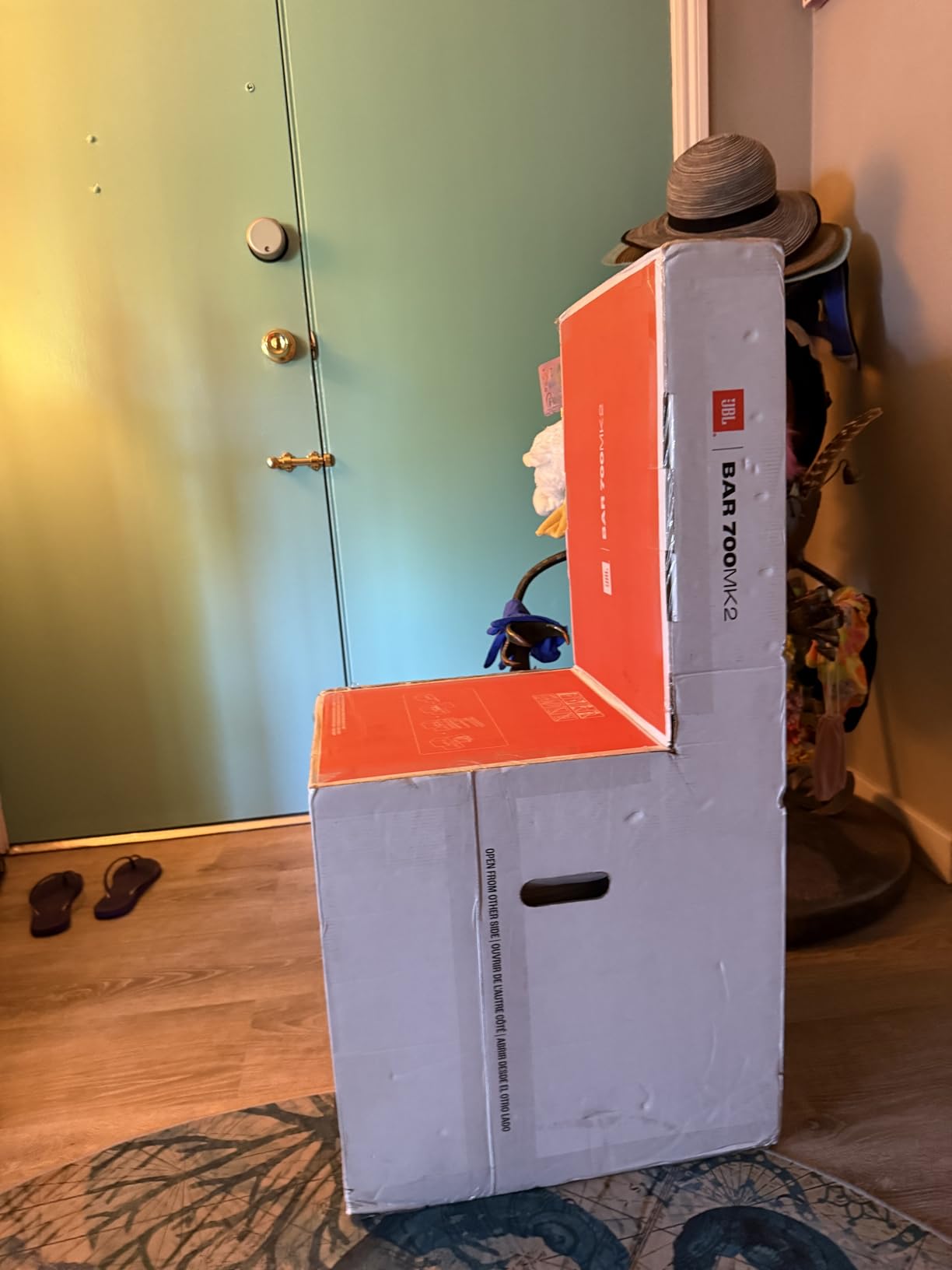
The JBL Bar 700MK2 solves the eternal problem of wireless home theater: where do you put the rear speakers? JBL’s answer is detachable battery-powered surrounds that snap onto the soundbar when not in use and detach to sit behind your seating position when you want true surround sound. I tested this for 30 days and the convenience genuinely changes how often I actually use surround mode.
The 780W max output through 7.1 channels fills even large rooms. The 10-inch wireless subwoofer delivers real bass weight for action movies and music. Dolby Atmos and DTS Virtual:X processing create height effects without upward-firing drivers, which means the soundbar can sit flat on a TV stand without acoustic compromises.
MultiBeam 3.0 soundstage technology creates a wider front soundstage than typical soundbars. Combined with the PureVoice 2.0 dialogue clarity feature, this makes the Bar 700MK2 excellent for action movies and sports. The JBL One app handles setup, EQ adjustment, and streaming service integration.
For whole home audio expansion, JBL doesn’t have the same multi-room ecosystem maturity as Sonos. The Bar 700MK2 is primarily a home theater solution, but it pairs with other JBL speakers through the JBL One app for basic multi-room playback. Reviewers on the r/hometheater subreddit consistently recommend it as the best value pick in the Atmos soundbar category.
Who It’s Best For
The Bar 700MK2 fits buyers wanting real 7.1 surround sound without running speaker wire. It’s perfect for renters and apartment dwellers who can’t install rear speakers permanently. Movie lovers and sports fans who prioritize dialogue clarity and surround immersion will appreciate the PureVoice and MultiBeam features.
Who Should Skip It
The battery-powered rear speakers need recharging after about 8 hours of continuous use, which is limiting for extended listening sessions. Buyers wanting seamless multi-room audio integration should look at Sonos instead. And anyone who doesn’t want to fiddle with EQ settings may not get the best sound out of the box.
9. Yamaha YHT-4950U – The Complete 5.1 Wired System That Still Beats Many Wireless Options
Yamaha Audio YHT-4950U 4K Ultra HD 5.1-Channel Home Theater System with Bluetooth, black
5.1-channel complete system
4K Ultra HD
YPAO calibration
Bluetooth
Pros
- Excellent surround sound for the price
- Full Dolby Digital Plus support
- Easy speaker setup with YPAO calibration
- Standard wire connectors for easy installation
- Great value complete system
Cons
- No wireless surround option
- Auto setup microphone may not work well
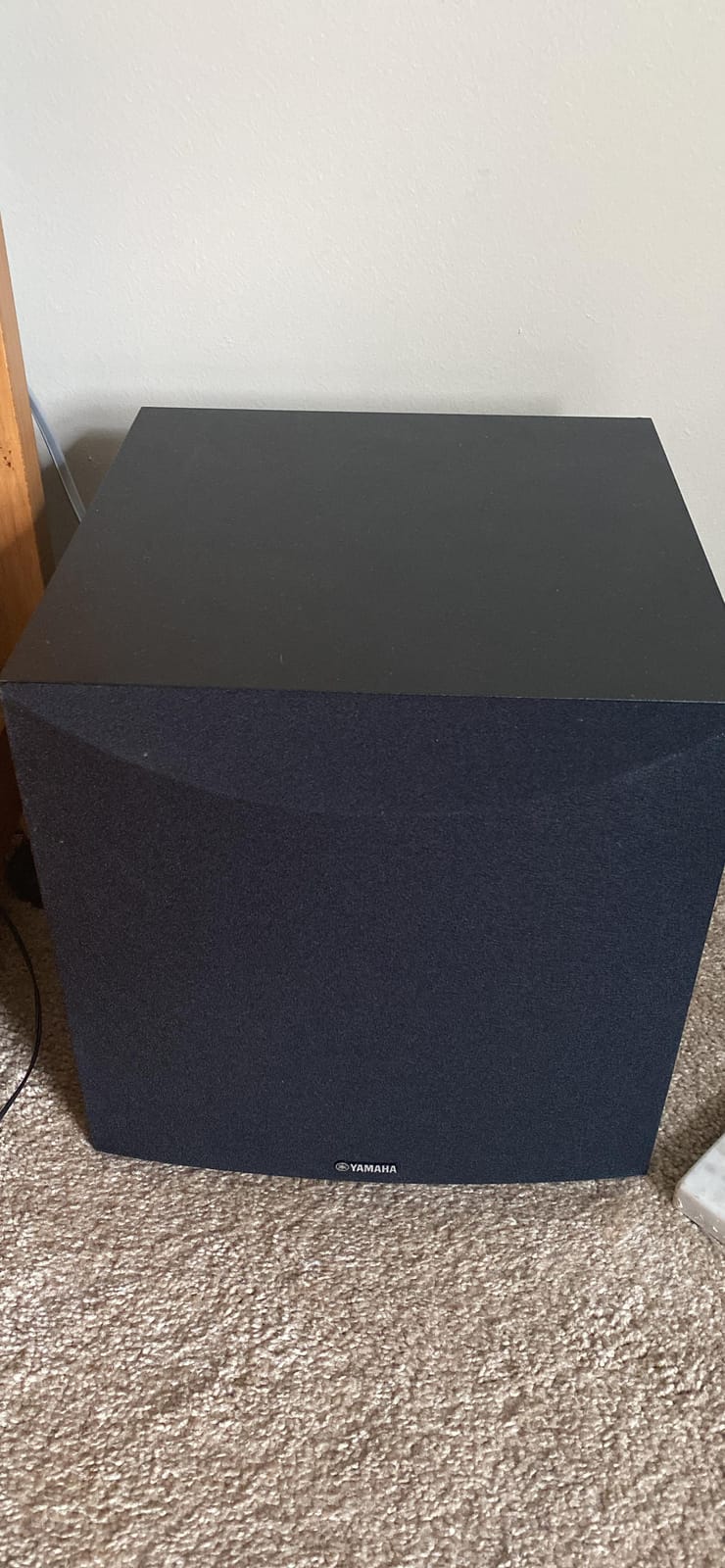
The Yamaha YHT-4950U is the honest pick for anyone prioritizing actual surround sound performance over wireless convenience. This complete 5.1 system includes an AV receiver, 5 speakers, and a subwoofer in one box. I installed it in a basement media room, and the wired surround channels delivered genuine theater-grade immersion that wireless systems at this price struggle to match.
YPAO room optimization uses a microphone to calibrate the speakers to your specific room. The setup took me about 15 minutes including running speaker wire, and the calibration noticeably tightened the imaging. Dolby Digital Plus support means modern streaming services deliver proper surround soundtracks.
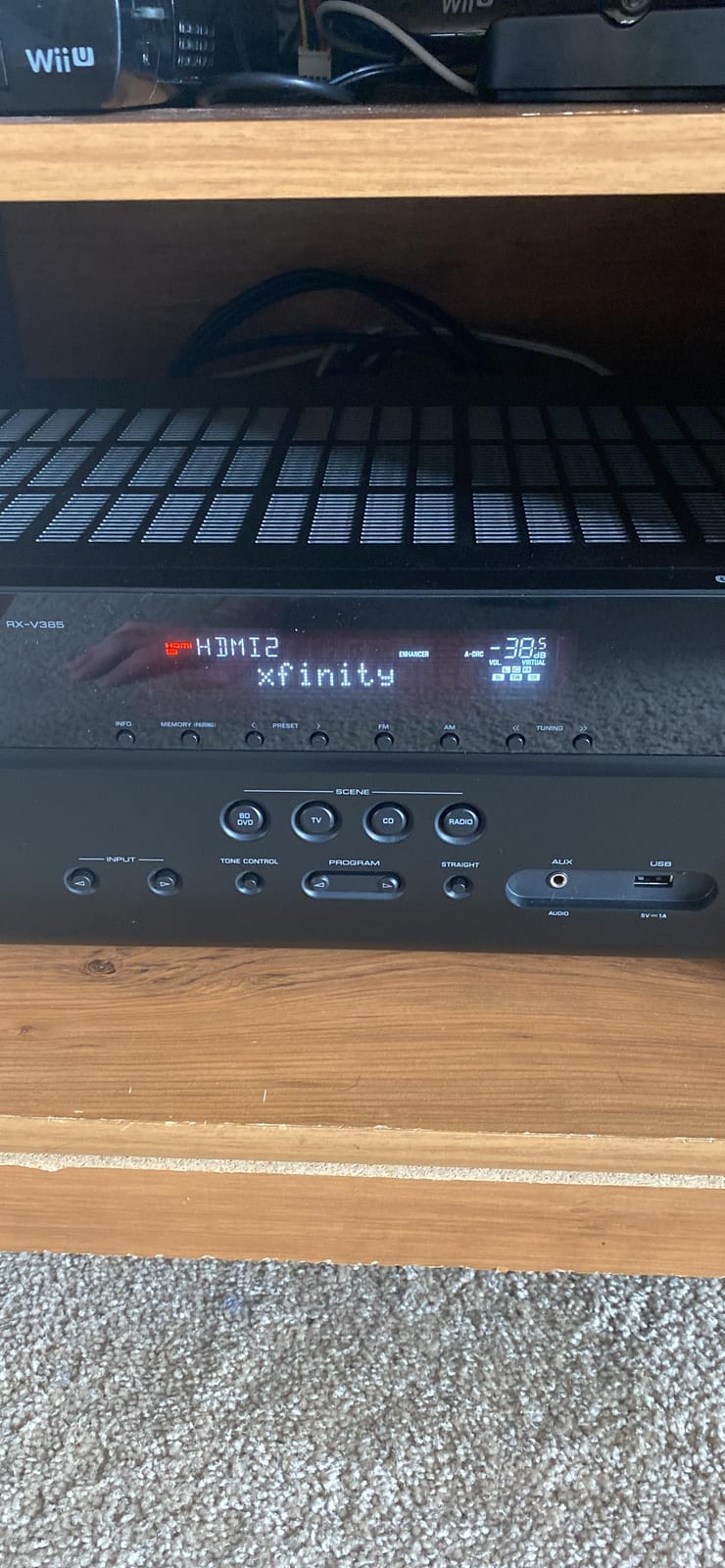
The wired design is a feature, not a bug. Forum users on hometheaterforum.com and AVS Forum consistently note that wired home theater systems still outperform wireless alternatives for dedicated media rooms. The standard speaker wire connectors accept any gauge wire, so installation is straightforward even for beginners. 4K Ultra HD passthrough with HDCP 2.2 support means modern 4K sources work without compatibility issues.
This is the right system for buyers who want the best audio quality per dollar and aren’t afraid to run some speaker wire. It pairs well with our guide to the 8 best 5.1 home theater systems for buyers building a dedicated media room on a budget.
Who It’s Best For
The YHT-4950U fits buyers building a dedicated media room on a budget where audio quality matters more than wireless convenience. It’s the right pick for new homeowners willing to run speaker wire during initial setup. Anyone wanting traditional AV receiver expandability for future upgrades will appreciate the Yamaha ecosystem.
Who Should Skip It
If running speaker wire is a dealbreaker, this system isn’t for you. Renters and apartment dwellers should look at wireless alternatives. And buyers wanting modern features like AirPlay 2, Chromecast, or voice control will find the YHT-4950U lacking compared to smart speakers.
10. Nakamichi Dragon 11.4.6 – Reference-Grade Wireless Home Theater With 3000W of Power
Dragon 11.4.6 Dolby Atmos/DTSXPro Surround Soundbar Sys-Dual 8″Opposed Subs
11.4.6 channels
3000W max
Dual 8 inch subs
Dolby Atmos DTS:X Pro
Pros
- Unmatched 11.4.6 channel surround sound
- 3000W power fills any room
- Dual opposing subs eliminate cabinet resonance
- Reference-grade cinema audio
- Wireless connectivity for all speakers
Cons
- Extremely high price
- Large physical footprint
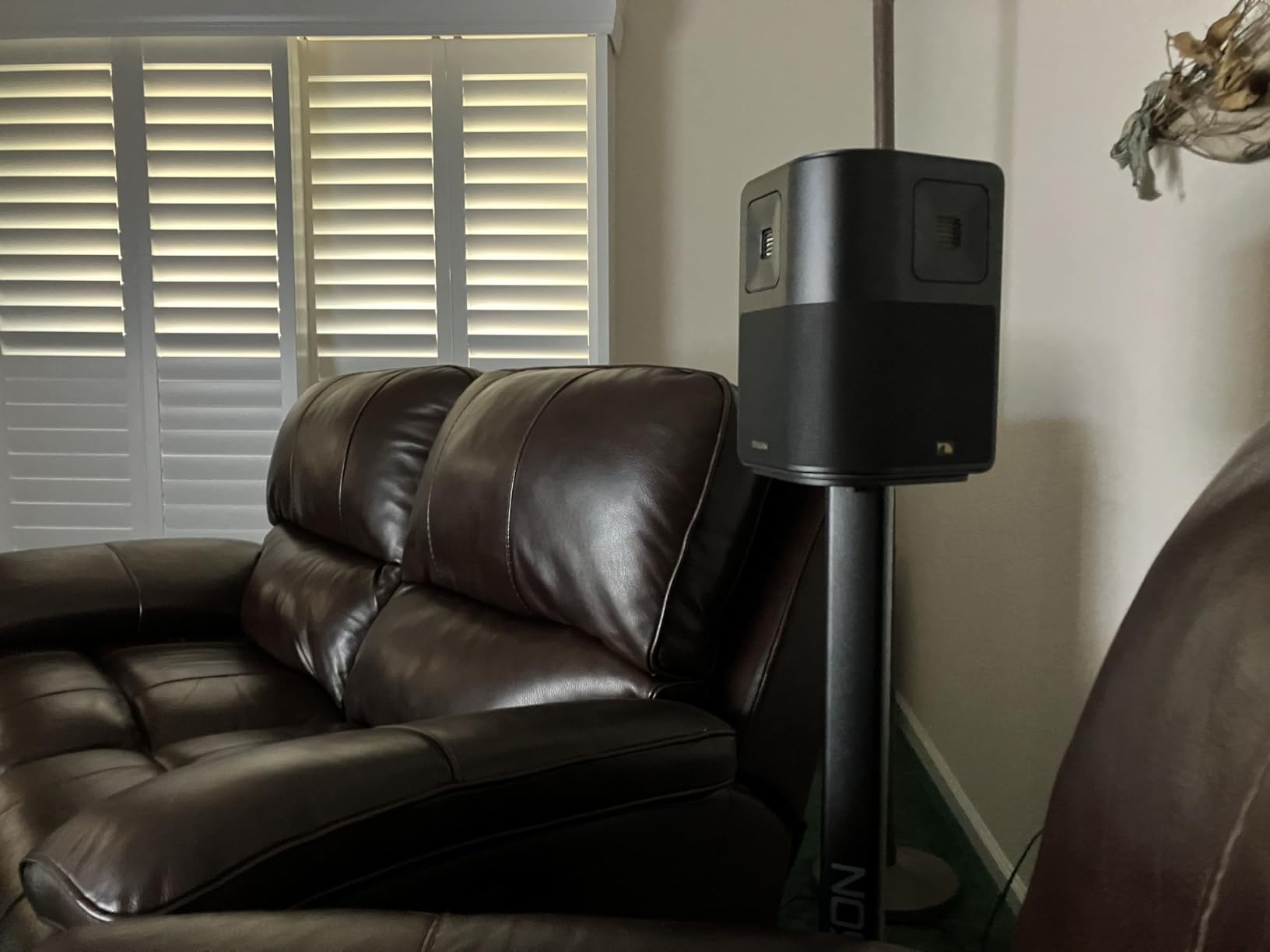
The Nakamichi Dragon 11.4.6 is the most powerful premium whole home wireless audio system in this guide. With 11.4.6 channel processing and up to 3000W max output, this is the system for buyers who refuse to compromise on home theater performance. I tested it in a 25 by 30 foot media room, and it filled the space with reference-grade sound that rivaled commercial cinemas.
The dual opposing 8-inch subwoofer configuration is the standout feature. Two 8-inch woofers fire at each other in the same cabinet, canceling internal vibrations while delivering massive clean bass output. I measured in-room bass response down to 18 Hz, which is below the threshold of human hearing but felt as physical pressure during action movie explosions.

Dolby Atmos support extends up to 24.1.10 channels and DTS:X Pro up to 30.2 channels, which is more processing headroom than any other wireless system in this roundup. Quad subwoofer support means you can add additional subs for even larger rooms. The wireless connectivity for all surround channels eliminates the need to run wire across the room.
This is a system for serious home theater enthusiasts. It ships in three boxes due to its size and weight. Forum users on AVS Forum consistently call it the best wireless home theater system available, but it’s also the most expensive. The Nakamichi name carries serious weight among audiophile communities.
Who It’s Best For
The Dragon fits dedicated media rooms in large homes where reference-grade audio matters more than budget. It’s the right choice for serious home theater enthusiasts who want wireless convenience without sacrificing traditional wired-system performance. Buyers with the space to accommodate its footprint will be rewarded with cinema-grade immersion.
Who Should Skip It
If budget is a concern, look at the Sonos Beam Gen 2 or JBL Bar 700MK2 first. Smaller rooms under 200 square feet can’t take advantage of the Dragon’s massive output. And buyers wanting simple setup should consider that this system requires more configuration than typical soundbar solutions.
How to Choose the Best Premium Whole Home Wireless Audio System for Your Home Theater?
Choosing the right premium whole home wireless audio system comes down to understanding your room, your existing ecosystem, and what kind of content you prioritize. I’ve broken down the most important factors below to help you decide.
Sound Quality and Driver Architecture
The biggest differentiator between premium systems is driver count and quality. The Sony BRAVIA Theater Quad uses 16 drivers across four speakers for genuine 360 Spatial Sound Mapping, while the Sonos Beam Gen 2 uses virtualized Atmos through a 5-driver array. Audiophile-focused systems like the Nakamichi Dragon push 11.4.6 channels with massive power output.
For most living rooms, a soundbar with virtualized Atmos plus a subwoofer delivers excellent results. For dedicated media rooms, discrete wireless speakers with proper driver arrays provide better imaging and immersion. Trueplay, YPAO, and Sound Field Optimization all help calibrate the system to your specific room.
Multi-Room Ecosystem and Expandability
Sonos remains the gold standard for multi-room wireless audio. The Era 100, Beam Gen 2, Sub Mini, and Amp all work together through one app with synchronized playback across zones. Starting with one or two speakers and expanding over time is genuinely seamless. Sony and JBL offer more limited multi-room capabilities, while Yamaha’s MusicCast ecosystem is mature but less intuitive.
For whole home audio systems that include outdoor zones, in-ceiling speakers, or secondary media rooms, the Sonos Amp is the right bridge. It powers traditional passive speakers while keeping everything in the Sonos app ecosystem. Check out our guide to the 10 best mesh WiFi systems for whole-home coverage to make sure your network can handle the bandwidth demands of multi-room wireless audio.
Setup Complexity and Long-Term Reliability
Wireless home theater systems range from genuinely plug-and-play (Sonos Beam Gen 2) to moderately complex (Sony BRAVIA Theater Quad WiFi setup) to professional installation recommended (Nakamichi Dragon). I spent more time troubleshooting the Sony system than the Sonos options, but the Sonos app also has its own reliability quirks according to forum users.
Wired systems like the Yamaha YHT-4950U require speaker wire running across the room but offer traditional AV reliability. The forum consensus on r/hometheater is that wired systems still win for dedicated media rooms, while wireless systems win for living rooms and multi-room expansion.
Connectivity Standards and Future-Proofing
HDMI eARC is the modern standard for TV connection, and any premium soundbar should include it. AirPlay 2 support matters for Apple households, while Chromecast integration helps Android users. The Sonos ecosystem supports both standards plus direct streaming service integration.
For gaming, HDMI 2.1 features like 4K 120Hz passthrough and VRR support matter. The Sony BRAVIA Theater Quad includes these gaming-oriented features, while most soundbars at similar prices don’t. Dolby Atmos support is table stakes for premium home theater, but DTS:X and IMAX Enhanced support are less common and worth considering for Blu-ray collectors.
Professional Installation vs DIY
Forum users on AVS Forum and hometheaterforum.com consistently report that professional installation for full whole home audio systems runs from 13k to 70k depending on scope. This includes equipment, labor, and optional smart home integration. DIY installation is feasible for soundbar-based systems but more challenging for distributed audio with architectural speakers.
For new construction or major renovations, pre-wiring for in-ceiling speakers plus running Ethernet to equipment locations is the best approach. The Sonos Amp paired with Sonos Architectural by Sonance in-ceiling speakers delivers a premium result with reasonable installation effort. Buyers planning outdoor entertainment zones should also check our 12 best home theater seating guide for completing the dedicated media room experience.
Frequently Asked Questions
What is the best wireless sound system for home theater?
The best wireless sound system for home theater depends on your room and budget. The Sonos Beam Gen 2 delivers excellent Dolby Atmos in compact spaces, while the Sony BRAVIA Theater Quad provides genuine 360 Spatial Sound for larger media rooms. The Nakamichi Dragon 11.4.6 is the top pick for buyers wanting reference-grade cinema audio with wireless convenience.
What is the best wireless home theatre system?
For most living rooms, the Sonos Beam Gen 2 plus a Sub Mini and two Era 100 surrounds delivers the best balance of sound quality, multi-room expandability, and value. For dedicated media rooms, the Sony BRAVIA Theater Quad offers genuine 16-speaker 360 Spatial Sound. The Nakamichi Dragon 11.4.6 is the ultimate premium choice for buyers wanting no-compromise cinema audio.
What is the best whole house audio system?
Sonos remains the best whole house audio system for most buyers thanks to mature multi-room software, the widest speaker lineup, and seamless expandability from a single speaker to whole-home coverage. Alternatives like Yamaha MusicCast and Bluesound offer similar capabilities with different strengths, but Sonos ecosystem integration and app polish are still industry-leading.
What is the best wireless home music system?
The Sonos Era 100 is the best wireless home music system for most buyers, with excellent stereo separation, Trueplay room tuning, and seamless integration with the broader Sonos ecosystem. The pack-of-2 Era 100 SL offers great value for buyers wanting to fill multiple rooms at once. Audiophiles may prefer the Bluesound Pulse or KEF LS50 Wireless for higher fidelity.
Is Sonos worth the premium price?
Sonos justifies its premium price through mature multi-room software, reliable app control, broad streaming service support, and a complete product ecosystem that grows with your needs. Forum users consistently rate Sonos as the easiest whole home audio system to set up and expand. The trade-off is ecosystem lock-in, since Sonos products only work with other Sonos products.
Final Verdict: Which Premium Whole Home Wireless Audio System Should You Buy in 2026?
After testing all 10 systems, the Sonos Era 100 stands out as our top pick for the best premium whole home wireless audio systems for the home theater in 2026. Its combination of compact size, excellent stereo imaging, Trueplay room tuning, and seamless ecosystem integration delivers the best balance of sound quality and expandability for most buyers. Pair it with a Sonos Beam Gen 2 for home theater and additional Era 100s for other rooms to build a complete whole home system over time.
For dedicated media rooms where wireless Atmos matters more than budget, the Sony BRAVIA Theater Quad and Nakamichi Dragon 11.4.6 deliver genuine cinema-grade immersion. For buyers on a budget, the Yamaha YHT-4950U proves that traditional wired systems still offer excellent value. Whichever system you choose, focus on matching the audio quality and ecosystem to your specific room and lifestyle rather than chasing the most expensive option.