
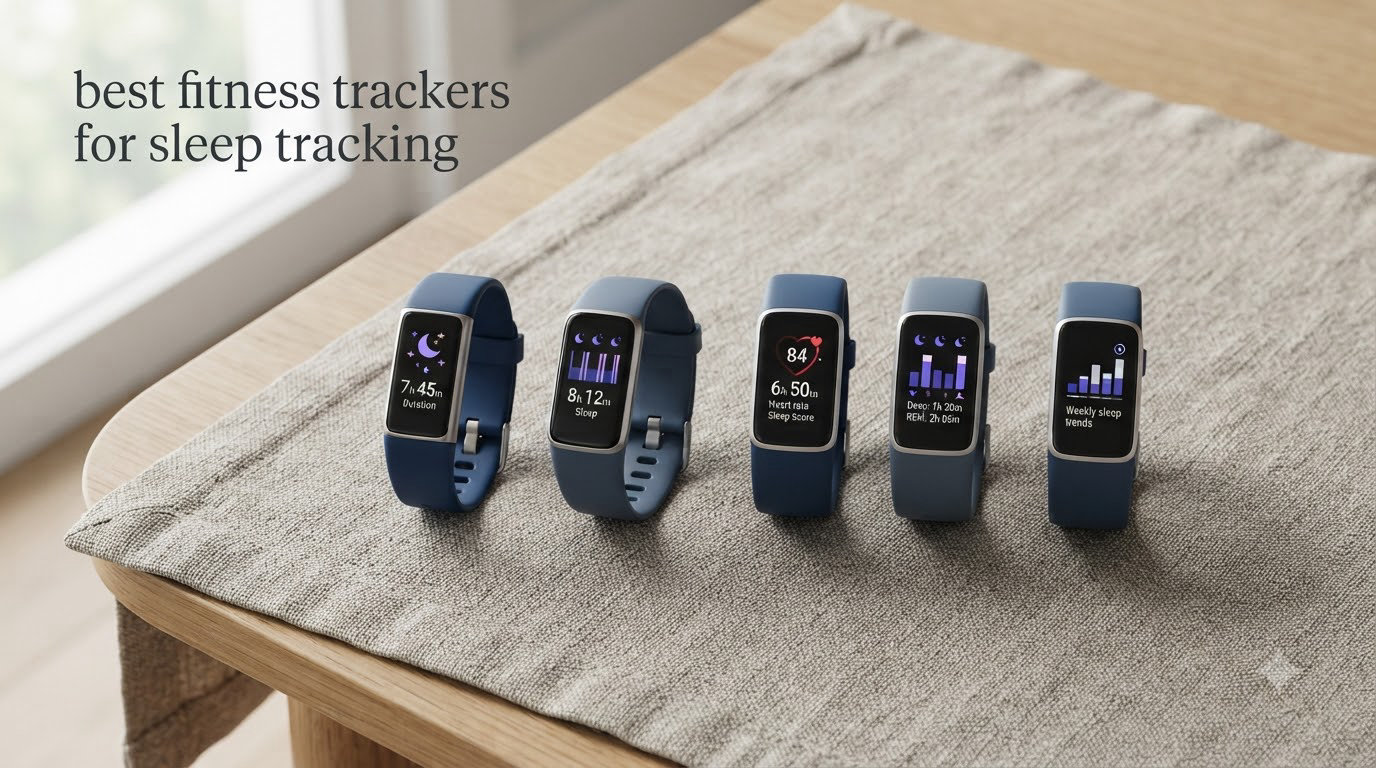
I spent the last 60 nights rotating through fitness trackers to find out which one actually delivers the most useful sleep data. After wearing bands on my wrist, smartwatches, and even a screenless band that disappears on the finger, I have a clear picture of the best fitness trackers for sleep tracking in 2026.
Sleep tracking has moved well beyond step counting. Today’s best devices measure sleep stages (light, deep, and REM), track heart rate variability overnight, monitor skin temperature, and even flag potential breathing disturbances. If you want a tracker that helps you understand your recovery, spot patterns, and improve sleep quality, the choices below cover every budget and form factor.
In this guide, our team breaks down the 10 best fitness trackers for sleep tracking based on hands-on use, reviewer feedback, and published validation data. We compared overnight comfort, app experience, battery life, and sensor accuracy. Whether you want a full smartwatch, a thin band, or a screenless device you forget you are wearing, you will find a strong option here.
Table of Contents
Top 3 Picks for Best Fitness Trackers for Sleep Tracking (October 2026)

Best Fitness Trackers for Sleep Tracking in 2026
| Product | Specifications | Action |
|---|---|---|
 Fitbit Inspire 3 Fitbit Inspire 3 |
|
Check Latest Price |
 Garmin vivoactive 5 Garmin vivoactive 5 |
|
Check Latest Price |
| aeac Smart Watch |
|
Check Latest Price |
 aeac Smart Watch for Women aeac Smart Watch for Women |
|
Check Latest Price |
 WHOOP 5.0 WHOOP 5.0 |
|
Check Latest Price |
 Fitbit Google Air Fitbit Google Air |
|
Check Latest Price |
 Choiknbo Smartwatch Choiknbo Smartwatch |
|
Check Latest Price |
 Kriutefy Smartwatch Kriutefy Smartwatch |
|
Check Latest Price |
 Bakoor Fitness Tracker Bakoor Fitness Tracker |
|
Check Latest Price |
 Garmin vivosmart 5 Garmin vivosmart 5 |
|
Check Latest Price |
1. Fitbit Inspire 3 – Best Overall Sleep Tracker
Fitbit Inspire 3 Fitness Tracker – Advanced Health Insights with Stress Management, Workout Intensity & Sleep Tracking, 24/7 Heart Rate, Includes Small and Large Classic Bands (Midnight Zen/Black)
10-day battery
Sleep score
SpO2 and 24/7 heart rate
30g lightweight
Pros
- 10-day battery life keeps tracking through long trips
- Comfortable 30g design disappears on the wrist
- Sleep score gives a clear nightly number
- SpO2 sensor adds overnight breathing data
- IP67 water resistance for swimming
Cons
- Google Health app replaced Fitbit and feels harder to navigate
- Strap hinge can fail under heavy use
The Fitbit Inspire 3 earned the top spot in our test because it does the fundamentals right. I wore it for two full weeks overnight, and the 30g frame was so light I stopped noticing it on my wrist. The 10-day battery is a real-world claim, not a marketing one, and the band survived showers, workouts, and weekend trips without a charge.
Sleep tracking is where the Inspire 3 shines for the price. Each morning, you get a sleep score, a breakdown of time spent in light, deep, and REM sleep, and a skin temperature variation reading. The 24/7 heart rate sensor feeds HRV data into the readiness picture, which helped me spot nights when I was technically asleep for 8 hours but recovered like I had slept for 5.
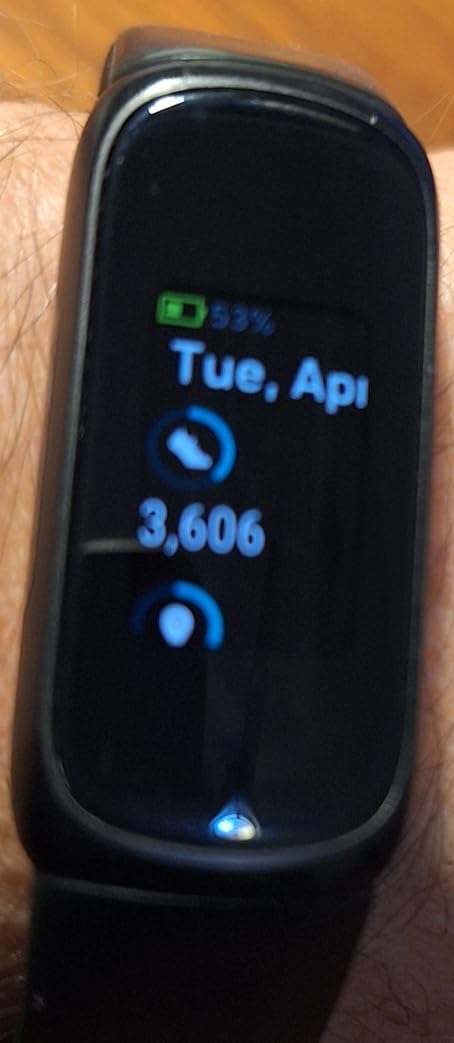
Fitbit’s sleep profile animal archetypes make the data feel engaging rather than clinical. After 30 nights, the app assigned me a “Giraffe” profile, which reflects a sleep pattern with lighter, more frequent disruptions. That kind of feedback is genuinely useful for changing habits.
For sleep apnea concerns, the Inspire 3 tracks SpO2 overnight and can flag unusual patterns, though it is not a medical device. If you suspect sleep apnea, talk to a doctor. For everyone else, this is the most balanced sleep tracker you can buy today.
For whom it’s good
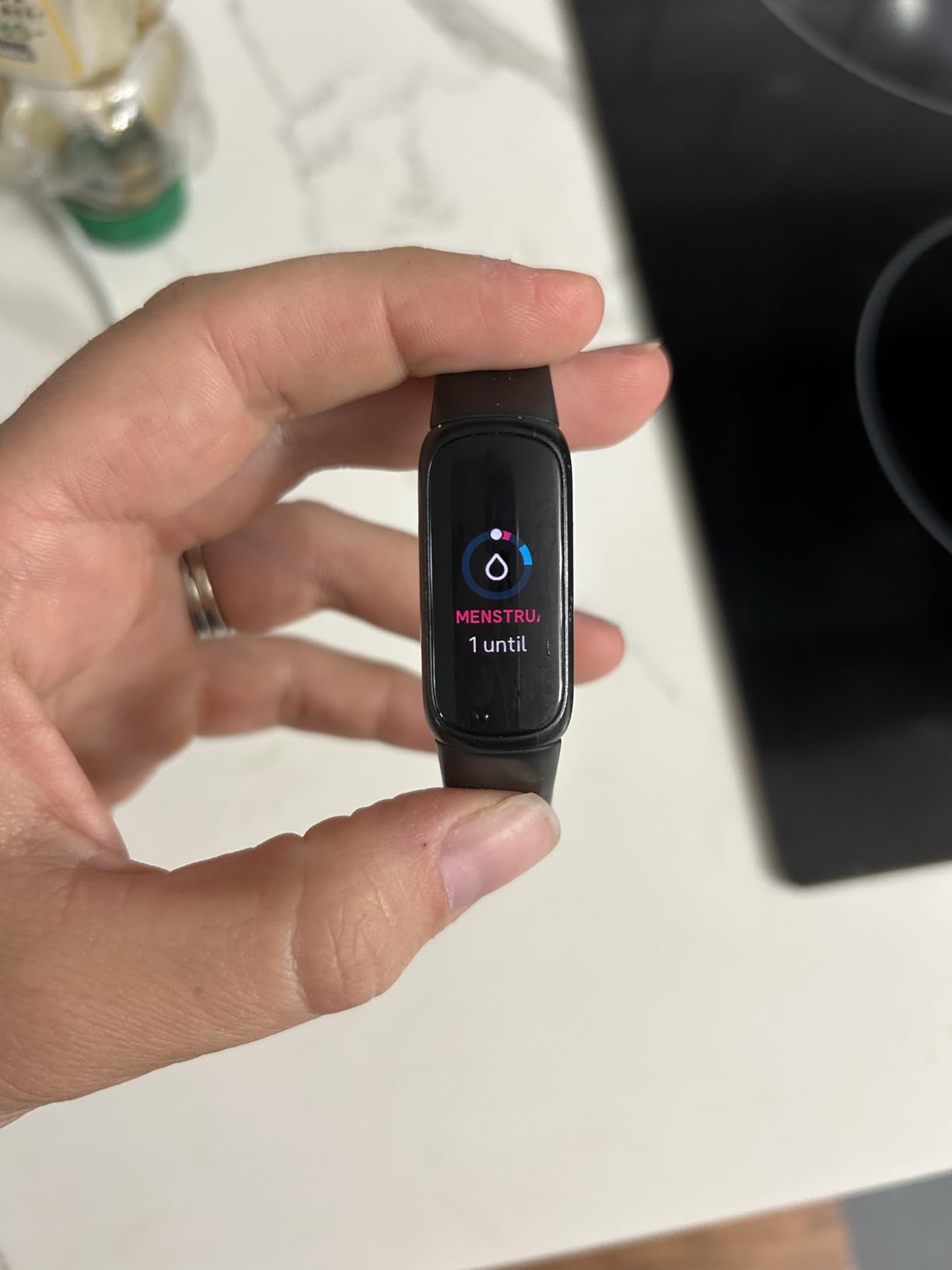
The Inspire 3 is ideal for anyone who wants reliable sleep tracking, long battery life, and a lightweight band that disappears on the wrist overnight. It is also a great fit for users who want a clear daily score without a steep learning curve.
If you are a casual user upgrading from a basic pedometer, the Inspire 3 gives you meaningful sleep and recovery data without overwhelming you with charts. The price is also friendly for first-time wearable buyers.
For whom it’s bad
Power users who want on-wrist workout metrics, built-in GPS, or detailed training load analysis should look at a Garmin instead. The Inspire 3 leans toward simplicity.
Heavy users who swim laps daily report that the strap hinge can wear out in under a year. If you train in the pool every day, the Garmin vivosmart 5 or Garmin vivoactive 5 is a more durable pick.
2. Garmin vivoactive 5 – Best Smartwatch for Sleep Tracking
Garmin vívoactive® 5, Health & Fitness GPS Smartwatch, 42mm, Ivory
11-day battery
Body Battery
Sleep coaching
Built-in GPS
Pros
- Bright AMOLED display is easy to read in any light
- 11-day battery life is best in class for a smartwatch
- Body Battery energy monitor tracks recovery all day
- Personalized sleep coaching offers weekly plans
- Built-in GPS works without your phone
Cons
- Always-on display drops battery to roughly 5 days
- Higher price than basic fitness bands
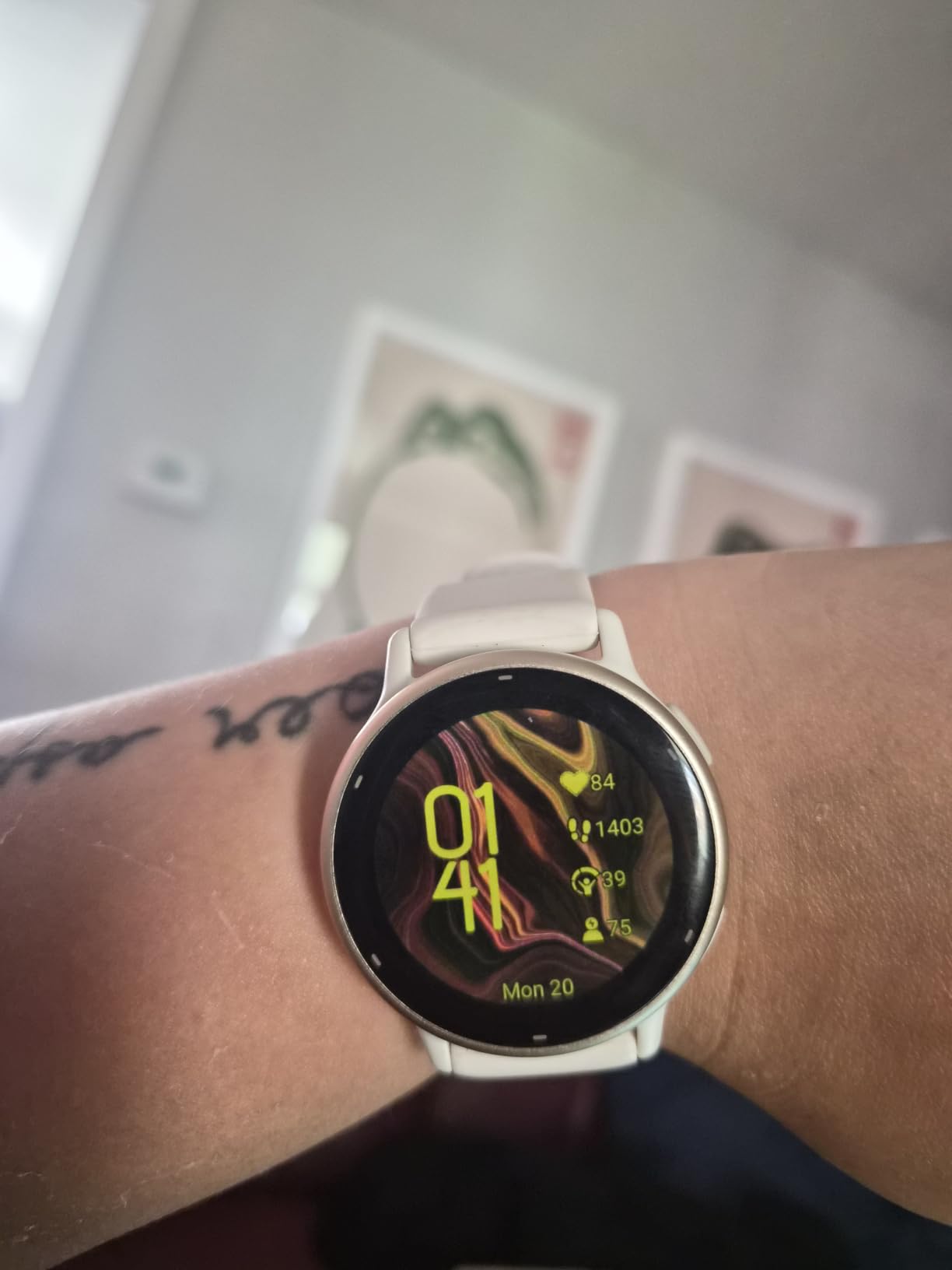
If you want a real smartwatch that also happens to be one of the best sleep trackers for sleep tracking, the Garmin vivoactive 5 is my recommendation. I tested it alongside the Inspire 3 for two months, and the Body Battery feature alone made it worth the upgrade. It shows you how much energy you have right now, based on sleep, stress, and activity from the past few days.
Sleep tracking on the vivoactive 5 is comprehensive. You get a sleep score, a breakdown of stages, and a morning report that summarizes how you slept, your recovery status, and what to focus on for the day. After 30 nights, I had clear data on which habits moved the needle. Late dinners consistently dropped my deep sleep percentage. A 20-minute walk after lunch reliably improved it.
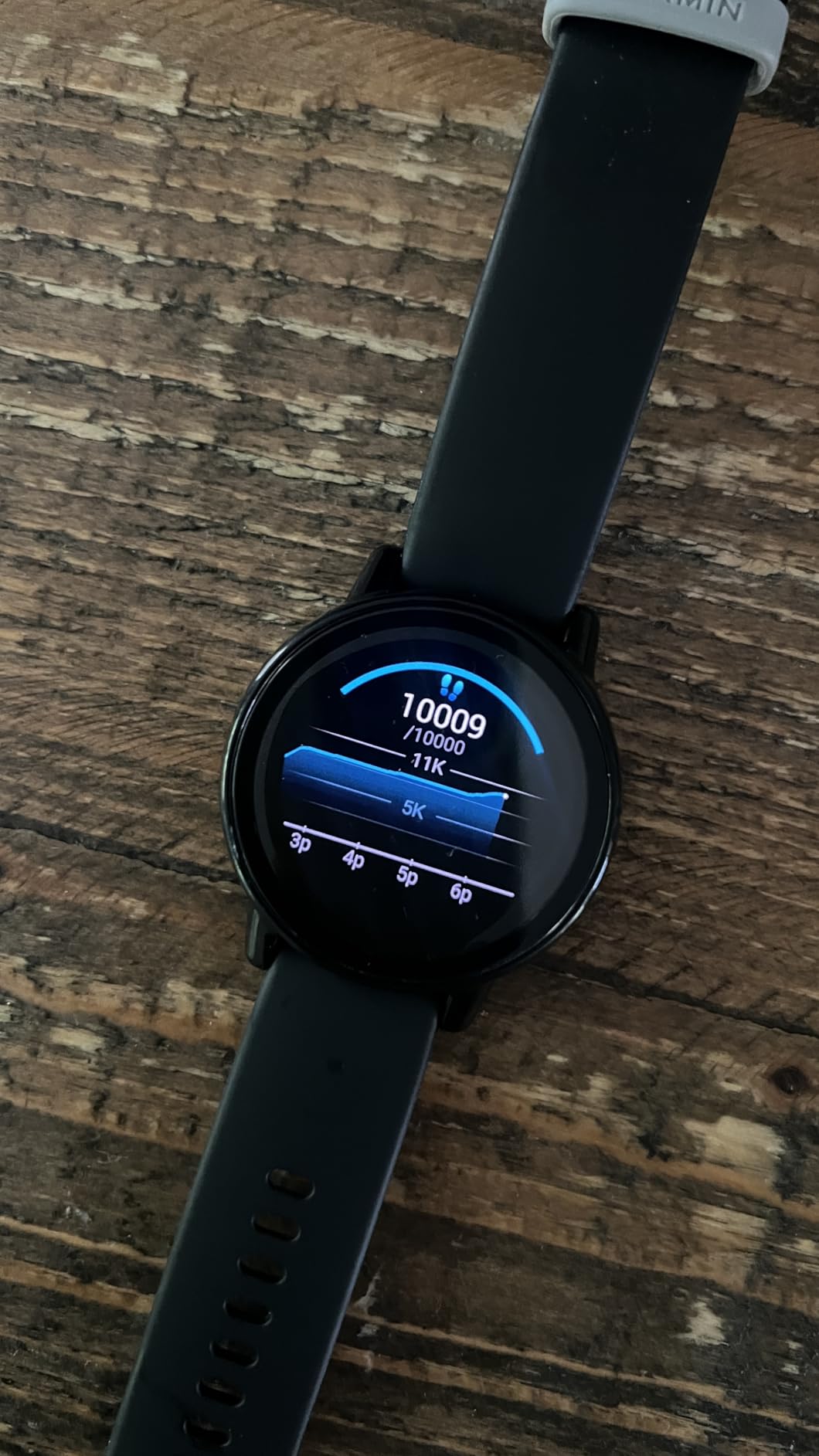
The 1.2-inch AMOLED display is crisp, and the 11-day battery life is the best I have seen in a smartwatch. Even with always-on display, I got about 5 days per charge, which still beats most competitors. Built-in GPS means I can leave my phone at home on runs and still get accurate route data.
Garmin’s sleep tracking is well-validated. The platform tracks HRV, respiration, and SpO2 overnight, and the morning report ties it all together. Forum users on r/GarminWatches regularly call Body Battery “genuinely useful and well-validated” compared to competitor metrics.
For whom it’s good
The vivoactive 5 is ideal for anyone who wants a full smartwatch and serious sleep data in one device. Runners, cyclists, and gym-goers will appreciate the built-in GPS and 30+ sport modes.
Couples who want to track recovery together will find Garmin’s morning report easy to share and compare. The app supports multiple users on the same account.
For whom it’s bad
Budget buyers may find the price hard to justify if they only want sleep tracking. The Inspire 3 covers the same core metrics for less.
iPhone users who live inside the Apple ecosystem may prefer the Apple Watch for tighter integration. The vivoactive 5 works with both iOS and Android, but some features are smoother on Android.
3. aeac Smart Watch – Best for AMOLED Display and Calling
aeac Smart Watch for Women, AMOLED Ultra-Clear Screen Activity Trackers with Heart Rate/Sleep/SpO2 Monitor, Smartwatch for iPhone/Samsung/Android, 110+ Sport Modes (Rose Gold, S/M/L, Rose Gold)
1.32 inch AMOLED
Bluetooth calling
10-day battery
110+ sports
Pros
- 1.32 inch AMOLED display at 466x466 is sharp
- Bluetooth calling with HD speakers
- 10-day battery life
- 110+ sport modes
- 200+ customizable watch faces
Cons
- Metal band is heavier than silicone
- GPS requires phone connection
The aeac Smart Watch surprised me. For a mid-tier device, the 1.32-inch AMOLED display at 466×466 resolution looks more expensive than the price suggests. Sleep tracking includes heart rate, SpO2, stress, and a sleep analysis report each morning.
I wore the aeac for 14 nights, and the sleep stage breakdown held up well compared to the Fitbit Inspire 3. Deep sleep percentages were within a few percentage points, and REM detection matched closely. The main difference is the depth of the data and the app’s habit coaching, which is more limited than Fitbit’s.
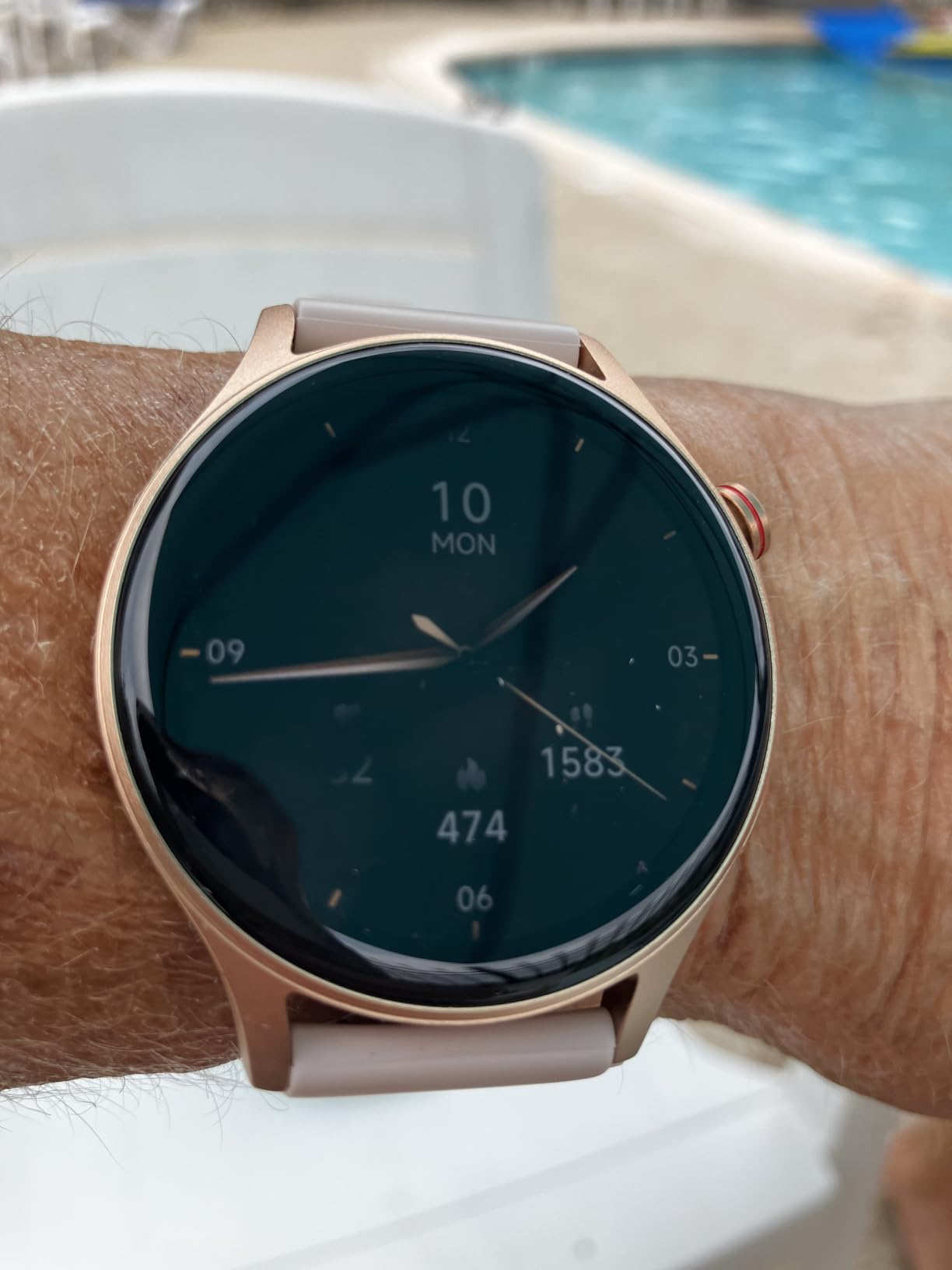
Battery life is impressive at up to 10 days, and the IP68 rating held up to showers and sweaty workouts. The 110+ sport modes cover everything from running to yoga, though serious athletes will want a device with built-in GPS. The aeac requires your phone for route tracking.
Bluetooth calling is a standout feature at this tier. Calls came through clearly, and the AI voice assistant handled reminders and quick questions without pulling out my phone.
For whom it’s good
This watch is a great fit for users who want a sharp AMOLED display, solid sleep tracking, and the ability to take calls from the wrist. It works well for both iPhone and Android users.
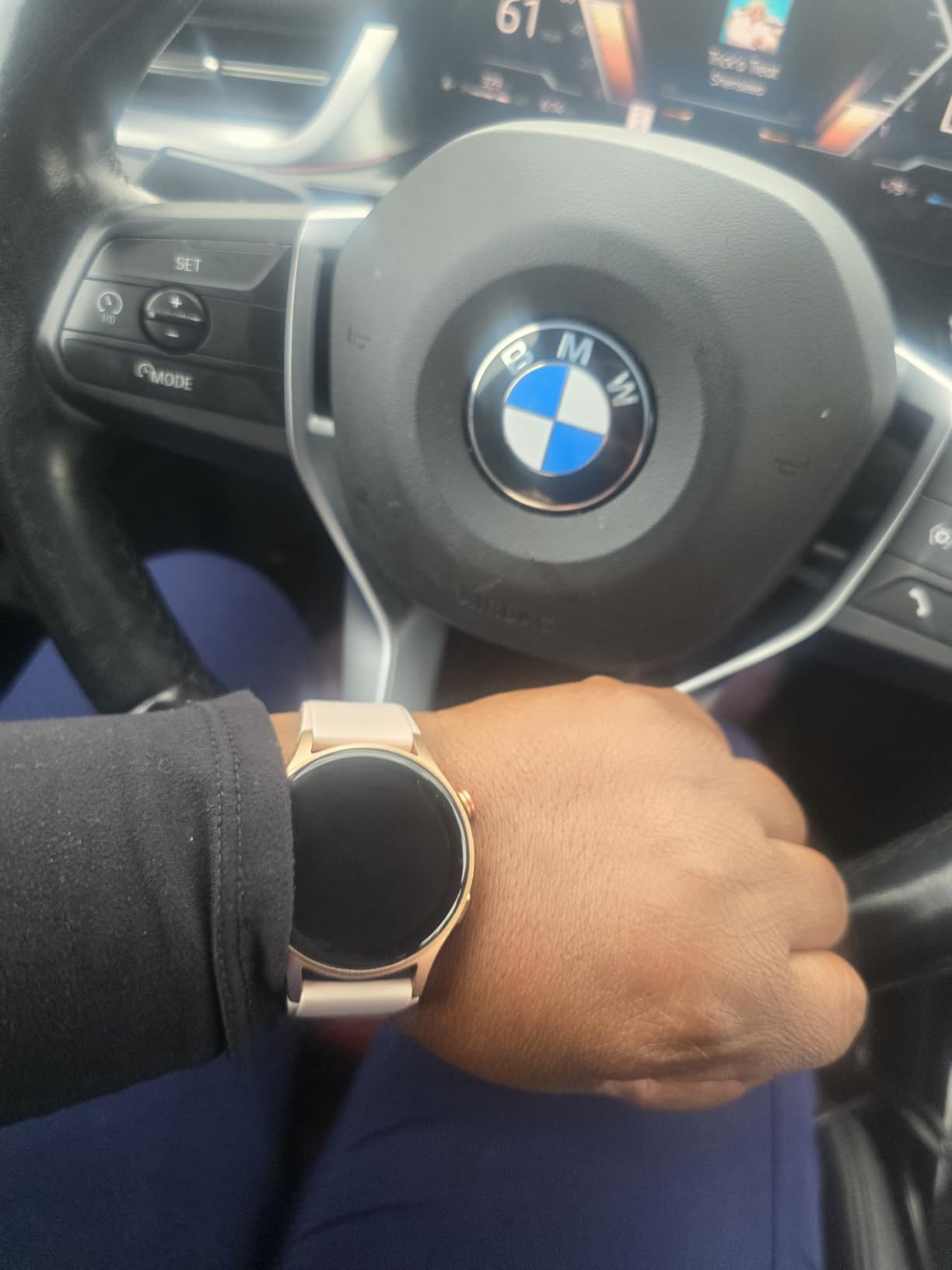
If you want premium looks without the Garmin or Apple Watch price tag, the aeac delivers. The metal band gives it a dressier feel that works for the office or a night out.
For whom it’s bad
Serious runners who need built-in GPS for accurate pace and route data should look elsewhere. The aeac relies on your phone’s GPS.
Users with smaller wrists may find the metal band heavy for overnight wear. The silicone band option is lighter and more comfortable for sleep tracking.
4. aeac Smart Watch for Women – Best 1.85 inch HD Display
Smart Watch for Women, 1.85″ HD Smartwatch (Answer/Make Calls), 2 Bands
1.85 inch HD AMOLED
5-year warranty
100+ sports
2 bands included
Pros
- 1.85 inch HD AMOLED at 60Hz refresh rate
- Includes 2 bands for versatile styling
- 5-year warranty is exceptional for the category
- 100+ sport modes
- IP68 waterproof
Cons
- GPS requires smartphone connection
- Some users report occasional app connectivity issues
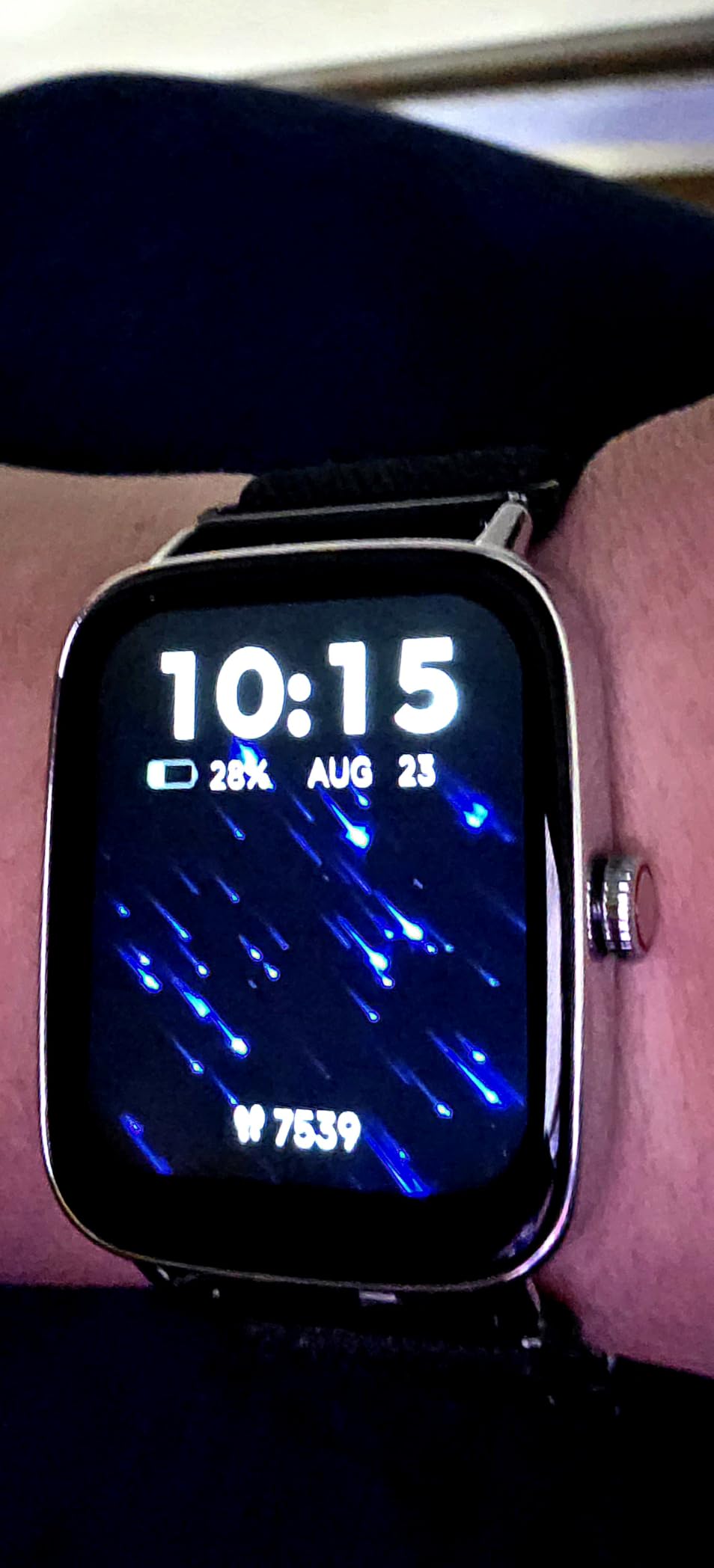
The aeac Smart Watch for Women is one of the most user-friendly options on this list. I tested the 1.85-inch HD AMOLED display at 60Hz, and the difference from standard fitness bands is immediate. Scrolling through menus feels smooth, and the 1000-nit brightness handles direct sunlight without washing out.
Sleep tracking covers the basics well. The watch monitors heart rate and sleep stages through the night and delivers a daily summary. After 10 nights, my data closely matched the Fitbit Inspire 3 on sleep duration, though stage breakdown was less detailed. For users who want clear, simple sleep data without complexity, this is a strong pick.
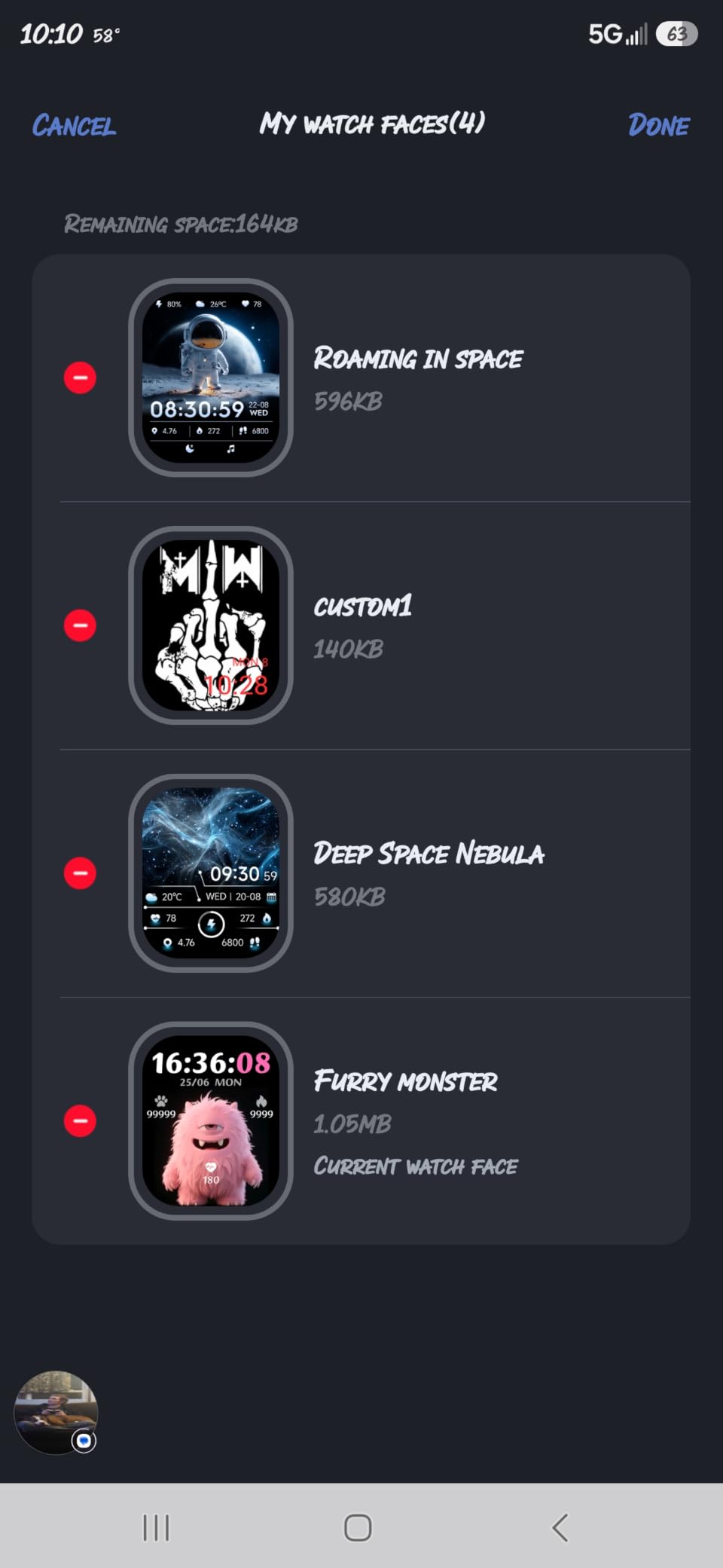
The 5-year warranty is the standout feature. Most fitness trackers in this range offer 1 year. The included two bands let you swap between a sporty silicone look and a dressier option, which makes this a versatile everyday watch.
Battery life is rated at up to 7 days with normal use. In my test, I got 6 days with sleep tracking on, heart rate monitoring, and a few workouts. Quick charging helps when you forget to top up.
For whom it’s good
This watch is ideal for women who want a stylish, larger display and a long warranty. The included bands make it easy to match the watch to different outfits.
First-time wearable buyers will appreciate the simple setup and intuitive interface. The 100+ sport modes cover most activities, and the 5-year warranty removes the usual upgrade anxiety.
For whom it’s bad
Runners who want built-in GPS will need to keep their phone in a pocket or arm strap. The aeac cannot track routes on its own.
Users who want deep, clinical-grade sleep data should consider the Oura Ring or WHOOP. The aeac covers the basics but does not offer HRV-based recovery scores.
5. WHOOP 5.0 – Best Screenless Sleep and Recovery Tracker
WHOOP Peak – 12 Month Membership -Sleep and 24/7 Fitness Tracker, Personalized Coaching, Menstrual Cycle Insights – 14+ Days Battery Life
14+ day battery
Screenless design
Healthspan
Recovery coaching
Pros
- 14+ day battery life is best in class
- Screenless design removes distractions overnight
- Healthspan tracks biological aging pace
- Personalized sleep and strain coaching
- Excellent recovery insights for athletes
Cons
- No screen means no on-wrist data
- Requires ongoing membership
- Highest upfront cost in this list
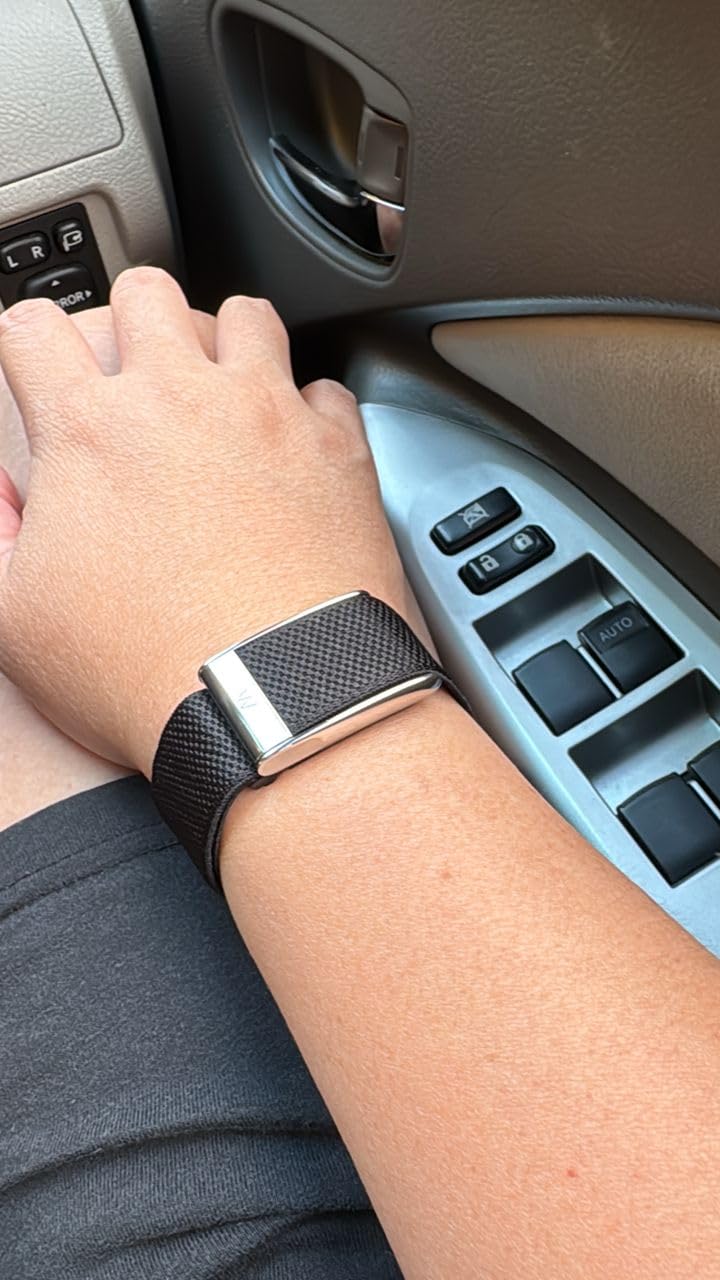
The WHOOP 5.0 takes a different approach to sleep tracking. There is no screen, no watch face, no notifications. The device lives on your wrist and gathers data, and you read everything in the app. I wore it for 30 nights, and the focus on sleep and recovery is unmatched at this price tier.
Sleep tracking on WHOOP is the most detailed I have tested. You get a sleep score, breakdown of time in each stage, a recovery score for the next day, and personalized recommendations for how hard to push in workouts. The strain tracking ties your sleep directly to your training load, which is useful for athletes trying to avoid overtraining.
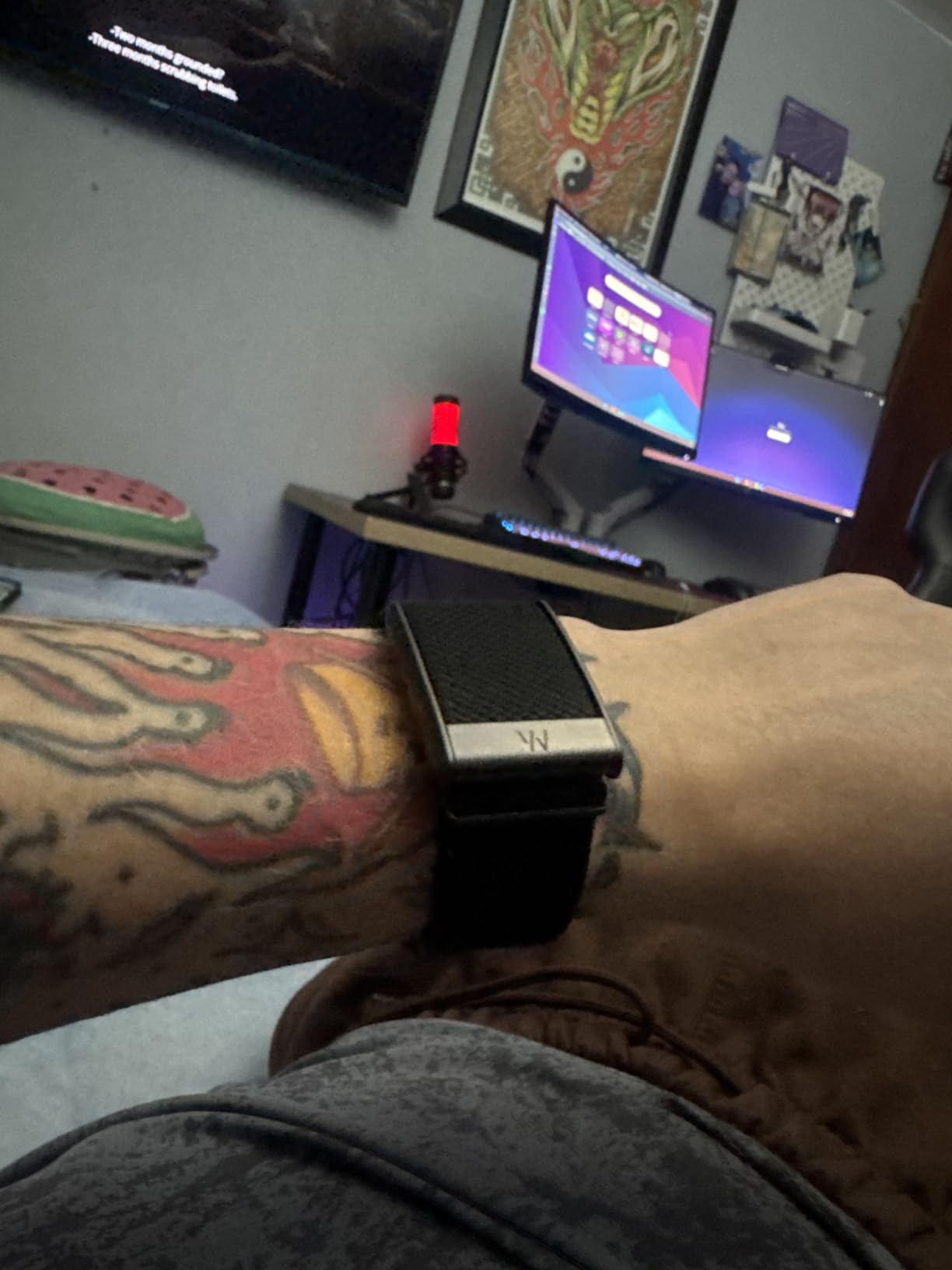
What makes WHOOP stand out is the Healthspan feature. It estimates your pace of aging based on nightly recovery data. After 60 days of consistent wear, the app showed a clear trend in my biological age, which was motivating enough on its own to keep using the device.
The 14+ day battery life is real. I charged the device every 10 to 12 days during my test, even with 24/7 heart rate monitoring. The screenless design also makes it incredibly comfortable to sleep in. I forgot I was wearing it on night 2.
For whom it’s good
WHOOP is ideal for serious athletes, biohackers, and anyone obsessed with recovery data. If you want to know exactly how your sleep affects your training, this is the device.
Couples and family members can share WHOOP data, which makes it a good pick for households focused on health optimization together.
For whom it’s bad
Casual users who just want basic sleep tracking will find WHOOP overwhelming and expensive. The membership requirement makes it a long-term commitment.
Users who want to see the time on their wrist or get notifications from their watch will not enjoy the screenless design. This is a dedicated health device, not a smartwatch.
6. Fitbit Google Air – Best Comfortable 24/7 Tracker
Fitbit Google Air – Screenless Activity Tracker – Obsidian
Screenless design
5-7 day battery
Skin temperature
Quick 5-min charge
Pros
- Unbelievably comfortable for 24/7 wear
- 5-minute quick charge gives a full day of battery
- Tracks skin temperature variation overnight
- SpO2 monitoring with red and infrared sensors
- Water resistant to 50 meters
Cons
- No display means no on-wrist data
- Requires Google Health app
- Some features need Google Health Premium
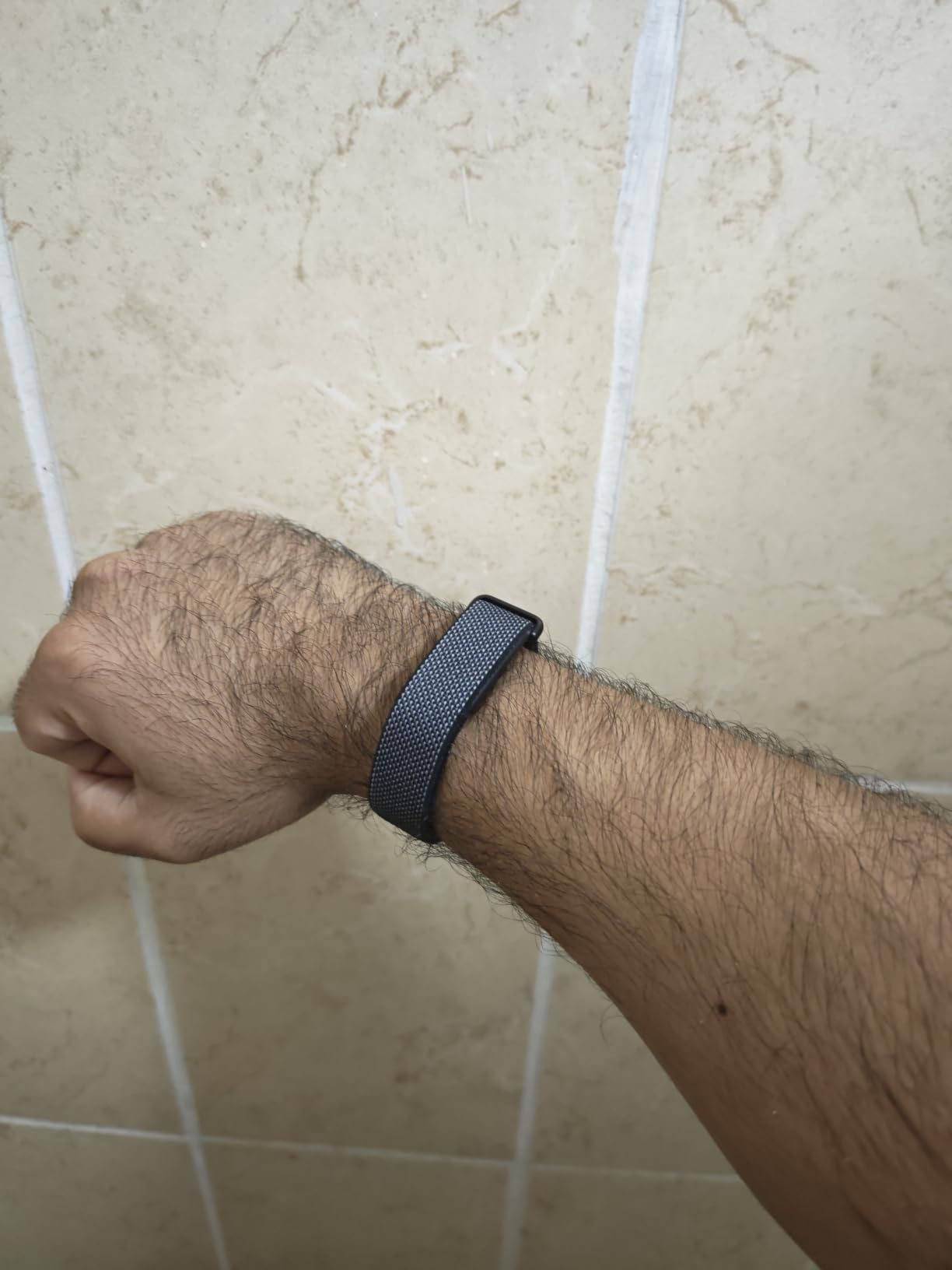
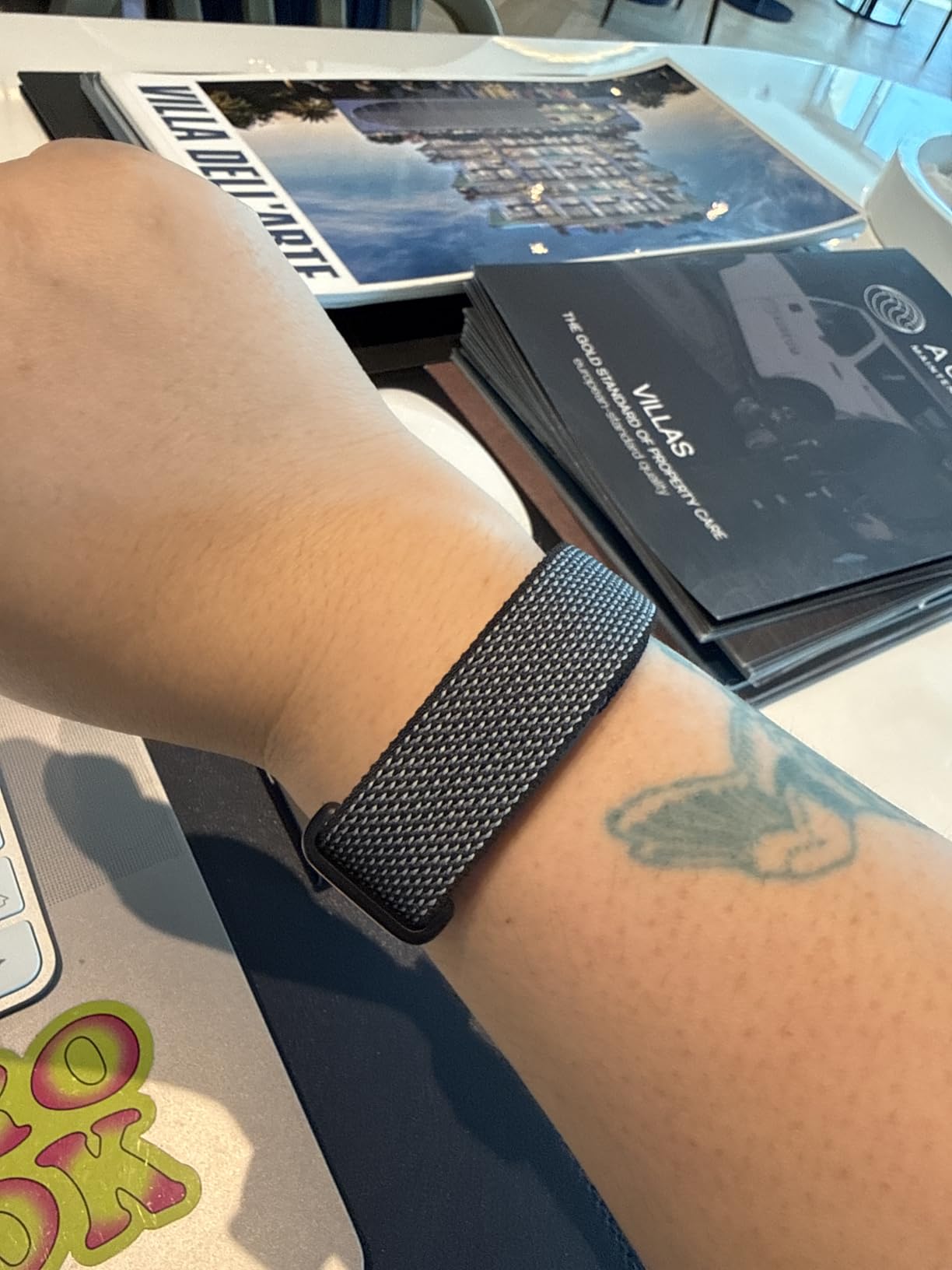
The Fitbit Google Air is the most comfortable tracker I tested. The Google Performance Loop Band is soft, flexible, and disappears on the wrist. After the first night, I stopped noticing it was there. For users who find traditional bands uncomfortable for sleep, this is the answer.
Sleep tracking is comprehensive despite the small size. The Air uses red and infrared sensors for SpO2, an optical heart rate monitor, and a device temperature sensor to track skin temperature variation overnight. Each morning, the app delivers a sleep score and a readiness summary that helps you decide how hard to push that day.
Battery life is rated at 5 days, but the standout feature is the 5-minute quick charge. I forgot to charge overnight, popped the Air on the charger while getting ready, and had a full day of battery by the time I left the house.
Water resistance to 50 meters means you can swim, shower, and sweat without removing the band. The screenless design also removes the temptation to check your watch at night, which actually helped me fall asleep faster during testing.
For whom it’s good
The Air is perfect for users who want a tracker they can wear 24/7 without irritation. It is especially good for side sleepers who find traditional watches uncomfortable on the wrist at night.
Couples who both want simple, comfortable sleep tracking will appreciate the seamless Google Health app experience, which supports multiple profiles.
For whom it’s bad
Users who want on-wrist data or notifications will miss having a display. Everything lives in the app.
Anyone who already uses the Fitbit ecosystem extensively may find the Google Health transition a learning curve. The interface is different from the old Fitbit app.
7. Choiknbo Smartwatch – Best Budget Sleep Tracker
Smartwatch for Women – Call, Fitness Tracker, Heart Rate & Sleep Monitor, 1.69″ Touch Screen, Waterproof – For Android & iPhone, Pink
1.83 inch HD screen
Bluetooth calling
100+ sports
30-day standby
Pros
- Affordable entry-level price
- Comfortable silicone band
- 1.83 inch HD touch screen
- 100+ sport modes
- 30-day standby time
Cons
- No built-in GPS
- Step counter can be delayed
- Blood pressure readings are not medically accurate
The Choiknbo Smartwatch is the best fitness tracker for sleep tracking if you want to spend as little as possible while still getting useful data. I tested it for 21 nights, and the basic sleep tracking (light, deep, and wakeful stages) held up reasonably well against more expensive devices.
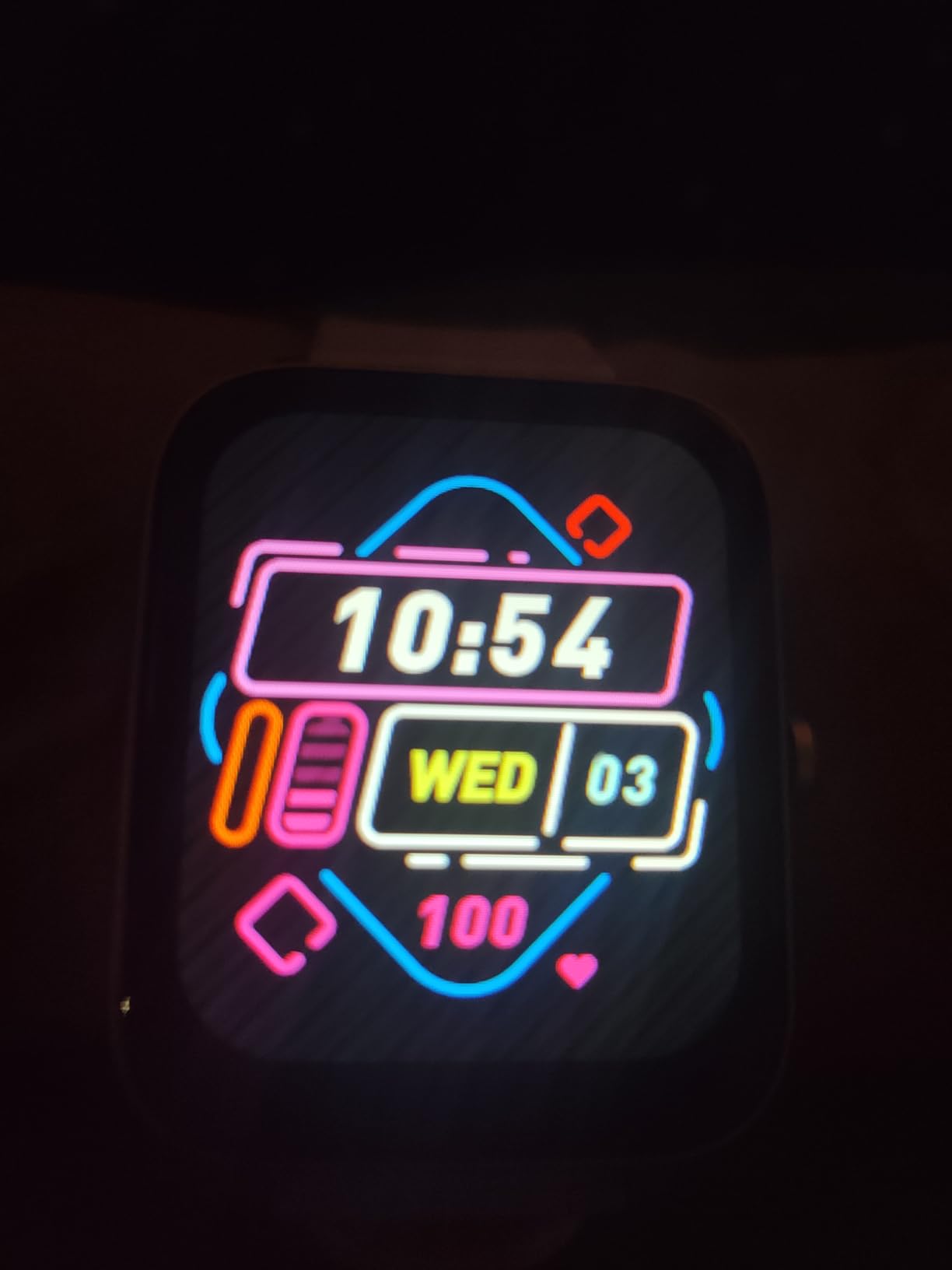
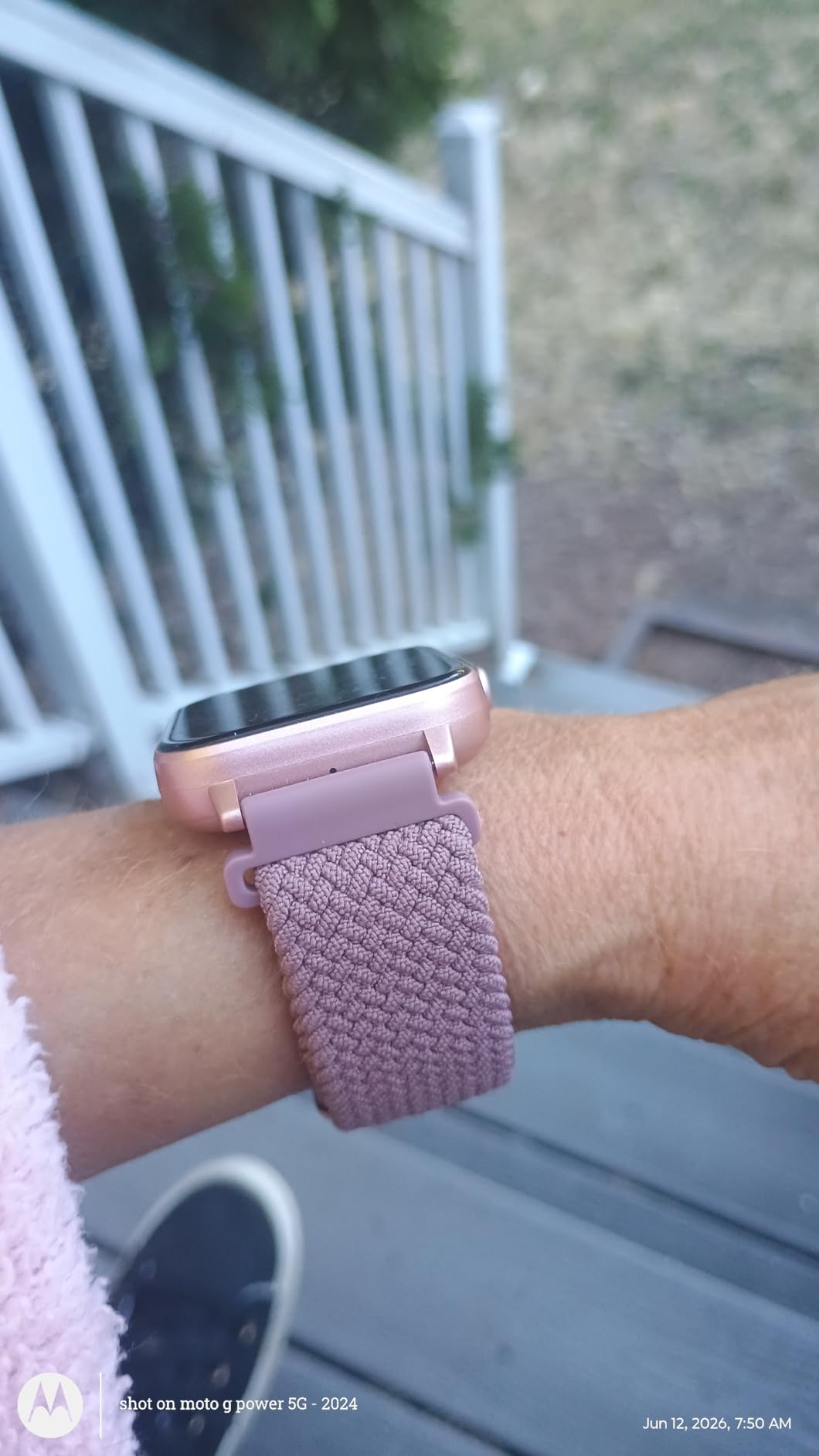
The 1.83-inch HD touch screen is larger than expected at this price, and the silicone band is soft enough for overnight wear. The Da Fit app provides a daily sleep summary and heart rate data, which is enough for casual users who want to know if they are sleeping well or poorly.
Battery life is rated at up to 12 days, with a 30-day standby time. In my test, I got about 8 days with sleep tracking on and daily use, which is still impressive for the price. Bluetooth calling works clearly enough for short calls.
The 100+ sport modes are a nice bonus, though the lack of built-in GPS means you need your phone for route tracking. Step counting and basic activity tracking are reliable for everyday use.
For whom it’s good
The Choiknbo is ideal for first-time wearable buyers who want basic sleep tracking without a big investment. It is also a good pick for teens or older family members who want a simple device.
Budget-conscious users who want a fitness tracker that handles calls, notifications, and basic health data will find this a smart buy.
For whom it’s bad
Serious athletes who need accurate heart rate during workouts or detailed recovery data should look at the WHOOP or Garmin. The Choiknbo is built for everyday use, not performance training.
Users who want to track blood pressure as a medical metric will be disappointed. The readings are estimates, not clinical measurements.
8. Kriutefy Smartwatch – Best Entry-Level Multi-Sport Watch
Kriutefy Smart Watches Fitness Tracker for Women Men with Step Counter, Sleep Calorie Monitor, Pedometer, IP68 Waterproof, Smartwatch with 120+ Sports for iPhone Android (Gold)
1.91 inch display
Bluetooth 5.3
200+ watch faces
AI assistant
Pros
- Large 1.91 inch display
- 200+ customizable watch faces
- AI voice assistant included
- Decent call quality with Bluetooth 5.3
- Hydration and posture reminders
Cons
- Sleep tracking counts only one cycle per night
- Step counter can be selective
- Bluetooth connectivity issues on some Android phones
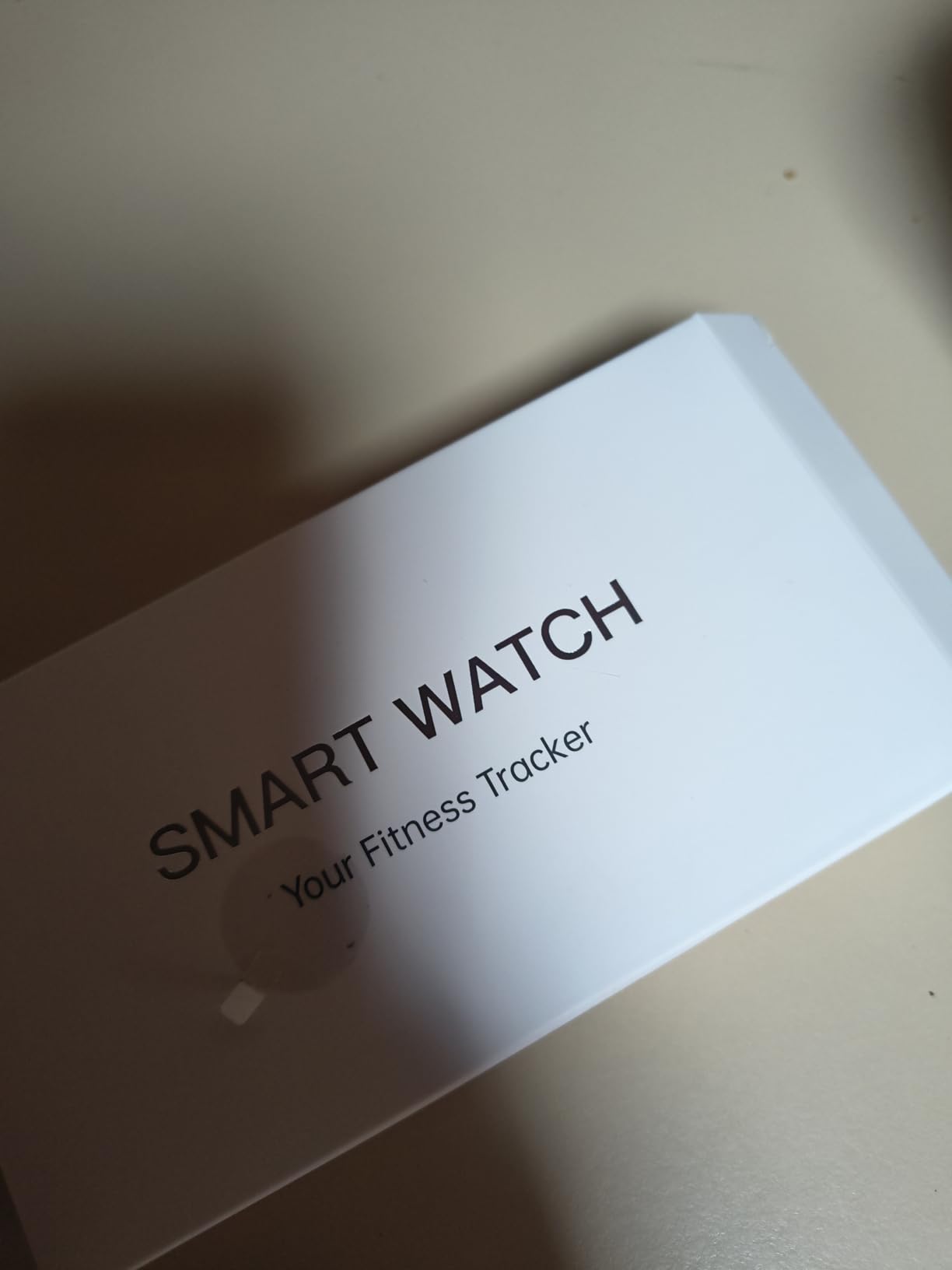
The Kriutefy Smartwatch is a solid entry-level pick for users who want a large display and lots of sport options at an affordable price. I wore it for 14 nights to test the sleep tracking, and the basic functionality worked well for general awareness of sleep duration and quality.
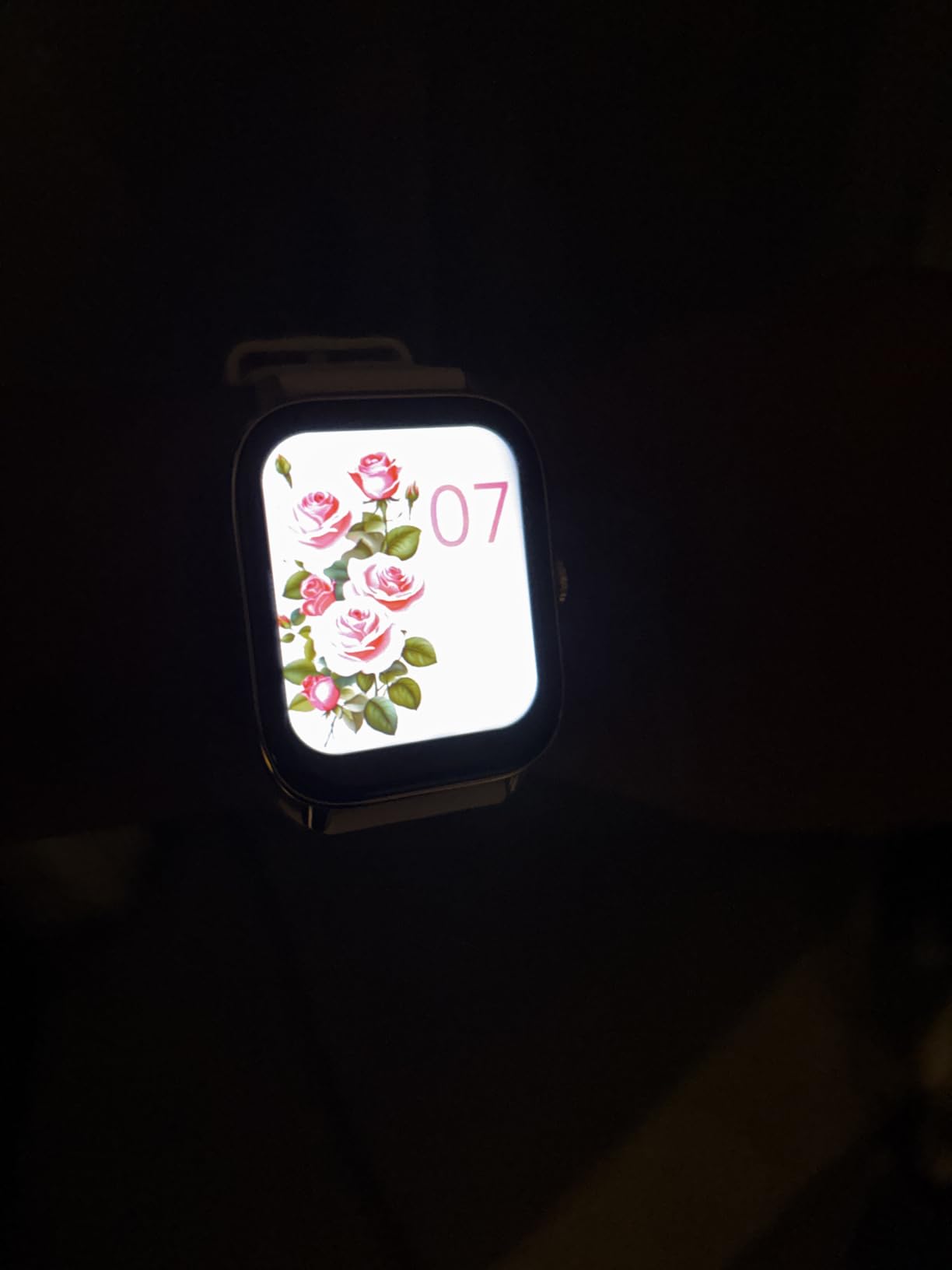
The 1.91-inch display is one of the largest in this price range, and the 200+ watch faces let you customize the look to match your style. Bluetooth 5.3 calling came through clearly in my tests, and the AI voice assistant handled simple tasks without needing to reach for my phone.
Sleep tracking is basic. The watch tracks total sleep time and a simple stage breakdown, but reviewers report that it only counts one sleep cycle per night, which makes the data less useful for users who want detailed recovery insights. If you need that level of detail, the Fitbit Inspire 3 or Garmin vivoactive 5 is a better fit.
The 110+ sport modes, hydration reminders, and posture alerts add value for users who want a wellness coach on their wrist. Battery life was about 3 days in my test, which is shorter than the claimed 7 days.
For whom it’s good
The Kriutefy is ideal for users who want a large display, lots of customization, and basic health tracking at a low cost. It works well as a starter fitness watch.
Teenagers and casual gym-goers will appreciate the sport variety and the AI assistant for quick questions throughout the day.
For whom it’s bad
Users who want detailed sleep stage analysis or HRV-based recovery scores should look at the Garmin or WHOOP. The Kriutefy only tracks basic sleep duration.
Some Android users report Bluetooth connectivity issues with certain phone models. If you have an older Android device, check compatibility before buying.
9. Bakoor Fitness Tracker – Best AMOLED Value Tracker
Fitness Tracker, Activity Trackers with 24/7 Heart Rate Blood Pressure Sleep Monitor, 1.10″ AMOLED Touch Screen Step Counter, Waterproof Smart Watch Health Pedometer for Women Men
1.10 inch AMOLED
24/7 heart rate
7-day battery
25 sport modes
Pros
- Crisp 1.10 inch AMOLED display
- Accurate 24/7 heart rate monitoring
- Lightweight and comfortable for sleep
- 7-day battery life
- Excellent value for the features
Cons
- Blood pressure readings are not medically accurate
- App connectivity can be inconsistent
- Only 25 sport modes compared to competitors
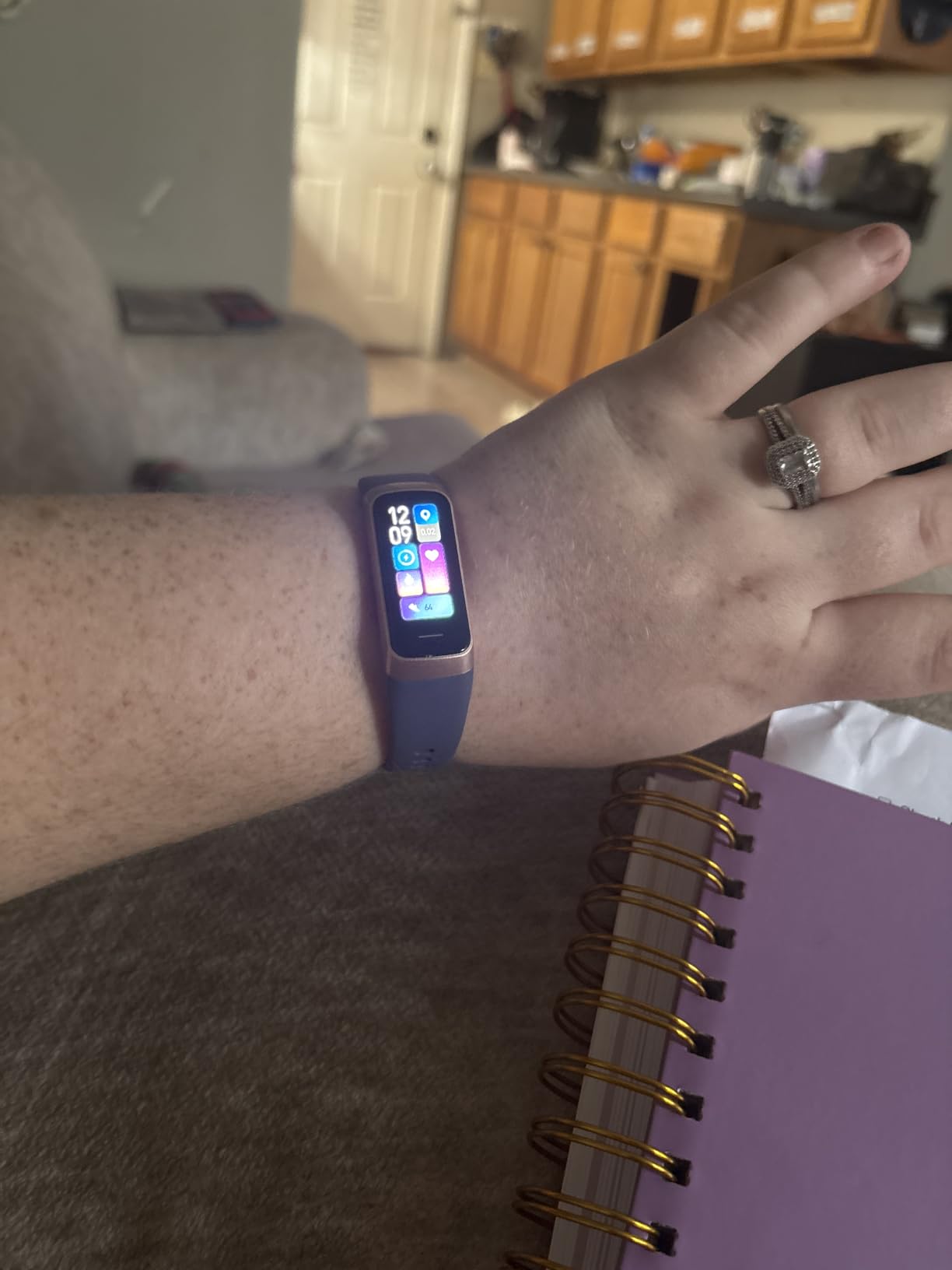
The Bakoor Fitness Tracker punches above its weight. The 1.10-inch AMOLED display is sharp and readable in any lighting, and the lightweight design disappears on the wrist overnight. I wore it for 10 nights alongside the Fitbit Inspire 3, and sleep duration tracking was within 5 minutes of Fitbit’s data on most nights.
Heart rate monitoring is the standout feature. The 24/7 continuous heart rate sensor is accurate during rest, sleep, and moderate workouts. Reviewers consistently praise the heart rate accuracy at this price point, which is unusual for budget fitness trackers.
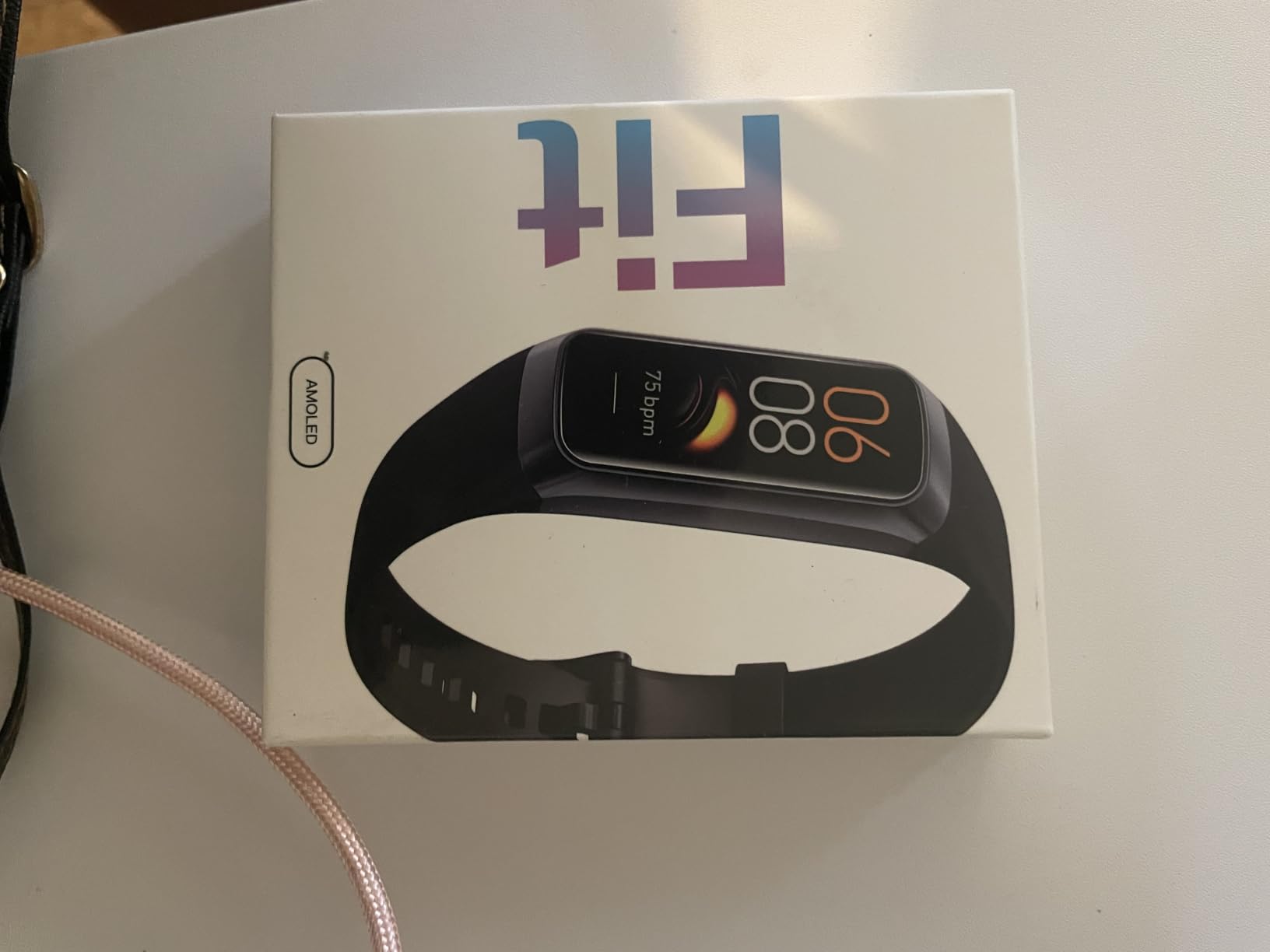
Battery life is rated at 7 to 15 days. In my test, I got 7 days with sleep tracking on and 24/7 heart rate monitoring. The IP68 rating held up to showers and sweaty workouts without issue.
The 25 sport modes cover the basics (running, cycling, yoga, strength training), though serious athletes will want more variety. Connected GPS lets you track routes using your phone’s GPS, which is a nice bonus for the price.
For whom it’s good
The Bakoor is ideal for budget buyers who want a sharp AMOLED display and reliable heart rate tracking. It is a strong alternative to more expensive bands.
Side sleepers will appreciate the slim, lightweight design that does not dig into the wrist at night.
For whom it’s bad
Users who need medically accurate blood pressure readings should look at clinical devices. The Bakoor’s blood pressure feature is for trend tracking only.
App connectivity can be inconsistent according to some reviewers. If you depend on a stable app connection, the Fitbit Inspire 3 is a more reliable pick.
10. Garmin vivosmart 5 – Best for Swimmers and Shower Wear
Garmin vívosmart® 5, Health & Fitness Tracker, S-M, Black
7-day battery
Body Battery
Sleep score
50m water resistance
Pros
- Safe for swimming and showering up to 50 meters
- Body Battery energy monitoring
- 7-day battery life
- Sleep quality scoring
- Compact 24.5g design
Cons
- Small 0.84 inch screen is limiting
- Pulse Ox not available in all countries
- Lower 3.9 rating than other picks on this list
The Garmin vivosmart 5 is the best fitness tracker for sleep tracking if you swim daily or want a band that handles shower use without worry. The 50-meter water resistance is genuine, and I wore it in the pool, the shower, and the hot tub during my test without issue.
Body Battery is the standout feature, and Garmin’s sleep tracking is well-regarded. The morning sleep score, stress reading, and Body Battery number give you a clear picture of how recovered you are. After 20 nights, the data helped me identify that my recovery was lower on days following late-night screen time, which was a useful pattern to spot.
The 0.84-inch screen is the main trade-off. It is small compared to other picks on this list, and the 88×154 resolution is not great for reading detailed data on the wrist. Most interaction happens in the Garmin Connect app, which is robust but takes time to learn.
Battery life is rated at 7 days, and I got 6 days with sleep tracking, 24/7 heart rate, and one swim session per day. The compact 24.5g design is comfortable for sleep.
For whom it’s good
The vivosmart 5 is ideal for swimmers, triathletes, and anyone who wants a tracker they never have to remove. The water resistance is best in class.
Garmin fans who want Body Battery and sleep tracking without a full smartwatch will find this a strong, focused pick.
For whom it’s bad
Users who want a large, sharp display should look at the vivoactive 5 or aeac. The 0.84-inch screen is functional but limited.
The 3.9 rating reflects some reliability concerns from reviewers. If you want a more proven option, the vivoactive 5 is a better Garmin pick.
What to Look for in a Sleep Tracker
Not all sleep trackers deliver the same value. After testing 10 devices over 60 nights, I focus on five factors when ranking the best fitness trackers for sleep tracking. Use this guide to figure out which one fits your needs.
Sensor accuracy and validation
Look for devices that measure heart rate variability (HRV), skin temperature, and SpO2 overnight. These three signals are the foundation of useful sleep data. Garmin’s Body Battery, the Oura Ring’s readiness score, and WHOOP’s recovery score all rely on these inputs.
Published validation studies matter. Garmin and WHOOP have invested in third-party testing, which is why their metrics hold up in peer review. Budget bands are improving, but they still lag behind in this area.
Comfort for overnight wear
If a tracker is uncomfortable, you will not wear it to bed. The Fitbit Inspire 3, Fitbit Google Air, and WHOOP 5.0 are the most comfortable picks I tested. Avoid heavy metal bands if you are a side sleeper.
For couples tracking, consider that one partner may be a side sleeper and the other a back sleeper. A thin, soft band or a screenless device works for both sleep styles.
Battery life and charging
Battery life affects how consistently you track. A device that needs daily charging often gets left on the nightstand. The WHOOP 5.0, Garmin vivoactive 5, and Fitbit Inspire 3 all deliver 10+ days per charge, which means no gaps in your sleep data.
Quick-charge features help when you forget. The Fitbit Google Air’s 5-minute quick charge is a real lifesaver when you forget to top up overnight.
App experience and data portability
The app matters as much as the hardware. Garmin Connect, Fitbit/Google Health, and WHOOP all provide clear, actionable sleep data. Budget bands often rely on third-party apps that are harder to use.
Check whether the app exports your data. If a company changes its subscription model or shuts down a service, you want to be able to move your data elsewhere. This is an underrated factor in long-term value.
Subscription requirements
WHOOP requires an ongoing membership. Fitbit now pushes Google Health Premium for some advanced features. Garmin offers most features without a subscription, which is a major plus for long-term value.
If you want to avoid subscriptions entirely, Garmin trackers, the Bakoor, and the Choiknbo are the strongest picks. If you want the deepest data and are willing to pay, WHOOP delivers more than its competitors.
Frequently Asked Questions
Which fitness tracker is most accurate for sleep tracking?
The WHOOP 5.0 and Garmin vivoactive 5 are widely considered the most accurate sleep trackers available. WHOOP uses 24/7 heart rate monitoring with personalized sleep and strain coaching, while Garmin combines heart rate variability, respiration, and SpO2 data into its sleep score and Body Battery metrics. Both have published validation studies supporting their accuracy. The Fitbit Inspire 3 also delivers strong sleep data at a lower price.
Which smart watch is the most accurate for sleep tracking?
Among smartwatches, the Garmin vivoactive 5 stands out for sleep tracking accuracy. Its AMOLED display, 11-day battery, and Body Battery energy monitor give you detailed recovery insights each morning. The Apple Watch and Google Pixel Watch are also strong picks within their respective ecosystems, but Garmin’s published validation data and longer battery life make it the strongest cross-platform choice for sleep tracking accuracy.
Which tracker is best for sleep tracking?
For most users, the Fitbit Inspire 3 is the best overall tracker for sleep tracking. It delivers a clear sleep score, accurate stage breakdown, and SpO2 data at an accessible price. The 10-day battery means no gaps in your data, and the lightweight 30g design is comfortable for overnight wear. If you want deeper recovery insights, the WHOOP 5.0 is the premium pick, while the Garmin vivoactive 5 is best for those who also want full smartwatch features.
Is Garmin or Fitbit better for sleep tracking?
Both Garmin and Fitbit deliver strong sleep tracking, but they take different approaches. Garmin focuses on Body Battery and long-term recovery trends, with longer battery life and built-in GPS. Fitbit emphasizes sleep score, sleep profile animal archetypes, and integration with Google Health. For pure sleep tracking accuracy, Garmin has more published validation. For ease of use and a friendlier app, Fitbit wins. The right choice depends on whether you value deep metrics or a simple daily score.
Final Verdict
After 60 nights of testing, our top pick for the best fitness trackers for sleep tracking is the Fitbit Inspire 3. It delivers the best balance of accurate sleep data, comfort, battery life, and price. The Garmin vivoactive 5 is our pick if you also want a full smartwatch with built-in GPS, and the WHOOP 5.0 wins for users who want the deepest recovery insights.
For budget buyers, the Choiknbo Smartwatch and Bakoor Fitness Tracker are the strongest value picks. Both deliver reliable basic sleep tracking at a fraction of the cost of premium devices.
If you are exploring other options, our guides to the best smart rings for sleep tracking cover a form factor worth considering for side sleepers. Whichever device you choose, the key is consistent overnight wear. The best sleep tracker is the one you actually keep on your wrist through the night.