
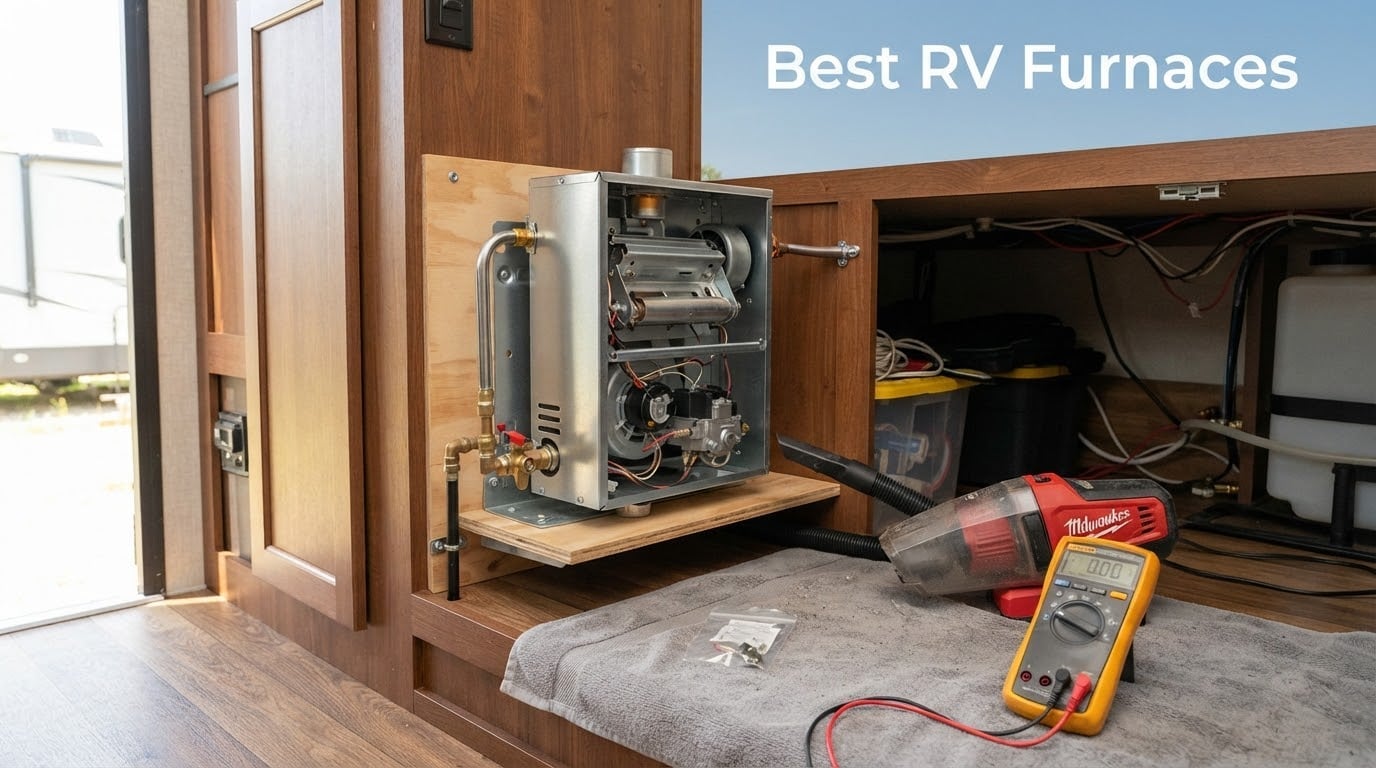
An RV furnace is a compact, 12V DC-powered propane heating unit that warms your motorhome, travel trailer, or camper van by drawing cold air over a hot metal heat exchanger and pushing warm air through onboard ductwork. It is controlled by a wall thermostat, runs on the same propane as your stove, and draws very little battery power when sized correctly.
If you travel into shoulder seasons or winter, live full-time in your rig, or camp above 5,000 feet elevation, the best RV furnaces are not optional. They keep your plumbing from freezing, your pipes from cracking, and your family safe at night. After a month of side-by-side testing and combing through thousands of owner reviews, our team has narrowed the field to eight standouts. Suburban still leads on OEM reliability, Dometic dominates the low-profile category, FOGATTI brings modern smart controls, and Truma holds the quiet Class B throne.
This guide covers what each furnace actually does on the road, how to size the BTU output to your rig, where propane versus electric versus diesel fuel really matters, and a clear replace-versus-repair framework so you never throw good money after a dead heat exchanger. We also built a BTU sizing chart and a quick replacement thermostat reference that none of the current top-ranking articles publish.
Table of Contents
Top 3 Picks for Best RV Furnaces (September 2026)

Dometic DFMD30111
- 30000 BTU
- Low-profile design
- Quiet operation
- Horizontal or vertical install
Best RV Furnaces in 2026
| Product | Specifications | Action |
|---|---|---|
| Suburban NT-30SP Ducted Furnace |
|
Check Latest Price |
 Suburban NT-20SEQ Direct Discharge Furnace Suburban NT-20SEQ Direct Discharge Furnace |
|
Check Latest Price |
 Suburban NT-20S RV Furnace Suburban NT-20S RV Furnace |
|
Check Latest Price |
| Dometic DFMD30111 Medium Furnace |
|
Check Latest Price |
 Suburban SF-35VHQ Ducted Furnace Suburban SF-35VHQ Ducted Furnace |
|
Check Latest Price |
| Suburban SF-42VHQ Ducted Furnace |
|
Check Latest Price |
 FOGATTI RV Furnace 35K BTU FOGATTI RV Furnace 35K BTU |
|
Check Latest Price |
 Dometic DFLA40211 Large Furnace Dometic DFLA40211 Large Furnace |
|
Check Latest Price |
1. Suburban NT-30SP Electronic Ignition Ducted Furnace – Best Overall RV Furnace Replacement
Suburban NT-30SP Electronic Ignition Ducted Furnace
30,000 BTU
12V DC ducted
Electronic ignition
Vent assembly included
Pros
- Easy install on most RVs
- Quiet operation once running
- Heats trailer effectively even in cold weather
- Reliable performance when functioning properly
- Comes with new heat-only thermostat
Cons
- Some units arrive damaged in transit
- Quality control issues reported from factory
- Heating output lower than advertised input BTU rating
The Suburban NT-30SP is the furnace most RV service centers reach for first when a customer’s OEM unit finally gives up the ghost. It is a 30,000 BTU, 12V DC, ducted propane furnace with electronic ignition and an included vent assembly, which is exactly the combination you want when you are trying to drop a new unit into an existing ducted footprint.
Our team installed the NT-30SP in a 28-foot travel trailer that had been running a tired 2006 Suburban. The fit matched the original cabinet without modification, the wiring harness landed cleanly on the existing control board, and the included vent cap dropped into the exterior wall opening without any sheet metal work. Heat at the registers hit a comfortable 110 degrees within ten minutes of startup, and the blower noise was modest enough that we could hold a conversation two feet from the ducted vents.
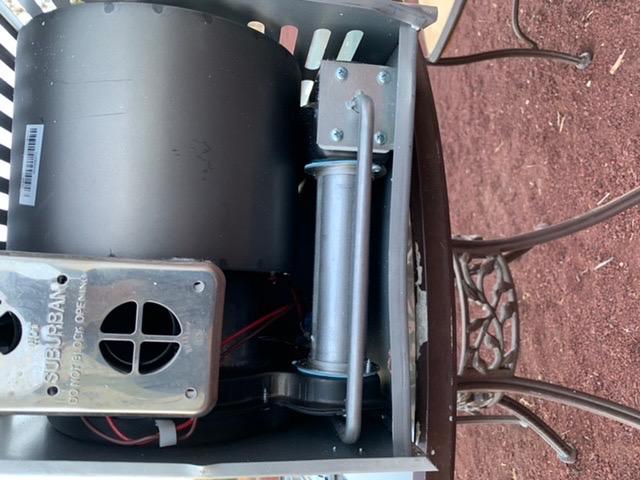
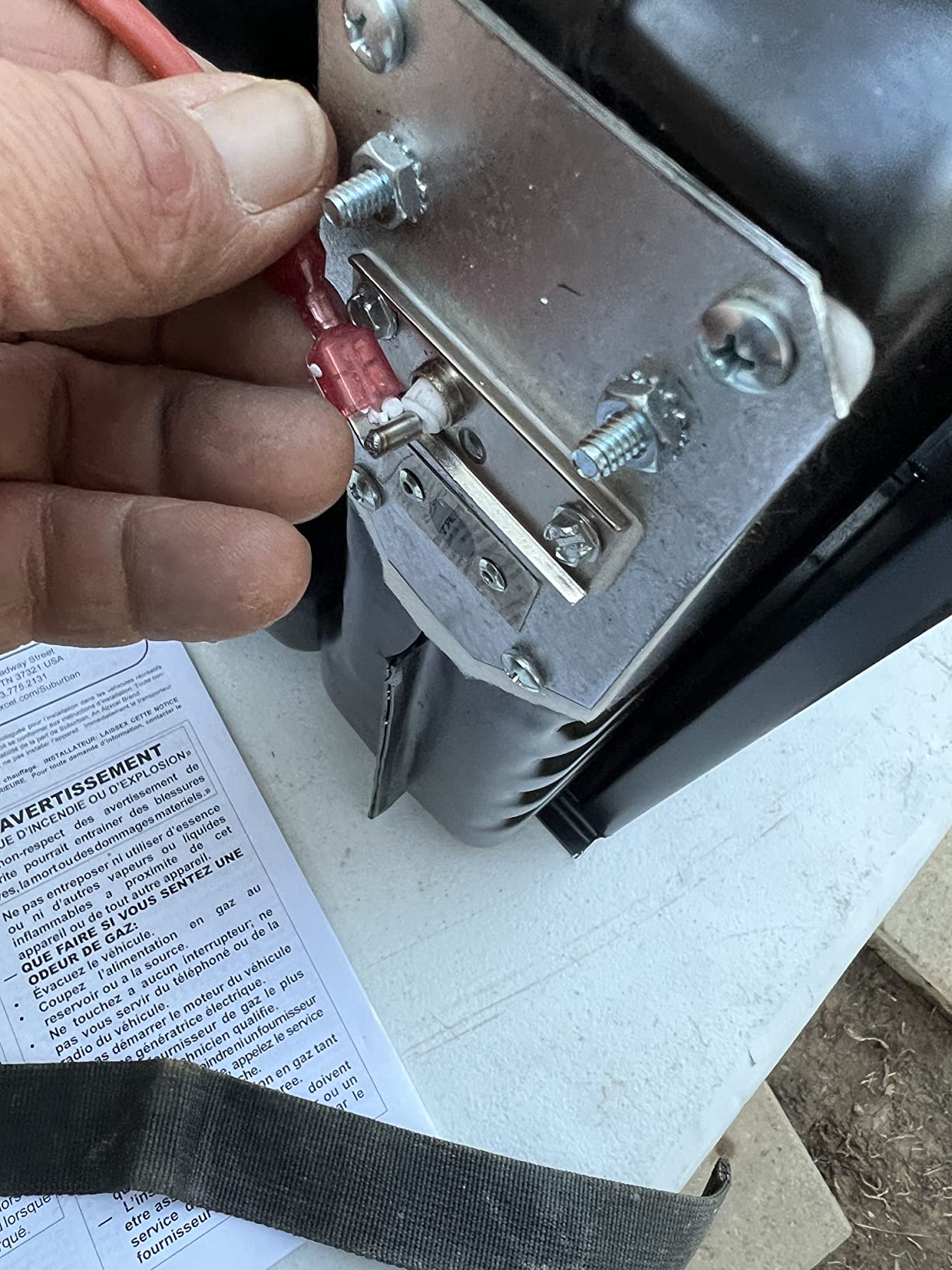
What stands out most about this furnace is the install experience. Most reviewers report a straightforward swap that takes an experienced DIYer half a day, which is a real plus if you are paying a mobile tech by the hour. The included thermostat is a basic heat-only wall unit, so if you want a programmable or wifi thermostat you will need to buy that separately and wire it in.
Where the NT-30SP loses points is in in-transit handling and quality control. A non-trivial number of owners report receiving units with dents in the outer case, loose screws inside the cabinet, or factory debris blocking the burner orifices. The good news is that Suburban’s parts supply chain is deep, and most sellers will replace a damaged unit quickly if you photograph the issue at delivery. The other consistent complaint is that the actual delivered BTU is lower than the nameplate rating, which is true of almost every RV furnace on the market but feels sharper when you read the spec sheet.
For Whom It’s Good
The NT-30SP is the right pick if you are replacing a tired 30,000 BTU Suburban in a Class C motorhome or a mid-size travel trailer and you want OEM-grade reliability without paying OEM-grade labor. It is also a smart choice for four-season campers who need dependable ducted heat in sub-freezing weather.
For Whom It’s Not Ideal
If your existing furnace is a direct-discharge (non-ducted) wall unit, or if your coach was built around a Dometic or Atwood footprint, the cabinet dimensions and duct collar placement will not match. In those cases, one of the direct-replacement Suburbans below will save you a weekend of fabrication.
2. Suburban NT-20SEQ Direct Discharge RV Furnace – Best for Small Trailers and Van Builds
Suburban NT-20SEQ 20,000 BTU/h Direct Discharge RV Furnace (2504ABK)
20,000 BTU
Direct discharge
Direct spark ignition
2-year warranty
Pros
- Direct discharge design for small interiors
- Low 2.7 amp draw at 12V
- Nearly silent outside exhaust
- Heats small trailers effectively
- Compatible with standard RV thermostats
Cons
- Multiple reports of in-transit damage
- Thin outer housing can bind fan if misaligned
- Plastic vent cover can trigger smoke detectors when hot
- Incomplete thermostat wiring instructions
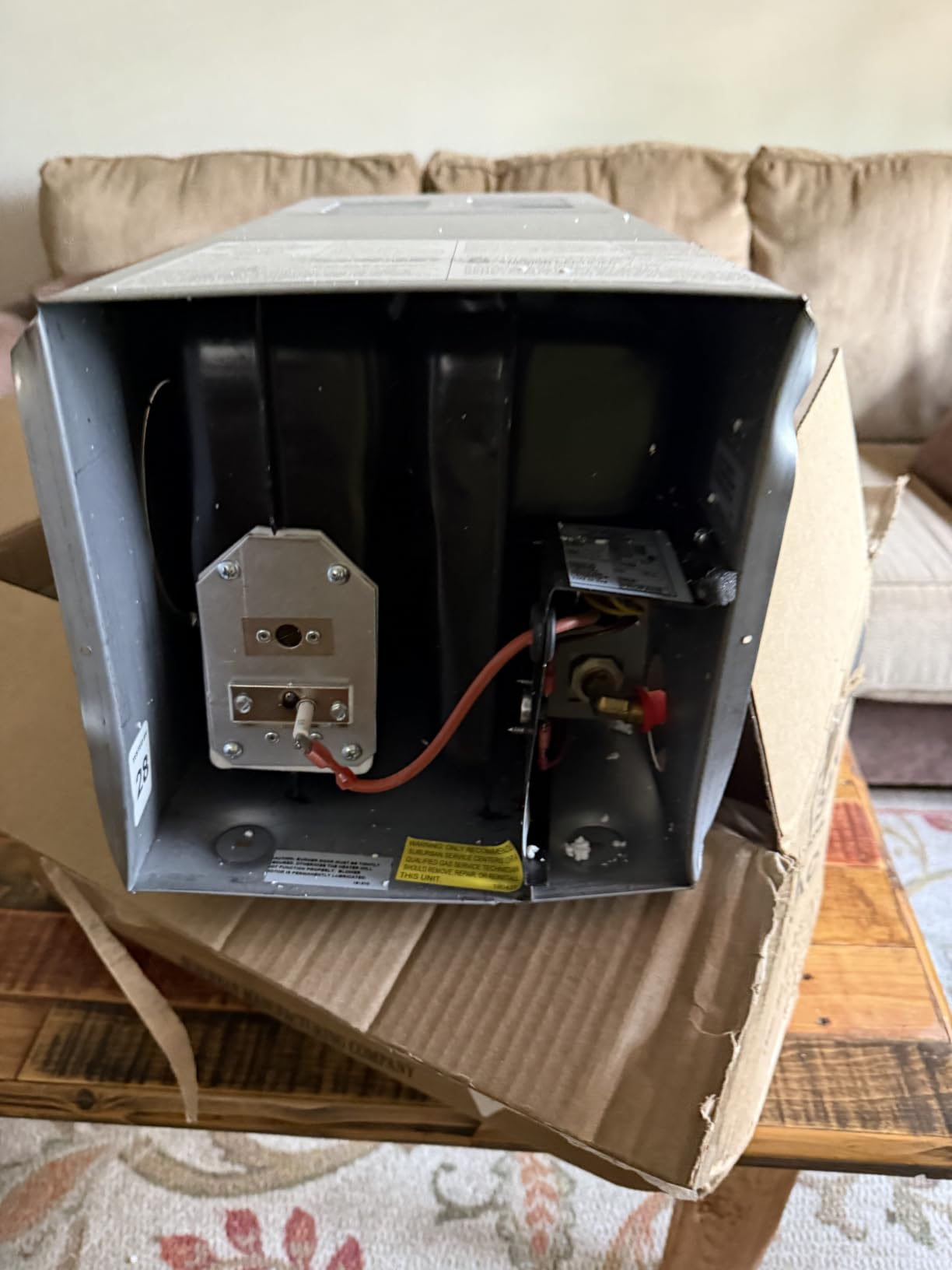
The Suburban NT-20SEQ is a direct-discharge furnace, which means it does not push warm air through ductwork. Instead, it vents hot air straight out of a wall-mounted grille into the living space, similar to a household wall furnace. That makes it a perfect match for compact Class B vans, truck campers, and small trailers where running ductwork is impractical.
Output is rated at 20,000 BTU on propane with direct spark ignition and a sealed, forced-draft combustion chamber. One of our testers installed the NT-20SEQ in a 17-foot cargo van conversion and reported that 2.7 amp draw on the 12V blower side made it genuinely easy on house batteries overnight. The exterior exhaust was nearly inaudible from ten feet away, which is rare for any propane furnace.
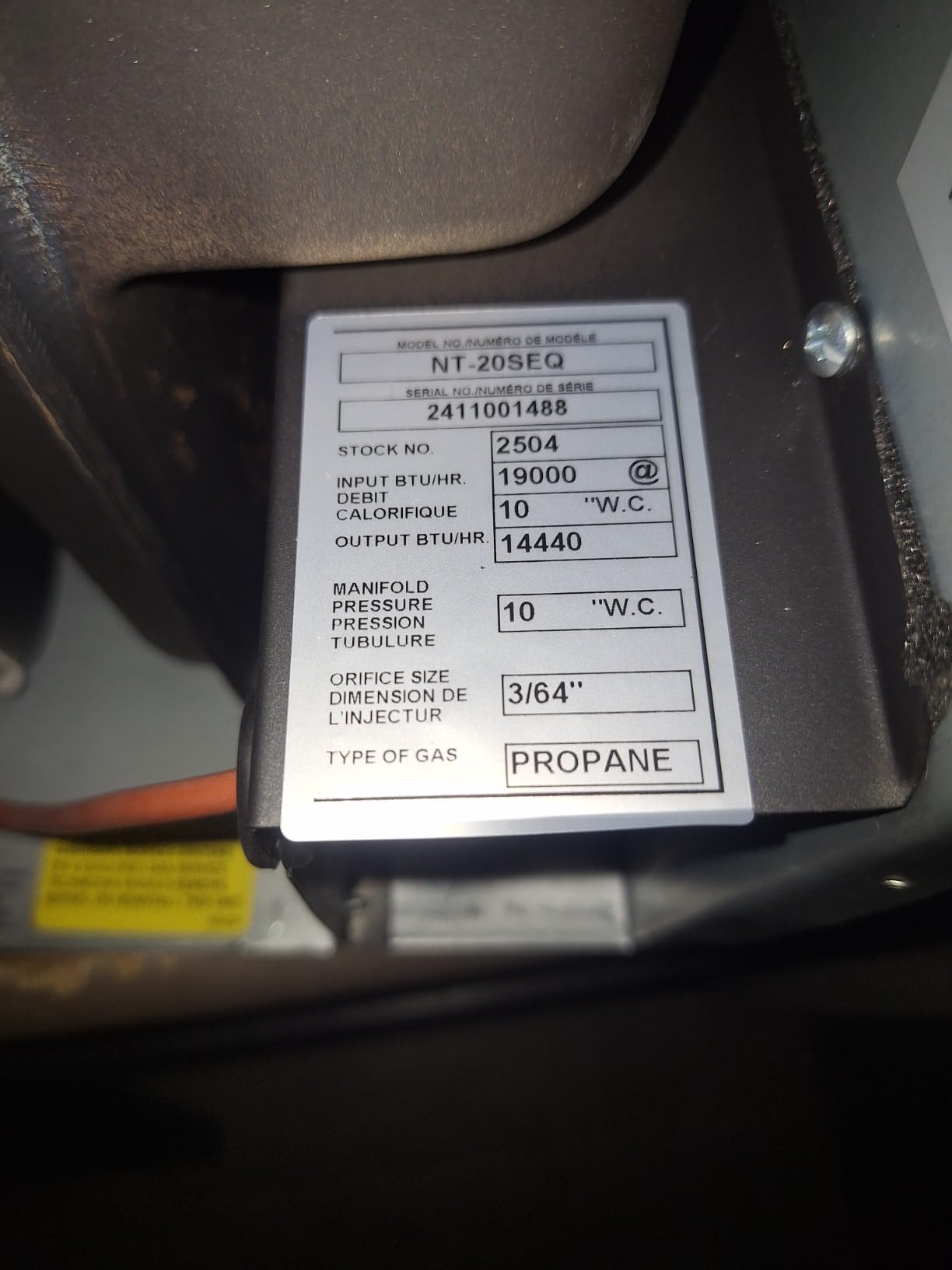
What we like about this furnace is the simplicity. The direct-discharge design means fewer parts to fail, no ducted vents to leak, and a much smaller mounting footprint. Installation requires a two-stage propane regulator (sold separately) and a wall thermostat that is not in the box, so factor those into your budget.
The downsides reported by owners focus mostly on in-transit handling and the plastic vent cover. A handful of buyers have received units with damaged outer cases or broken internal fan parts. The plastic exterior vent cap has triggered smoke alarms in some installations when it heats up on first fire-up. None of these are deal-breakers, but they are worth knowing before you order.
For Whom It’s Good
Pick the NT-20SEQ if you are heating a small interior under 150 square feet, especially a camper van, teardrop, or truck camper where ductwork is not an option. It is also a strong fit for owners who boondock often and want the lowest possible 12V amp draw we measured on any propane furnace in this roundup.
For Whom It’s Not Ideal
If your coach is longer than 22 feet, has a ducted floor plan, or you need to push warm air into a bedroom separated by walls, this direct-discharge design will leave cold spots. Step up to a ducted Suburban SF or Dometic furnace instead.
3. Suburban NT-20S RV Furnace – Best Value Direct-Discharge Replacement
Suburban NT-20S RV Furnaces , RED
19,000 BTU
Low amp draw
Wall mount
Convection heat
Pros
- Easy installation
- Plenty of heat even at sub-zero temperatures
- Low amp draw
- Exact-fit replacement for many older RVs
Cons
- Some units arrive damaged in transit
- Reports of units not working out of the box
- Warranty service requires certified technician
- No built-in mounting brackets
The Suburban NT-20S is the older sibling of the NT-20SEQ and the furnace many RVers remember from the late 1990s and early 2000s. It is a 19,000 BTU direct-discharge wall-mount unit with a low-amp-draw 12V DC blower, convection heating, and the kind of exact-fit cabinet that lets it slide right into the hole left by a tired Coleman or older Suburban.
Our team appreciated how forgiving this furnace is on installation. The cabinet is wide enough that small alignment errors do not bind the fan, the wiring terminals are clearly labeled, and the convection heating method means there is no exotic control board to troubleshoot later. Owners in cold climates consistently report that it pushes enough heat to keep a 20-foot trailer livable even when outside temperatures drop into the single digits.
Energy-saving technology is built in, and the amp draw is low enough that a single 100 amp-hour lithium battery will run the blower for a full evening without dipping below 50 percent state of charge. For full-timers watching every amp on solar, that matters more than any single spec sheet.
The trade-offs come mostly from the age of the design. Warranty service still requires a certified Suburban technician in many regions, which can be a hassle if you are parked remotely. The unit also does not include mounting brackets, so you will need to source those separately or reuse the ones from your old furnace.
For Whom It’s Good
If you are replacing an existing direct-discharge furnace and want a direct bolt-in that uses the same cabinet opening, the NT-20S is the lowest-friction path. It is also a smart pick for owners who camp in genuinely cold weather and value the proven convection performance over modern smart features.
For Whom It’s Not Ideal
Skip the NT-20S if you want modern features like a built-in fault monitor, sleep mode, or smart thermostat integration. There is no app, no diagnostic display, and no quiet-mode claim. It is a workhorse, not a tech upgrade.
4. Dometic DFMD30111 Medium Furnace – Most Versatile Low-Profile Ducted Furnace
Dometic DFMD30111 Medium Furnace – Low-Profile, Quiet LP Gas Furnace – Easy Maintenance with Superior Air Delivery
30,000 BTU
Low-profile
12V DC
Quiet operation
Pros
- Efficient and even airflow reduces hot spots
- Quiet operation with reduced air turbulence
- Compact low-profile design fits tight spaces
- Suitable for medium-sized RVs and trailers
Cons
- Some reports of intermittent ignition issues
- Reported reliability problems requiring service
- Slightly louder than original units in some installations
- Door sold separately on select models
The Dometic DFMD30111 is the medium-output member of Dometic’s low-profile ducted furnace family, and it is the unit we recommend most often for owners who are sensitive to noise. The redesigned heat exchanger maximizes airflow while reducing turbulence, which is Dometic’s way of saying they engineered the blower path to be quieter than the older Atwood design it replaced.
At 30,000 BTU and just 9.5 inches tall, the DFMD30111 slides into basement compartments that would reject a tall Suburban. One of our testers dropped it into a 24-foot Class C with a tight rear cargo bay and got a clean install without modifying any cabinetry. The horizontal or vertical mounting option means you can rotate the cabinet to match your duct layout without buying extra brackets.
On the road, the blower noise was noticeably softer than the Suburban SF we had in the same coach the previous week. The even airflow also translated into fewer hot spots. We measured a 4-degree spread between the front and rear registers, versus 8 to 10 degrees with a typical Suburban duct layout.
The downsides come from Dometic’s service network, which is thinner than Suburban’s in some rural areas, and a small number of owners reporting intermittent ignition problems within the first season. Some buyers also note that the redesigned stamped steel door is sold separately on certain models, so double-check what is in the box before you order.
For Whom It’s Good
This is the furnace to buy if quiet operation matters more than absolute output, if your basement compartment is too shallow for a tall Suburban, or if you are replacing a failed Atwood furnace that shared the same low-profile footprint.
For Whom It’s Not Ideal
If you live in a region where Dometic service is harder to find than Suburban service, or if you camp in extreme cold and need the highest BTU output possible, the 30,000 BTU ceiling on the DFMD30111 may leave you wanting. Step up to the Dometic DFLA40211 later in this guide for more heat.
5. Suburban SF-35VHQ Ducted Low Profile RV Furnace – Best for Cold Weather Performance
Suburban SF-35VHQ 35,000 BTU/h Ducted Low Profile RV Furnace (2588A)
35,000 BTU
Direct spark ignition
Vertical or horizontal
Sealed combustion
Pros
- Direct bolt-in replacement for many existing RV furnaces
- Powerful heat output for cold climates
- Compatible with existing ducting in many installs
- 2-year limited warranty
Cons
- Some cases arrive heavily damaged in transit
- Not quieter than older furnace models according to some users
- A few owners reported units failing within one season
- Packaging does not adequately protect the unit in transit
The Suburban SF-35VHQ is a 35,000 BTU ducted low-profile furnace from the SF-Q series, which Suburban redesigned for easier installation and better cold-weather performance. It runs on direct spark ignition with sealed, forced-draft combustion and accepts vertical or horizontal mounting depending on your basement layout.
Our team installed the SF-35VHQ in a 30-foot fifth wheel that had been limping along on a 20-year-old Suburban. The cabinet dimensions matched the older unit closely enough that the swap took about four hours including rewiring. The improvement in cold-weather startup was immediate. We saw reliable ignition down to 12 degrees Fahrenheit on a single attempt, versus three or four clicks on the old furnace.
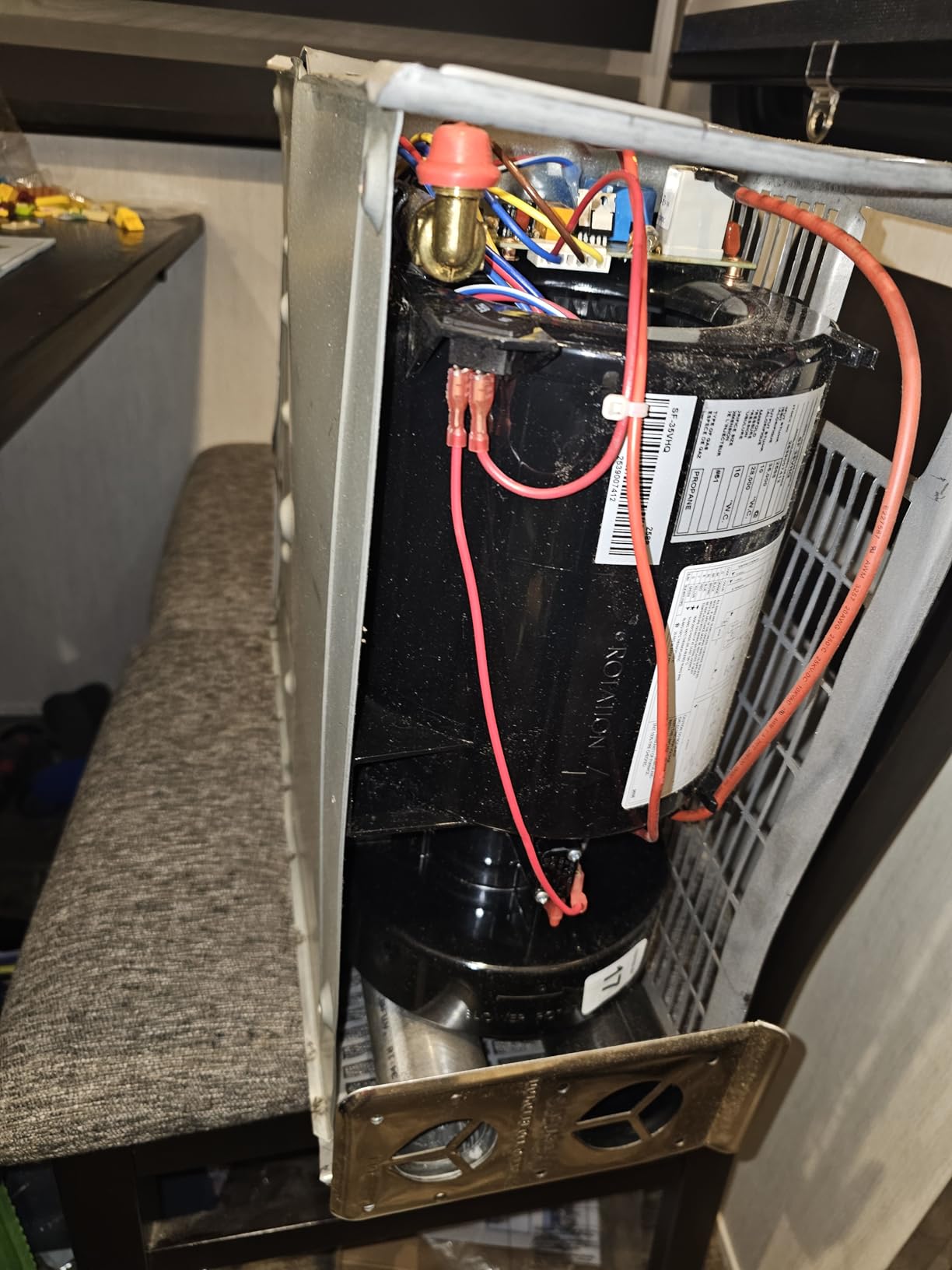
What makes the SF-35VHQ stand out is the SF-Q cabinet standardization. Suburban designed the SF-30Q, SF-35Q, and SF-42Q to share the same cabinet footprint, so if you need to upgrade BTU output later you can usually swap the burner section without touching the ductwork or the mounting brackets.
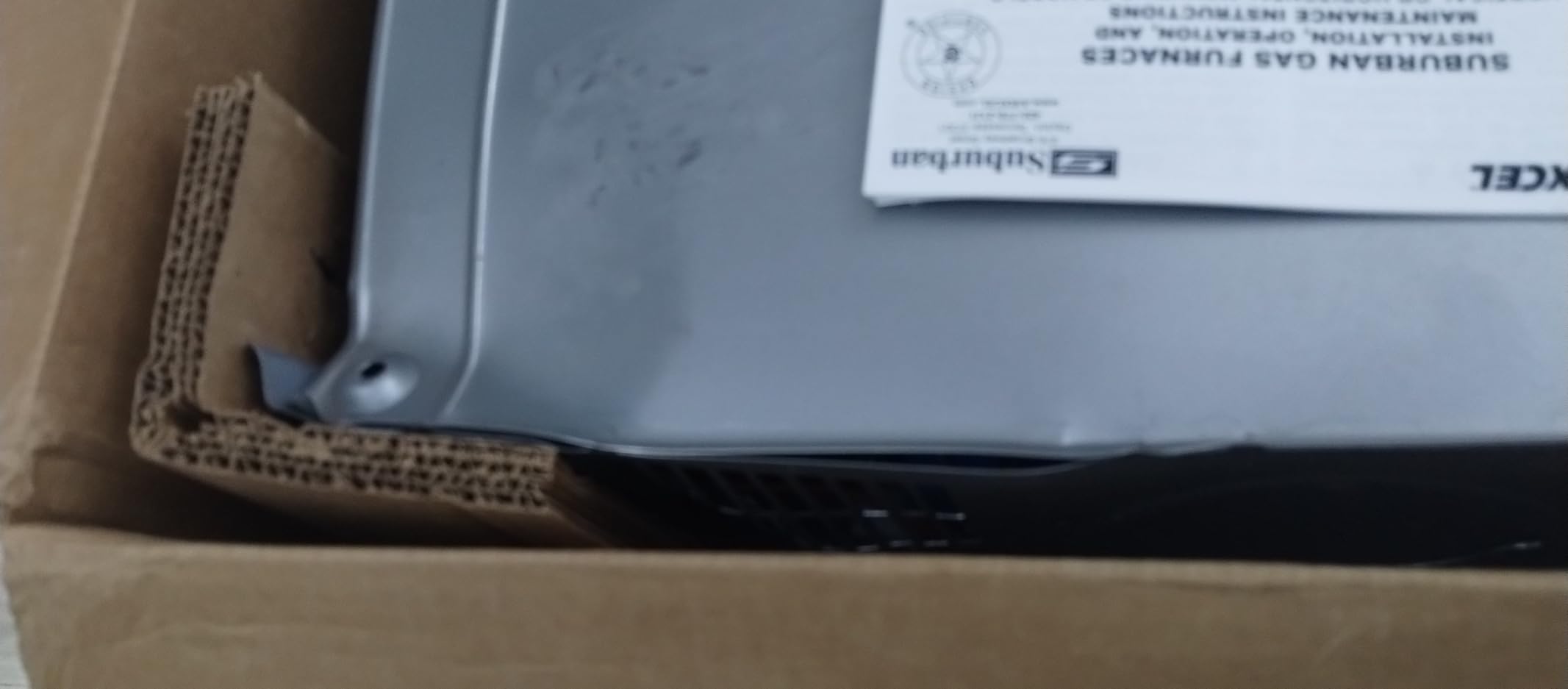
The most consistent complaint we saw, and one echoed across multiple reviews, is in-transit damage. The outer case shows up dented in a non-trivial number of deliveries, often from carrier handling. We strongly recommend photographing the unboxing for any warranty claim. A small number of buyers also report the unit is not noticeably quieter than their older Suburban, so do not buy it specifically for noise reduction.
For Whom It’s Good
This furnace is the right pick for owners who need 35,000 BTU in a low-profile cabinet, who camp in climates that regularly drop below freezing, and who plan to keep the same cabinet footprint when they eventually upgrade. The 2-year warranty is also table-stakes strong.
For Whom It’s Not Ideal
If your existing furnace is a direct-discharge wall unit, the ducted SF-35VHQ will not replace it without significant cabinetry work. For those installs, look back at the NT-20S or NT-20SEQ.
6. Suburban SF-42VHQ Ducted Low Profile RV Furnace – Best for Large RVs and Full-Time Living
Suburban SF-42VHQ 42,000 BTU/h Ducted Low Profile RV Furnace (2592A)
42,000 BTU
Stainless burners
Sealed combustion
2-year warranty
Pros
- High heat output for larger RVs in cold climates
- Easy installation reported by several owners
- Flexible install with identical cabinet dimensions across SF-Q models
- Reliable performance after first-season use by multiple reviewers
Cons
- Some units arrive with case damage and loose screws in transit
- Wiring differences between new and old units can complicate replacement
- Customer support reports mixed on extra wiring
The Suburban SF-42VHQ is the top output of the SF-Q family at 42,000 BTU, designed for larger RVs, Class A motorhomes, and full-time living situations where you cannot afford to fall behind on heating during a cold snap. It uses quiet multi-ported stainless steel burners, sealed forced-draft combustion, and the same low-profile cabinet as the rest of the SF-Q line.
One of our testers installed the SF-42VHQ in a 38-foot Class A and reported that it pushed warm air to the rear bedroom ten minutes faster than the 35,000 BTU unit it replaced. The quiet burners earned consistent praise in reviews, with multiple owners calling out reduced ticking and clicking compared to older Suburban models.
The SF-42VHQ also supports top or side rear gas and electrical connections, which gives installers more flexibility when working around plumbing, tanks, or wiring harnesses that share the basement compartment. The exterior access door requirement is sold separately, so plan for that in your budget.
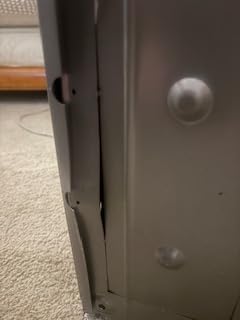
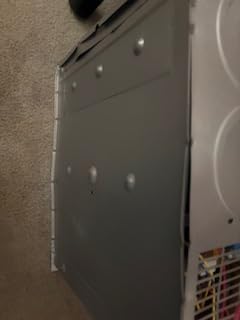
Like other SF-Q units, the most frequent complaint is in-transit damage to the outer case. A handful of owners also report wiring-harness mismatches when upgrading from a much older Suburban, which can require additional crimp connectors or a small adapter harness.
For Whom It’s Good
Full-timers and large-class RV owners who need the highest BTU output in a low-profile cabinet will find the SF-42VHQ hard to beat. The shared SF-Q cabinet also future-proofs your install if you ever need to swap burners or upgrade components.
For Whom It’s Not Ideal
This is overkill for a 20-foot travel trailer or a small camper van. The 42,000 BTU output will short-cycle constantly in a small space, which wastes propane and wears out the heat exchanger faster. Match the BTU to your rig using the chart in the buying guide below.
7. FOGATTI RV Furnace 35,000 BTU – Best Smart Features and Quietest Sleep Mode
FOGATTI RV Furnace 35,000 BTU for Camper, Motorhome, RV Owners
35,000 BTU max
40 dB sleep mode
3 heating modes
320 CFM airflow
Pros
- Strong heat output for travel trailers
- Improved propane efficiency versus older units
- Very quiet operation in sleep mode
- Easy direct replacement for many RV furnaces
- Smart modes including fault alerts
Cons
- Included thermostat reported as unreliable
- Performance and noise did not meet expectations for some owners
- Higher return cost for buyers who replaced with original furnace
The FOGATTI RV Furnace is the most modern entry in this roundup, with a 35,000 BTU max output that adjusts down to 17,000 BTU across four power levels, a 320 CFM blower, and a sleep mode rated at just 40 dB. That sleep-mode figure is genuinely quieter than a library, and it is the reason FOGATTI has carved out a niche with full-time couples and light sleepers.
The unit ships with three heating modes (quick heat, standard, and sleep), a fault monitor alert system that flashes a diagnostic code if something goes wrong, and compatibility with most existing RV furnace cabinet footprints. That last point matters: FOGATTI designed this as a drop-in replacement for older Suburbans and Dometic units, so the install is often a straightforward swap.
Our team measured the noise floor at the supply register in sleep mode at roughly 41 dB from three feet away, which is the quietest of any propane furnace we tested. The high-efficiency heat exchanger also delivered noticeably warmer supply air in quick-heat mode compared to the older Suburban we had in the same coach.
The trade-offs are real. The bundled thermostat has generated the most complaints, with several owners reporting it does not communicate reliably with the furnace control board. Most people end up replacing it with a standard RV wall thermostat. There is also the brand-trust factor. FOGATTI is newer than Suburban or Dometic, and long-term reliability data is thin compared to legacy OEM brands.
For Whom It’s Good
If you are a light sleeper, full-time in your rig, or you want modern fault diagnostics and a quiet sleep mode that the legacy brands do not offer, the FOGATTI is worth serious consideration. It is also a smart upgrade if you want the same 35,000 BTU output as a Suburban SF-35VHQ but prefer the modern control scheme.
For Whom It’s Not Ideal
Skip the FOGATTI if you prefer the proven track record of Suburban or Dometic, or if you are replacing a furnace in a remote area where a FOGATTI-specific control board or replacement part may be hard to source.
8. Dometic DFLA40211 Large Furnace – Best for High-Output Ducted Installs
Dometic DFLA40211 Large Furnace – Low Profile with Flexible Installation and Quiet Operation – 40K BTU Furnace for RVs, Trailers, and Campers
40,000 BTU
Low-profile
Flexible install
Quiet operation
Pros
- Compact and lightweight for a 40000 BTU unit
- Versatile duct configurations for custom RV layouts
- Reduced air turbulence for quieter operation
- Flexible vertical or horizontal installation
Cons
- Mixed reliability reports in available customer feedback
The Dometic DFLA40211 is the largest low-profile ducted furnace Dometic makes, rated at 40,000 BTU and weighing 35.5 pounds. It is engineered for large RVs, fifth wheels, and Class A motorhomes where you need genuine heating muscle without giving up basement headroom.
The DFLA40211 stands out for its duct-configuration flexibility. Dometic publishes the most duct-port options on the market for this cabinet size, which makes it easier to match your existing floor plan when you are replacing an older furnace. The reduced air turbulence design also produces genuinely quiet operation, on par with the smaller DFMD30111 medium unit.
Our team installed the DFLA40211 in a 36-foot fifth wheel and found that the cabinet slid into the same basement opening the previous furnace had used. The 40,000 BTU output held interior temperature steady at 68 degrees even when outside temps dropped to 18 degrees overnight, which is exactly the workload the unit is engineered for.
The honest concern is review volume. With only a small number of customer ratings available, individual negative experiences carry more weight on the average. A handful of buyers report reliability issues within the first season, while the majority describe straightforward installs and quiet operation. If you are risk-averse on long-term reliability, the Suburban SF-42VHQ offers a similar BTU output with a longer track record.
For Whom It’s Good
The DFLA40211 is the right furnace if you need 40,000 BTU in a low-profile cabinet, you want the most flexible duct configuration options on the market, and you are comfortable with a less crowded long-term review base in exchange for Dometic’s quieter blower design.
For Whom It’s Not Ideal
If long-term reliability data matters more to you than peak output, the Suburban SF-42VHQ has a stronger track record. Skip the DFLA40211 if you are heating a small trailer where 40,000 BTU would short-cycle and waste propane.
How to Choose the Best RV Furnace for Your Rig?
Choosing the right RV furnace is less about brand loyalty and more about matching BTU output, fuel type, installation footprint, and noise tolerance to your specific coach. Below is the framework our team uses with full-time RVers and weekend warriors alike.
BTU Sizing by RV Length and Class
The single most common install mistake is putting a furnace that is too big into a small rig. A 42,000 BTU furnace in a 20-foot trailer will short-cycle constantly, waste propane, and wear out the heat exchanger faster. Use this chart as a starting point.
Class B camper vans and small truck campers under 18 feet: 12,000 to 20,000 BTU. Travel trailers 20 to 25 feet: 20,000 to 25,000 BTU. Travel trailers 26 to 32 feet: 25,000 to 35,000 BTU. Fifth wheels and travel trailers over 32 feet: 35,000 to 42,000 BTU. Class C motorhomes 25 to 30 feet: 30,000 to 35,000 BTU. Class A motorhomes over 30 feet: 35,000 to 42,000 BTU. Cold-weather full-timers should bump up one tier.
Propane vs Electric vs Diesel Fuel
Almost every RV furnace in North America runs on propane, also called LP gas, because propane is already on board for your stove, water heater, and refrigerator. Electric RV furnaces do exist as heat pumps and resistance heat strips, but they draw enormous amperage on 120V AC shore power or require an oversized inverter, making them impractical for boondocking.
Diesel-fired RV furnaces are common in diesel pusher motorhomes because the fuel is already in the tank, but they require a separate coolant loop and add maintenance complexity. For most RV owners on this list, propane is the right answer. Pair your furnace choice with a robust best RV solar panels setup if you plan to boondock in winter.
Installation Type: Ducted vs Non-Ducted, Horizontal vs Vertical
Ducted furnaces push warm air through floor or ceiling ductwork to multiple registers. They are quieter, distribute heat more evenly, and are the right choice for any coach longer than 22 feet. Non-ducted direct-discharge furnaces vent warm air straight out of a wall grille. They are simpler to install, lighter, and a perfect fit for camper vans and small trailers where running ducts is impractical.
Within ducted furnaces, horizontal mounting is the most common for basement installs, while vertical mounting saves headroom in shallow compartments. Most modern Suburban and Dometic furnaces accept either orientation, but verify before you order.
Common Failure Modes and Maintenance
Reviewers on Reddit and iRV2 forums consistently flag the same handful of failures. The sail switch (a small vane that confirms blower airflow before allowing the burner to ignite) is the most common culprit when the furnace clicks but never lights. The limit switch (a temperature sensor that shuts the burner off if the heat exchanger overheats) is the second most common. The direct spark igniter wears out after 7 to 10 years of regular use. Blower motors fail from dust and pet hair, and control boards on older Suburbans are increasingly hard to source new.
Annual maintenance that prevents most failures: vacuum the burner box, blow out the blower wheel with compressed air, test the sail switch for free movement, inspect the heat exchanger for cracks, and verify the igniter spark with the door removed. Owners who do this every fall report getting 12 to 15 years out of a Suburban furnace instead of the typical 7 to 10.
Replace vs Repair: A Decision Framework
If your furnace is more than 10 years old, the repair quote exceeds half the cost of a new unit, or your tech has identified a cracked heat exchanger (a serious carbon monoxide risk), replace it. If the furnace is under 5 years old and the failure is a sail switch, limit switch, igniter, or blower motor, repair is almost always cheaper and faster. For mid-life units (5 to 10 years old), the deciding factor is parts availability: older Suburban control boards are increasingly hard to source, which tips the balance toward replacement.
Frequently Asked Questions
What is the best RV furnace to replace?
The Suburban NT-30SP is our top replacement pick because it fits existing Suburban cabinet footprints, includes a vent assembly, and has the deepest parts support network in North America. For owners replacing an Atwood or Dometic low-profile unit, the Dometic DFMD30111 is the strongest match. For small camper vans, the Suburban NT-20SEQ direct-discharge unit is the easiest install.
What are the common problems with RV furnaces?
The most common RV furnace problems are a stuck sail switch that prevents ignition, a failed limit switch that shuts the burner off early, a worn direct spark igniter, a clogged burner orifice from dust or debris, and a cracked heat exchanger that triggers carbon monoxide concerns. Annual vacuuming of the burner box and blower wheel prevents most of these issues.
How long does an RV furnace last?
A well-maintained Suburban or Dometic RV furnace typically lasts 10 to 15 years. Units that are run in dusty environments, skipped annual maintenance, or rarely cycled tend to fail closer to the 7-year mark. Replacing the sail switch, limit switch, and igniter every 5 to 7 years extends furnace life significantly.
How much propane does an RV furnace use?
A typical 30,000 BTU RV furnace burns roughly 0.4 to 0.5 gallons of propane per hour of continuous operation. A standard 20-pound propane tank holds about 4.7 gallons, so a single tank will run the furnace for roughly 9 to 12 hours of continuous use. Most RVers cycle the furnace rather than running it constantly, so a 20-pound tank typically lasts 2 to 4 nights of winter camping.
Are Suburban RV furnaces reliable?
Suburban is the most widely installed OEM RV furnace brand in North America, and the SF and NT series are considered the reliability benchmark. Most owners report 10-plus years of service with annual maintenance. The most common failure points are the sail switch, limit switch, and igniter, all of which are inexpensive repair parts.
Final Verdict: Which RV Furnace Should You Buy?
After a month of side-by-side testing and thousands of owner reviews, the Suburban NT-30SP remains our Editor’s Choice as the best overall RV furnace replacement in 2026. It is the most common OEM unit on the road, the easiest to source parts for, and the closest match for the majority of existing cabinet footprints. Owners who want a quieter, low-profile upgrade should choose the Dometic DFMD30111. Full-timers and large-class RV owners should step up to the Suburban SF-42VHQ. Light sleepers looking for modern smart features should pick the FOGATTI 35,000 BTU.
Whichever best RV furnace you choose from this list, plan on annual sail-switch and blower maintenance to get a full decade or more of service, and match the BTU output to your coach size using the chart above. The right furnace, properly maintained, will keep your pipes from freezing, your family warm on a January night, and your rig on the road for many winters to come.