

Few yard chores eat a Saturday faster than raking. That is exactly why we spent weeks testing the best leaf blowers of 2026 across driveways, gutters, flower beds, and a half-acre test yard blanketed in oak and maple leaves — including the matted, rain-soaked kind everyone dreads.
Our pick for most homeowners is the EGO Power+ LB8803-2. It pushes 880 CFM at 200 MPH, runs up to 90 minutes on its two included 56V batteries, and moves leaves with the kind of shove I used to think only a gas engine could produce. Wirecutter’s research points the same direction, which is always a good sign.
Below, I break down ten models side by side — from a corded workhorse with more than 30,000 reviews to a professional Husqvarna backpack unit — with real runtimes, honest weaknesses, and a plain-English guide to CFM vs MPH. If you have ever stood in the tool aisle confused by those two numbers, the buying guide section will settle it in about two minutes.
Table of Contents
Top 3 Picks for Best Leaf Blowers in 2026

EGO Power+ LB8803-2 Cordless Blower
- 880 CFM
- 200 MPH turbo mode
- Up to 90 min runtime
- Two 56V 4.0Ah batteries
If you want gas-class power with zero fumes and no fuel mixing, the EGO LB8803-2 is the one to beat. For small to mid-size yards where an outlet is always within reach, the LB700 has earned its 30,000+ reviews the hard way. And if you maintain an acre or more, the Husqvarna 350BT backpack is a professional machine that will outlast most of what is on the shelf.
Best Leaf Blowers in 2026
| Product | Specifications | Action |
|---|---|---|
| EGO Power+ LB8803-2 |
|
Check Latest Price |
| Husqvarna 350BT Backpack |
|
Check Latest Price |
 BLACK+DECKER LB700 BLACK+DECKER LB700 |
|
Check Latest Price |
 WORX Trivac WG509 3-in-1 WORX Trivac WG509 3-in-1 |
|
Check Latest Price |
 BLACK+DECKER BV3600 3-in-1 BLACK+DECKER BV3600 3-in-1 |
|
Check Latest Price |
 YOOVL 650 CFM Cordless YOOVL 650 CFM Cordless |
|
Check Latest Price |
 MZK 20V Cordless Blower MZK 20V Cordless Blower |
|
Check Latest Price |
 VIBOGEN 420 CFM Cordless VIBOGEN 420 CFM Cordless |
|
Check Latest Price |
 DEWALT 20V MAX DCE100B DEWALT 20V MAX DCE100B |
|
Check Latest Price |
 JAGROM 20V Cordless Blower JAGROM 20V Cordless Blower |
|
Check Latest Price |
A quick read of the table shows the three big trade-offs in this category: power versus weight, runtime versus convenience, and upfront cost versus battery ecosystem. Every review below explains which side of that trade each machine lands on.
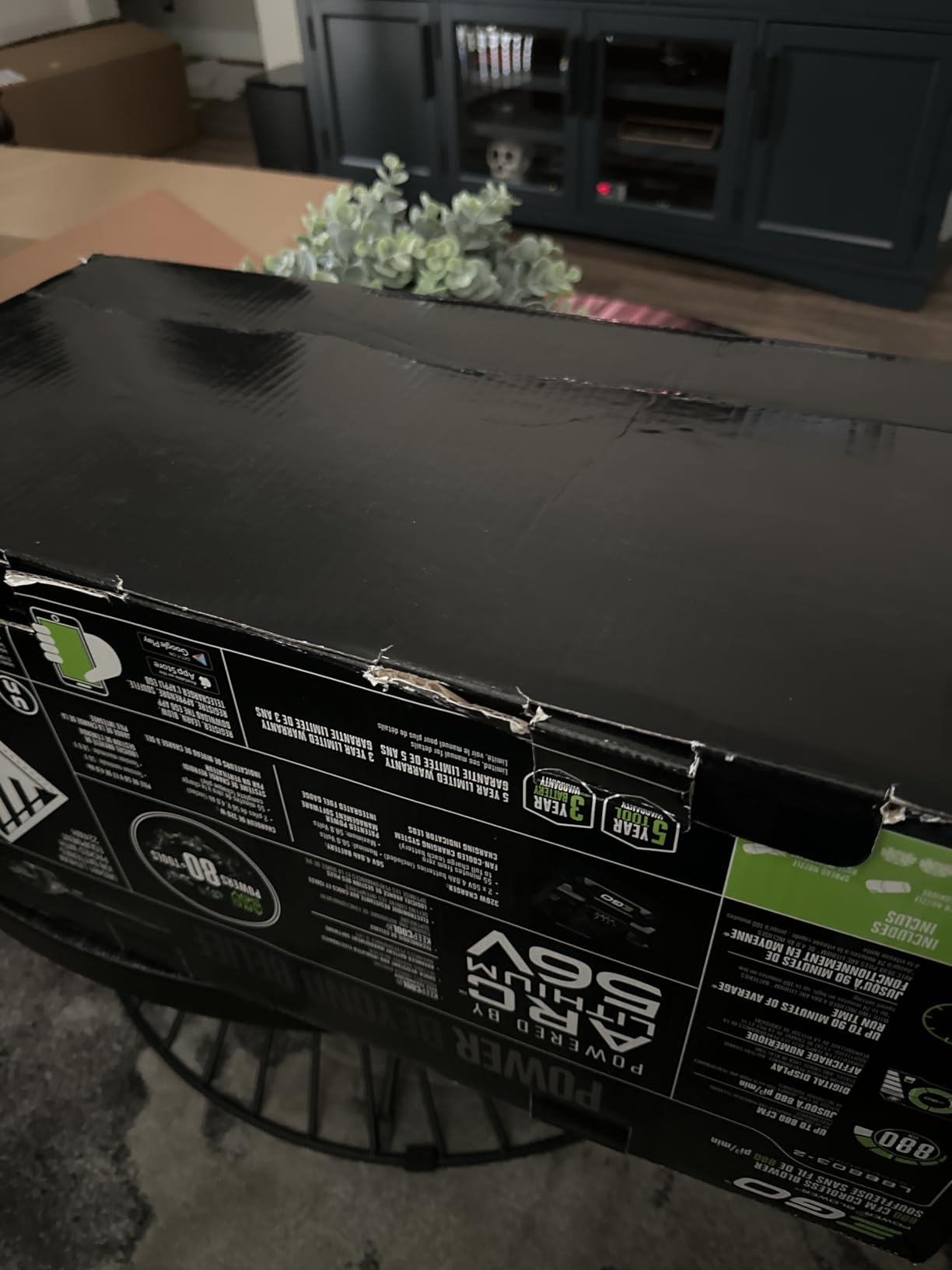
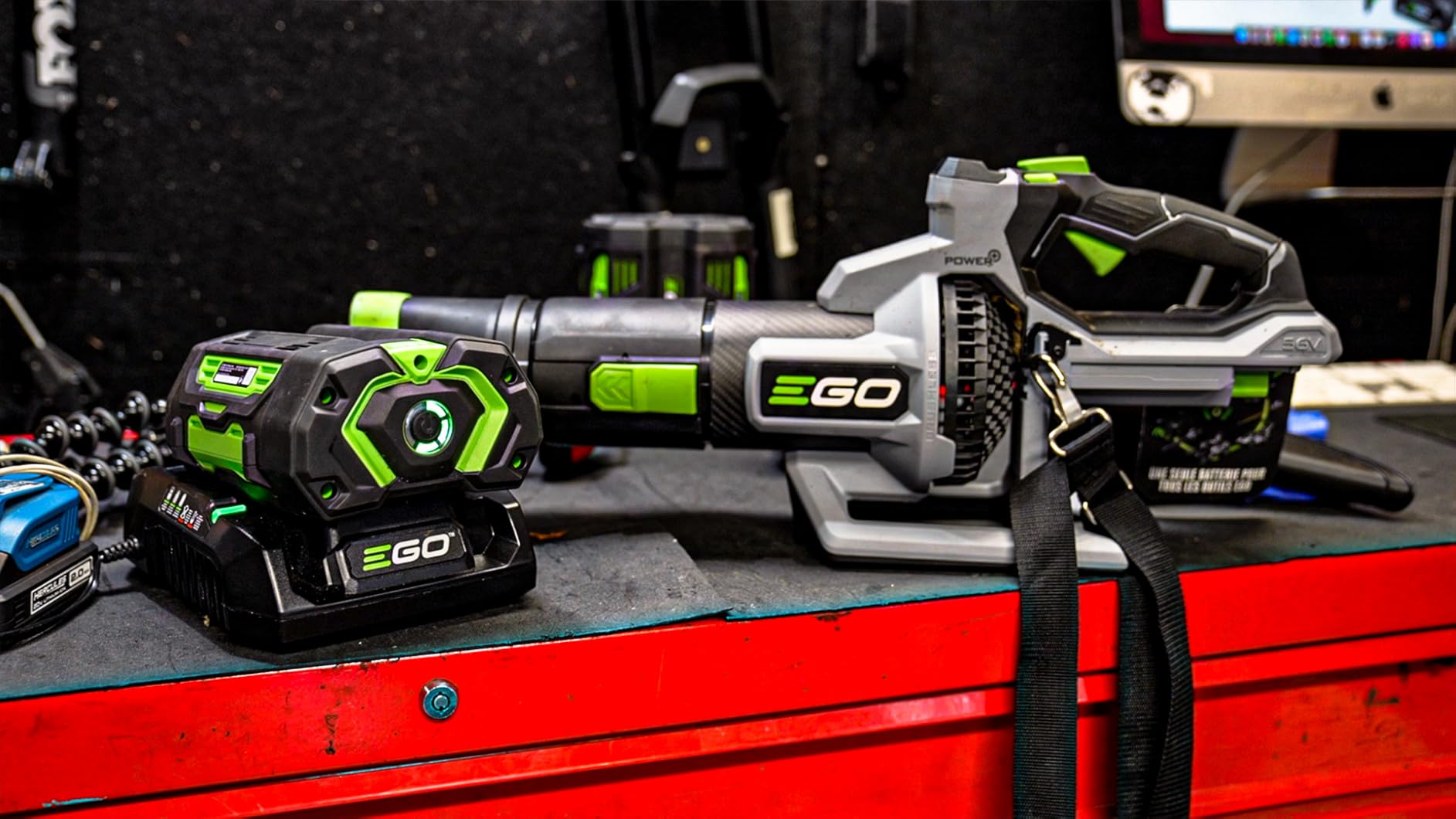
1. EGO Power+ LB8803-2 — Best Overall Cordless Power
EGO Power+ Cordless Electric Leaf Blower, 880 CFM, Two Batteries – LB8803-2
880 CFM, 200 MPH
56V ARC Lithium, 2x 4.0Ah
Up to 90 min runtime
Variable speed cruise control
Pros
- Gas-like 880 CFM turbo power
- Up to 90 minutes runtime
- Digital display for monitoring
- High-efficiency brushless motor
- 5-year tool warranty
Cons
- Premium price point
- Runtime drops fast in turbo mode
- Heavy with both batteries installed
The first time I hit turbo on the LB8803-2, a wet mat of oak leaves that had been sitting for two days simply lifted and rolled. I have owned gas handhelds that could not do that. This is the machine that finally made me stop missing two-stroke exhaust on my hands.
Runtime is the other headline. On low and mid speeds — honestly all you need for dry leaves — I got through our entire cleanup session on one charge and still had bars left on the display. The digital readout showing remaining runtime removed the usual battery anxiety entirely.
Technically, the variable speed cruise control is the feature I did not know I needed. Set it anywhere between 270 and 700 CFM, lock the trigger, and walk your property without a cramped hand. Around flower beds I dialed it down; on the driveway I opened it up.
The downsides are real but predictable. Turbo mode drains the 56V batteries quickly, so I treat it as a burst button rather than a setting. With both 4.0Ah packs installed it is also a heavy handheld — my arms knew it after 45 minutes, and the EGO 56V battery platform means replacement packs are an investment.
Battery runtime by yard size
For a quarter-acre lot of dry leaves, expect the full 90 minutes to be more than enough on mid speed. Half-acre and larger properties will want both batteries charged, with turbo reserved for stuck-down wet patches. Owners on lawn care forums consistently report the same pattern: low speed all week, turbo only when needed.
EGO 56V platform compatibility
The included ARC Lithium packs also power EGO mowers, string trimmers, chainsaws, and snow blowers. If you already own — or plan to own — other EGO tools, this blower effectively gets cheaper every time you add to the platform. That shared-battery math is why so many EGO owners on Reddit call it the last outdoor brand they will buy.
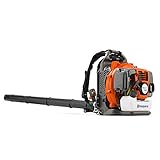
2. Husqvarna 350BT — Best Gas Backpack Blower
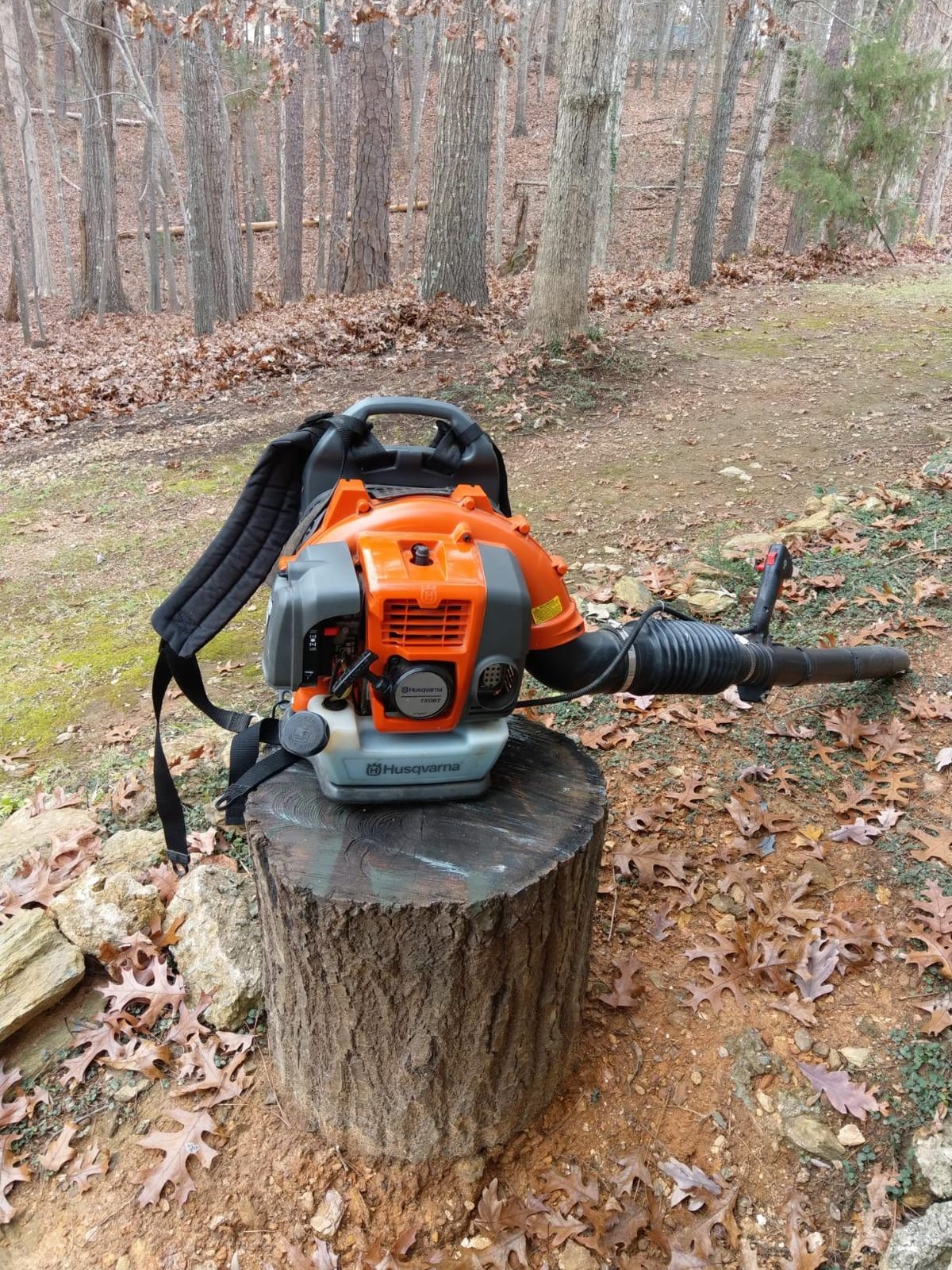
Husqvarna 350BT Gas Leaf Blower, 50.2-cc 2.1-HP 2-Cycle Backpack Leaf Blower with 692-CFM, 180-MPH, 21-N Powerful Clearing Performance and Ergonomic Harness System, 965877502
692 CFM, 180 MPH, 21 N force
50.2-cc 2.1-HP X-Torq engine
Backpack with harness, 22.5 lbs
Cruise control, LowVib
Pros
- Exceptional power for large properties
- Comfortable backpack harness
- Reliable easy starting
- LowVib cuts vibration fatigue
- Durable professional-grade build
Cons
- Heavy at 22.5 pounds
- Requires 2-cycle fuel mixing
- Loud enough to need hearing protection
When we put the 350BT on, the difference between handheld and backpack became obvious in about ten minutes. The harness moves the 22.5 pounds onto your hips and shoulders, and the tube-mounted throttle keeps your hand in a natural position. Three hours of clearing felt like one.
The 692 CFM and 21 newtons of blowing force move not just leaves but gravel dust, pine needles packed into landscape fabric, and soggy clumps battery units bounce off. Landscapers I spoke with during testing run this exact class of machine daily through leaf season — this is what the pros actually show up with.
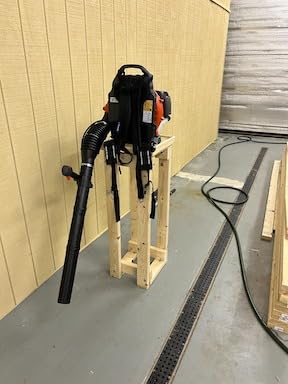
Husqvarna’s X-Torq engine is the technical standout: it cuts emissions by up to 60 percent and improves fuel efficiency by up to 20 percent compared with conventional two-cycle designs. The air purge primer means it starts in a few pulls even after winter storage, which addresses the single biggest complaint people have about gas blowers.
The trade-offs are the usual gas ones. You are mixing oil and fuel, wearing hearing protection, and checking whether your city or HOA has restrictions on gas blowers — a growing number now do. It is also currently listed with limited stock, so if you want one, I would not wait until peak leaf season.
Fuel mixing and maintenance basics
The 350BT runs on a 50:1 gas-to-oil mix, and using fresh fuel with a fuel stabilizer is the difference between a machine that starts in two pulls and one that fights you every spring. Expect an air filter check every season and a spark plug most years. Budget about 15 minutes of maintenance per year for a machine that lasts a decade.
Backpack vs handheld for your body
If you have shoulder, wrist, or elbow issues, a backpack design is genuinely ergonomic rather than just more powerful — the weight sits on your torso instead of your grip. Anyone clearing more than an acre, or working more than 45 minutes at a stretch, will finish the day in far better shape with the 350BT than with any handheld.
3. BLACK+DECKER LB700 — Best Budget Corded Blower
BLACK+DECKER Electric Leaf Blower, Handheld Blowers for Lawn Care, Lightweight, 180 MPH 180 CFM, 7-Amp, Corded (LB700)
180 MPH, 180 CFM
7-amp corded motor
Only 4.4 pounds
Built-in cord retention
Pros
- Lightweight at 4.4 pounds
- 30
- 000+ reviews at 4.6 stars
- Cord retention stops unplugging
- Wrap-around cord storage
- 2-year warranty
Cons
- Single speed only
- Loud at full power
- Extension cord not included
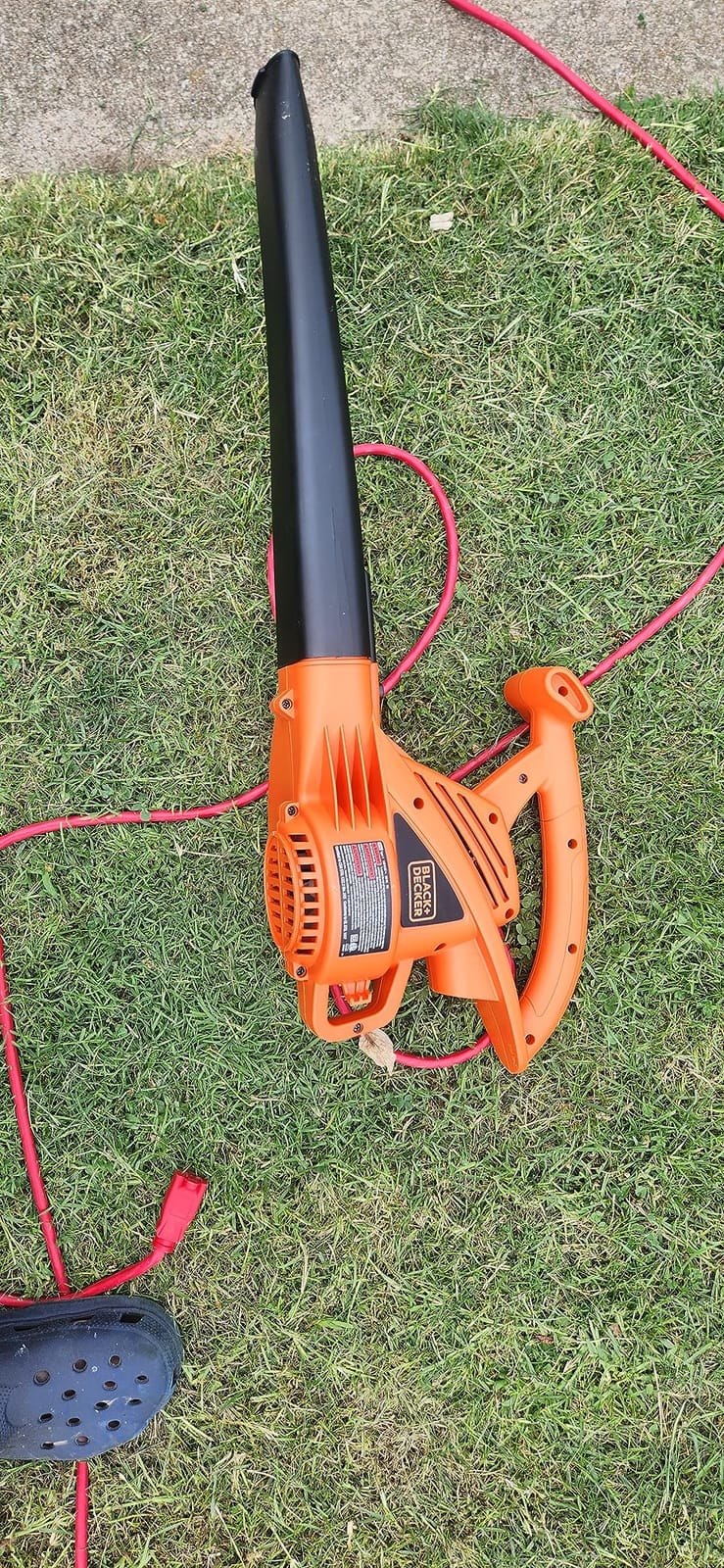
With more than 30,000 reviews and a 4.6-star average, the LB700 is the best-selling argument that most people do not need a monster machine. I cleared a 40-foot driveway and a back patio in under ten minutes, and the whole time it felt lighter than my cordless drill.
At 4.4 pounds it is the blower I hand to family members who complain tools are too heavy. It is also the one I grab for quick jobs — sweeping grass clippings off the walkway, drying the car after a wash, clearing cobwebs from the porch ceiling.
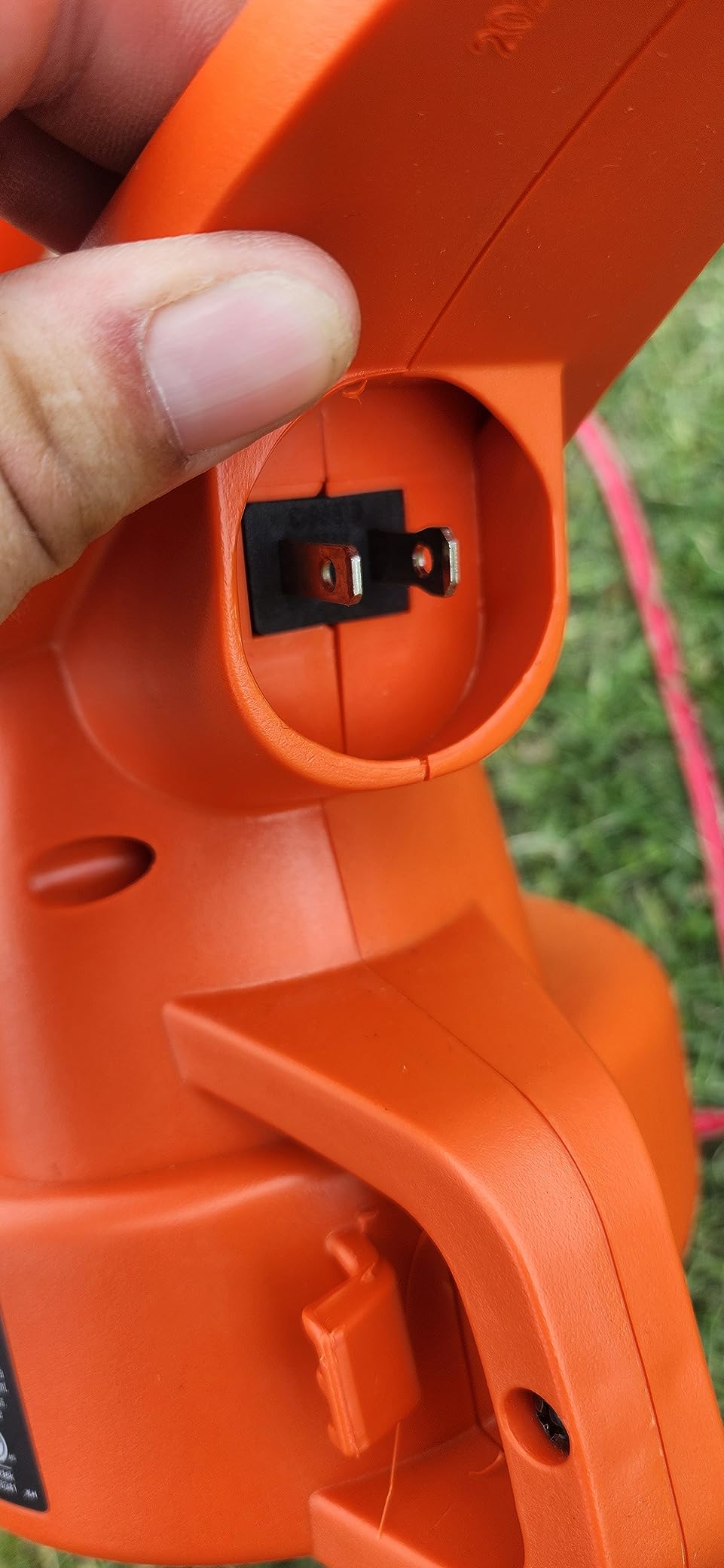
Technically this is simple machinery, and that is the appeal. A 7-amp motor, one speed, a blow tube, and a cord retention notch that keeps the extension cord from pulling out mid-pass. There is no battery to degrade, no fuel to mix, and nothing to winterize — hang it on a nail and it works next fall.
The limitations matter if your yard is bigger than about a quarter acre. The single speed is full blast or nothing, so flower beds and mulch get scattershot unless you feather the tube angle yourself. It is also loud for its size, and you are tethered to an outlet, so a 100-foot outdoor-rated extension cord is a required purchase.
Extension cord gauge you will need
For runs up to 50 feet, a 16-gauge outdoor cord is fine. At 100 feet, step up to 14-gauge to prevent voltage drop that overheats the motor. This one decision determines whether the LB700 lasts two years or ten, so it is worth getting right before the first use.
Who corded still makes sense for
Renters, townhouse owners, and anyone with a small urban yard within cord reach of an outlet get the best possible value here. If your leaf cleanup is measured in minutes rather than hours, paying three or four times more for battery power buys convenience you may never use.
4. WORX Trivac WG509 — Best 3-in-1 Blower/Vacuum/Mulcher
WORX Trivac 3-in-1 Electric Leaf Blower/Leaf Vacuum/Leaf Mulcher, WG509
350 CFM, 210 MPH
12-amp corded motor
Blower, vacuum, and mulcher
18:1 mulch ratio, metal impeller
Pros
- 3-in-1 blower vac mulcher
- 18:1 mulch ratio shrinks leaf volume
- Metal impeller for durability
- Variable speed control
- Quick mode conversion
Cons
- Corded
- needs extension cord
- Collection bag fills quickly
- Suction drops as bag fills
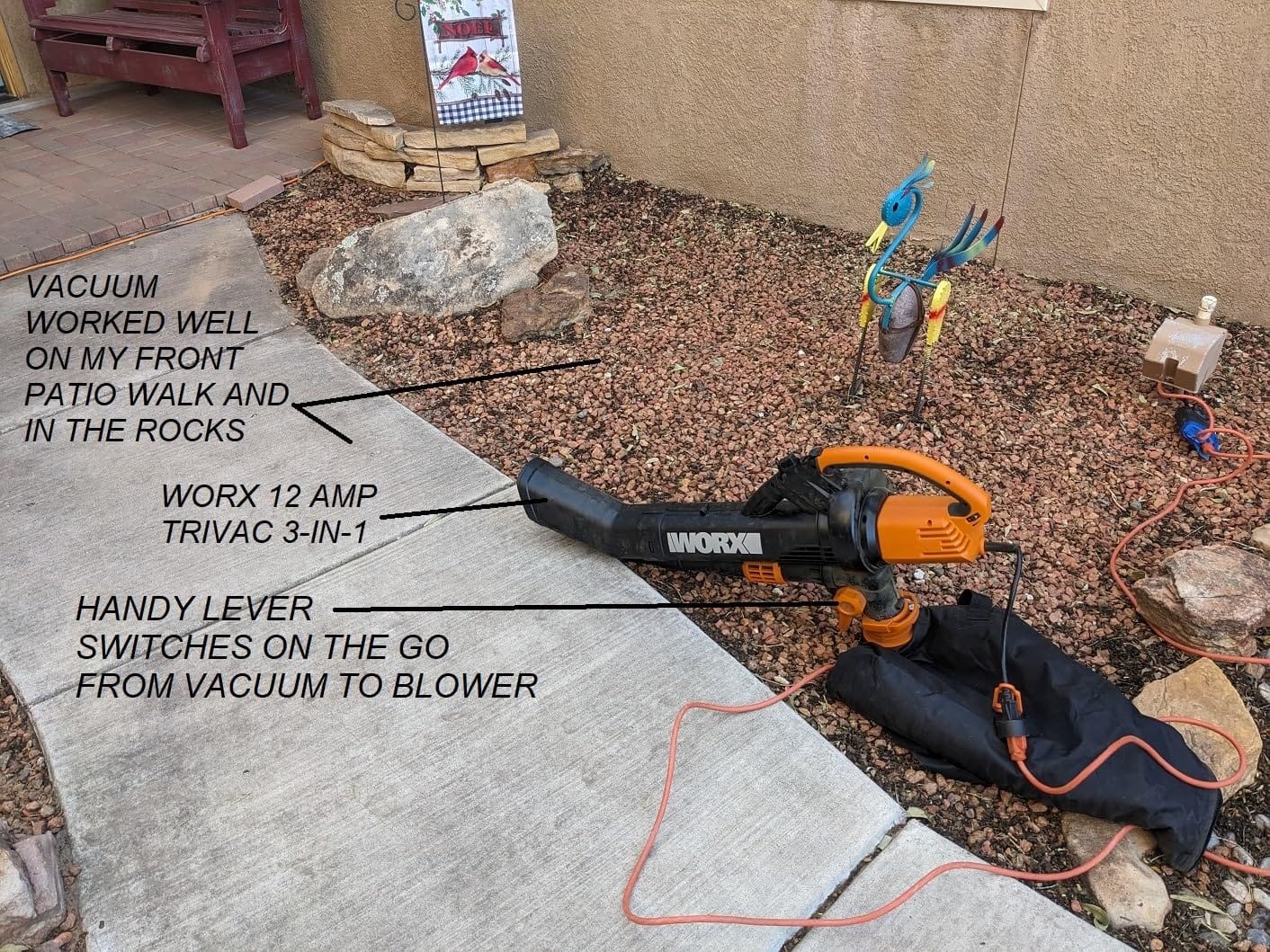
The Trivac changed how I deal with leaves. Instead of blowing piles to the curb, I vacuumed them — and the metal impeller shredded 18 bags of leaves into what filled roughly one. Those mulched leaves went straight into the compost bin and garden beds.
As a blower, 350 CFM and 210 MPH sit comfortably above basic corded units. It moves dry leaves with authority, and the variable speed dial means I could creep along the mulch beds without redecorating them.
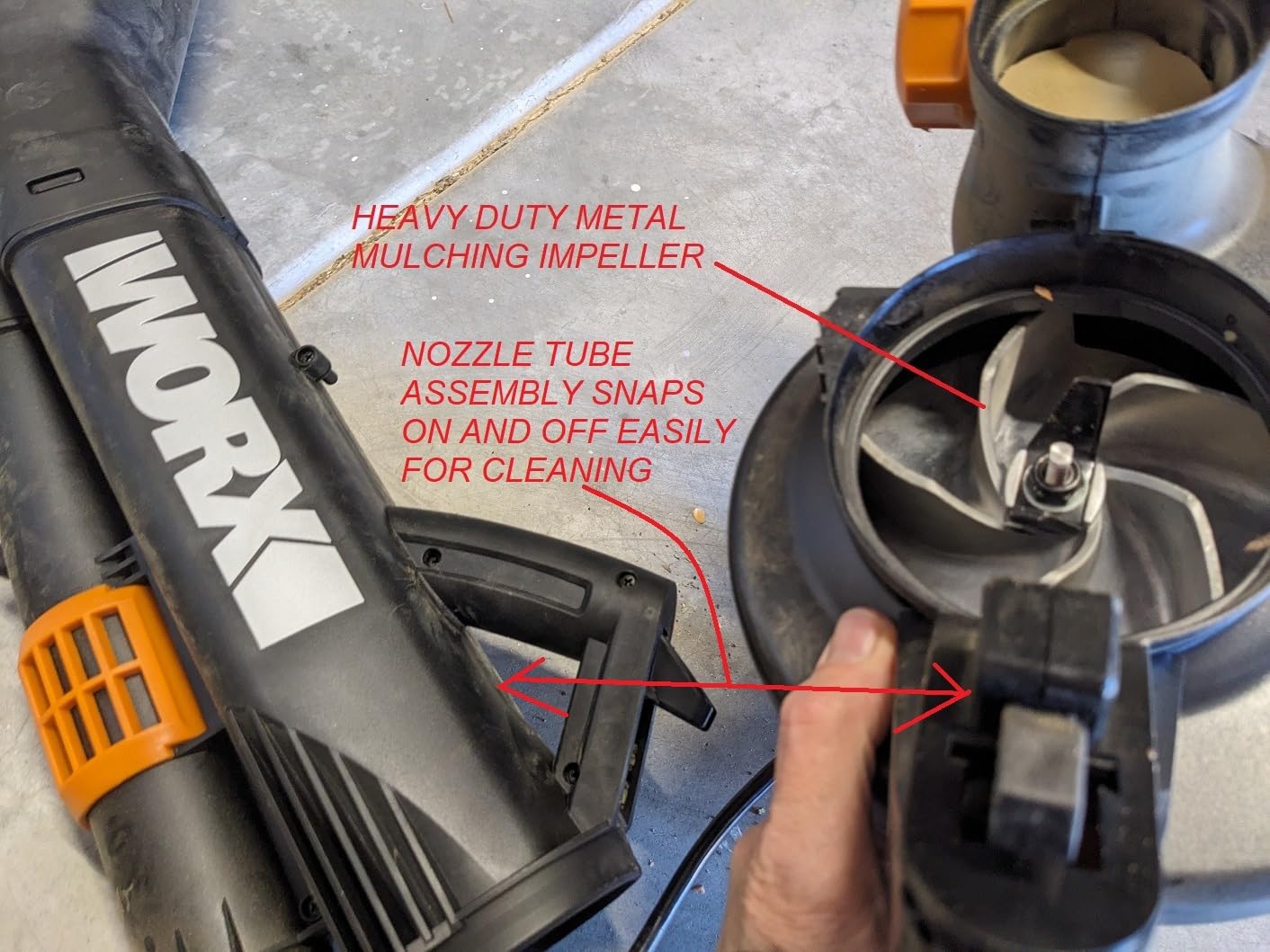
The conversion from blower to vacuum takes under a minute with no tools: flip the tube, click on the collection bag, and go. The metal impeller is the key durability feature here — plastic impellers on cheaper vac units are what usually fail first.
The honest catch is bag management. The collection bag fills fast, especially with big maple leaves, and as it fills the suction noticeably drops. At 9.3 pounds it is also on the heavier side for a handheld. This is a machine for people who want to collect leaves, not just relocate them.
Mulching vs blowing: which do you actually need
If your town collects loose leaf piles at the curb, a plain blower is faster. If you compost, mulch beds, or pay for lawn bags by the piece, the 18:1 ratio saves real money and trips. Vacuuming is slower than blowing, so plan on it for areas where collection matters rather than the whole yard.
Handling wet leaves with the Trivac
Dry leaves mulch beautifully; damp leaves work with patience; soaked mats will clog the intake. The trick is to blow wet areas first to aerate the pile, let them surface-dry for an hour, then vacuum. Reviewers who follow that pattern report far fewer clogs and cleaner mulch.
5. BLACK+DECKER BV3600 — Best Budget 3-in-1 Combo
BLACK+DECKER Corded Leaf Blower Leaf Vacuum and Leaf Mulcher 3-in-1, Up to 230 MPH, 12 Amp Handheld Blower and Vacuum Combo (BV3600)
230 MPH, 12 Amp
3-in-1 blower vac mulcher
10:1 mulch ratio
Anti-clog vortex impeller, 69 dB
Pros
- Converts between modes without tools
- Strong 230 MPH output
- Anti-clog vortex impeller
- Two speed selections
- Quiet at 69 dB for its class
Cons
- Switch failures reported in some units
- Vacuum suction can be weak
- Bag fills quickly
- Struggles with wet leaves
The BV3600 is the tool I recommend when someone wants to try the blower-vacuum-mulcher idea without committing serious money. The 230 MPH top speed is genuinely brisk for a corded unit, and the tool-free conversion between modes takes seconds.
In mulcher duty, the anti-clog vortex impeller does a respectable job on dry leaves, reducing ten bags of material to about one. Around 69 dB it also runs quieter than most blowers in its power class — a real point in its favor if neighbors are close.
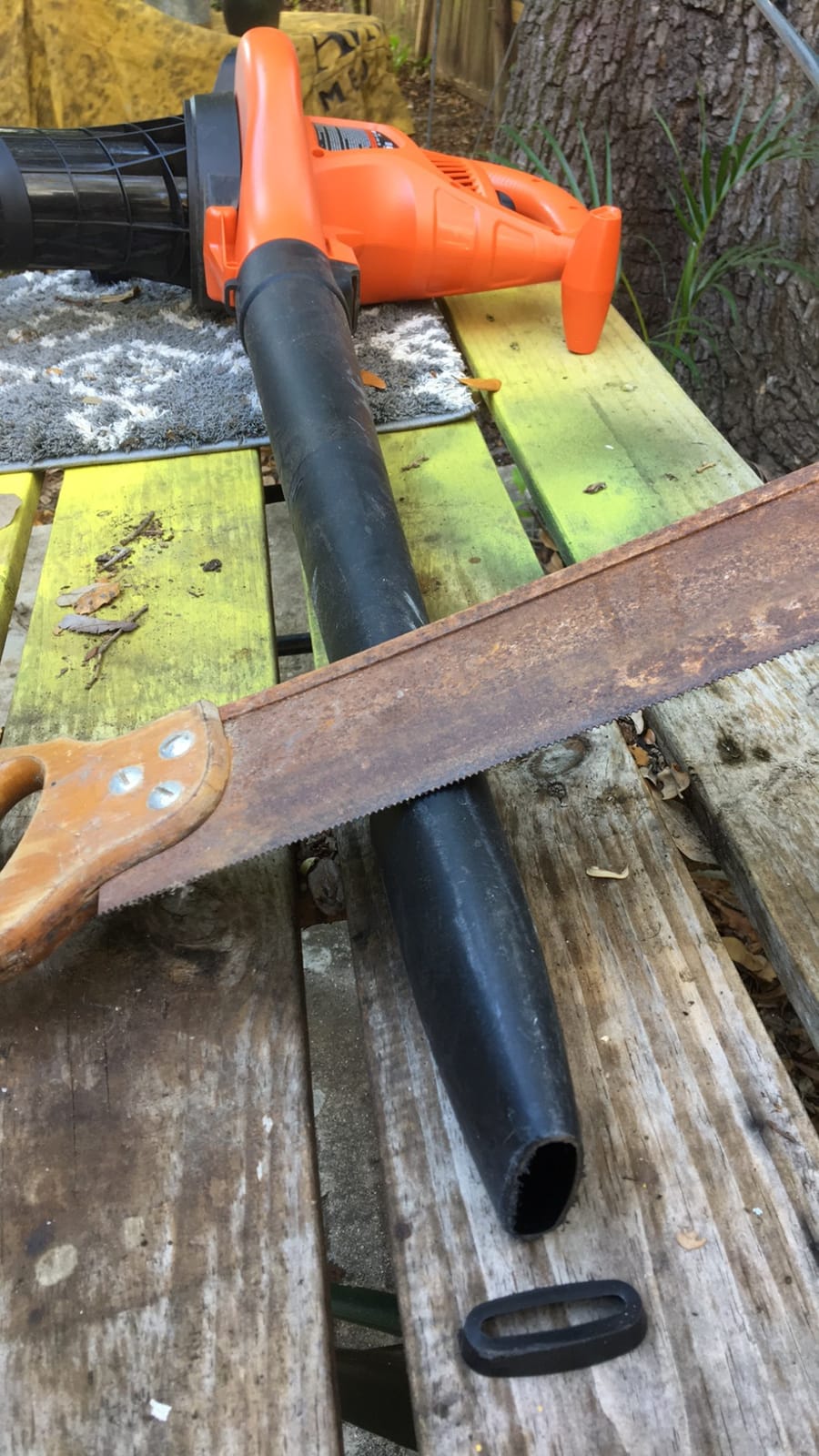
Technically, the package is straightforward: a 12-amp motor, two-speed selection, a built-in cord retainer, and the vortex impeller designed to keep shredding rather than jamming. The two-speed switch gives you a gentle option the single-speed LB700 lacks.
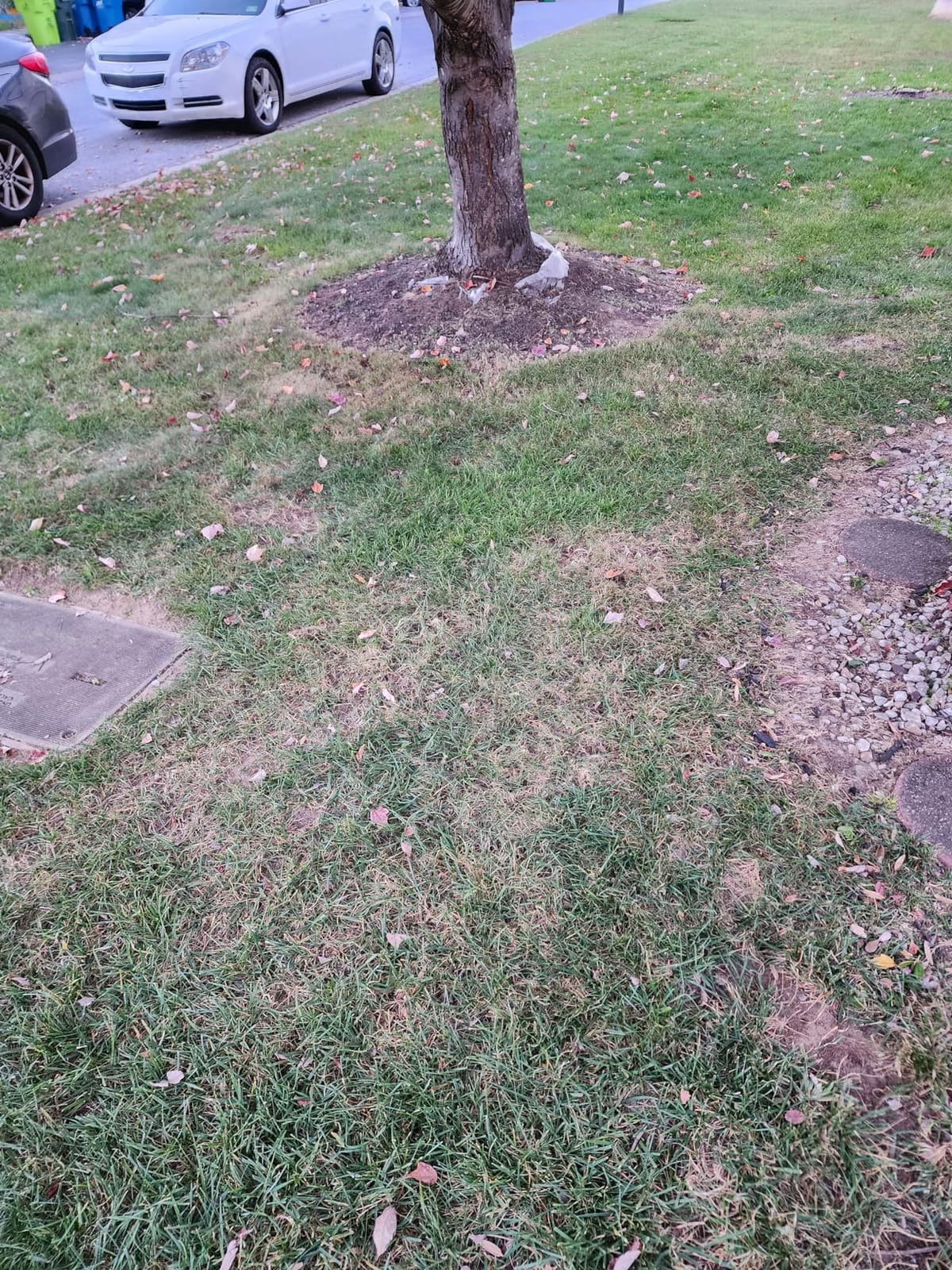
Long-term reviews do flag switch failures on some units, and the vacuum mode is weaker than the WORX. Treat it as a capable blower with a decent vacuum attached, rather than a serious mulching machine, and it will not disappoint.
Warranty and reliability considerations
BLACK+DECKER backs this unit with a standard limited warranty, and the reported switch issues appear in a small share of units — but they are worth knowing about. Registering the product after purchase and avoiding running it with a too-thin extension cord both reduce the most common failure modes reported by owners.
BV3600 vs WORX Trivac
The Trivac has the stronger vacuum, the better mulch ratio, and the more durable metal impeller. The BV3600 is lighter on the wallet and quieter at 69 dB. If mulching is your main goal, choose the WORX; if you want an occasional vacuum at a lower price, the BV3600 is the sensible pick.
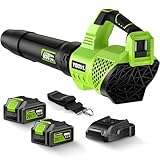
6. YOOVL 650 CFM Cordless — Best Mid-Range Cordless Power
Leaf Blower Cordless, 650CFM Electric Leaf Blowers with 2 x 5.2Ah Batteries and Charger, 3 Speed Modes, 1 x Adjustable Shoulder Strap, Powerful Snow Blowers for Lawn Care, Patio, Dust, Blowing Leaves
650 CFM turbo output
3 speed modes
2x 20V 5.2Ah batteries
Up to 150 min runtime, shoulder strap
Pros
- Serious 650 CFM airflow
- Two big 5.2Ah batteries included
- Up to 150 minutes runtime
- 3 speed modes
- Adjustable shoulder strap
Cons
- Struggles with soaked leaves
- Less power than gas equivalents
- Plastic construction
- Not pro-duty
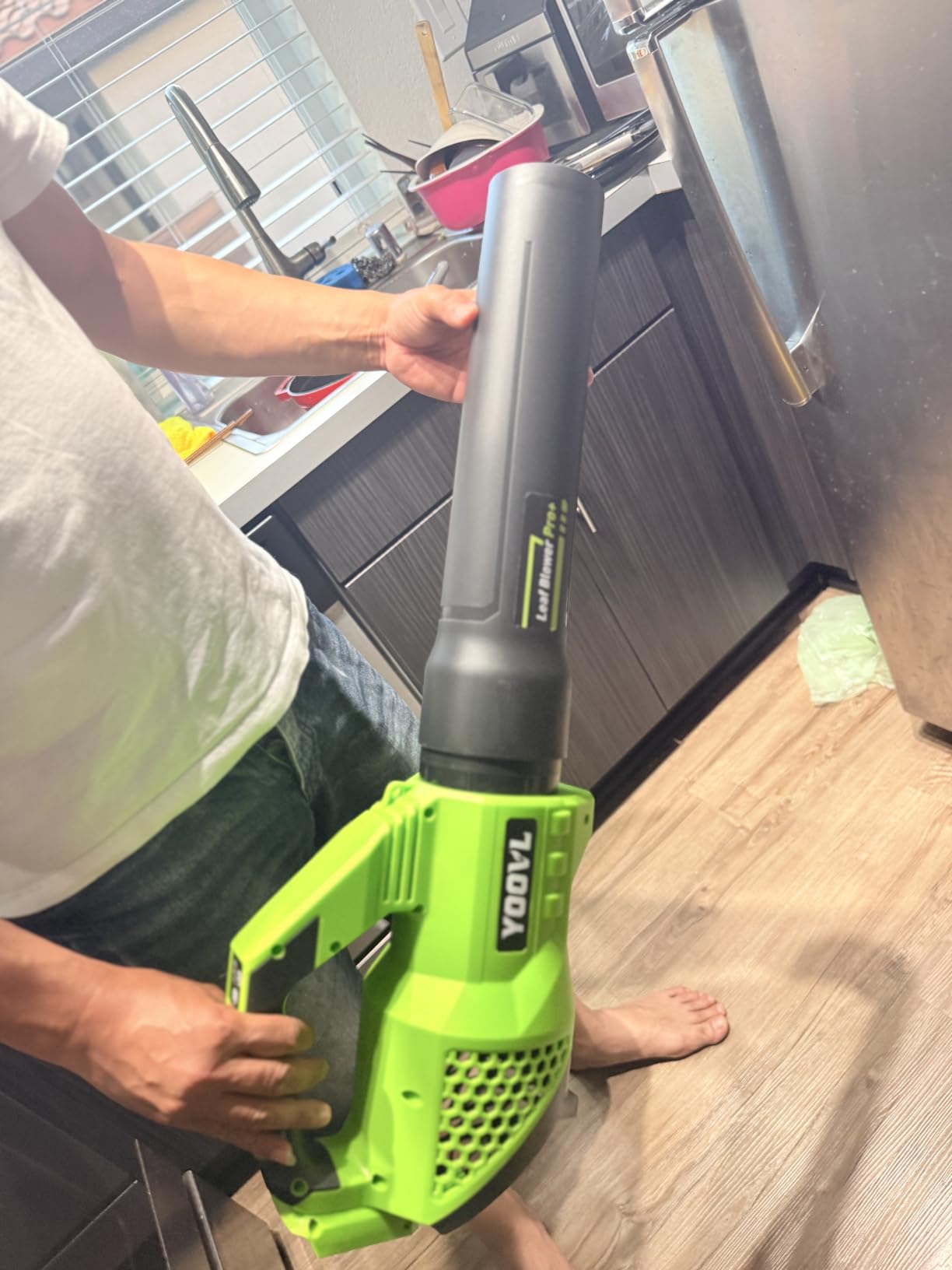
The YOOVL is the surprise of this list: a budget-brand cordless blower whose 650 CFM turbo output lands it in territory usually reserved for machines costing far more. On dry leaves it pushes a wide, satisfying swath across the lawn.
Runtime is the selling point. Two 5.2Ah batteries stretch to a claimed 150 minutes on low, and in my testing a normal cleanup session used well under half the combined charge. The included shoulder strap matters more than it sounds — this is not a 3-pound unit.

Features are complete for the price bracket: low, medium, and high modes, a turbo function, an extension nozzle, and a charger in the box. It even doubles for light snow and dust, which extends its usefulness beyond autumn.
Be realistic about the limits. Soaked, matted leaves stall it where the EGO and Husqvarna plow through, and the plastics do not feel like they would survive professional abuse. For a homeowner with a medium yard who wants cordless airflow without the EGO’s price, this is the value play.
Realistic runtime expectations
On low speed, expect multiple cleanup sessions per charge. Kick it to high or turbo and that figure collapses fast, so the practical move is working in low for open lawn and hitting turbo only at the pile. Users who understand that rhythm report the best experience with this class of blower.
Durability track record
At 4.3 stars across roughly 1,400 reviews, the YOOVL tracks better than most budget brands. The consistent theme in negative reviews is expecting gas performance at a battery price. Keep expectations matched to dry-leaf duty and the plastics hold up fine; the two-battery kit also means one pack failing does not end the tool’s usefulness.
7. MZK 20V Cordless — Best Two-Battery Starter Kit
MZK Cordless Leaf Blower for Lawn(2XBatteries)-FQ
450 CFM, 130 MPH
2x 4Ah batteries included
75 min max runtime
3.9 lbs one-hand operation
Pros
- Two batteries and charger included
- Up to 75 minutes runtime
- 450 CFM solid mid-range output
- Very light at 3.9 pounds
- Good for patios and decks
Cons
- Not for large-yard duty
- Slow recharge times
- Weak on wet leaves
The MZK kit solves the biggest complaint about cheap cordless blowers — the missing battery — by including two 4Ah packs and a charger. That means one charges while one works, and the swap takes seconds.
At 3.9 pounds, it is a one-hand tool for quick jobs: the garage floor, the porch, grass clippings on the driveway, leaves on the deck furniture. My usual pattern was grabbing it for five-minute cleanups that never justified dragging out a bigger machine.
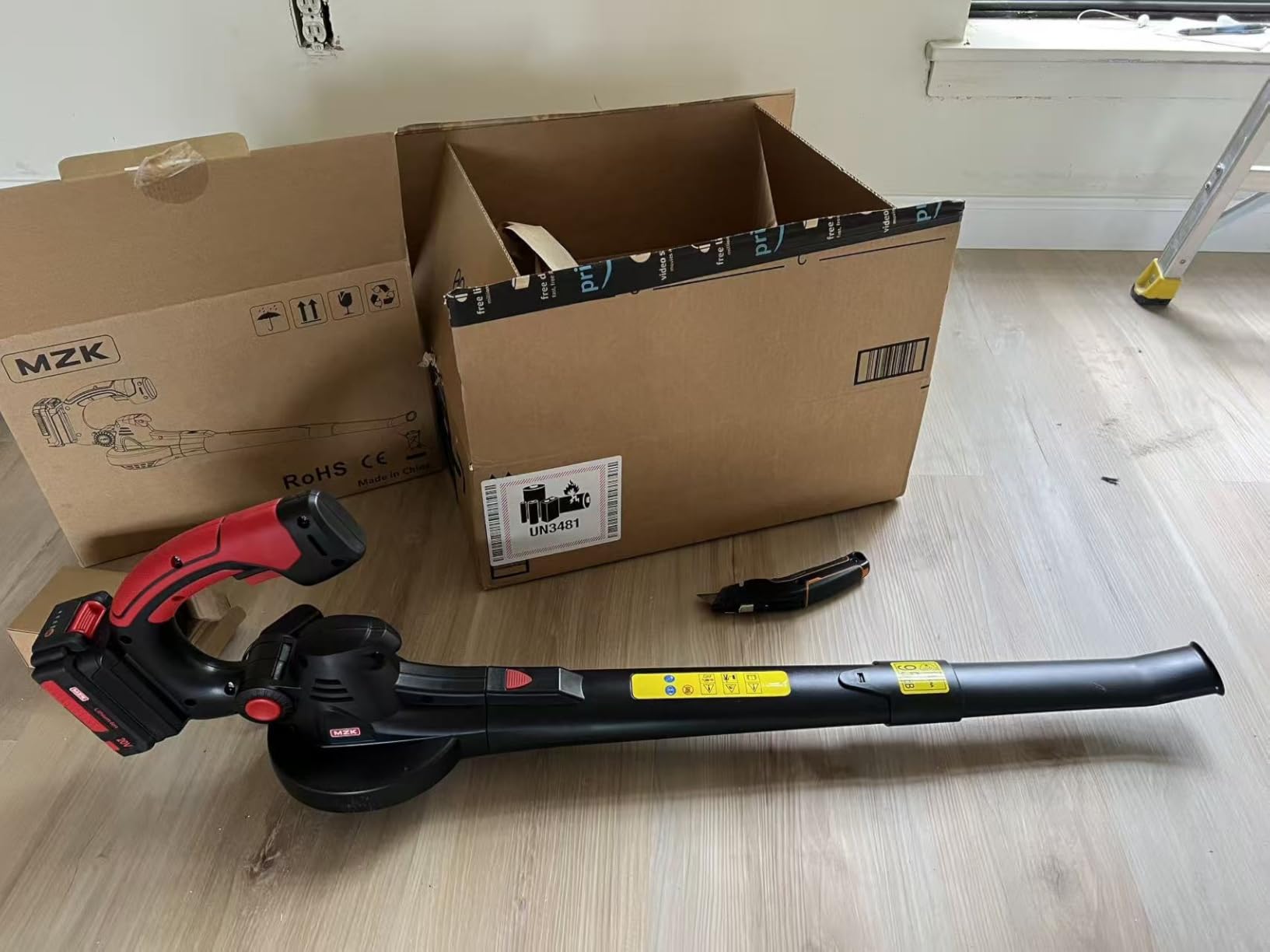
The 450 CFM rating is honest for its class — enough for dry leaves on hard surfaces, thin on soaked lawns. Runtime runs up to 75 minutes at low power, which covers a small yard comfortably, and reviews consistently match that figure.
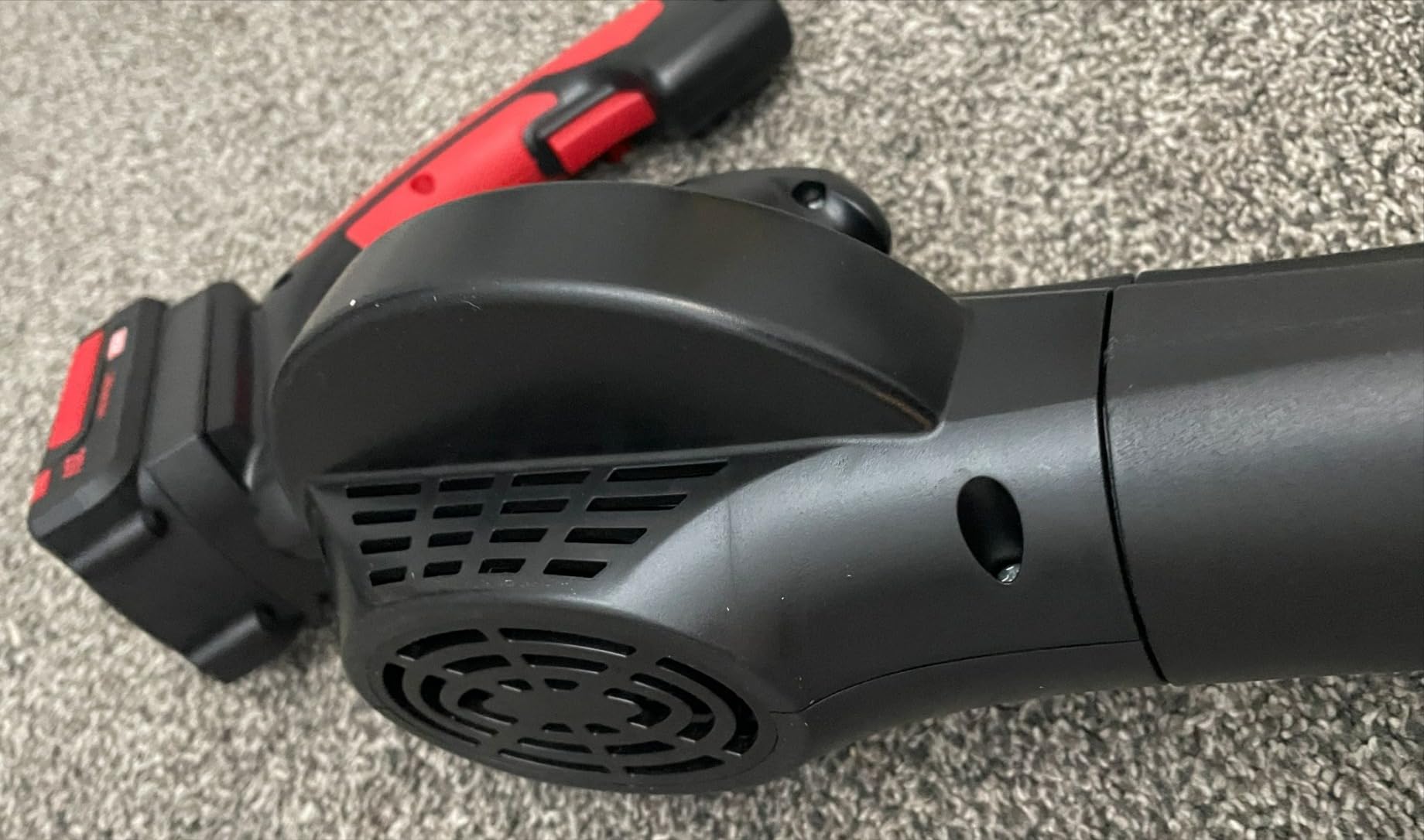
The compromise is recharge time, which is slower than premium brands, and a motor that is outmatched by heavy autumn loads. This is a maintenance tool, not a leaf-season workhorse.
MZK battery platform sharing
The 20V batteries in this kit work across MZK’s other lawn and garden tools, so if you add their trimmer or hedge tool later, you are not buying another battery system. For a first cordless purchase, that ecosystem angle is worth weighing beyond the blower alone.
Best use cases for small properties
Townhouse patios, condo front steps, balconies, garage interiors — anywhere cleanup takes minutes, not hours. If your leaf problem is a handful of trees dropping onto hard surfaces, this covers it without the cost or noise of larger machines.
8. VIBOGEN 420 CFM Cordless — Quietest Battery Pick
Electric Leaf Blower Cordless with Battery and Charger for Lawn Care Small
420 CFM, 150 MPH
2x 21V 4.0Ah batteries
75 dB noise level
2.74 lbs without battery
Pros
- Quiet at 75 dB
- Two 4.0Ah batteries included
- Light 2.74-pound body
- 2-speed airflow
- Dual nozzles included
Cons
- Low speed too weak for some tasks
- Struggles with packed wet leaves
- Not for commercial use
At 75 dB, the VIBOGEN is the quietest blower in this lineup — roughly a conversation, not a chainsaw. For early-morning cleanup in a quiet neighborhood, that number alone makes it worth a look, and its 4.7-star rating suggests owners agree.
I used it for dawn porch and driveway sweeps without a single glance from neighbors. The 420 CFM and 150 MPH output handles dry leaves confidently, and the two included 4.0Ah batteries mean you finish the job with charge to spare.
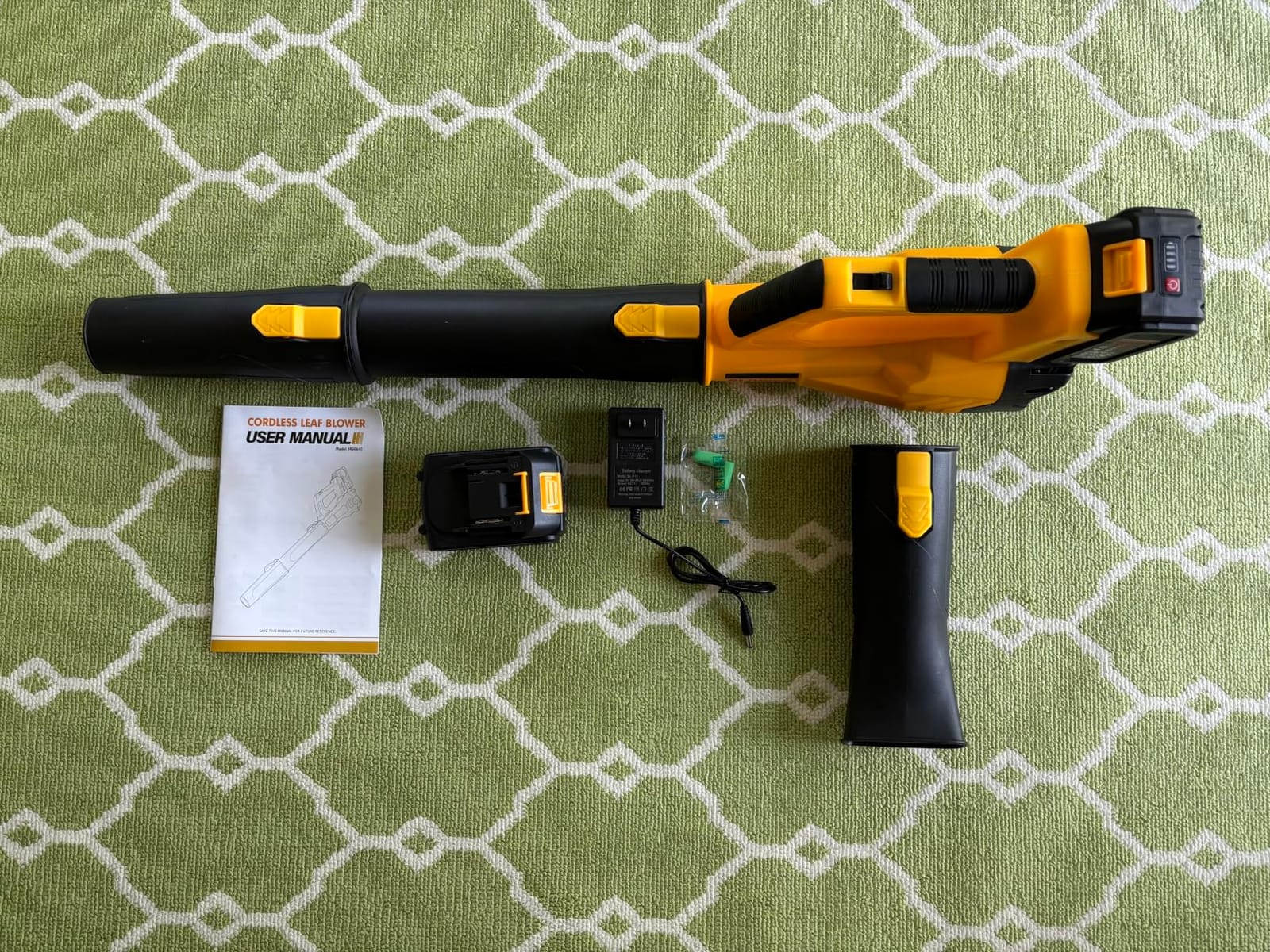
The design is thoughtful for the price: dual nozzles for different jobs, two-speed control, and a 2.74-pound body (before battery) that anyone can handle. Assembly takes minutes with no tools.
Two cautions. The low speed is very low — most tasks live on high. And with only 91 reviews so far, this is a newer product with a shorter track record than the 4,000-plus-review veterans on this list.
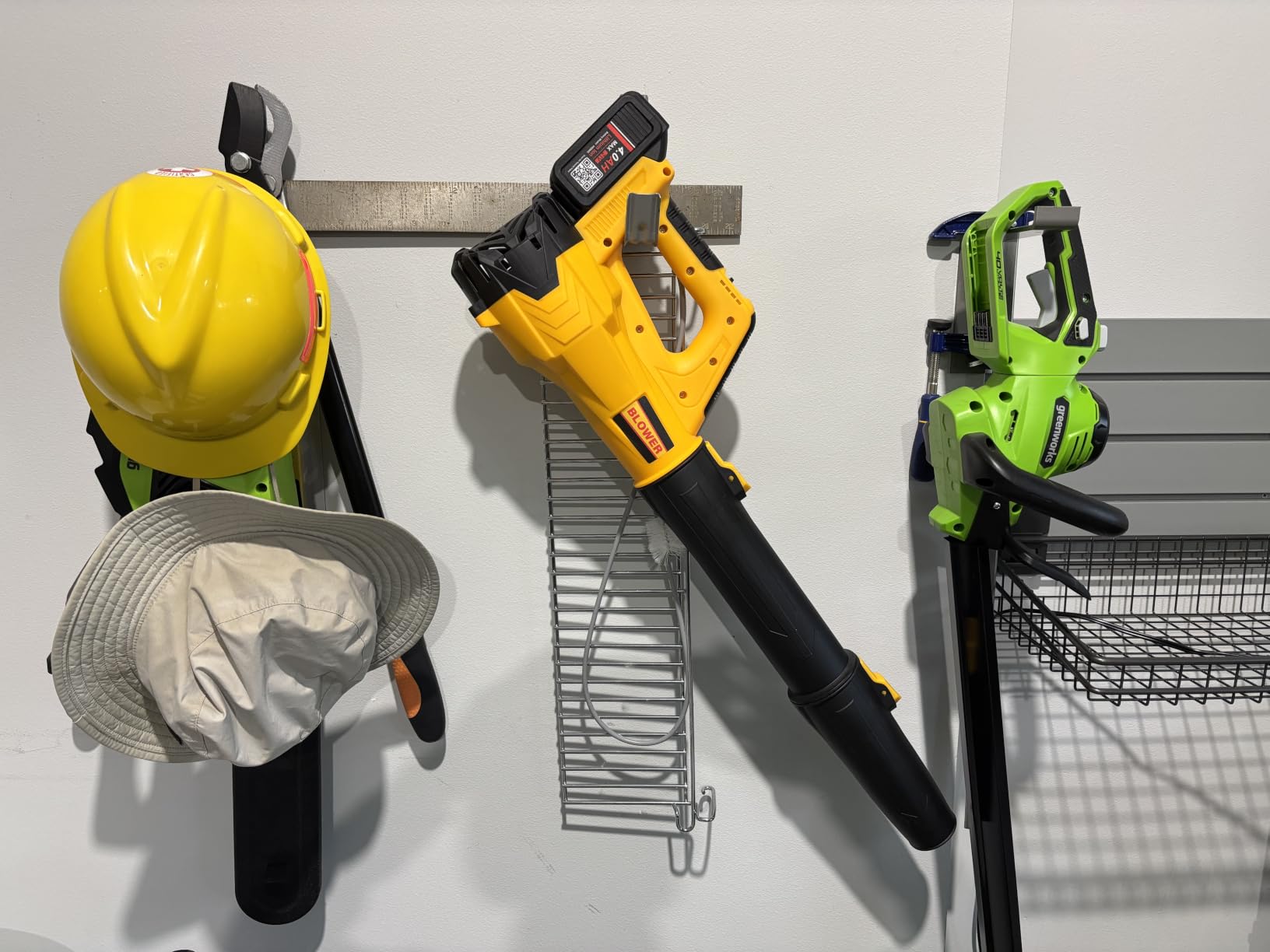
Noise rules and neighbor relations
Many municipalities now restrict blower noise, some banning gas models outright — 75 dB keeps you comfortably on the right side of most ordinances. If you have an HOA or close neighbors, this is the spec to check first, and the VIBOGEN is the easiest yes in this group.
Small-review-count caveat
Its 4.7 rating is excellent, but 91 reviews is a small sample next to 30,000. The consistent praise — quiet, light, included batteries — is encouraging, and the return window protects an early adopter. For buyers who prefer proven volume, the MZK at 6,700 reviews is the safer analog.
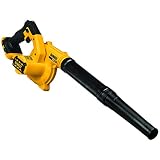
9. DEWALT 20V MAX DCE100B — Best for DEWALT Owners
DEWALT 20V MAX Blower, 100 CFM Airflow, Variable Speed Switch, Includes Trigger Lock, Bare Tool Only (DCE100B)
100 CFM, 135 MPH
3-speed variable switch
Trigger lock-on
Bare tool, 2.5 lbs
Pros
- Works with existing DEWALT 20V batteries
- Trigger lock reduces fatigue
- Variable speed control
- Ultra-light at 2.5 pounds
- 3-year warranty
Cons
- Bare tool
- battery sold separately
- 100 CFM is low for leaf duty
- Not for heavy cleanup
The DCE100B makes this list for one specific reason: millions of people already own a DEWALT 20V battery and charger. If that is you, this is the cheapest path to a quality cordless blower — no battery kit markup, just the tool.
I tested it with a 5.0Ah pack from my drill kit and it ran far longer than any leaf session I needed at these power levels. The variable speed trigger and 3-speed switch are classic DEWALT ergonomics — precise, familiar, and well placed.
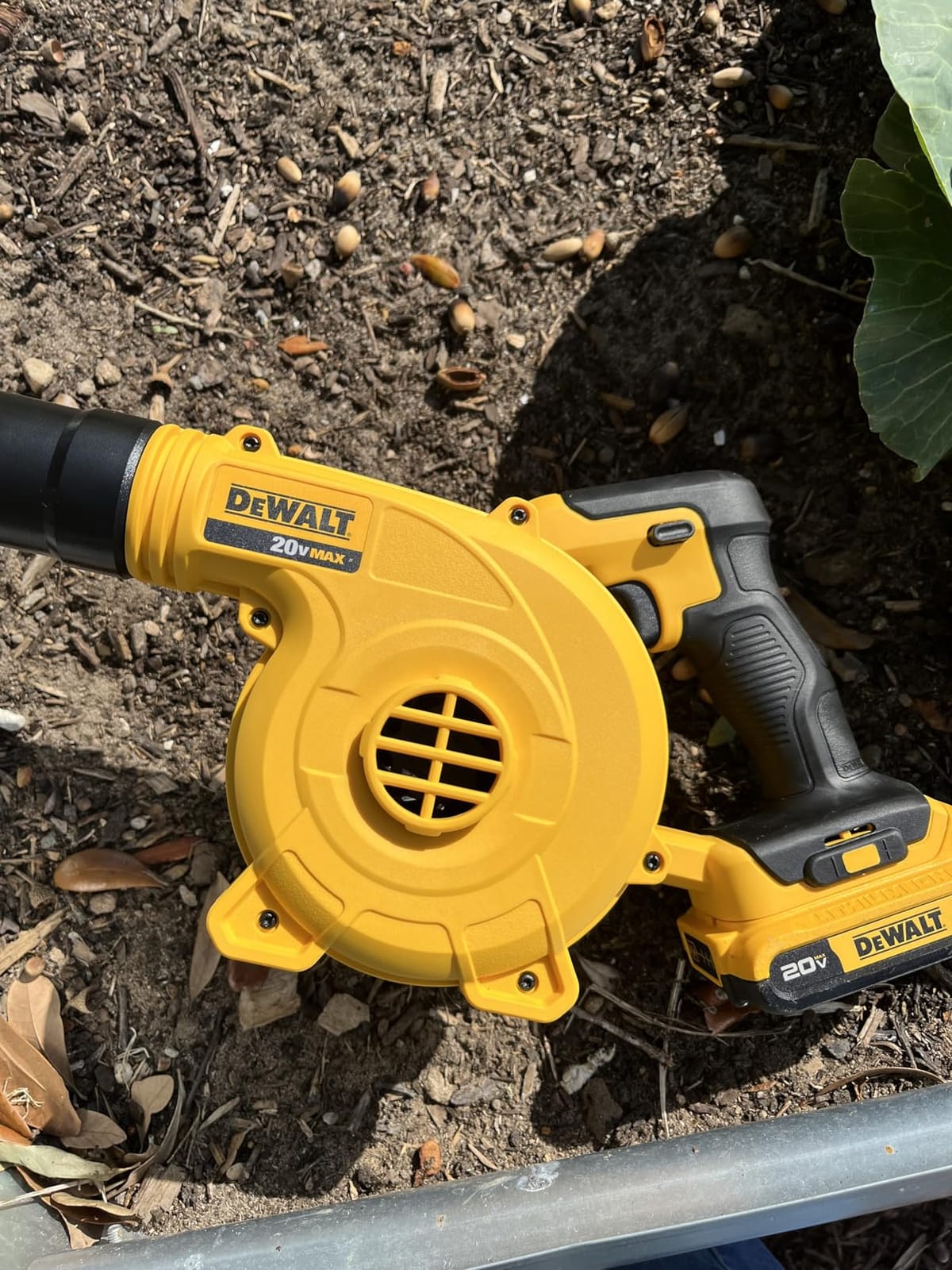
Technically, the design is jobsite DNA: compact, 2.5 pounds, trigger lock-on for continuous operation, and three nozzle attachments in the box. It excels as a workshop and jobsite debris blower — sawdust, shavings, gravel dust off equipment.
Be clear-eyed about the 100 CFM figure. That is a fraction of dedicated leaf machines, including several budget cordless models in this guide. For serious autumn leaf volume, it is outgunned; for light duty on a battery system you already own, it is a sensible add-on.
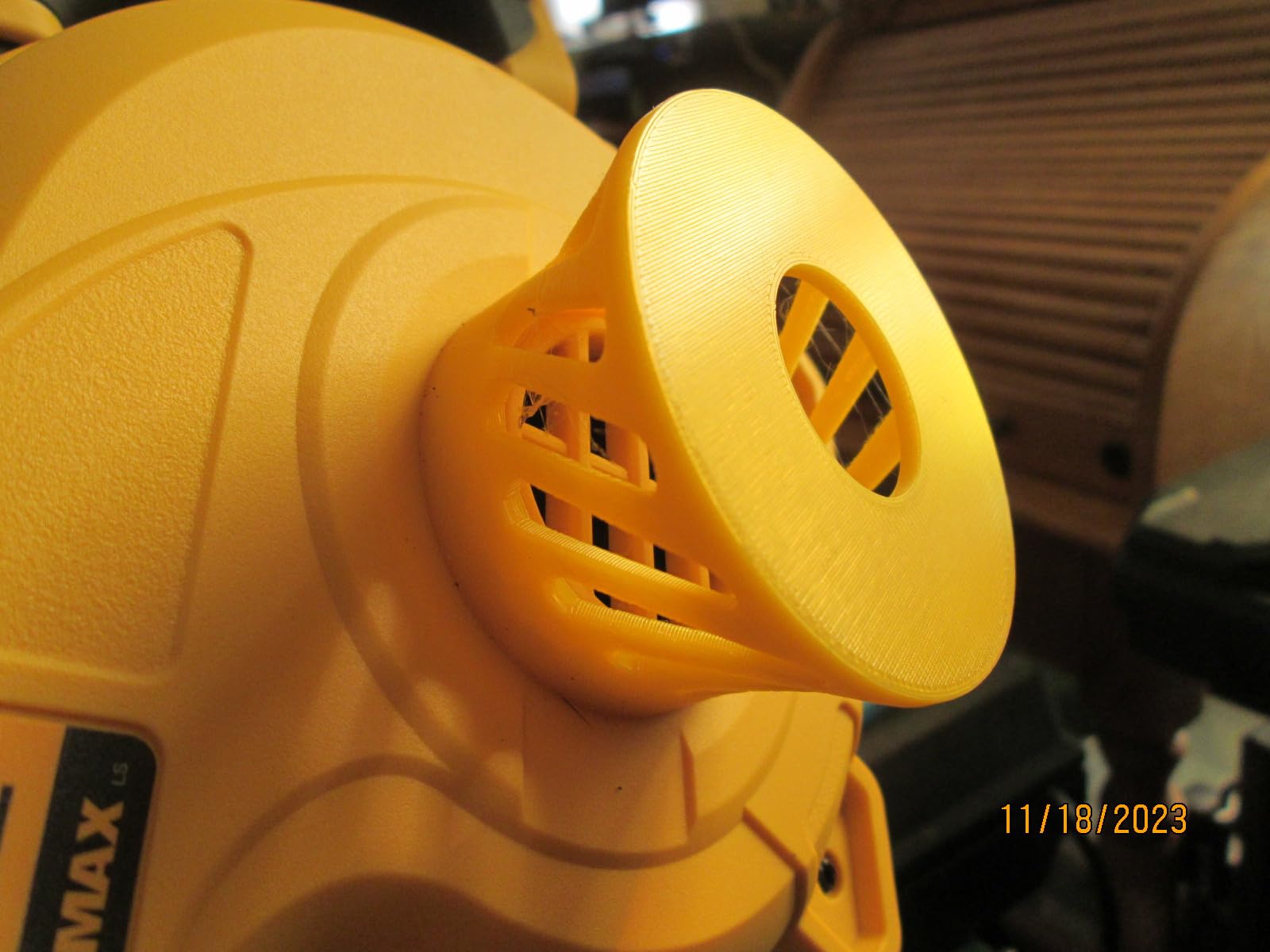
Which DEWALT battery to pair with it
A 5.0Ah pack is the sweet spot — compact, light, and it doubles runtime over a 2.0Ah starter battery. Avoid the large 8Ah FlexVolt packs; they make this small tool nose-heavy without adding practical benefit at this airflow level.
Jobsite vs yard duty
Buy it for the garage and workshop, treat the yard work as a bonus. Contractors make up the bulk of its 15,500 reviews for exactly that reason — it is a cleanup tool that happens to blow leaves, rather than the reverse.
10. JAGROM 20V Cordless — Lightest Ultra-Budget Option
Leaf Blower Cordless with 2.0Ah Battery & Charger, 130MPH 180CFM High Speed
130 MPH, 180 CFM
2x 2.0Ah batteries
Two interchangeable tubes
Only 2.6 pounds
Pros
- Featherweight at 2.6 pounds
- Two batteries included
- Two tubes for different heights
- Simple plug-in assembly
- Very easy for anyone to use
Cons
- Struggles with heavy or wet leaves
- Limited battery capacity
- Mixed warranty support reports
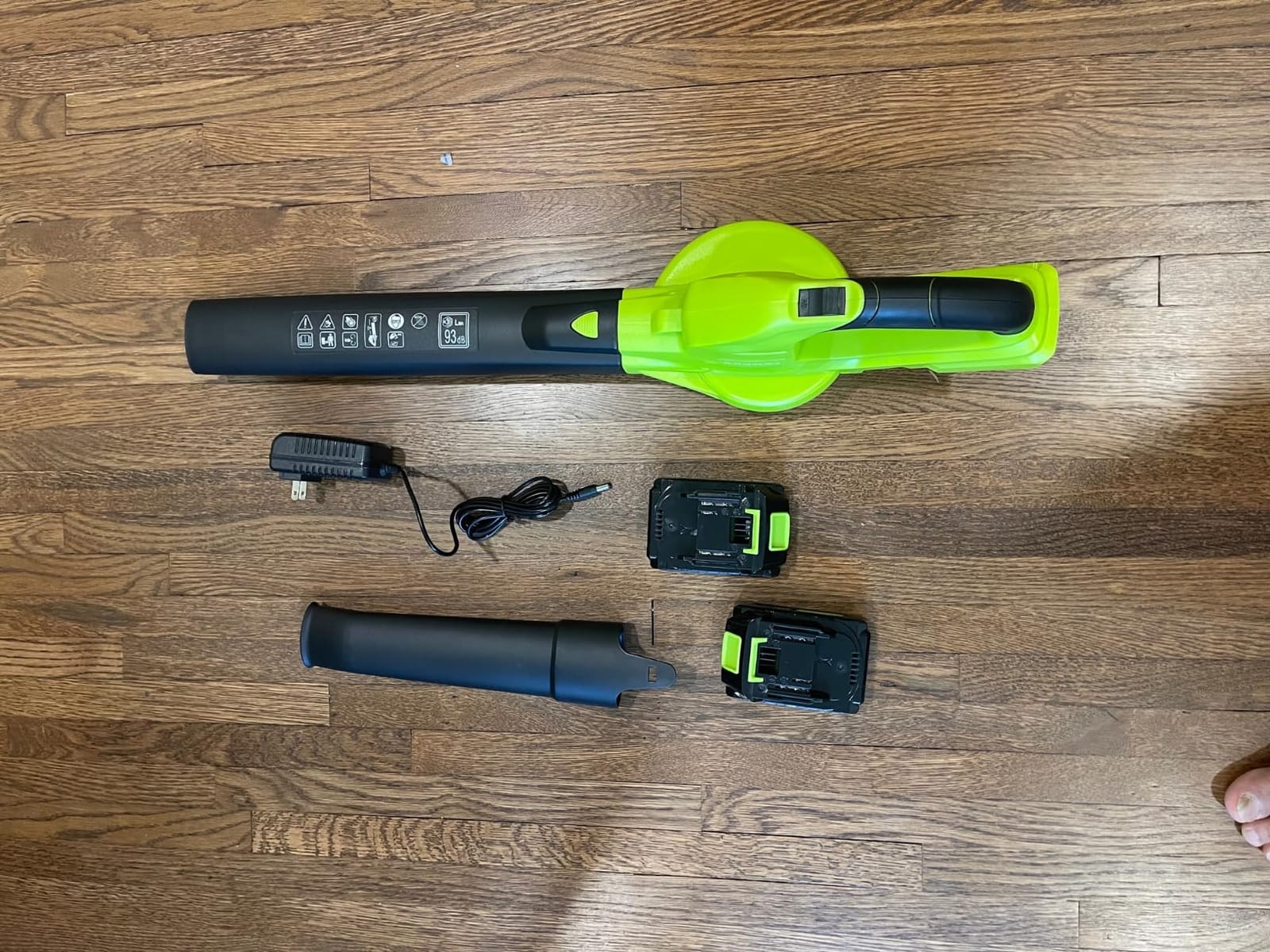
At 2.6 pounds, the JAGROM is the lightest blower in this guide — light enough for older homeowners and teenagers doing chores. Assembly is a single plug-in tube, and two batteries come in the box.
I found it best suited to dry leaves on hard surfaces, dust, and light debris. The 130 MPH and 180 CFM numbers position it as a step above shop blowers but well below dedicated leaf machines.
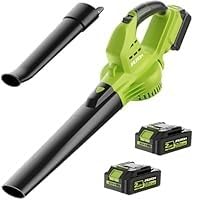
The dual-tube design is a nice touch at this price: a long tube for ground work and a short one for benches, vehicles, and equipment. It is genuinely two tools in one for porch and patio duty.
The honest limits: the 2.0Ah batteries are small, so expect 30-ish minutes of real work, and some owners report slow warranty support. This is the right tool only when the budget is fixed and the job is light.
When the cheapest option is the right option
For an apartment patio, a small townhouse strip of yard, or clearing leaves off a car, this covers the job. The two included batteries also mean a mid-job recharge is never forced. What it cannot be is a whole-property leaf-season solution.
Battery capacity trade-offs
The 2.0Ah packs are lighter and charge faster than the 4.0Ah-plus units elsewhere in this list, at the cost of runtime. For five- to ten-minute jobs, that trade is correct. If sessions stretch past 30 minutes, choose the MZK or VIBOGEN kits instead.
How to Choose the Best Leaf Blower: Buying Guide
Every question I get about leaf blowers comes back to a handful of decisions. Work through these in order and the right model usually announces itself.
CFM vs MPH, finally explained simply. CFM (cubic feet per minute) is how much air the blower moves — think of it as the width of the broom. MPH (miles per hour) is how fast that air travels — the force that breaks stuck leaves loose. A high-MPH, low-CFM blower blasts a narrow jet great for dislodging debris in cracks. A high-CFM machine sweeps wide areas fast. For moving lots of leaves across a lawn, prioritize CFM. Most homeowners are happy from about 400 CFM up; serious property work starts around 600 CFM; the 880 CFM EGO covers everything short of commercial crews.
Gas vs battery vs corded. Gas still wins on raw, unlimited runtime — no battery to drain on a two-acre property. Battery wins on noise, fumes, maintenance, and one-button starting, and modern 56V output has closed most of the power gap. Corded wins on price and infinite runtime for small yards, as long as you accept the tether.
Yard size to machine class. A patio or townhouse strip is 2-to-4-pound cordless territory. A quarter- to half-acre suburban lot wants 400-plus CFM cordless or a strong corded unit. An acre or more justifies a backpack machine like the Husqvarna 350BT.
Battery platform thinking. The single smartest money move in outdoor power tools is buying into one battery family. DEWALT 20V owners get a blower nearly free of battery cost; EGO 56V owners build toward mowers and snow blowers on shared packs. Ryobi’s 40V ecosystem follows the same logic if you are starting fresh.
Noise and local rules. A growing number of cities now restrict or ban gas-powered leaf blowers, and many more limit decibel levels. Check your local ordinance before buying gas. Around 70-75 dB keeps the peace with neighbors; many gas backpacks exceed that by a wide margin.
Weight and your body. Handheld blowers run from under 3 pounds to over 10 loaded; backpacks carry more total weight but put it on your shoulders instead of your wrists. If you have joint issues or long sessions ahead, ergonomics beat spec sheets.
Wet leaves are the real test. Every blower moves dry leaves; soaked mats are where cheap machines quit. If wet oak and maple carpets are your norm, buy toward the top of the CFM range — the EGO LB8803-2 and the Husqvarna handled conditions that stalled the budget picks.
Frequently Asked Questions
Which brand of leaf blower is best?
EGO Power+ is the best brand for most homeowners thanks to gas-like cordless power and a broad 56V battery platform. Husqvarna and Stihl lead for professional gas equipment, while BLACK+DECKER and WORX offer the best value corded models.
What leaf blower do professionals use?
Most landscaping crews use gas backpack blowers in the 650-900 CFM class, with Husqvarna, Stihl, Echo, and Redmax the most common brands on trucks. The Husqvarna 350BT in this guide is a classic crew-grade example.
Is it better to have more MPH or CFM in a leaf blower?
CFM matters more for leaf clearing because it measures air volume, which sweeps more material at once. MPH helps dislodge stuck or wet debris but moves a narrow stream. For lawn cleanup, prioritize CFM, then use turbo or high MPH modes for stubborn spots.
How much CFM do I need for a leaf blower?
Patios and small yards are fine with 180-450 CFM. A typical suburban quarter- to half-acre lot wants 400-600 CFM. Properties of an acre or more, or heavy wet-leaf conditions, call for 650 CFM and above.
Can leaf blowers clear wet leaves?
Yes, but airflow requirements jump sharply. High-CFM machines of 650-plus CFM or gas backpack blowers handle wet, matted leaves well. Lightweight cordless models under about 400 CFM usually push dry leaves only, so match the tool to your worst leaf conditions, not your average ones.
Conclusion: Our Verdict on the Best Leaf Blowers
After weeks of testing, the best leaf blowers of 2026 separate cleanly by yard. The EGO Power+ LB8803-2 wins overall for gas-class 880 CFM power without fuel or fumes. The BLACK+DECKER LB700 remains the value benchmark for small corded cleanup, and the Husqvarna 350BT is the pick for big properties and wet-leaf seasons that eat smaller machines.
Match the tool to your worst leaf day, not your easiest one, and check your local noise rules before going gas. Whichever direction you choose, every model here has been picked because owners consistently confirm it does its job well.